
How to Meal Plan Smartly When You’re Watching Every Dollar
Eating healthy doesn’t have to mean breaking the bank; it just takes a mindset shift. Instead of seeing your grocery list as a struggle between “cheap” and “healthy,” think of it as a creative challenge. How can you turn pantry staples into something exciting? What are the underestimated, affordable ingredients that pack a nutritional punch?
Forget boring meal plans and let’s talk about how to reimagine your kitchen game. With these seven strategies, you’ll learn how to create meals that are not just budget-friendly but also full of flavor, fun, and a little flair.
Ready to save money and still eat like a foodie? Let’s dive in.
1. Establish a Cost-Per-Serving Limit
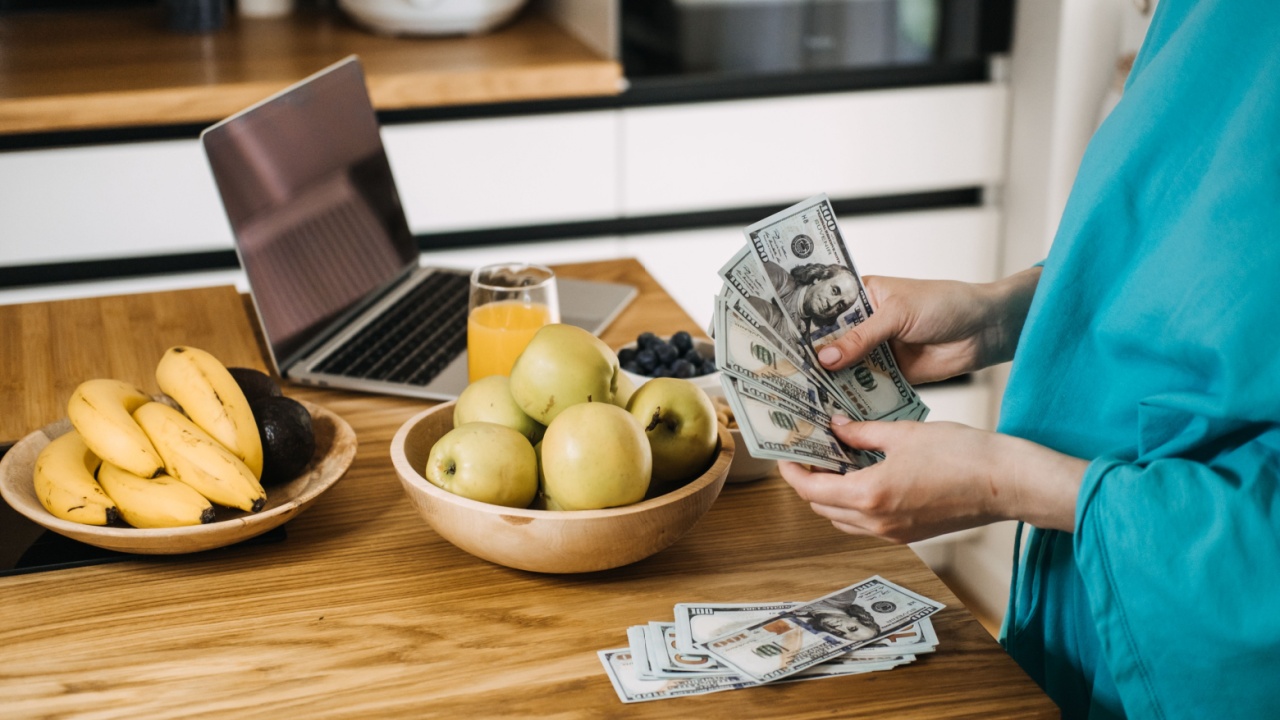
Before you even look at a recipe, set a strict budget for each meal. While a weekly budget is a good start, knowing exactly how much you can spend per serving gives you real control.
For example, if you have a $70 weekly food budget for 21 meals, you could aim for $2.50 per dinner and $1.50 for breakfast and lunch. This simple number helps you make smarter choices at the grocery store.
You’ll quickly see that an expensive steak might blow your budget, while choosing chicken thighs over breasts or dried beans over canned keeps you on track. This helps you catch overspending and swap for cheaper options before you even get to the checkout.
2. Master the “3-4 Meal Rotation”
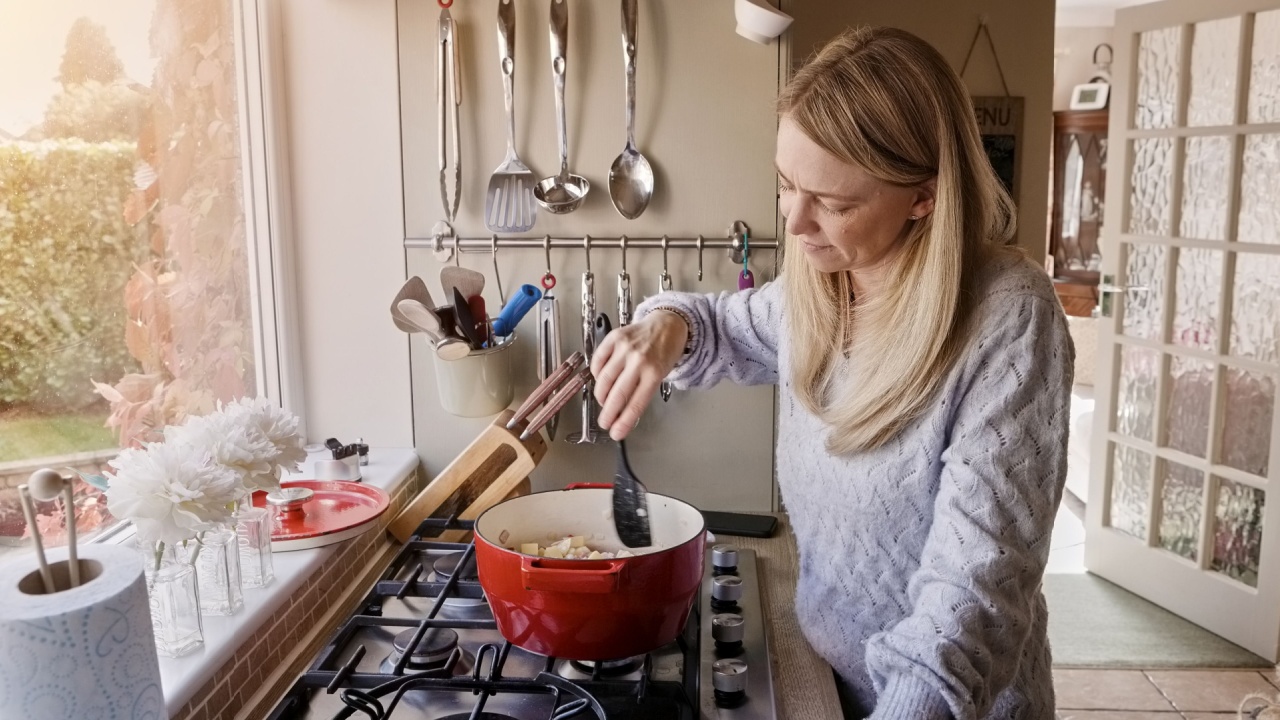
Variety is the spice of life, but it’s also the enemy of a budget. Buying unique ingredients for seven completely different dinners often leads to waste and high costs. A better approach is the 3-4 meal rotation. Pick three or four core meals for the week and cook them in large enough batches to repeat.
For example, you might plan for a large Lentil Dahl, a Sheet-Pan Chicken and Veggie roast, and a big pot of Chili. You eat these for dinner on alternating nights and use the leftovers for lunches. This method allows you to buy ingredients in larger, more economical quantities (like a big bag of onions or a family pack of chicken) and ensures you actually use them up.
3. Embrace “Leftover Alchemy”

Leftovers often get a bad rap as boring repeats, but smart meal planners view them as pre-prepped ingredients for entirely new dishes. This concept, often called “leftover alchemy,” prevents food boredom and waste. The idea is to cook a base ingredient once and transform it into something different the next day. This keeps your meals interesting and stops food from going to waste.
For example, you can shred the remains of a roast chicken to use in wraps the next day. By mid-week, you can use the rest for a simple soup. Leftover rice is perfect for a quick stir-fry with eggs and veggies. When you plan these changes ahead of time, your groceries last longer and you get a variety of meals without much extra effort.
4. Shop with a Unit-Price Mindset

The shelf tag shows what you pay, but the unit price shows the real value. Usually, stores list the price per ounce or pound in small print. This is your secret weapon. For example, a small jar of peanut butter might be $3.00 while a huge tub is $6.00. The small jar feels cheaper, but the unit price might show the big tub is actually a much better deal.
Don’t just look at “Sale” signs; check that unit price. Often, store brands or family sizes offer the best value. Just remember: only buy in bulk if you’ll actually eat it. Saving money on five pounds of spinach isn’t a win if it goes bad. Stick to unit pricing for items that last a long time, like rice, pasta, and canned goods, to truly maximize your savings.s.
5. Implement a “Use-It-Up” Inventory System

The most expensive food is the food you throw away. Before making a meal plan or grocery list, check your kitchen first. Look through your pantry, fridge, and freezer for items you already have, like half-used pasta, cans of beans, or frozen veggies. Build your meals around these.
For example, if you have salsa and rice, you’re halfway to a burrito bowl; just add beans or meat. This way, you only buy what you’re missing instead of starting from scratch. Keep a list on your fridge of fresh or leftover items to use soon, so they don’t go to waste.
6. Rely on Low-Cost Flavor Boosters

Eating on a budget doesn’t mean your food has to be boring. Good seasoning can make a simple meal taste amazing. Instead of buying pricey pre-made sauces, get a few basic flavor boosters. Things like spices (cumin, paprika), aromatics (garlic, onions), and acids (lemon juice, vinegar) are cheap and can make a big difference.
For instance, adding soy sauce and ginger makes a stir-fry taste great. A bit of lemon and dried herbs can liven up lentil soup. Hot sauce can spice up almost any dish. These items are cheap because you only need a small amount each time. By learning to use a few key seasonings, you can make simple foods like eggs, potatoes, and grains taste delicious.
Start Planning Your Savings

Meal planning on a budget is a skill that gets easier with practice. You don’t have to implement all these strategies overnight. Pick one or two to focus on this week, maybe calculate your cost per serving or try a new meal rotation.
As you get comfortable, you’ll find that you are not only saving money but also enjoying the peace of mind that comes with knowing exactly what’s for dinner.