

12 Vegetables That Can Last for Months in the Right Conditions
A successful harvest is worth preserving. With the right storage conditions, many homegrown vegetables (or store-bought in many cases) can stay fresh for months, reducing food waste and keeping the pantry stocked well beyond the growing season.
A root cellar uses naturally cool temperatures and controlled humidity to extend the life of harvested vegetables.
The key is knowing which crops need cold, moist air and which require a warmer or drier space.
These 12 vegetables are good candidates for long-term storage when handled properly.
1. Potatoes
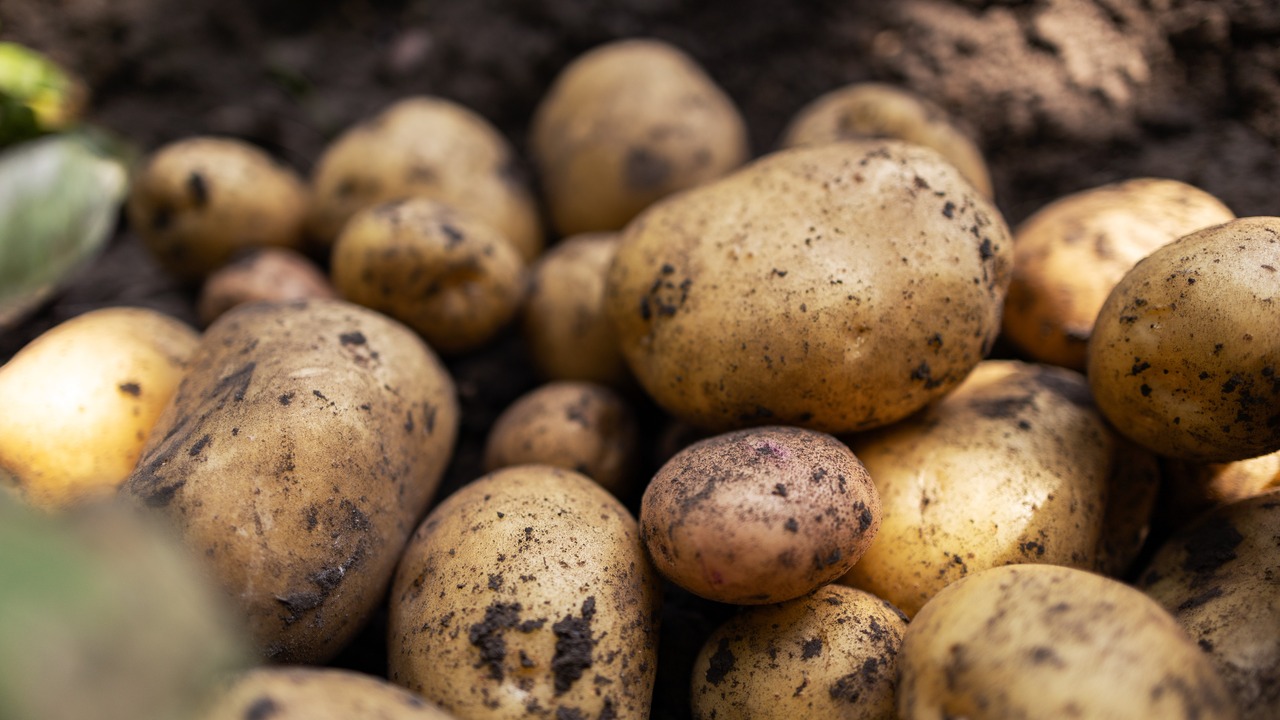
Potatoes can keep for several months when cured and stored in a cool, dark place. After harvesting, brush off loose soil without washing the tubers. Cure them for about 10 to 14 days in a dark, ventilated area at roughly 50–60°F to help minor surface injuries heal.
Move the cured potatoes to a dark, humid space around 38–40°F, ideally with 80–90% relative humidity. Use ventilated crates or bins and inspect them regularly. Light can cause greening, while warmer temperatures encourage sprouting. For more on the process, see how to grow and harvest potatoes and these storage recommendations.
2. Carrots
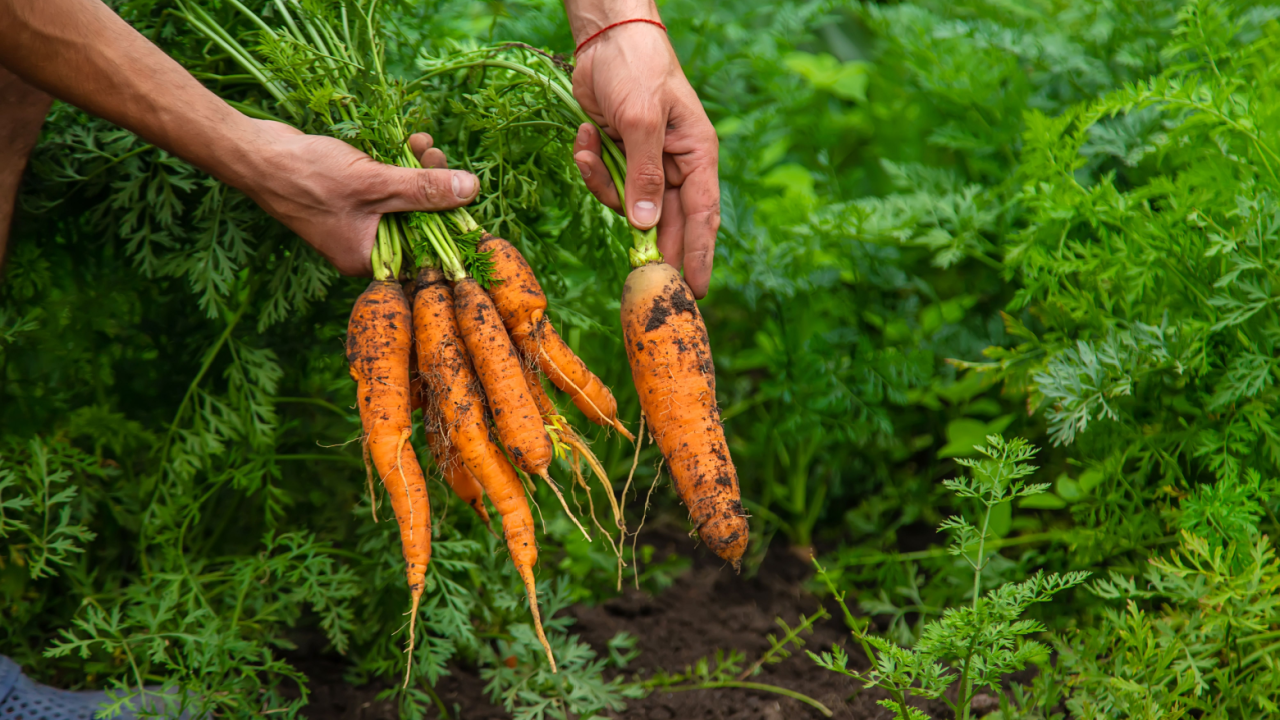
Carrots store particularly well in cold, humid conditions. Harvest before the ground freezes, remove the leafy tops, and gently brush away excess soil. Leaving the greens attached can draw moisture from the roots and shorten their storage life.
Pack unwashed carrots in a container of slightly damp sand or clean sawdust to prevent drying. Aim for temperatures near 32–40°F and high humidity. Check periodically for soft spots or decay, and remove damaged roots promptly.
3. Beets
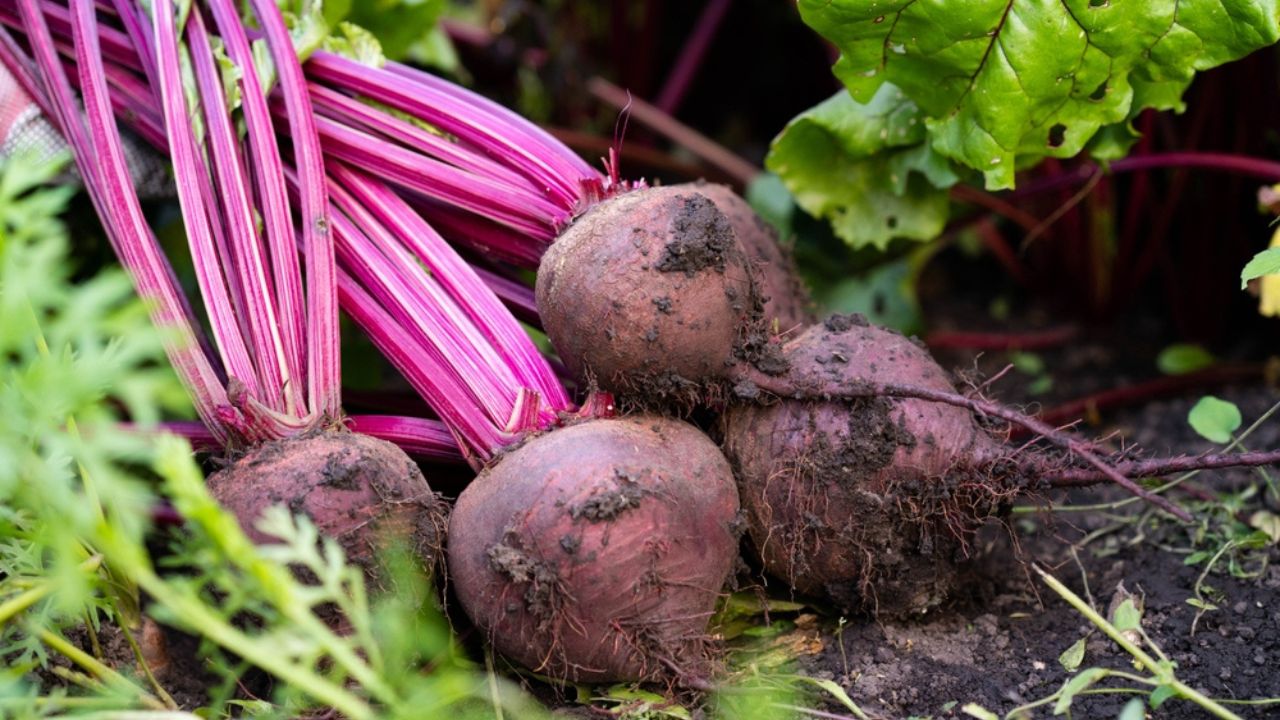
Beets can remain firm for months if they are harvested carefully and kept from drying out. Choose sound roots, brush off loose soil, and trim the leaves, leaving about an inch of stem to avoid cutting into the beet itself.
Store your harvested beets in damp sand or sawdust at approximately 32–40°F with high humidity. Use any bruised or damaged roots first, since they are more likely to spoil in storage.
4. Parsnips
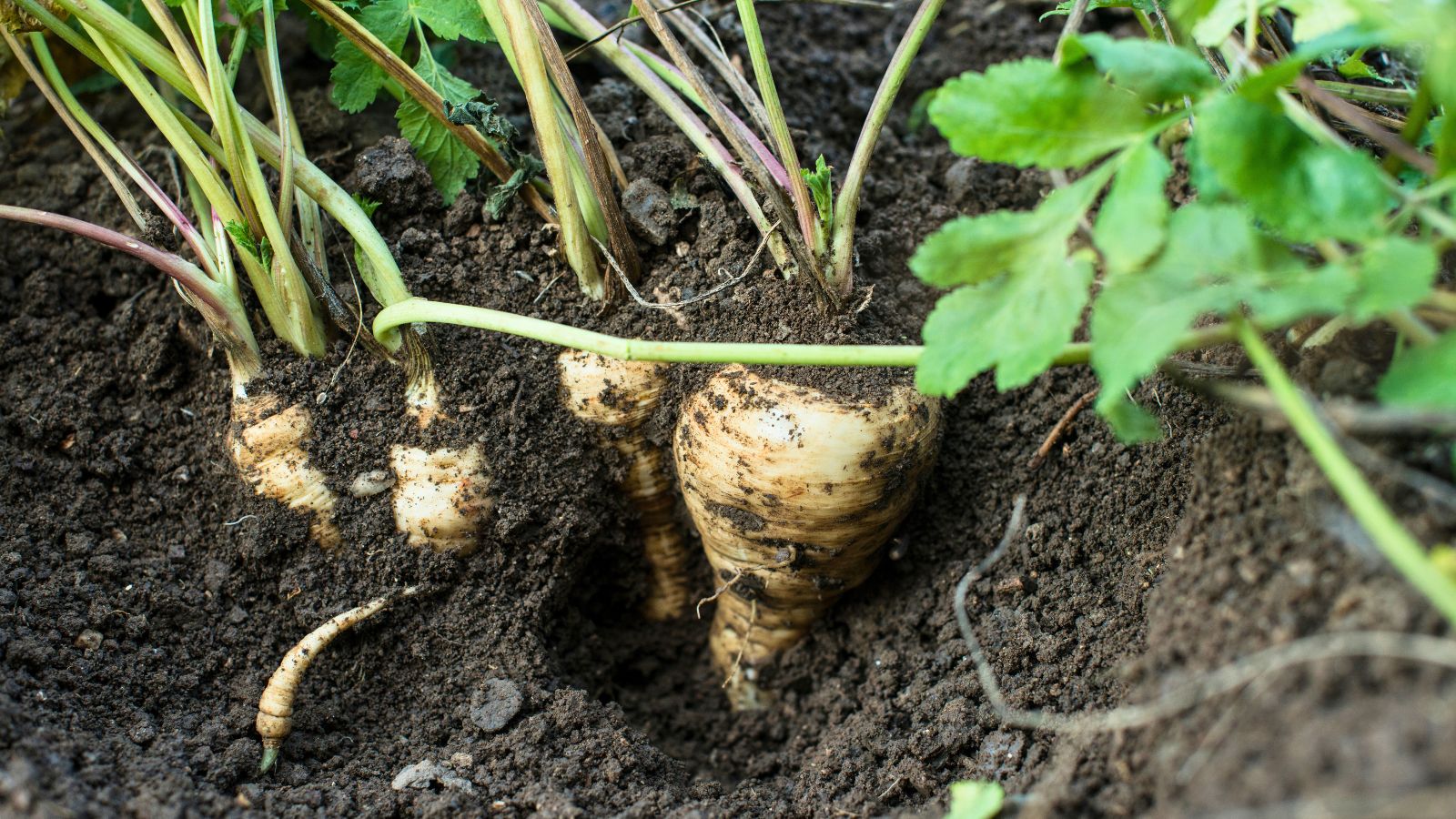
Parsnips often develop a sweeter flavor after exposure to cold weather. In areas where the soil remains workable, they can be harvested as needed; in colder climates, a root cellar makes winter access easier.
Trim the foliage, leave the roots unwashed, and pack them in slightly damp sand or another clean, moisture-retaining medium. Keep them close to freezing without allowing them to freeze, and check occasionally to make sure the packing material has not dried out.
5. Garlic

Unlike most root crops, garlic needs dry, well-ventilated storage. After harvesting, cure the bulbs in a shaded location with good airflow for two to four weeks, until the outer skins are papery and the necks have dried.
Brush away loose soil and store the cured bulbs in mesh bags or open baskets. A cool, dry area is preferable to the humid section of a cellar. Softneck garlic generally keeps longer than hardneck types. See the guide to growing garlic from a clove for more on producing a harvest worth storing.
6. Onions
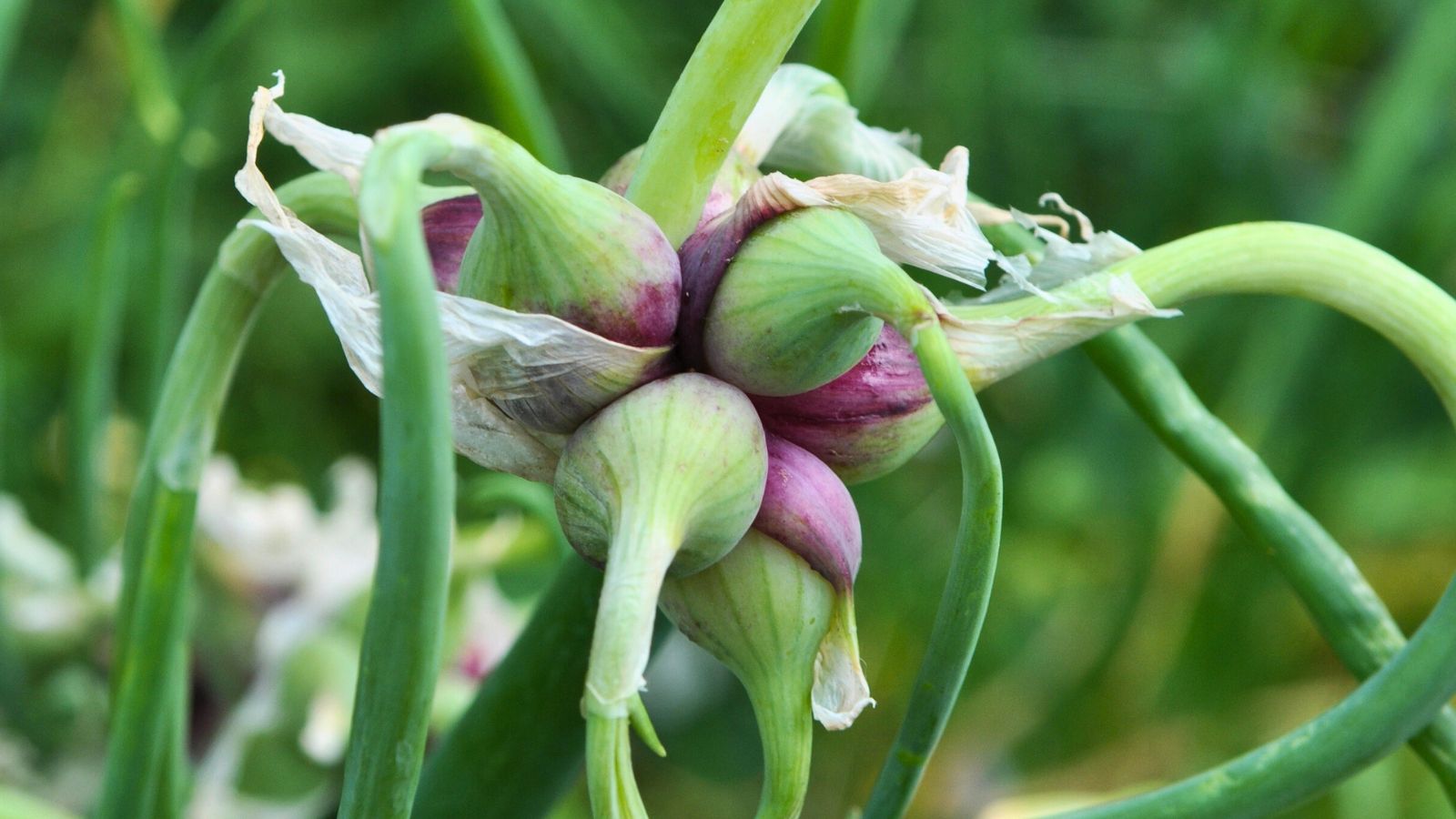
Onions also require thorough curing before storage. Once the tops have fallen over and the bulbs are mature, dry them in a sheltered, well-ventilated place until the necks are tight and the skins feel papery.
Keep cured onions in mesh bags or shallow crates in a cool, dry area with plenty of airflow. Choose storage varieties for the longest keeping time, and check for soft or sprouting bulbs. Avoid placing onions in the same damp bins used for carrots or beets.
7. Cabbage
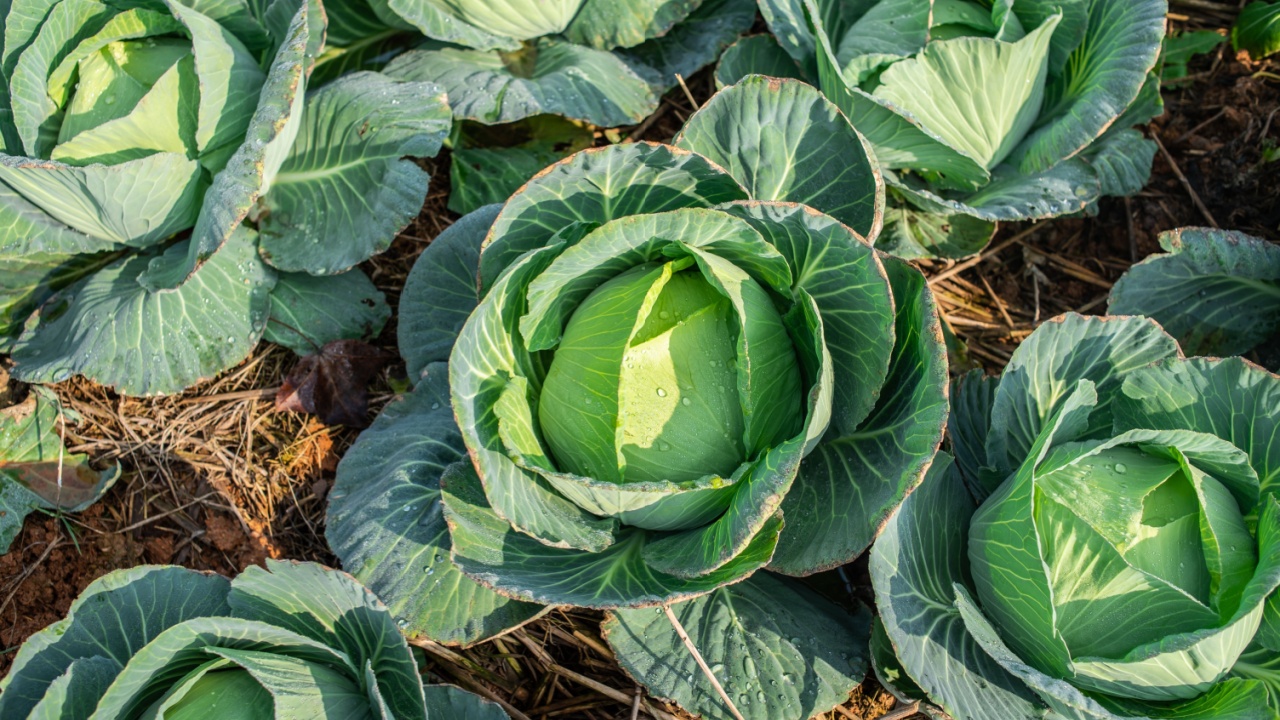
Cabbage is one of the few leafy vegetables that can be stored for an extended period. Choose firm, undamaged heads and harvest before severe freezing weather. Leave a few protective outer leaves in place rather than stripping each head completely.
Keep cabbage near 32°F in a very humid, well-ventilated area, with space between heads. Some gardeners hang whole plants by their roots; others arrange heads on shelves. Inspect regularly and remove any that begin to decay. Because stored cabbage can develop a strong odor, a separate area is helpful.
8. Winter Squash & Pumpkins
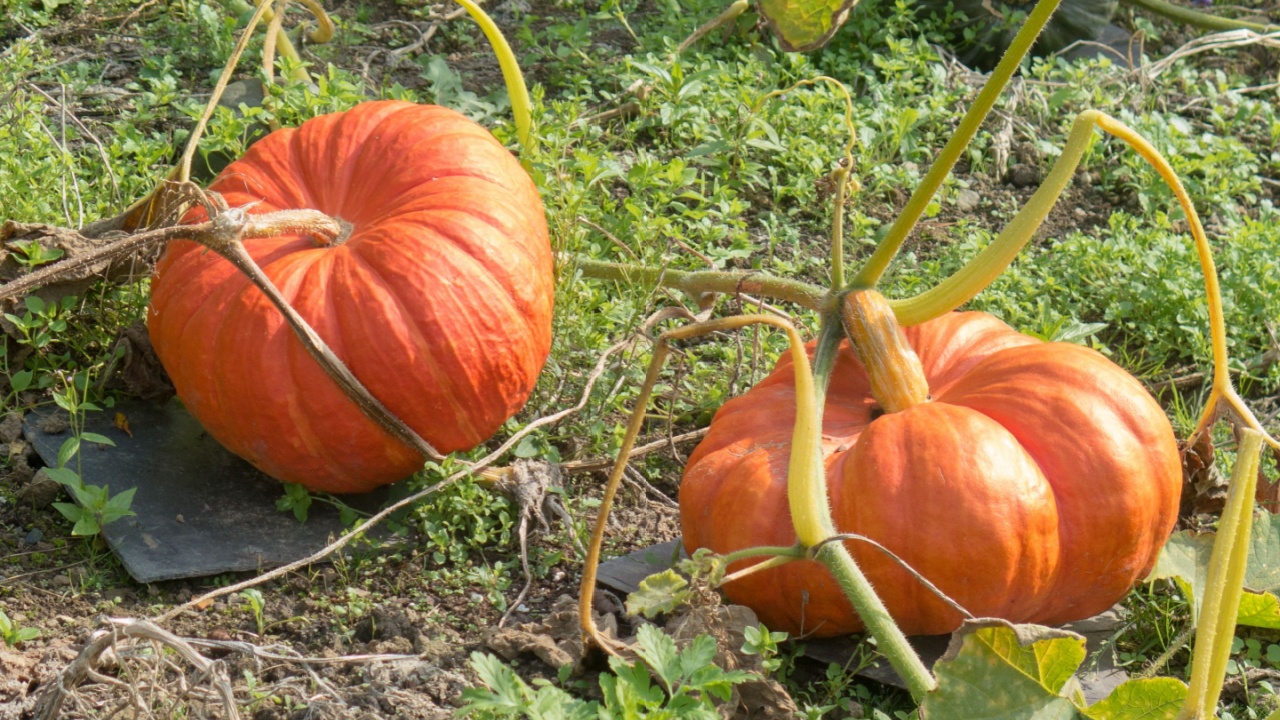
Winter squash and pumpkins need a different environment from cold-stored root vegetables. Harvest mature fruit before a hard frost, keeping a short section of stem attached and avoiding bruises or cuts.
Many winter squash varieties benefit from curing in a warm, dry, ventilated location for about 10 days, although curing requirements vary by type. Store sound fruit in a single layer, ideally around 50–55°F with moderate humidity. Check regularly, since storage life differs substantially among varieties and damaged squash spoils quickly.
9. Turnips

Turnips are best stored while firm and tender. Harvest before the soil freezes, trim off the greens, and gently remove loose dirt without washing the roots.
As with carrots, pack turnips in slightly damp sand or sawdust and keep them in a cold, humid area near 32–40°F. Smaller, tender roots are often best used first; inspect the rest regularly for softening or decay.
10. Rutabagas
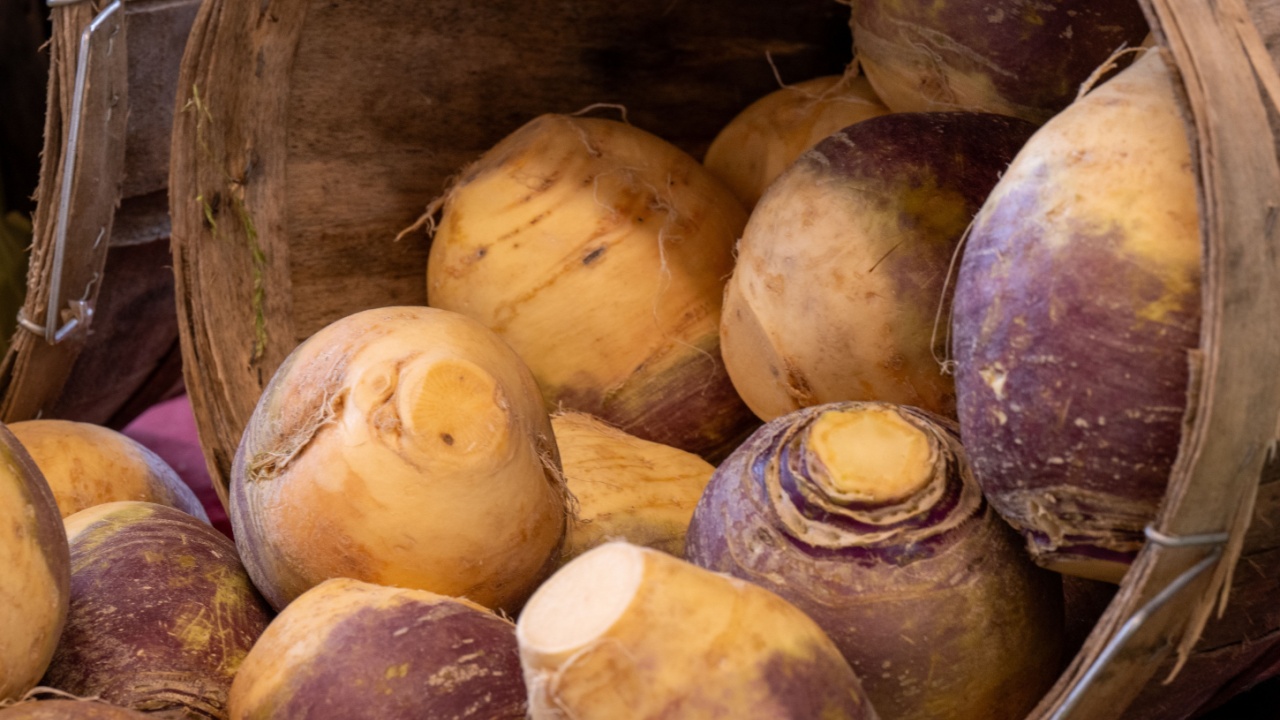
Rutabagas are well suited to winter storage, particularly when harvested in good condition late in the season. Remove the leafy tops, brush away excess soil, and set aside any roots with cuts or bruises for earlier use.
Store rutabagas in cold, humid conditions, either in bins with slightly damp packing material or in suitable high-humidity storage. Their dense roots can remain usable for months, but regular checks are still important.
11. Leeks
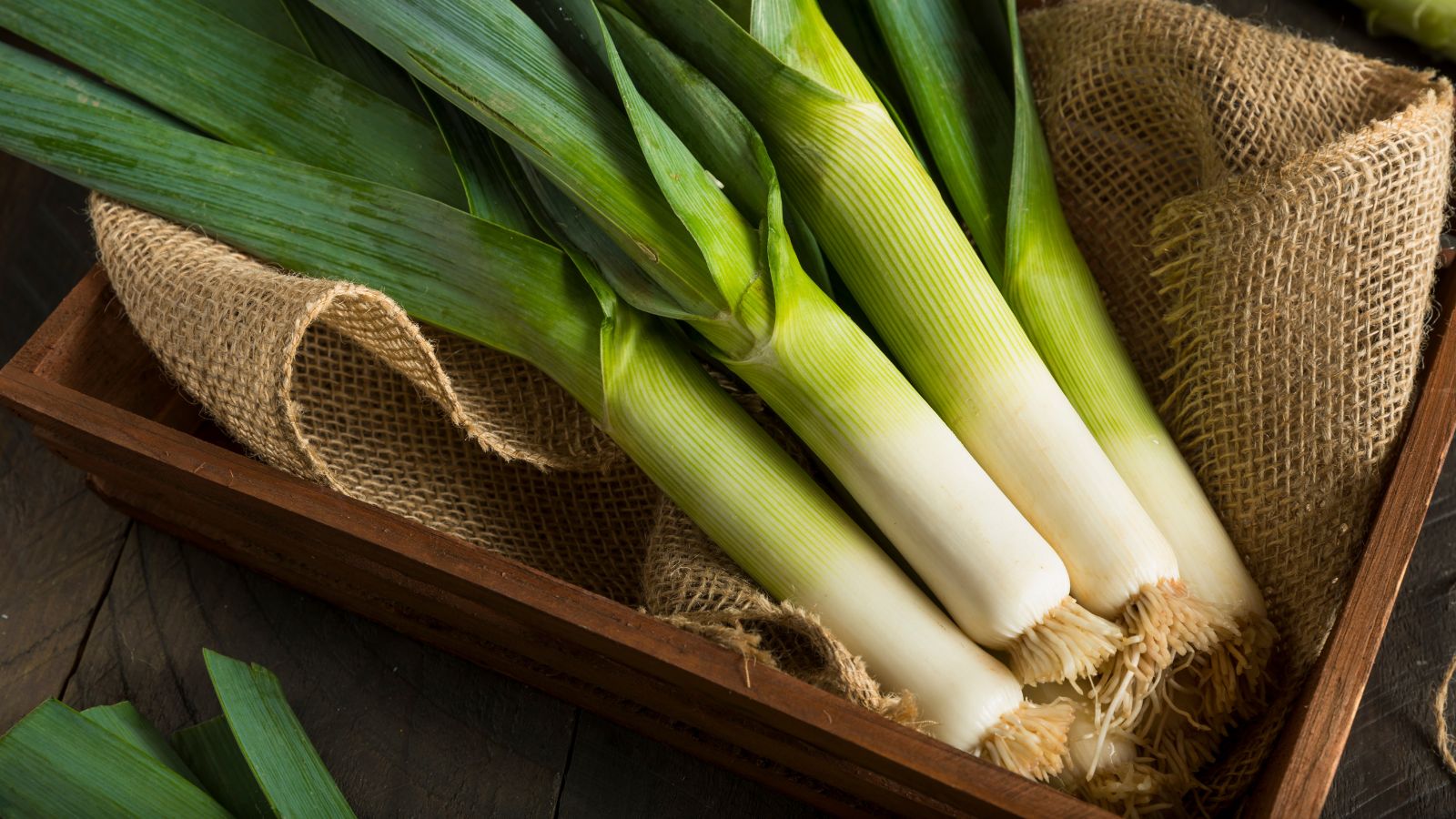
Leeks can tolerate cold weather, and in some climates they can remain in the garden under mulch. Where the ground freezes, harvesting and storing them indoors makes them easier to use through winter.
Lift the plants carefully with roots intact, then stand them upright in a box or bucket containing a few inches of damp sand or soil. Keep the roots moist and the storage area cold and humid. Use leeks before they wilt or show signs of decay.
12. Sweet Potatoes
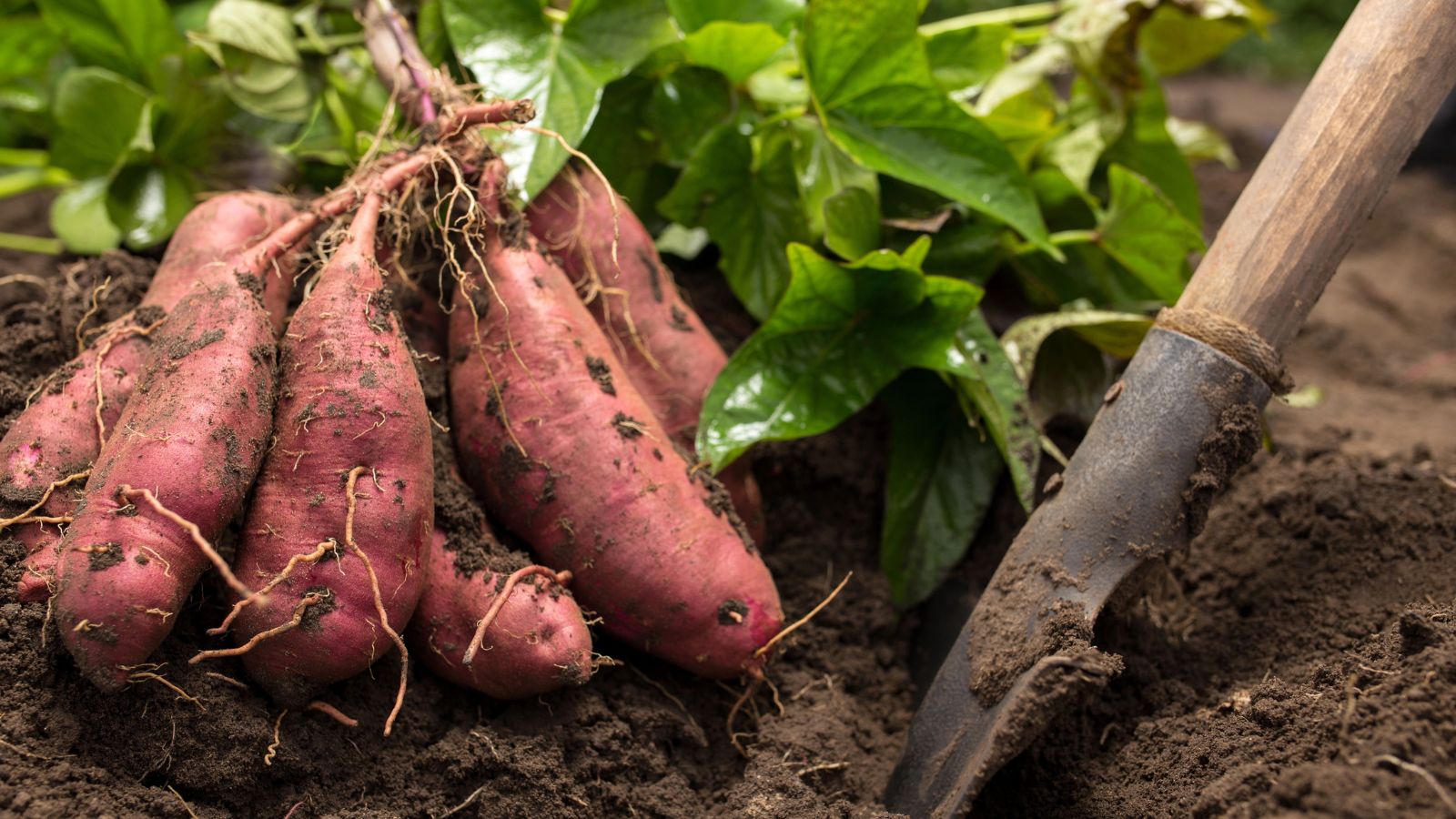
Sweet potatoes should never be stored like ordinary potatoes. They are sensitive to chilling, and prolonged exposure to temperatures below about 55°F can damage their texture and shorten storage life.
After harvest, cure them for approximately five to ten days at 80–85°F with high humidity. Then move them to a ventilated space around 55–60°F. A suitable indoor pantry or closet may be better than a cold cellar, provided temperatures remain stable.
How to Set Up Your Storage Space
Before filling a cellar, measure its temperature and humidity with a thermometer and hygrometer. A dark, ventilated space with separate storage areas is more useful than one room kept at a single temperature.
The coldest, most humid section can hold carrots, beets, and other roots; drier shelves are better for cured onions and garlic, while squash and sweet potatoes need warmer conditions.
Use clean crates, baskets, or bins suited to each crop, and check stored produce regularly. Remove anything soft, moldy, or damaged before spoilage spreads. With a little planning, much of the fall harvest can remain useful well into winter.


