
Softly nodding bells, dainty spires, and pastel drifts can turn an ordinary yard into a storybook scene. Bell-shaped flowers add movement, texture, and romance—plus they’re magnets for pollinators.
In this guide, you’ll find 15 whimsical choices, each with a quick primer on what it is, why it feels magical, and how to care for it. Use them in layers—groundcovers, mid-border mounds, and airy spires—to create a garden that feels alive and a little enchanted.
Where We Got Our Data
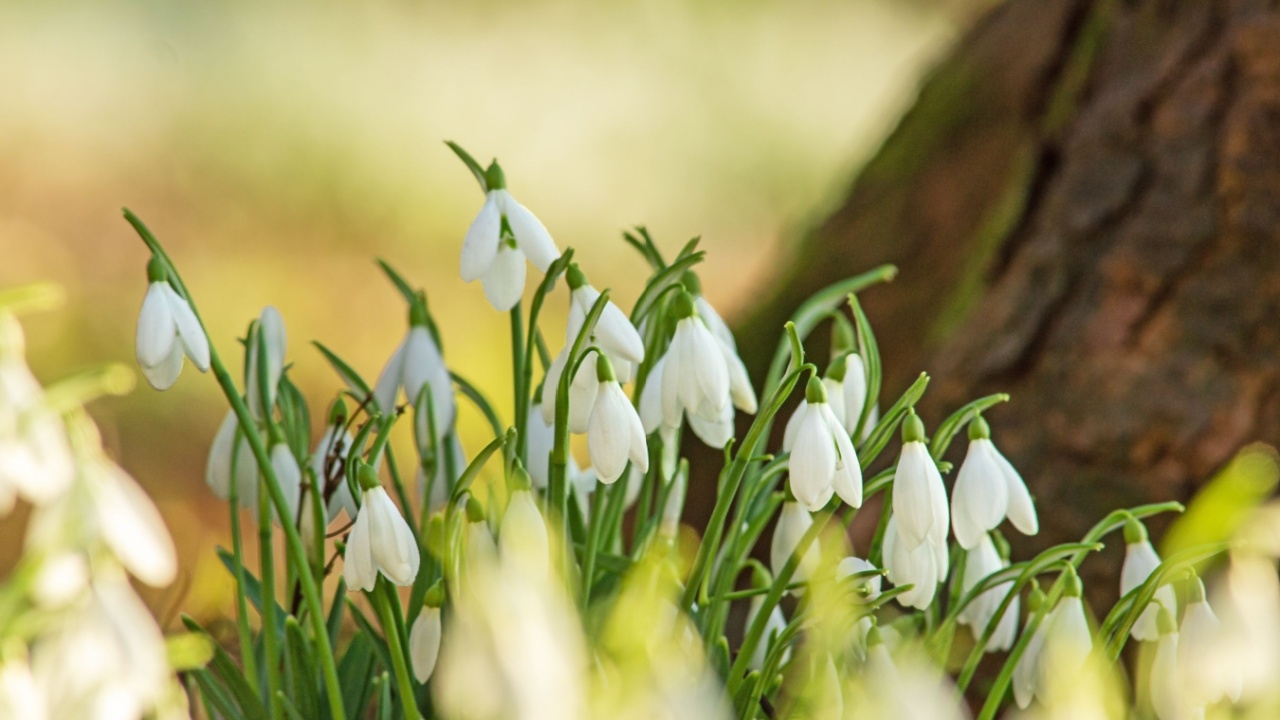
Image Credit: Shutterstock.
Most of the plant details in this guide come directly from reputable horticultural sources, including university extension programs, botanical gardens, and organizations dedicated to native plants. These expert resources ensure accurate information on growing requirements, bloom times, and benefits for hummingbirds.
A few entries—particularly for less-documented varieties—are based on educated inferences drawn from closely related species with similar growth habits and nectar production. In these cases, we compared available scientific literature, gardening databases, and field observations to make the most accurate recommendations possible.
Note: Not every flower in this list is a true “bell flower”- but every entry is guaranteed to make the garden feel magical!
1. Virginia Bluebells (Mertensia virginica)
-

Image Credit: Depositphotos.com.
Virginia bluebells are spring ephemerals native to the Eastern U.S. Pink buds open into clusters of porcelain-blue bells on soft green stems, then foliage fades by early summer.
Why it feels whimsical: The color shift from pink to blue looks painterly, and the flowers hang in clusters that sway in the lightest breeze—perfect for woodland paths.
Care tips:
- Light: Partial shade to dappled shade
- Soil: Moist, rich, well-drained; add leaf mold or compost
- Water: Keep evenly moist in spring; allow summer dormancy
- Notes: Naturalizes into dreamy drifts; pair with ferns and hostas to fill space after dormancy
2. Bellwort (Uvularia spp.)
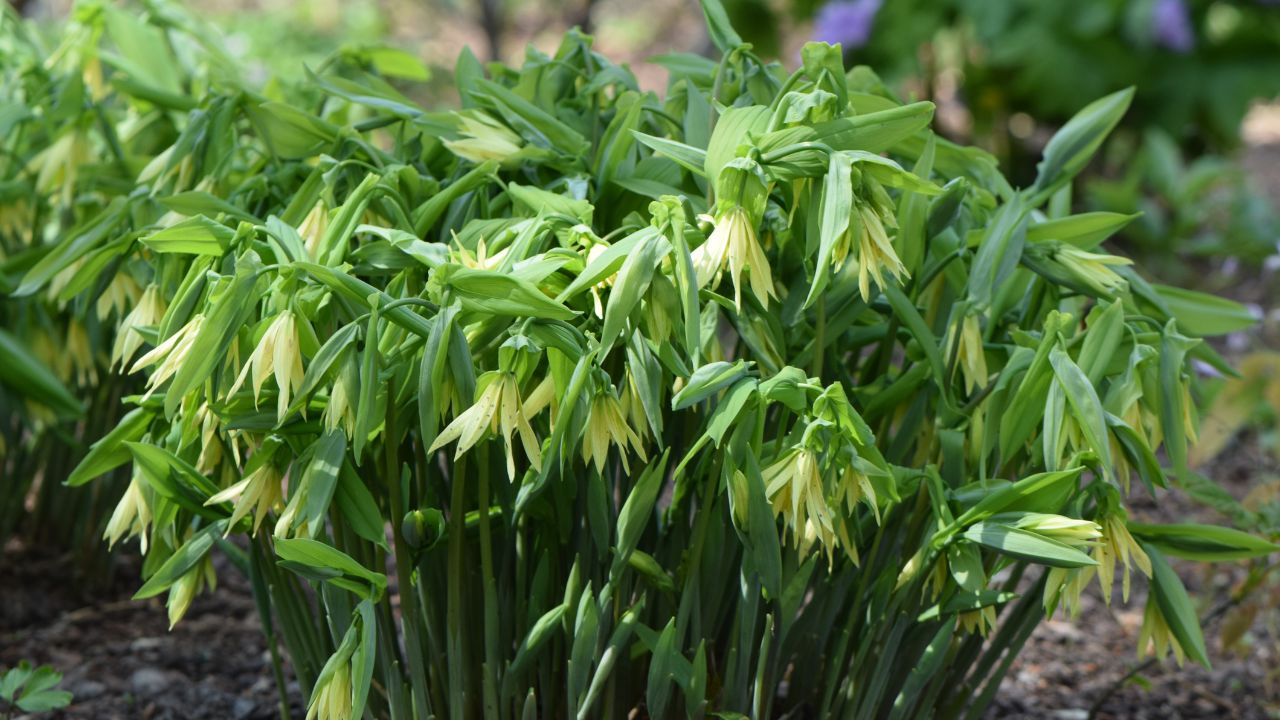
Image Credit: Krzysztof Ziarnek, Kenraiz – Own work, CC BY-SA 4.0/Wiki Commons.
Bellwort bears slender, nodding yellow bells in spring over gracefully twisted stems and lance-shaped leaves. It’s a woodland native that shines in shade.
Why it feels whimsical: The shy, downward-facing flowers and gentle stems look like fairy lanterns tucked into leaf litter.
Care tips:
- Light: Partial to full shade
- Soil: Humus-rich, well-drained, consistently moist
- Water: Moderate; don’t let it dry out in spring
- Notes: Best in woodland borders; mulch with shredded leaves
3. Fritillaries (Fritillaria spp.)
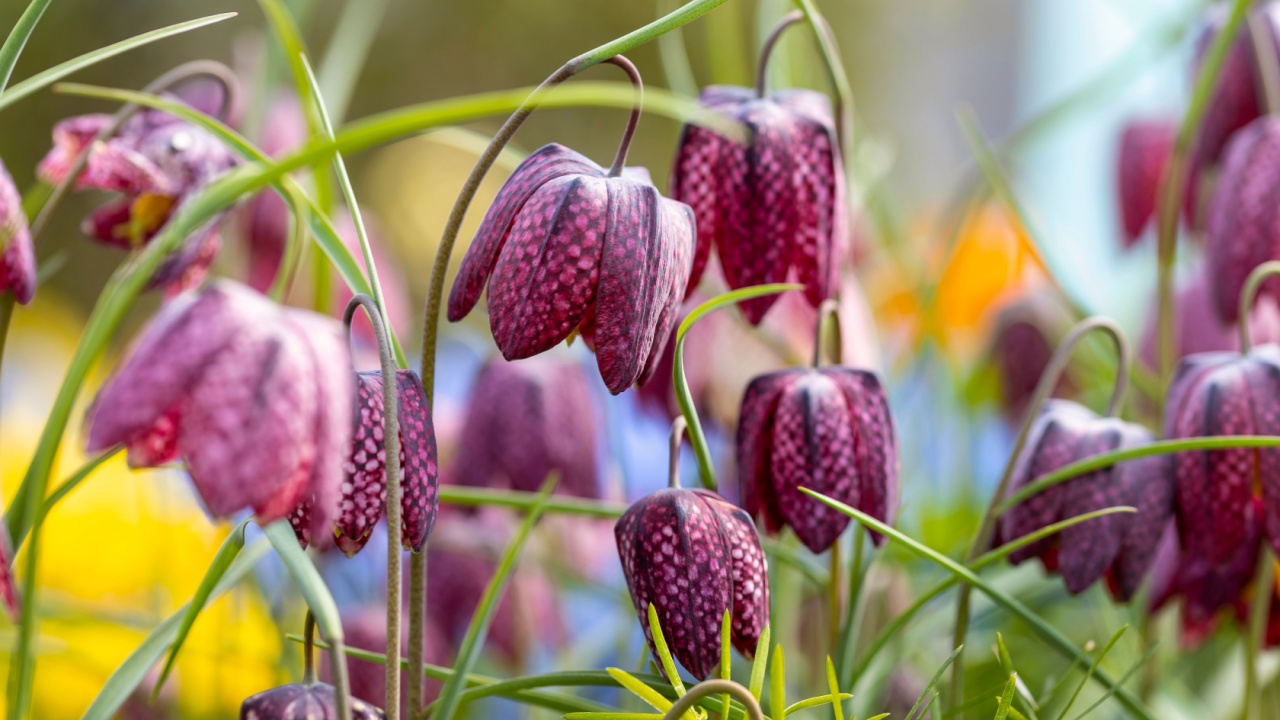
Image Credit: Shutterstock.
Fritillaries are bulb flowers with dramatic, bell-shaped blooms. From the checkered F. meleagris (snake’s head fritillary) to the crown-like F. imperialis, they bring unusual texture and pattern.
Why it feels whimsical: Checkerboard petals and nodding bells look like something from a medieval tapestry.
Care tips:
- Light: Full sun to part shade (afternoon shade in hot zones)
- Soil: Excellent drainage is key; add grit to heavy soils
- Water: Moderate; avoid waterlogged conditions
- Notes: Plant bulbs on their sides to reduce rot; great with early spring companions
4. Foxglove (Digitalis purpurea and hybrids)
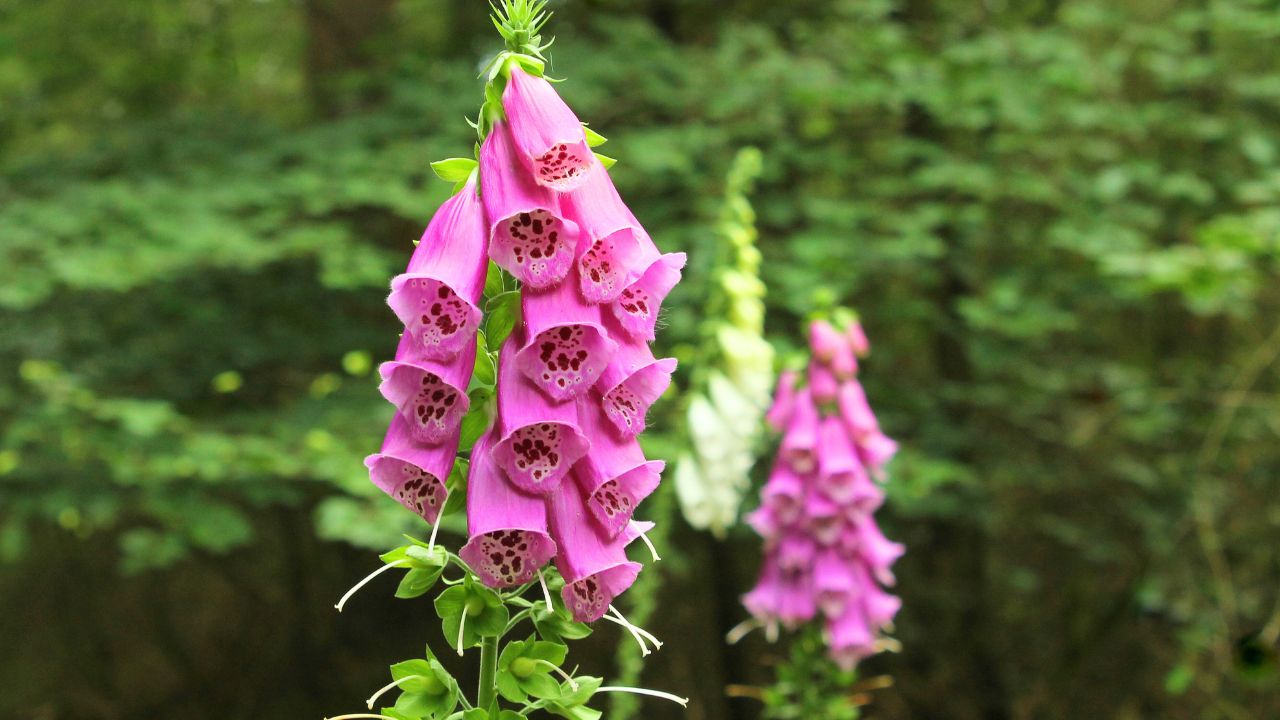
Image Credit: Matthijs van den Berg – Own work – CC BY-SA 4.0/Wiki Commons.
Foxglove sends up tall spires studded with bell flowers in pinks, purples, creams, and apricot, often speckled inside. Typically biennial, many hybrids bloom first year.
Why it feels whimsical: Sky-high spires create vertical drama and cottage-garden charm, like a scene from a classic children’s book.
Care tips:
- Light: Full sun to part shade (afternoon shade in hot zones)
- Soil: Moist, well-drained; add compost
- Water: Regular while growing and blooming
- Notes: Self-seeds gently; all parts are toxic—plant away from pets and small children
5. Coral Bells (Heuchera spp.)
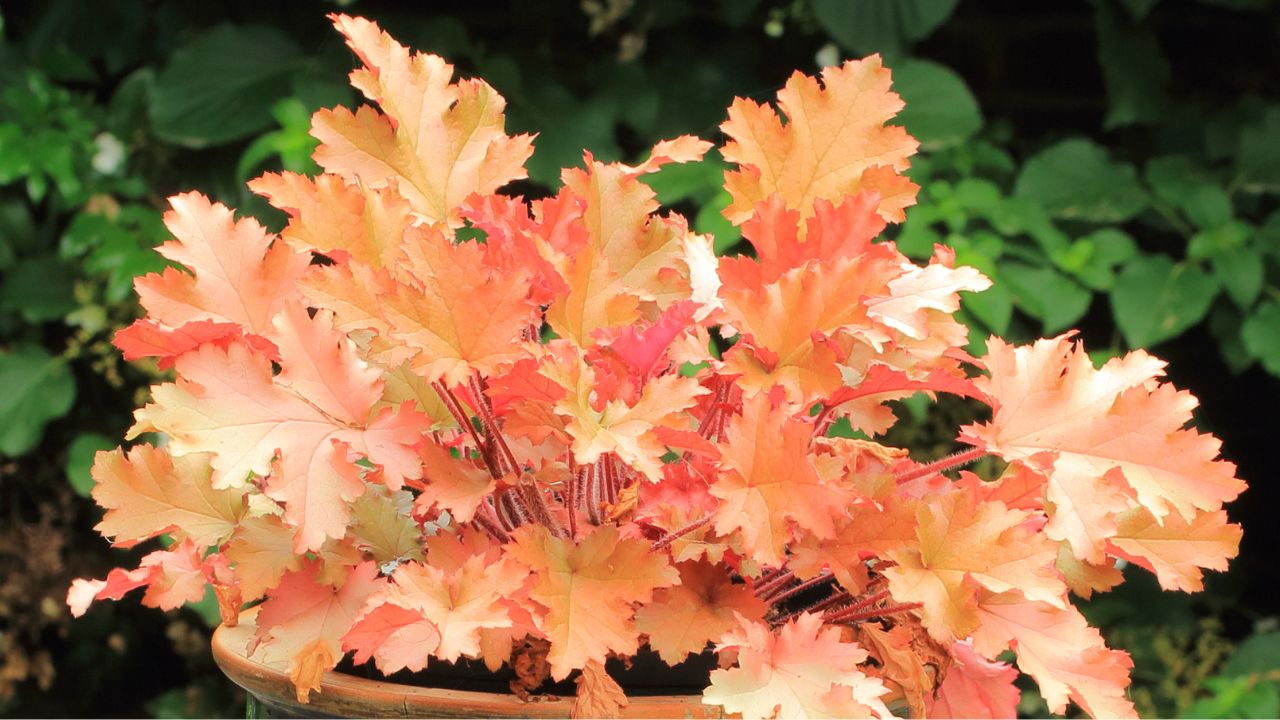
Image Credit: Dominicus Johannes Bergsma – Own work,- CC BY-SA 3.0/Wiki Commons.
Coral bells are foliage stars—silvers, plums, limes—with airy wands of tiny bell-shaped flowers in late spring to summer.
Why it feels whimsical: The cloud of petite bells above colorful leaves adds a soft, sparkling layer to shady borders.
Care tips:
- Light: Part shade; morning sun with afternoon shade is ideal
- Soil: Well-drained, humus-rich; avoid soggy conditions
- Water: Moderate; consistent moisture in heat
- Notes: Deadhead for tidier plants; divide every 3–4 years
6. Snowdrop (Galanthus nivalis)
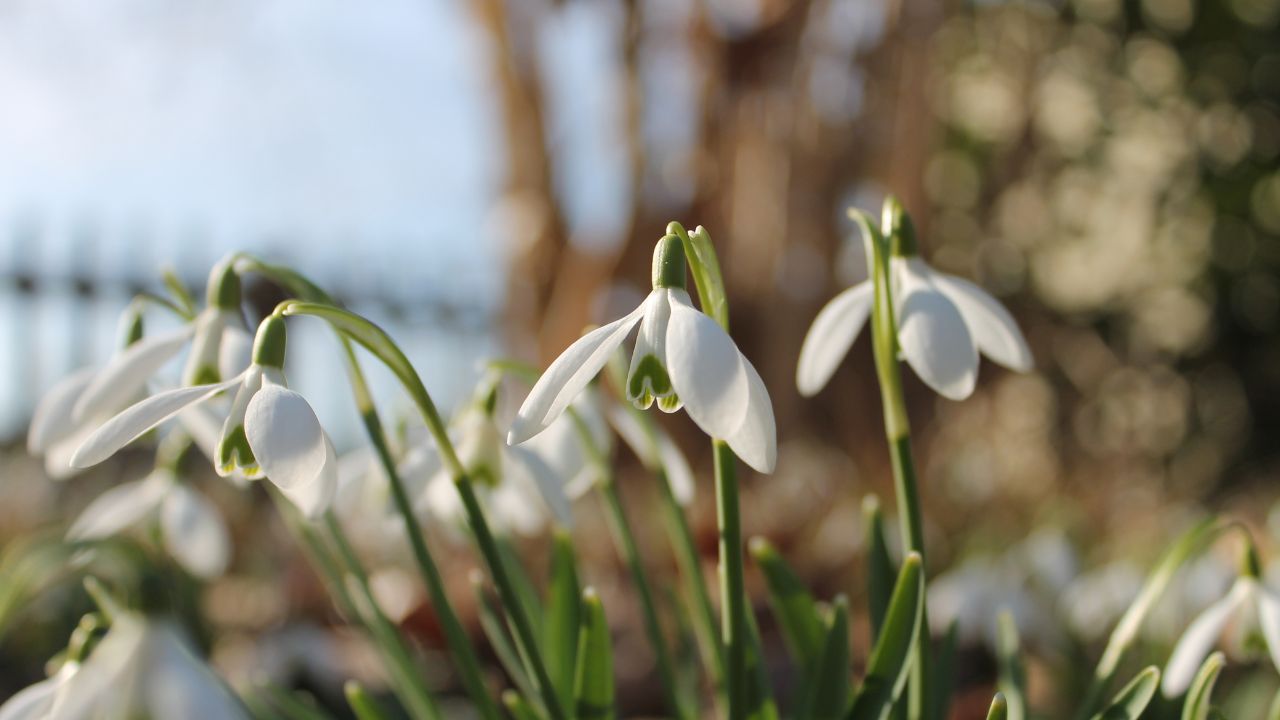
Image Credit:Daniel Ballmer – Own work, CC BY-SA 4.0/Wiki Commons.
Among the first to bloom, snowdrops push through late-winter soil with white, lantern-like bells tipped in green.
Why it feels whimsical: They bloom when almost nothing else does, dotting the ground like fairy lights after snowmelt.
Care tips:
- Light: Full sun to part shade (best with spring sun, summer shade)
- Soil: Moist but well-drained; tolerates clay if not compacted
- Water: Moderate; keep moist during active growth
- Notes: Plant “in the green” (just after flowering) for best establishment
7. Beardtongue (Penstemon spp.)
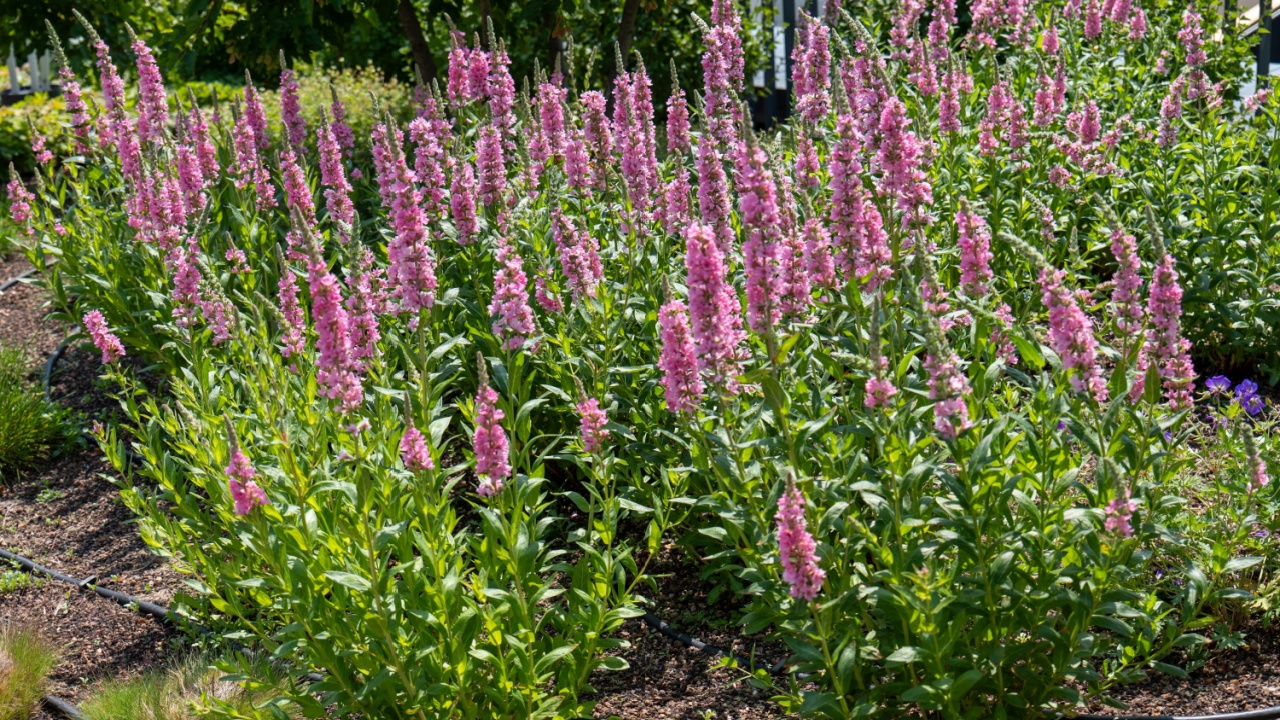
Image Credit: Shutterstock.
Penstemon bears tubular, bell-like flowers in vivid colors on upright stems. It thrives in lean, rocky soil and full sun.
Why it feels whimsical: The slim bells sway gently and invite hummingbirds, adding movement and life to sunny borders.
Care tips:
- Light: Full sun
- Soil: Well-drained, even gravelly; low fertility is fine
- Water: Low to moderate once established
- Notes: Deadhead for extended bloom; excellent in xeric and pollinator plantings
8. Weigela (Weigela florida and cultivars)

Image Credit: Thadguidry – Own work, CC0/Wiki Commons.
Weigela is a deciduous shrub with trumpet-bell flowers in pink, red, or white, often repeated in a light second flush after deadheading.
Why it feels whimsical: The shrub can be covered in bells all at once, like a chorus of chimes along pathways or fences.
Care tips:
- Light: Full sun for best bloom
- Soil: Average, well-drained; tolerant of clay once established
- Water: Moderate; mulch to conserve moisture
- Notes: Prune right after spring bloom; attracts hummingbirds
9. Hyacinth (Hyacinthus orientalis)
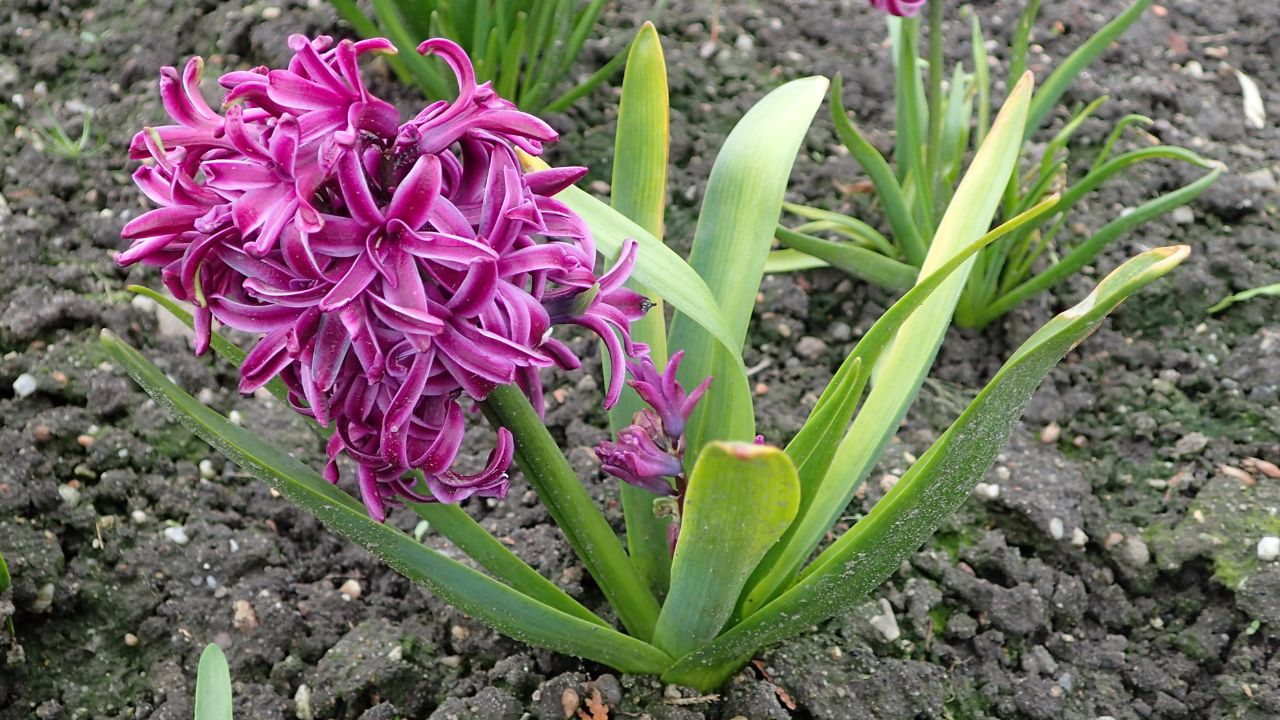
Image Credit: Krzysztof Ziarnek, Kenraiz – Own work, CC BY-SA 4.0/Wiki Commons.
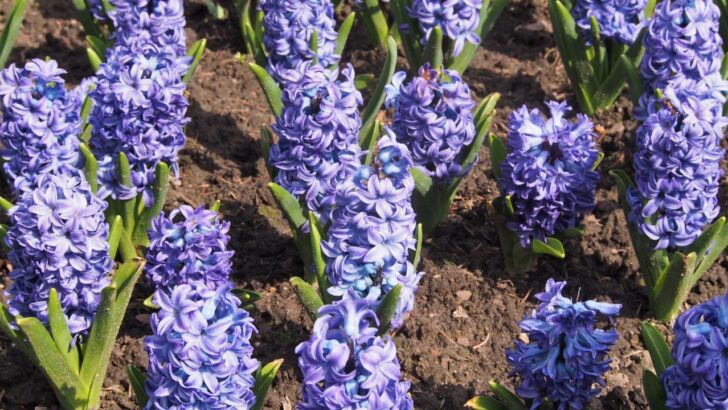
Hyacinths are fragrant spring bulbs with dense spires of waxy, bell-like florets in jewel tones and pastels.
Why it feels whimsical: The perfume alone feels storybook, and the perfect, glossy bells look almost too pretty to be real.
Care tips:
- Light: Full sun to part shade
- Soil: Well-drained; add sand or grit to heavy soils
- Water: Moderate; keep evenly moist during growth
- Notes: Plant in drifts near entries and paths to enjoy the fragrance
10. Bellflower (Campanula spp.)
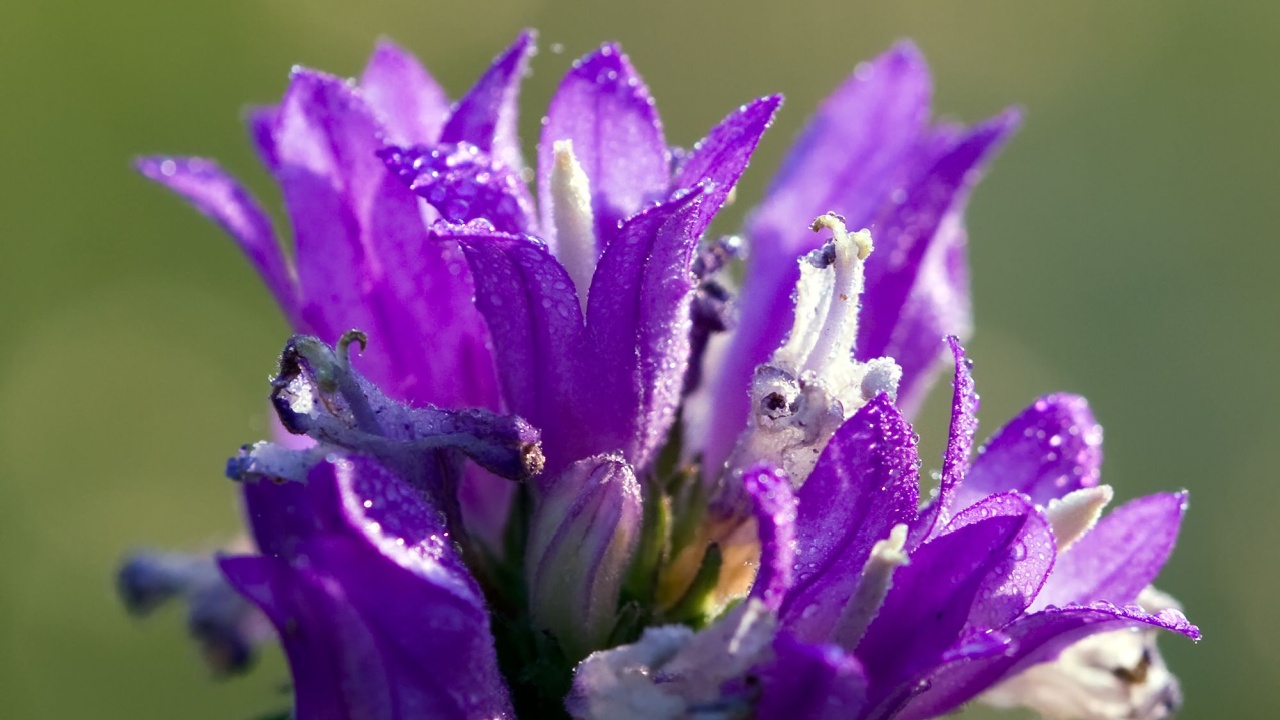
Image Credit: Shutterstock.
A broad group with cup- to bell-shaped blooms in purple, blue, or white. From low rock-garden types to mid-border perennials, there’s a Campanula for every space.
Why it feels whimsical: The cool-blue bells and generous bloom period bring a gentle, classic charm to cottage and alpine plantings.
Care tips:
- Light: Full sun to part shade (afternoon shade in hot climates)
- Soil: Well-drained; avoid waterlogged sites
- Water: Moderate; consistent moisture during bloom
- Notes: Deadhead to prolong flowering; check species for spread rate
11. Golden Columbine (Aquilegia chrysantha)
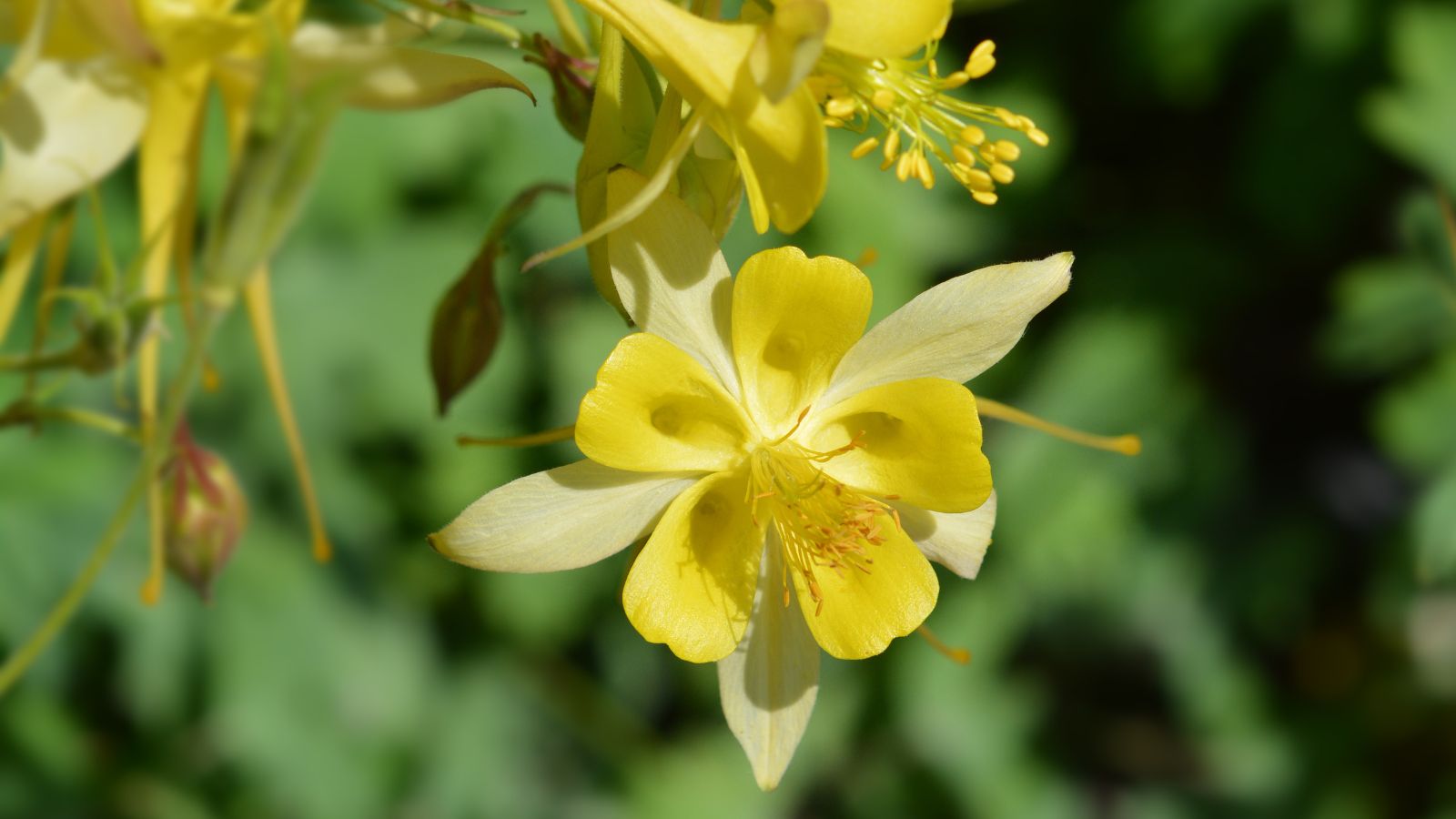
Image credit: YAY Images.
Golden columbine has long-spurred, nodding yellow bells that float above lacy foliage in late spring.
Why it feels whimsical: The star-and-spur geometry looks fantastical, and flowers bob in the breeze like tiny pendulums.
Care tips:
- Light: Morning sun with afternoon shade in hot zones
- Soil: Evenly moist, well-drained, with organic matter
- Water: Moderate; avoid soggy conditions
- Notes: Deadhead to extend bloom; allow some reseeding for naturalized drifts
12. Daffodil (Narcissus spp.)
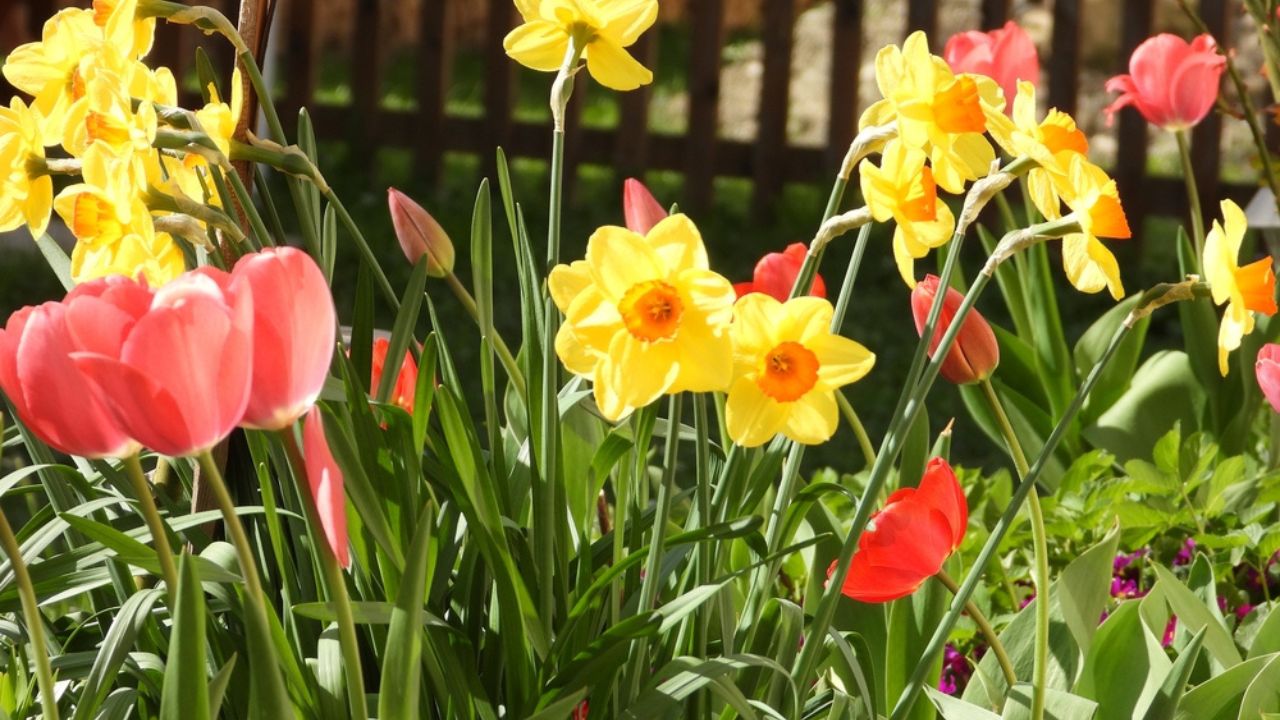
Image Credit: Shutterstock.
Daffodils feature a central cup (corona) surrounded by petals—classic trumpet bells in cheerful yellows, creams, and bicolors.
Why it feels whimsical: Massed in lawns or under trees, they create sunny rivers of bloom that signal the storybook start of spring.
Care tips:
- Light: Full sun to part shade
- Soil: Well-drained; tolerates many soils
- Water: Moderate in spring; dry summer rest is fine
- Notes: Let foliage die back naturally to feed bulbs; deer- and rodent-resistant
13. Lungwort (Pulmonaria spp.)
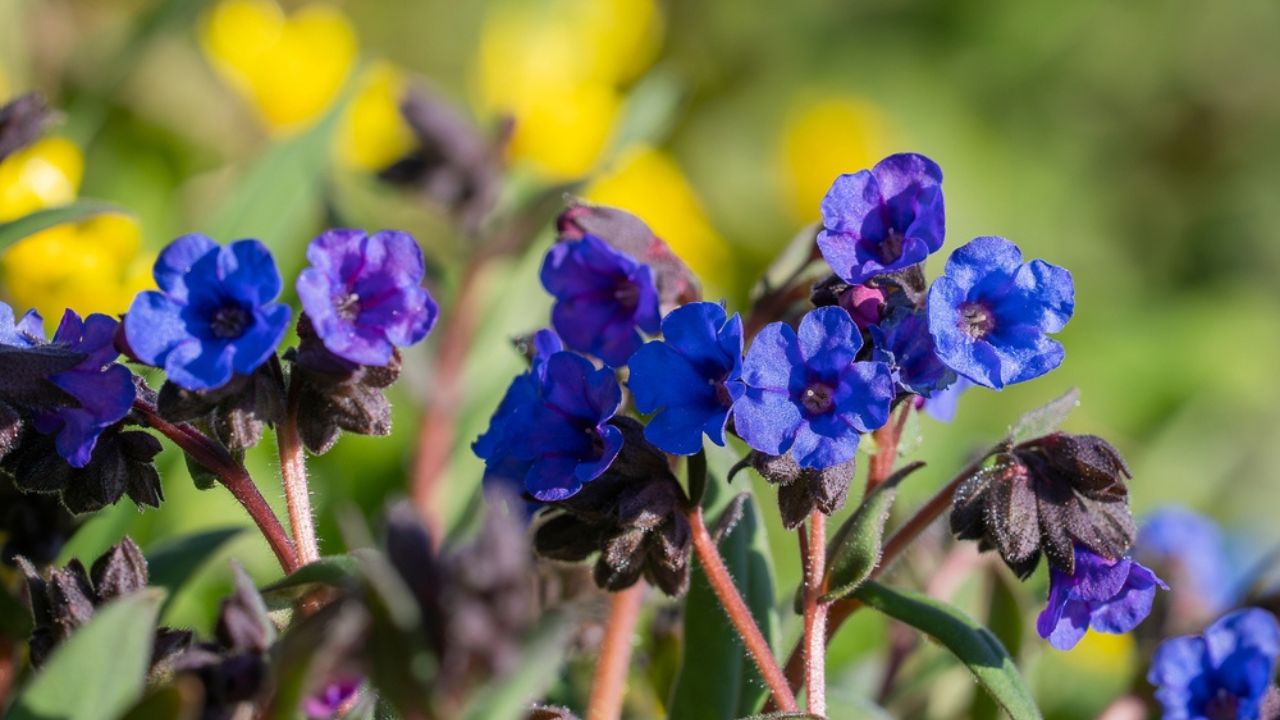
Image Credit: Shutterstock.
Lungwort is a shade perennial with spotted silver-green leaves and clusters of small bell flowers that often shift from pink to blue as they age.
Why it feels whimsical: Speckled leaves and color-changing bells are playful, especially along woodland paths and under shrubs.
Care tips:
- Light: Part to full shade
- Soil: Moist, humus-rich, well-drained
- Water: Moderate; mulch to keep roots cool
- Notes: Deadhead to tidy; divide clumps every few years; deer-resistant
14. Morning Glory (Ipomoea tricolor and cultivars)
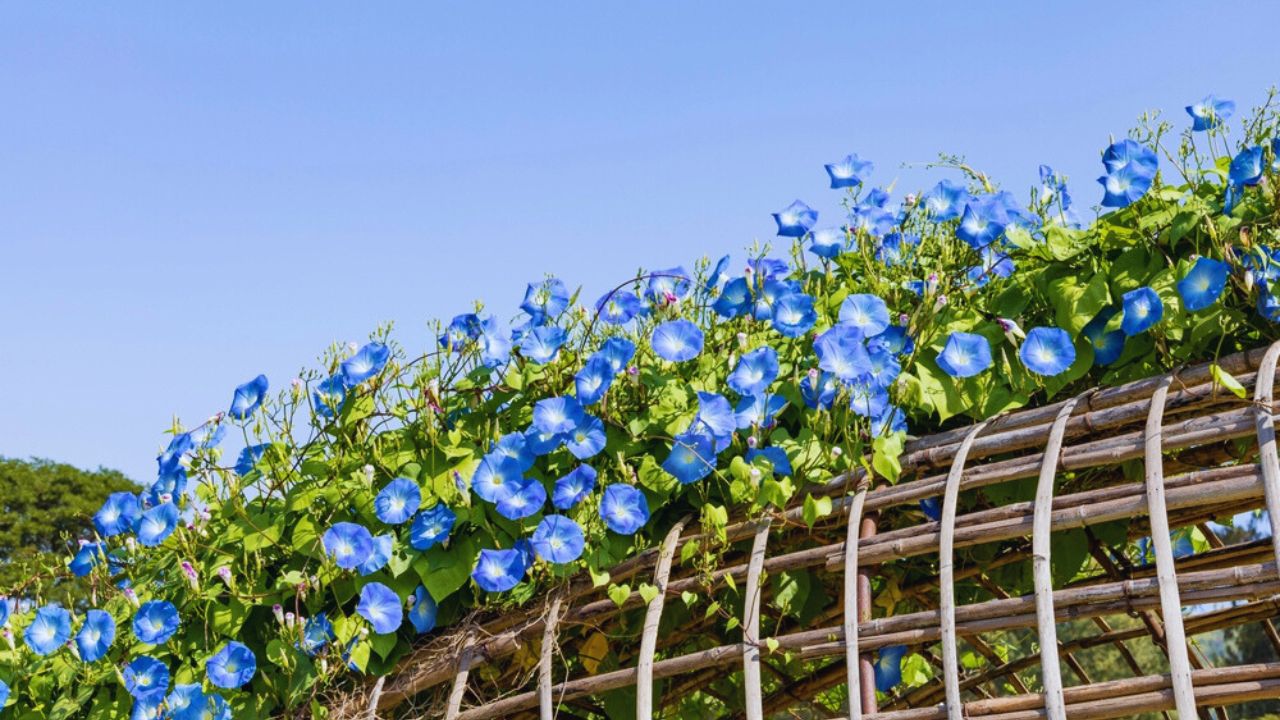
Image Credit: Shutterstock.
Morning glory is a twining annual vine with large, trumpet-shaped bells that open with the sun and close by afternoon.
Why it feels whimsical: The daily “reveal” feels magical, and the blooms look like fluted porcelain gramophones climbing a trellis.
Care tips:
- Light: Full sun
- Soil: Well-drained; average fertility (too rich = more leaves, fewer blooms)
- Water: Moderate; even moisture in heat
- Notes: Provide sturdy supports; in warm regions some species can reseed aggressively—check local guidance
15. Lily-of-the-Valley (Convallaria majalis)
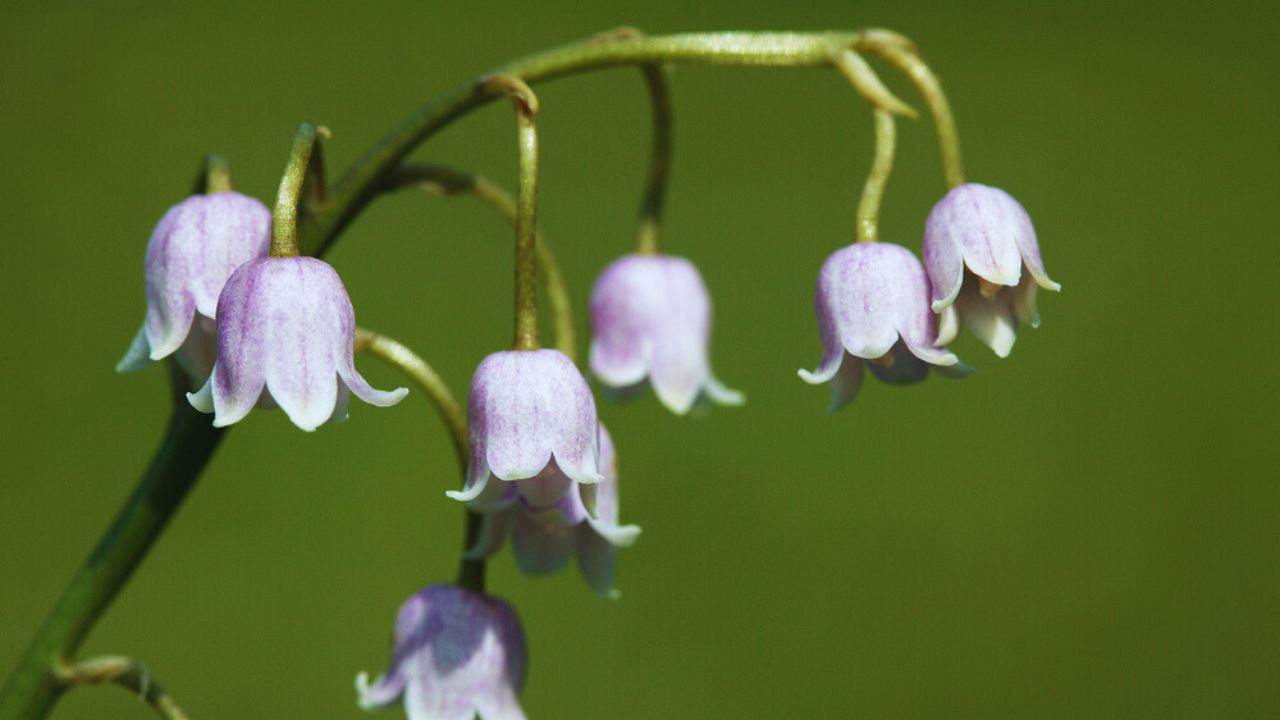
Image Credit: Shutterstock.
A beloved groundcover for shade, lily-of-the-valley bears arching stems lined with tiny, nodding white bells in late spring, with a sweet, distinctive fragrance.
Why it feels whimsical: The miniature bells look like fairy teacups along slender stems, and the perfume adds a romantic, old-world mood.
Care tips:
- Light: Partial to full shade
- Soil: Moist, humus-rich, well-drained
- Water: Moderate; keep evenly moist in spring
- Notes: Spreads by rhizomes—great for naturalizing under trees, but contain where necessary; all parts are toxic if ingested
How to Design a Storybook Bell Garden
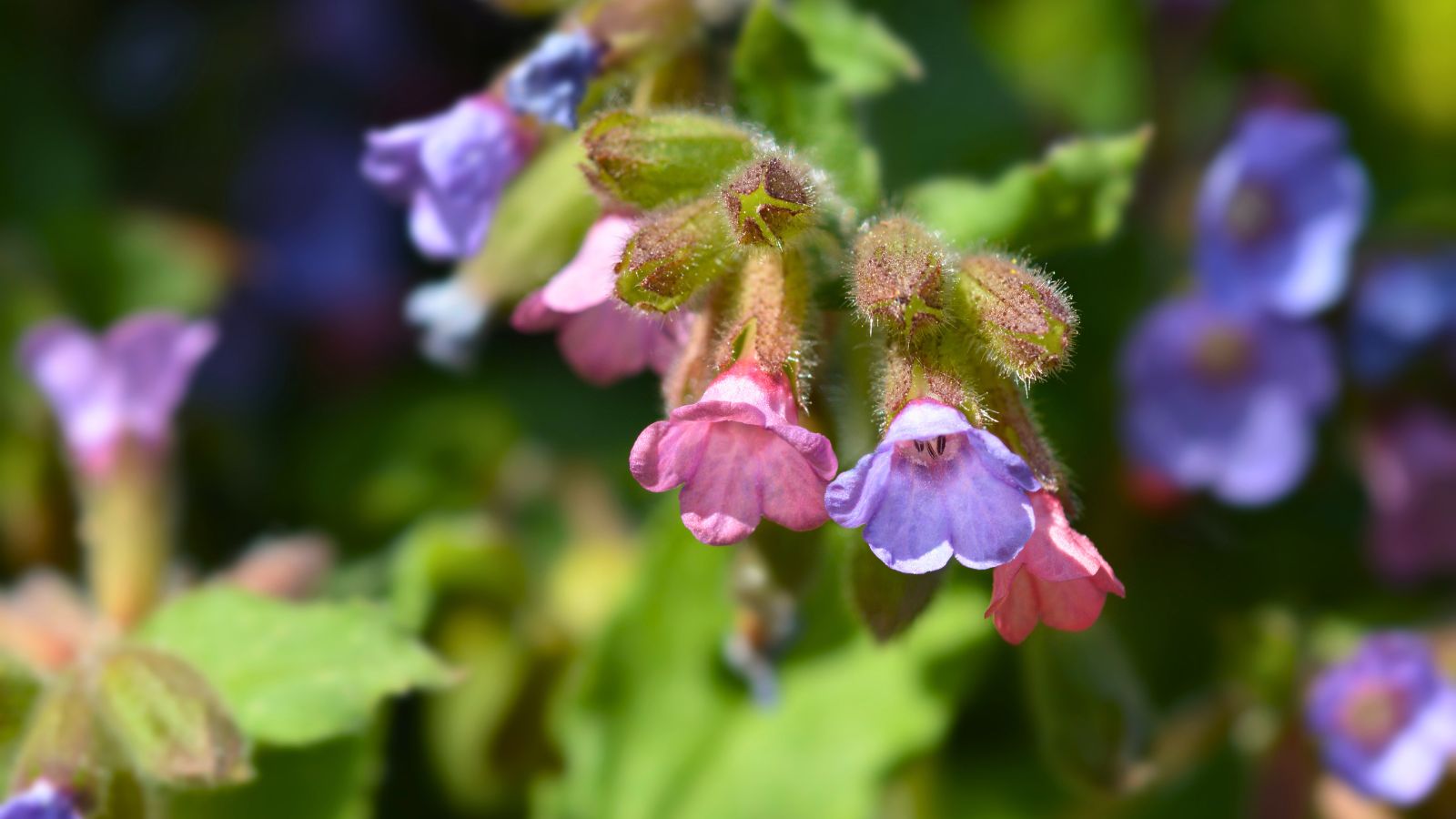
Image credit: YAY Images.
- Layer heights: Combine groundcovers (lily-of-the-valley, lungwort), mid-border mounds (bellflower, coral bells, penstemon), and spires (foxglove, fritillaries) for depth.
- Stage the seasons: Aim for early (snowdrops, hyacinths), mid (bluebells, columbine, bellwort), and late (bellflower, weigela, penstemon) bloom to keep the “spell” going.
- Mix textures: Pair glossy bells (hyacinth) with airy wands (coral bells) and bold spires (foxglove) for contrast.
- Invite wildlife: Many of these feed bees, hummingbirds, and butterflies; avoid systemic pesticides to protect nectar and pollen.
- Keep it low-maintenance: Favor well-drained soils, mulch to hold moisture, and deadhead where noted to extend bloom.
Quick Success Tips
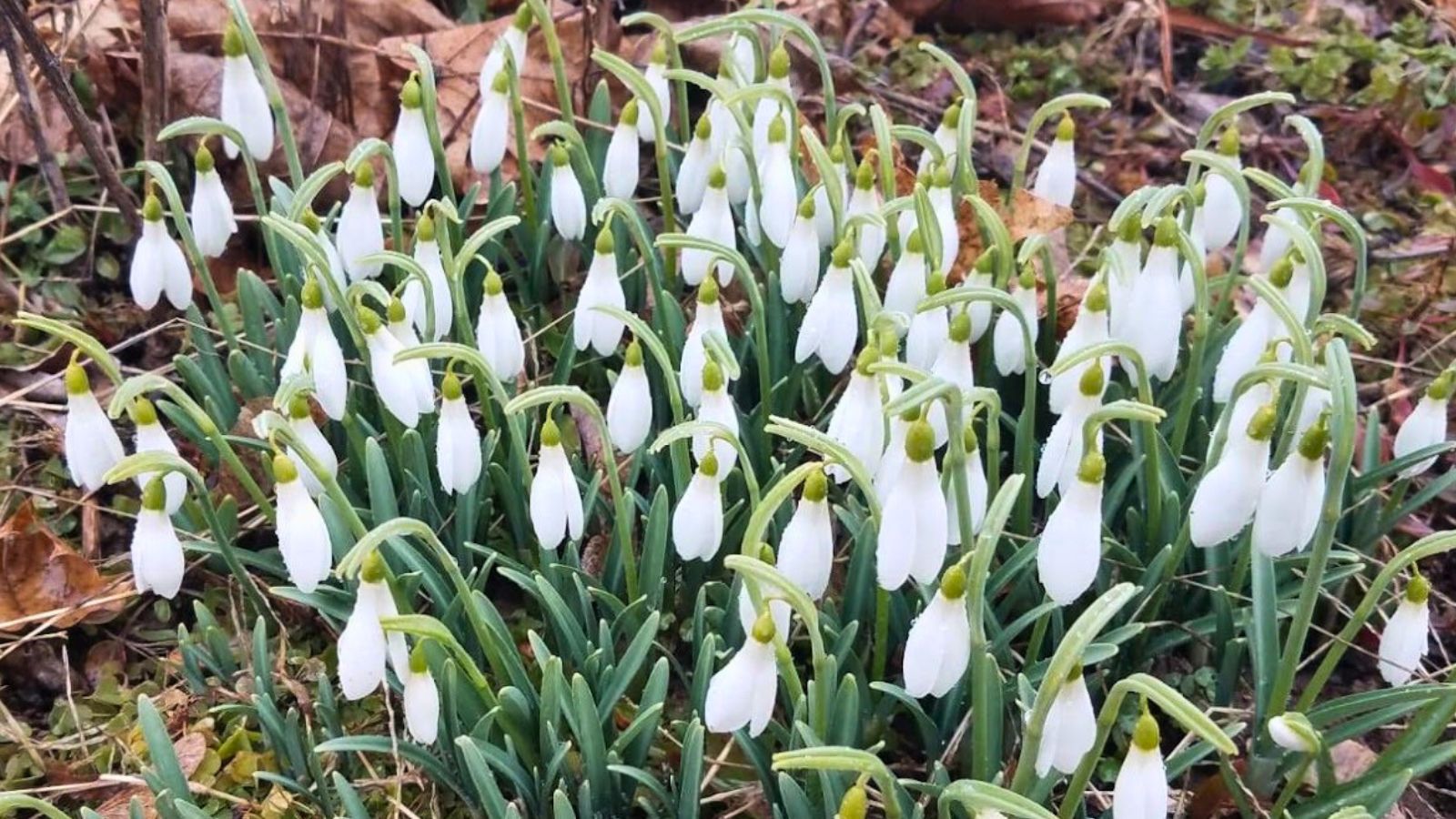
Image credit: Backyard Garden Lover.
- Drainage first: Most bell-shaped bloomers resent soggy roots—amend clay with compost and grit.
- Right plant, right light: Shade lovers (Virginia bluebells, bellwort, lungwort) fade in hot afternoon sun; full sun favorites (penstemon, bellflower) need at least 6 hours.
- Feed lightly: Too much nitrogen = leaves over flowers. Use a balanced, slow-release fertilizer in spring if needed.
- Plant in groups: Clumps of 3–7 look intentional and help pollinators forage efficiently.
Ring in the Magic
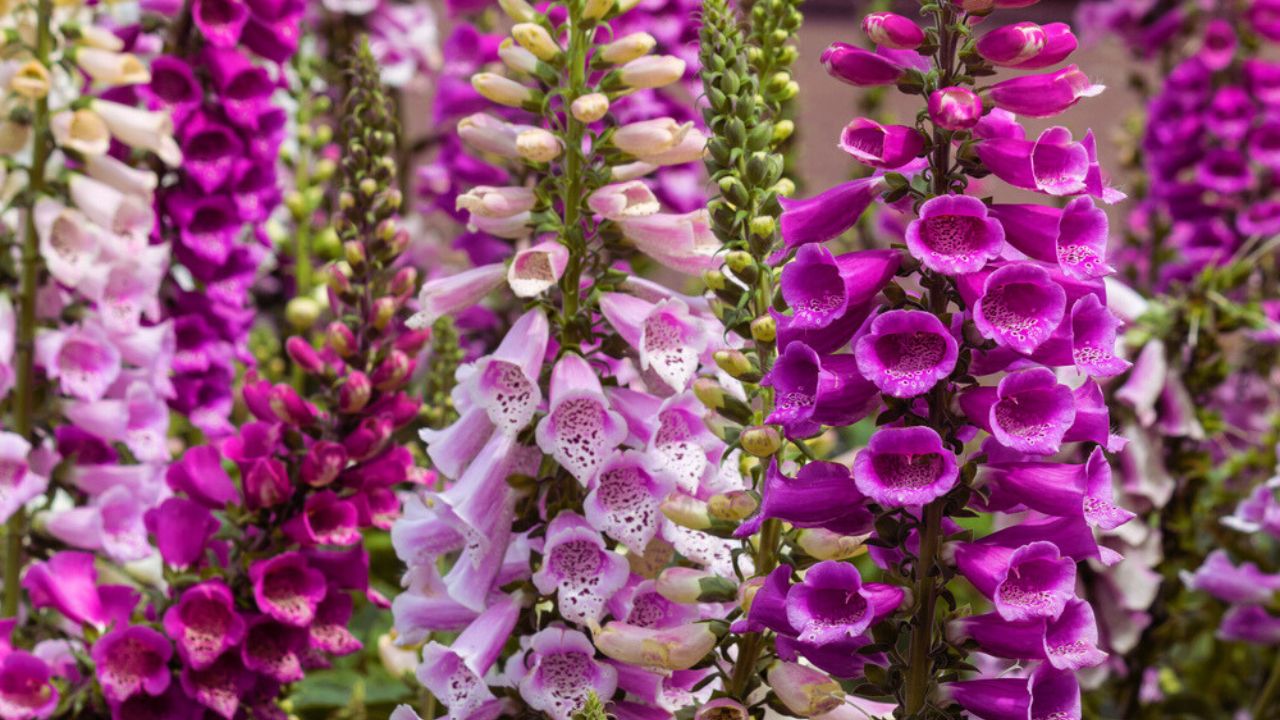
Image Credit: Shutterstock.
You don’t need acres to capture that storybook feel—just a few bell-shaped bloomers layered thoughtfully. Start with early bulbs (snowdrops, hyacinths), add woodland charmers (Virginia bluebells, bellwort), then weave in spires and shrubs (foxglove, weigela).
In a single season, your garden will hum with life and feel like a scene you can step into.