Looking for Animals? These 10 Practically Take Care of Themselves
Adding animals to your garden or homestead can transform your space, turning it from a simple plot of land into a living, breathing ecosystem. But the thought of daily chores, complex feeding schedules, and constant supervision can be overwhelming, especially when you’re already busy tending to your plants. What if you could enjoy the benefits of animal companionship, from fresh eggs to natural pest control, without the heavy time commitment? The secret lies in choosing species that are naturally independent and resilient.
With the right setup, many animals are perfectly capable of thriving with minimal daily intervention. These creatures don’t require constant handling or complicated care routines. Once you provide them with a safe shelter, a reliable source of food, and fresh water, they largely manage themselves, leaving you more time to enjoy your garden.
This guide explores ten low-maintenance animals that can enrich your backyard with very little fuss. (Note: This isn’t meant to downplay the importance of taking responsibility for any animal ownership.)
1. Bees

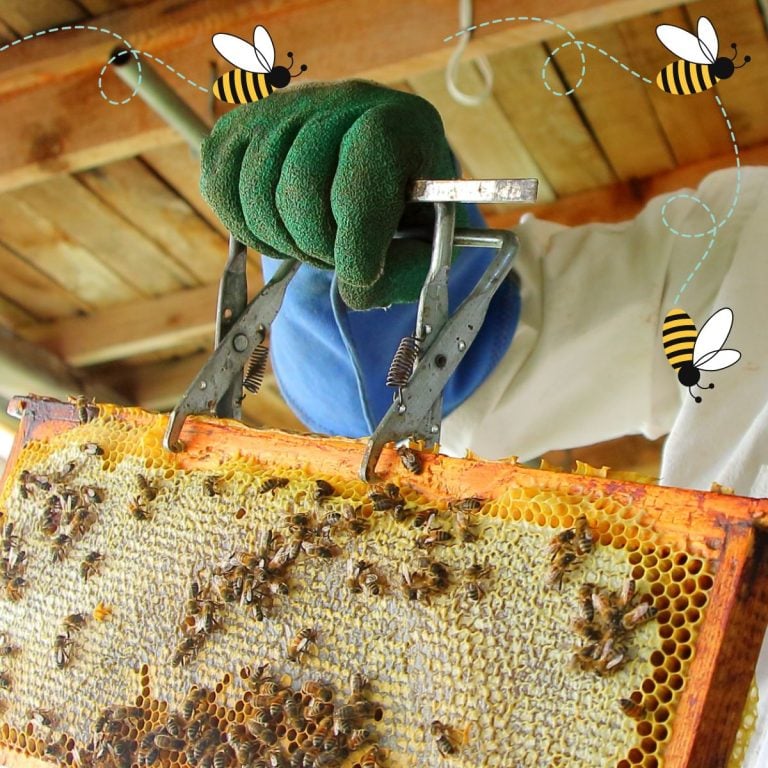
Bees are arguably the most self-sufficient creatures you can add to your property. As expert foragers, they find their own food from the surrounding flowers and trees, all while pollinating your garden and boosting your harvests. The initial setup of a hive is the biggest task, but once a colony is established, your involvement becomes minimal. You get to enjoy the hum of activity and, of course, the liquid gold they produce.
Why They’re a Good Option: Beekeeping requires very little daily attention. Your primary responsibilities are seasonal hive inspections to check for health and honey stores, and perhaps providing supplemental feeding during long, harsh winters or droughts when nectar is scarce. Their presence alone increases fruit and vegetable yields, making them a productive partner in any garden.
Care at a Glance
- Shelter: A sturdy hive, like a Langstroth or Top Bar, placed in a sunny, sheltered location away from heavy foot traffic.
- Food: They forage for their own pollen and nectar. A sugar-water feeder may be needed during establishment or extreme weather.
- Water: A shallow water source with landing spots like pebbles or twigs is essential to prevent them from drowning.
- Upkeep: Seasonal inspections (spring and fall are key), honey harvesting once a year, and monitoring for pests like varroa mites.
2. Ducks
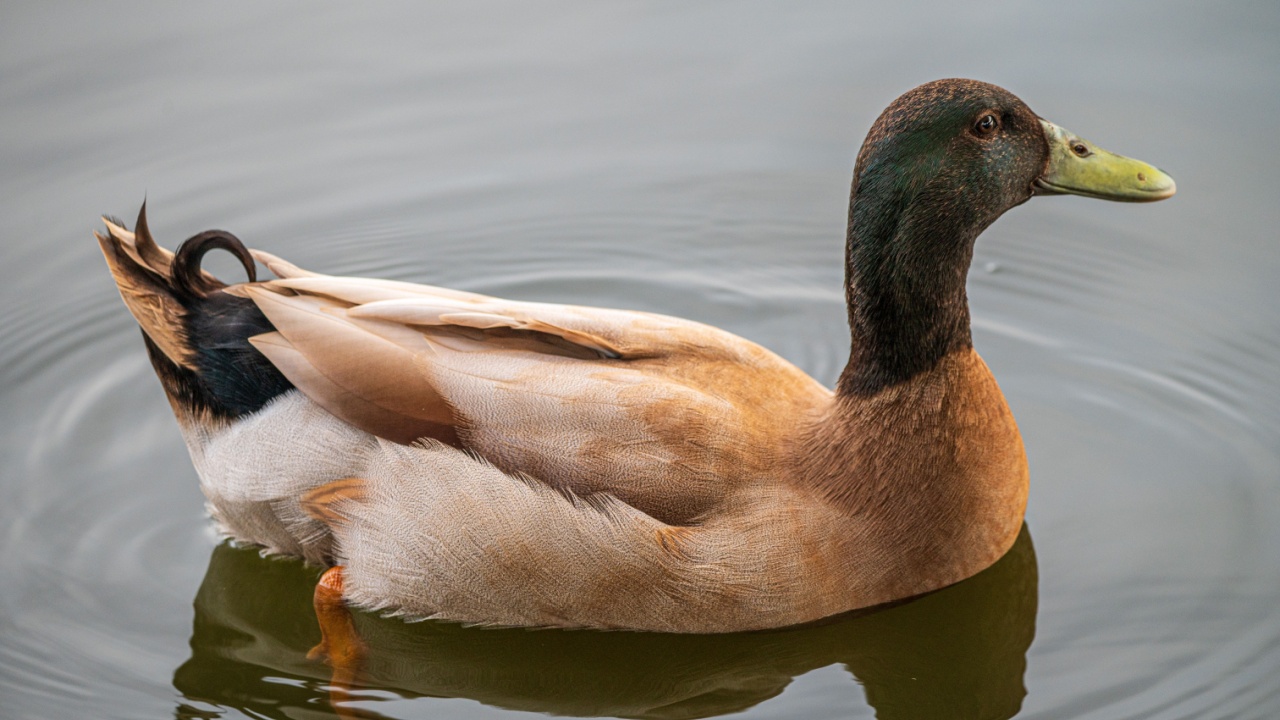
Often overlooked in favor of chickens, ducks are incredibly hardy, resilient, and low-maintenance. They are less prone to many common poultry diseases and are more tolerant of cold, wet weather. Ducks are also fantastic foragers, happily spending their days searching for slugs, snails, and other garden pests, effectively turning a nuisance into a free meal.
Why They’re a Good Option: Ducks don’t need a fancy coop; a simple, predator-proof shelter to lock them in at night is sufficient. Unlike chickens, they don’t scratch and destroy garden beds with the same intensity. Their main requirement is access to water for dunking their heads to keep their eyes and nostrils clean. Plus, their eggs are larger and richer than chicken eggs, perfect for baking.
Care at a Glance
- Shelter: A secure, three-sided structure with a roof and dry bedding is plenty.
- Food: A standard poultry feed supplemented by their foraging finds.
- Water: A constant supply of clean water deep enough for them to submerge their entire head. A small kiddie pool works perfectly.
- Upkeep: Daily feed and water checks, egg collection, and regular cleaning of their bedding and water source.
3. Quail
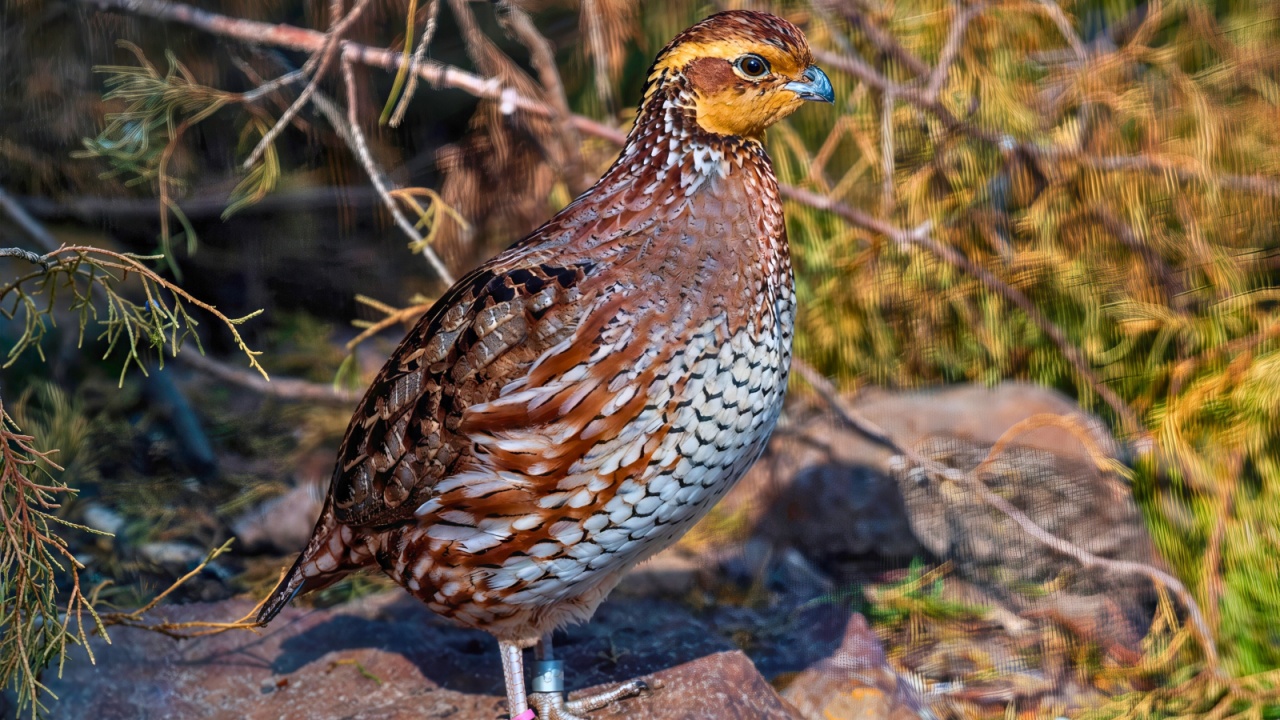
If you’re short on space but want fresh eggs, quail are an excellent choice. These small birds are quiet, mature quickly (laying eggs as early as six to eight weeks old), and can be housed in a surprisingly compact area. They are efficient feed-to-egg converters and are generally calm animals that don’t demand much attention.
Why They’re a Good Option: A small flock of quail can live happily in a hutch or aviary that takes up minimal yard space. Their daily care routine is simple and quick: refresh food and water, and collect eggs. Because they are ground-dwelling birds, they don’t have the instinct to roost, making their housing needs much simpler than chickens’.
Care at a Glance
- Shelter: A predator-proof hutch, cage, or aviary with good ventilation and protection from the elements.
- Food: A high-protein game bird feed.
- Water: A shallow waterer to prevent drowning. Nipple waterers are a great low-mess option.
- Upkeep: Daily feeding and watering, egg collection, and weekly cleaning of their enclosure to maintain hygiene.
4. Chickens
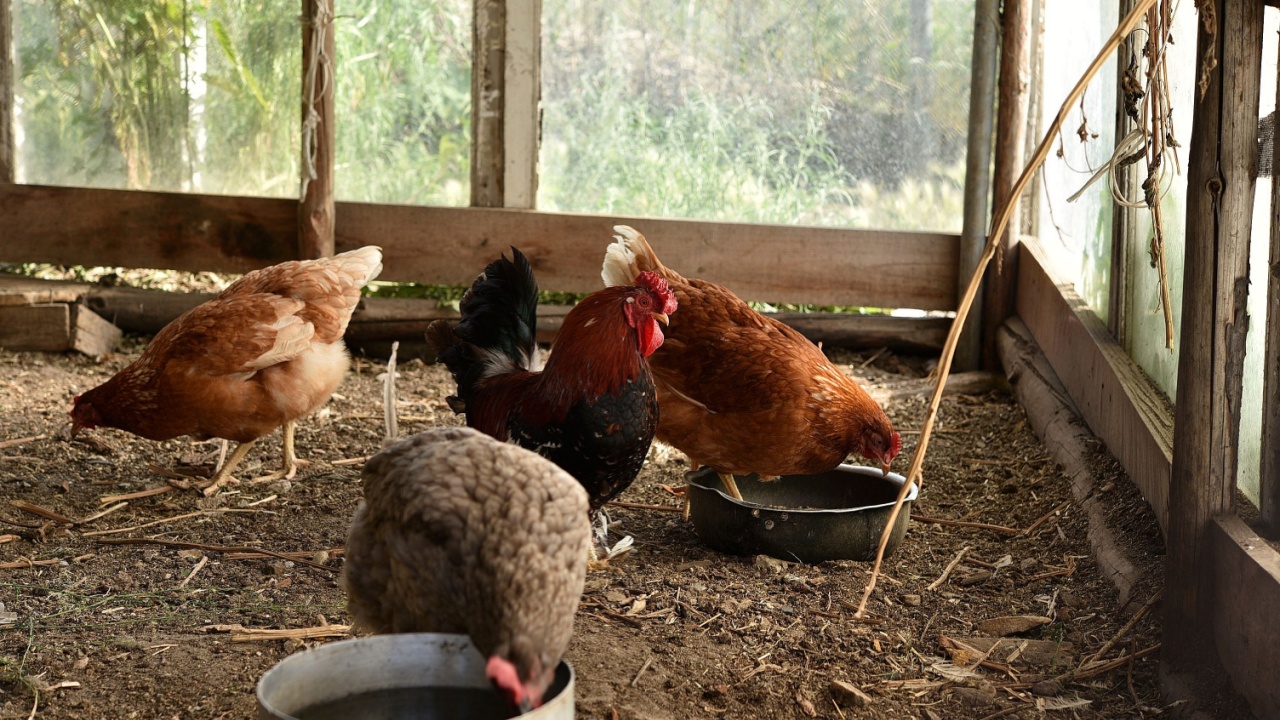
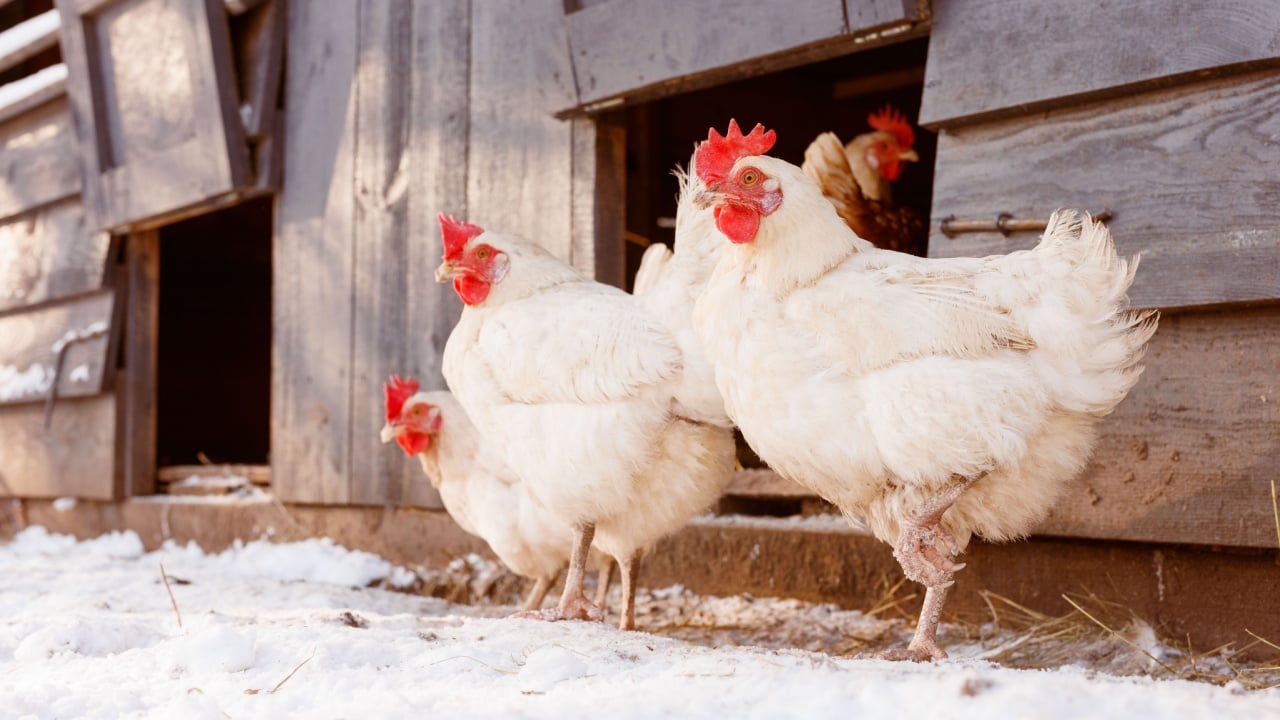
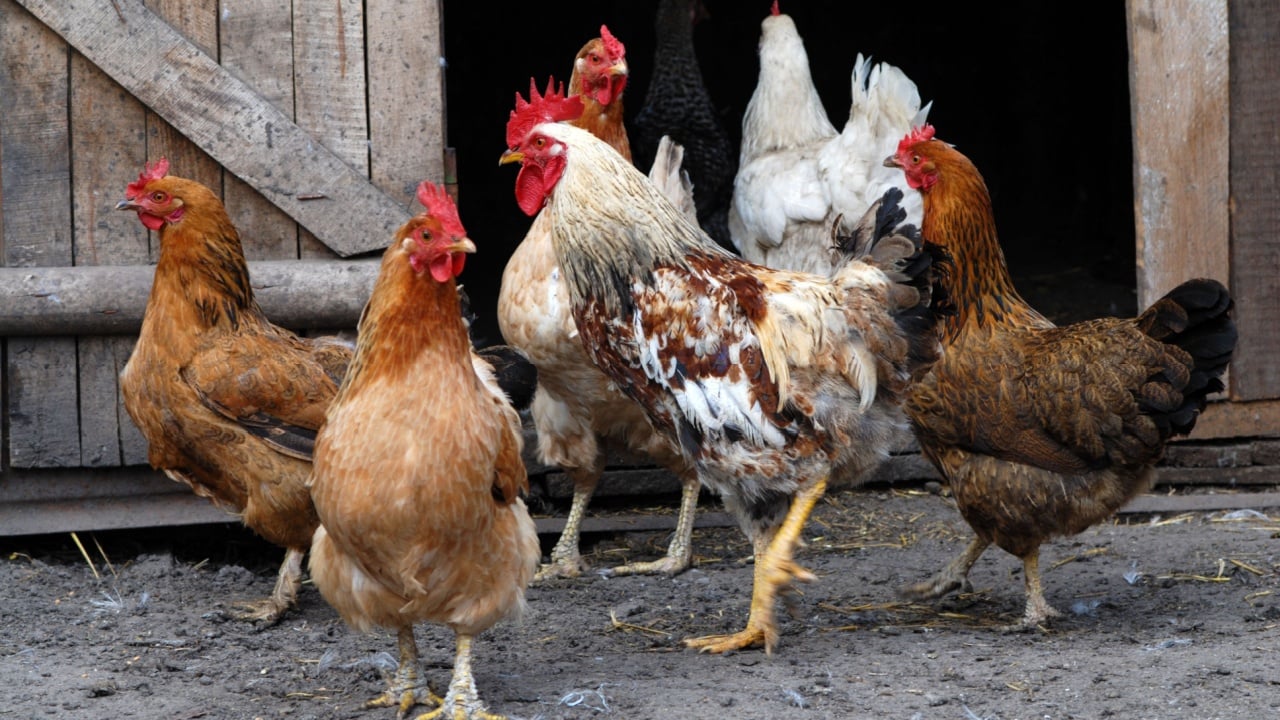
Chickens are a classic choice for homesteaders for a reason they are relatively easy to manage once you have a good system in place. They provide a steady supply of fresh eggs and their manure is a fantastic fertilizer for your garden compost. With modern conveniences like automatic feeders and waterers, caring for a flock can take just a few minutes each day.
Why They’re a Good Option: Once your coop and run are secure, chickens are skilled foragers that will help control insect populations. They are creatures of habit and will put themselves to bed in the coop every night, making it easy to lock them up for safety. Investing in a larger feeder and waterer can even allow you to leave them for a weekend without worry.
Care at a Glance
- Shelter: A predator-proof coop with roosting bars and nesting boxes, connected to a secure outdoor run.
- Food: A balanced layer feed, supplemented with kitchen scraps and whatever they forage.
- Water: A constant supply of fresh, clean water.
- Upkeep: Daily feed and water checks, egg collection, and regular coop cleaning (the deep litter method can reduce this chore).
5. Goats
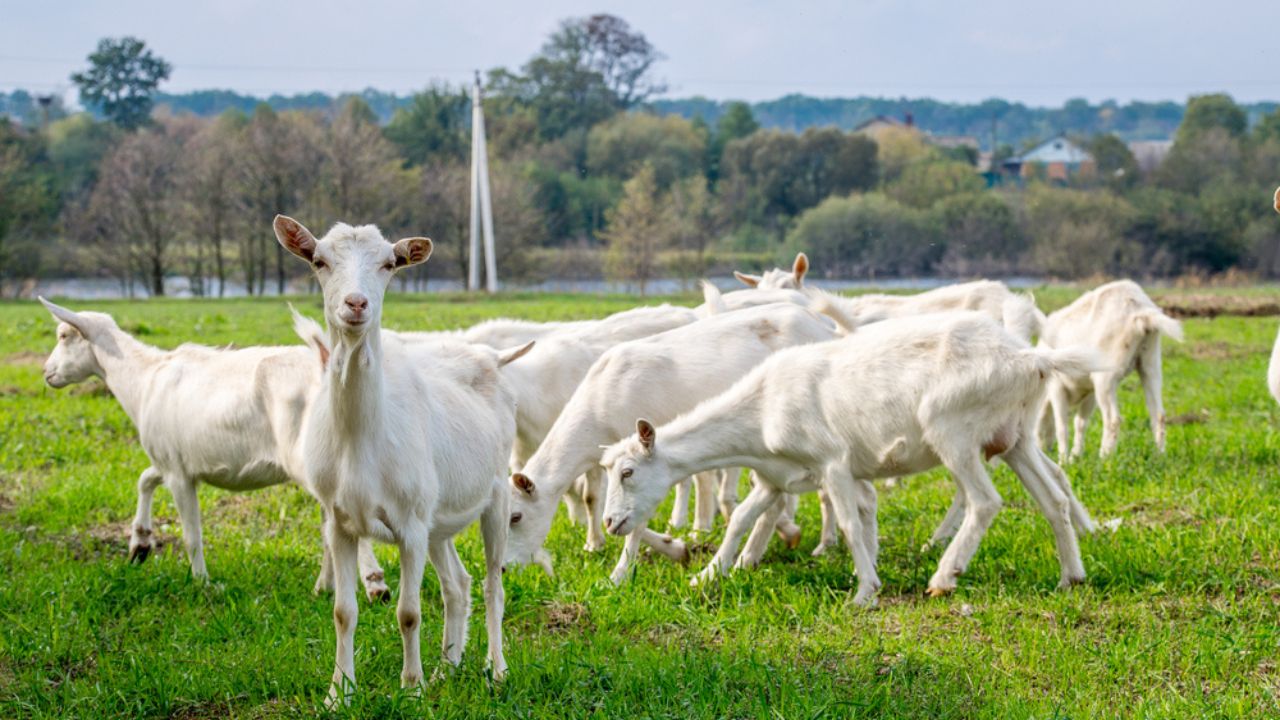
Goats are intelligent, curious, and remarkably independent animals. Often called “brush hogs,” they prefer to browse on weeds, shrubs, and overgrown vegetation rather than graze on grass. This makes them ideal for clearing unruly parts of your property with minimal effort on your part. Dwarf breeds like Nigerian Dwarfs or Pygmies are a great size for smaller backyards.
Why They’re a Good Option: With sturdy fencing, goats are masters of self-care. They are hardy and require only basic shelter to protect them from wind and rain. Their inquisitive nature provides endless entertainment, and dairy breeds can supply you with fresh milk for cheese, soap, and more.
Care at a Glance
- Shelter: A simple three-sided shelter to block wind and rain.
- Food: Access to browse (weeds, brush) is ideal. Supplement with quality hay and a goat-specific mineral mix.
- Water: A constant supply of fresh, clean water.
- Upkeep: Daily feeding and water checks, regular hoof trimming, and routine deworming as needed based on your climate.
6. Rabbits
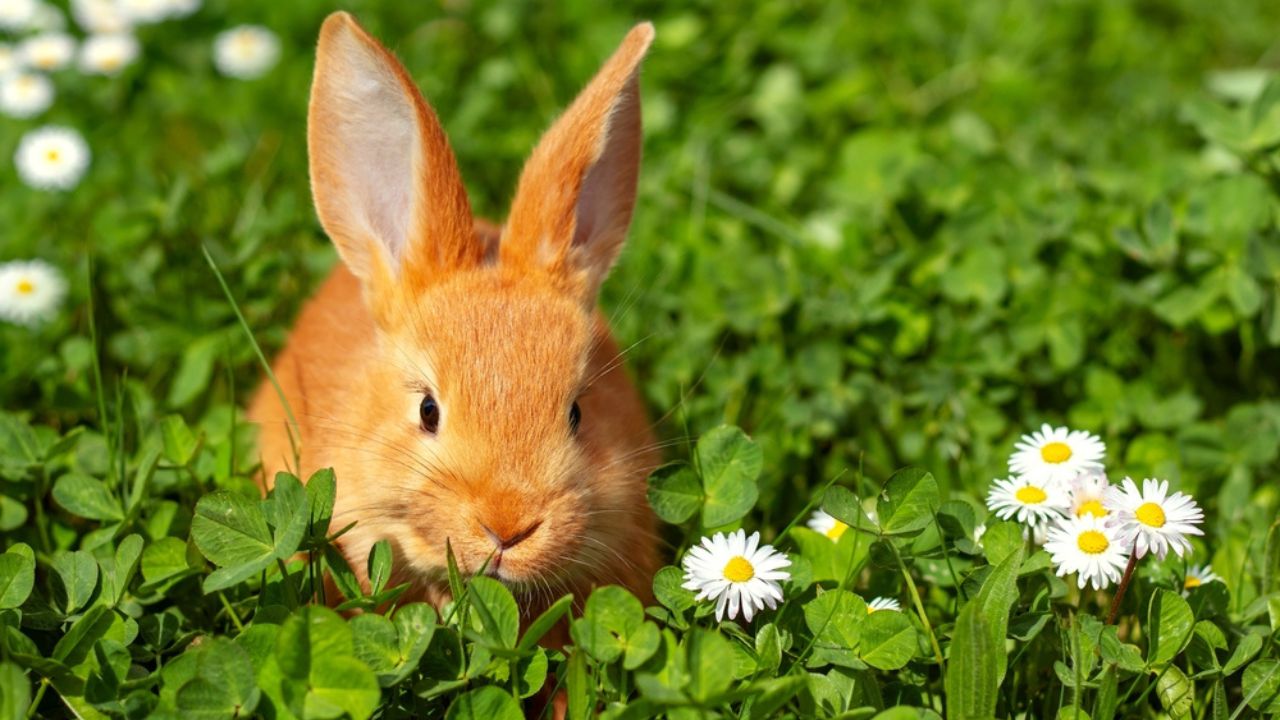
Quiet and unassuming, rabbits are a fantastic low-maintenance option, especially for those with limited space. They can be raised for meat, fiber (from breeds like Angoras), or simply for their excellent manure, which is a wonderful “cold” fertilizer that can be added directly to garden beds without needing to be composted first.
Why They’re a Good Option: Rabbit care is straightforward and doesn’t require much time. Their housing can be a simple hutch system that keeps them safe and clean. A daily routine of providing pellets and fresh water takes only minutes. They are quiet animals, making them a good choice for urban or suburban settings where noise could be an issue.
Care at a Glance
- Shelter: A well-ventilated hutch that protects them from predators, sun, and harsh weather. Wire-bottom cages with a resting board help keep them clean.
- Food: A diet of high-quality timothy hay, supplemented with commercial rabbit pellets and fresh greens.
- Water: A constant supply of fresh water, preferably from a bottle or nipple system to keep it clean.
- Upkeep: Daily feeding and watering, and regular cage cleaning to prevent disease.
7. Sheep
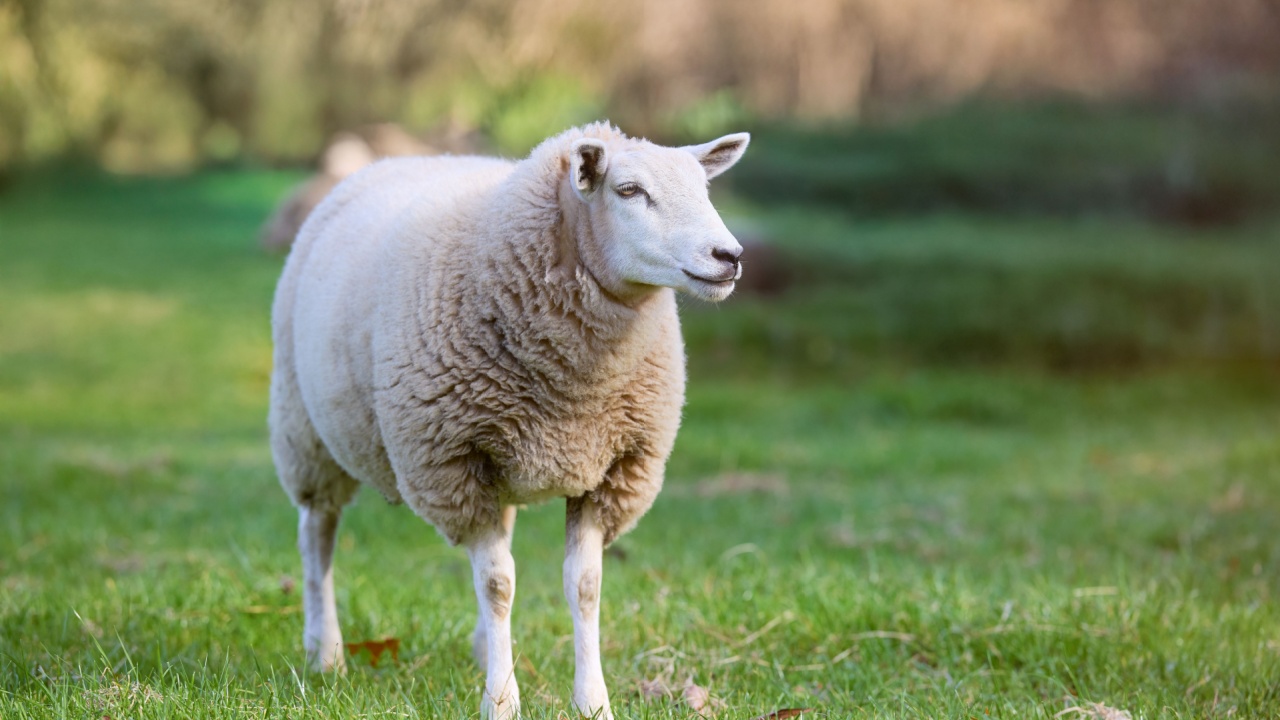
For those with a bit more pasture, sheep are one of the most hands-off livestock options available. They are content to graze all day and require very little human interaction to thrive. “Hair sheep” breeds like Katahdins or Dorpers are particularly low-maintenance because they naturally shed their winter coats, eliminating the need for annual shearing.
Why They’re a Good Option: Sheep are gentle on the land and are excellent grazers. As long as you have good fencing and provide them with basic shelter and a mineral supplement, they largely take care of themselves. They are flock animals, so you’ll need at least two or three for them to feel secure. Their calm demeanor makes them a peaceful addition to any homestead.
Care at a Glance
- Shelter: A simple shelter to provide shade and protection from severe weather.
- Food: Good quality pasture is the primary food source. Supplement with hay during winter or dry periods. A sheep-specific mineral block is essential.
- Water: A reliable source of fresh, clean water.
- Upkeep: Routine deworming and hoof trimming may be needed, though some hardy breeds require it less frequently.
8. Guinea Pigs
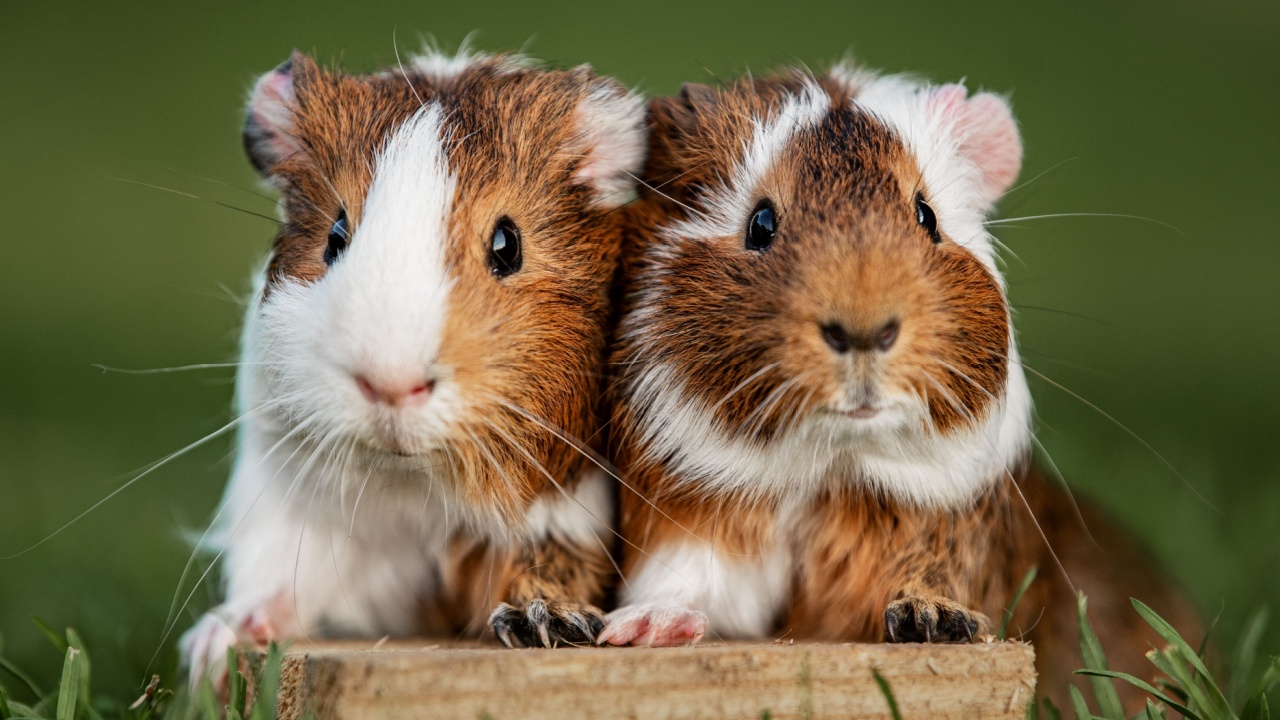
While often considered indoor pets, guinea pigs can thrive in a secure outdoor hutch in moderate climates. They are gentle, social animals that don’t require pasture or complex care. Their needs are simple: a safe space, proper food, and a clean environment. They are more active and vocal than rabbits, making them an entertaining addition for families.
Why They’re a Good Option: Guinea pigs are easy keepers. They don’t need vaccinations and are generally robust animals when protected from extreme temperatures. Their diet is straightforward, and their daily care is minimal. Their droppings are also great for the compost pile. Since they are social, it’s best to keep them in pairs or small groups.
Care at a Glance
- Shelter: A predator-proof hutch with a sleeping area filled with bedding and a separate run for exercise.
- Food: A diet of high-quality timothy hay, vitamin C-fortified pellets, and a small daily portion of fresh vegetables.
- Water: A constant supply of fresh water from a sipper bottle.
- Upkeep: Daily food and water checks and spot-cleaning of their cage, with a full bedding change once a week.
9. Worms (Vermicomposting)
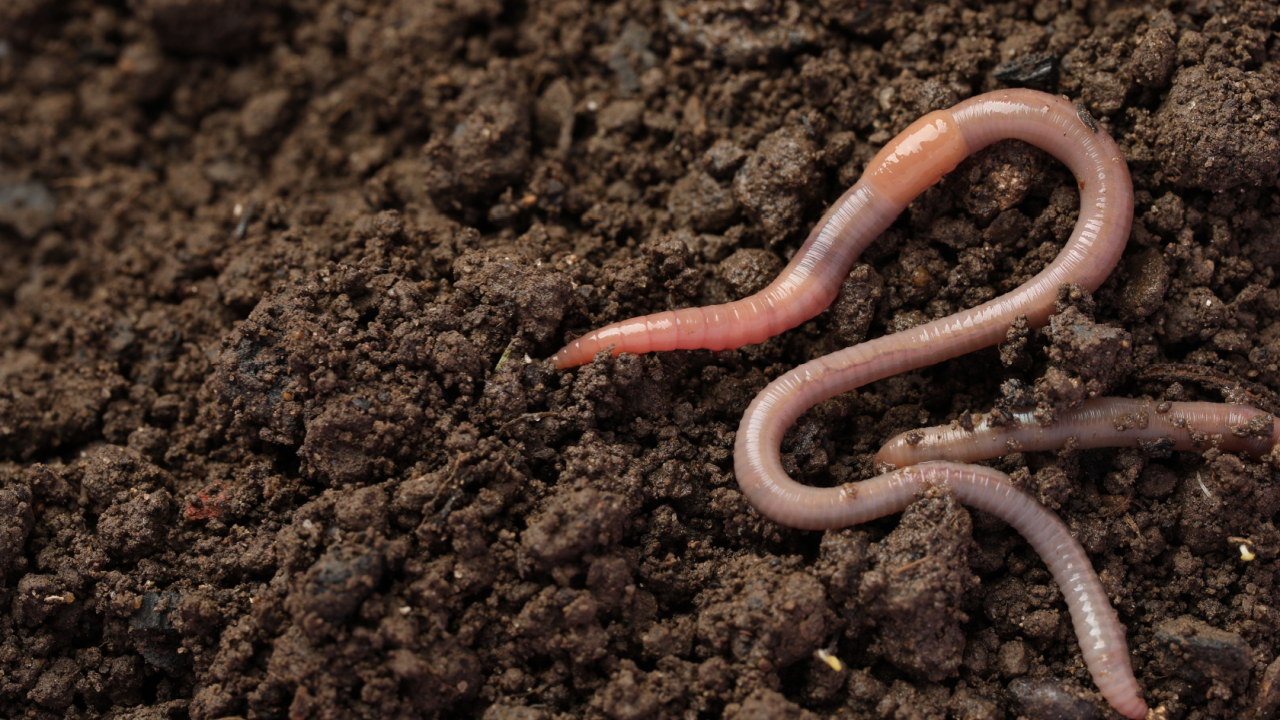
While not a traditional farm animal, a worm farm is one of the most productive and low-maintenance systems you can have. Composting worms, like red wigglers, are tireless workers that turn your kitchen scraps into nutrient-rich vermicompost, or “black gold,” for your garden. They live contained in a bin and require almost no daily care.
Why They’re a Good Option: A worm bin is self-contained, odorless when managed properly, and can be kept in a garage, basement, or shady spot in the yard. You simply feed them your fruit and vegetable scraps, and they do all the work. It’s an incredibly efficient way to reduce household waste and create a superior soil amendment for your plants.
Care at a Glance
- Shelter: A composting bin with proper ventilation and drainage. You can buy one or easily build your own.
- Food: Fruit and vegetable scraps, coffee grounds, and crushed eggshells. Avoid meat, dairy, and oily foods.
- Environment: A bed of moist shredded newspaper or cardboard. The bin needs to stay moist but not waterlogged.
- Upkeep: Add food scraps every few days and harvest the finished compost every few months.
10. Fish (Aquaponics)
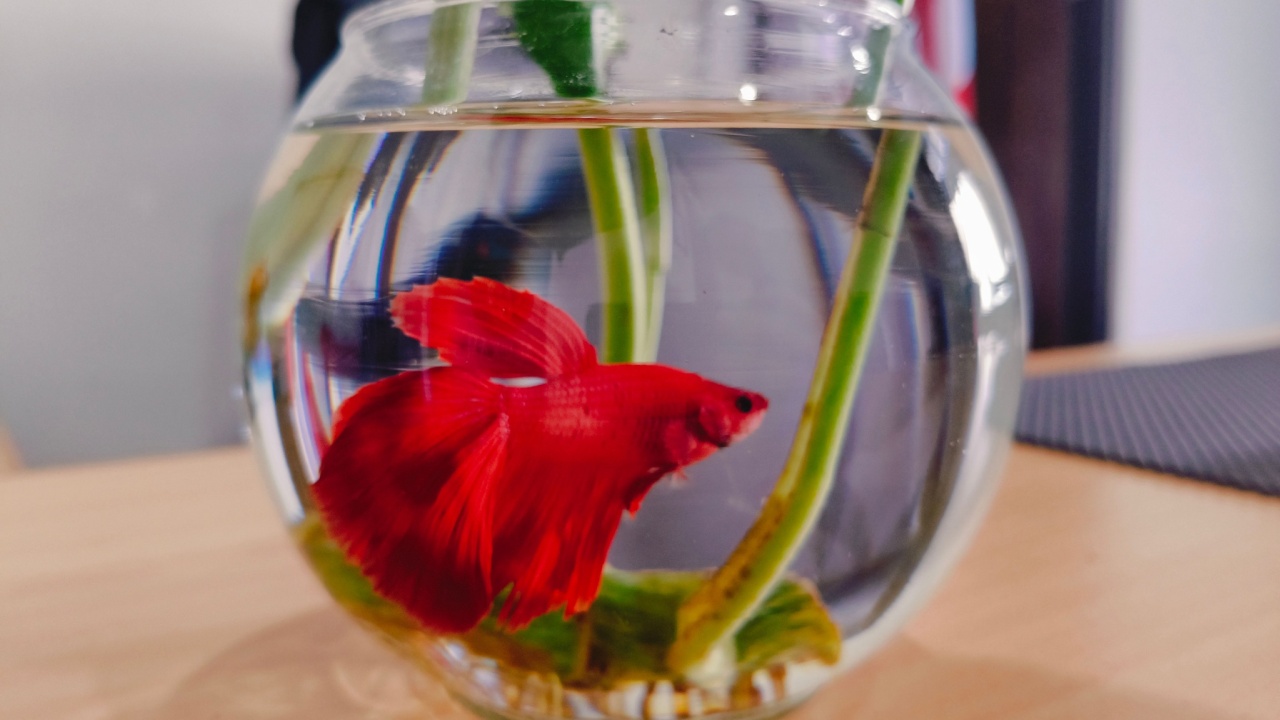
For the gardener who loves to innovate, an aquaponics system combines raising fish with soilless plant cultivation. The fish live in a tank, and their waste-filled water is pumped to a grow bed where plants absorb the nutrients. The plants, in turn, filter and clean the water, which is then returned to the fish tank. It’s a closed-loop, symbiotic ecosystem.
Why They’re a Good Option: Once an aquaponics system is established, it requires far less work than traditional gardening or fishkeeping alone. There’s no soil to till, no weeds to pull, and the water largely recycles itself. Your main job is feeding the fish. Hardy, low-maintenance fish like tilapia or bluegill are excellent choices for beginners.
Care at a Glance
- Shelter: A tank for the fish connected via a pump to a grow bed for plants.
- Food: A high-quality fish food appropriate for the species you choose.
- Water: The system itself maintains water quality. You’ll just need to top off the water level occasionally due to evaporation.
- Upkeep: Daily feeding of the fish and occasional testing of the water’s pH levels.
Taking the Next Step
Choosing the right low-maintenance animal depends on your space, your local climate, and what you hope to gain. If you have a large garden, bees could be the perfect partner for better pollination. If you have limited space and want eggs, quail are hard to beat. For those looking to manage overgrown areas, a pair of goats might be the answer.
Before you bring any animal home, do your research. Start by checking your local regulations on keeping animals, then learn the specific needs of the species you’re interested in. Talk to local breeders or other backyard keepers to get practical advice. By starting small and choosing a self-sufficient species, you can enrich your garden and life with minimal stress.