Plant These 10 Perennials Before February Ends
February in the garden can feel like waiting for a pot to boil. The excitement for spring is there, but the actual show seems ages away. You could spend the month just flipping through seed catalogs, or you could get a head start on a garden that returns year after year. This article is your guide to ten perennials that you can plant this month.
Getting these beauties into the ground now gives them a chance to settle in before the growing season kicks into high gear, setting you up for a spectacular display.
Note: February is still too early for some colder zones (depending on the flower). Always check with your local extension for what’s appropriate in your growing zone.
1. Hellebore
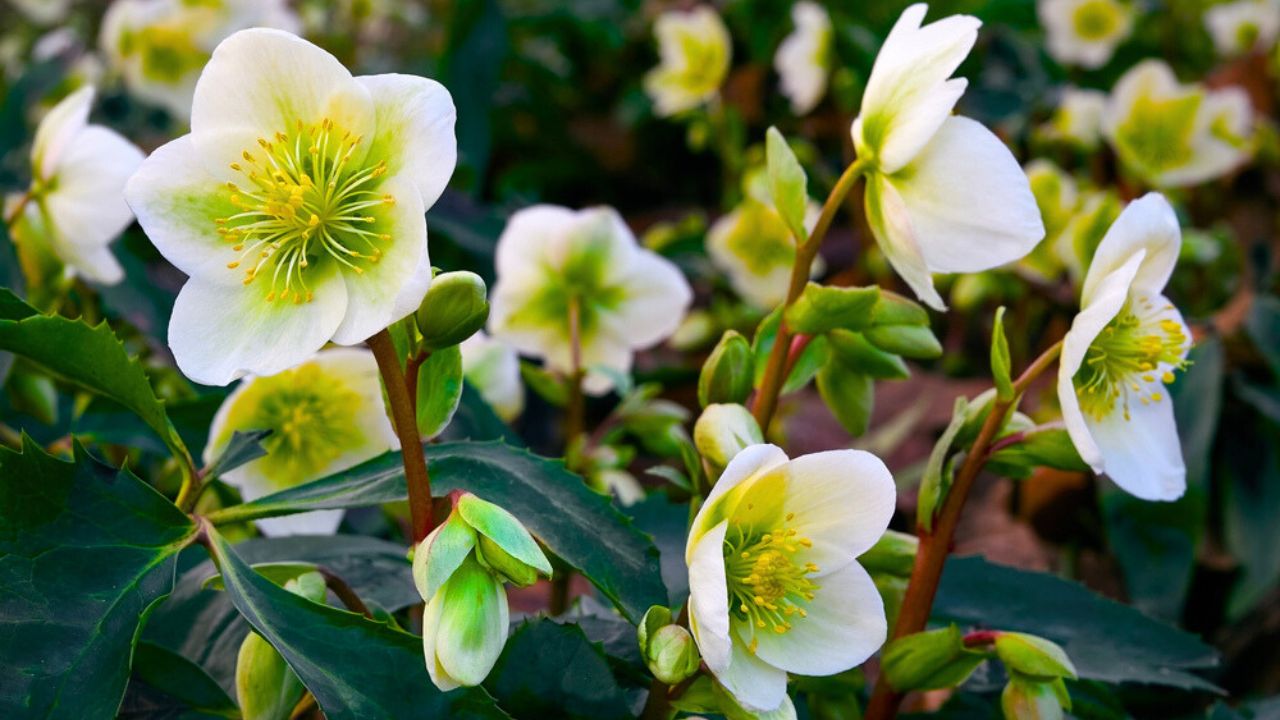
Hellebores, sometimes called Lenten Roses, are the champions of the late winter and early spring garden. They produce elegant, cup-shaped flowers in shades of white, pink, green, and deep purple, often with delicate speckles. These plants are tough, evergreen, and form neat clumps of leathery, dark green foliage that remains attractive long after the flowers have faded.
Planting hellebores in February allows their roots to establish in cool, moist soil. This timing is perfect because they are just beginning their active growth period. By getting them in the ground now, you give them a solid foundation to produce their signature downward-facing blooms when most other plants are still dormant. Their ability to flower in the cold makes them a rewarding addition to any late-winter landscape.
2. Peony
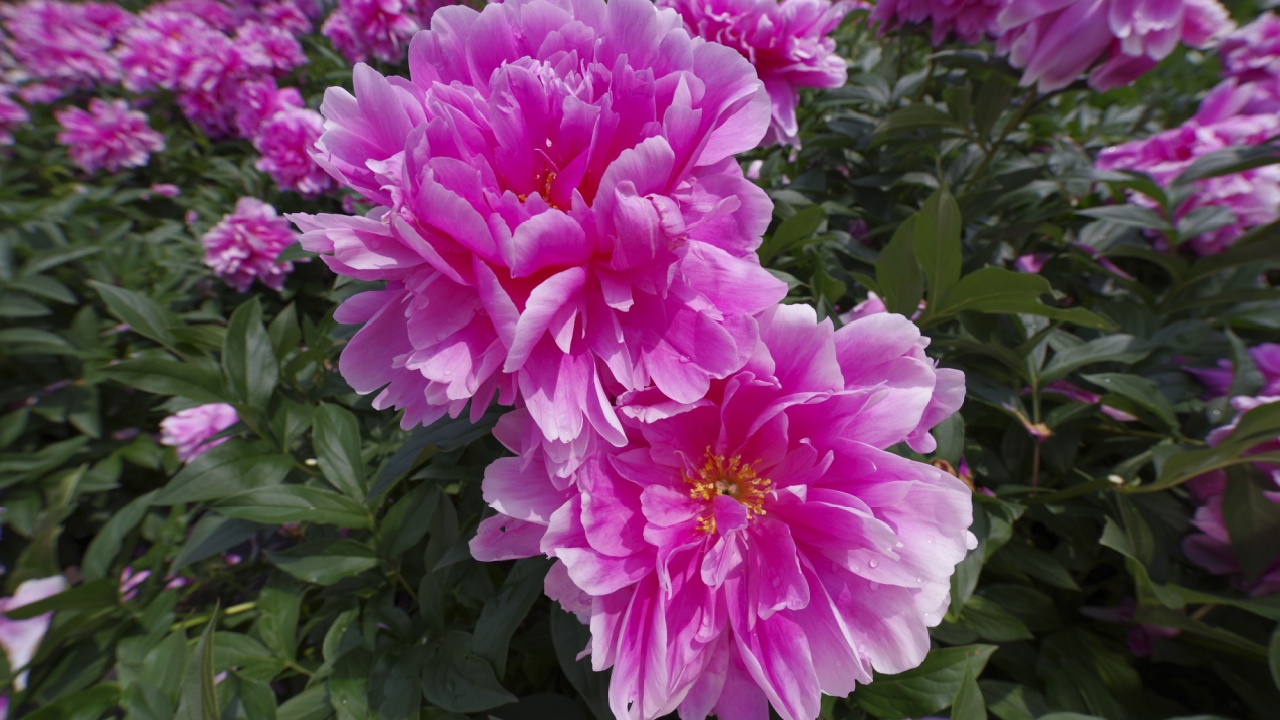
Peonies are famous for their large, fragrant, and incredibly lush blossoms that appear in late spring and early summer. These long-lived perennials come in a variety of forms, from single-petaled to massive, globe-like doubles. Their colors range from pure white and soft pastels to vibrant corals and deep reds. Even when not in bloom, their deep green foliage provides a handsome backdrop for other plants.
Planting bare-root peonies in late winter or early spring is a traditional and effective method. The cool soil of February encourages the development of a strong root system without the stress of supporting top growth. This early start prepares the plant for vigorous growth as the weather warms, leading to more robust plants and, eventually, a breathtaking floral display.
3. Phlox
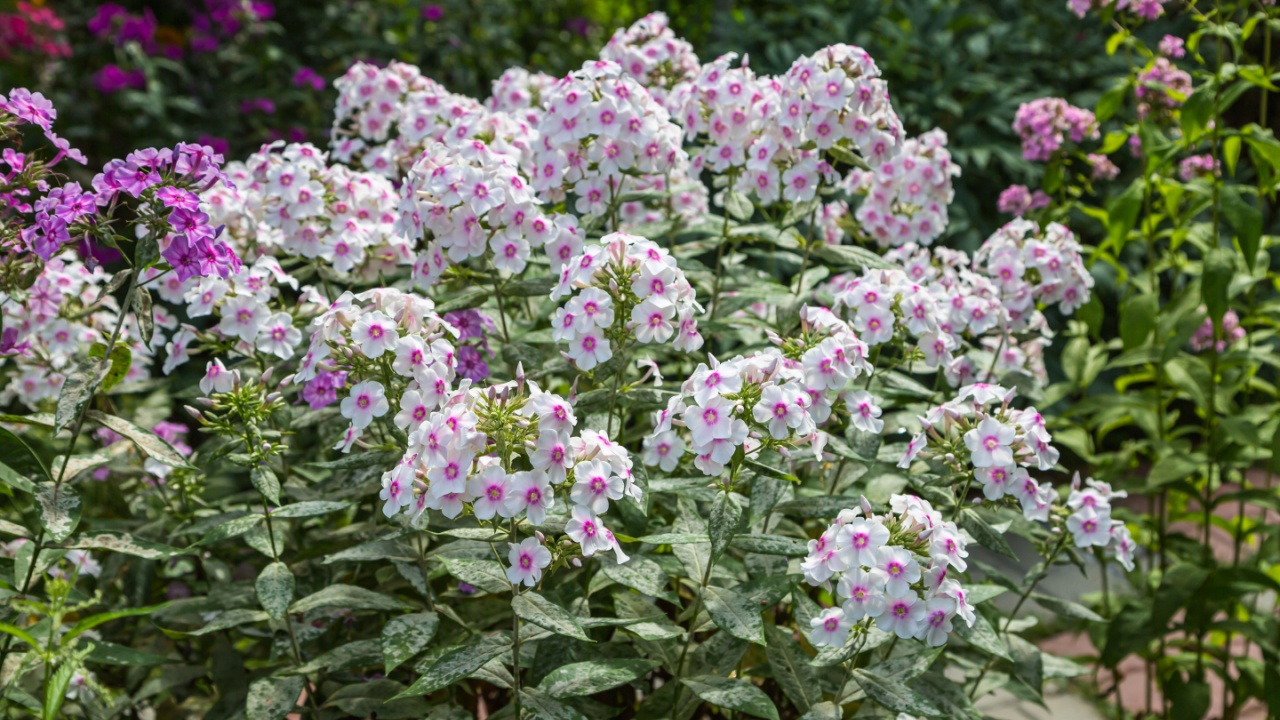
Phlox offers a long season of color with its generous clusters of small, star-shaped flowers. There are several types, but creeping phlox is a low-growing groundcover that creates a carpet of blooms in spring, while garden phlox stands tall and flowers through the summer. The flowers come in a wide spectrum of colors, including white, pink, red, lavender, and blue, and many are sweetly scented.
Planting phlox from containers or as bare roots in February gets them situated before the demands of summer heat arrive. This gives the plants ample time to develop the extensive root systems they need to support their prolific blooming. Starting them early in cool soil reduces transplant shock and helps them become established, so they are ready to burst into color when their season arrives.
4. Dianthus
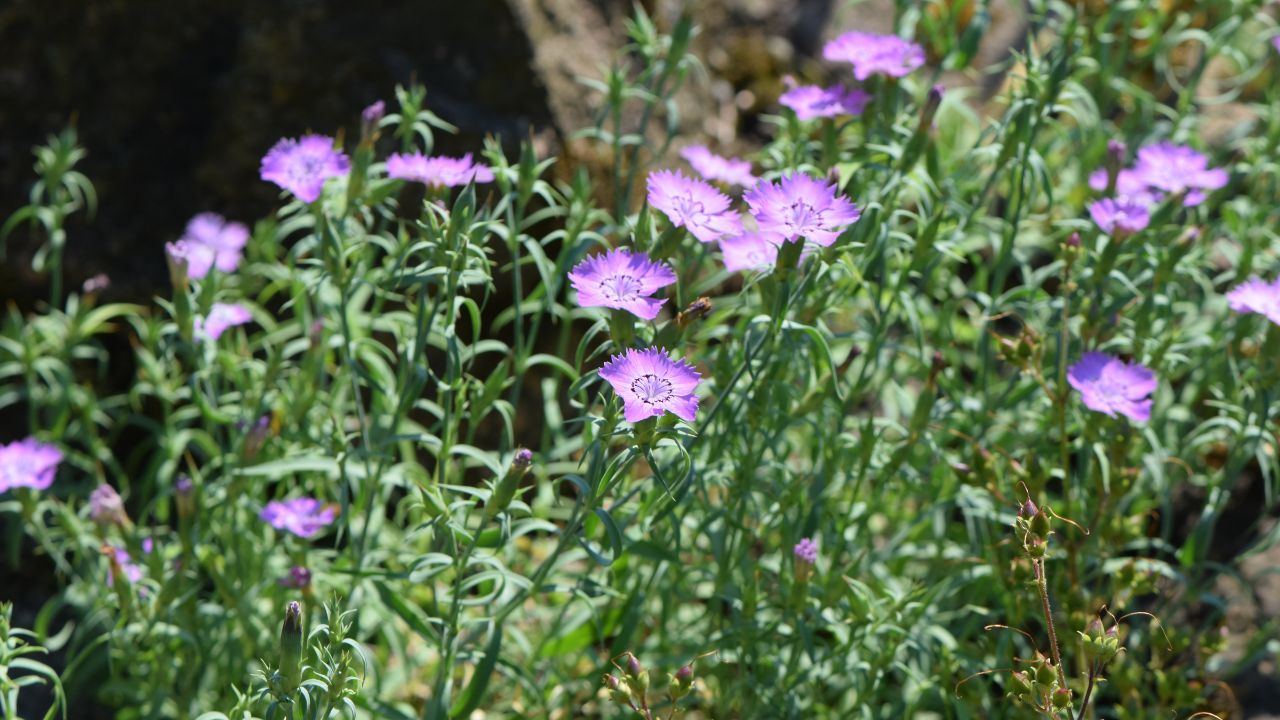
Dianthus, also known as “pinks,” are cherished for their frilly, often spicy-scented flowers and grassy, blue-green foliage. The name comes from the Greek for “divine flower,” and they live up to it with blooms in shades of pink, red, white, and lavender, many with contrasting colored eyes or edges. They are compact plants, making them ideal for borders, rock gardens, or containers.
Getting dianthus in the ground in February is a smart move. These plants prefer cooler weather for establishing their roots. Planting them now allows them to settle in and bulk up before the weather gets hot. This early start helps them become more resilient and ready to produce a profusion of cheerful flowers from spring into summer.
5. Shasta Daisy
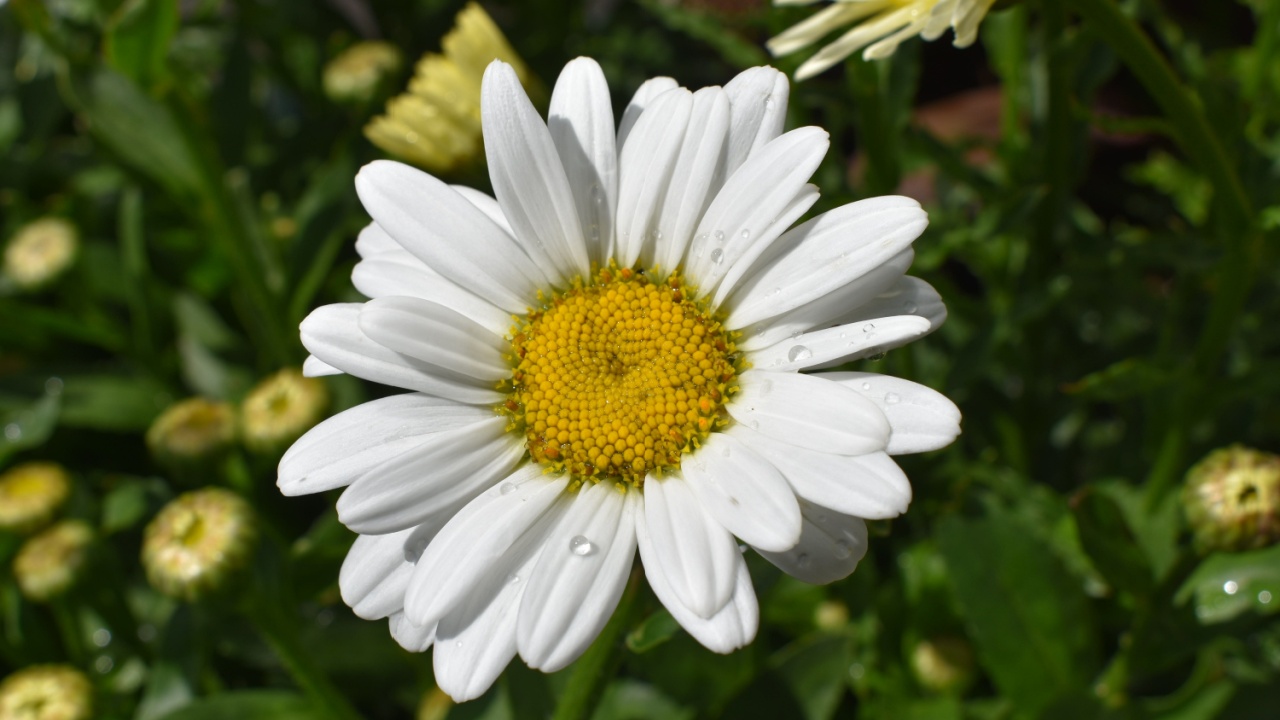
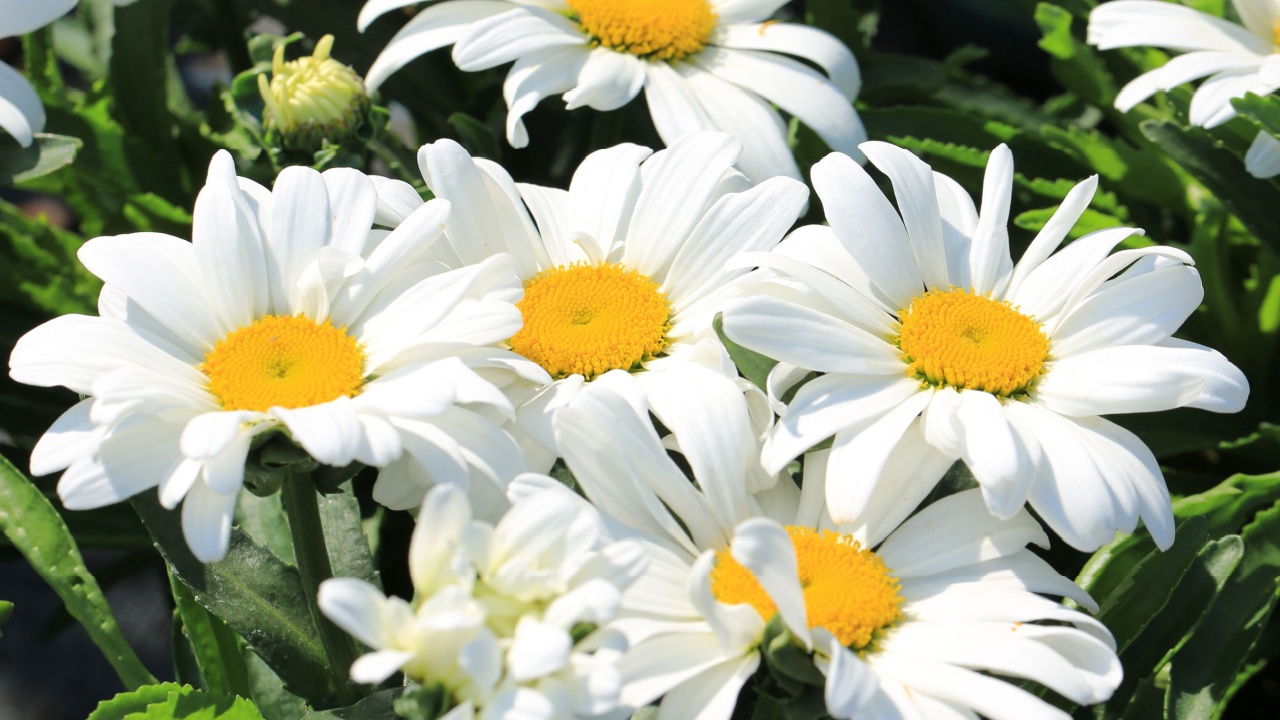
The Shasta daisy brings a look of simple, timeless beauty to the garden with its classic white-petaled, yellow-centered flowers. It is a cheerful and reliable bloomer, producing an abundance of flowers from early summer through fall if deadheaded. The sturdy stems and clean, dark green foliage make them an excellent choice for cut flower arrangements.
Planting Shasta daisies in late winter allows them to establish a robust root system in the cool, damp soil. This period of root growth, unburdened by the need to support flowers or endure summer heat, creates a stronger, more vigorous plant. By the time summer arrives, your daisies will be well-prepared to produce a bounty of their iconic, sunny-faced blooms.
6. Columbine

Columbine is a graceful perennial with intricate, bell-shaped flowers that look like they are made of folded paper. The blooms, which appear in spring and early summer, come in a stunning array of single or bicolored combinations of blue, yellow, red, white, and pink. Their delicate, fern-like foliage adds a soft texture to garden beds even after the flowers are gone.
Getting columbine started in February provides the cool conditions these woodland-edge natives appreciate for germination and early growth. Sowing seeds or transplanting young plants this month lets them get comfortable in their new home before warmer, drier weather sets in. This head start helps them build the energy needed for their unique and beautiful spring flower show.
7. Coreopsis
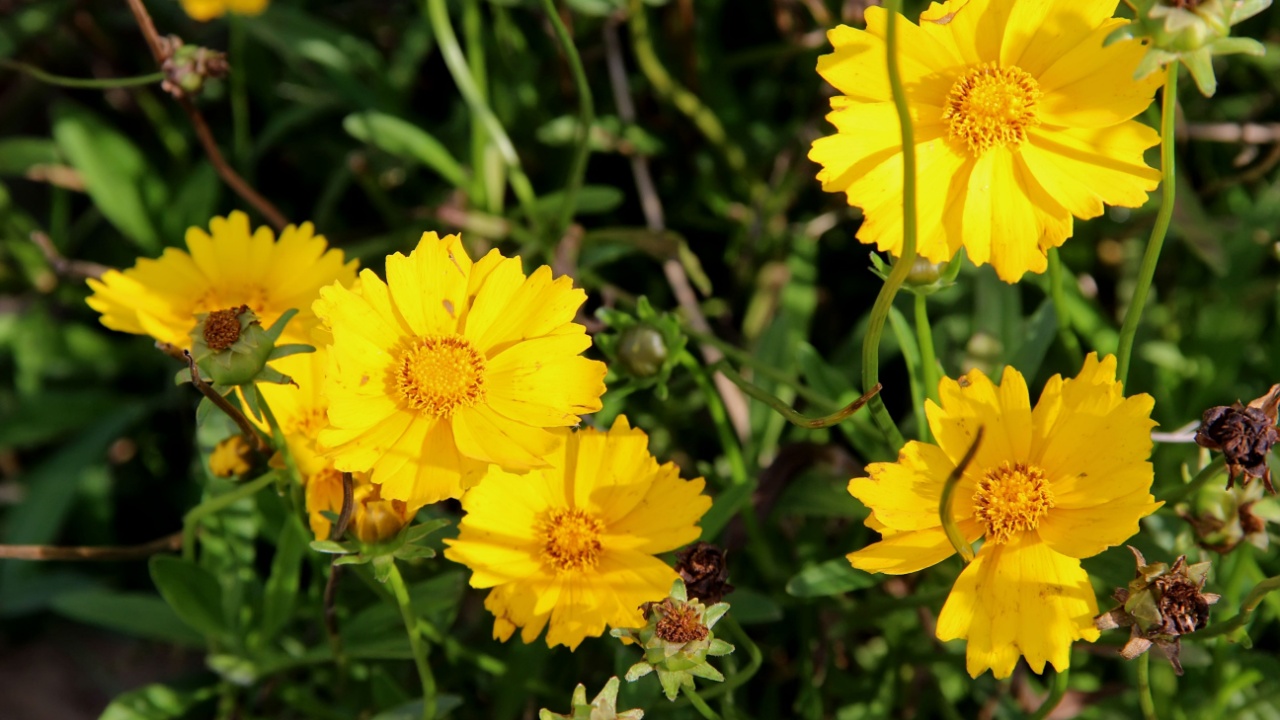
Coreopsis, or tickseed, is a wonderfully cheerful and low-maintenance perennial that produces daisy-like flowers in bright shades of yellow, orange, and red. They are known for their long bloom time, often flowering from early summer straight through to fall. These plants are tough, drought-tolerant once established, and a favorite of pollinators.
Planting coreopsis in late winter gives the plant a chance to develop a deep and healthy root system before the summer sun intensifies. This early establishment is crucial for its performance and drought tolerance later in the season. With a strong foundation built during the cool, moist days of late winter and early spring, coreopsis will be ready to unleash its nonstop display of sunny blooms.
8. Daylily
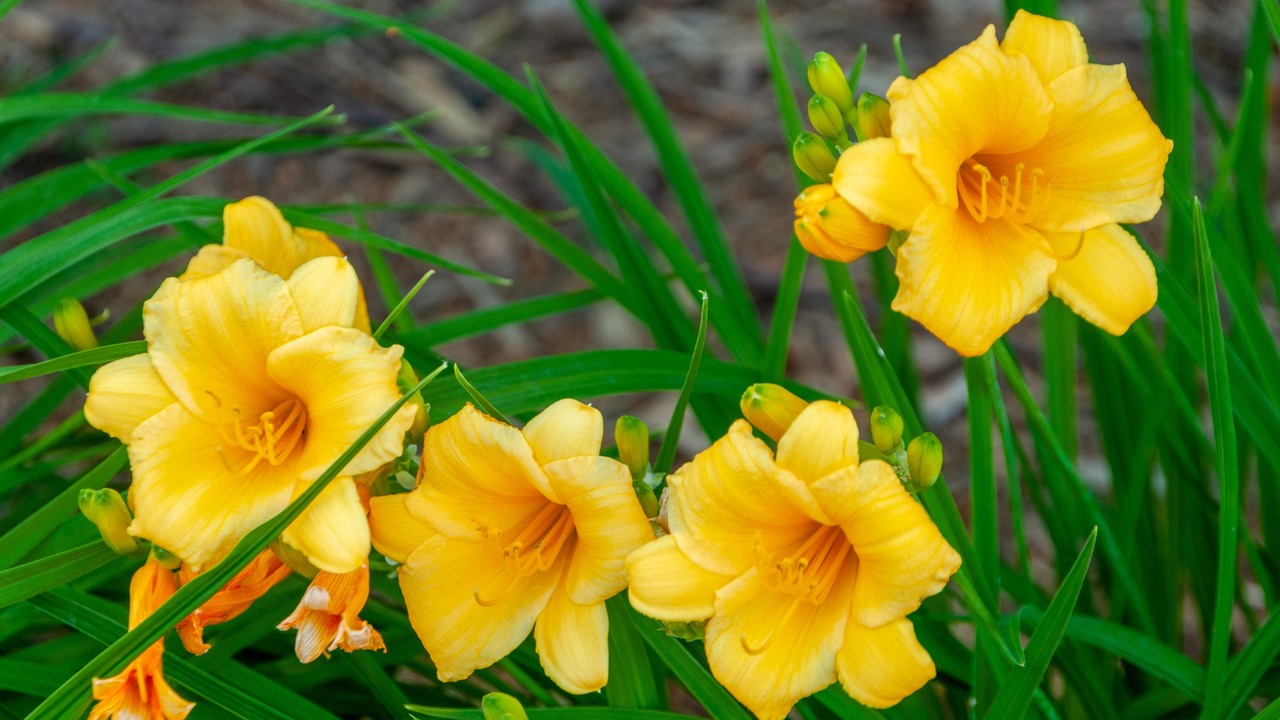
Daylilies are some of the most dependable and easy-to-grow perennials available. Each flower lasts for just one day, but they produce so many buds on each stalk that the show continues for weeks. Available in nearly every color imaginable except true blue, with forms ranging from simple trumpets to ruffled doubles, there is a daylily for every garden design.
If you plan to plant bare-root daylilies in February, that is an excellent strategy. The plants are dormant, so they can be handled and planted with minimal stress. The cool soil encourages root growth, allowing the plant to anchor itself firmly and store up energy. When the weather warms, these well-established plants will be primed to send up strong foliage and an abundance of flower scapes.
9. Gaillardia
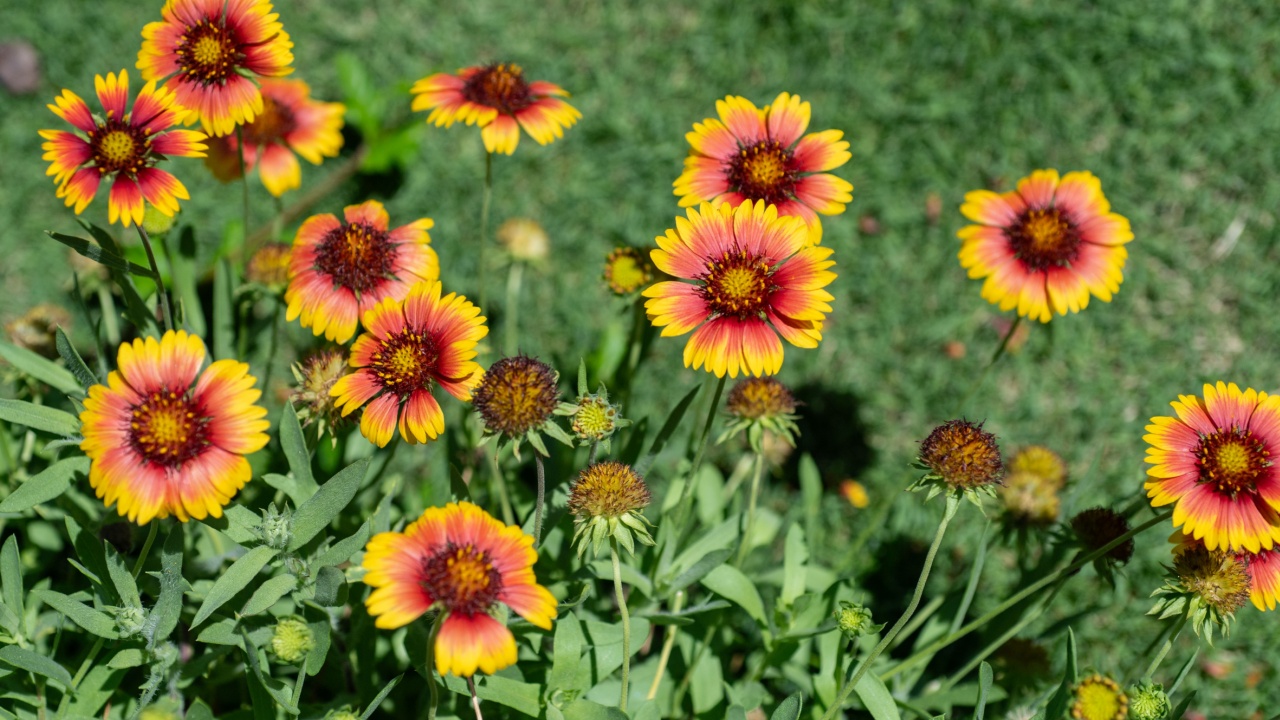
Gaillardia, commonly known as blanket flower, is a tough plant that thrives on sunshine and brings a fiery mix of red, orange, and yellow to the garden. Its daisy-like flowers have a distinctive banded pattern, creating a bold, festive look. It blooms profusely from summer through fall, requiring very little care once established and tolerating poor soil and dry conditions.
Planting gaillardia in late winter allows this sun-lover to establish its root system during a cooler, wetter time of year. This reduces the need for supplemental watering as it gets started. By giving it a chance to settle in before the heat of summer, you are setting it up for a season of vigorous growth and a continuous supply of its vibrant, blanket-patterned flowers.
10. Hosta
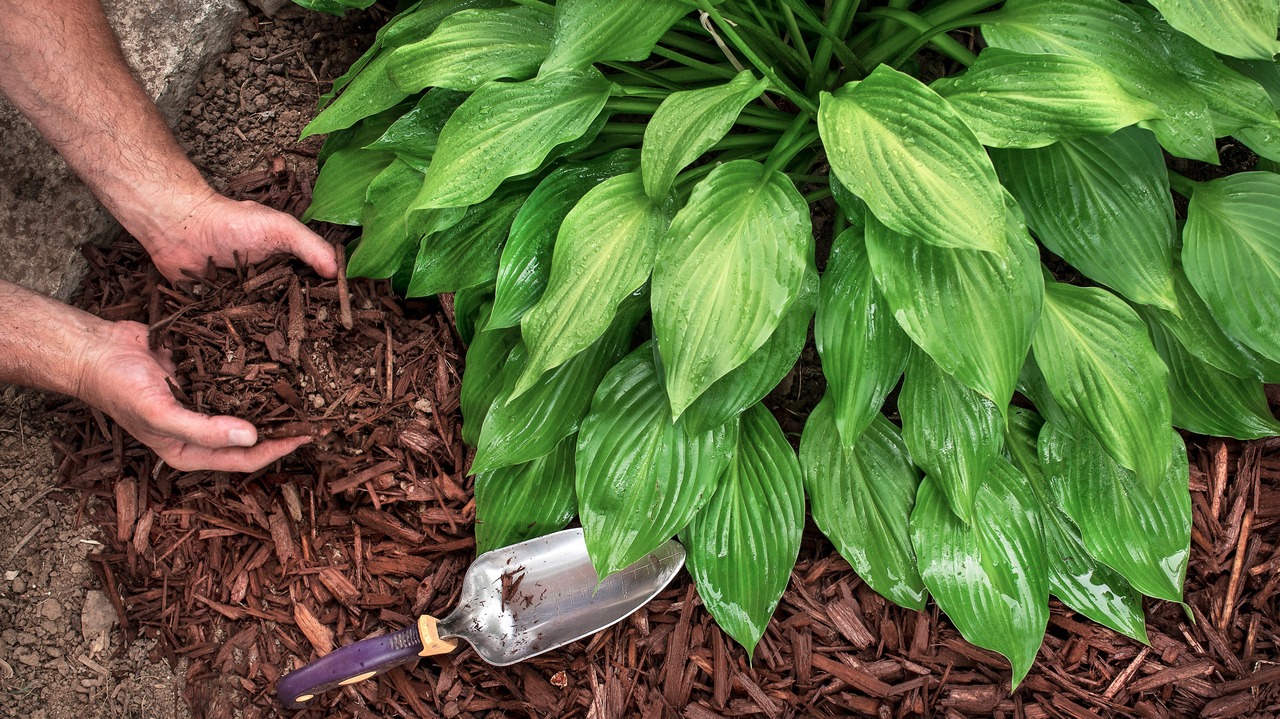
Hostas are the quintessential foliage plants for shady spots in the garden. They are grown for their beautiful leaves, which come in a vast range of sizes, shapes, and colors, from tiny blue-green leaves to giant, variegated paddles of chartreuse and white. In summer, they send up spikes of lavender or white bell-shaped flowers.
Starting bare-root hostas in February, while they are still dormant, is an effective way to get them started. The cool, moist soil helps the roots to rehydrate and grow without the pressure of supporting a full flush of leaves. When the soil warms up, the established roots will be ready to fuel the rapid unfurling of those magnificent leaves that make hostas a shade garden favorite.
February’s Garden Game Plan

With your February planting complete, the next few months are about observation and basic care. Keep the soil around your new perennials consistently moist but not waterlogged as they establish their roots. A layer of mulch can help retain that moisture and suppress early weeds.
As spring unfolds, you will be rewarded with the first signs of growth. Watching these plants wake up and fill in your garden beds is one of the great joys of gardening, and you will have given them the best possible start.