A Major Upper West Side Landlord Is Accused of Overcharging Tenants by More Than $12.5 Million
A major Upper West Side landlord is facing a lawsuit that is accusing them of overcharging tenants and illegally stripping apartments of their rent-regulated status across four Manhattan buildings. Twelve residents filed the suit in New York State Supreme Court against Weinreb Management, according to West Side Rag, alleging the company illegally overcharged tenants by more than an estimated $12.5 million. The case followed an investigation by the housing watchdog group Housing Rights Initiative.
The suit describes two methods the landlord allegedly used to move units out of regulation. In some cases, according to the lawsuit, the company stopped registering units as rent-regulated with the state and rented them at market rate, despite no evidence that any improvements had been made. In others, units were registered as exempt co-ops or condos, which did not qualify them for rent stabilization, despite no evidence they’d ever legally been co-ops or condos.
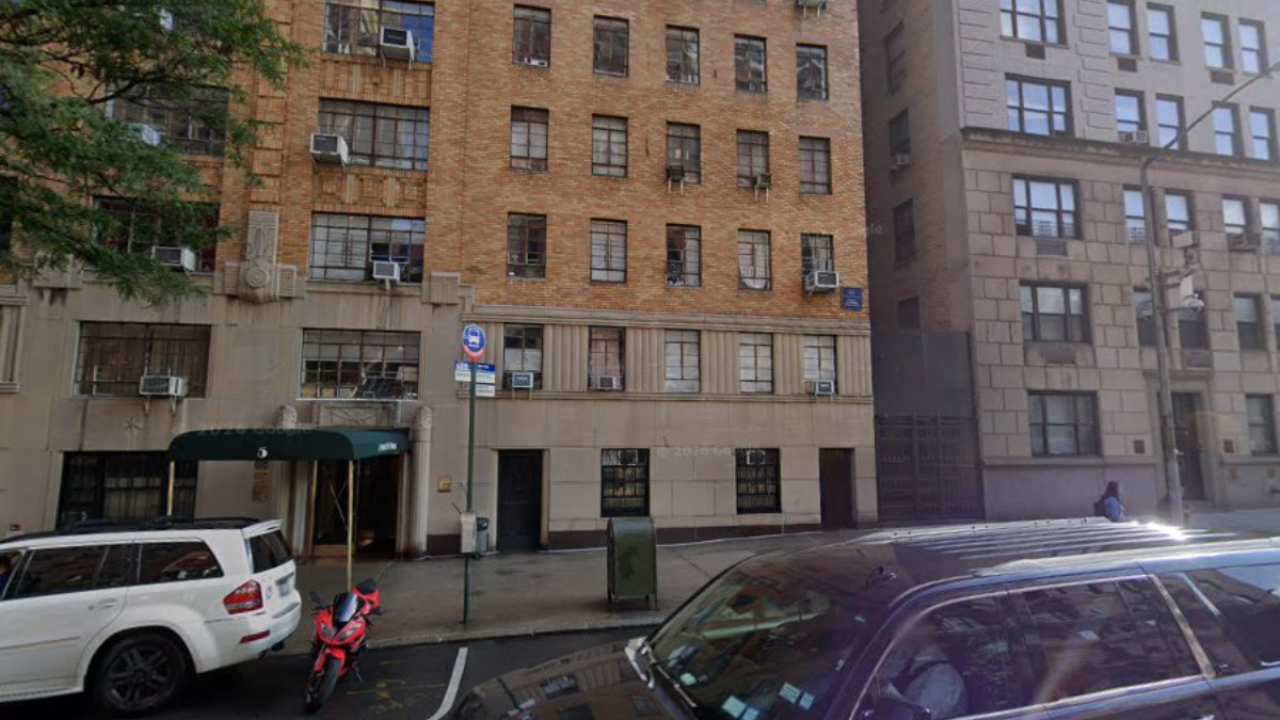
The four buildings named in the suit are at 5 West 86th Street, 51 West 86th Street, 110 West 96th Street, and 350 Central Park West. As one example, the lawsuit points to an apartment at 51 West 86th Street that was last registered with the state in 2008 at a regulated rent of $752.27 a month and never registered as regulated again. Deregulating that unit would have required about $42,600 in improvements at the time, the suit says. There’s no evidence that this kind of work was ever done.
The plaintiffs are seeking substantial damages, and the landlord hasn’t responded. The lawsuit asks the court to award each of the 12 tenants an amount equal to or exceeding $1 million, and under state law, tenants who’ve been overcharged are entitled to rent refunds, rent reductions, and correctly rent-stabilized leases.
How an Apartment Loses Its Rent-Stabilized Status
Rent stabilization in New York limits how much a landlord can raise rent on a covered unit and gives tenants the right to renew their leases, which makes regulated apartments a significant source of below-market housing. Landlords are required to register regulated units annually with the state’s Homes and Community Renewal agency, and the alleged tactics in this case both involve breaking that link: either ceasing to register a unit while charging market rent, or classifying it as an exempt co-op or condo it never legally was.
The enforcement gap is part of what the case highlights. Historically, certain deregulations did not require a landlord to file an application for state approval, which meant the burden often fell on tenants to discover an improper deregulation and challenge it, either through the state agency or in court.
How Tenants Can Check Their Own Apartment’s History
A tenant paying market rent may be in a unit that was improperly deregulated without knowing it, which this suit is a good reminder to check and ensure. Housing advocates say renters who suspect their apartment should be rent-stabilized can request their unit’s full rent history from the New York State Homes and Community Renewal agency, which shows how the unit has been registered and at what rents over time.
West Side Rag noted that Upper West Side renters can also contact the Manhattan Borough President’s Office to check whether their apartments may have been illegally destabilized. A rent history that shows a unit was regulated and then quietly dropped from the rolls, without a documented legal basis, is exactly the pattern the Weinreb lawsuit alleges, and it is the kind of record that can support a tenant’s own overcharge claim. Because the deadlines and procedures for challenging an overcharge can be technical, consulting a tenant attorney is something prudent worth doing before filing.