
In case you’ve missed it, there’s been a terrifying outbreak of parasitic flies in the Texas region. They’re called New World screwworm, and the way they infect and kill their prey sounds like something straight out of a horror movie. And while these flies have mostly been hitting cattle south of the border, authorities now say that they are putting U.S. pets at risk as well.
For the past few months, KXAN reports that some animal shelters in the region have been working to mitigate risks to the animals in their care, including Austin Pets Alive (APA), which has been incurring additional expenses to keep the animals safe.
Now, WSB-TV says that shelters are having to press pause on adoptions, which could lead to an increase in pet euthanasia across the state. That’s because approximately 44 states have limited the movement of animals across state lines.
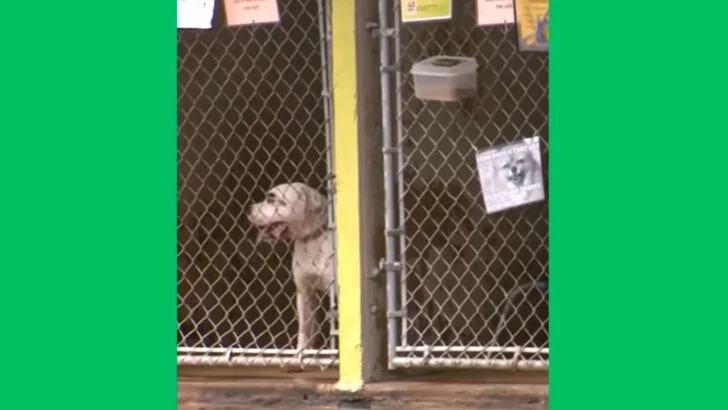
These issues have left vulnerable animals in crowded conditions in shelters where even local adopters have been passing them by.
Thousands of Cats and Dogs Now Sit in Limbo
While the way the parasitic fly is affecting the cattle industry is dominating the headlines about the outbreak—WSB-TV notes that the New World screwworm is a major threat to the country’s $113 billion beef trade, it’s not the only thing hanging in the balance.
“It’s thrown a wrench into things, for small rescues as well as the bigger shelters,” Mia Bendixsen, executive director of the Texas Humane Legislation Network, told the outlet. That’s because shelters are facing a double whammy when it comes to hardships.
First, they have to foot the bill for extra mitigation efforts to protect animals from the insects, which is hard to factor into the budgets of smaller, cash-strapped operations. Second, they are being forced to keep animals in shelters longer since they are limited on adoptive parents.
Almost All States Have Banned Animals From Areas With Known Infestations
While many shelters and rescues were previously able to send pets across the country, either to find foster families or forever homes, they are now limited to the Lone Star State. The Gulf Coast Humane Society said that they were prohibited from sending dogs into New York for weeks, causing the shelter’s headcount to climb to nearly 450.
Now that New York has lifted certain restrictions, the Gulf Coast Humane Society says there are new barriers to getting dogs into New York, including requiring them to be screened for signs of New World screwworm by a vet before they’re allowed to enter the state.
Even Local Adoptions Are Being Affected
You may be thinking, “So, what, can’t Texans just pick up the slack and adopt some of these animals?” According to Houston’s Humane Society, the stress of the overcrowded shelters and rescues is causing the animals to appear less desirable pets.
“If an adopter comes through and they’re going from kennel to kennel and they see one dog who may be sitting calmly and contentedly in one kennel and then in the next kennel, there’s one dog who’s bouncing off of the walls and barking because of how stressed they are, the first one may be looking more desirable,” Humane Society shelter Director Aaron Grady told WSB-TV.
According to a June 2026 update from the state of Texas, Governor Greg Abbott is working on deploying state resources to combat the New World screwworm, including releasing sterile flies to reduce populations. Whether that method and some of the others being used by the state will work fast enough to help the state’s adoptive animals remains to be seen.