10 of the Easiest Fruit Trees Actually Worth Planting
Most people think fruit trees are for serious gardeners; the type who have spray schedules pinned to their garage wall and know what “chill hours” means. They’re not.
Several fruit trees are genuinely simple to grow, produce abundantly with minimal fuss, and taste so much better than anything at the grocery store that the first harvest tends to turn casual gardeners into lifelong orchardists. The key is knowing which ones are worth your time and which ones aren’t.
July is a smart window to get started, provided you plant a container-grown tree rather than a bare-root one. Nurseries are fully stocked with potted trees this time of year, and with regular watering to help them settle in through the summer heat, they’ll have a full season to establish roots before winter. Wait until the ground freezes, and you’ve missed your last easy planting window until spring.
The One Rule That Determines Whether Your Fruit Tree Succeeds or Fails
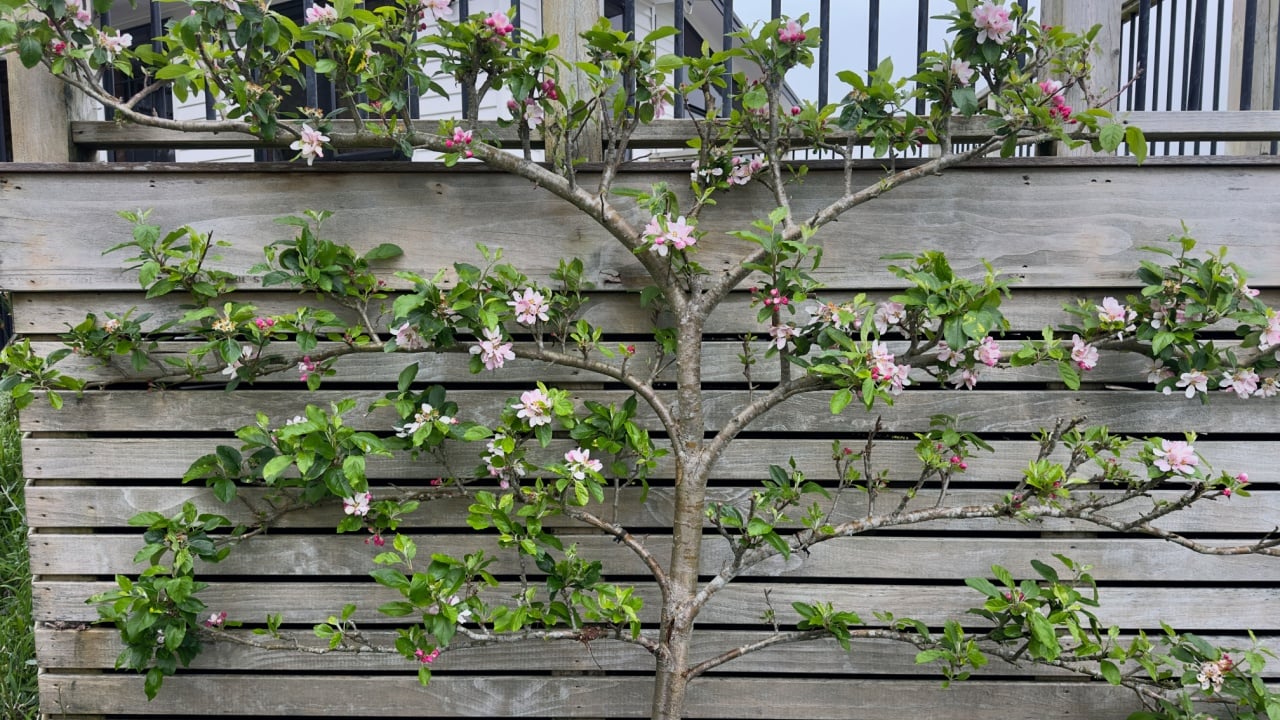
Before choosing a tree, check two things: your USDA Plant Hardiness Zone and whether the variety you’re considering is self-fertile. These are the factors that separate a thriving backyard tree from one that sits in the ground for years without producing a single piece of fruit.
Susan Poizner, author of Grow Fruit Trees Fast and founder of OrchardPeople.com, puts it plainly in Joe Gardener: the biggest mistake home fruit tree growers make is buying whatever’s available at a local garden center, where the selection is limited to supermarket varieties that are among the hardest to grow without pesticides. A local specialty nursery or reputable online nursery is almost always a better choice, stocking cultivars suited to your specific region. Poizner advises that “local specialist nurseries are more likely to have the trees that are best adapted to your area.”
Self-fertility matters just as much. Trees like figs, peaches, sour cherries, plums, and Meyer lemons will produce fruit on their own. Apple trees and sweet cherries generally need a compatible second variety nearby. If you only have room for one tree, start with something self-fertile, as it removes one of the biggest points of failure from the beginning.
Here are 10 easy fruit trees actually worth growing.
1. Fig
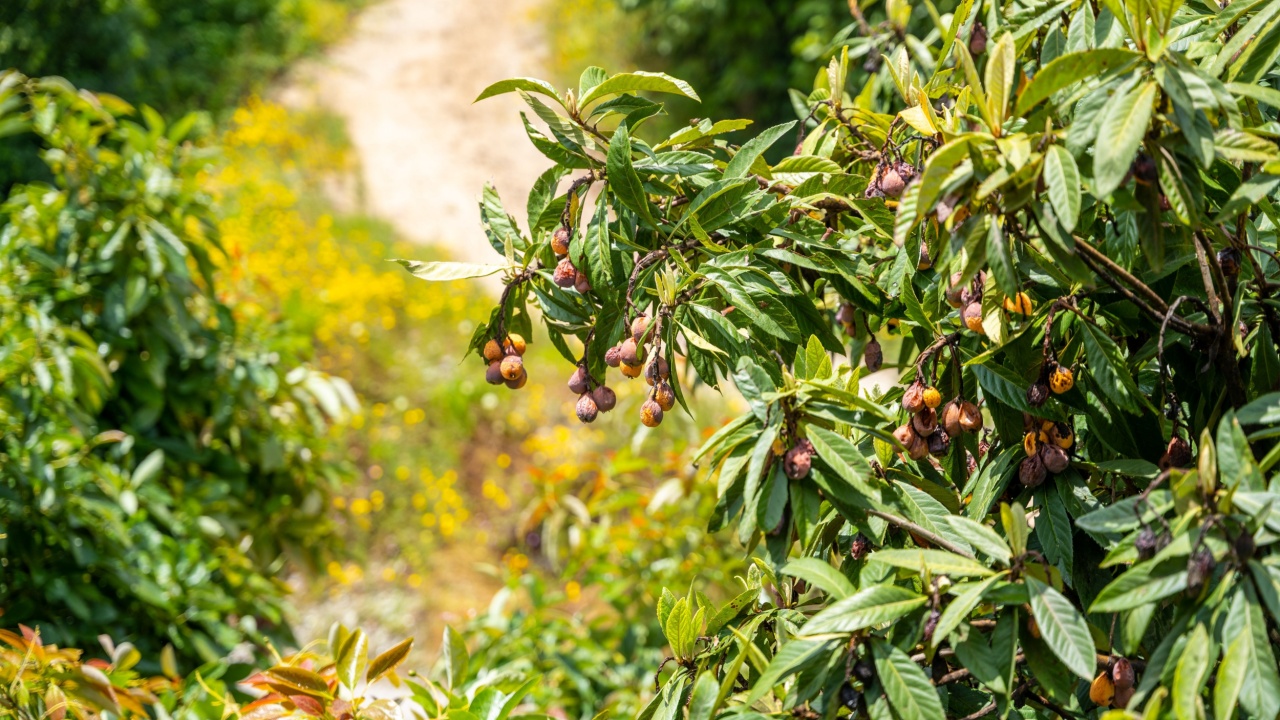
The fig is the closest thing to a no-fail fruit tree for home gardeners. It’s self-fertile, drought-tolerant once established, requires almost no pruning, and according to Gardening Know How, can produce fruit after just one or two years.
Common fig varieties like Brown Turkey, Celeste, and Chicago Hardy are parthenocarpic, meaning they develop fruit without any pollination; no second tree, no fig wasp, and no intervention required. Established figs in warm climates often produce more fruit than a single household can use. In colder zones (as far north as Zone 5 with Chicago Hardy), figs can be grown in large containers and overwintered in an unheated garage or basement.
2. Peach
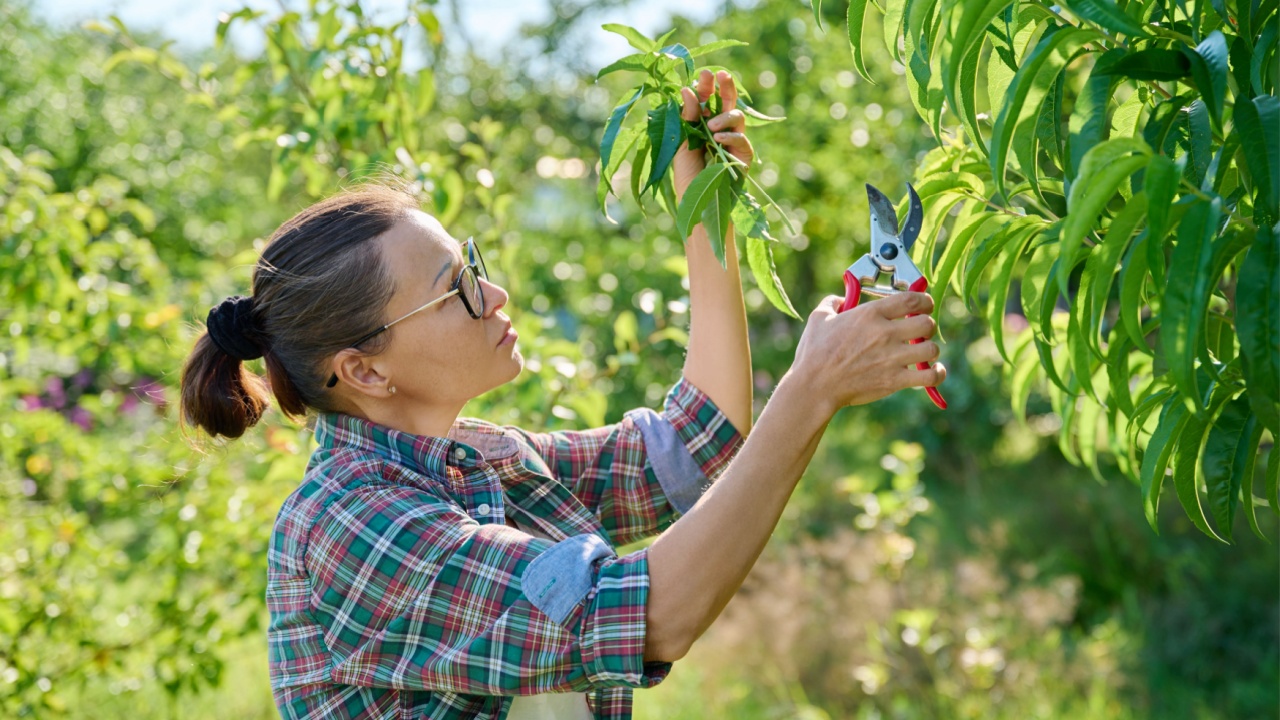
Peach trees grow quickly, are self-pollinating, and begin producing sweet fruit in as little as two to three years, according to Eco Gardener. They thrive in full sun with well-drained soil and reward minimal care with abundant, deeply flavored harvests that put supermarket peaches to shame.
Store-bought peaches are picked before peak ripeness to survive transit; a tree-ripened peach from your own backyard is a genuinely different fruit. Dwarf varieties like Contender or Elberta are ideal for smaller yards and fruit reliably even in northern climates like Zone 4. One annual application of balanced fertilizer in early spring is all the feeding they typically need.
3. Plum
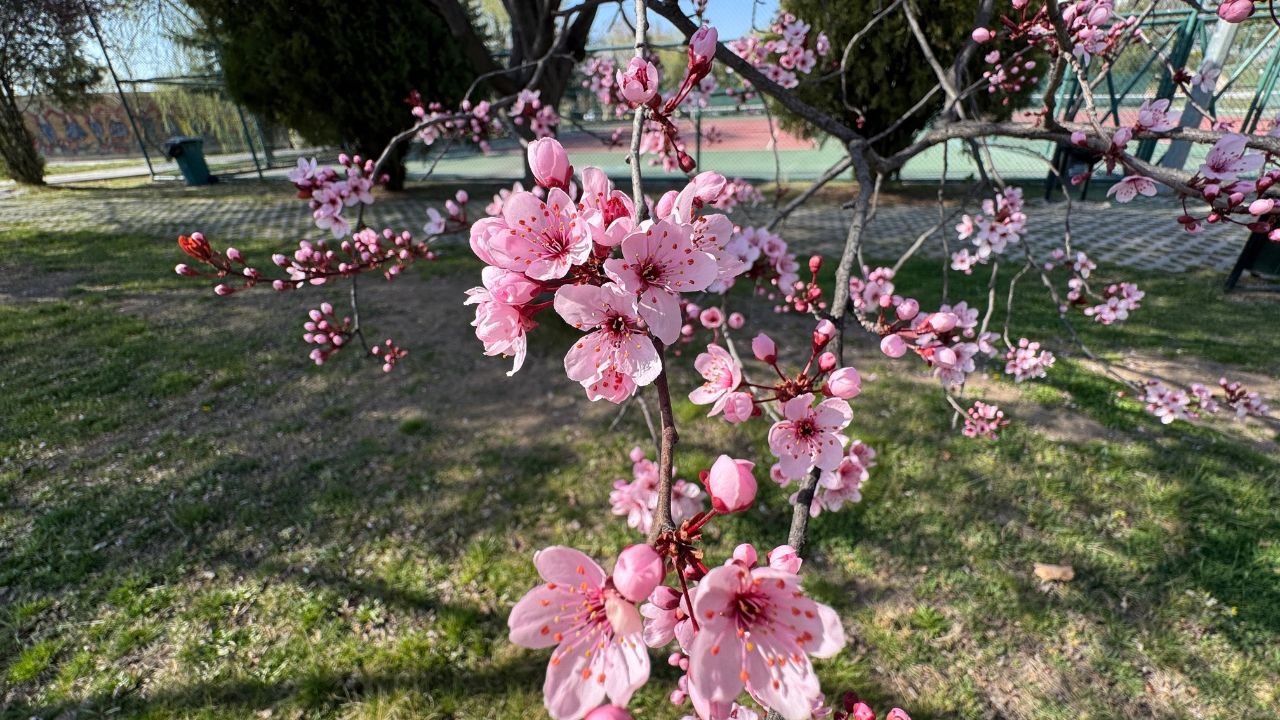
Of all the stone fruits, plum trees require the least pruning and adapt to the widest range of soil conditions, making them a strong choice for first-time growers. Many varieties, including the popular Methley, are self-fertile and can produce abundantly from a single tree.
According to Plant Me Green, plum trees are known for vigorous growth and productivity without demanding much in return beyond a sunny spot and consistent watering during the growing season. They’re also among the most climate-flexible of the fruit trees on this list, with varieties suited to everything from Zone 4 to Zone 9.
4. Sour Cherry
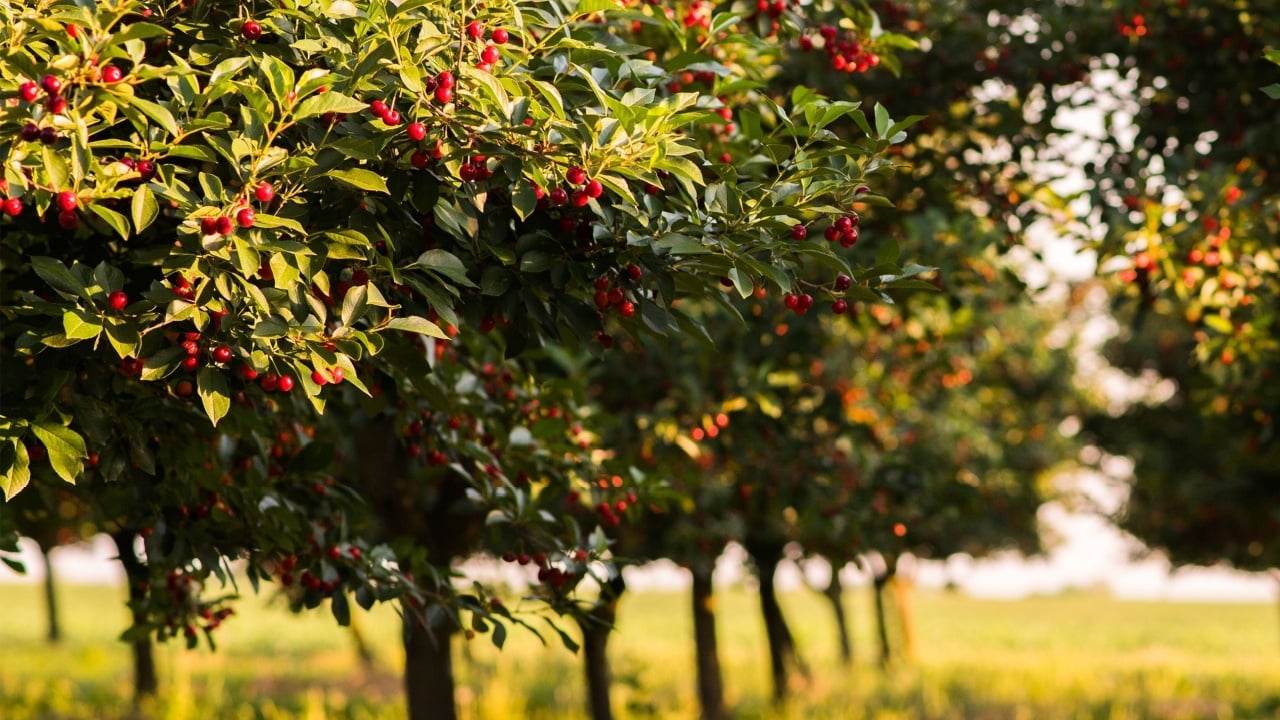
Sweet cherries get all the attention, but sour cherries are the better choice for beginners. Sour varieties like Montmorency are self-pollinating (no second tree needed), significantly more disease-resistant than sweet cherries, and tend to stay smaller, which is a practical advantage in home gardens.
According to Tristar Plants, sour cherry trees need only occasional pruning to maintain shape and health. The fruit is exceptional for pies, jams, and preserves, and birds will aggressively compete for it, so bird netting after flowering is a must. Plan for that before the blossoms appear this spring.
5. Pear

Pear trees are frequently cited as among the easiest fruit trees to grow, largely because they’re less prone to the pest and disease pressure that plagues apple trees. Asian pear varieties in particular, noted by Plant Me Green, are “well-known as the perfect fruit trees for beginners” due to their disease resistance and generous fruit production with minimal effort.
Many pear varieties are self-fertile; for those that require cross-pollination, a second tree planted nearby solves the problem. Pears produce beautiful spring blossoms and deliver fruit in late summer or fall, making them a long-season garden asset.
6. Persimmon
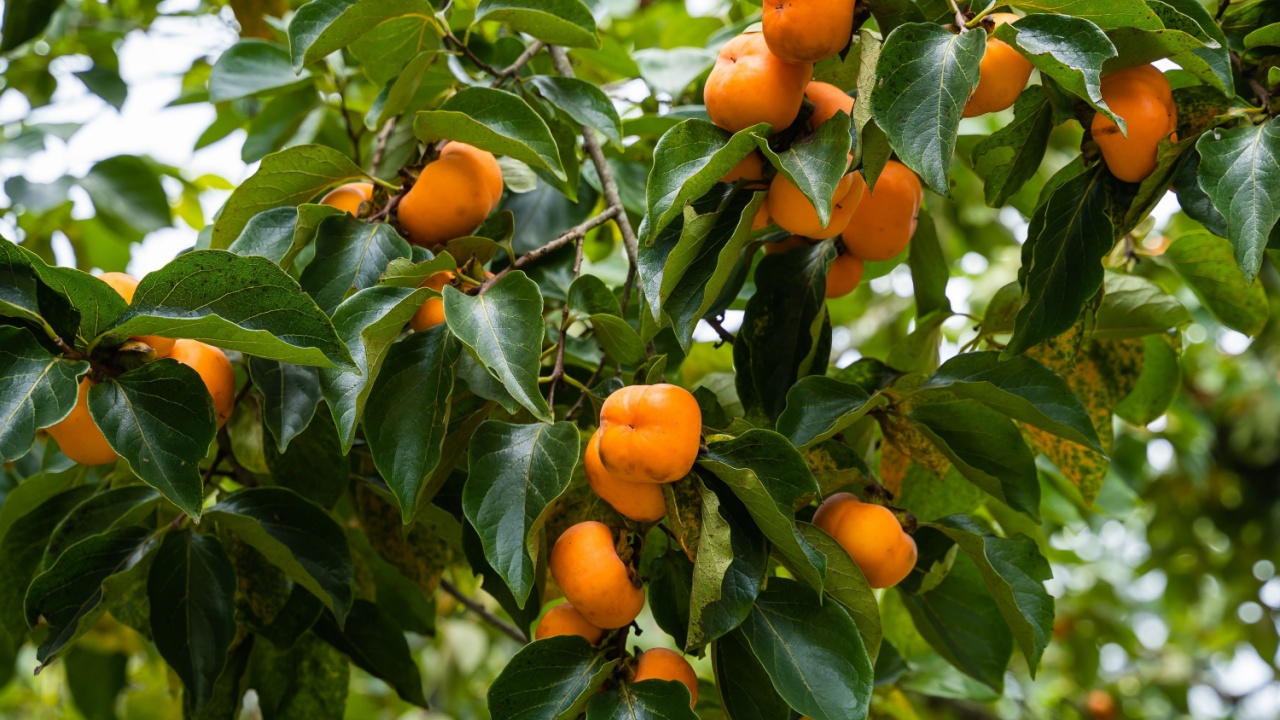
Persimmons are the most underrated beginner fruit tree on this list. They grow in zones 4 through 9, produce little to no disease or insect issues according to Ison’s Nursery and Vineyard, tolerate many soil types, and develop striking fall foliage that makes them as ornamental as they are productive. There are two broad types: astringent varieties (soft and sweet when fully ripe) and non-astringent varieties that can be eaten crisp right off the tree. Established trees are long-lived and require minimal annual care. Most experienced home orchardists who grow persimmons wonder why they waited so long.
7. Mulberry
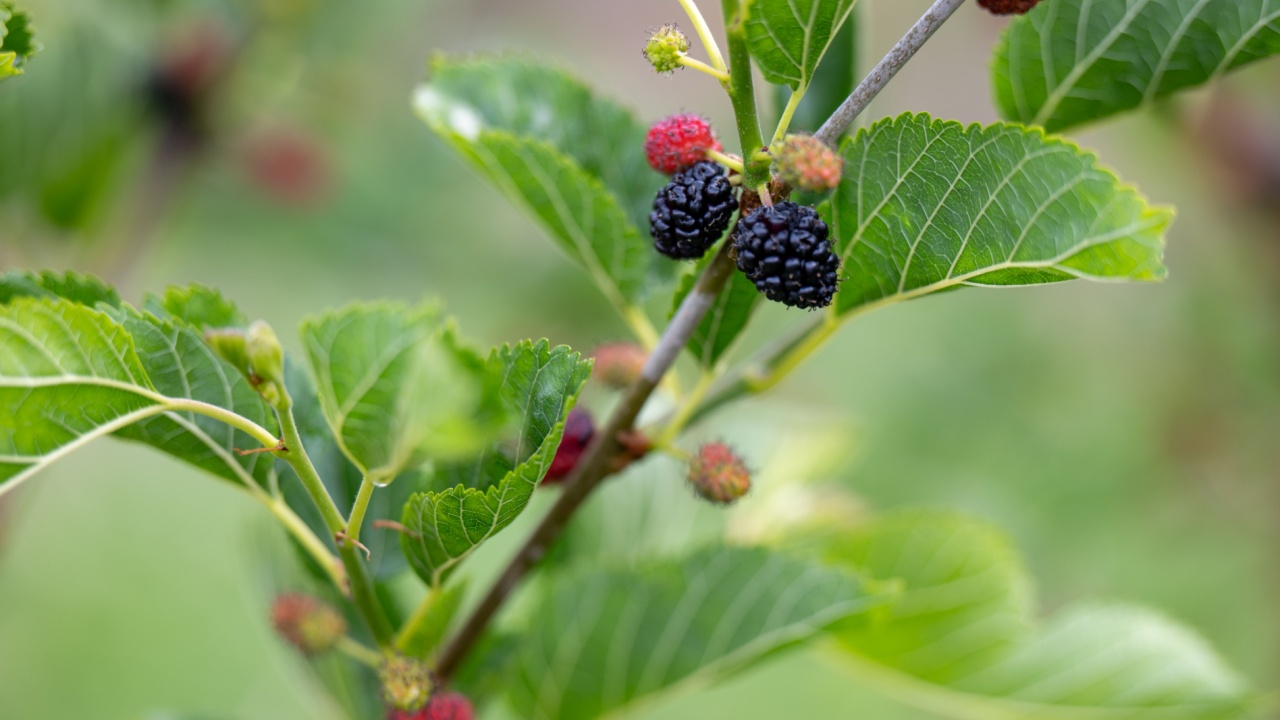
Mulberry trees are fast-growing, virtually pest-free, and produce sweet clusters of berries in early summer with almost no intervention required. According to Royal Plantscape, mulberries are among the easiest trees for small gardens and adapt to a wide range of soil types and conditions.
One important caveat is that mulberry fruit stains everything it touches, including clothes, patios, and driveways. Plant them in the lawn or over a garden bed, not over hardscape. The berries are delicious eaten fresh, baked into pies, or made into jam, and the tree itself provides meaningful shade once established.
8. Pomegranate
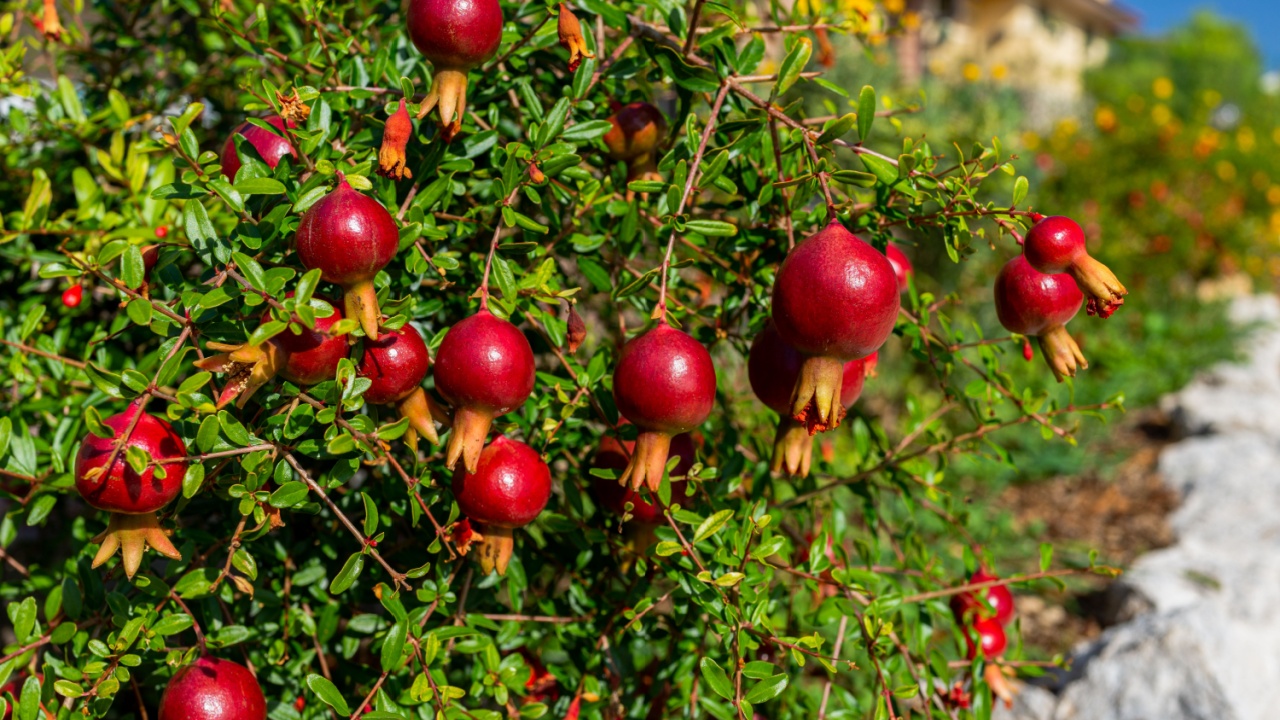
For gardeners in drier or warmer climates, pomegranates are an exceptional beginner tree. They’re drought-tolerant, self-fruitful, virtually disease- and pest-free, and produce genuinely beautiful orange-red flowers before setting their distinctive fruit.
Ison’s Nursery and Vineyard notes they have “little to no disease or insect issues” and prefer the alkaline conditions found across much of the Southern and Western United States, making them a natural fit where other fruit trees struggle. Dwarf varieties like Eversweet work well in containers on sunny patios.
9. Meyer Lemon

For gardeners in warm climates, or anyone with a sunny window and a large container, a Meyer lemon tree is one of the most satisfying fruit trees you can grow. Meyer lemons are self-pollinating, grow well in containers, and begin producing fruit reliably within one to two years when purchased as a grafted nursery tree.
According to Bob Vila, they’re among the fastest-fruiting citrus options with mature heights of just 6 to 10 feet (4 to 6 feet for dwarf varieties). In colder climates, bring the container inside when nights drop below 45°F and place it near the sunniest window in the house.
10. Apple
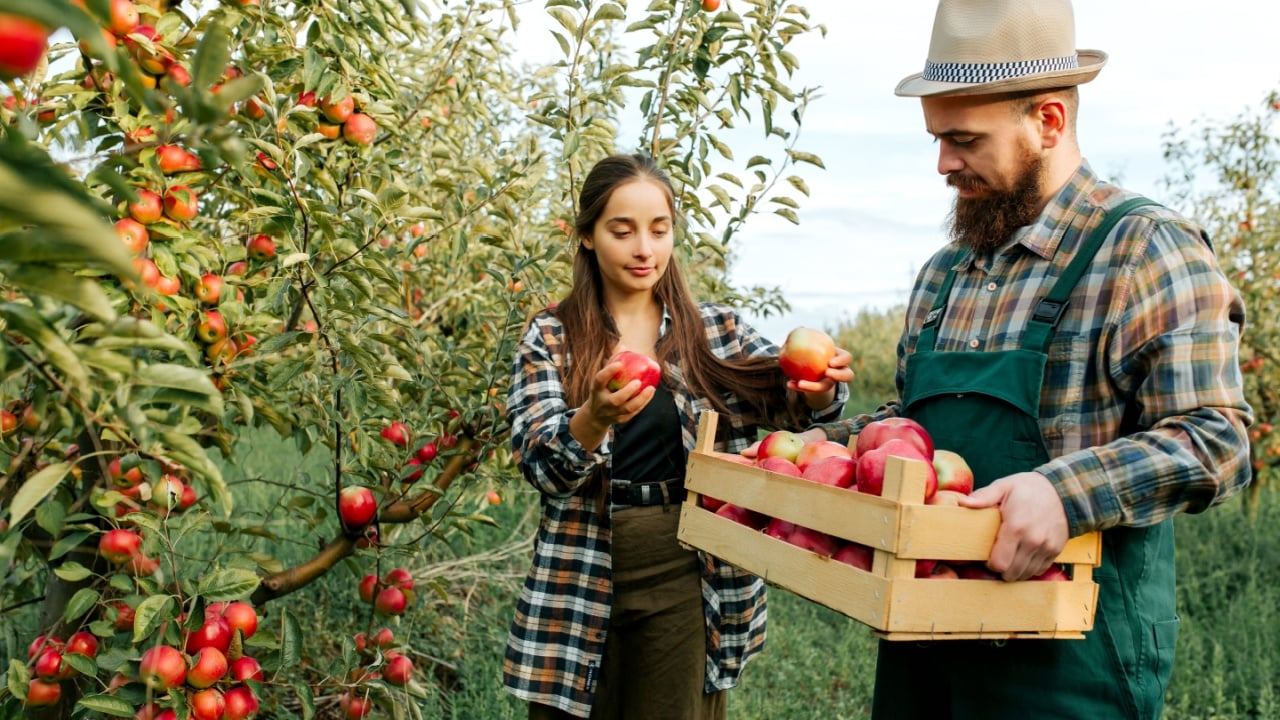
Apple trees earn their spot on this list with caveats. They’re adaptable, long-lived, and produce reliably once established, but beginners should choose disease-resistant varieties from a local nursery rather than the supermarket cultivars that dominate big-box stores. According to Perfect Plants Nursery, apple trees thrive in temperate climates and adapt to various soil conditions.
Most apple trees need a compatible second variety nearby for cross-pollination — a well-known requirement that catches beginners off guard. Dwarf varieties begin fruiting in two to three years and stay manageable in size. If you have the space for two trees and the patience for a three- to five-year establishment period, a pair of well-chosen apple trees is one of the best long-term garden investments you can make.
The One Mistake That Kills Most Beginner Fruit Trees
It’s not pests, and it’s not disease. The mistake that ends most beginner fruit tree journeys is inadequate watering during the first growing season.
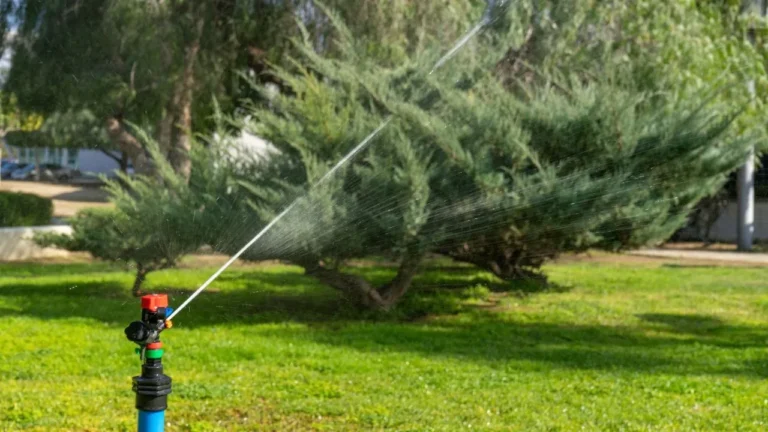
A newly planted fruit tree’s root system is small and vulnerable. Without consistent moisture through its first summer, a tree that looks fine in May can quietly fail by August, often showing no obvious symptoms until it’s too late. Most fruit trees need one to two inches of water per week during the growing season; in hot, dry spells, they may need more. Deep, infrequent watering is far more effective than frequent shallow watering, which encourages surface roots that stress easily. Once established, most of the trees on this list become substantially more self-sufficient, but getting through that first summer is non-negotiable.
The second mistake, per fruit-growing expert Susan Poizner in Joe Gardener, is over-fertilizing: too much nitrogen produces lush foliage and almost no fruit. If your soil is reasonably healthy, a soil test before adding any fertilizer is always the smarter move.
Start with one tree this July. Plant it in the sunniest spot you have, water it faithfully through summer, and choose a self-fertile variety from a reputable nursery. That single decision, made in the right month, can supply your household with fresh fruit for decades.
Read More
Washing Your Lettuce Won’t Remove Cyclosporiasis, But Growing Your Own Will
Your Grandmother Stored These 8 Foods All Winter Without Canning a Single Jar