A California Airbnb Guest Refused to Leave a Woman’s Home Long After His Reservation Ended
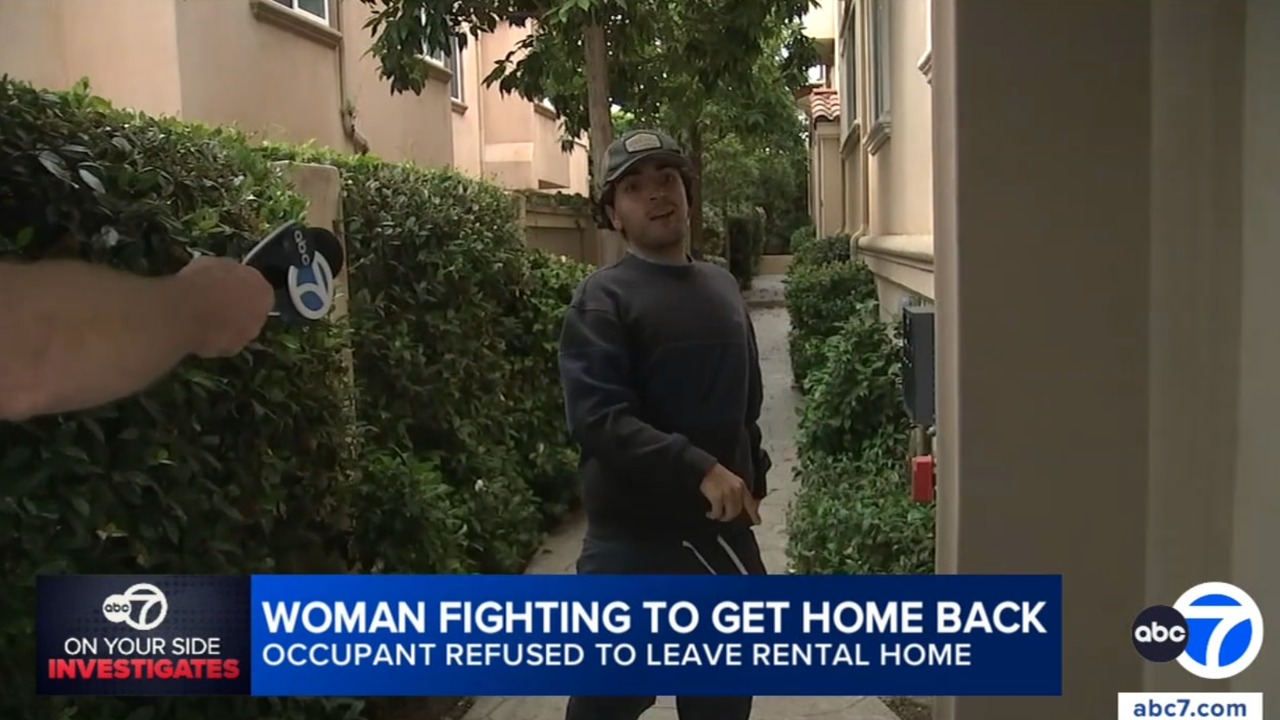
A resident of Hermosa Beach, California, was forced into a lengthy and expensive court battle when Evhan Lemarck, a guest from France, would not vacate her Airbnb rental property after his reservation ended. Wendy Weissman said the guest “squatted” in her townhome, in a case that drew attention to a loophole in California tenancy law, according to ABC7.
Lemarck originally booked the property for a month, according to Weissman. She said he paid for 48 days, then stopped paying but would not check out. Weissman said he simply refused to leave.
Weissman said that because Hermosa Beach prohibits short-term rentals in her area for less than 30 consecutive days, that was the only type of booking she could offer. That was the type of booking that caused her problems. California law states that if you allow someone to stay in a property for 30 days or more, they establish tenancy rights. That meant Weissman lost her ability to treat Lemarck as an at-will, hotel-style guest she could simply check out.
Weissman said Lemarck told her his credit card had been stolen and that he couldn’t leave until it was replaced. The dispute shifted when a neighbor told her water was pouring out of the townhome, which she said let her enter as an emergency. Inside, she said she found damage, including what looked like an attempt to break into a private closet. Later that night, Weissman said, Lemarck loaded a U-Haul and left, leaving the townhome damaged and in disarray.
Why California’s 30-Day Rule Traps Short-Term Rental Owners
The problem comes down to how long the guest stays in the home. Real estate attorney Daniel Bornstein told ABC7 that if you allow an individual to stay in your home for 30 days or more, they become entitled to tenancy rights, and removing them then requires civil litigation rather than a simple checkout. This is the same eviction process a landlord uses against a long-term tenant, and according to Bornstein, it can take six months or even longer.
Weissman’s bind applies specifically to her circumstance. Short-term rentals are restricted in her Hermosa Beach neighborhood, so she can only book stays of 30 days or more, which is the minimum period that triggers tenant rights. A guest who stops paying after reaching that point cannot be evicted by lockout, and the owner has to go through the lengthy eviction process, typically six months, while still making payments on the mortgage, property taxes and attorney fees. Weissman estimated the six-month eviction could cost her more than $70,000 in rental income alone.
What Airbnb Hosts Can Do to Avoid the Same Situation
Bornstein says a property owner has the most control prior to the booking, never after. Anyone using an Airbnb-like platform needs to identify who their guests are, lock in the checkout date, get some type of proof they will leave when scheduled, and avoid any booking that exceeds 30 days. If you book up to 29 days, the guest never reaches tenant status, so even if they overstay by a day, the owner can have them removed by changing the locks.
Weissman also faulted Airbnb’s response. She said the company did the minimum and told her to call local law enforcement, and police could not help because they considered the dispute a civil matter. Airbnb offers damage protection through its AirCover program, and Weissman said the company should also insure hosts against guests who refuse to leave. In a statement, Airbnb said issues like this are very rare, that it was in contact with the host and that it had removed the guest from its platform. Weissman said she hopes her experience leads to legislation protecting short-term rental owners in similar situations.