Edison Homeowners Say Invasive Bamboo Is Taking Over Backyards as $100-a-Day Fines Loom
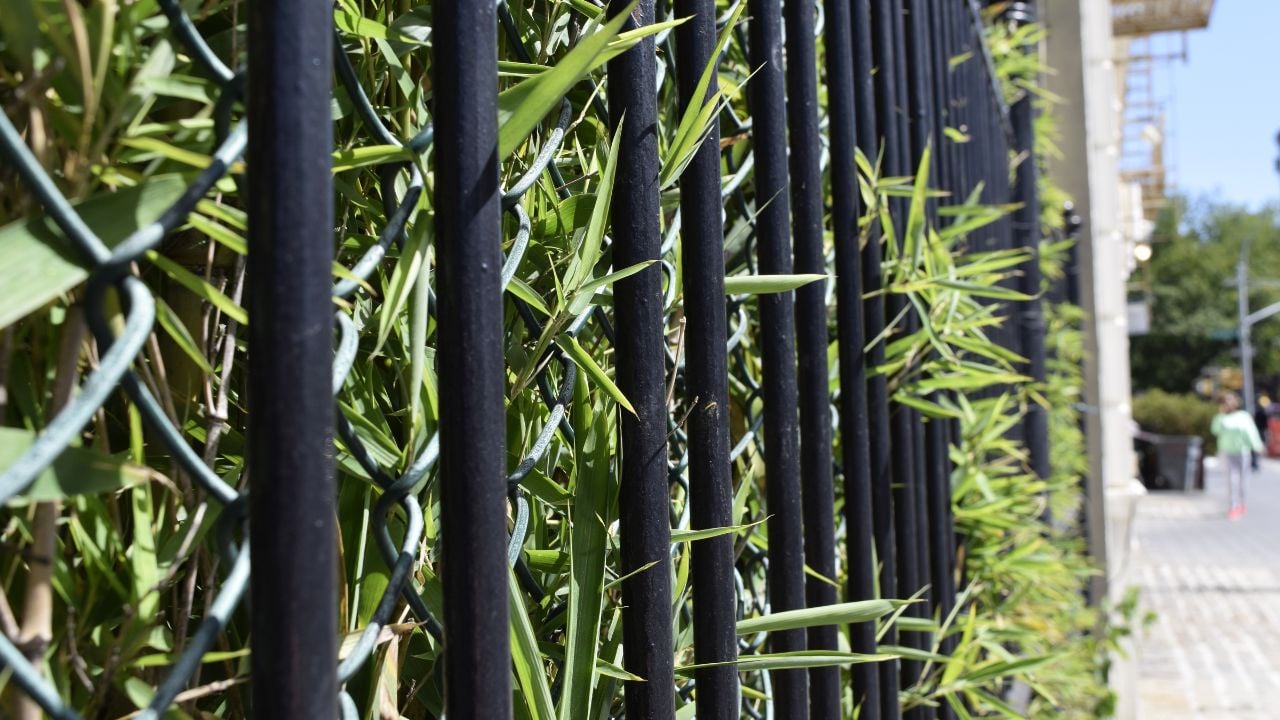
A fast-growing privacy plant has turned into a property-line fight in Edison, New Jersey, where homeowners say running bamboo is spreading into yards that never planted it.
News 12 New Jersey reported that 25 Edison homeowners have filed complaints with the township about neighbors allowing bamboo to invade their properties. The complaints follow a 2025 Edison ordinance that restricts running bamboo and puts daily fines behind the rule.
Bamboo can look useful as a quick privacy screen, but running varieties spread underground through rhizomes and can send shoots across a fence line. Once that happens, the problem can move from landscaping preference to removal bills, neighbor complaints, property damage concerns, and code enforcement.
In Edison, the rule does not treat every existing bamboo plant the same way. The ordinance targets planting, spread, encroachment, and failure to contain running bamboo, with a 45-day correction period after notice before daily fines can become an issue.
Twenty-Five Homeowners Have Filed Complaints
View this post on Instagram
News 12 reported that 25 Edison homeowners have complained since the bamboo ordinance was put in place. One Third Street homeowner, Brenda Eagle, told the station that bamboo from a neighbor’s property has been coming into her backyard since 2019.
Eagle said her husband used a chainsaw to cut it down and dug a trench by the fence with metal sheathing, but the bamboo kept coming through. She also told News 12 she worries the bamboo could hurt her property value if she decides to sell.
Mayor Sam Joshi told News 12 that the township would only go onto a property and remove bamboo in a special circumstance, such as an abandoned or bank-owned property. The station also reported that homeowners trying to force a neighbor to cut down and dig up bamboo may have to seek relief in civil court.
Edison’s Rule Targets Running Bamboo Near Property Lines
Edison’s ordinance defines bamboo as monopodial, or running, woody grass, including common bamboo, golden bamboo, arrow bamboo, and genera such as Bambusa, Phyllostachys, and Pseudosasa.
New bamboo can be grown only under tight limits. The root system must be fully contained in an above-ground planter, barrel, or other above-ground vessel designed to prevent spread, and no part of the plant may be closer than 10 feet from a property line.
Existing bamboo becomes a violation if it spreads across a property line, sends roots under a boundary, extends branches or stalks onto another property, or lacks barriers that prevent its spread. The owner or occupant must confine it so it does not encroach on another private or public property, or remove it completely.
Fines Can Start After Notice and a 45-Day Correction Period
If Edison receives a complaint or finds bamboo encroachment through inspection, the township can send notice by certified and first-class mail. The notice must identify the violation and give the responsible party 45 calendar days to correct it.
After that correction period, a person determined by a court to have violated the ordinance can face a fine of not less than $100 per day for each day the violation continues. The ordinance also allows a fine of up to $1,000 per violation and/or community service.
Homeowners dealing with invading bamboo should document the spread before the dispute escalates. Photos, dates, complaint records, estimates, correspondence, and proof of shoots crossing a property line can matter if code enforcement or civil court becomes part of the fight.
Removal Usually Takes More Than Cutting Stalks
Cutting bamboo can clear the visible stalks, but running bamboo can keep sending up shoots if the underground rhizomes remain active. News 12 reported that bamboo can spread about seven feet in a year and often has to be dug up.
Depending on the site, removal can involve excavation, repeated cutting, root-barrier installation, monitoring, and follow-up treatment. Homeowners should ask qualified removal professionals about the full method before paying for a quick cutdown that leaves the root system behind.
Anyone buying a home with bamboo near the fence line should look for canes, cut stumps, fresh shoots, metal barriers, trenches, raised planters, and new growth appearing through lawns or beds. In towns with bamboo ordinances, buyers can also ask whether the property has received a bamboo complaint or notice of violation.
Before planting a privacy screen near a property line, homeowners should check the township code, HOA rules, mature size, root behavior, and required setback. In Edison, running bamboo that crosses onto another property can become a complaint, a removal bill, and a daily fine after notice and a missed correction deadline.