8 Plastic Garden Items to Toss Before Spring: How to Minimize Plastic in the Garden for Almost Nothing
That roll of landscape fabric you laid down years ago to make gardening easier is quietly breaking apart into something you would never knowingly feed your tomatoes. When Australian researchers sampled home garden soil for a study in Frontiers in Environmental Science, they found that landscape fabric and stray bubble wrap in mulch beds had shed microplastics after about seven years outdoors, and the fragments kept getting smaller.
The fabric is only the start. Plastic has been a fixture in gardening for roughly 60 years, according to the Royal Horticultural Society, yet it now turns up in nearly everything we buy: seed trays, plant tags, twine, netting, hoses and the bags our compost comes in. Gail Langellotto, a horticulture professor at Oregon State University, notes that micro- and nanoplastics can accumulate in the roots of edible crops and slow their growth, and that earthworms carry the particles deeper into the soil. Out of sight is not out of the garden.
This matters right now, in November, because fall cleanup and winter planning are when most of next year’s plastic gets decided. The leaves you bag this month, the pots you throw out, and the seed starting supplies you order in January all add up. If you have been gardening for twenty or thirty years, you likely already own a leaning tower of black pots and a drawer full of brittle tags, and most of the fixes below cost nothing at all.
You do not need to rip out your raised beds or panic over every particle that drifts in on the wind. The smartest move is simply to stop adding more. Here are eight plastic habits worth dropping before spring, starting with the one hiding under your mulch.
1. Stop Laying Landscape Fabric Under Your Beds
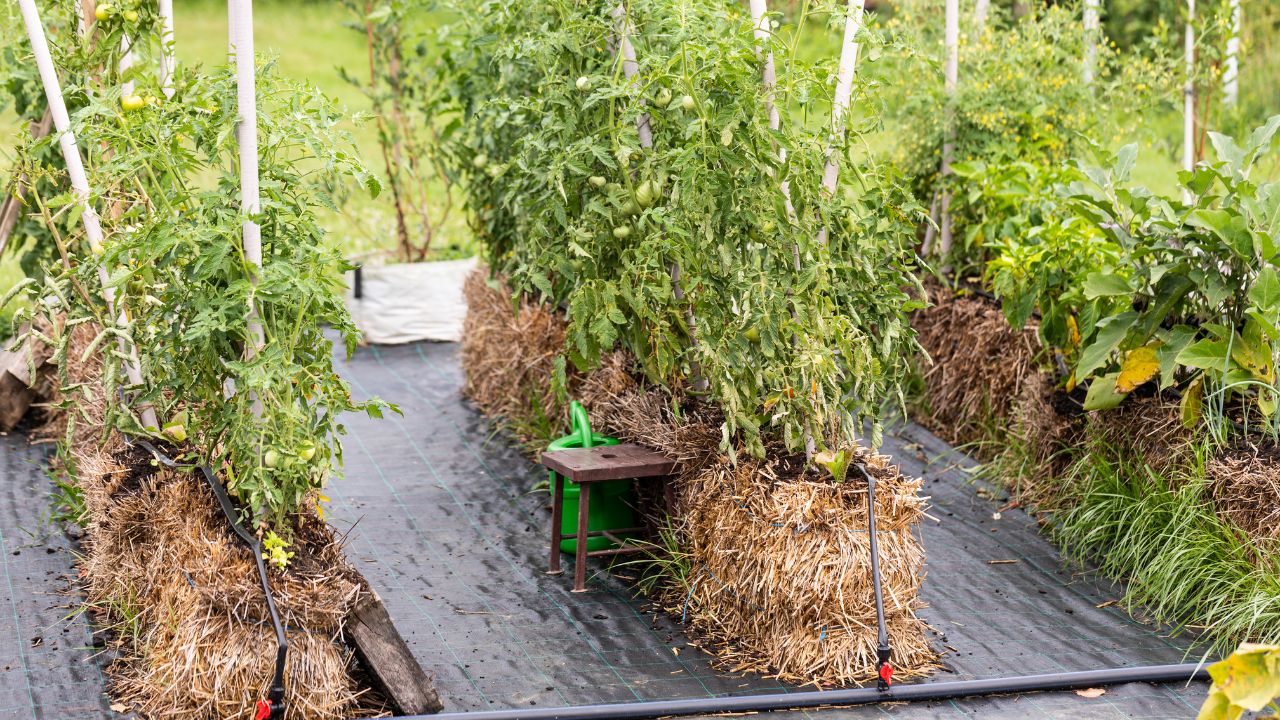
Landscape fabric is sold as the easy answer to weeds, and it is the true villain of this list. Most of it is polypropylene, and sun, frost, and shovels slowly grind it into fragments that work into the bed. Associated Press garden columnist Jessica Damiano is blunt: “never use landscape fabric under beds or borders.” She recommends shredded bark, wood chips or dry leaves instead, with gravel in wildfire zones. Plenty of longtime gardeners who finally peeled up old fabric found the weeds had simply rooted on top of it anyway. A few inches of wood chips, renewed every year or two, smothers weeds and feeds the soil as it breaks down.
2. Stop Bagging Your Fall Leaves in Plastic
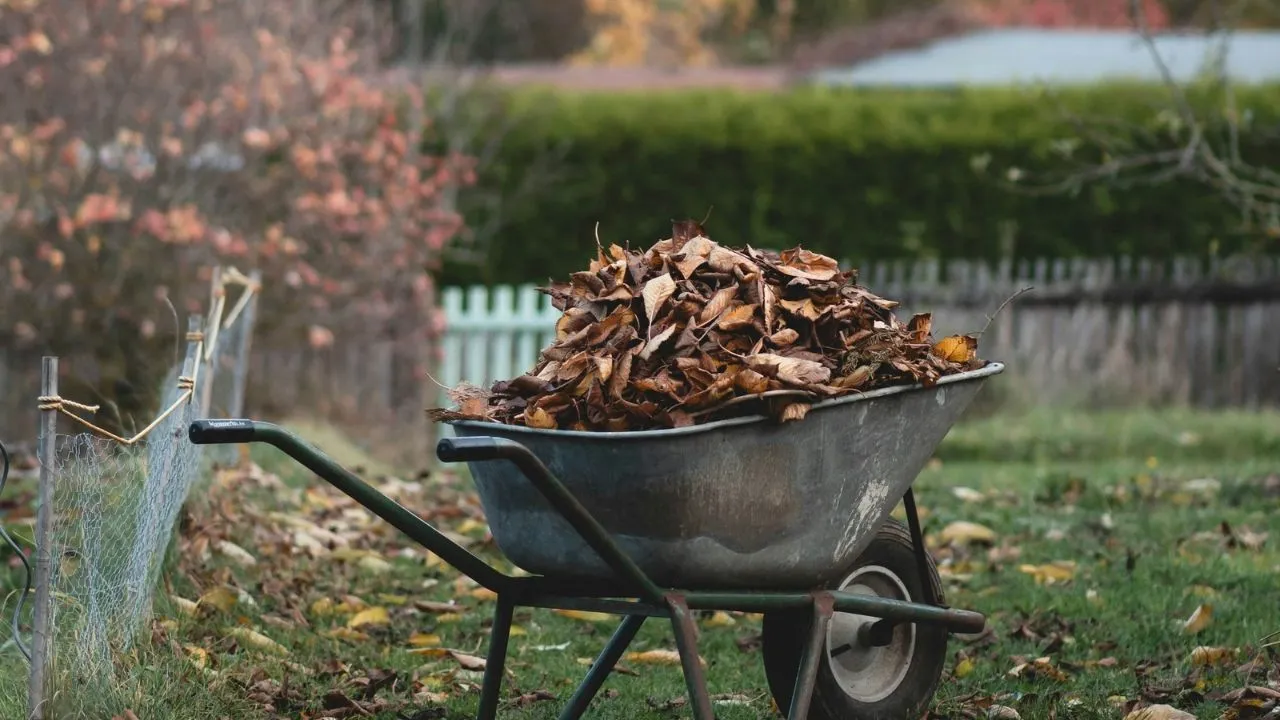
Right now in November, neighborhoods everywhere are stuffing leaves into plastic bags and hauling them to the curb. Stop. Those leaves are free mulch and free compost, and soil scientists at UConn’s Home and Garden Education Center point out that your own leaves and grass clippings are low in plastic and build soil without adding any new plastic sources. The Plastic Pollution Coalition adds that “leaf litter provides critical winter shelter for pollinators and other wildlife.” Rake them onto beds, pile them in a corner for leaf mold, or mow them into the lawn. You skip the bags this fall and skip buying mulch next spring.
3. Don’t Trust “Compostable” Pots and Bags in Your Home Pile
This is the swap that backfires. A University College London study of backyard bins found that 60% of plastics labeled home compostable did not fully break down, and many participants spread that compost on their flower and vegetable beds. UMass Extension warns that “compostable containers may not break down quickly in a home or nursery compost pile,” and suggests cutting them up if you try. Plain cardboard, newspaper, and cellulose fiber pots are the safer bet, because they are simply paper.
4. Stop Tossing Black Nursery Pots in the Recycling Bin
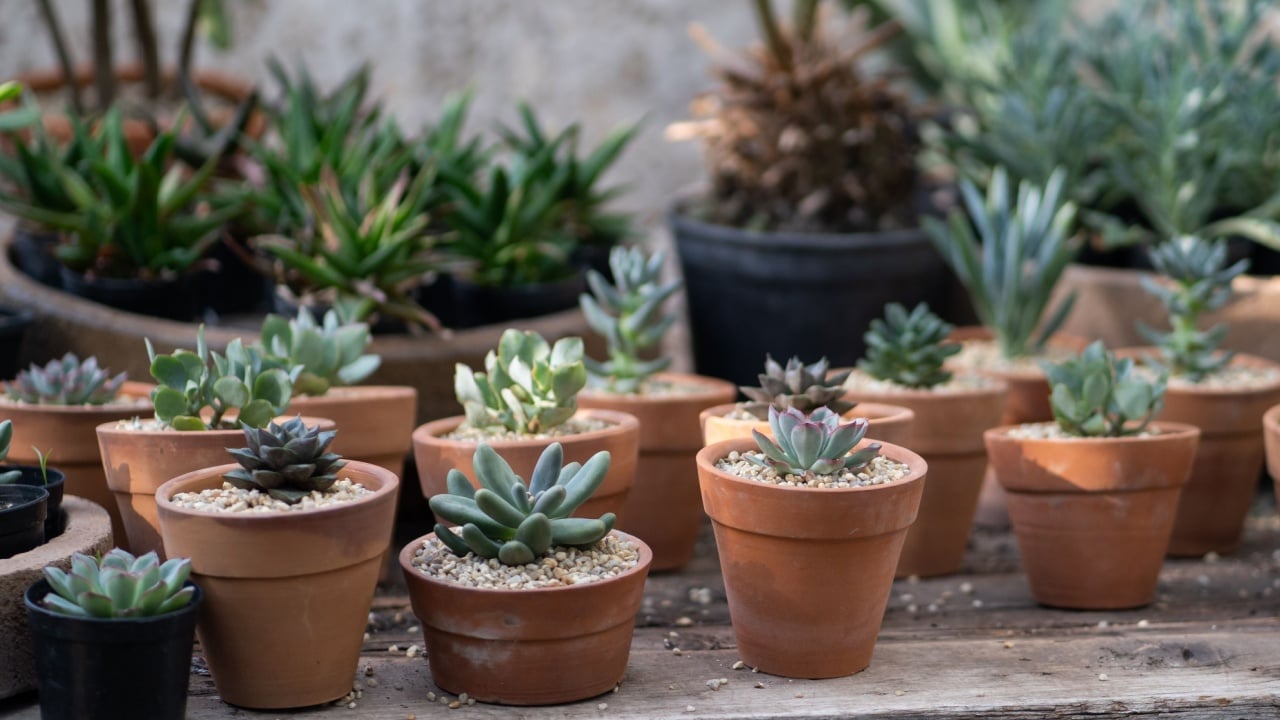
Most gardeners mean well, but most do it wrong. Black pigment absorbs the light that sorting machines use to identify plastic, so the pots get rejected. As a Master Gardener explained in Northern Gardener, those machines are “not (yet) sophisticated enough to ‘see’ black plastic.” The RHS estimates plastic pots take more than 400 years to break down, so the best plan is to keep them working. The most sustainable plastic pot in your garden is the one already sitting in your shed. Wash and reuse them for seedlings and divisions, offer extras to a garden club, or call your local nursery or home improvement store to ask whether it runs a pot take-back program.
5. Stop Buying Flimsy Plastic Seed Trays and Cell Packs
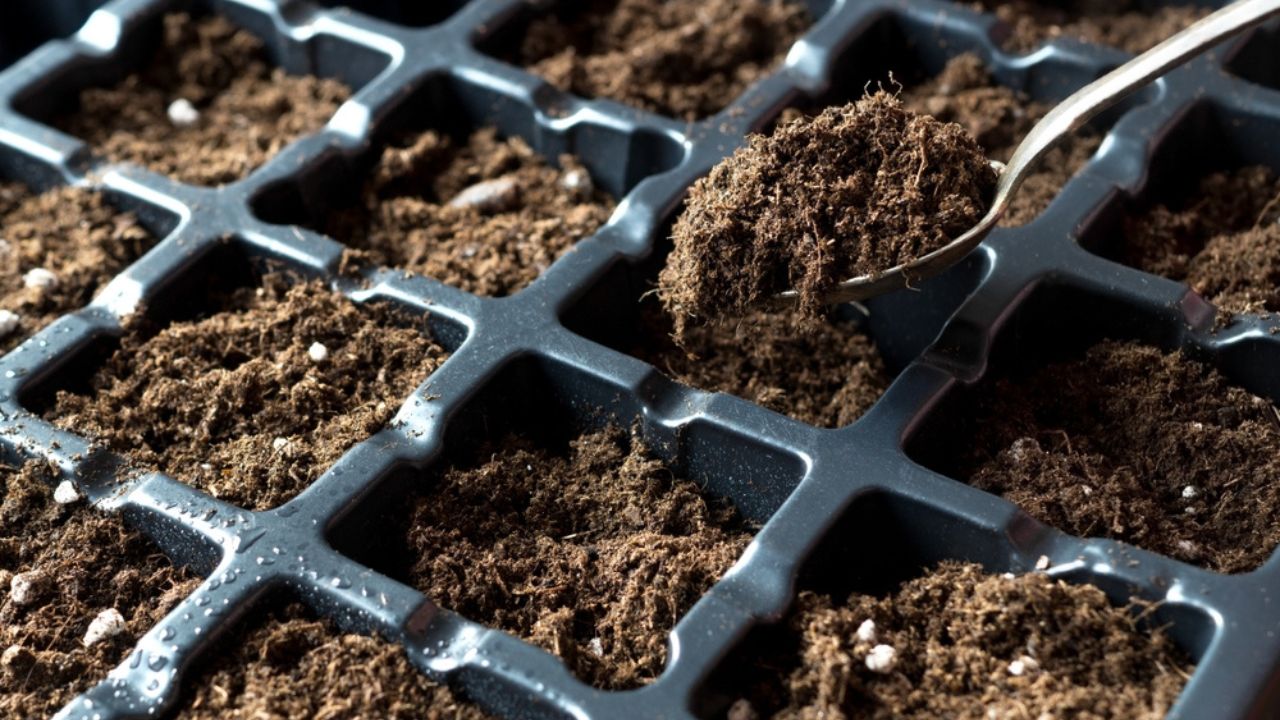
Thin six packs crack after a season or two, and broken ones are rarely recycled. Free stand-ins are already in your recycling bin: toilet paper tubes, cardboard egg cartons, and folded newspaper pots, all of which go straight into the ground with the seedling. For a sturdier system, Elizabeth Waddington at Treehugger swears by a soil blocker, which lets you “start seeds without using any pots at all.” The AP notes that blocks air prune roots, so seedlings never circle and transplant more easily. If you already own heavy-duty trays, keep using them for years; that beats buying anything new.
6. Toss the Plastic Plant Tags and Synthetic Twine
UConn’s soil lab lists plant tags, synthetic twine, and netting among the everyday items that fragment into tiny pieces once they end up in soil or compost. Your grandmother tied her tomatoes with strips of worn-out bedsheets, and she was onto something; Anne Gibson of The Micro Gardener still cuts old clothing into plant ties. Jute or hemp twine is the store-bought version, and the RHS says natural twine is “kinder to plants than plastic ties as it won’t cut into stems.” For labels, a 100-pack of wooden craft sticks costs a few dollars, and painted rocks or broken terracotta shards cost nothing.
7. Stop Defaulting to Bagged Compost and Plastic-Coated Fertilizer
In one study cited by UConn soil scientist Dr. Avishesh Neupane, every one of the 11 commercial composts tested contained microplastics, and even eco-labeled brands showed lower but measurable levels. He also flags plastic-coated slow-release fertilizers, whose coatings break down into microplastics, and products listing biosolids or sewage sludge. The Green Bay Botanical Garden puts the fix simply: “Try to avoid using topsoil and potting soil from plastic bags.” Make your own compost so you know exactly what went in, and for big projects, buy soil and mulch in bulk from a landscape supply yard, which costs less per yard than per bag.
8. Stop Replacing Cheap Plastic Tools and Hoses With More Plastic
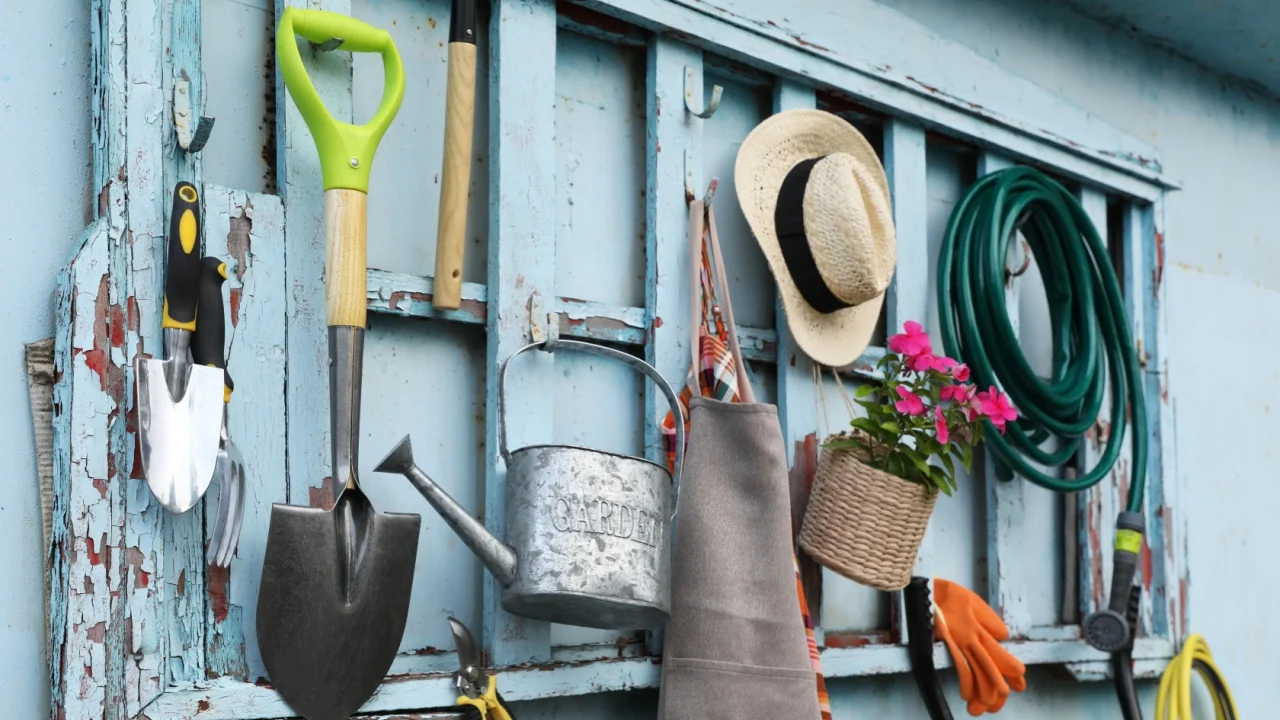
Plastic watering cans and trowels crack, fade, and end up in the trash. The Green Bay Botanical Garden recommends metal tools because they last longer, which means you buy once instead of every few seasons. Hoses deserve a hard look too: most are vinyl, and Anne Gibson warns that many hose fittings “are plastic or leach toxic chemicals like lead.” If your hose waters vegetables or fills the dog’s bowl, choose one labeled drinking water safe. Gardeners over 50 should know metal cans are heavier when full, so a smaller can carried twice is easier on your back than one big one.
How to Minimize Plastic in the Garden This Winter
Do not throw out plastic you already own; use every pot, tray, and tote until it truly wears out, then recycle what your area accepts. Pick one or two swaps from this list rather than all eight at once. When you shop next year, choose bare root trees and shrubs in the dormant season, start more from seed, and trade cuttings and divisions with neighbors. UConn’s Home and Garden Education Center sums up the right attitude: “don’t panic, but don’t ignore it either.”
That old landscape fabric did not ruin your garden overnight, and you will not fix it overnight either. But every bag of leaves you keep, every pot you reuse, and every craft stick label you write moves your soil in the right direction, often for free. Garden writer Joe Lamp’l calls the most important habit refusing new waste “when there’s a more environmentally responsible option.” Start this November, and your spring beds will be cleaner for it.
Read More
The 7 Best Garden Items to Thrift This Fall
9 Smart Ways to Save Money in the Garden Before Fall Ends