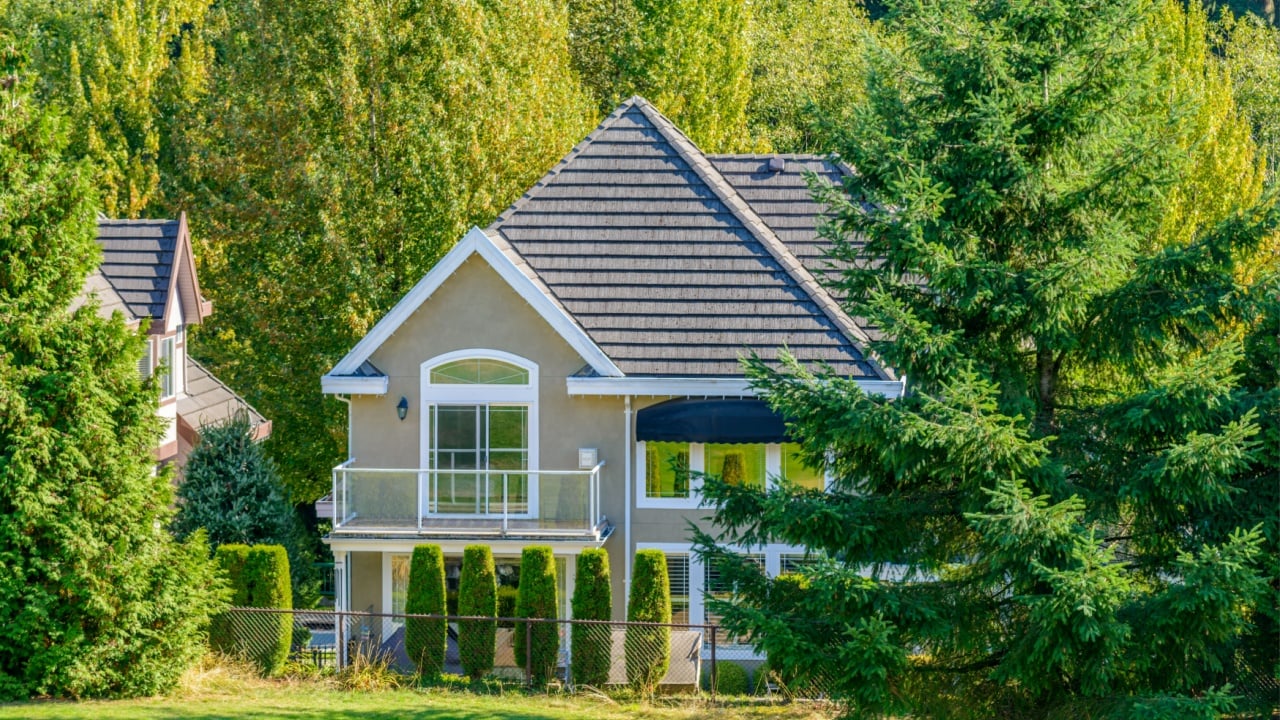
8 Flammable Plants and Trees to Never Grow Near the Home
A thriving landscape filled with evergreens, fragrant herbs, and towering ornamentals often feels like the ultimate symbol of home comfort. Yet in fire‑prone regions, some of the most popular plants can quietly become hazards. Certain species are naturally resinous, oil‑rich, or structurally prone to burning, which means they don’t just catch fire easily; they can accelerate its spread.
Wildfire seasons are growing longer and more intense across many parts of the country, and homeowners are being urged to think about their yards not just in terms of beauty, but in terms of safety. A single spark landing on the wrong plant can transform a small incident into a fast‑moving blaze, especially when flammable species are planted close to houses, fences, or decks.
Understanding which trees and shrubs pose the greatest risk is the first step toward creating a defensible space around your home. By recognizing the plants most likely to fuel a fire, and choosing safer, fire‑resistant alternatives, you can enjoy a landscape that’s both beautiful and protective.
This guide highlights eight common species that experts warn against in wildfire‑prone areas, along with practical insights on why they burn so quickly.
1. Bamboo
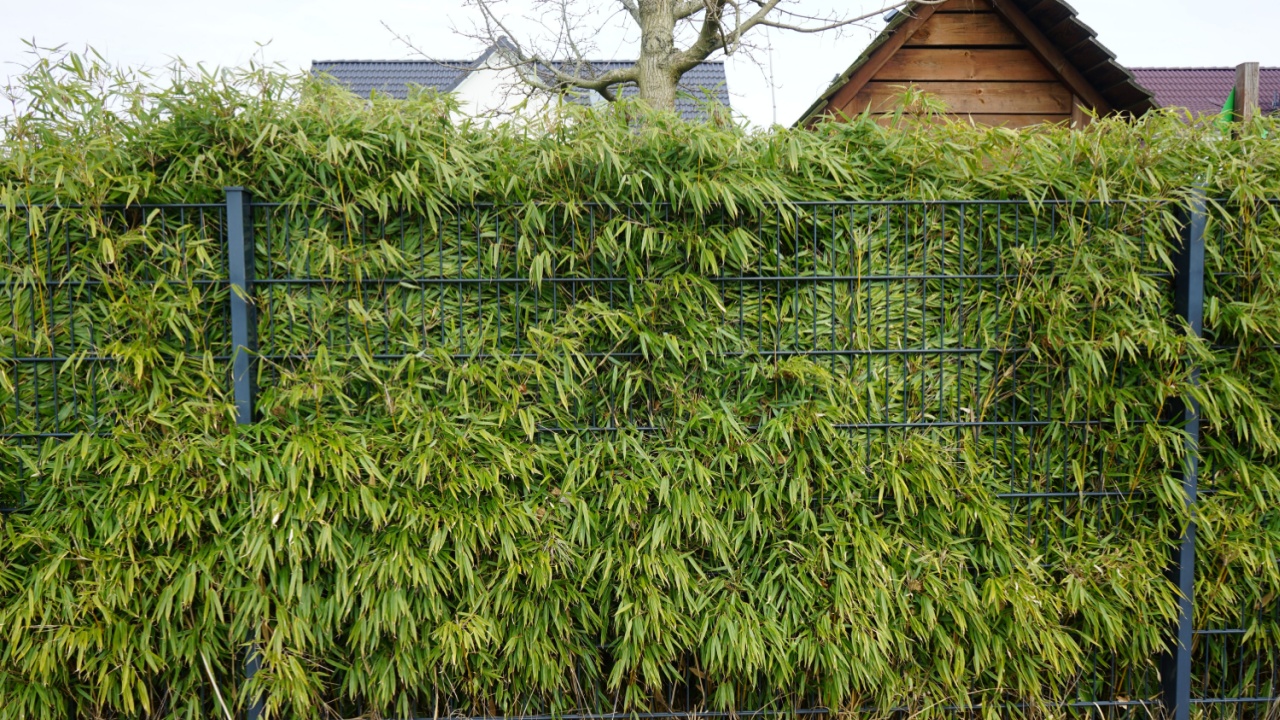
Bamboo contains tall hollow stems that easily explode when exposed to high heat. The plant grows quickly and produces massive amounts of dry debris on the ground.
This combination of exploding stems and dry fuel creates an incredibly fast-spreading fire hazard. You should avoid planting this fast-growing grass anywhere near your main living structures.
Homeowners living in dry climates face the highest risk from these dense groves. Replacing these tall stalks with fire-resistant native plants drastically improves your home safety.
2. Rosemary

Rosemary relies on highly concentrated aromatic oils to produce its famous scent. These exact same oils make the entire herb incredibly combustible during hot weather.
The woody stems dry out quickly and ignite almost instantly when exposed to a spark. Gardeners should keep this popular herb away from wooden decks and exterior walls.
Growing it in isolated pots on a concrete patio offers a much safer alternative. Proper spacing keeps the fragrant foliage accessible without threatening your permanent structures.
3. Italian Cypress
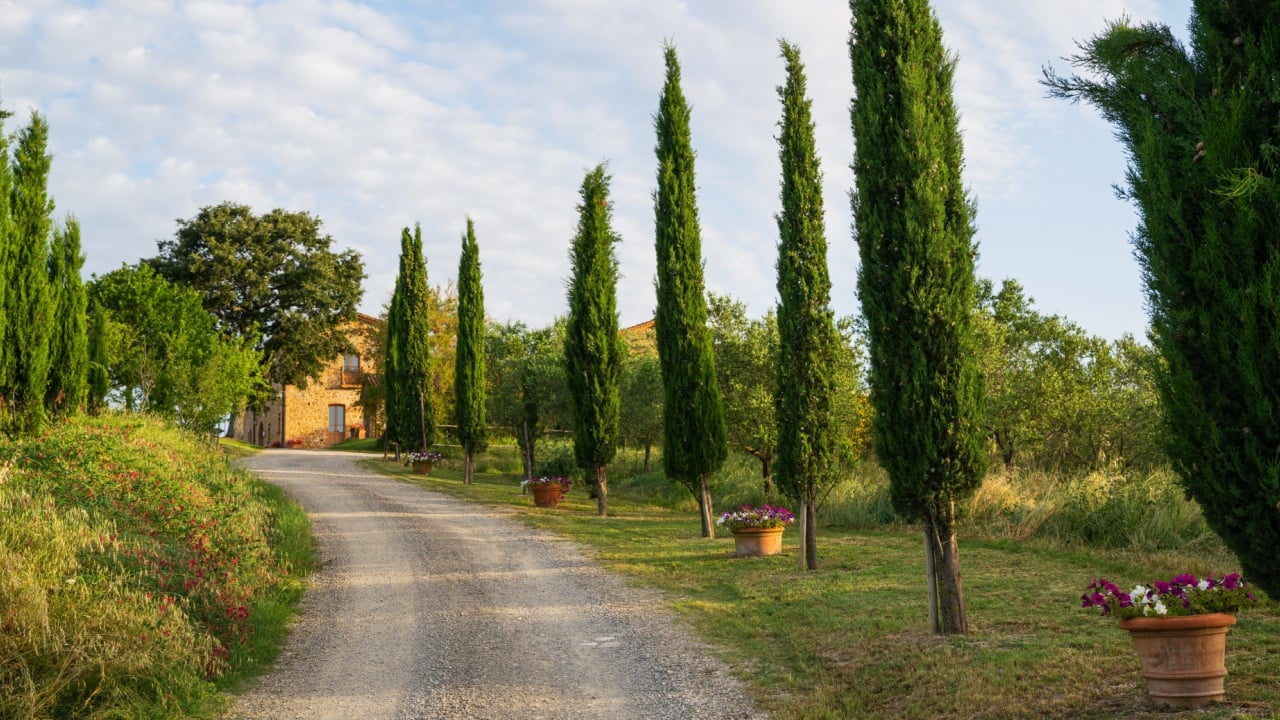
Italian Cypress trees grow in a tall and dense shape that traps dead needles inside. This dense interior acts exactly like a giant torch when ignited by flying embers.
The shape creates a perfect chimney effect that shoots flames rapidly upward. These tall evergreens frequently appear in Mediterranean landscaping styles near building entrances.
You should plant them completely away from rooflines and wooden eaves to prevent rapid fire spread. Regularly pruning dead interior branches helps slightly reduce the immediate danger.
4. Pine
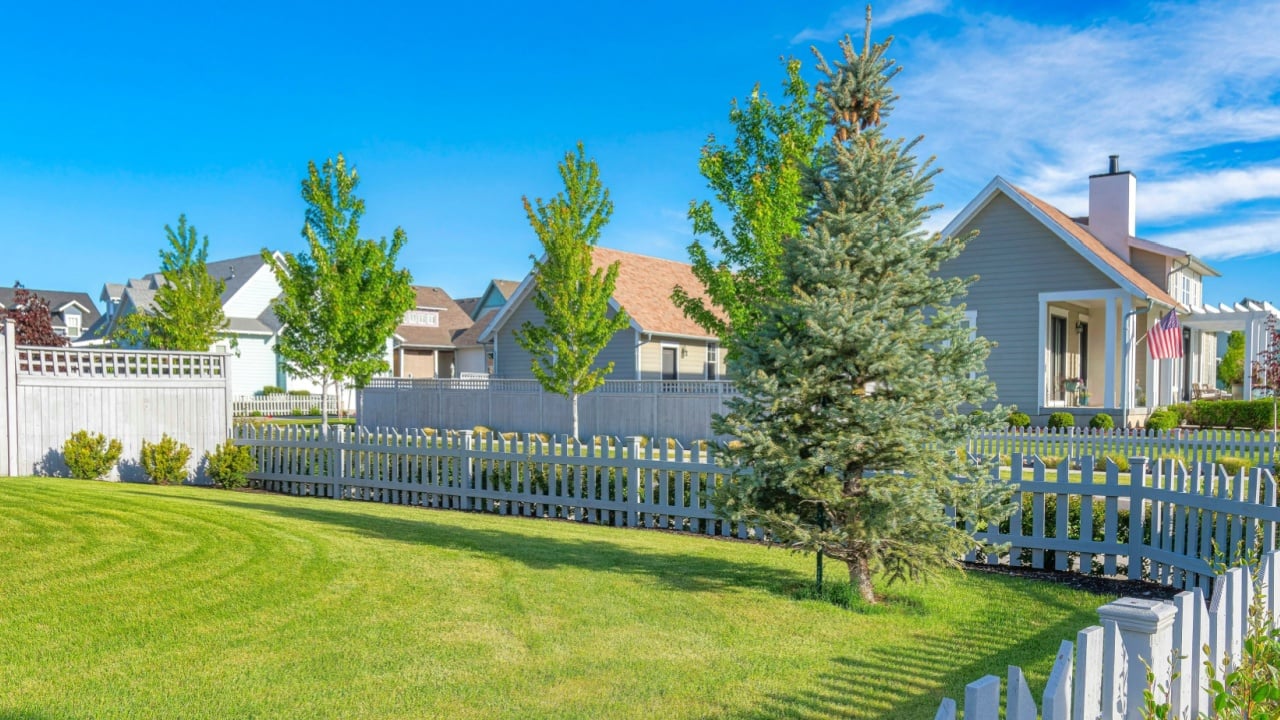
Pine trees produce excessive amounts of sticky resin and highly flammable natural oils. Their dropped needles and fallen cones create a thick blanket of perfect fire fuel on the ground.
Pine forests naturally burn very hot and spread flames rapidly due to these exact characteristics. Keeping these large evergreens away from your immediate yard prevents a massive accumulation of dangerous debris.
Regular cleanup of the dropped needles becomes mandatory if these trees grow anywhere near your property line. You should trim lower branches to prevent ground fires from climbing into the upper canopy.
5. Lavender
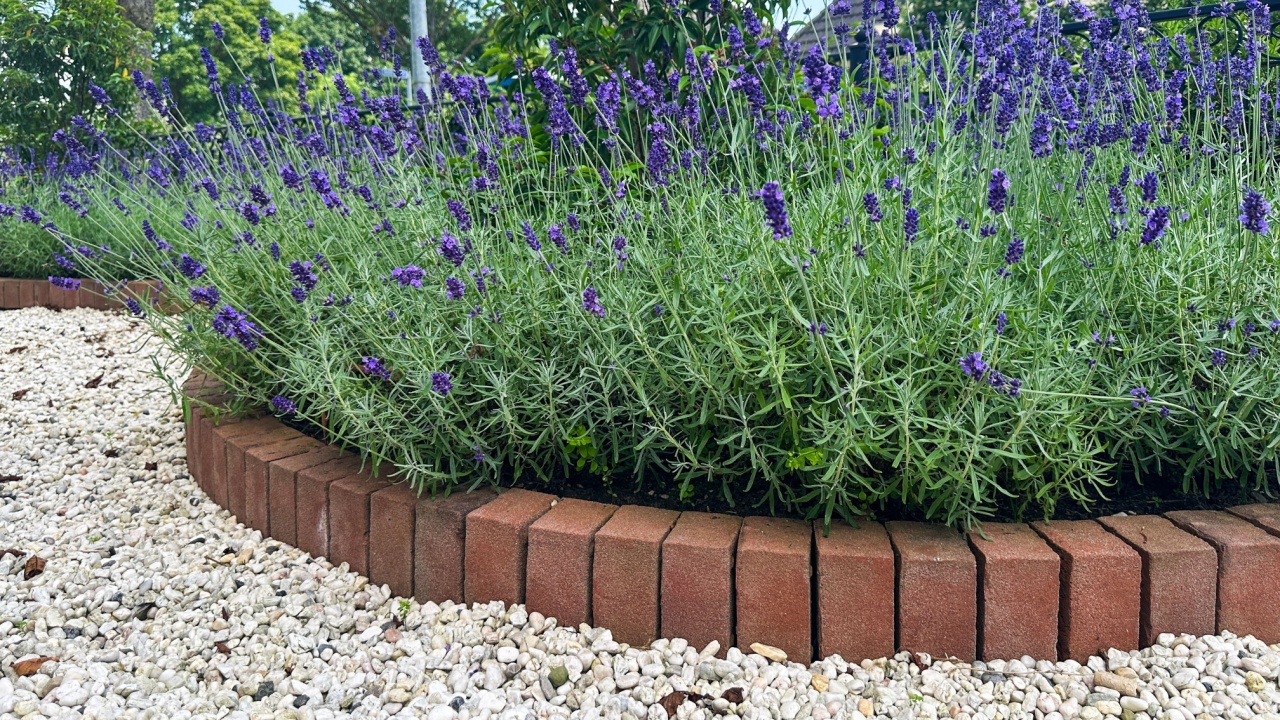
Lavender produces beautiful purple flowers heavily coated in strong, fragrant oils. These specific aromatic oils drastically increase the flammability of the entire plant during the summer months.
The woody base naturally dies out in the center and creates a perfect kindling source. People love planting this fragrant herb along walkways leading directly to their front doors.
Moving these beautiful bushes to garden beds far away from the house removes a major risk factor. Keeping the plants heavily pruned stops the dangerous woody centers from accumulating excessive dead material.
6. Arborvitae
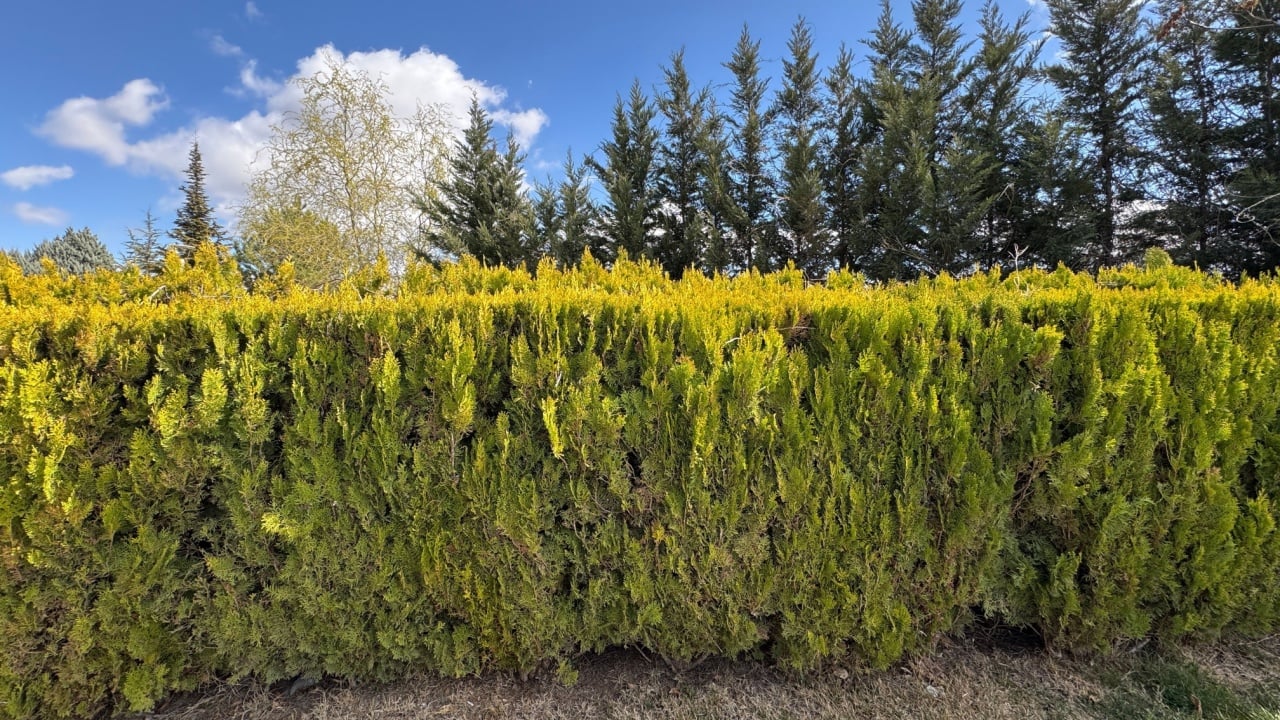
Arborvitae grows as a resin-rich evergreen with incredibly dense and tightly packed foliage. The plant naturally holds onto dead leaves inside its canopy while remaining green on the outside.
This hidden dead material burns extremely fast and generates intense heat very quickly. Landscapers frequently use these plants to create thick privacy hedges right against property lines and homes.
A fire starting on one side of an Arborvitae hedge travels down the entire row instantly. Choosing broadleaf evergreen shrubs instead provides similar privacy with a drastically lower fire risk.
7. Juniper
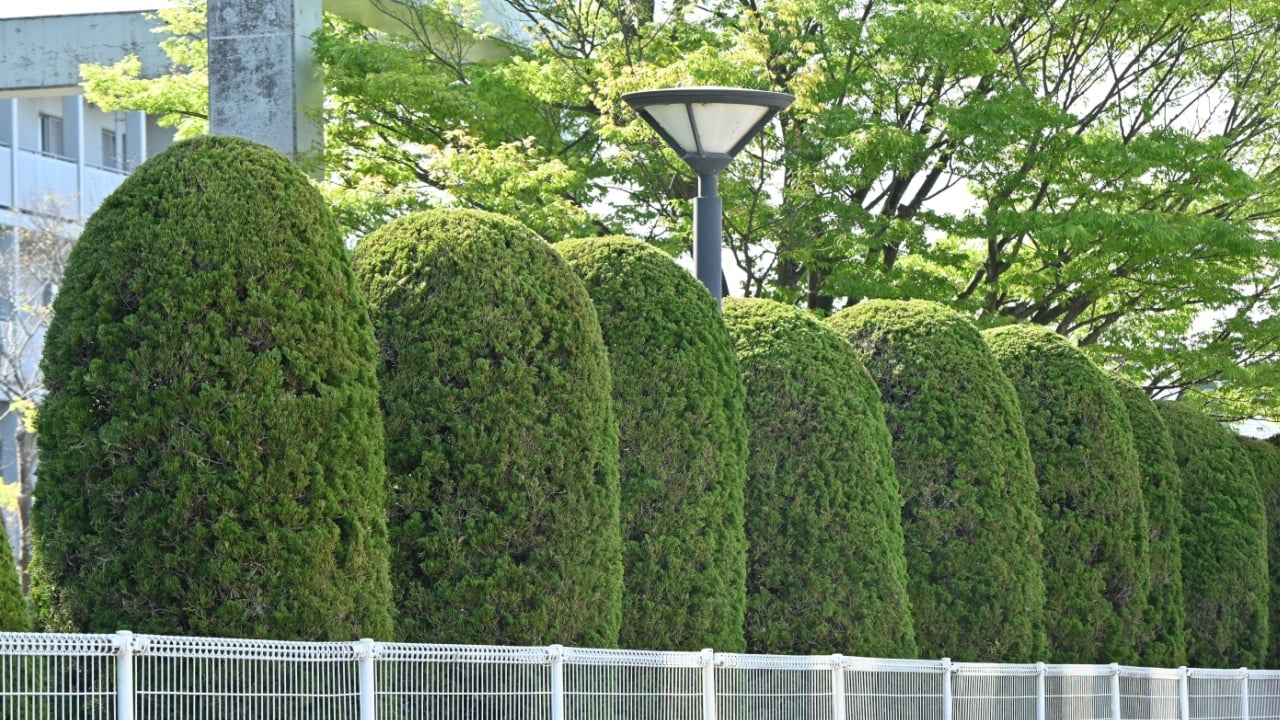
Juniper bushes contain highly resinous foliage that ignites aggressively when exposed to high temperatures. Firefighters often refer to this common landscaping plant as a highly dangerous fire ladder. The low branches easily catch fire from the ground and carry flames higher into nearby trees.
Removing these sprawling evergreens from the immediate perimeter of your home is highly recommended. You can replace them with low-growing succulents or gravel beds to maintain an attractive landscape. Proper clearance between the ground and tree canopies prevents fires from easily climbing upward.
8. Eucalyptus
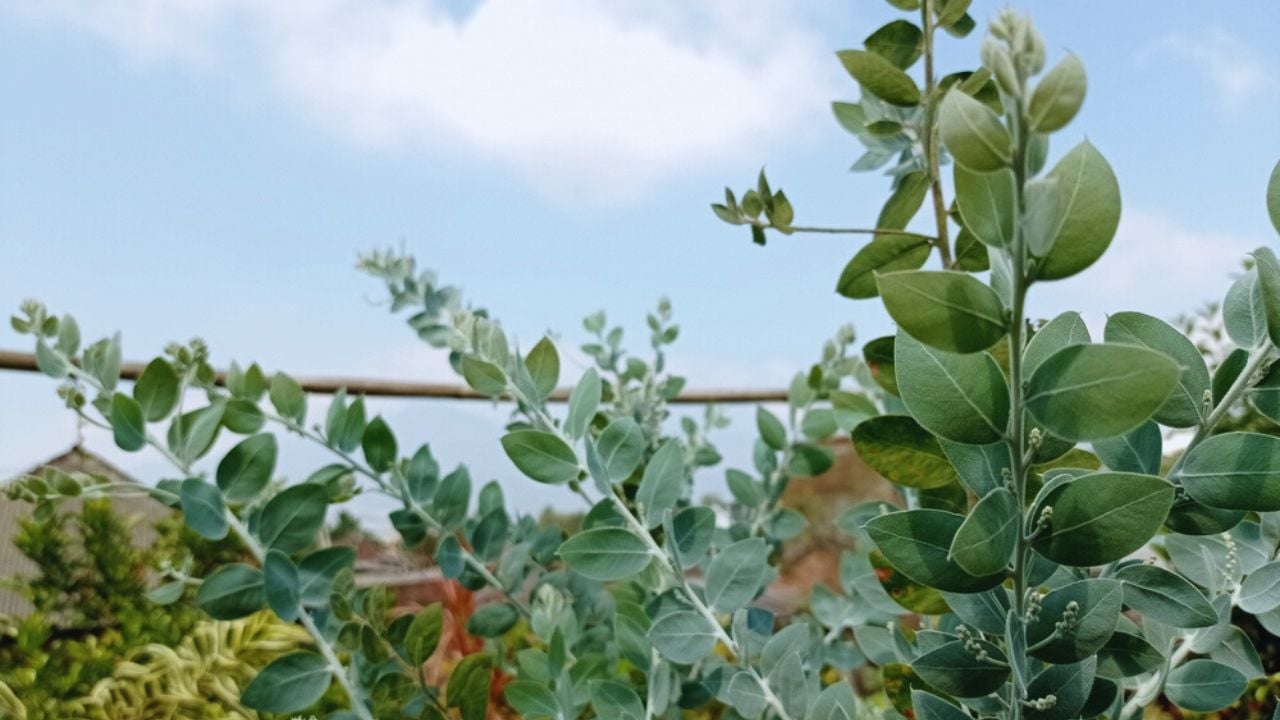
Eucalyptus trees contain massive amounts of highly volatile oils in their leaves and peeling bark. The tree constantly sheds large strips of bark that pile up around the base as perfect kindling. When ignited by a spark, the oil-rich canopy practically explodes and sends burning embers for miles.
Homeowners should completely avoid planting these massive trees near residential structures or power lines. The aggressive root systems and heavy fire risk make them entirely unsuitable for standard suburban yards. Removing existing trees completely often presents the safest choice for homes in fire-prone regions.
Keep Your Property Safe

Protecting your property requires mindful choices regarding the vegetation placed near your physical structures. Removing highly combustible trees and shrubs drastically reduces the risk of massive fire damage. Taking the time to evaluate your landscaping choices creates a much safer environment for your entire household.
Read More:
13 Everyday Household Items That Hide Serious Fire Hazards
The Landscaping Mistake That’s Making Your Home a Wildfire Target (And 8 Plants to Fix It)