8 Ways to Keep Rabbits From Nesting in Your Garden
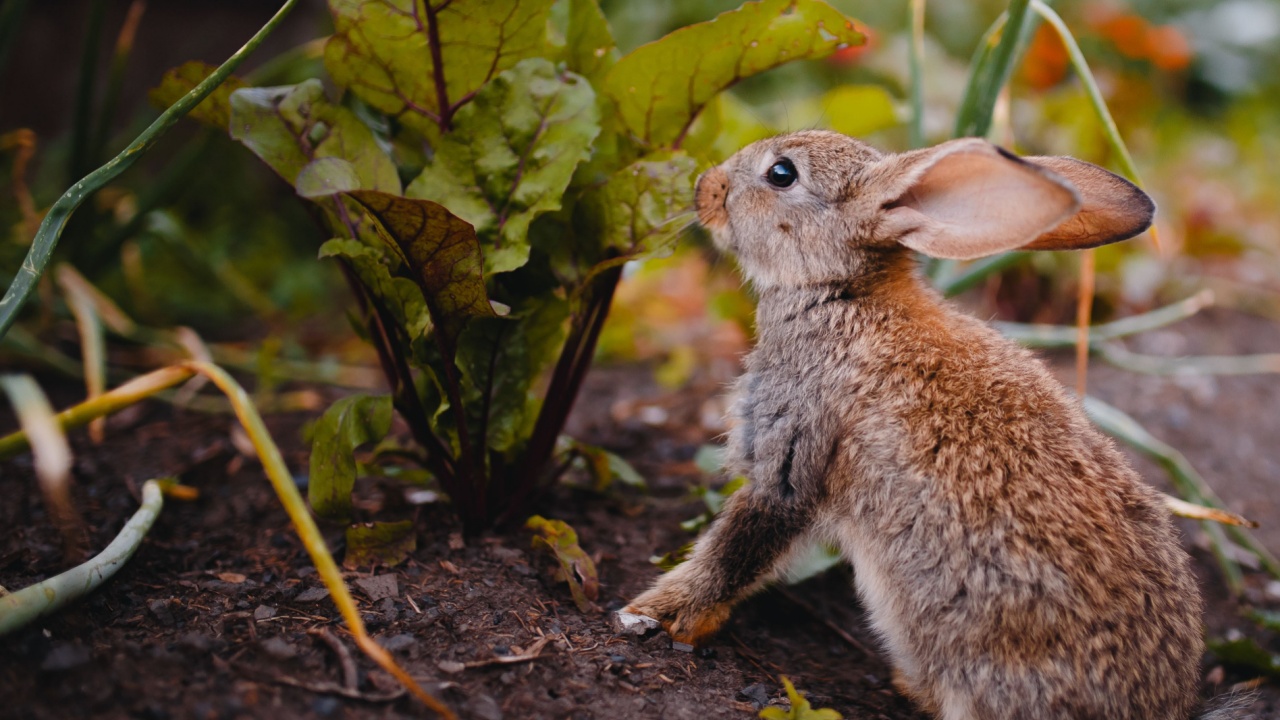
Who doesn’t love a rabbit? Those soulful eyes, those sleek coats, those adorable ears, those cute little white tails – and those voracious teeth.
From nibbling lawns and lettuce to killing entire trees, rabbits do loads of damage to home landscapes – and not just above the ground. Rabbits dig extensive burrows that can:
- Undermine walkways and patios
- Interfere with underground utility lines
- Erode soil around foundations
- Pockmark your yard and lawn with holes.
Experts recommend a combination of tactics to deter these fluffy invaders. Use the following tips to protect your property and keep garden produce out of bunny bellies.
1. Fence Them Out
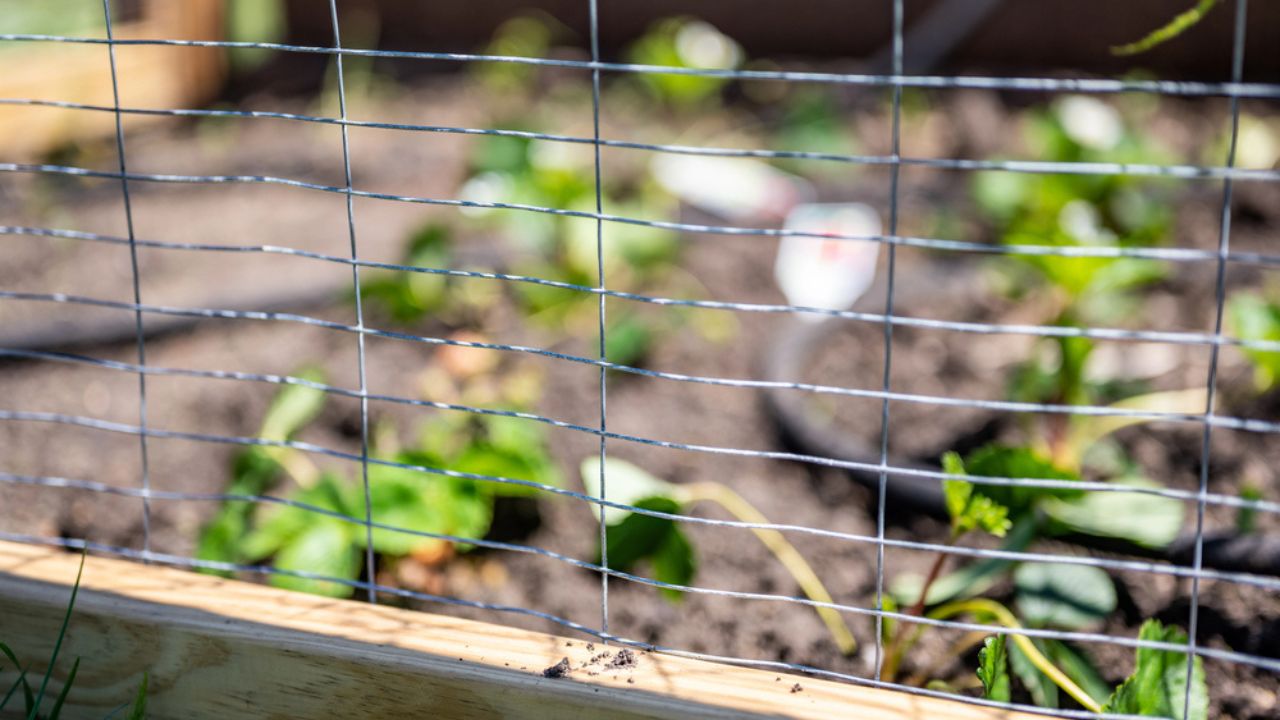
Fencing your garden bed or beds (or your entire yard) is the best protection. Since rabbits have been known to wiggle under fences, you can install a “fence extender” along the base.
To protect individual beds, you could go the DIY method of chicken wire and posts or opt for more attractive (and more expensive) rabbit-proof fence panels. Make your fence at least two feet high, and consider U-shaped landscape pins at the bottom to keep rabbits from crawling under. Some opt to bury fence bottoms a couple of inches, to deter any diggers.
2. Wrap Your Trees
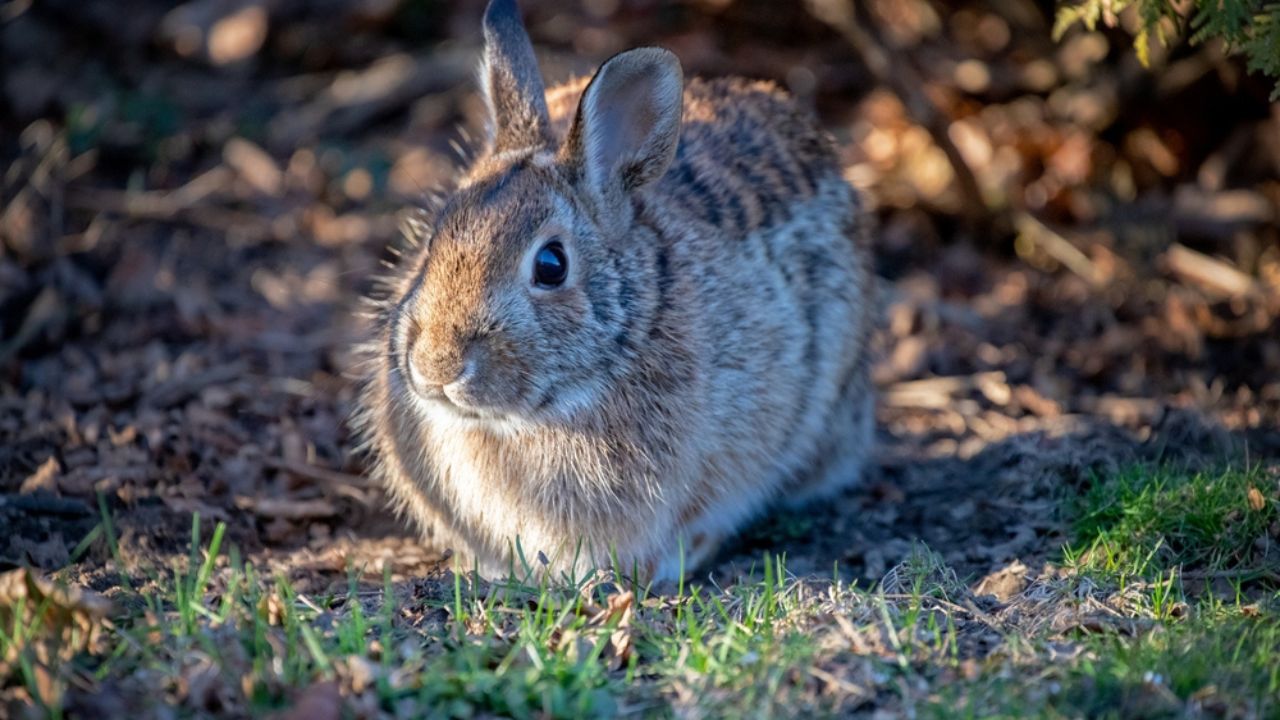
Rabbits eat bark in the winter, which can ultimately destroy the tree. Protect your plantings with cylindrical guards made of galvanized chicken wire or hardware cloth. Use a mesh size of one inch or less to keep other rodents, such as mice and voles, from attacking your trees.
The tree guards should be several inches bigger than the tree trunk to allow room for growth. Attaching them to stakes makes them more effective. The nonprofit Institute for Environmental Research and Education offers a step-by-step guide to building an effective tree wrap.
3. Remove Potential Nesting Areas
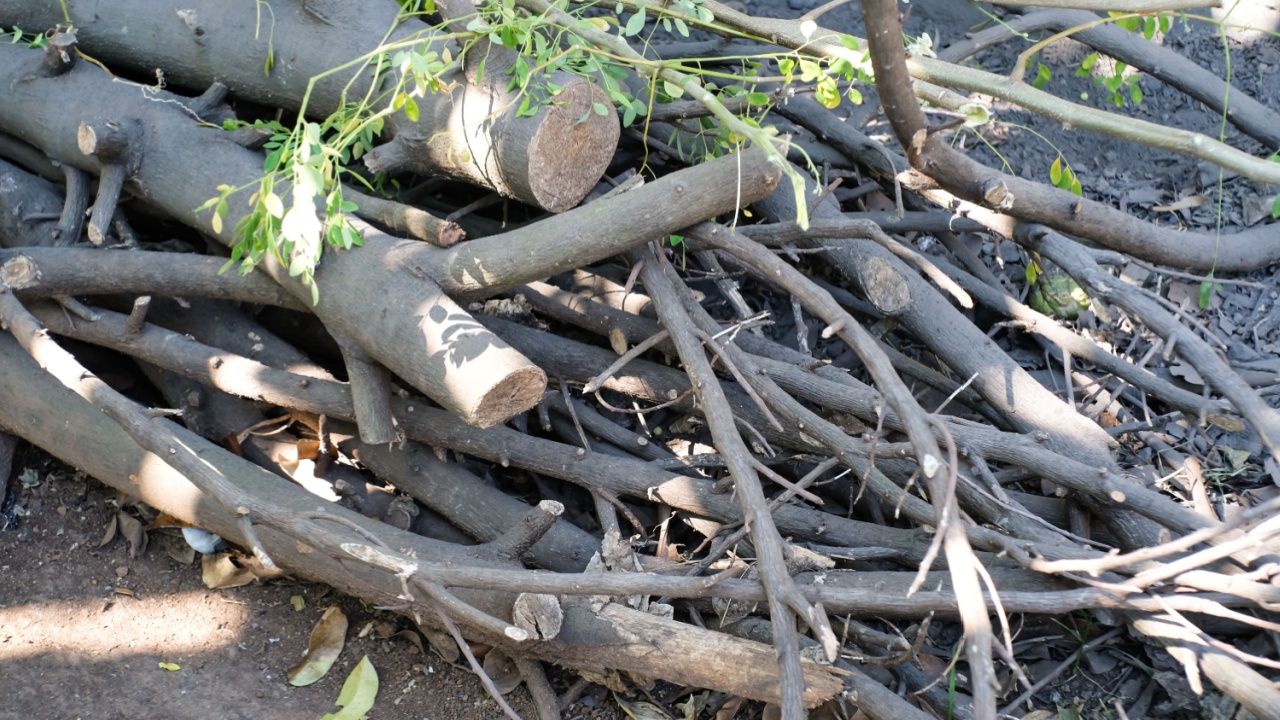
Those tall weeds at the back of your yard make a perfect rabbit nursery. So can that jumble of scavenged boards, logs, and metal you plan to turn into fences or yard art someday. Rabbits may also breed under sheds.
Keep them out by removing junk and blocking access to outbuildings. Don’t let them turn your yard into multigenerational housing.
Will this keep all rabbits away? No. Will it reduce their numbers? Probably.
4. Scare Them Off
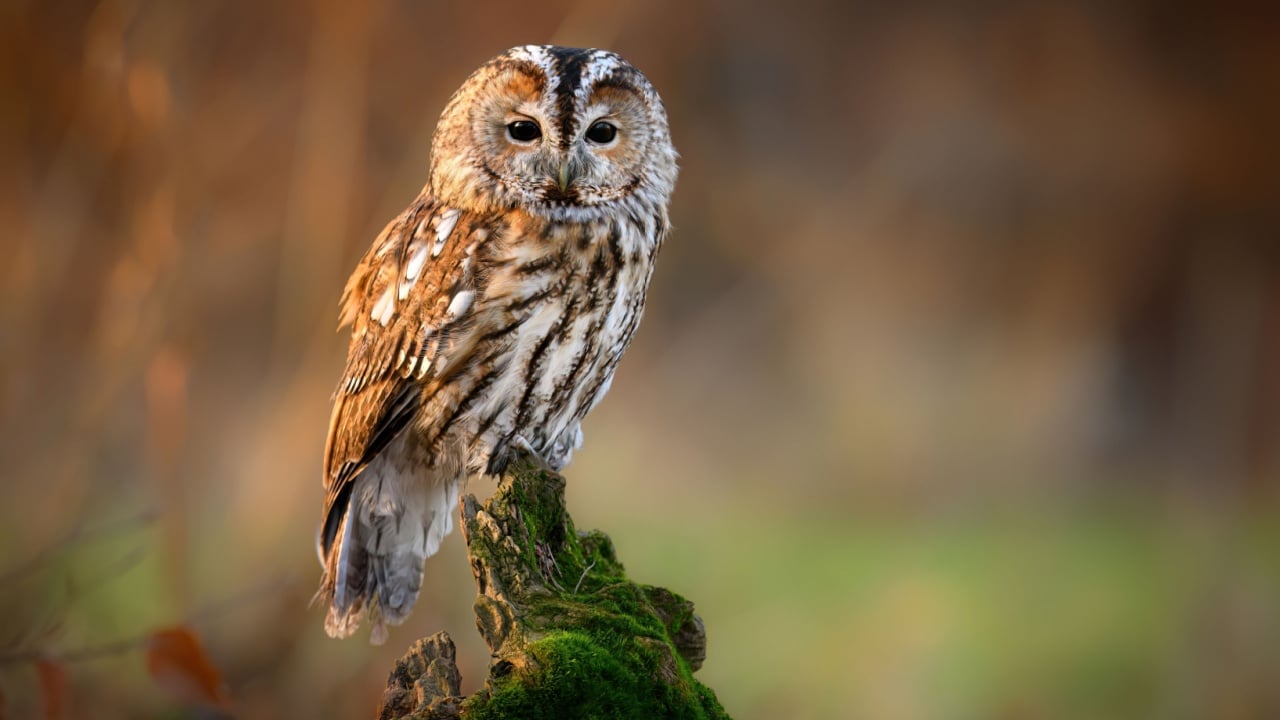
Fake snakes and plastic owls might scare off some rabbits, since those two species are major bunny predators. A shiny mobile that spins in the wind might startle them, too.
This tactic won’t work on all rabbits, though, and there’s the possibility the critters will become acclimated to these objects over time. It’s worth a shot, but only in combination with other deterrents.
5. Keep It Stinky

Odor repellents like garlic sprays and ammonium soap offend a rabbit’s delicate nose. Look for these products at nurseries, hardware stores, and home centers.
Two potential problems with this approach:
- You have to reapply the repellent after heavy rains, and to new growth on the plant.
- Some rabbits get used to the stench and eat the plants anyway
Note: Gardeners used to swear by marigolds as a scent deterrent. Don’t count on it: The University of Iowa Extension reports that some rabbits have been seen chowing down on the flower’s pungent leaves.
6. Gross Them Out

Taste repellents are designed to make plants too nasty to eat. Just as with odor repellents, you need to reapply these products regularly and, again, there’s the chance rabbits will become acclimated to the flavors and keep eating.
More importantly, a taste repellent can’t be used on an edible plant – only on trees, flowers and shrubs. The product might save some of your plants, but there’s no guarantee it will save all of them.
7. Trap and Remove
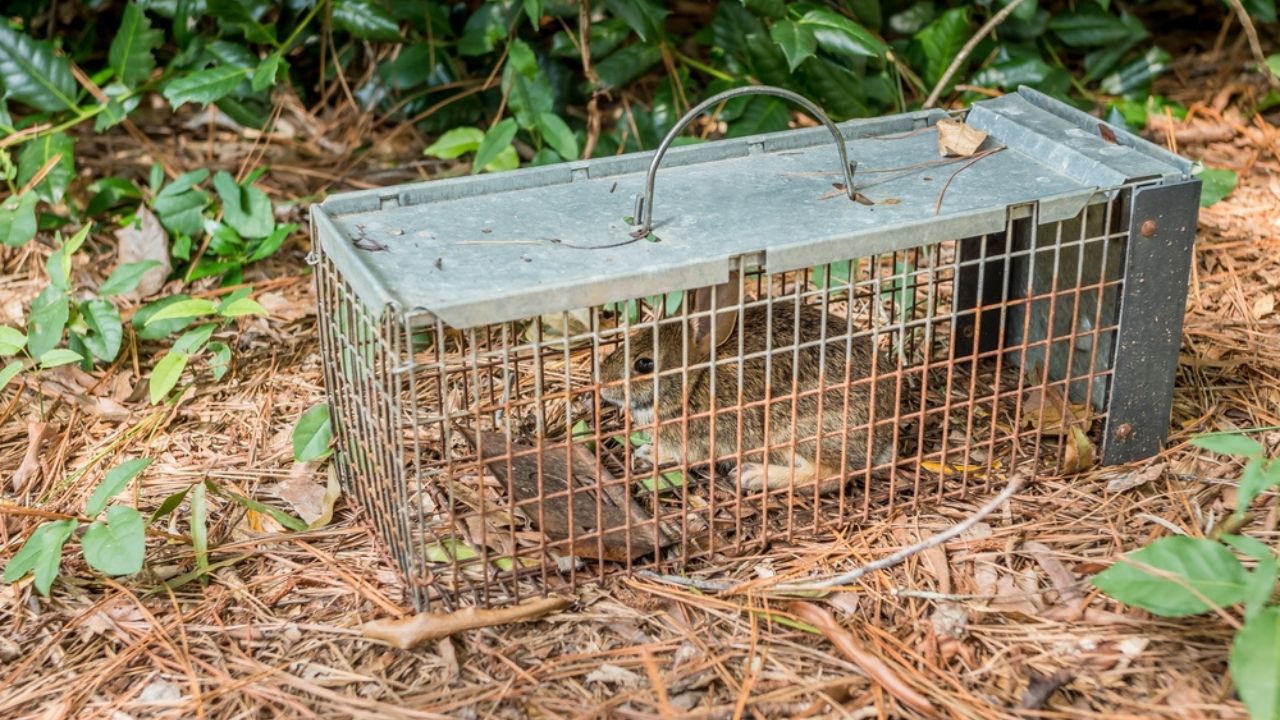
First, check your city/county laws regarding the trapping of nuisance wildlife. Next, buy live traps from a hardware store or garden center; you might also be able to rent a trap from your city’s animal control department.
Put traps in the areas where you most frequently see rabbits moving around; avoid full-sun areas, as this subjects the animals to overheating. Put fresh bait in every day; your best bets are lettuce, apple slices, cabbage, and, yes, carrots.
What do you do with the rabbit(s) you catch? Some experts suggest releasing them into the wild. In thickly settled areas, however, there might be no place to release the rabbits where they won’t attack someone else’s landscape.
You could hire a pest specialist to trap and remove the animals for you. That way, you don’t have to make these decisions.
8. Destroy Them

Killing a cute li’l bunny sounds harsh. But for homeowners who rely on their gardens as a major food source, this is an Us vs. Them question.
Depending on where you live, you might legally be allowed to trap and dispose of rabbits year-round. If that idea upsets you, don’t do it.
But if your crops help feed your family, this could be a difficult but necessary choice. Again, it’s possible to hire a professional pest control company to do the trapping and disposal.
The Bottom Line
As noted, it’s tough to keep a determined bunny from its dinner. However, you can take steps to make your garden less attractive to these opportunistic rodents.
Read more
16 Flowers Rabbits Love to Nibble in Your Yard
17 Plants That Repel and Keep Rabbits Out of the Yard