9 Things You Should Never Compost During Fall Garden Cleanup
Your compost pile is almost certainly too cold to kill anything, which means the blighted tomato vines you drag over to it this week aren’t being recycled. They’re being saved for next summer.
It feels like the responsible thing to do. Fall garden cleanup produces a mountain of spent vines, seedy weeds, and leaves, and the bin is sitting right there. But most backyard piles never heat up enough to sterilize what goes in, according to UNH Extension, because home gardeners rarely have enough material to build a pile big enough to get hot and stay hot. Fungal spores, weed seeds, and insect eggs ride out the winter and come back in the very compost you spread in spring. Worse, a couple of the usual workarounds, like torching the pile or curbing invasive weeds, can quietly put you on the wrong side of the law.
That’s an expensive mistake. Bagged compost averages about $5 per cubic foot, according to Omni Calculator, so a single 3 by 3 by 3 foot pile is worth roughly $135 at the garden center. Contaminate it, and you lose that, plus whatever crop it infects. And if you’ve been gardening for 20 or 30 years, the habit of dumping everything on the heap is probably so automatic you’ve never questioned it.
Here’s the good news: most of what you clear this October and November is excellent compost, and some of it shouldn’t be raked up at all. These nine things are the exceptions. They belong in a bag, in the trash, or left exactly where they are (for the time being).
1. Blighted Tomato and Potato Vines
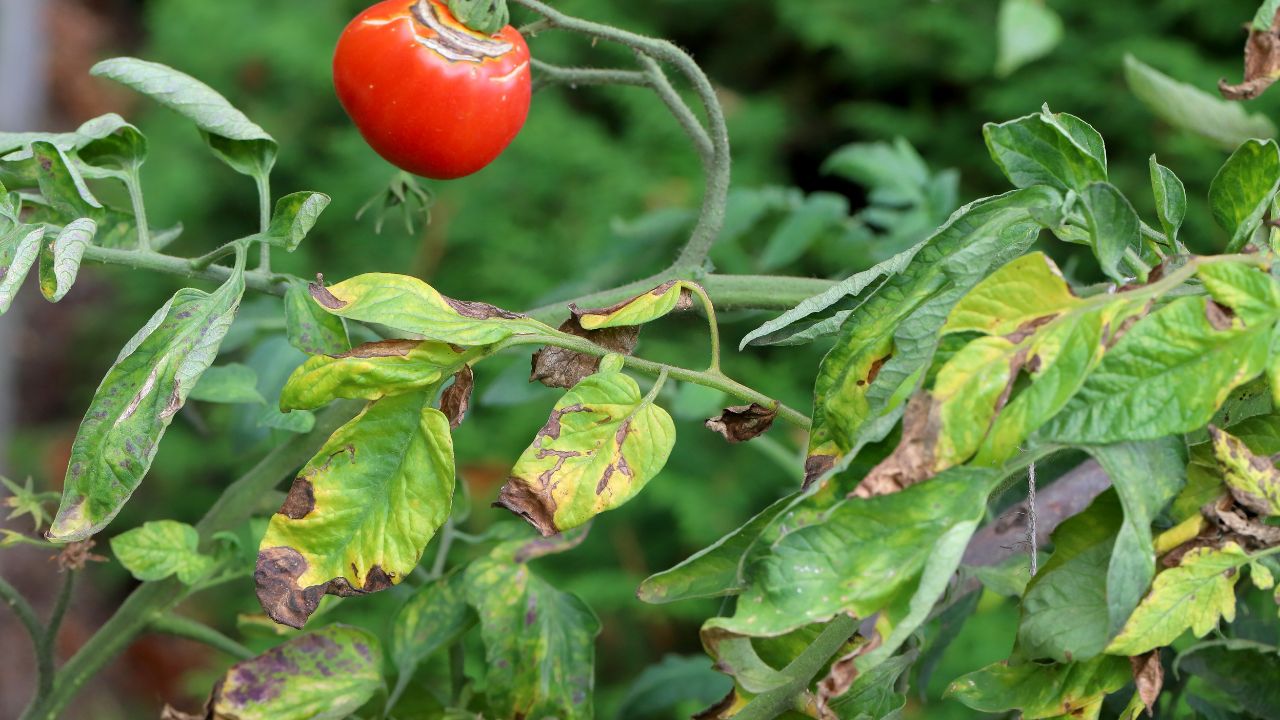
Brown spotted, yellowing lower leaves are the calling cards of early blight and septoria leaf spot, and both overwinter on any infected material left behind, per University of Wisconsin Extension. Asked whether composting destroys these pathogens, University of Georgia Extension put it plainly: “The answer most often is ‘no.'” Bag the vines and send them out with the trash.
2. Mildewed Squash Vines and Bug-Riddled Brassicas

Powdery mildew spreads quickly across squash leaves in fall, and South Dakota State University Extension recommends discarding that foliage at the end of the season. The same goes for kale and cabbage riddled by cabbage worms or squash vines tunneled by borers. “Insects, eggs, or larvae can survive in your compost pile and return next year,” warns ECOgardener. White powder, holes, or frass means it goes in the bag.
3. Weeds That Have Gone to Seed

A dandelion puff on the compost pile is a free seed delivery to every bed you top dress next spring. According to The Spruce, a pile must hold 141 to 145 degrees Fahrenheit for several days to kill pathogens, and weed seeds survive anything cooler. UNH Extension notes that most backyard piles “do not get nearly hot enough.” Pull seedy weeds into a separate bag, along with bindweed and thistle roots that regrow from fragments.
4. Invasive Plants Like Japanese Knotweed
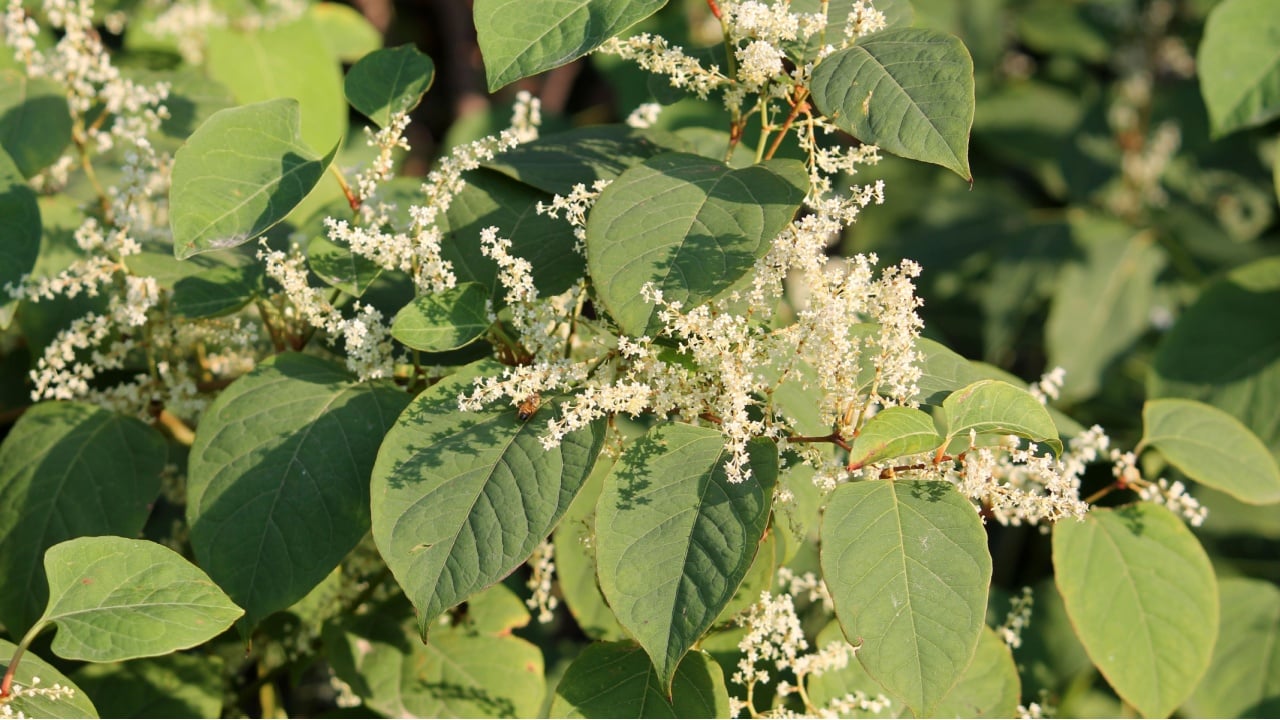
This is the one that can get you in trouble. Penn State Extension says knotweed, spotted knapweed, and purple loosestrife should always be bagged and solarized before disposal, never composted, because fragments can resprout. Some states go further: the Michigan Citizens’ Guide to Invasive Plant Disposal outlines state laws on moving and disposing of invasive species with a blunt reminder: “It’s the law.” Check your state’s list before anything aggressive hits the pile or the curb.
5. Grass Clippings From a Treated Lawn

Most gardeners never hear about this one. Certain broadleaf herbicides, including aminopyralid, clopyralid, and picloram, can remain active in grass clippings and compost “for an unusually long time,” according to NC State Extension, and gardeners have reported damage to vegetable and flower crops after using contaminated material. If your lawn, or the neighbor’s lawn whose bagged clippings you’ve been collecting, gets weed killer, leave those clippings out.
6. Black Walnut Leaves and Hulls
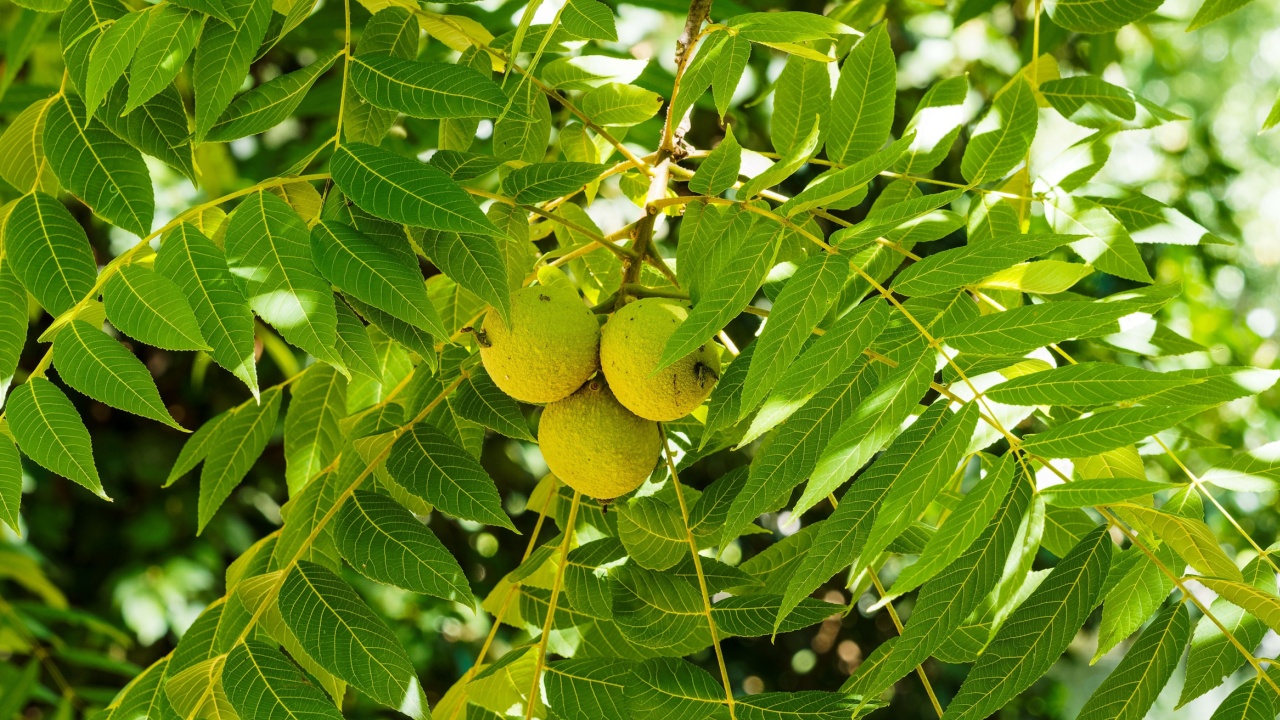
The Spruce notes that walnut leaves and twigs contain juglone, a natural toxin that harms tomatoes, peppers, and potatoes. There’s a second danger if you have a dog. The ASPCA warns that moldy walnut hulls and compost can carry molds that trigger tremors and seizures, and that dogs “probably see the mold as a yummy topping.” Rake up hulls, bag them, and fence or lid your bin.
7. Cat Litter and Dog Waste
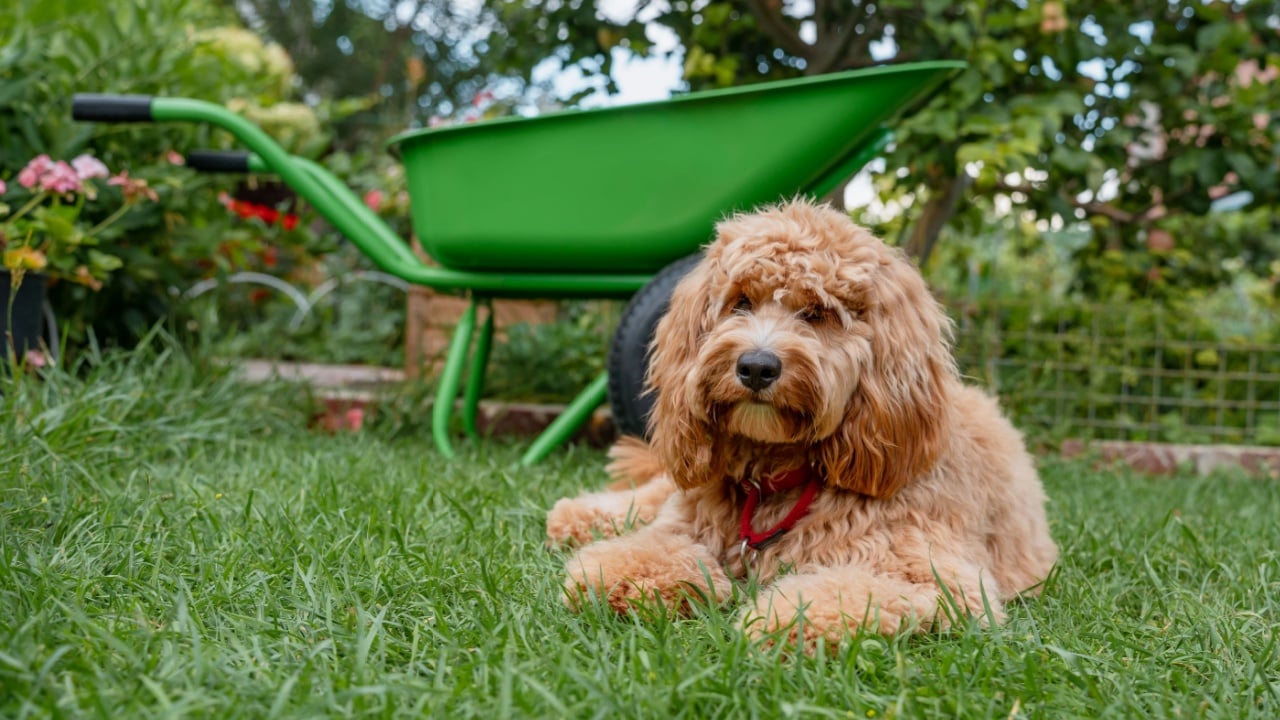
Pet waste only becomes safe when compost holds at least 131 degrees Fahrenheit for three straight days, says NRDC, which calls that “hard to regulate and monitor” at home and advises never composting cat waste. The Spruce adds that cat feces can carry toxoplasmosis, a serious concern for pregnant women. If grandchildren dig in your garden beds, this one isn’t negotiable.
8. Meat, Dairy, and Holiday Leftovers
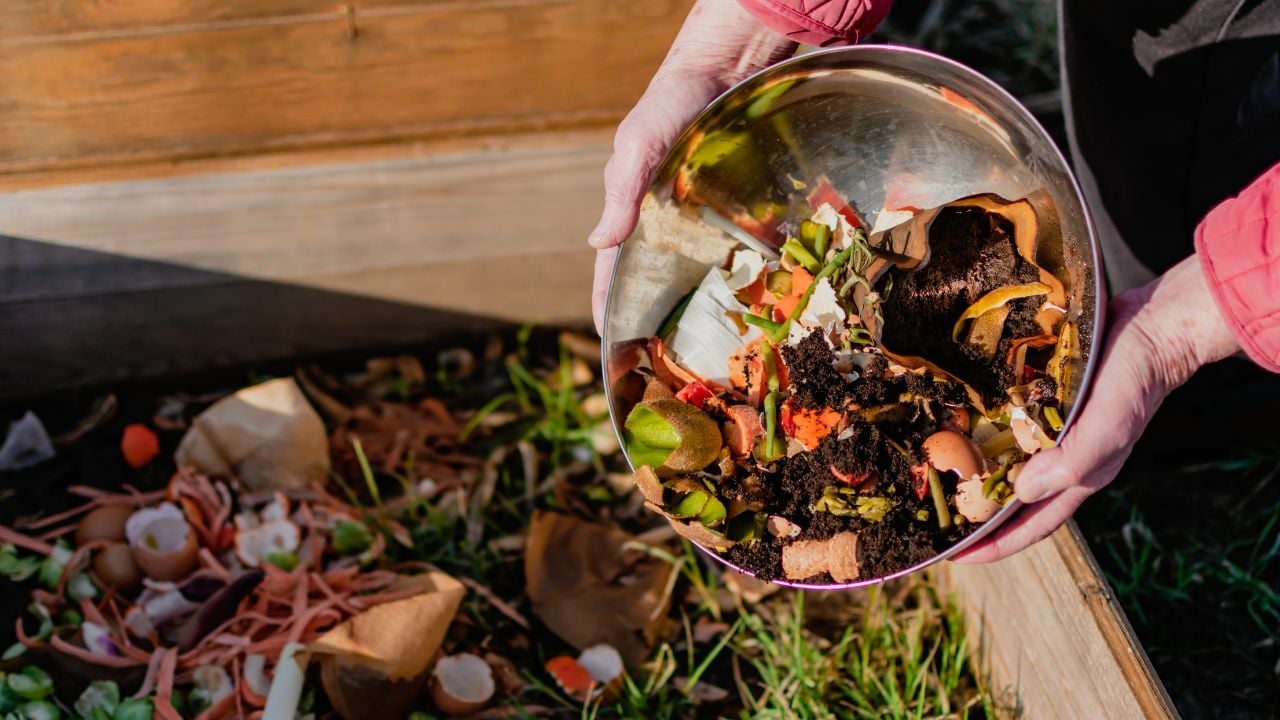
Thanksgiving scraps feel like compost, but meat, bones, cheese, and gravy draw rats, and rats draw snakes. The Georgia Master Composter program at UGA Extension notes that rodents return to piles that offer reliable kitchen scraps, and snakes slipping out of a bin are “a good sign that they have a rodent problem.” Bag animal products and keep vegetable scraps buried under a layer of leaves.
9. Anything Crawling With Jumping Worms
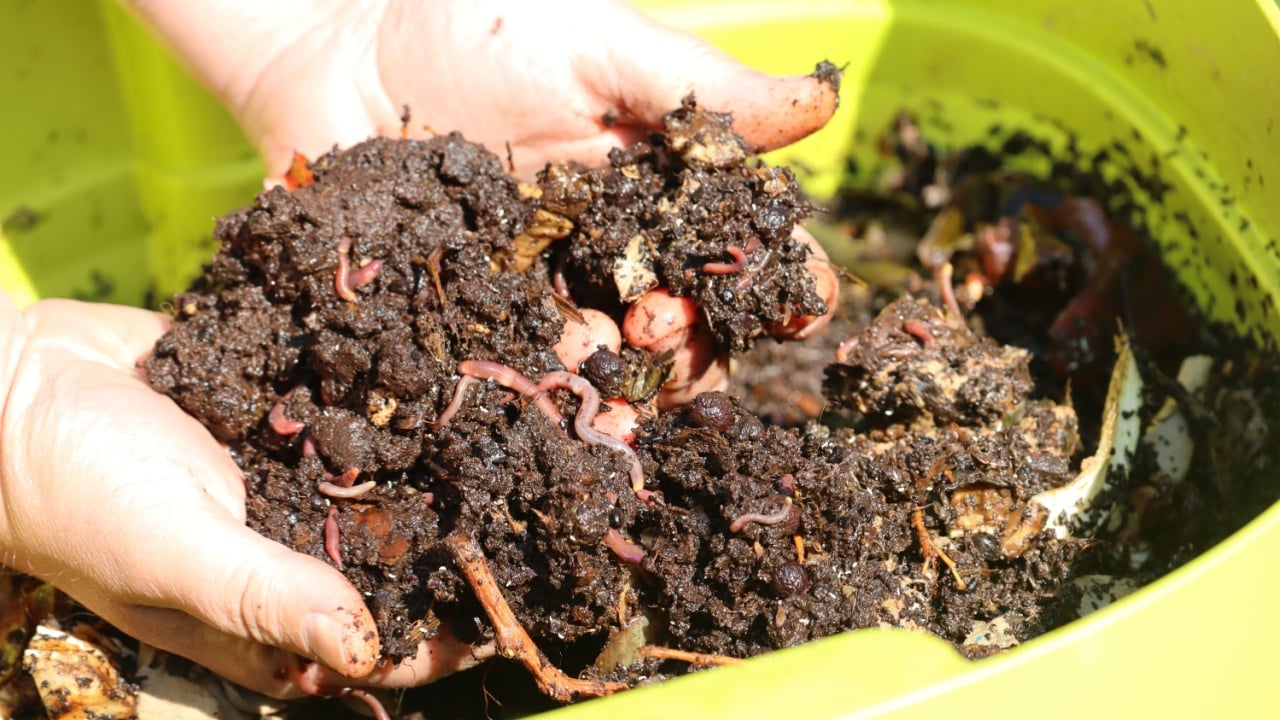
Jumping worms are invasive earthworms that thrash wildly when touched, strip the organic matter from soil, and spread as cocoons in mulch and poorly made compost. If you find them, Oregon State University Extension says to dispose of them “in the trash and not in compost or yard waste bins.” University of Illinois Extension also urges gardeners not to share home compost, mulch, or plants, which matters if you trade divisions or compost with neighbors.
Never Burn What You Can’t Compost
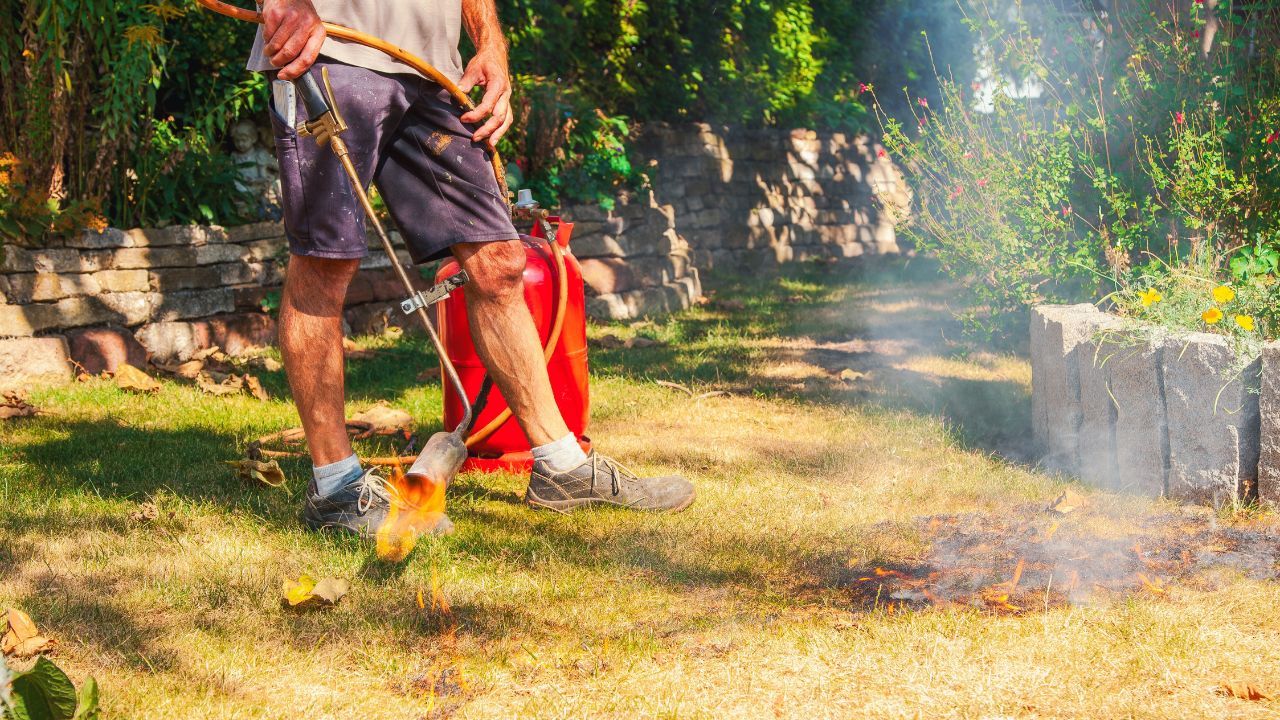
Bag diseased, seedy, and invasive material and send it out with household trash or to your local transfer station. What you shouldn’t do is light it up. The City of Rock Island in Illinois fines leaf burners $40 to $500, and Carlisle Township, Ohio reminds residents that state law bans open burning in unincorporated areas during October and November, partly because leaf fires “can obscure roadway visibility.” Smoke drifting into a neighbor’s open window is also the fastest way to start a feud that lasts longer than the leaves.
Farmers have called finished compost black gold for generations, and it earns the name only when what goes in is clean. A compost pile never forgets what you feed it; it simply hands it back to you in spring. Spend 20 minutes this weekend sorting, bagging, and leaving the right things in place, and next year’s garden starts healthier than this one ended.
Read More
Washing Your Lettuce Won’t Remove Cyclosporiasis, But Growing Your Own Will
Your Grandmother Stored These 8 Foods All Winter Without Canning a Single Jar