12 Plants You Plant Once And Harvest For The Next 20 Years
Your grandmother never paid $8 for a pint of blueberries. Nor did she spend $5 on a bunch of rosemary that goes limp in the refrigerator before the week is out. She didn’t have to. She grew them herself, in a patch of ground behind the house that fed her family for twenty years without a single replanting.
What your grandmother practiced, without calling it anything, was permaculture: the art of designing a garden around perennial plants that return year after year with almost no effort or cost. Right now, in the thick of August, those same plants are at their peak — bushes sagging with berries, herb beds exploding in the heat — while their grocery-store counterparts, such as blueberries, blackberries, figs, and fresh herbs, still command some of the highest prices in the produce aisle.
The irony is staggering. The plants that require the least work to grow are the ones we’re paying the most to buy.
According to the National Gardening Association, a well-maintained food garden can yield an estimated 300 pounds of produce worth $600 from just a $70 starting investment. A permaculture garden, built around perennials rather than annuals, compounds that return every single year without starting over, and August is living proof, as established plants produce their heaviest harvests with little more than sun and rain.
Why Permaculture Plants Are the Smartest Money You’ll Ever Spend on Your Garden
Most home gardens are annual operations. You buy seeds or seedlings each spring, tend them through summer, and start over the following year. The costs reset with every season: seeds, transplants, soil amendments, and fresh mulch. The labor resets, too.
Permaculture flips that model entirely. According to the Permaculture Association, a well-managed perennial food garden “requires little or no extra energy input and minimal labour, whilst continuing to produce harvestable yields.” Eric Toensmeier, author of Perennial Vegetables and co-author of Edible Forest Gardens, describes the result in Eartheasy simply: “It’s as close to zero-work gardening as you can get.”
You don’t need 10 acres or a design certificate to benefit from this approach. A few berry bushes, a bed of asparagus, and a small herb garden planted this spring could be saving your household hundreds of dollars per year for the next two decades. The trick is knowing which plants to stop buying and start growing.
Right now is the ideal window to get these plants in the ground. Here are 12 permaculture plants that belong in your garden, instead of your grocery cart.
1. Asparagus
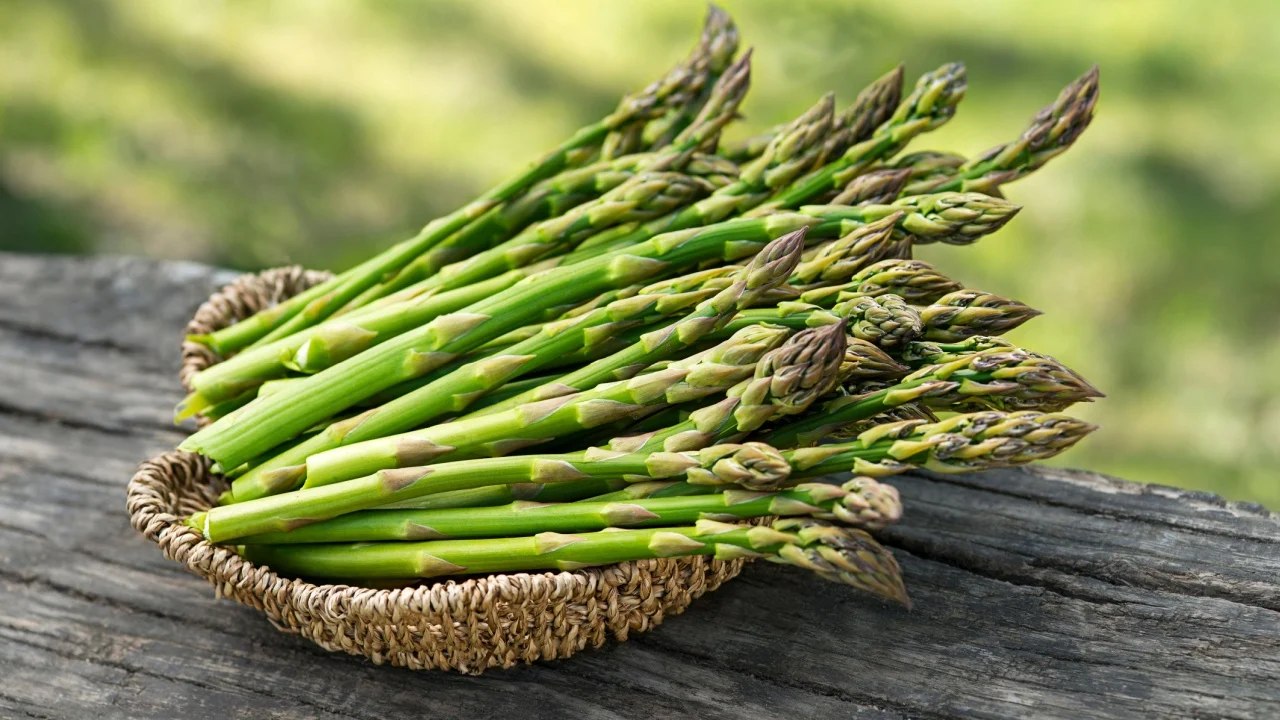
Asparagus often runs $3 to $5 per pound at the grocery store, and as much as $10 per pound at club stores.
It is also one of the most dependable perennial vegetables a home gardener can grow. Plant crowns once, wait two to three seasons for establishment, and a single 4×12 raised bed can deliver several bunches per week for up to 20 years. According to Eartheasy, asparagus will produce well for over 20 years in the right location and thrives almost anywhere in the U.S. except Florida and the Gulf Coast.
2. Blueberries
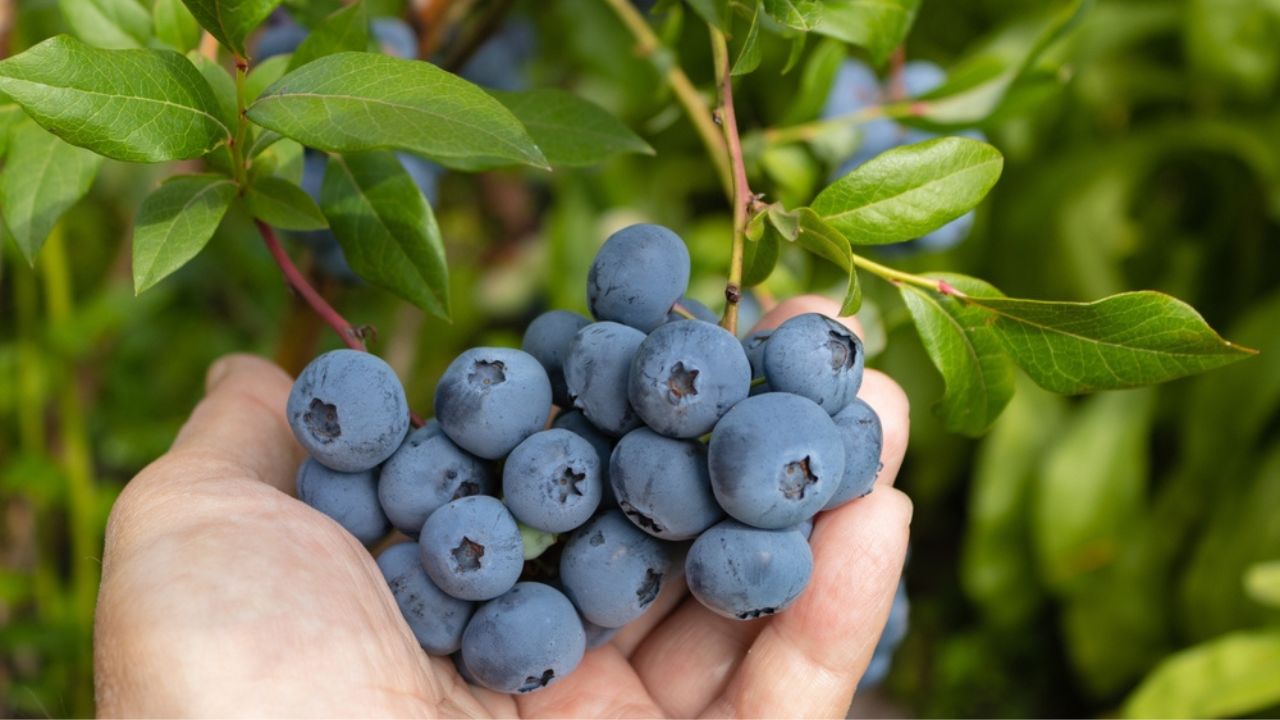
The average retail price for fresh organic blueberries is approximately $7.98 per pound, and higher still during off-peak seasons, according to ThePricer.org. A single mature bush yields 5 to 10 pounds annually.
Plant three bushes and you have a decade-long supply of one of the most expensive fruits in the produce aisle. Blueberries require acidic soil (pH 4.5 to 5.5) but will thrive even in shallow, sandy soil where most vegetables cannot grow.
3. Strawberries

Organic strawberries can cost close to $7 per quart. A well-maintained strawberry bed produces heavily for two to five years before needing renewal, and runners from existing plants make that renewal essentially free. Few fruits offer a better first-year return on the initial planting investment.
4. Blackberries

Two blackberry bushes, properly located, provide enough fresh and frozen berries for an entire summer and well beyond. Blackberries are vigorous, cold-tolerant, and come back year after year. The Beginner’s Garden notes they “bear year after year, providing a nice early summer treat.”
The main task after establishment is simply keeping them contained.
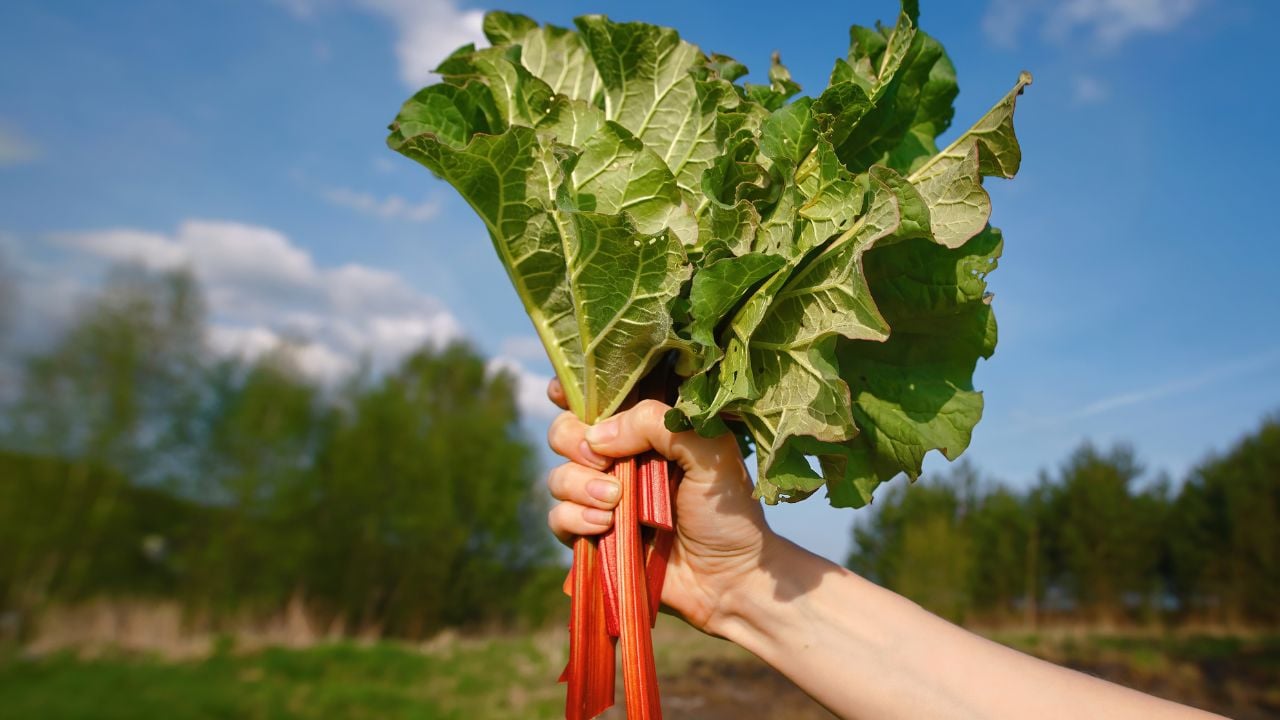
5. Rhubarb
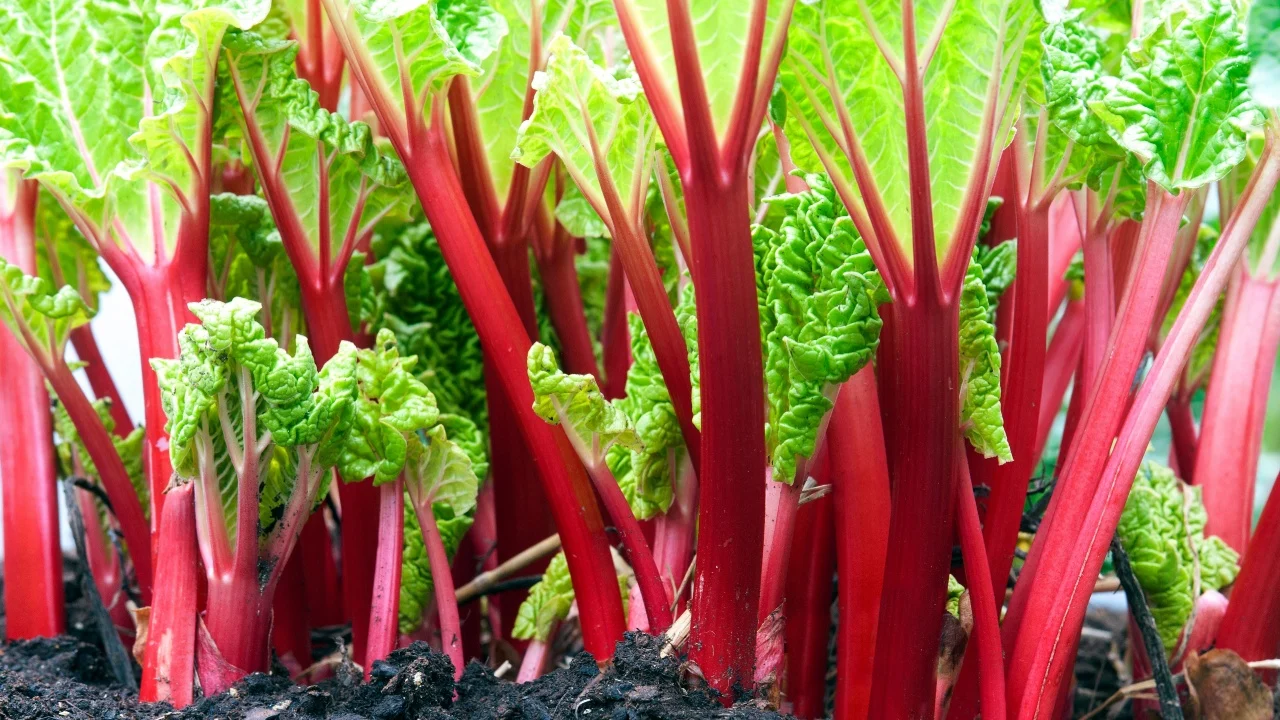
Rhubarb rarely appears in grocery stores at a reasonable price. When it does, it runs $3.49 per pound or more.
Yet rhubarb is one of the easiest perennials in the garden: a single crown planted once can produce for 15 to 20 years and spreads naturally into a larger clump over time. It’s also one of the first plants to emerge each spring, delivering early harvests before most of the garden has woken up.
6. Rosemary
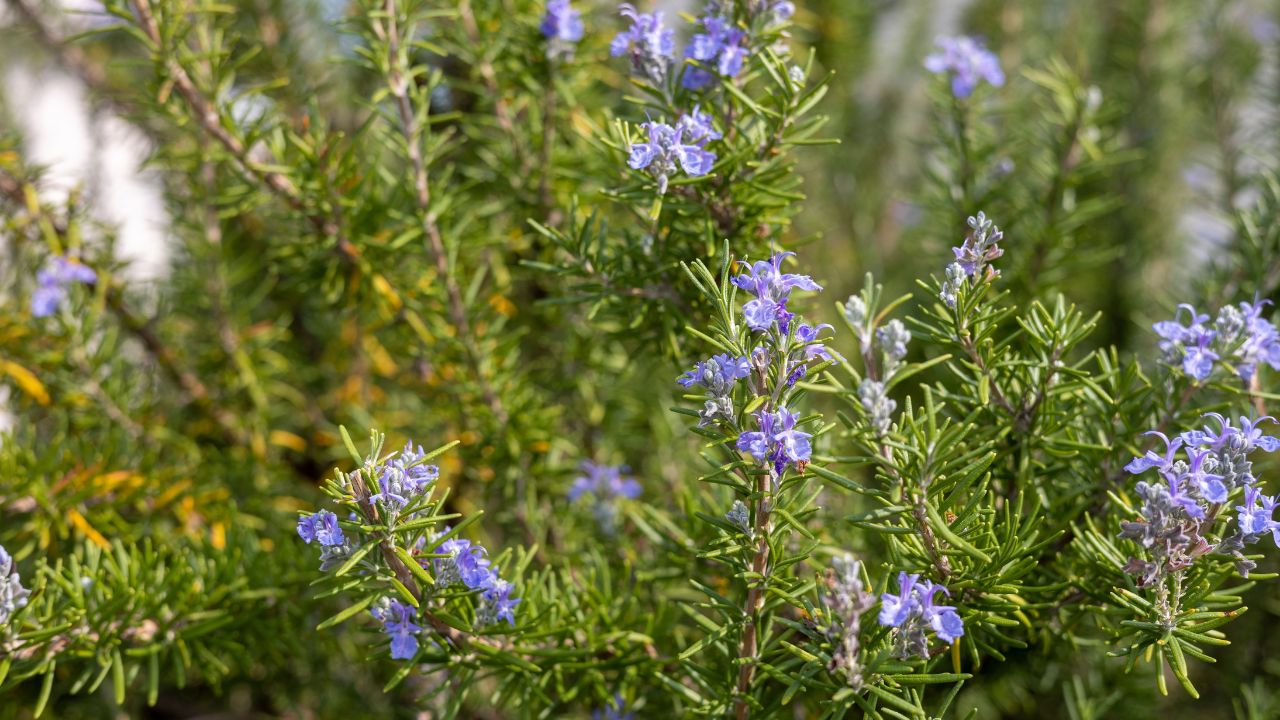
A grocery store bunch of rosemary costs $3 to $4 and lasts a week. A rosemary plant, purchased once for around $5, is perennial in USDA Zones 6 through 10 and can live for 10 to 20 years.
The Beginner’s Garden confirms: “You can purchase one plant and unless you live in a very cold climate, the plant will last for years.” Over a decade, one rosemary plant replaces well over 100 grocery herb purchases.
7. Chives
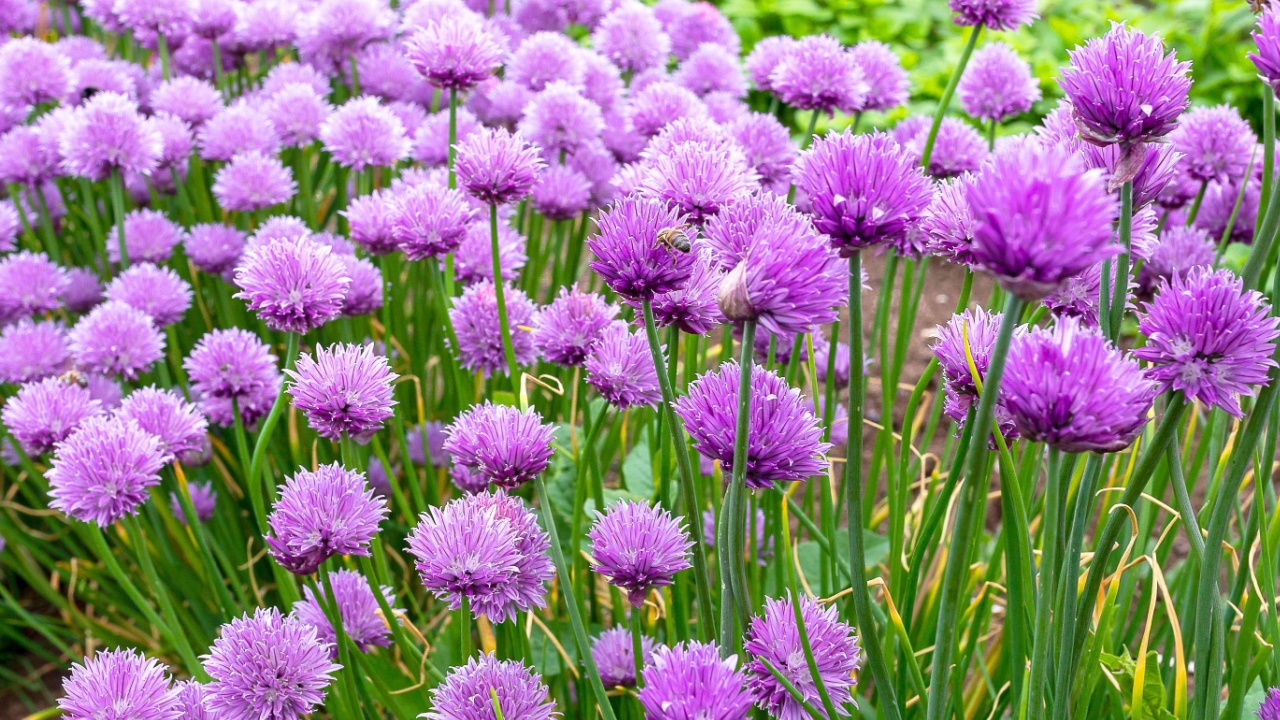
Chives are arguably the easiest perennial in the herb garden. They emerge reliably in early spring, require almost no attention, spread naturally, and cost $3 to $5 to purchase once. Their purple flowers are edible and attractive to pollinators throughout the season.
8. Mint
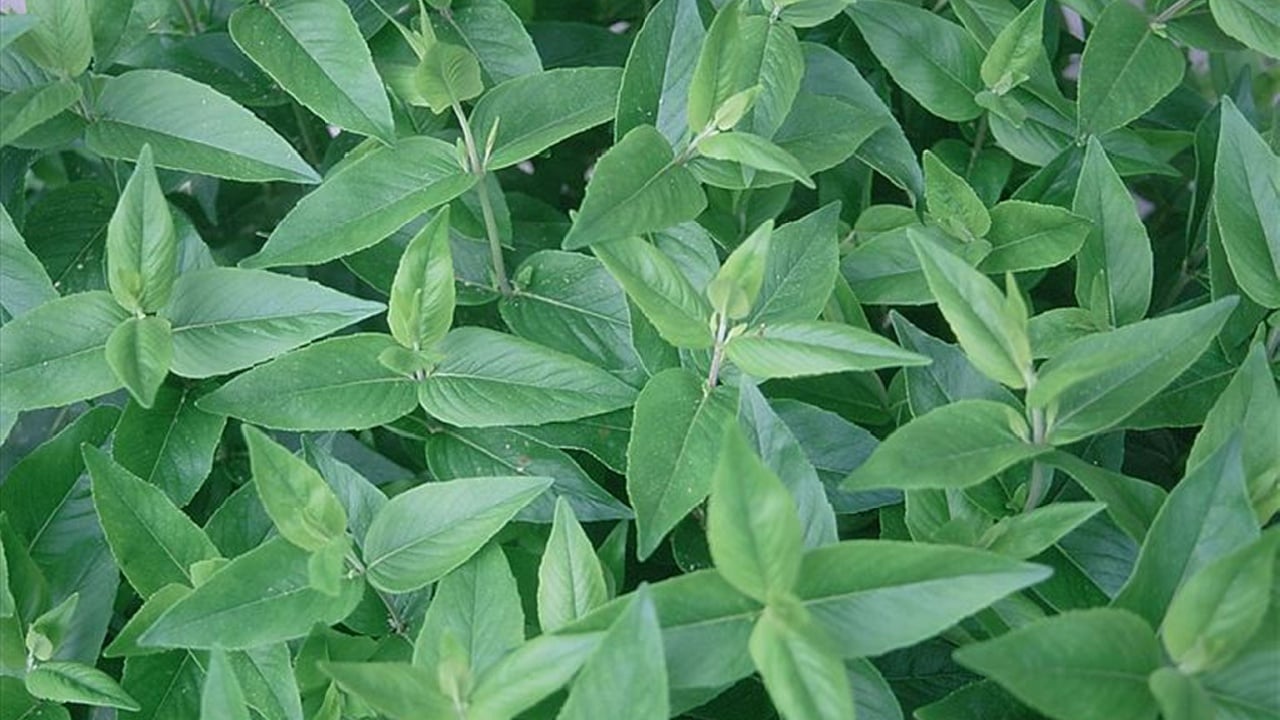
Mint is so willing to spread that experienced permaculture gardeners note that neighbors with mint will happily give away divisions for free. Once established in a container (recommended to manage its aggressiveness), it provides an inexhaustible supply of fresh leaves.
Store-bought fresh mint runs $3 to $4 per bunch and wilts within days.
9. Thyme
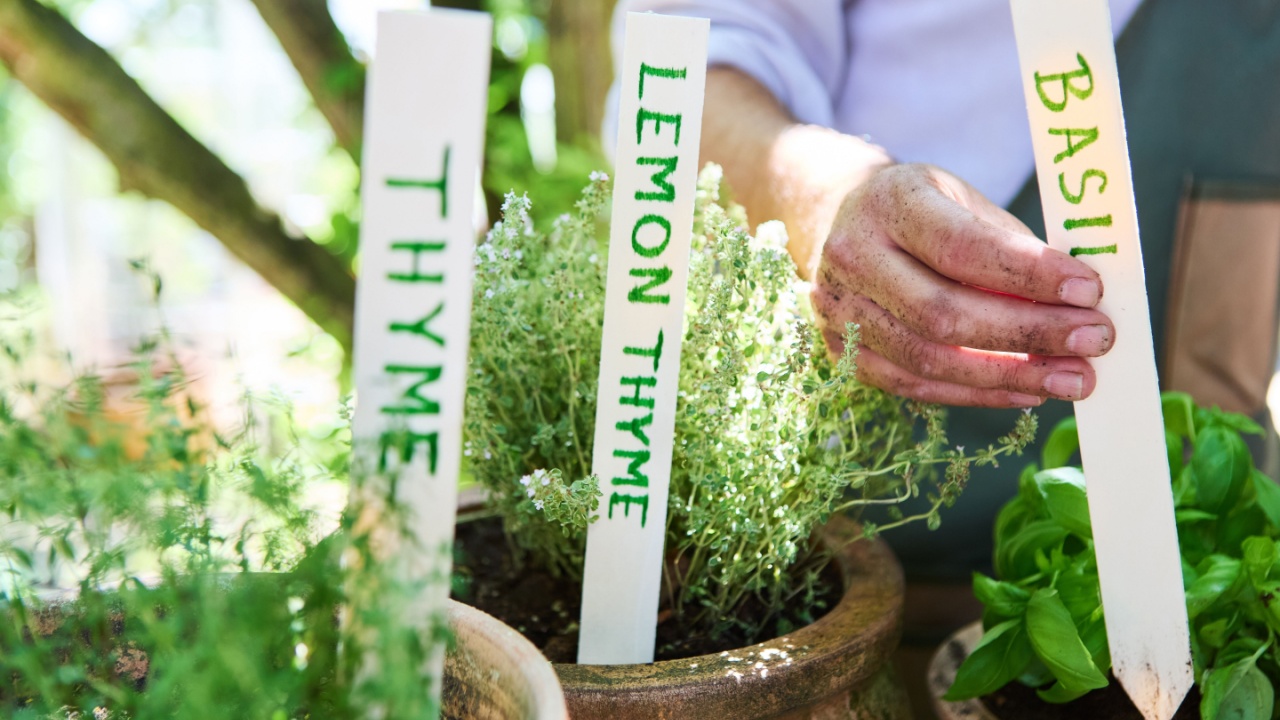
Thyme is a long-lived perennial in most climates. The Beginner’s Garden reports it “lasts year-round” in Zone 7 gardens. A single thyme plant, requiring full sun and good drainage, replaces years of grocery-store herb purchases with minimal ongoing effort.
10. Oregano
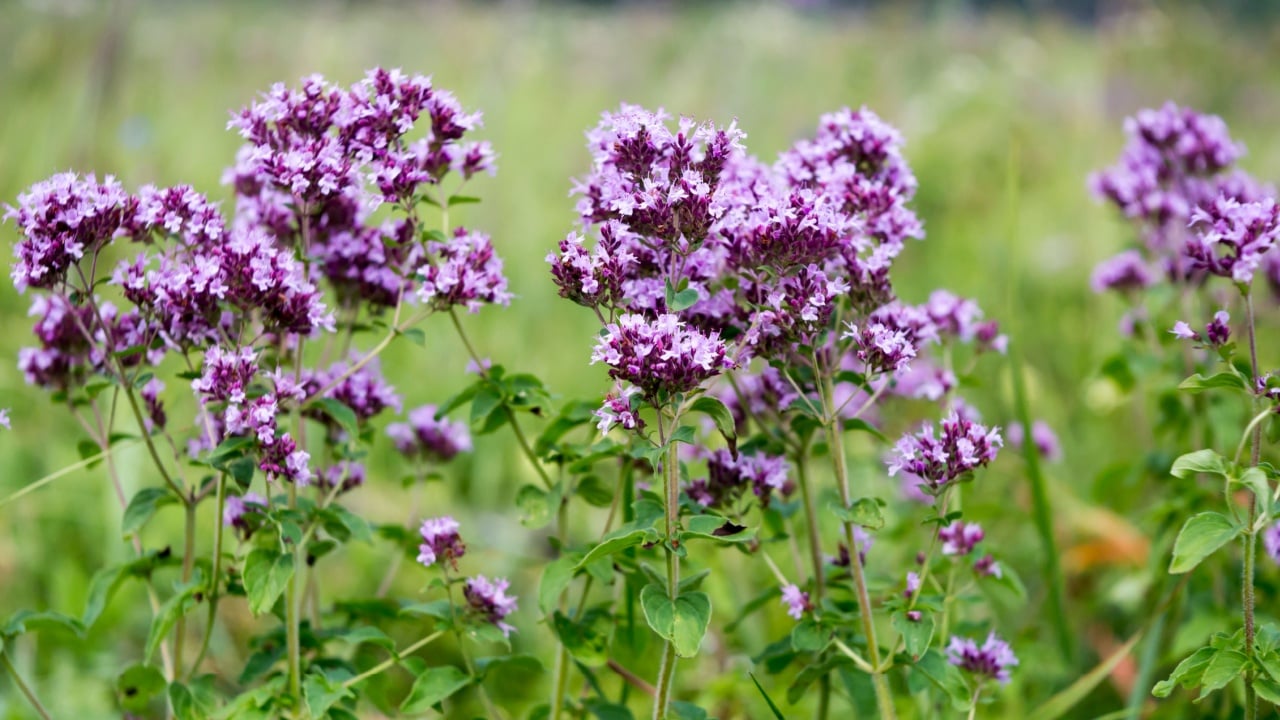
Oregano grows back reliably each year and produces in such abundance that most gardeners dry significant quantities for winter use. One plant from the garden center eliminates the need to buy dried or fresh oregano for years.
11. Dwarf Apple Tree
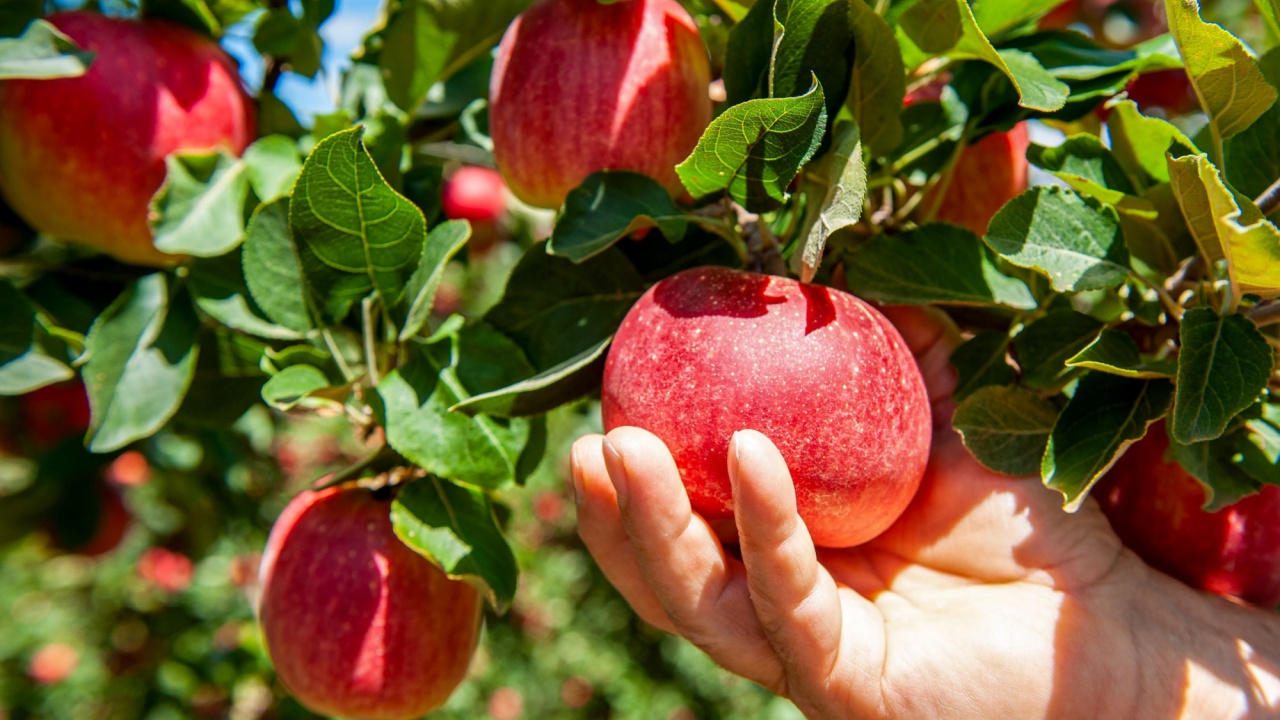
A single dwarf apple tree in a sunny, well-drained spot can produce 50 to 150 pounds of apples annually for 20 to 50 years. Disease-resistant varieties require almost no intervention once established. An initial investment of $30 to $60 for a quality bareroot tree pays for itself within the first few years of full production.
12. Elderberry
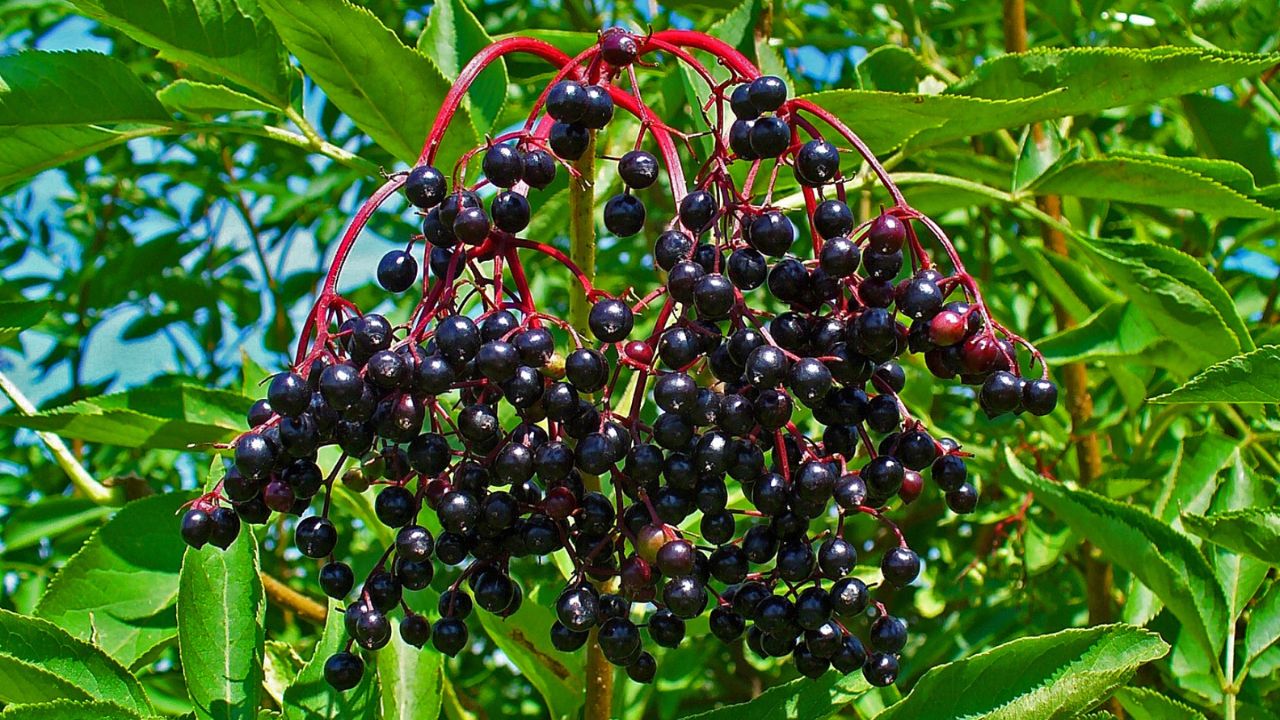
Dried elderberries for homemade syrup run $8 to $15 per pound.
Yet elderberry is among the easiest large shrubs to establish in the home landscape. It grows vigorously in almost any soil, tolerates partial shade, produces prolifically, and its flowers are edible as well. Once established, it asks for little beyond an annual prune and rewards you generously every summer.
How to Start a Permaculture Food Garden Without Spending a Fortune
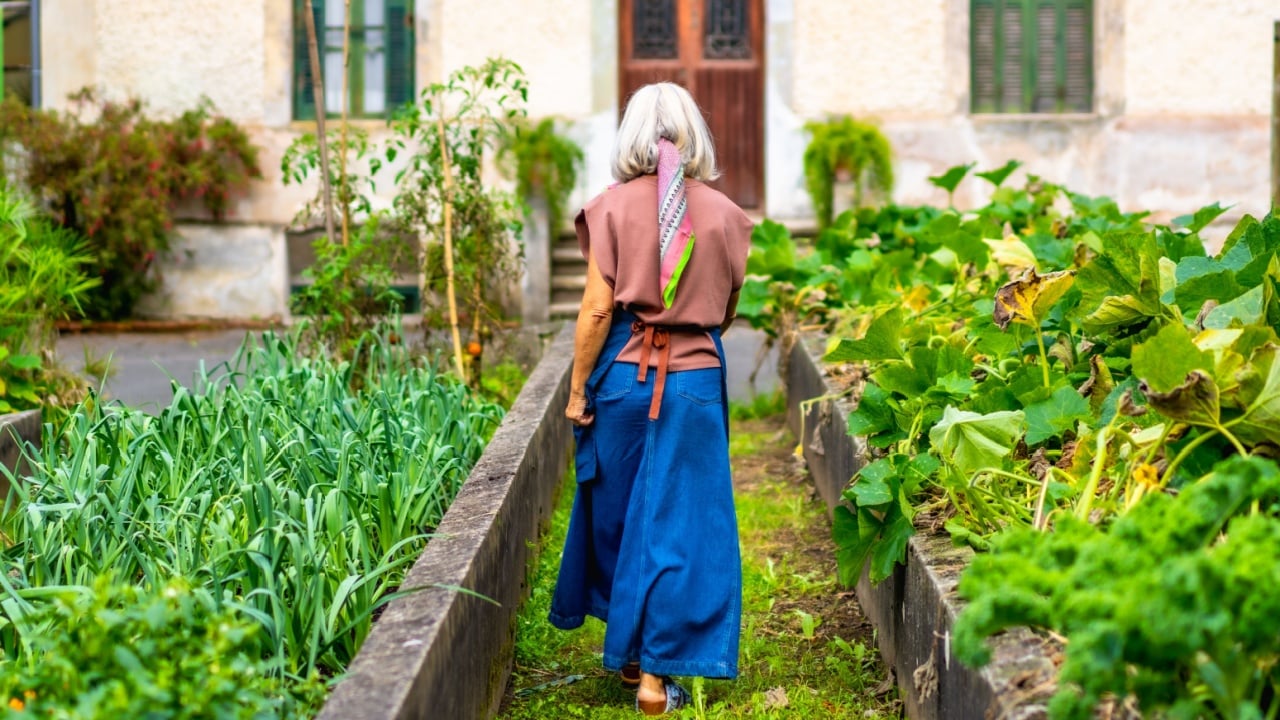
The fastest way to lose money on a garden is to over-invest in infrastructure before the first harvest. Permaculture’s core philosophy runs counter to this: use what’s available, reduce purchased inputs, and let the system build its own fertility over time.
August is one of the best months to start. Late summer is prime time for planting perennial herbs, ordering berry bushes for fall delivery, and preparing beds while the soil is warm and workable. Begin with three to five plants this season. Two blueberry bushes, a few currant or gooseberry starts, and a small collection of perennial herbs like oregano, thyme, and chives is a high-return strategy that costs well under $100. For mulch, contact a local tree service; most will deliver a load of wood chips for free, enough to suppress weeds across an entire food forest bed for multiple seasons. For plants, check with neighbors and local gardening groups: comfrey roots, mint divisions, walking onion sets, and strawberry runners are routinely shared at no cost, and late summer is when gardeners are most eager to thin and divide. The Old Farmer’s Almanac has long championed saving seeds from heirloom and open-pollinated varieties as a way to make the garden effectively self-funding after the first season, and August is when many of those seeds are ready to collect.
The most important thing to understand is that the first two years often look underwhelming. The blueberries are small, the herb bed is sparse, and your future prized peach tree is just a stick in the ground. That is exactly what it is supposed to look like. The payoff is not linear; it is exponential, and it begins in year three.
Read more:
Is Your House A Wildfire Target? 7 Things That Increase Your Risk At Home
Is The Heat To Blame for Your Struggling Vegetable Garden This Summer? Stop Making These 7 Mistakes