How to Transition Plants Indoors for Winter: 9 Mistakes to Stop Making This Fall
Your hibiscus probably won’t die from the cold this year. It will die from what you carry inside with it, and from the well-meaning care you lavish on it once it’s there.
Every fall, gardeners haul their summer patio stars through the back door the night before a frost warning and call it a rescue. Then come the yellow leaves, the fine webbing, and the cloud of tiny gnats over the sink. An extension agent with North Carolina State University admits to once discovering lizards and tree frogs living in houseplants weeks after bringing them in, and notes that fire ants often nest in the soil of outdoor containers. HGTV adds cockroaches to the list of common stowaways. Winter rarely kills a plant on the way in; we do, one hitchhiking bug and one extra cup of water at a time.
That matters right now, because the window is short. HGTV recommends moving houseplants in roughly four to six weeks before your average first frost, which means many of us are already running behind in October. Getting it right also pays. Geraniums, coleus, begonias, and other tender plants sold as annuals can come back every spring for free, and a single healthy geranium can yield six new plants by spring, according to Positive Bloom. If you’ve been gardening long enough to have a hibiscus or a lemon tree you’ve carried through a dozen winters, you already know how much a lost plant stings.
The good news is that nearly every overwintering failure traces back to a handful of predictable mistakes. Learn how to transition plants indoors for winter the right way, and you’ll skip the infestations, the leaf drop, and the spring shopping spree. Here are the nine habits to drop, starting with the one almost everyone gets wrong.
1. Stop Waiting for the First Frost Warning
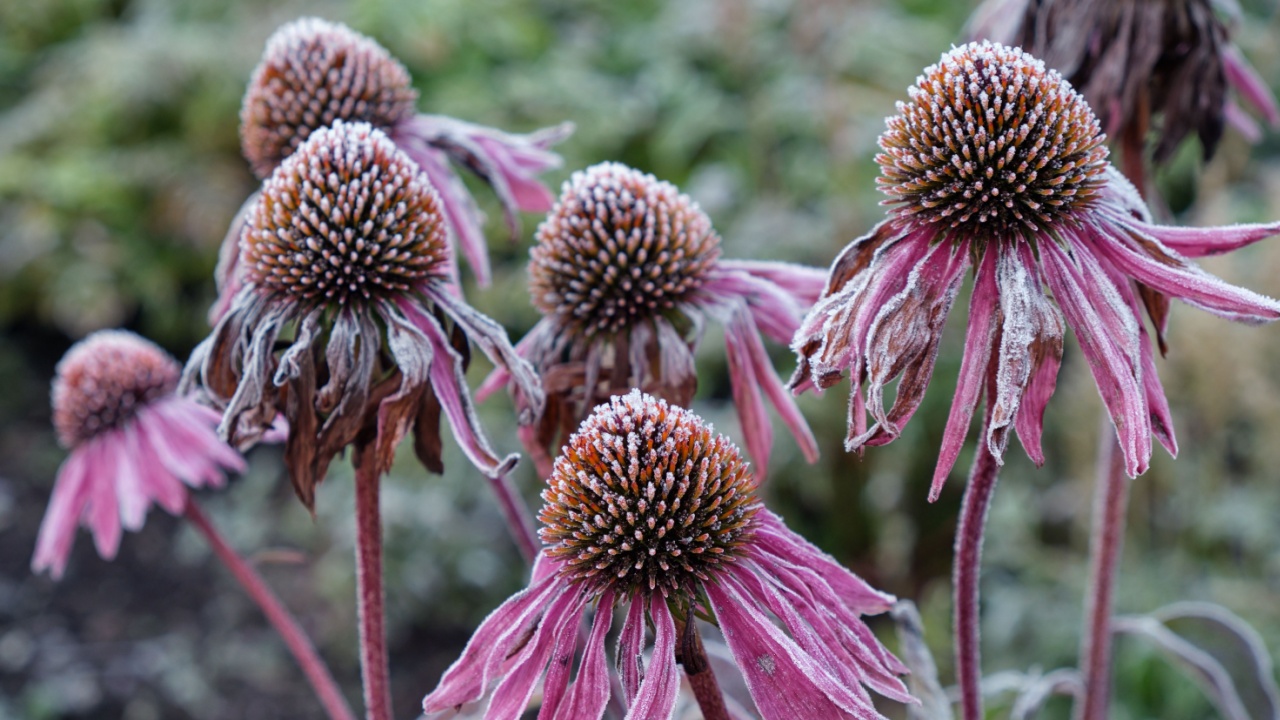
Frost is not the threshold that matters. The University of Minnesota Extension notes that, depending on the species, temperatures dipping below 45 to 50°F can damage houseplants, and B.B. Barns Garden Center recommends bringing plants in once nights fall below 55 degrees. As HGTV puts it, “autumn’s chilly temperatures can reverse all that thriving in just one evening.” Watch the overnight lows this October, not the frost map.
2. Never Carry a Plant Inside Without Debugging It First
Outdoors, aphids, mealybugs, scale, and spider mites are kept in check by predators. Indoors, HGTV notes, they have none, and they thrive. “If you don’t do anything, you’ll be fighting them all winter,” warns the Chicago Botanic Garden. Your grandmother’s washtub trick still holds: soak small pots for about 15 minutes in warm water with a few drops of mild dish soap, a method both HGTV and the University of Minnesota Extension endorse. Skip the soak for cacti and succulents and use an insecticidal spray instead.
3. Don’t Ignore the Hitchhikers You Can’t See
The worst stowaways live in the soil. Penn State Extension warns that fungus gnats often go unnoticed until plants are already inside and, surprisingly, that soap, oil, and neem products don’t give lasting control of the adults. Garden Design advises checking drainage holes, where slugs like to hide. Then there are the bigger surprises. “I have made the mistake of bringing in plants without checking them closely,” confesses the North Carolina State Extension agent who later found frogs in the foliage. Tip each pot out, look at the roots, and poke the soil before anything crosses your threshold.
4. Stop Setting Newcomers Next to Your Year-Round Houseplants
One infested pot can seed an entire windowsill. Dammann’s Garden Company is blunt: “Quarantine all the outdoor plants away from other houseplants for 2 weeks.” A spare bedroom or bright garage works. Check every few days, and if one plant is badly infested, HGTV recommends discarding it rather than risking the rest.
5. Avoid Hauling Everything In on a Single Night
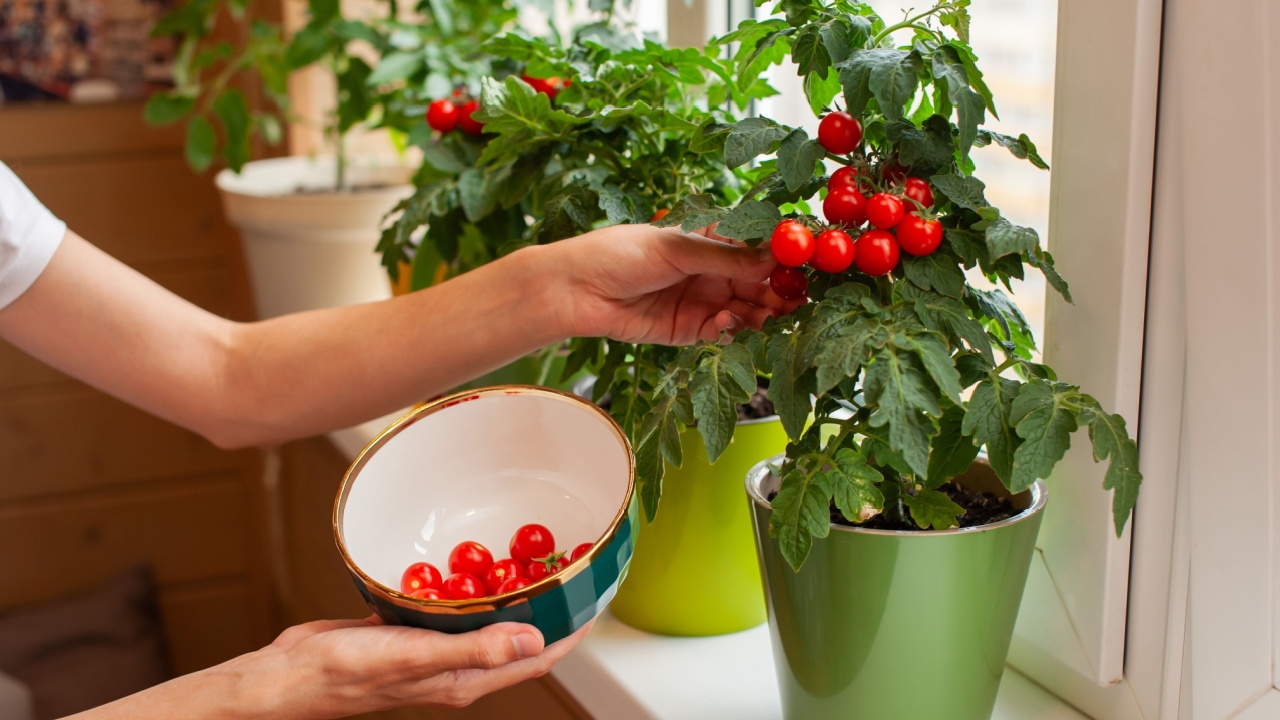
Nature Hills Nursery estimates that most indoor environments deliver only 10 to 20 percent of outdoor light intensity. A plant grown in full sun simply can’t power all its leaves in a living room. “Don’t rush your plants from sun to shelter,” Nature Hills advises. Instead, park them in shade for a few days, then bring them in at night and out by day over about a week. Expect a little leaf drop anyway; the University of Kentucky Extension calls it normal.
6. Stop Repotting and Pruning Right Before the Move
It’s tempting to tidy up, but “the plant migration itself causes stress and repotting compounds that,” explains B.B. Barns. Fresh soil can also trigger new growth at the worst possible time, according to Nature Hills. Save repotting for spring. If a plant truly must be cut back, B.B. Barns recommends removing no more than a third of it.
7. Stop Watering on Your Summer Schedule
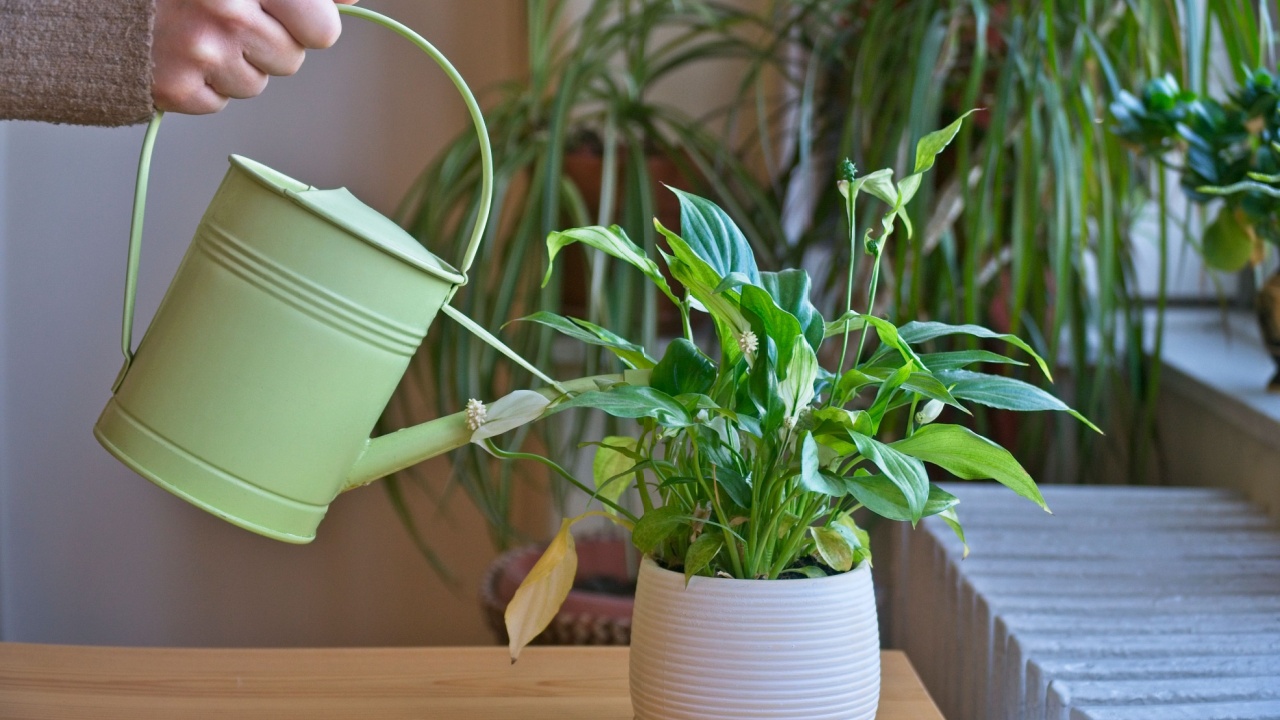
This is the villain behind more winter losses than any bug. HGTV calls overwatering a primary reason houseplants die, and Nature Hills estimates most houseplants need 50 to 75 percent less water from November through February. Water only when the top couple of inches feel dry, and put the fertilizer away until spring. As House Digest put it, “don’t kill them with kindness.”
8. Never Park Plants by the Furnace Vent
Drafts and dry heat are silent killers. Gardening coach Denise Hodgins writes in the London Free Press that “the draft from the furnace can often stress a plant to death.” The University of Kentucky Extension notes that most heated homes sit at just 10 to 20 percent humidity in winter, so group plants together or set them on pebble trays.
9. Stop Trying to Save Every Single Plant
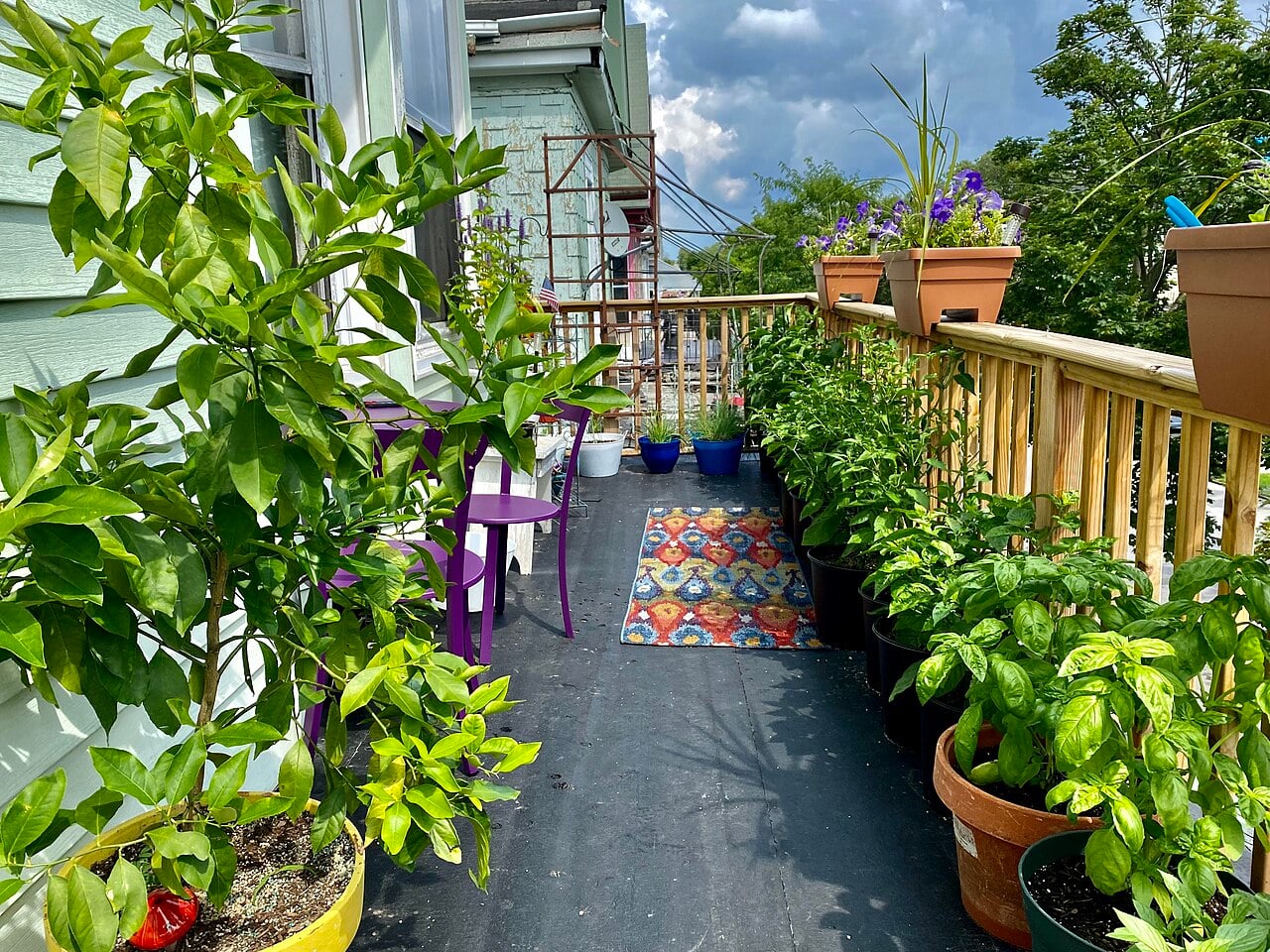
Here’s what garden center staff knows and rarely say out loud: not everything deserves window space. Garden Design notes “there’s no point in trying to prolong the life of true annuals” like marigolds and petunias. B.B. Barns adds that cheap, fast growers like coleus can simply be rebought, and that sickly plants won’t improve indoors. For favorites too big to move, take 4-inch cuttings of geraniums, coleus, begonias, or impatiens, as the University of Minnesota Extension suggests. For elderly gardeners, a tray of cuttings on the windowsill is far kinder to the back than wrestling heavy containers up the steps.
Your October Game Plan
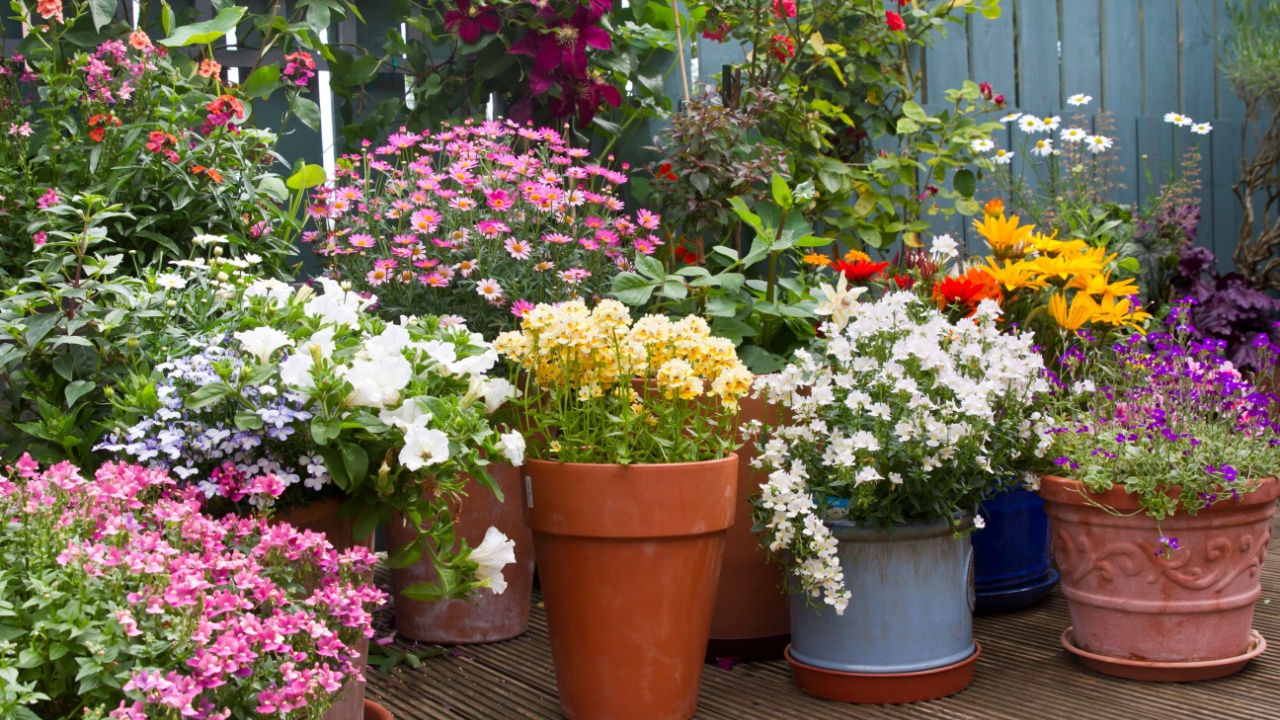
This weekend, sort your containers into three piles: keep, take cuttings, and compost. Debug the keepers, give them a week of shade, then quarantine them for two weeks before they join the rest of your collection. The University of Vermont Extension notes that overwintering lets you keep favorites and “save the expense of purchasing replacements in the spring.” With fancier hybrids running more than $4 a pot, according to Chet’s Garden Center, saving even a dozen plants keeps close to $50 in your pocket next May.
Bringing plants indoors isn’t a single heave through the doorway; it’s a slow handoff. Better Homes & Gardens suggests you “consider winter as a resting period for your plants after a productive summer.” Treat it that way, keep the watering can in check, and keep the bugs outside where they belong. Your plants will be back on the patio next spring, bigger than ever.
Read More
The 7 Best Garden Items to Thrift This Fall
9 Smart Ways to Save Money in the Garden Before Fall Ends