8 Beginner Container Garden Mistakes That Are Quietly Wasting Your Money
Most people spend over $100 on their first container garden and watch everything die within six weeks. Not because they lack a green thumb or because container gardening is hard, but because they make the same three fixable mistakes that no garden center will warn them about before ringing up the sale.
These failures feel personal. You blame yourself, assume you are not cut out for growing things, and swear off gardening entirely. But the problem was never you. It was the soil you used, the pot you chose, and the watering habits you were never taught to question. Experienced gardeners know this, but beginners rarely hear it until after they have already tossed their first gardening attempt in the trash.
The payoff for getting this right is real. According to the University of Connecticut Extension, a modest $70 investment in seeds and plants can produce over $600 worth of fresh produce in a single growing season. Even a few herbs in pots can replace $3 to $5 worth of grocery store packages every week. July is still prime time to start; lettuce, basil, and radishes grow fast enough to harvest before fall. Even though it may feel like it, you have not missed the gardening window.
Here are the eight mistakes that are quietly draining your wallet and killing your plants, along with suggestions for what actually works instead.
1. Using Garden Soil Instead of Potting Mix
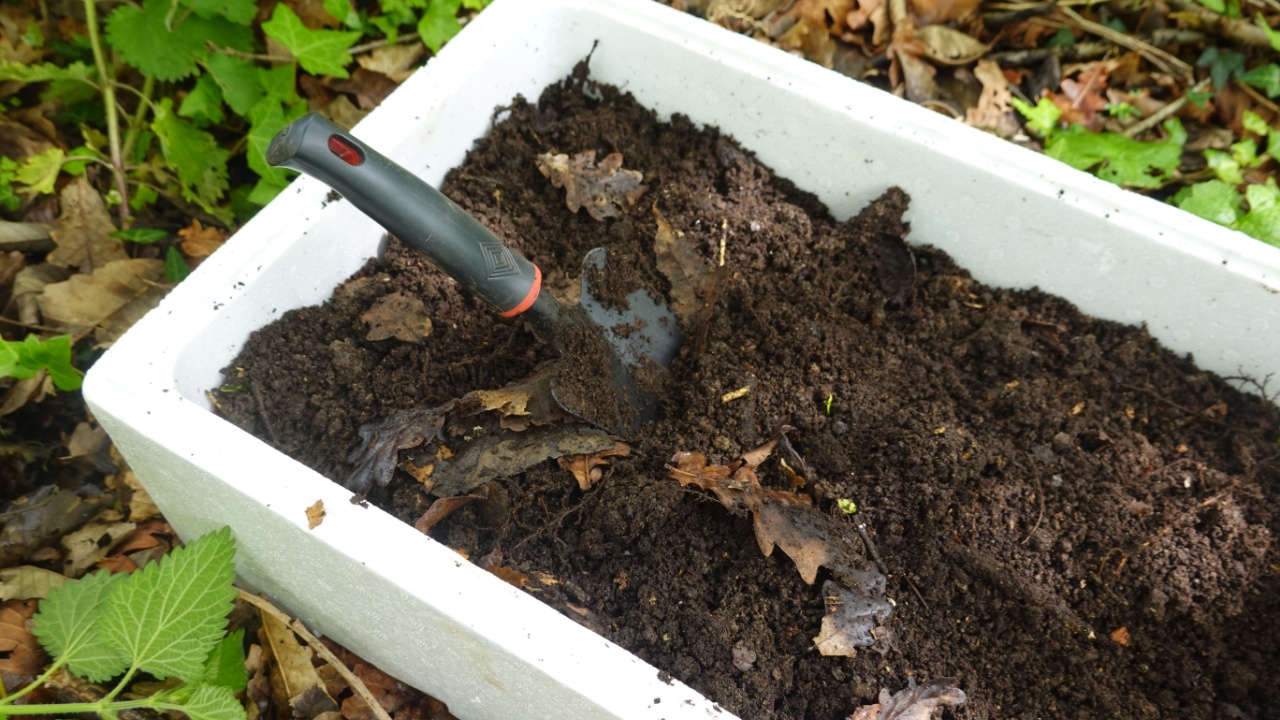
This is the mistake that kills more container gardens than anything else. Garden soil looks fine in the ground, but inside a pot it compacts into a dense, airless mass that suffocates roots and traps water. The UC Master Gardeners of Santa Clara County are blunt about it: “Do not use planting mix, garden soil, or topsoil as your primary soil component. These can result in compacted soil or are otherwise unsuited as a container medium.”
Your grandmother knew this instinctively. She filled her porch pots with something light and crumbly, not scooped from the yard. A bag of quality potting mix costs $8 to $12, filling four to six containers, and it is the single cheapest insurance policy for your entire garden.
2. Buying Pots That Are Too Small
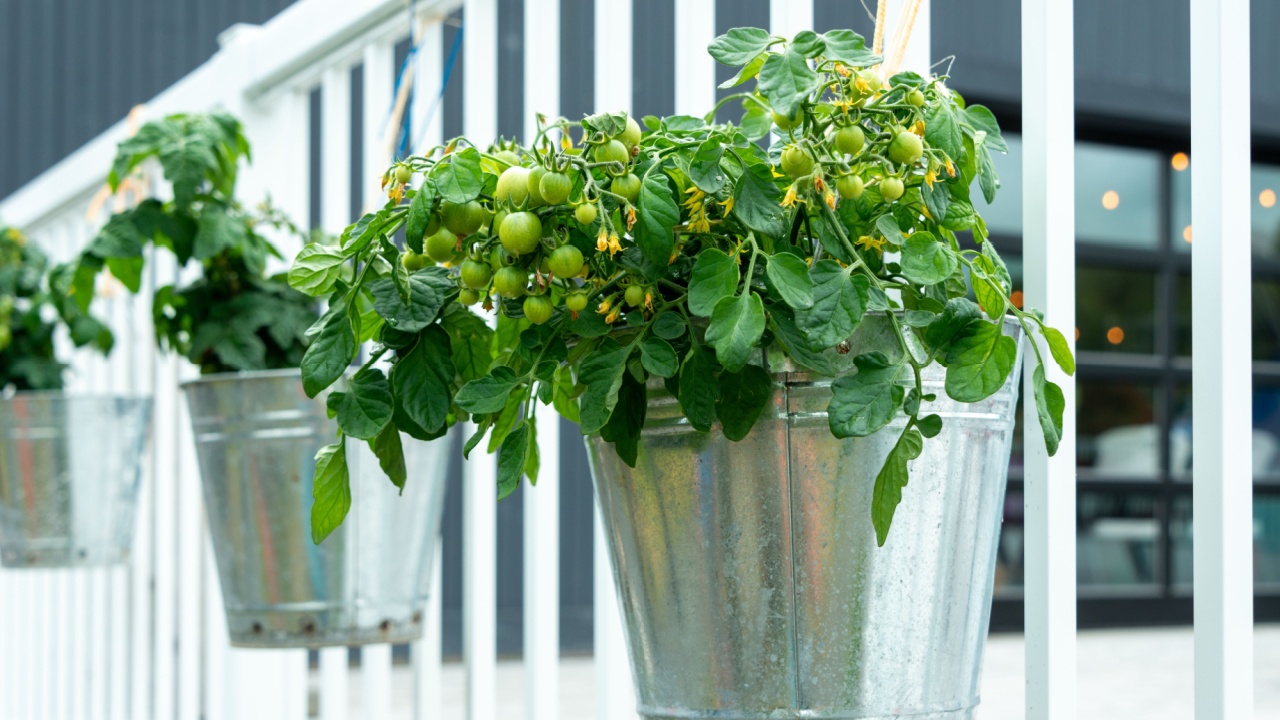
Small pots are the number one regret among first-time container gardeners. A six-inch pot looks adorable at the nursery, but it dries out in hours, stunts root growth, and requires watering multiple times a day in summer heat. According to Better Homes & Gardens, bigger pots dry out more slowly and are significantly more forgiving for beginners.
The fix is counterintuitive for budget-conscious gardeners: spend less on the pot itself. Fabric grow bags cost under $2 each, hold five gallons of soil, and actually outperform expensive ceramic planters because they allow roots to breathe. A five-gallon grow bag is large enough for a full tomato plant. A 12-inch pot handles three to four herbs comfortably. Go bigger than you think you need.
3. Skipping Drainage Holes
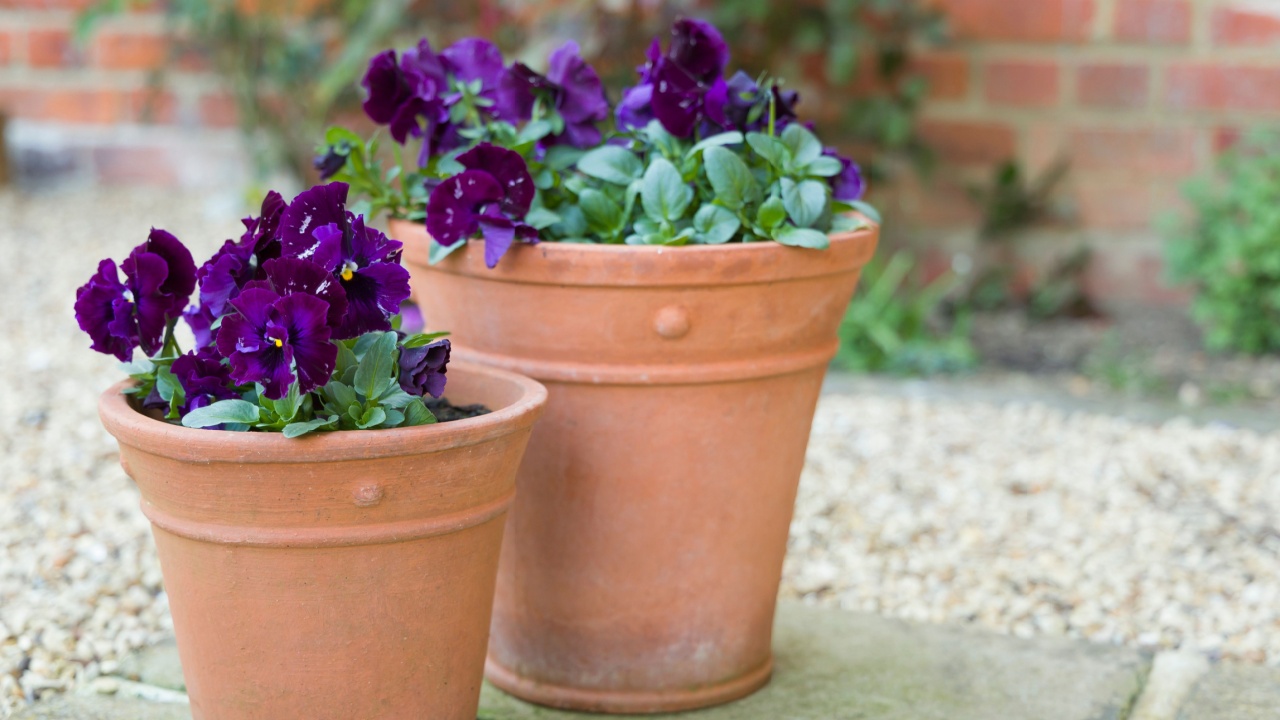
Every season, beginners fall for beautiful decorative pots that have no drainage holes. Within two weeks, the soil is waterlogged, roots are rotting, and the plant is beyond saving. This is not a minor detail; it is a dealbreaker.
According to Garden Design Magazine, drainage holes are essential to prevent waterlogged roots. If your pot does not have them, drill them yourself or place a nursery pot with proper drainage inside the decorative container. Standing water in undrained pots also creates a breeding ground for mosquitoes, which is another reason to fix this before planting.
4. Putting Gravel at the Bottom of Pots
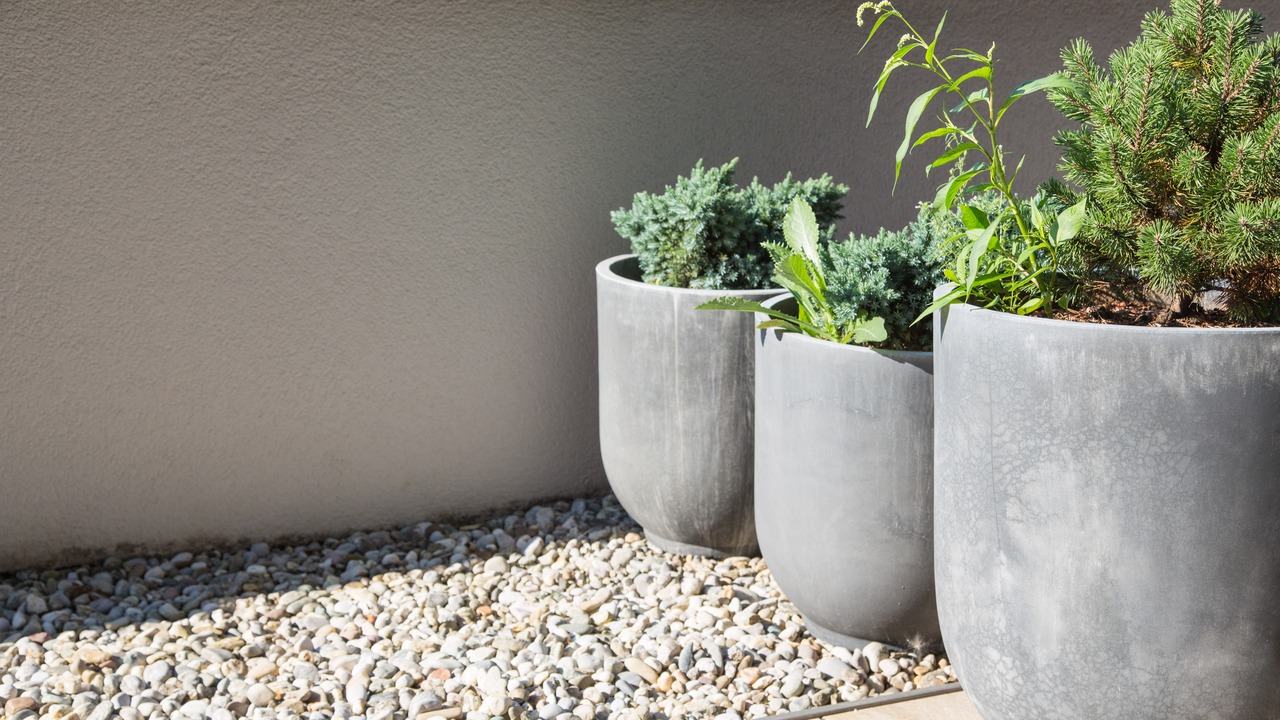
This is the myth that refuses to die. Generations of gardeners have been told to layer gravel, rocks, or broken pottery at the bottom of containers to “improve drainage.” The science says the opposite. Horticulturist Janet Sluis, writing for Garden Design Magazine, states clearly: “Adding a layer of rock to the bottom does not help with drainage. Studies have found this actually has the opposite effect.”
What happens is called a perched water table. The boundary between the gravel and the soil above it causes water to pool in the soil layer rather than drain through. Your grandmother may have done this, but this is one old habit that science has firmly retired. Skip the gravel and fill the entire pot with potting mix. Your plants will thank you.
5. Watering on a Schedule Instead of by Feel
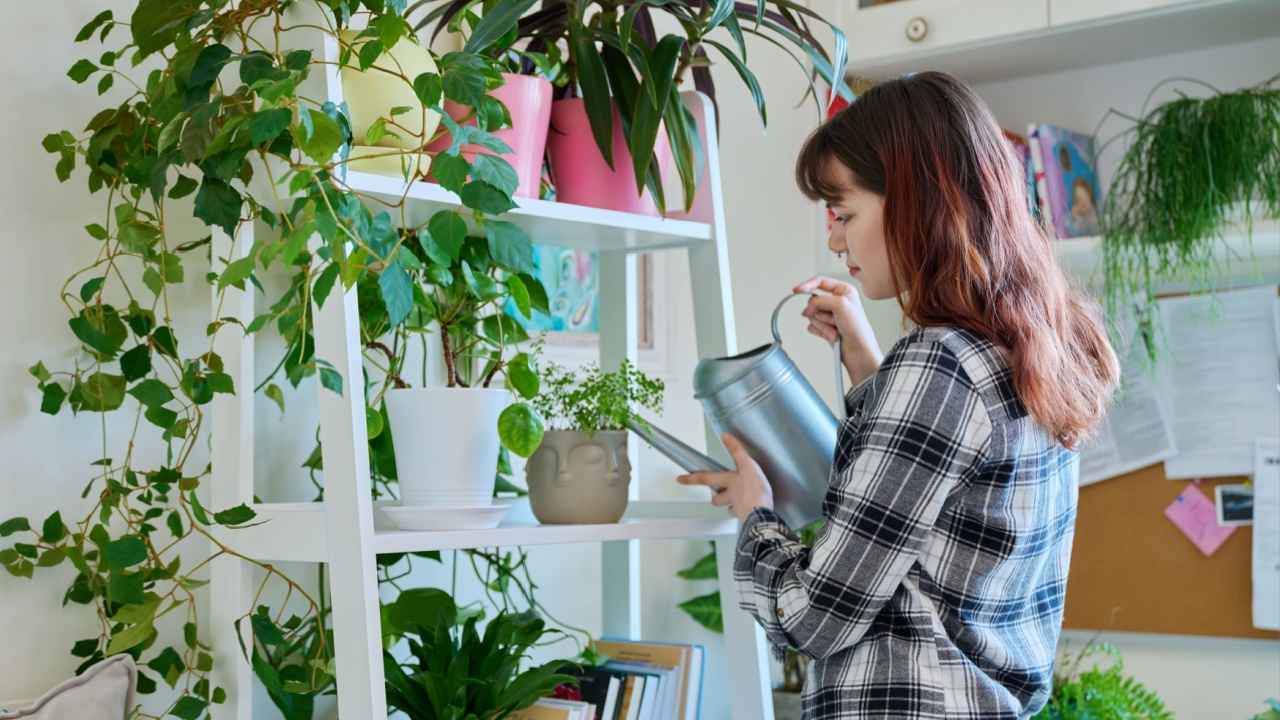
Watering every Tuesday and Friday sounds responsible, but it ignores reality. Containers dry out at different rates depending on pot material, wind exposure, sun, temperature, and the plant itself. A terracotta pot in direct sun can dry out in four hours. A plastic pot in the shade might stay moist for three days.
The method that actually works is the finger test, and it takes five seconds. Push your finger one inch into the soil. If it feels dry, water it until it runs out the bottom. If it is still damp, leave it alone. For gardeners over 50 who have been watering on a fixed schedule for decades, this simple shift can feel like a revelation. It saves water, saves plants, and saves the money you would spend replacing them.
6. Never Fertilizing After Planting
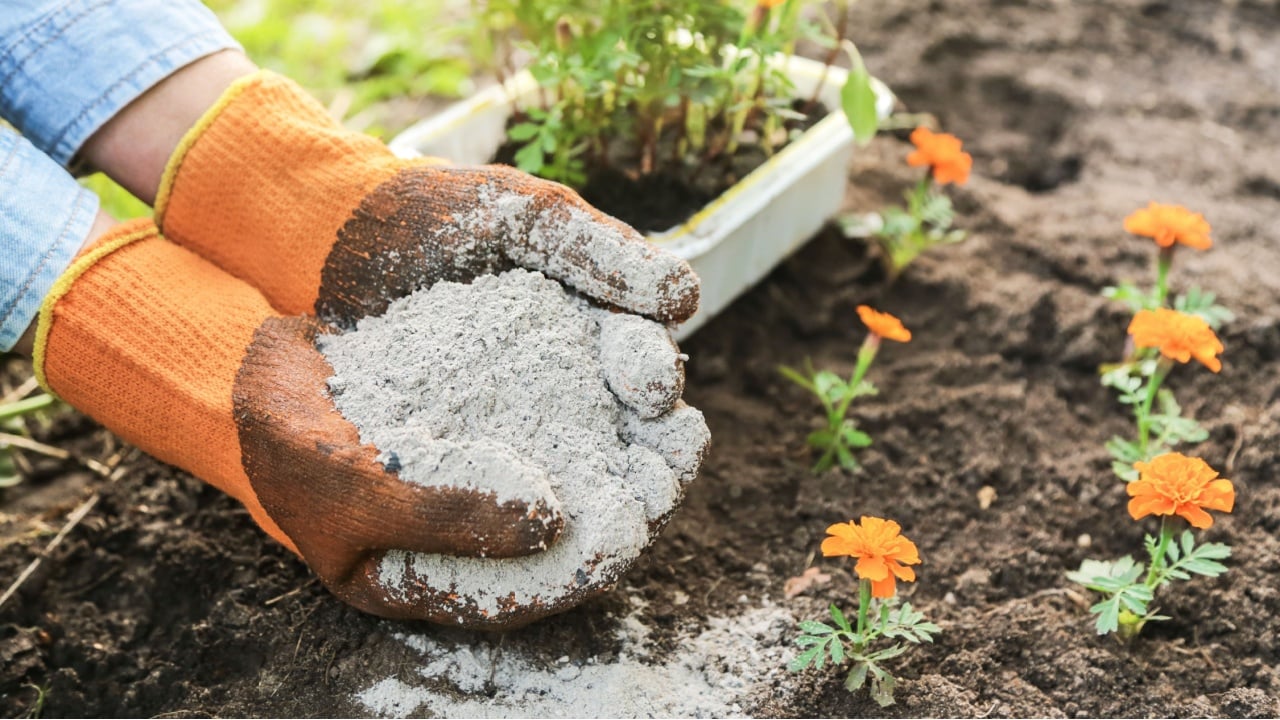
Potting mix comes with some nutrients, but they wash out with every watering. Within a few weeks, the soil is nutritionally empty, and plants begin to yellow, stunt, and produce nothing. Experienced gardeners call this “the midsummer stall,” and beginners almost always blame the plant instead of the soil.
According to the UC Master Gardeners, container plants need frequent, light fertilizing because nutrients are leached from the soil with every watering and need to be replenished. A water-soluble fertilizer applied every two weeks costs pennies per feeding. Alternatively, mix slow-release granules into the soil at planting time for hands-off nutrition all season.
7. Planting Without Checking Sun Requirements
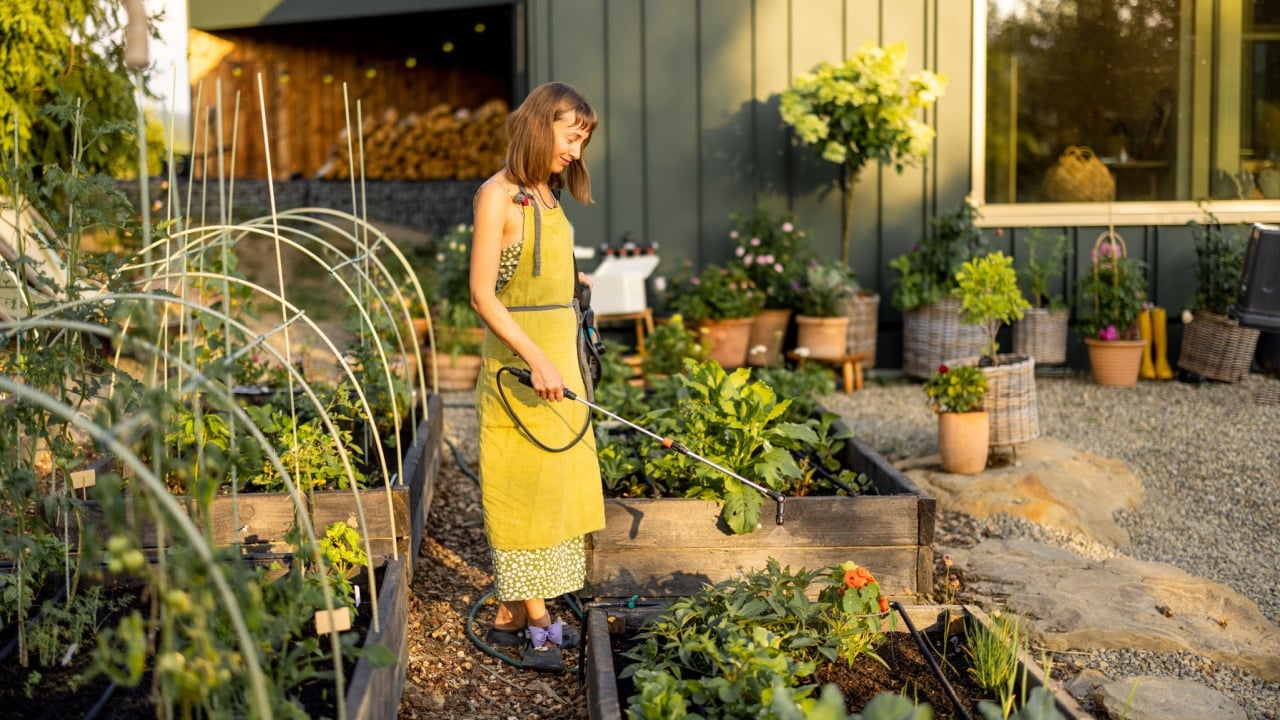
Most vegetables need six to eight hours of direct sunlight daily. Most apartment balconies and north-facing patios get far less. Planting tomatoes in a spot that receives three hours of filtered light is not optimistic; it is a guarantee of failure.
Before spending a dollar, spend a day watching your space. Note where the sun falls and for how long. If you have fewer than six hours of direct sun, focus on leafy greens, herbs like mint and parsley, and lettuce, which tolerate partial shade.
8. Cramming Too Many Plants Into One Pot
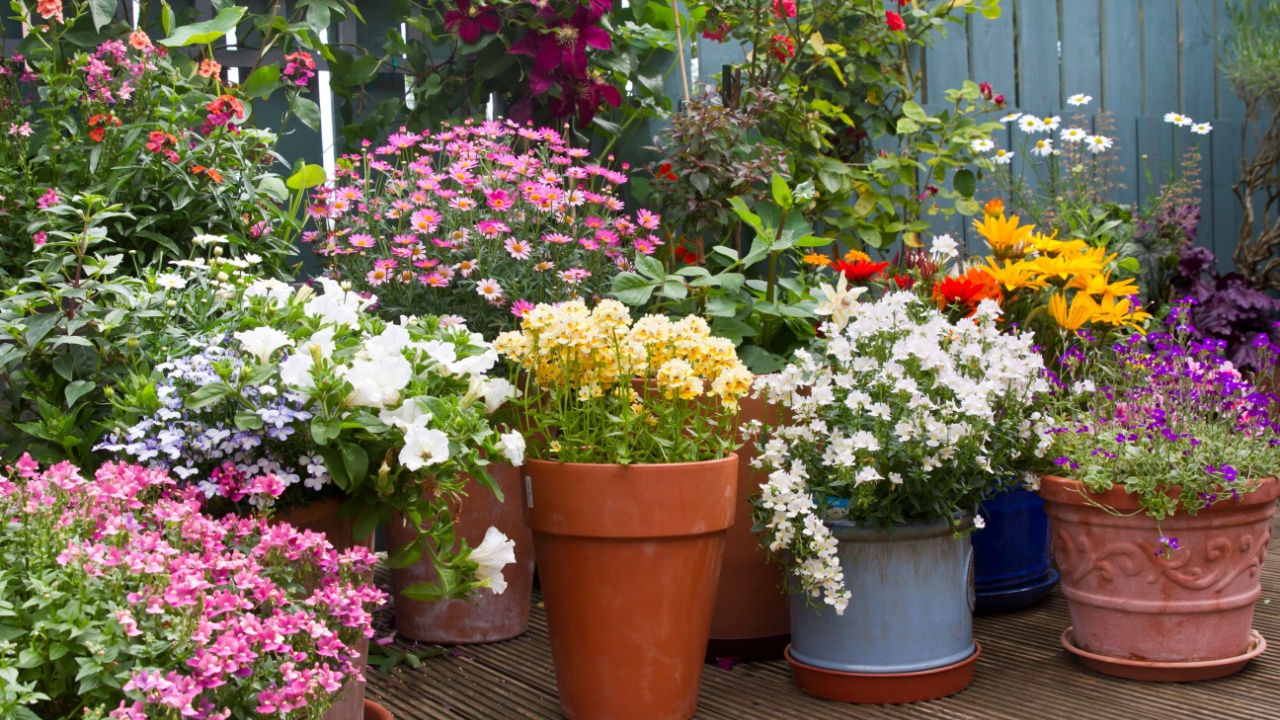
It is tempting to fill every inch of soil with something green, but overcrowding forces plants to compete for water, nutrients, and light. Everything underperforms. A single tomato plant in a five-gallon container will outproduce three tomato plants crammed into that same space every time.
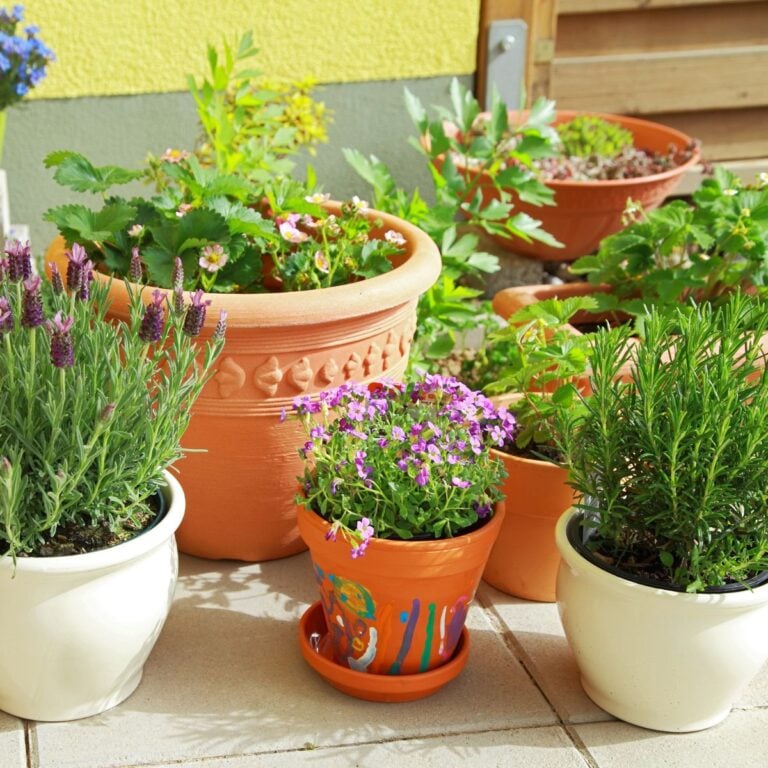
A good rule: one tomato or pepper per five-gallon pot, three to four herb plants per 12-inch container. This also helps with aesthetics. A few well-maintained containers with healthy, thriving plants look far better than a chaotic cluster and are much less likely to draw attention from an HOA. Some homeowner associations restrict container placement and plant types, so if you live in a managed community, a clean and intentional setup is your best defense.
The Easiest Container Garden for Under $50
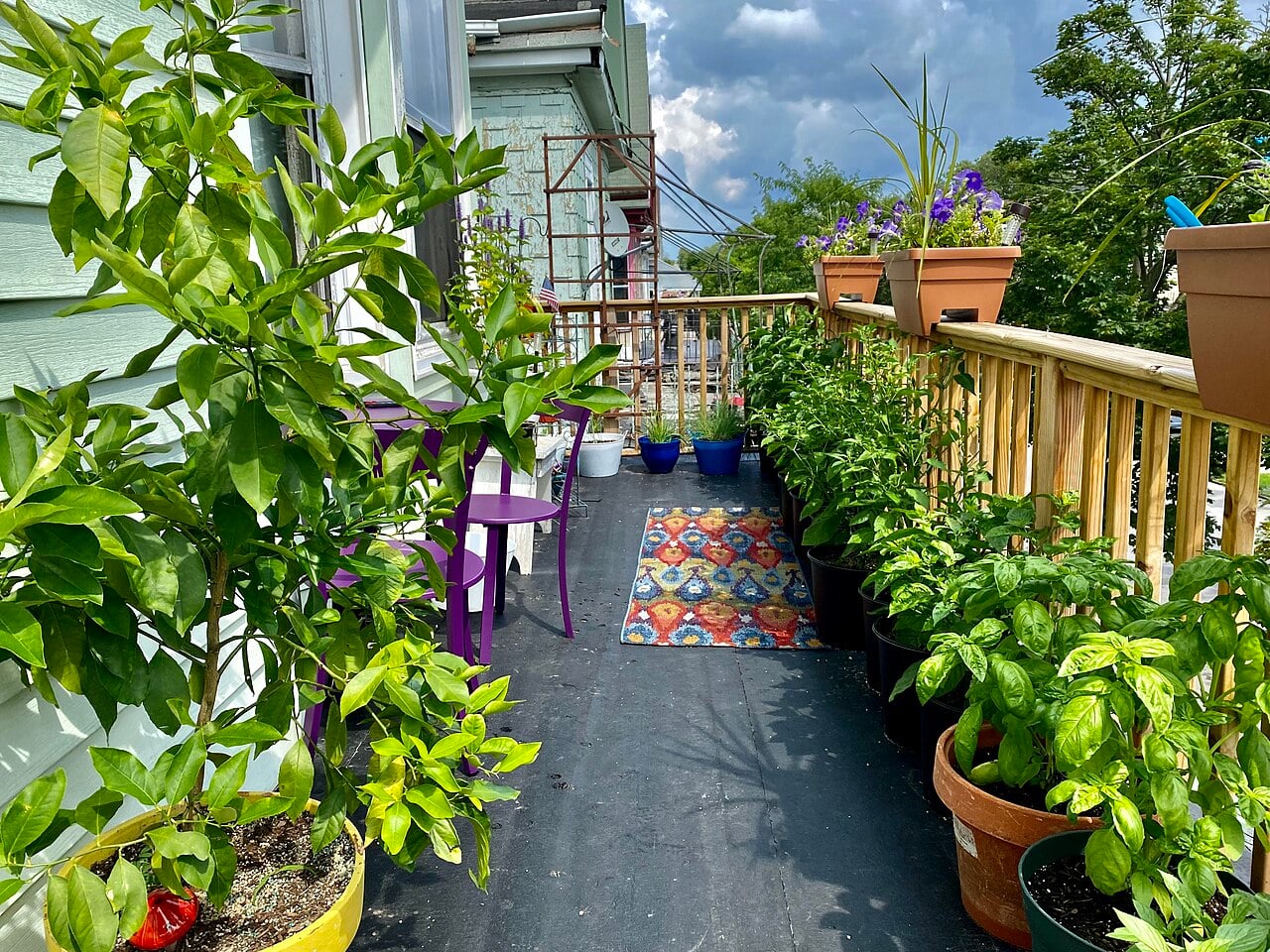
Here is a beginner setup that actually works, costs under $50, and will produce food within weeks.
Buy two five-gallon fabric grow bags for about $4 total, one 20-quart bag of quality potting mix for $10, a pack of slow-release fertilizer for $8, one cherry tomato seedling for $4, one basil plant for $3, and a packet of lettuce seeds for $3. That is roughly $32 for a garden that will feed you fresh herbs, salads, and tomatoes from now through October.
If you want to expand later, add a pot of mint (it propagates for free from cuttings), a container of rosemary, or a grow bag of radishes. Each addition costs almost nothing and stretches the harvest further.
Start Small, Start Now
You do not need a yard. You do not need expensive equipment. You do not need years of experience. You need one good pot, the right soil, and five minutes of attention a day.
The real enemy of beginner container gardens was never a lack of skill. It was garden soil in a drainage-free pot, watered on a calendar, topped with a layer of gravel that made everything worse. That setup was doomed before the first seed ever hit the dirt.
There is still time this July. Whether you are growing your first herb pot on a sunny windowsill or downsizing from a backyard garden to something easier on your knees and your schedule, containers are the simplest path to fresh food for almost nothing. Start with one pot. Get it right. Then grow from there.
Read more:
Container Gardening Ideas For Beginners
Why Senior Gardeners Are Switching to Container Gardens