6 Plants That Don’t Do Well in Terra Cotta Pots
Terra cotta pots look timeless on a patio, porch, or windowsill. Their warm color and natural feel make them easy to love, but they are not the right match for every plant.
The problem comes down to how terra cotta behaves. It is porous, so it pulls moisture from the soil and lets water escape faster than many other container types.
That quick-drying action can help plants that like lean soil and dry roots. It causes trouble for plants that need steady moisture, acidic conditions, or extra protection from cold weather.
Some plants struggle in terra cotta almost from the start, while others decline more slowly. Here are six plants that usually do better in a different kind of pot.
1. Peace Lily
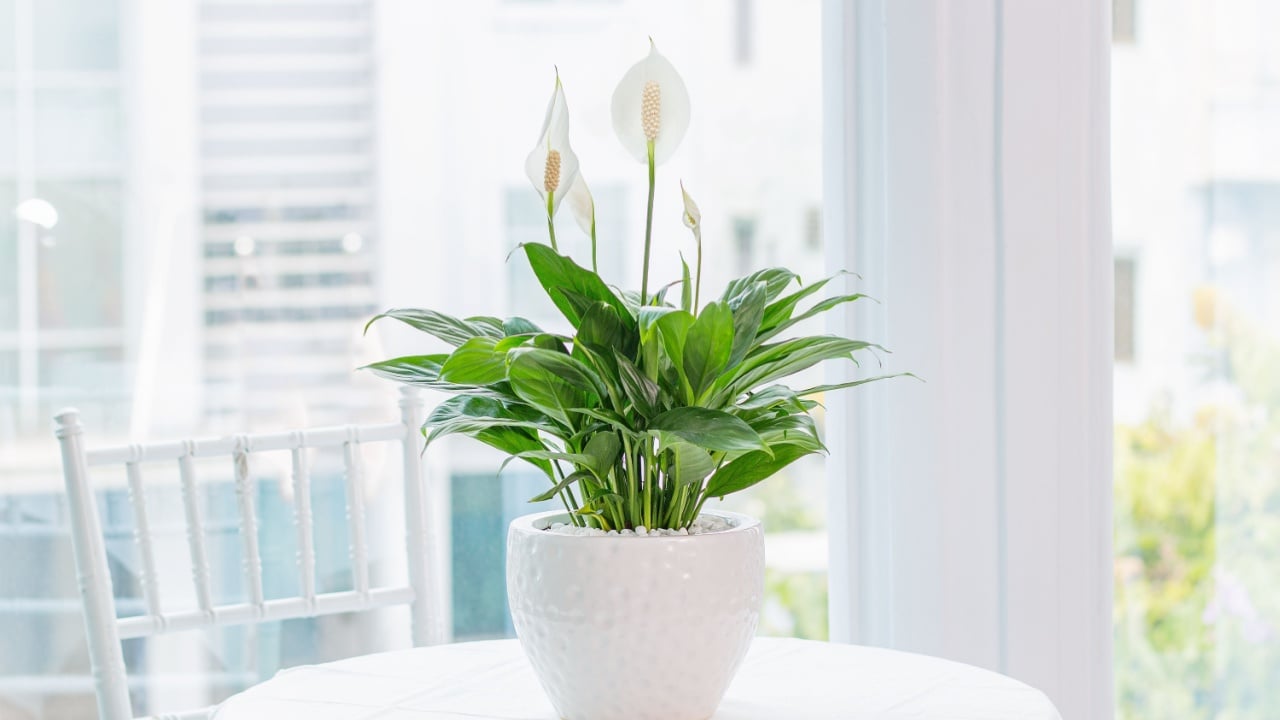
Peace lilies like evenly moist soil, and terra cotta makes that harder to maintain. The clay walls absorb water, which means the potting mix dries faster than it would in plastic, glazed ceramic, or resin containers.
A peace lily in a terra cotta pot often starts to droop between waterings, even when the plant seemed fine a day earlier. Repeated drying stress can lead to brown leaf tips, weak growth, and a plant that always looks a little tired.
A glazed ceramic pot is often a better fit for this plant because it slows moisture loss and gives the roots a more stable environment. If a peace lily must stay in terra cotta, it usually needs a rich potting mix that holds water well and a closer watering schedule.
Grouping it with other humidity-loving plants can help reduce stress on the leaves. A cachepot or liner pot can also make care easier while keeping the same look indoors.
2. Ferns
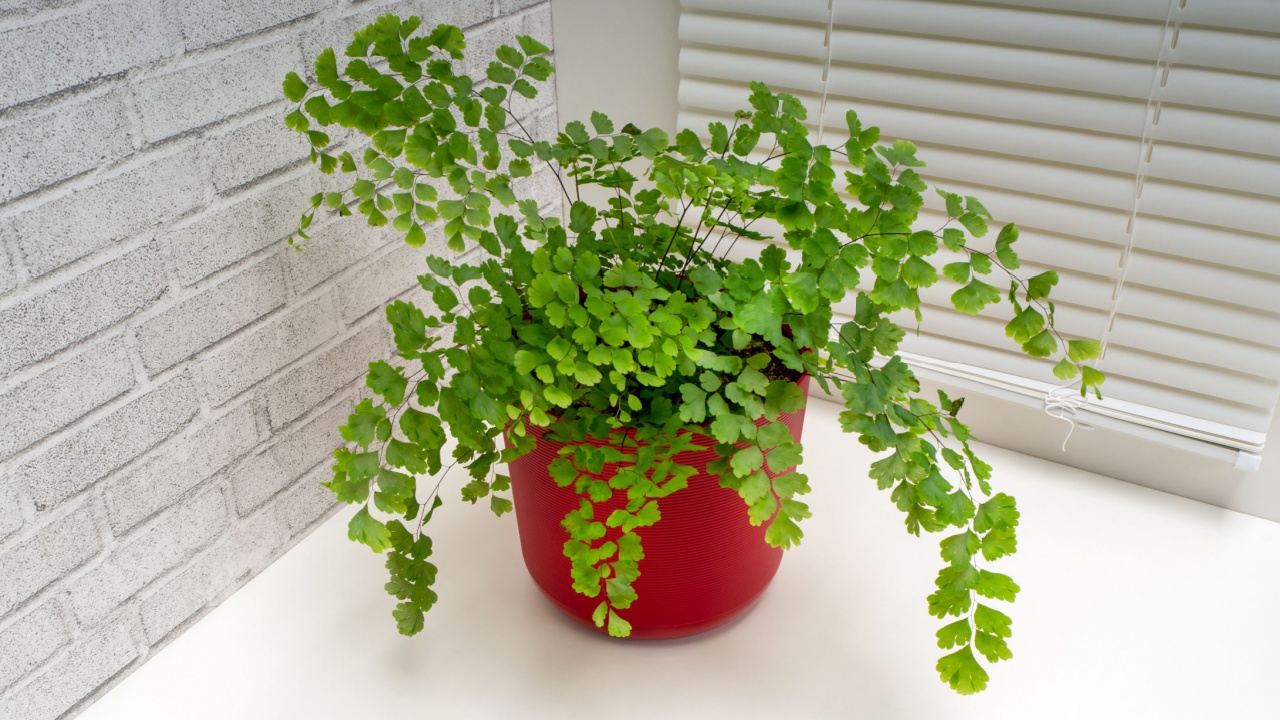
Most common ferns need moisture around their roots on a regular basis, and terra cotta works against that need. The porous clay pulls water away from the soil, so the root zone dries faster than many fern species can handle.
Boston ferns, maidenhair ferns, and bird’s nest ferns are all known to suffer when their potting mix swings from damp to dry too often. That stress usually shows up as browning fronds, crisp edges, and thinning growth.
A plastic nursery pot set inside a decorative outer pot is often a much better choice for ferns. It helps the soil stay damp longer, which suits their shallow root systems and steady water needs.
A potting mix with peat, coco coir, or fine bark can help hold moisture without turning soggy. Regular misting does little for root health, so the pot and soil choice matter much more than leaf spraying.
3. Venus Flytrap
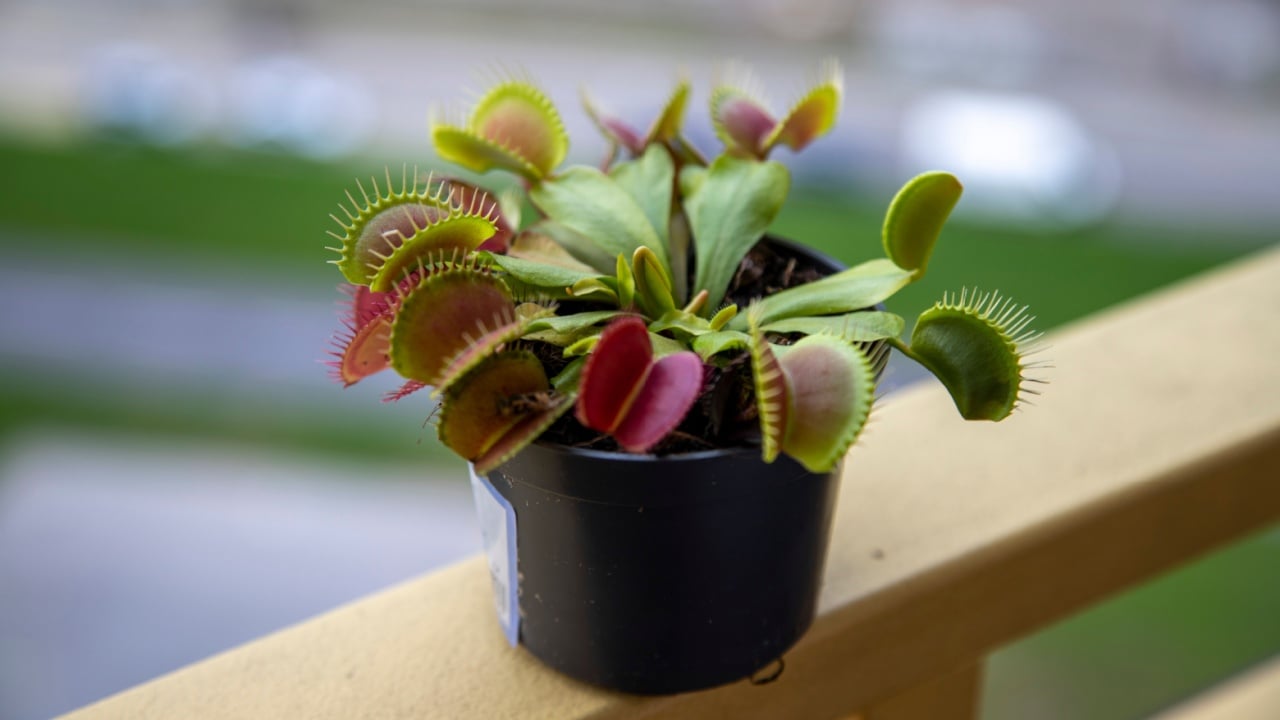
Venus flytraps are far more particular than many houseplants, and terra cotta often creates several problems at once. These carnivorous plants need soil that stays moist and low in minerals, yet terra cotta can dry the mix too fast and may release mineral residues into the growing medium.
Venus flytraps are sensitive to salts and nutrients that many other plants tolerate well. Once the roots are stressed, traps may blacken early, and new growth often weakens.
Plastic pots are usually preferred for Venus flytraps because they hold moisture better and do not interact with the soil in the same way. These plants grow best in a simple mix of sphagnum peat moss and perlite or silica sand, watered with rainwater, distilled water, or reverse osmosis water.
A shallow tray method is often used to keep the soil consistently moist during active growth. With this plant, the container material is not a small detail, since it can directly affect survival.
4. Evergreens
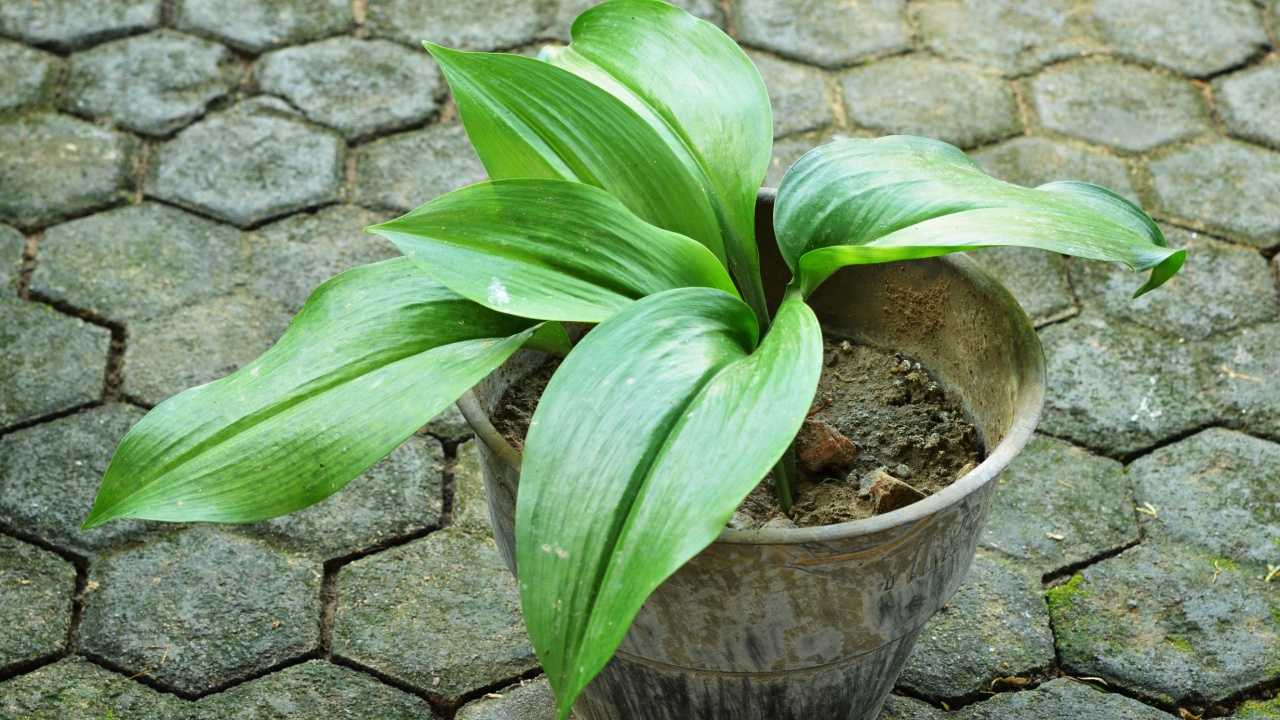
Small evergreens in containers face a different issue with terra cotta, especially in cold climates. Standard terra cotta absorbs moisture, and when that moisture freezes, the pot can crack or break apart.
At the same time, evergreen roots can dry out in winter winds because the soil in porous pots loses water faster than many gardeners expect. That combination makes a basic terra cotta pot a poor long-term home for many dwarf conifers and other evergreen shrubs.
A frost-resistant container made from resin, fiberglass, concrete, or high-fired glazed ceramic is often a safer choice outdoors. These materials hold up better through freeze and thaw cycles and help protect the root ball from severe drying.
If an evergreen is already planted in terra cotta, moving it to a sheltered spot before winter can reduce damage. Thick mulch on the soil surface and careful late-season watering can also help the plant hold moisture during cold months.
5. Calathea
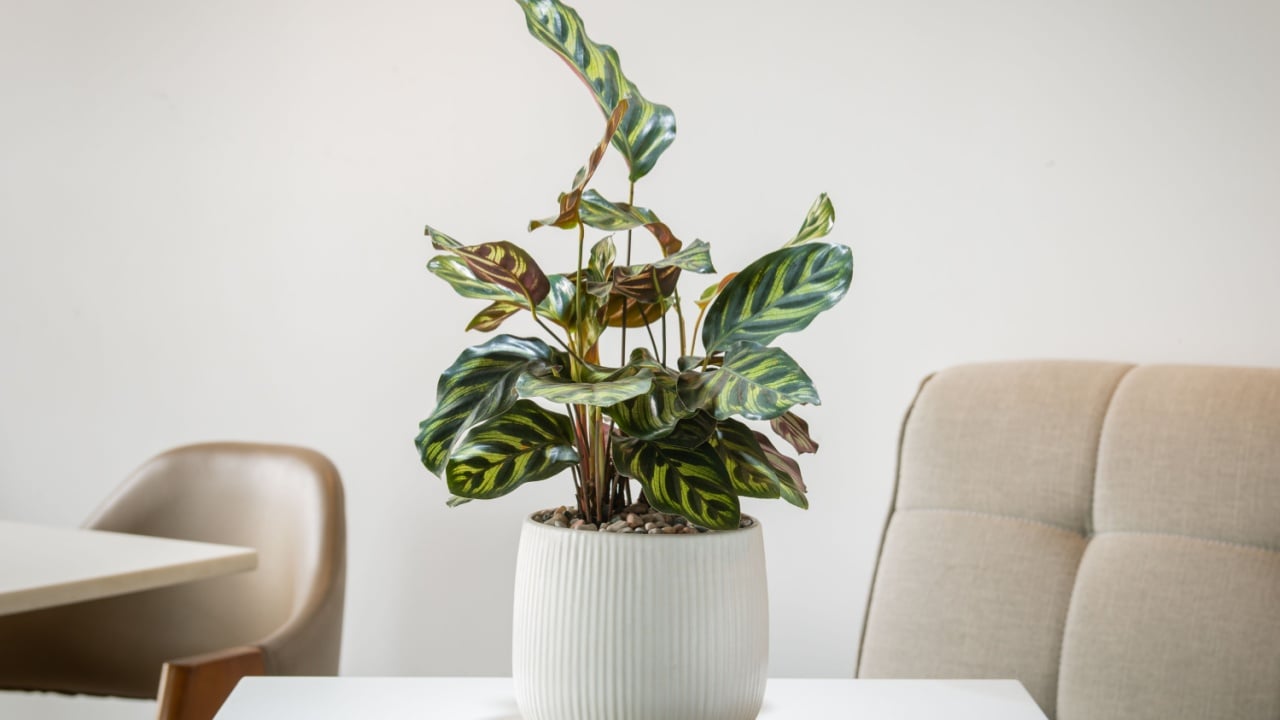
Calatheas need stable moisture, warm conditions, and low stress at the root level, which makes terra cotta a rough match. Their soil should stay lightly moist without frequent swings into dryness, yet porous clay speeds up evaporation and leaves the roots struggling to keep up.
Many calatheas react quickly when the soil dries too much, often curling their leaves or developing brown margins. In a terra cotta pot, that cycle can repeat so often that the plant never settles into healthy growth.
A glazed pot or plastic container gives calatheas a much better shot at steady moisture. Soil with good water retention and airy texture helps keep roots healthy without making the mix heavy.
These plants also prefer filtered or distilled water in many homes because dissolved minerals in tap water can build up and mark the leaves. When pot, soil, and water quality all support even moisture, calatheas tend to look fuller and far less stressed.
6. Hydrangea
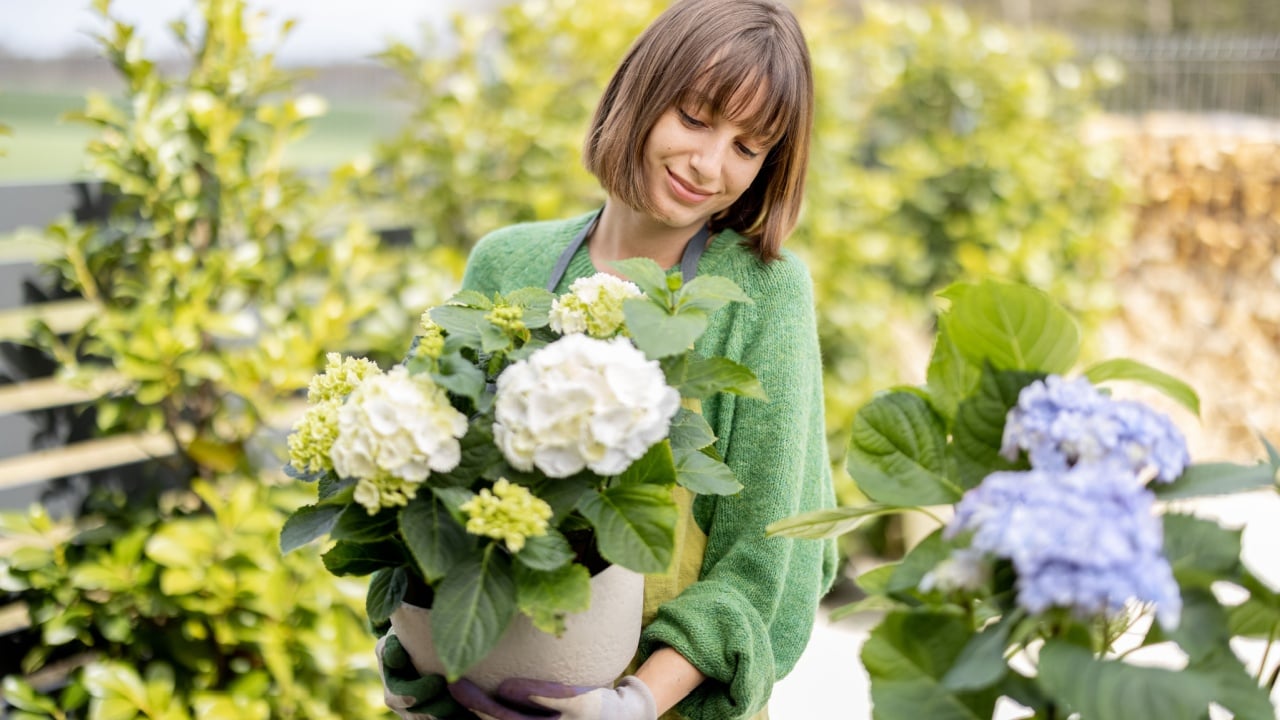
Hydrangeas are thirsty plants, and container-grown ones dry out fast. In terra cotta, that moisture loss speeds up even more, which can leave the leaves limp and the flowers faded during warm weather.
Because hydrangeas have large leaves and blooms, they lose a lot of water through normal growth and need a pot that helps hold moisture in the root zone. A porous clay container often turns routine summer care into a constant effort.
A larger plastic or glazed ceramic pot is usually a better option for hydrangeas, especially in bright outdoor spots. A moisture-retentive potting mix and a layer of mulch on top can help slow evaporation and reduce stress during heat.
Some gardeners also place hydrangeas where they get morning sun and afternoon shade to limit water loss. When the roots stay cooler and more evenly moist, the plant is more likely to keep its leaves and flowers in good shape.
A Better Match Matters
Terra cotta has real benefits, but it is far from universal. Plants that need steady moisture, low mineral exposure, or winter root protection often do better in less porous containers.
Some plants have needs that clash with basic terra cotta pots. Choosing a container that suits the plant can make care easier and help prevent stress that shows up in the leaves, roots, or flowers.
In many cases, the right pot makes as much difference as light, soil, and water.
Read More:
10 Nut Trees That Can Grow in Pots on the Patio
12 Small Flower Trees That Thrive in Pots and Compact Spaces