Stop Wasting Money on Smart Garden Technology You Don’t Need
The more money you pour into smart garden technology, the more likely it is that your garden is actually getting worse.
That sounds backwards, but it is the pattern showing up across gardening communities, expert recommendations, and product reviews in 2026. Gardeners are spending $200 – $500 on app-connected sensors, automated garden kits, and subscription-based grow systems, only to end up with overwatered plants, dead Bluetooth connections, and monthly fees they didn’t see coming. Meanwhile, the gardeners with the healthiest beds and the lowest bills are using tools that cost less than a bag of potting soil. When AeroGarden’s cloud platform went down in 2024, locking users out of their own systems for months, it was a $200 lesson many are still paying for, writes Slashdot.
This matters right now because fall is when smart spending compounds. Every dollar wasted on a gadget that will collect dust by November is a dollar that could have gone toward spring bulbs, a quality soil amendment, or the one piece of garden tech that actually earns its keep. According to Gardening Know How, the average all-in-one smart garden kit costs over $200, while the single most recommended tool by gardening professionals costs $12.
Here is what experienced gardeners and horticultural experts say you should stop buying, what actually works, and where your money will go furthest before the first frost arrives.
1. The $200 Smart Garden Kit That Does Less Than a Stick in the Dirt
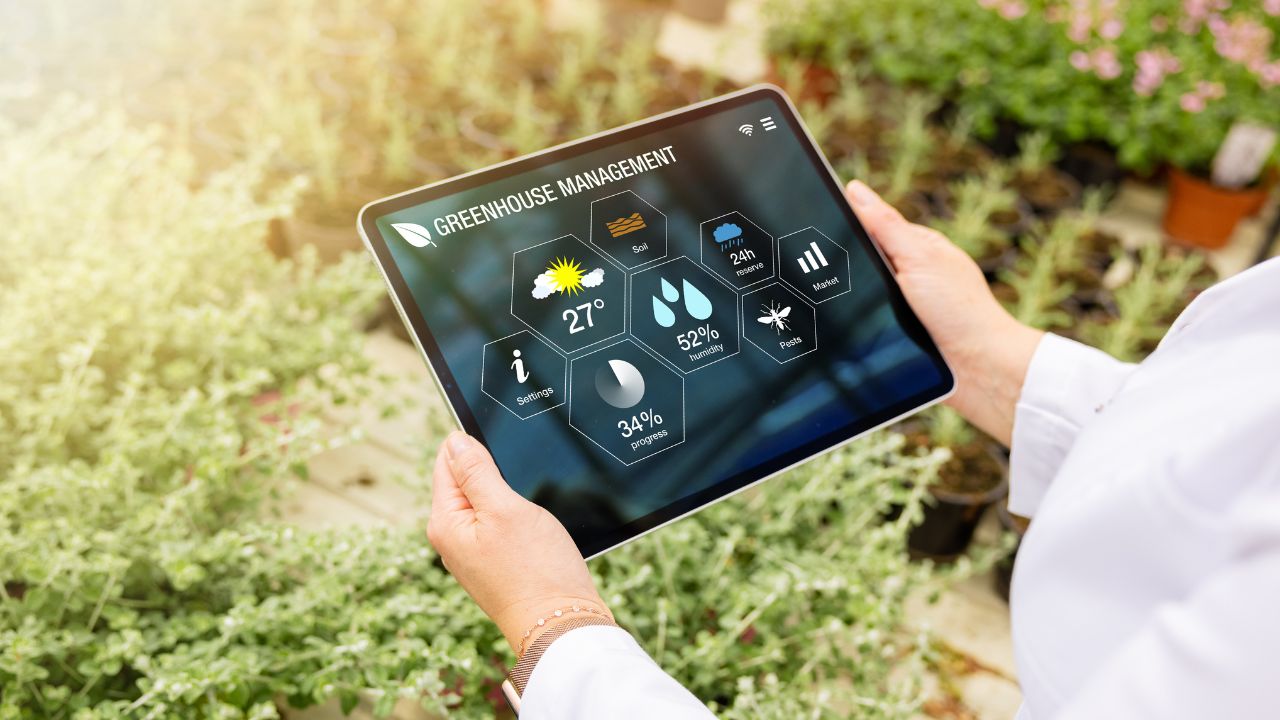
The smart garden industry has a pricing problem, and it is not in the direction you would expect. The most expensive kits, like those with Bluetooth soil sensors, LED panels, and companion apps, routinely underperform the simplest tools on the market. Andrea, the gardener behind Andreasgarden.com, put it plainly to Gardening Know How: “A $12 soil moisture probe. Not even a smart one; just the basic stick-in-the-dirt kind. Most people kill plants by watering on a schedule instead of watering when the plant actually needs it. One probe fixes that habit faster than anything else I’ve seen.”
The accuracy gap between cheap and expensive is smaller than the marketing suggests. Independent testing reported by VerdeNook found that capacitive soil sensors, the kind built into pricey smart systems, achieve approximately ±3% accuracy but require soil-specific calibration. In clay-heavy soils, they can give wildly misleading readings without recalibration that most home gardeners never perform. A $12 analog probe, by contrast, gives you a reliable moisture reading every single time, no app required.
2. Smart Irrigation Timers That Actually Overwater Your Plants
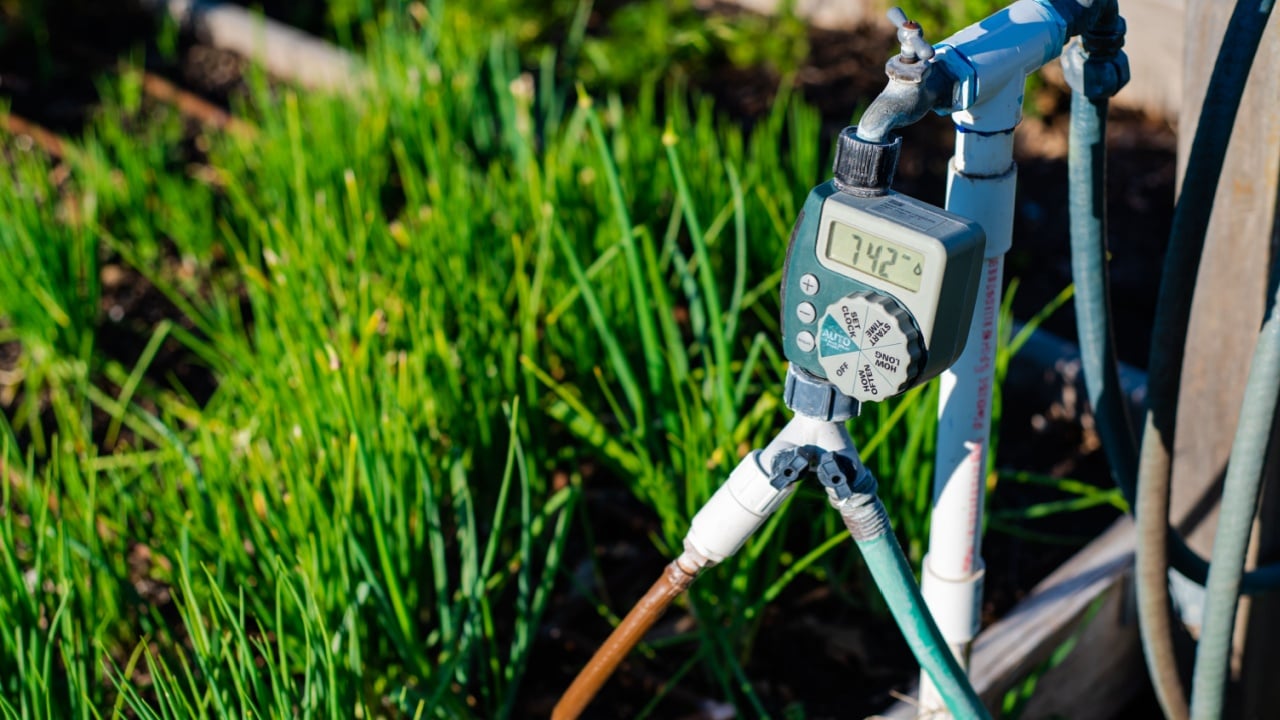
Smart irrigation is the one category where technology genuinely delivers, but only when installed and configured correctly, which most homeowners do not do. The EPA’s WaterSense program certifies that properly installed smart irrigation controllers save the average American home approximately 7,600 gallons of water per year. That is real money; in many regions, it translates to $50 to $100 off an annual water bill.
The problem is the gap between “properly installed” and “bought it at a hardware store and followed the quick-start guide.” Elin Harryson, a plant expert at the gardening app Planta, told Gardening Know How that smart irrigation systems “are prone to app bugs, Wi-Fi disconnections, and, if not configured correctly, can actually overwater.”
The villain here is the “set it and forget it” promise. Smart irrigation works when a professional calibrates it for your specific soil type, sun exposure, and plant selection. Without that setup, you are essentially paying $150 for an automated way to drown your tomatoes.
3. Per-Plant Sensors That Cost More Than the Plants Themselves

Individual Bluetooth plant sensors are among the most appealing products on the smart garden shelf and among the most returned. At $25 to $50 per sensor, costs multiply quickly; a modest herb garden with six plants could run you $300 in sensors alone, more than the plants will produce in a lifetime.
Elin Harryson at Planta offered a measured take in Gardening Know How: “Soil moisture sensors can be helpful, but their impact depends on how they’re used. For beginners, they can prevent overwatering and help build awareness of how quickly soil dries out. However, they’re not always perfectly accurate, and they shouldn’t replace observation. The biggest benefit is as a learning tool, not a decision-maker.”
The practical problems compound quickly. Gardeners report Bluetooth sensors losing connection beyond 15 to 20 feet, making them useless for anything beyond a windowsill or patio. In clay soils, capacitive readings fluctuate without recalibration. And for gardeners over 50 who aren’t as familiar with technology devices, the learning curve of pairing devices, calibrating apps, and interpreting dashboards can be steep.
4. The Subscription Trap Nobody Warns You About
The sticker price on smart garden technology is rarely the full cost. Gardyn’s AI gardening assistant, marketed as a key selling point of their indoor growing systems, requires a subscription of approximately $30 per month after purchase, according to VerdeNook’s 2026 analysis. That is $360 a year, enough to buy a season’s worth of organic seedlings, premium compost, and still have change for dinner.
Replacement pods, proprietary nutrient solutions, and premium app features add up across nearly every smart garden brand. One community analysis found that ongoing subscription costs often exceed the initial hardware purchase within the first year.
The deeper risk is obsolescence. When AeroGarden’s cloud platform experienced an extended outage in 2024, users were locked out of core functionality for months. The hardware still sat on their countertops, but the brains behind it were gone. Every cloud-dependent garden system carries this risk; when the company folds or pivots, your $200 investment becomes a very expensive planter.
What a $12 Probe and a Free App Can Actually Do
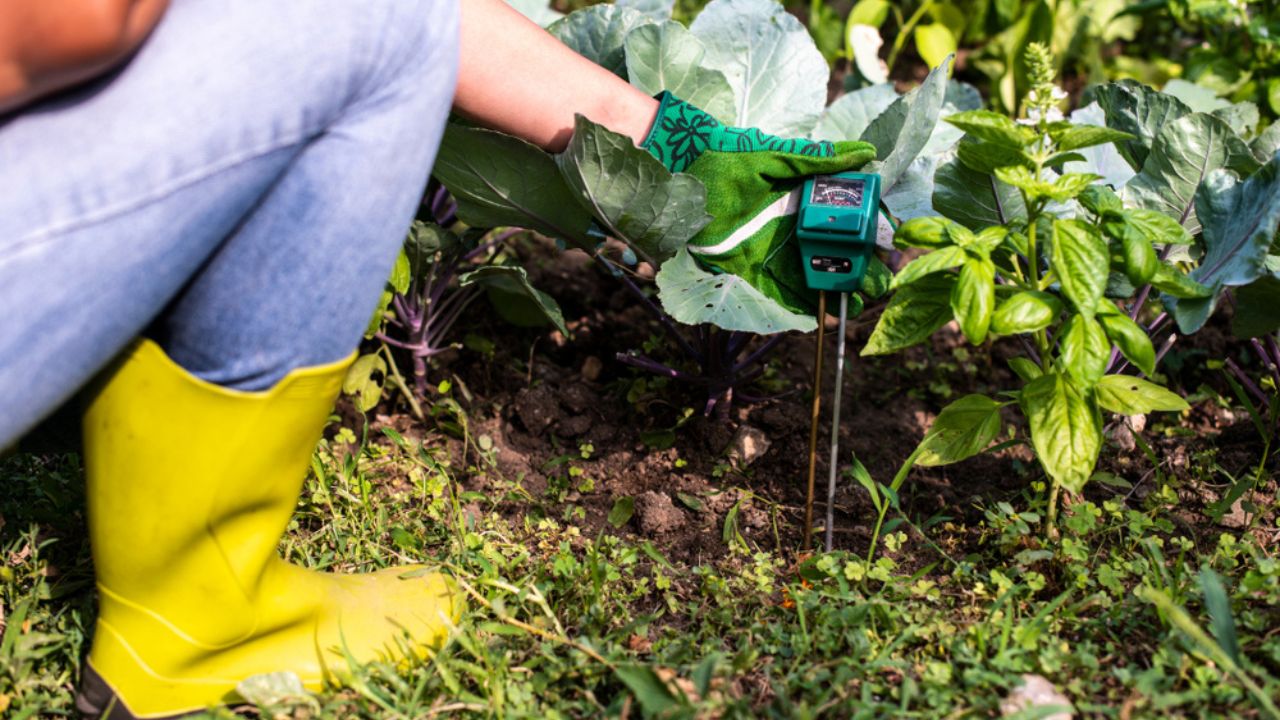
The most effective smart garden setup in 2026 costs under $15 and fits in your back pocket. Andrea’s recommendation to Gardening Know How was direct: “PlantNet for plant ID; it stops you from guessing wrong and caring for a plant the wrong way. And honestly, your phone’s weather app. Checking a 10-day forecast before you plant or fertilize saves more crops than any gadget I could recommend.”
The formula is simple: one soil moisture probe, one free plant ID app, and whatever weather app is already on your phone. Use the probe before every watering. Use the app when you are unsure what something is or whether it belongs where you planted it. Check the 10-day forecast before you fertilize or transplant. That is a smarter garden than any $500 kit will give you.
Between a $12 probe and free apps, you are replacing $200 or more in gadgets with more accurate tools that require no charging, never lose Wi-Fi, and will never lock you out because a company’s servers went down. The best technology in your garden is the one you will actually use every morning.
The Smart Garden Trick Your Grandmother Already Knew
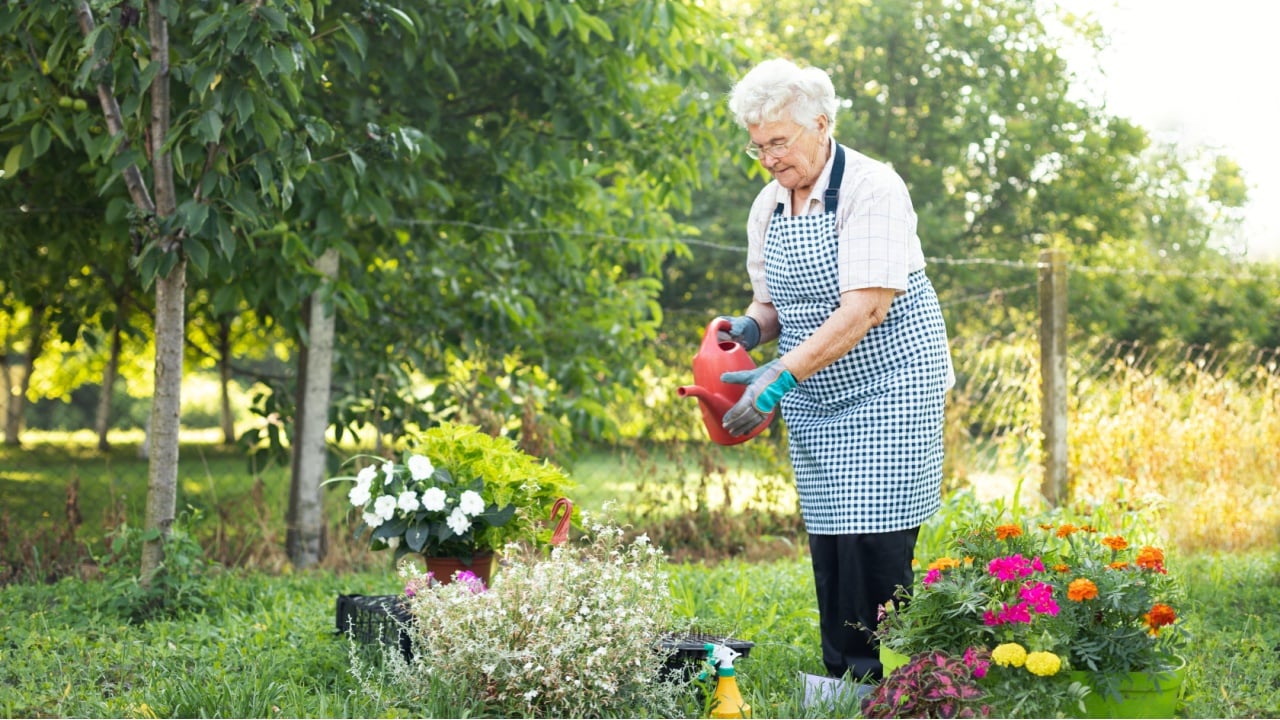
Before moisture probes existed, before apps, before Bluetooth anything, gardeners tested their soil the same way: they pressed a thumb three centimeters into the dirt. If the impression held sharp edges, the plant needed water. If the soil felt cool and held together, it was fine. This method, as VerdeNook noted in their 2026 smart gardening analysis, “remains the foundational gardening tool” regardless of what sensors say.
Your grandmother did not need a dashboard. She needed her hands, her eyes, and the patience to walk the garden every morning. That practice- 10 minutes with a cup of coffee, noticing which leaves are yellowing, which stems are leaning, where the soil is cracking- will always outperform a notification on your phone.
For gardeners who have been at this for 20+ years, this is not a step backwards. It is a reminder that the instincts you have already built are worth more than any sensor on the market. As Andrea told Gardening Know How: “Good tools make you more observant. A moisture probe trains your fingers. A plant ID app trains your eyes. If a tool is just sending you notifications and you’re not actually learning anything, ditch it.”
The Only Smart Garden Investment Worth Making This September
Not all smart garden technology is a waste. A few categories consistently prove their value, and September is the right time to invest before the first frost closes the window.
Smart drip irrigation, not timers, is worth the money. A basic drip system with a manual timer delivers water directly to roots, reduces evaporation, and costs a fraction of Wi-Fi-connected controllers. For gardeners putting in fall crops or winterizing perennial beds, a $30 to $50 drip kit will pay for itself in water savings and healthier root systems by spring.
Motion-activated sprinkler deterrents are one of the best-reviewed smart garden tools on the market. At $25 to $40, they reliably keep deer, raccoons, and rabbits out of fall vegetable gardens without chemicals or fencing. Gardening.org reports they “get good results” across a range of wildlife pressure.
Seedling heat mats, at $15 to $25, are the unsung hero of fall gardening. For anyone starting cool-season seeds indoors this month, a heat mat accelerates germination dramatically. Gardening.org calls them “a must if you have a cold house,” and for gardeners in their 50s and 60s who have shifted to indoor seed-starting, they are one of the highest-ROI purchases available.
Skip the $200 kits. Invest $50 to $75 in tools that solve specific problems, and put the savings toward what your garden actually needs this fall.
Read More
Washing Your Lettuce Won’t Remove Cyclosporiasis, But Growing Your Own Will
Your Grandmother Stored These 8 Foods All Winter Without Canning a Single Jar