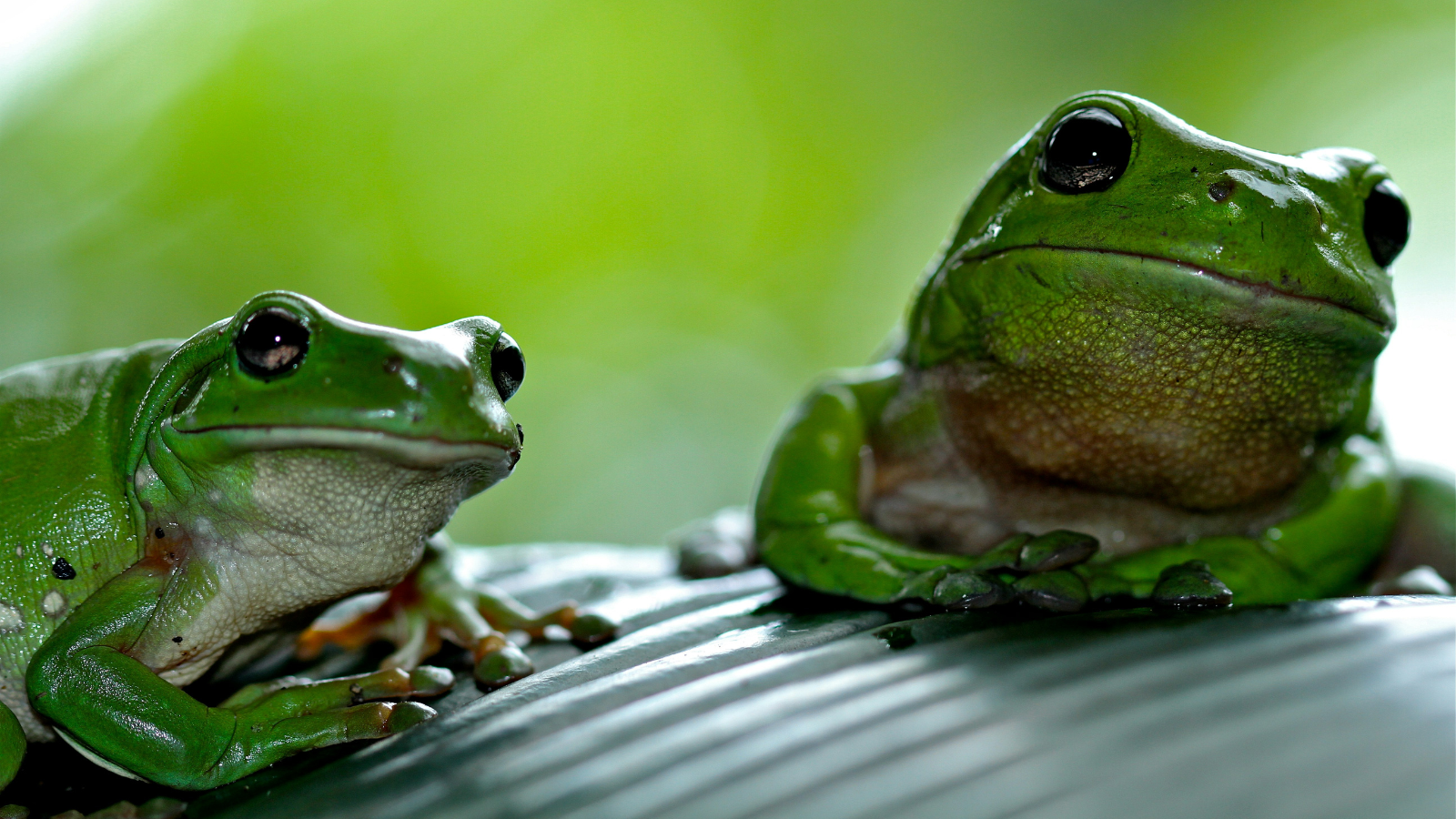
Where Do All the Frogs Come From After It Rains?
The first drops of rain can send people dashing for the nearest cover. In contrast, one good rainstorm can make it seem as though a whole population of frogs moved into your yard overnight. Suddenly, there they are, hopping through the grass, sitting near puddles and singing their froggy hearts out when the sun goes down.
While the crowd’s appearance seems sudden, in many cases, those frogs did not just suddenly arrive. They were already nearby, tucked into places where they could stay cool and moist until conditions were right for them to venture out.
In a Sept. 2 article, Country Living featured guidance from Katie Moore, senior director of animal rescue at the International Fund for Animal Welfare. Moore explained why wet weather can trigger such a positively ribbit-ing burst of frog activity.
Rain makes it easier for frogs to stay hydrated while moving around, brings more of their prey into the open, and, for some species, actually creates temporary pools where they can breed.
Rain Gives Frogs a Reason to Come Out of Hiding
Embedded media follows. Please allow a moment for it to load.
Frogs have highly permeable skin, which means water can pass through it much more readily than it does through human skin. The National Park Service explains that amphibians absorb water through their skin, but that same permeability also makes them vulnerable to losing moisture through evaporation.
Wet ground and humid air therefore give frogs more freedom to venture away from their usual damp hiding places. Moore explained in Country Living that rainy weather can also bring insects, slugs, earthworms and other potential meals into the open.
For some species, a storm can also signal that it is time to reproduce. Rain can fill ponds, ditches, depressions and other temporary pools, creating breeding habitat that may not have existed a day earlier. UF/IFAS Extension has documented frogs and toads emerging after heavy rain and moving toward newly filled low areas to breed.
That also explains the chorus of nighttime croaking. Male frogs commonly call to attract mates, and breeding choruses can become particularly noticeable following rain. Some species are so responsive that rainfall itself can help trigger their reproductive activity.
When the Yard Dries, Frogs Slip Back Out of Sight
When hot or dry weather conditions return, many frogs typically retreat back to more sheltered spots again. Moore said they can hide under rocks or loose soil. In addition, UF/IFAS Extension recommends anyone searching their yard for frogs also investigate leaf piles and logs. Even gardening pots can be too inviting for frogs to pass up.
Exactly where they go is influenced by the species and climate. At Yosemite, for example, the National Park Service has documented Sierra tree frogs retreating deep into cool, humid cracks of granite during extremely hot, dry weather.
Frogs can benefit the backyard ecosystem. Adult frogs eat a wide range of critters, including insects, slugs, snails, and worms, while the frogs themselves become food for birds, fish, snakes, and other wildlife.
Gardeners who want frogs around do not have to go out of their way to promote the amphibian’s presence. The National Park Service recommends leaving out leaf litter, rocks, and logs for shelter. The outlet also encourages ensuring access to clean water.