A White Christmas? 15 Signs That Snow Is On Its Way
Christmas is almost here, and who doesn’t love a white one? Is it in the cards this year? We can only hope!
Before we had fancy weather apps and meteorologists pointing at smart screens (that they get wrong just as often as they are right, it seems anyway), people had to get creative to figure out what winter had in store. They turned to the world around them, observing the subtle and not-so-subtle cues from plants, animals, and even the sky. Trees, birds, and even caterpillars would tell you when the weather is about to change, and when to expect your first snowflakes.
Nature folklore may not have data and statistics behind it, but it is grounded in tradition, observation, and perhaps a touch of fun. Old wives know what they know, and sometimes, they are right.
Here are some of these age-old signs that might hint at a blanket of snow in your future.
1. The Woolly Bear Caterpillar’s Winter Coat
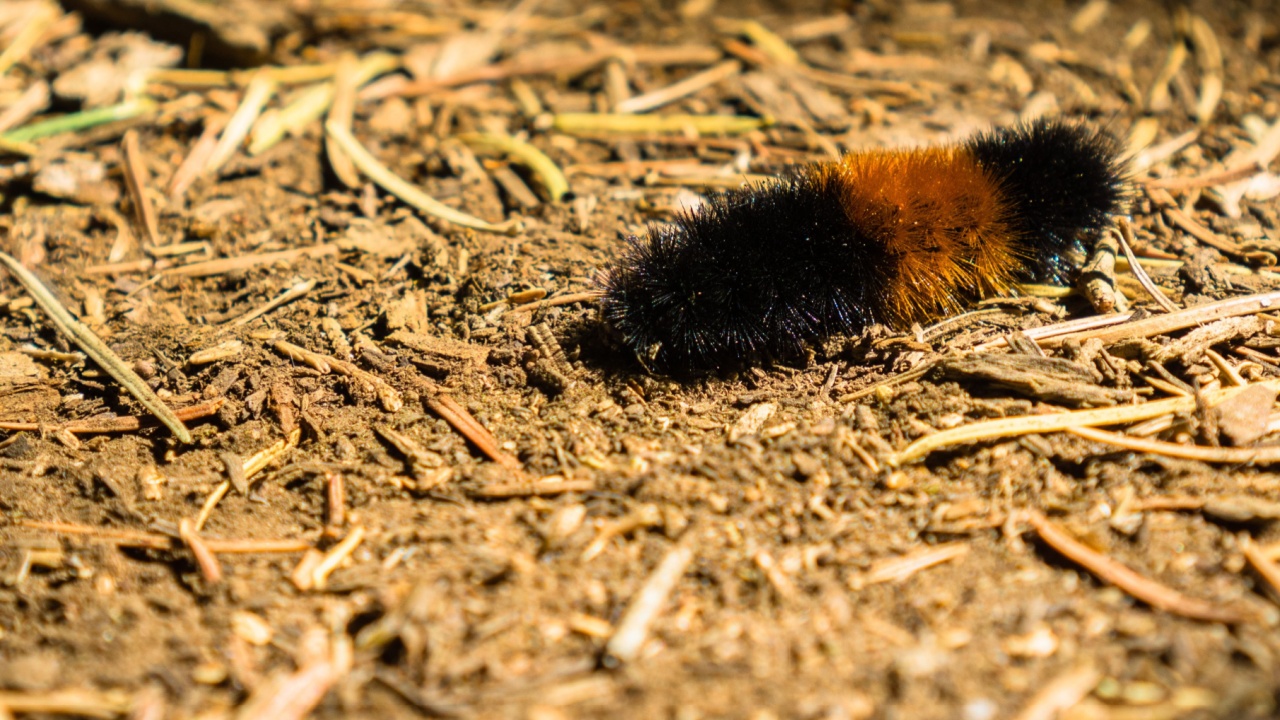
The humble woolly bear caterpillar, also known as the Isabella tiger moth larva, is a famous fuzzy forecaster. Folklore says the width of its reddish-brown middle band predicts the winter’s severity. A wider brown band suggests a milder winter, while a wider black band at either end points to a more intense, snow-filled season.
It’s a charming idea, but scientists suggest the caterpillar’s coloring is more related to its age and how long it has been feeding. Still, it’s a great excuse to get a closer look at these little creatures in your garden. Just remember to be gentle; they’re busy getting ready for their own long winter’s nap.
Quick Scan:
- The Sign: Wide black bands on a woolly bear caterpillar.
- The Prediction: A harsh, snowy winter.
- Gardener’s Tip: Leave these caterpillars be. They are a native species and will transform into Isabella tiger moths, which are beneficial pollinators for your garden next year.
2. Persimmon Seed Predictions
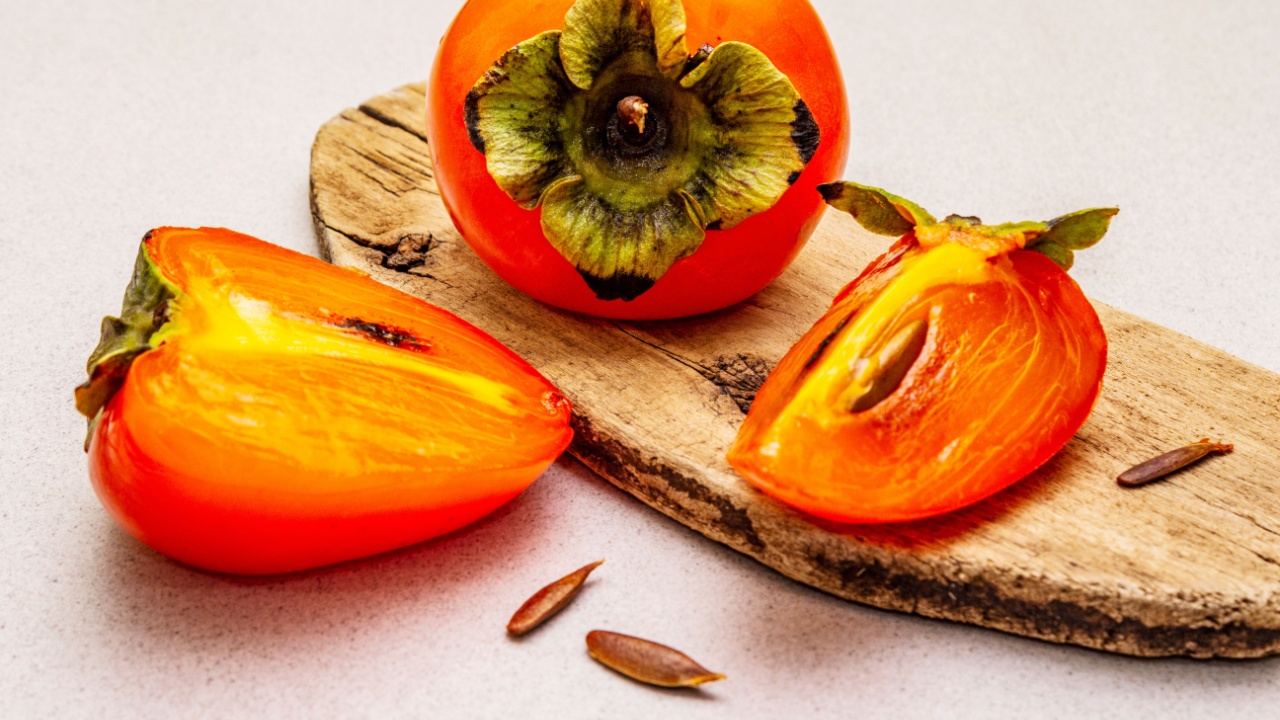
Here’s one you can really sink your teeth into, or at least your knife. This Ozark-based tradition involves cutting open a persimmon seed to see what shape lies within. If you find a spoon-shaped kernel, get your shovels ready for heavy, wet snow. A fork shape indicates a milder winter with light, powdery snow. And a knife? That points to a cold, cutting winter with icy winds.
This is a fun activity to do in the fall if you have a persimmon tree nearby. Find a ripe fruit that has fallen to the ground, extract a seed, and carefully slice it in half lengthwise. It’s one of the most specific folklore signs, offering a detailed forecast from a single seed.
Quick Scan:
- The Sign: The shape inside a persimmon seed.
- The Prediction: Spoon = heavy snow; Fork = light snow; Knife = icy cold.
- Gardener’s Tip: To grow your own persimmons, plant at least two trees for cross-pollination. They prefer well-drained soil and plenty of sun.
3. High-Rise Hornet Nests
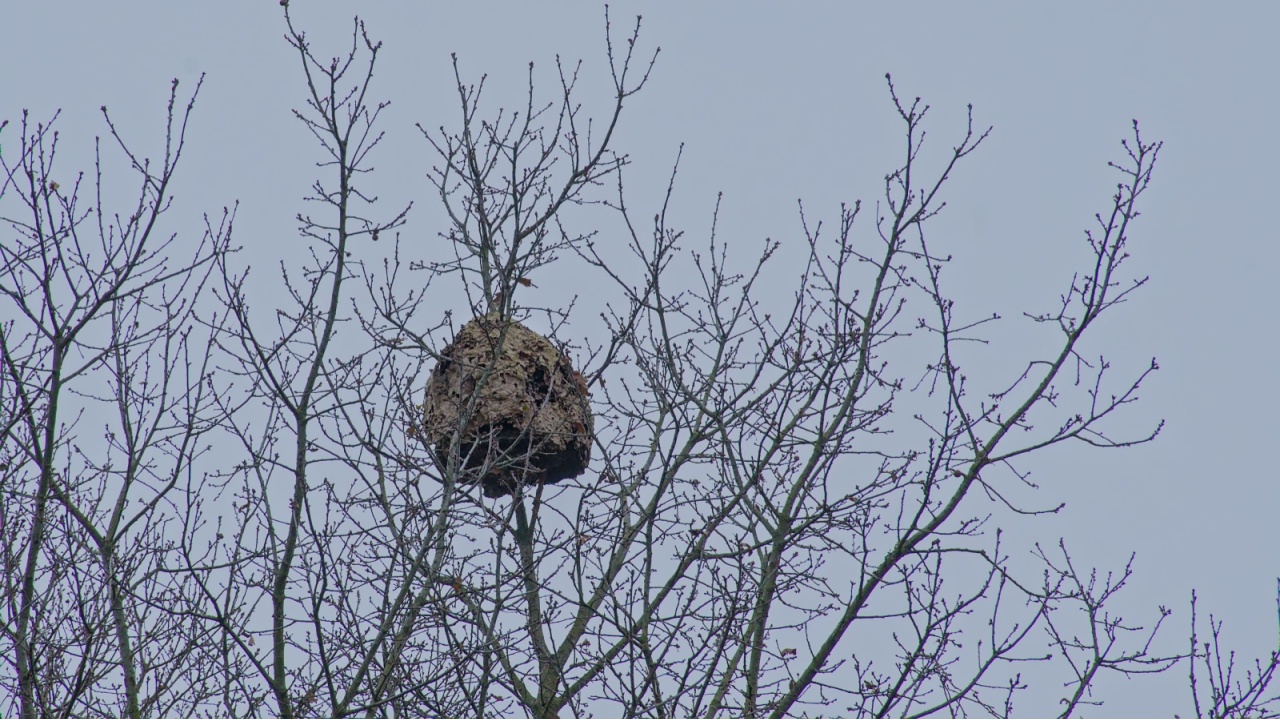
The story goes that if hornets build their nests high up in trees or in the rafters of a barn, they are anticipating a winter with deep snow. Building low to the ground suggests they expect a mild season with little accumulation.
While you’re observing, keep a safe distance. You don’t want your weather curiosity to end with a painful sting. This sign is a good reminder to do a fall check of your property for any unwanted nests near doorways or high-traffic areas before winter sets in.
Quick Scan:
- The Sign: Hornets, wasps, or bees building nests high off the ground.
- The Prediction: A very snowy winter.
- Gardener’s Tip: If you find a nest in an inconvenient spot, it’s best to call a professional for removal, especially if it belongs to an aggressive species.
4. Unusually Fat Squirrels
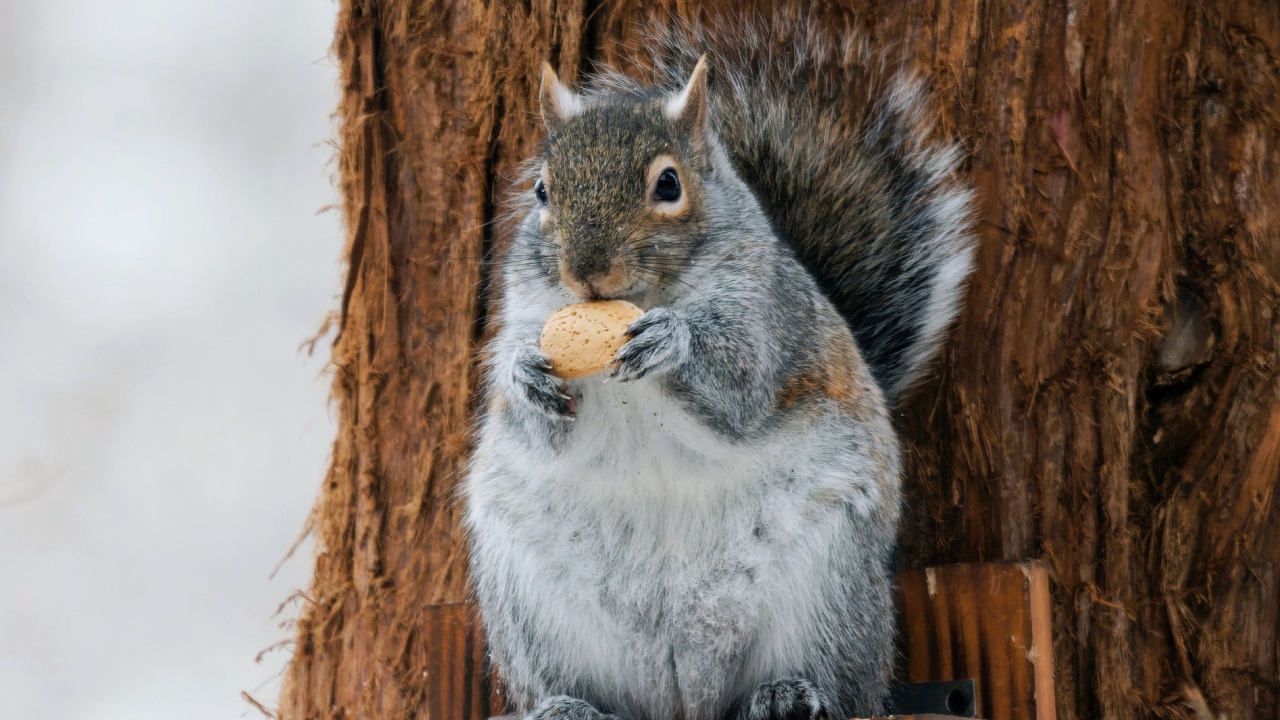
Have you noticed the squirrels in your yard looking a bit more robust than usual? If they seem extra fluffy and are relentlessly burying nuts, folklore says they know something you don’t. Their frantic stockpiling and extra layer of fat are supposedly preparations for a long, hard winter with scarce food.
This one is fun to watch from your window. The squirrels’ behavior might just be a response to a bountiful nut season, but their dedication is admirable. It’s a good visual cue for us to start our own winter preparations, like stocking the pantry and checking our emergency supplies.
Quick Scan:
- The Sign: Squirrels and chipmunks appear fatter and bury more nuts than usual.
- The Prediction: A long, severe winter.
- Gardener’s Tip: To keep squirrels from raiding your bird feeders, try adding a squirrel baffle or choosing feeders they can’t easily access.
5. Thick Onion Skins and Corn Husks
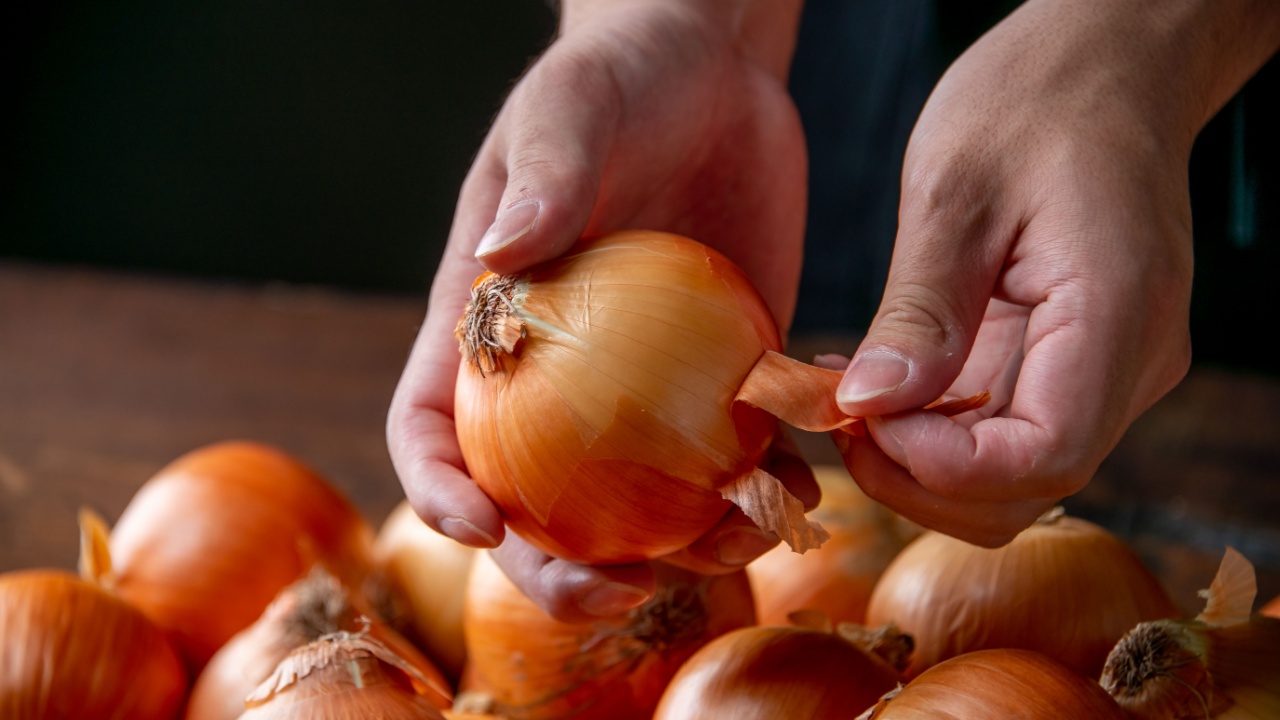
This piece of garden folklore suggests that vegetables prepare themselves for a harsh winter. If the onions have unusually thick, tough skins, or the corn has thick, tightly wrapped husks, the coming winter is expected to be a cold one. The plants are supposedly creating extra insulation to protect themselves.
As you harvest your fall garden, take a moment to observe. Are your onions layered up like they’re ready for an arctic expedition? This is one of the easiest signs for a backyard gardener to check. It connects you directly to the wisdom of the plants you’ve been tending all season.
Quick Scan:
- The Sign: Onions with thick skins or corn with heavy husks.
- The Prediction: A cold, bitter winter.
- Gardener’s Tip: After harvesting, cure onions in a warm, dry, and airy location for a few weeks before storing. This helps their skins toughen up for long-term storage, regardless of the weather forecast.
6. Birds Migrating Early
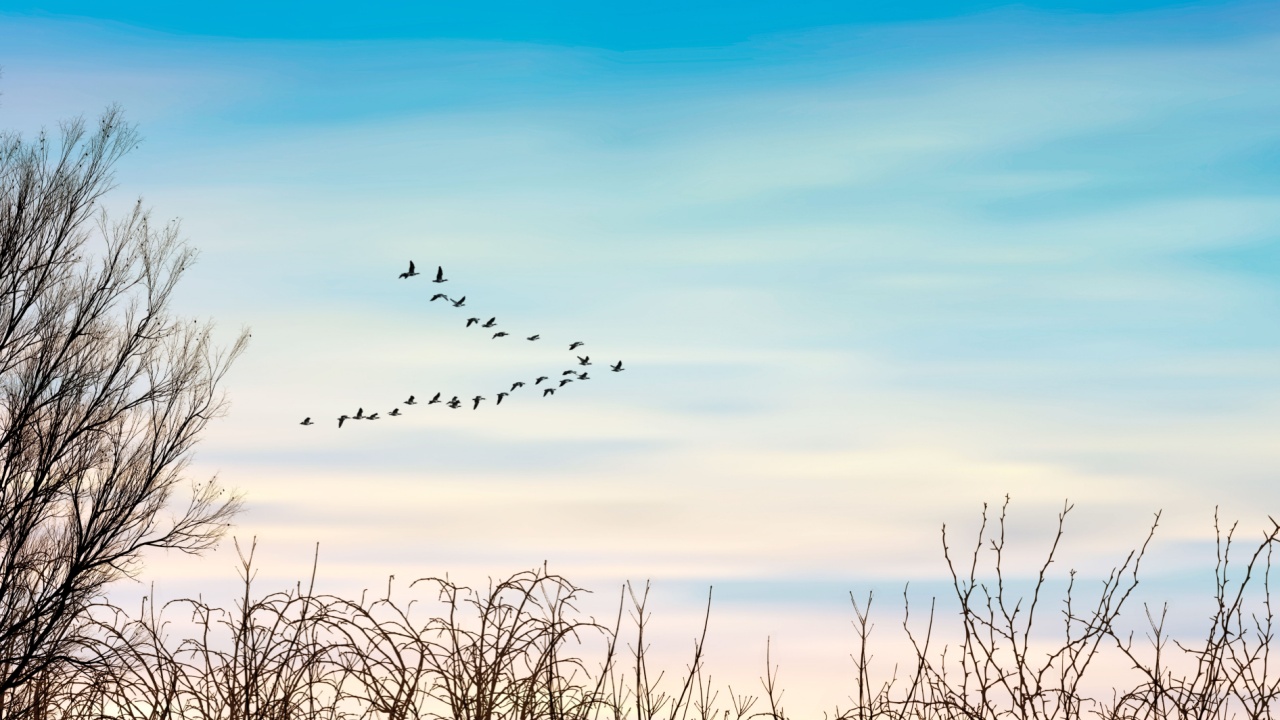
The early bird gets the worm, but what does the early-departing bird tell us? According to this sign, if you notice flocks of birds, like geese and robins, heading south earlier than their usual schedule, it’s a signal that winter is arriving early and will likely be severe. They are trying to get out of town before the bad weather hits.
This is a great opportunity for some backyard birdwatching. Keep a small journal to note when you typically see certain species depart. Seeing them leave a few weeks ahead of schedule could be your cue to get the snow blower tuned up and find your winter boots.
Quick Scan:
- The Sign: Flocks of birds migrating south earlier than usual.
- The Prediction: An early or harsh winter.
- Gardener’s Tip: Help the remaining winter birds by setting up feeders with high-energy food like suet and black oil sunflower seeds. A heated birdbath can also provide a crucial water source when others freeze.
7. A Halo Around the Moon

“Ring around the moon, snow is coming soon.” This well-known saying is one of the more scientifically grounded pieces of folklore. The halo you see is created by moonlight refracting through ice crystals in the upper atmosphere. These high-level clouds, called cirrus clouds, often move in ahead of a storm front.
So, when you see that ethereal ring glowing in the night sky, there’s a good chance that a change in weather is on the way. While it doesn’t guarantee a blizzard, it does indicate moisture in the atmosphere, which is a necessary ingredient for snow.
Quick Scan:
- The Sign: A visible halo or ring around the moon at night.
- The Prediction: Snow or precipitation is likely within 24-48 hours.
- Gardener’s Tip: A coming storm is a good reminder to bring in or secure any garden furniture, tools, or containers that could be damaged by high winds or heavy snow.
8. Abundant Acorns and Nuts
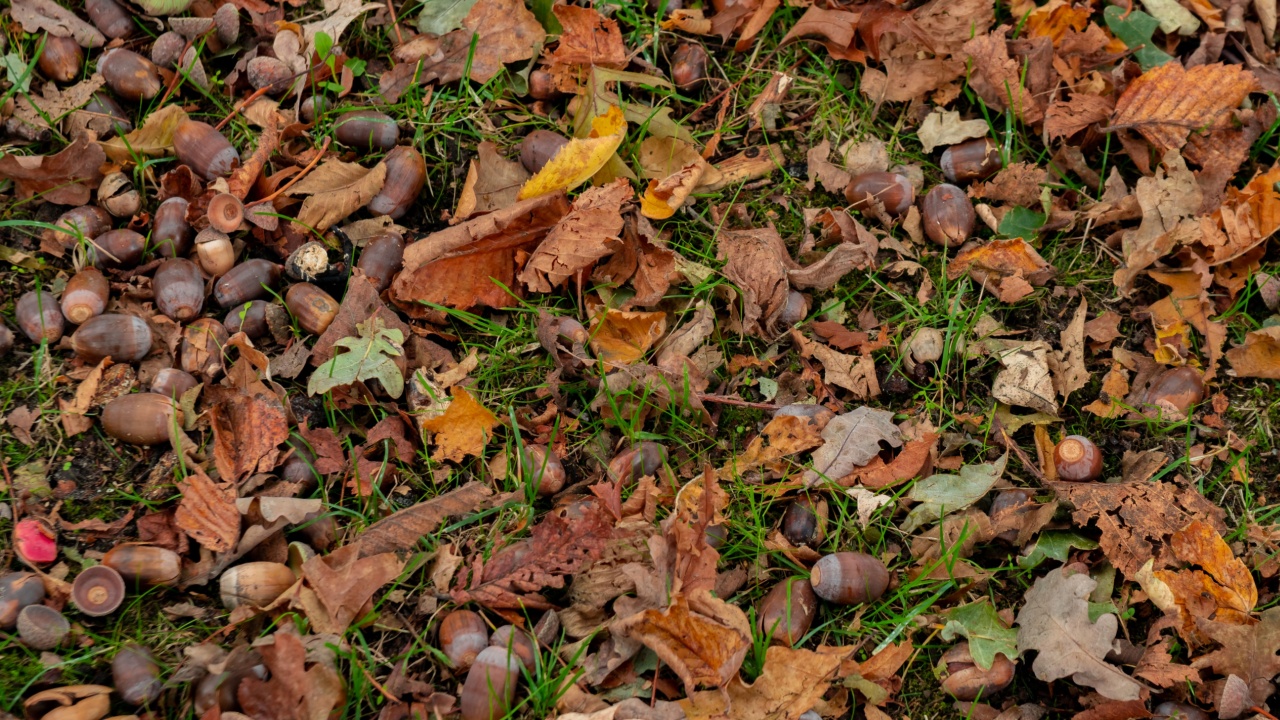
If you find yourself navigating a minefield of acorns on your lawn, folklore suggests you might be navigating snowdrifts later. A year with an unusually heavy crop of acorns, walnuts, and other nuts is said to be nature’s way of providing extra food for wildlife to survive a long, hard winter.
This phenomenon is sometimes called a “mast year,” where certain tree species produce a massive amount of seeds. While scientists link it to cycles of resource allocation in trees, it’s easy to see how our ancestors connected this bounty to the needs of the coming season.
Quick Scan:
- The Sign: An overabundance of acorns, walnuts, or other nuts on the ground.
- The Prediction: A severe winter.
- Gardener’s Tip: Rake up excess acorns from your lawn, as they can inhibit grass growth. You can add them to your compost pile or leave a small pile for squirrels in a designated area.
9. Spiders Weaving Big Webs and Moving In
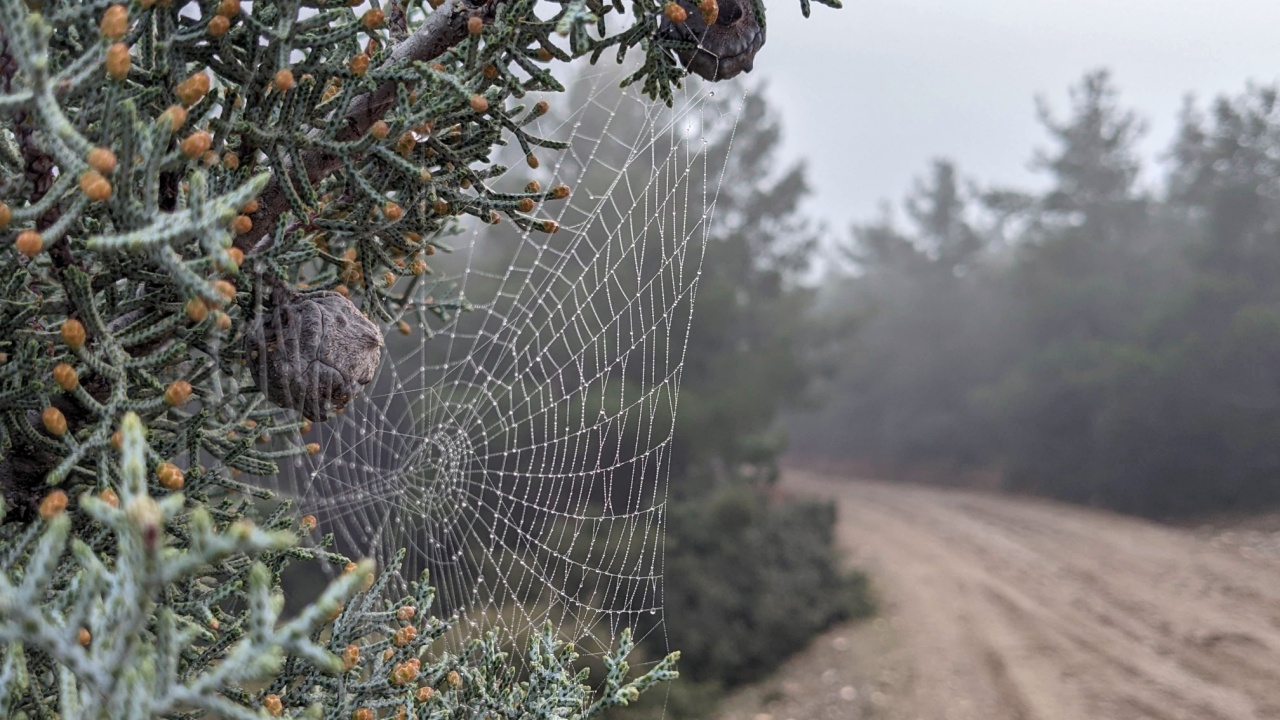
If you notice spiders are building larger, more intricate webs than usual, or if you see an exodus of them trying to move into your house, they might be bracing for a cold winter. The idea is that they are preparing for a season where food will be scarce and the elements harsh.
This is probably not the favorite sign for anyone with arachnophobia. An increase in spiders indoors during autumn is often just them seeking shelter as temperatures drop. Still, seeing them work overtime on their webs in the garden is a curious sight.
Quick Scan:
- The Sign: Spiders building unusually large webs or moving indoors in large numbers.
- The Prediction: A cold, harsh winter.
- Gardener’s Tip: To naturally deter spiders from entering your home, seal cracks around windows and doors. You can also try placing peppermint oil-soaked cotton balls in problem areas.
10. Foggy Days in August
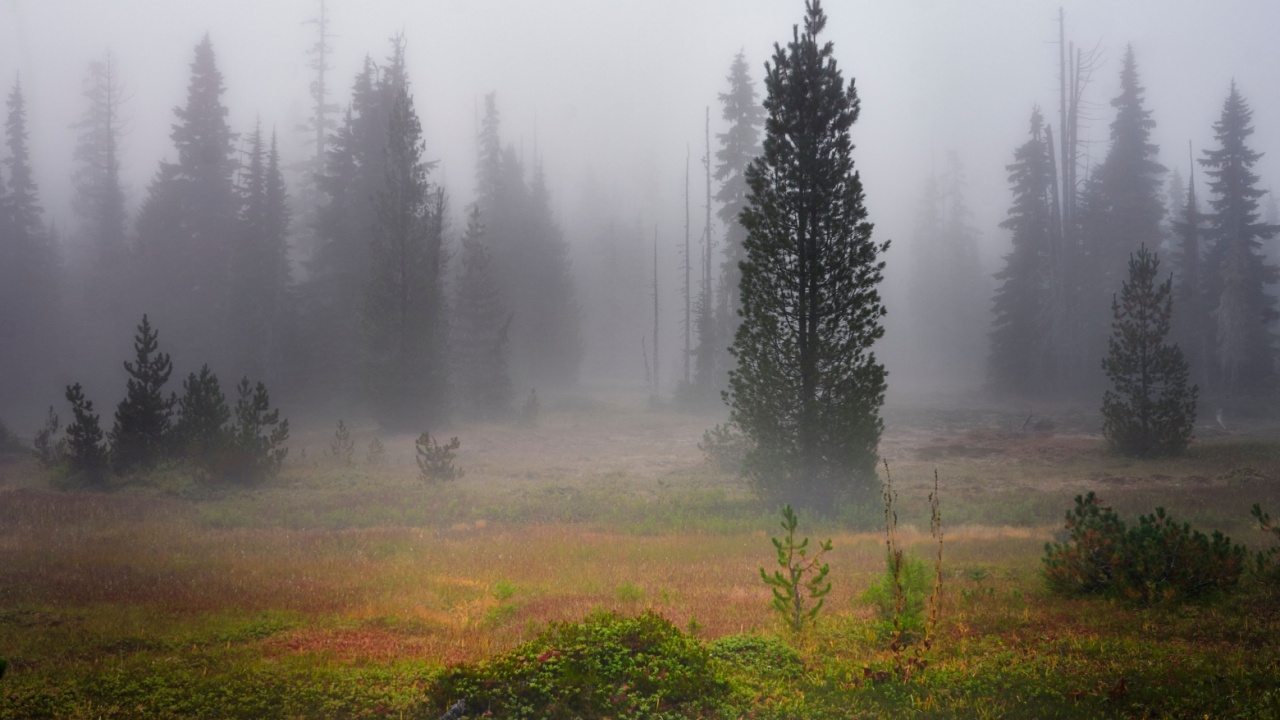
This simple rhyme connects summer weather to winter snow: “For every fog in August, there will be a snowfall in winter.” If you live in a place that saw a lot of soupy, foggy mornings at the end of summer, you might want to double-check your stock of hot chocolate.
There’s no scientific connection here, but it’s a fun bit of folklore to track. Did you keep a mental tally of foggy days back in August? If so, you have your own personal forecast for how many times you might be shoveling the driveway.
Quick Scan:
- The Sign: A large number of foggy mornings during the month of August.
- The Prediction: A corresponding number of snowfalls in the coming winter.
- Gardener’s Tip: Heavy fog can contribute to fungal diseases on late-summer plants. Ensure good air circulation around your plants by pruning and spacing them properly.
11. Heavy Fruit Trees
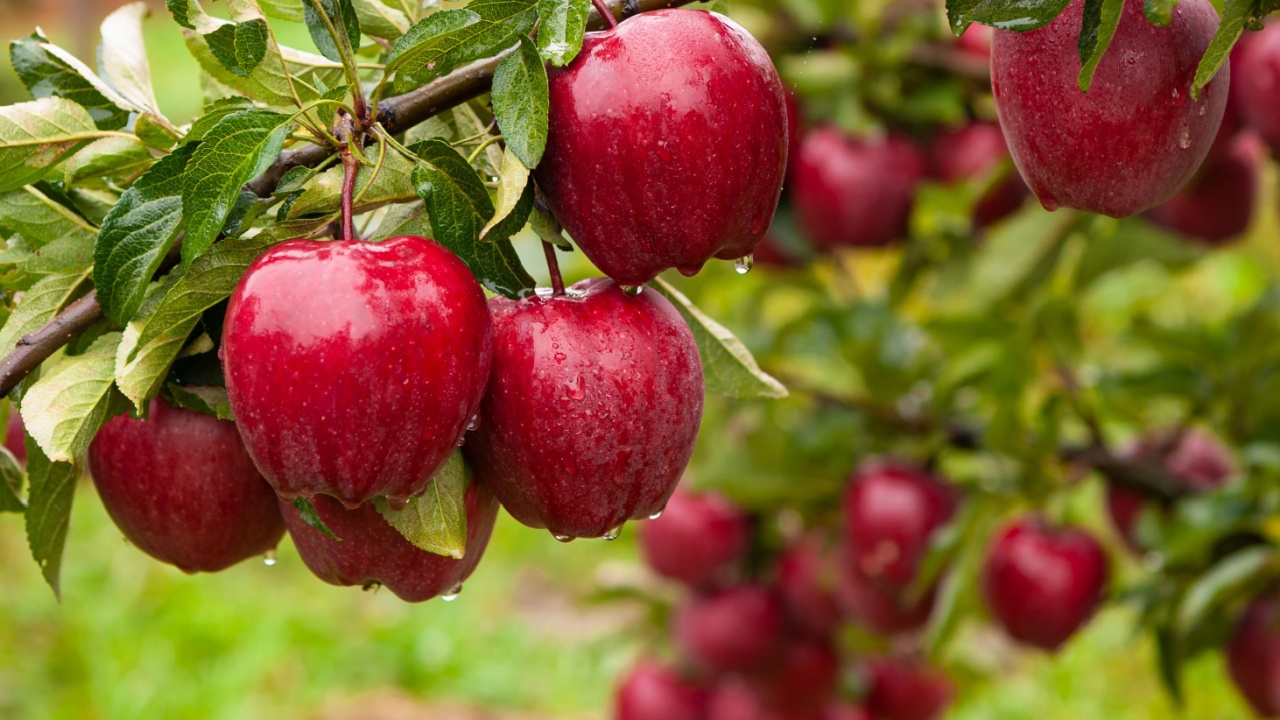
If your fruit trees are practically bowing under the weight of their apples, pears, or plums this fall, folklore suggests you might want to dig out that snow shovel soon. According to this old sign, when trees produce an especially heavy crop, it’s said to be nature’s way of gearing up for rough weather ahead, making sure wildlife has plenty to snack on during a lean, cold winter.
Still, wandering the backyard and seeing overloaded branches always feels a bit like an orchard-style snow forecast. Even if the winter turns out mild, who’s going to complain about an extra pie or two?
Quick Scan:
- The Sign: Fruit trees sagging under a bumper crop in the fall.
- The Prediction: A severe, snowy winter is on its way.
- Gardener’s Tip: Prop up heavy branches to prevent breakage, harvest promptly to avoid fruit drop (and extra clean-up), and use the bounty for canning or sharing with neighbors. Proper pruning after harvest will keep trees healthy, no matter what the forecast is calling for.
12. Deeper Mole Tunnels
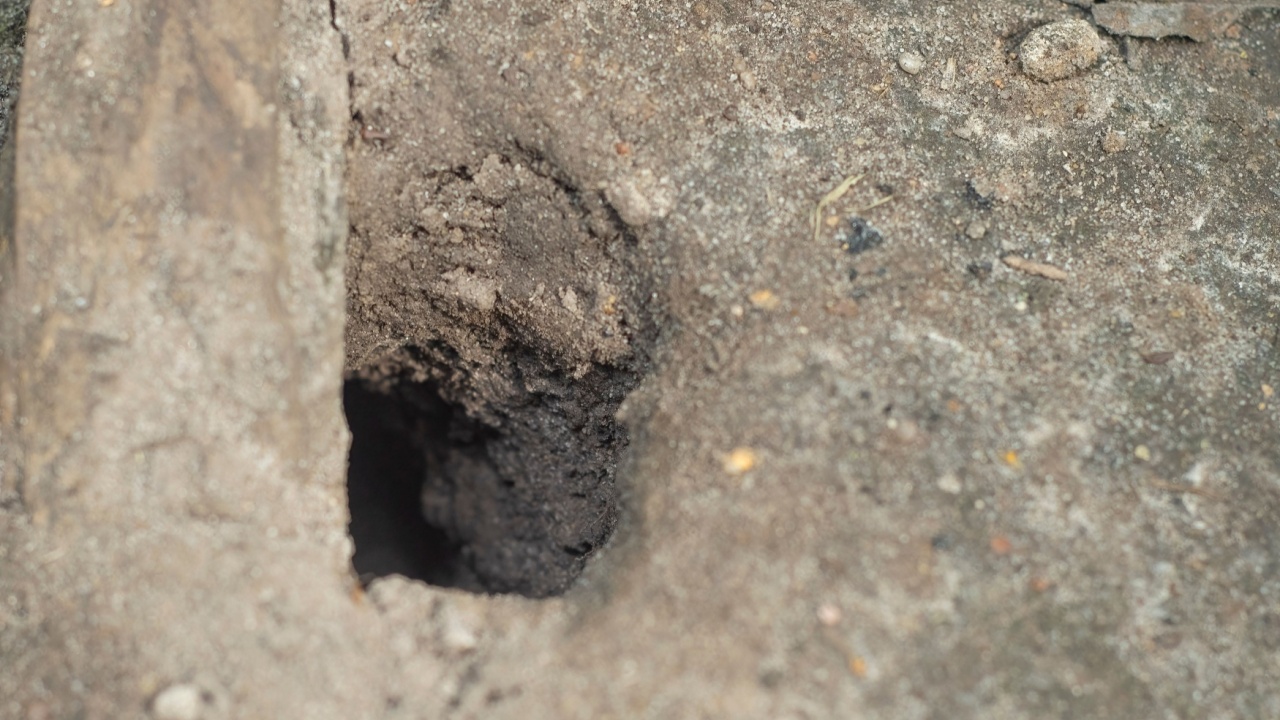
This sign requires a bit of detective work. According to the tale, the depth of mole tunnels in the fall can predict the winter ahead. If moles are digging their tunnels deeper than about two and a half feet, they are preparing for a hard frost and a severe winter. Shallower tunnels suggest a milder season.
Unless you plan on excavating your lawn, this one might be hard to verify. But it speaks to the idea that animals that live underground are sensitive to coming changes in ground temperature and will adjust their homes accordingly to stay safe and warm.
Quick Scan:
- The Sign: Moles digging tunnels deeper than usual in the fall.
- The Prediction: A harsh winter with a deep frost line.
- Gardener’s Tip: To manage moles without chemicals, you can try sonic repellents or planting deterrents like daffodils and alliums.
13. Animals with Thicker Coats

Have you noticed that the neighborhood cat looks fluffier, or the cows in a nearby pasture seem to be wearing thicker coats? Folklore says that when animals, both wild and domestic, grow unusually thick and heavy fur early in the fall, they are preparing for a particularly cold winter.
This is another sign based on observation of the animals around you. It’s their natural way of preparing for colder temperatures, and an especially robust coat might mean they are expecting more than just a little chill.
Quick Scan:
- The Sign: Livestock or wild animals growing thicker-than-normal coats early in the season.
- The Prediction: A colder-than-average winter.
- Gardener’s Tip: If you have outdoor pets, this is a good reminder to check that their shelter is well-insulated and protected from wind and moisture.
14. Brightly Colored Autumn Leaves
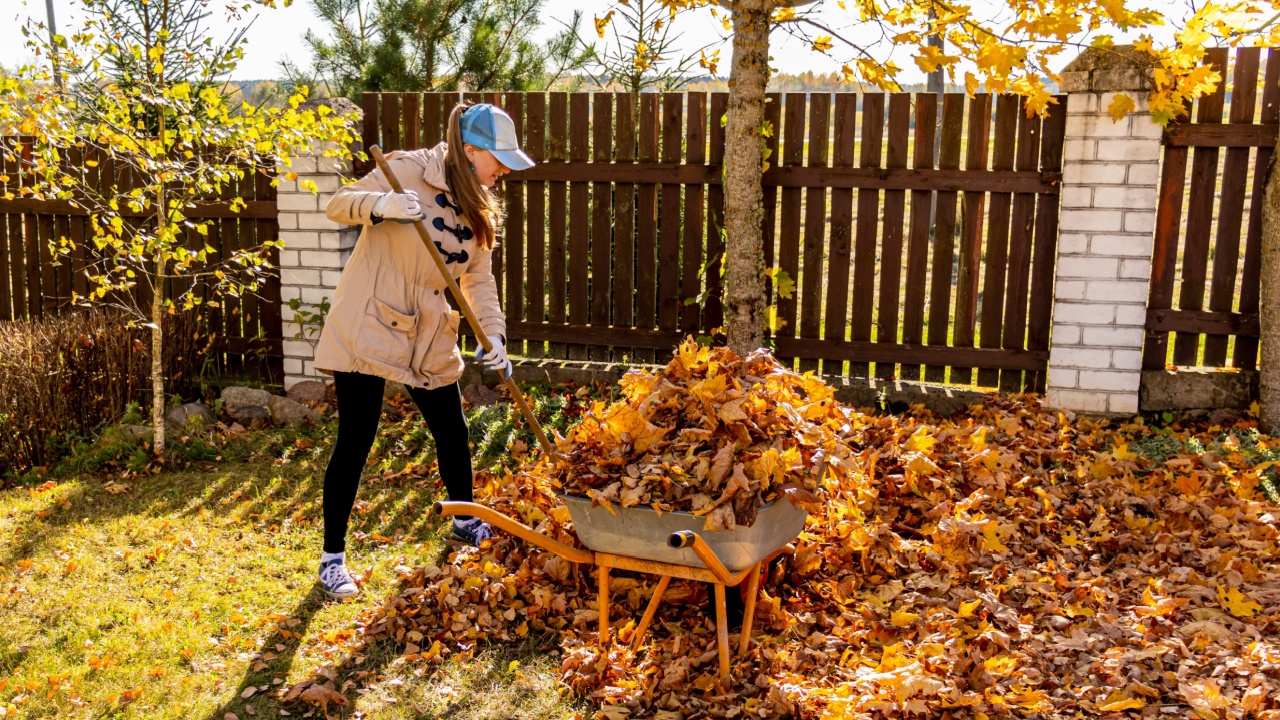
Some trees remain beautiful all winter, while others announce the approaching winter with their vibrant foliage. The belief is that exceptionally bright and vivid reds, oranges, and yellows in the autumn leaves predict a winter with lots of snow and cold temperatures.
Plant scientists will tell you that leaf color is influenced by a combination of factors, including moisture levels and temperature drops in the fall. Cool nights and sunny days are the perfect recipe for brilliant colors. While a beautiful fall doesn’t scientifically guarantee a snowy winter, it’s a much prettier forecast than a foggy morning.
Quick Scan:
- The Sign: Exceptionally bright and vibrant autumn leaf colors.
- The Prediction: A cold and snowy winter.
- Gardener’s Tip: Rake up fallen leaves and add them to your compost bin to create nutrient-rich leaf mold. It’s an excellent soil amendment for your garden beds next spring.
15. The Pig Spleen Prophecy
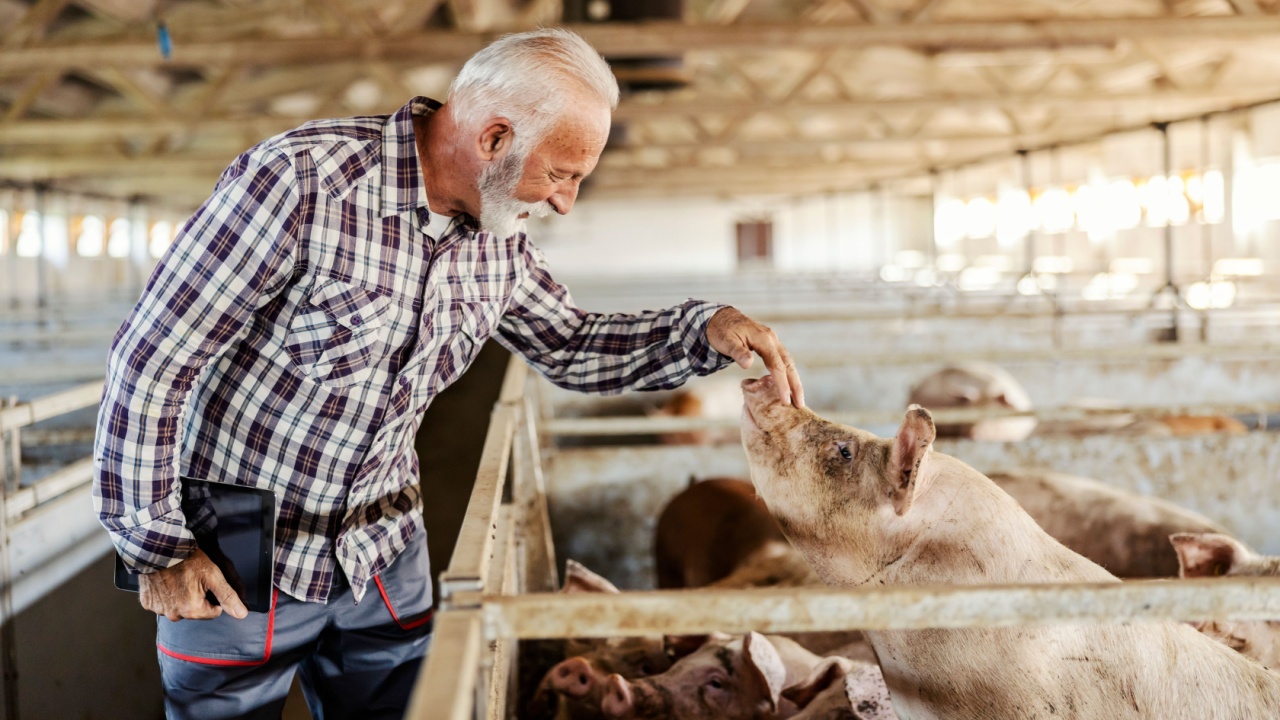
We’ve saved the most unusual for last. This is an old, traditional method that involves a pig’s spleen to forecast the weather for the next six months. The spleen is divided into six sections, each representing a month. Variations in the thickness of the spleen supposedly predict temperature and precipitation changes.
This one is definitely not for the faint of heart and is more a part of agricultural history than a practical tip for the modern gardener. It stands as a wild example of how people used every part of an animal, even for something as mysterious as predicting the weather.
Quick Scan:
- The Sign: The varying thickness of sections on a pig’s spleen.
- The Prediction: A detailed six-month weather forecast.
- Gardener’s Tip: A more practical use for farm byproducts is composting manure to enrich your garden soil. It’s a lot less messy than spleen divination.
Get Ready for Winter
Whether you believe in the wisdom of a woolly bear or the message in a persimmon seed, paying attention to these folklore signs is a wonderful way to connect with the natural world. They encourage us to slow down, observe, and appreciate the subtle changes of the season.
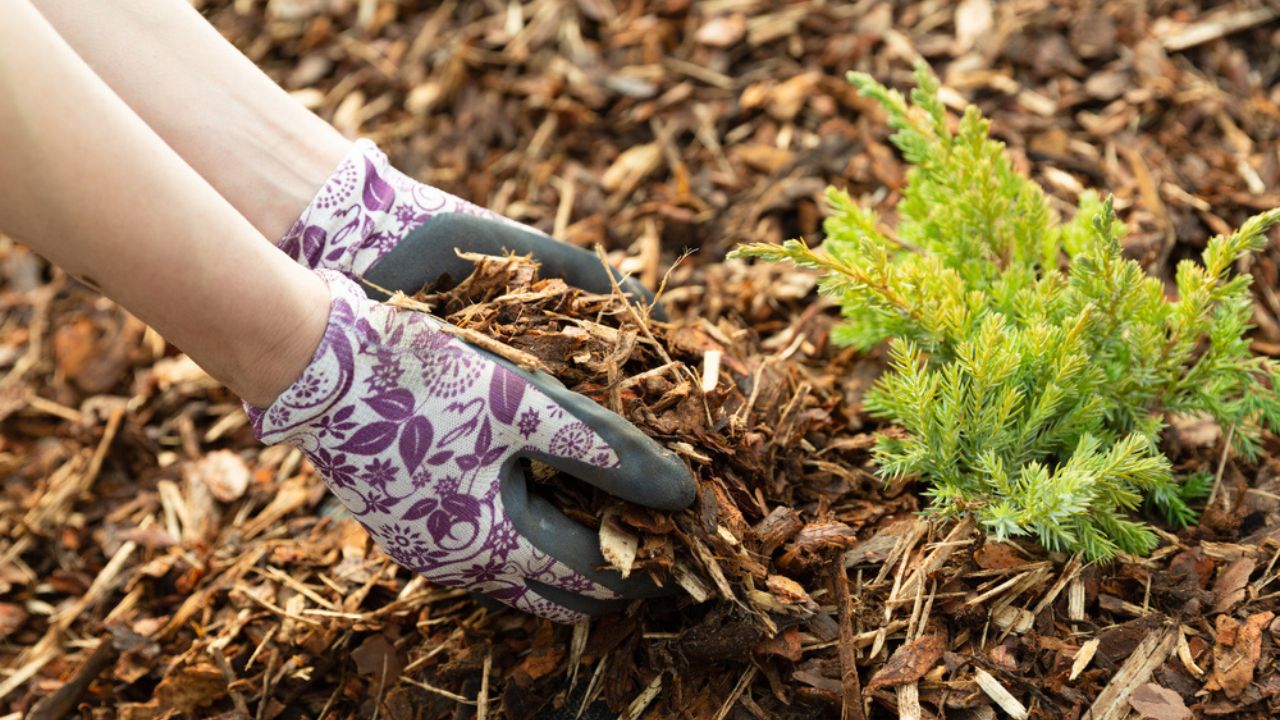
Your next step is to use these hints, however quirky, as a fun reminder to prepare for winter. Use the potential for a snowy season as motivation to protect your tender plants, mulch your garden beds, disconnect your hoses, and clean your tools. That way, no matter what the winter brings, your garden will be ready.