Spain is Overwhelmed by Extreme Weather as the Eastern U.S. Faces Its Own Wild Swings
Sunny Spain is not living up to its reputation this year, as a giant low-pressure system lays waste to the Iberian Peninsula.
The Western European country and neighboring Portugal have been lashed by heavy rain and wind all winter, bringing disruption beyond anything experienced before in some regions. It means the country is facing unprecedented recovery from almost two months of rain and wind-based destruction.
The Perfect Storms
A series of consecutive Atlantic and other storm events has been at the center of this fiasco. It began with Storm Emilia in mid-December, followed later in the month by Storm Francis, both of which brought widespread flooding.
Then, early January brought Storm Goretti, followed by Storm Harry, Storm Ingrid, and Storm Joseph. Finally, Storm Kristin compounded the already buckling nation. The Star Online reports that Spain received 119.3 mm (over 4.5 inches) of rainfall in January: officially the sixth-wettest in 65 years.
Yet, as the hangover from January had barely begun, February started on an even worse note. Storm Leonardo hit land on Feb 5, bringing extreme rainfall and causing 11 confirmed fatalities. In Malaga, one woman was swept away in the Turvilla River trying to rescue her dog, reports Euronews.
Spain and Portugal Fight to Recover
Of course, the weather wasn’t done there. Storm Marta is the latest weather event compounding misery in a country famed for its winter sunshine. Spain’s state meteorological agency (Agencia Estatal de Meteorología – AEMET) summarized the damage in an X post on Monday.
“With Marta, this season has already named 13 storms,” read the post. “It’s the year that has reached the letter ‘M’ the soonest: February 5.”
Consequences are becoming dire for many. At least 11,000 people have been evacuated from their homes by this storm cluster, according to Reuters.
Anyone traveling through Spain and Portugal right now would find the land unrecognisable from prior experiences. One of the driest corners of Europe now sits under a blanket of dark storm clouds.
Odd Polar Vortex Behavior
Meanwhile, on the other side of the pond, the Northeastern United States suffers its own extreme weather events. Record snowfall and low temperatures in many Northeastern and some Midwestern states have brought regions to their knees.
The two are connected by this season’s strange Polar Vortex behavior, meaning America is also experiencing a tale of extremes. The Severe Weather Europe platform explains this simple yet severe Arctic pressure system, which becomes erratic amid a Sudden Stratospheric Warming event (SSW).
The Stratospheric Polar Vortex is like a cap for the cold Arctic air, dueling with its lower counterpart, the Tropospheric Polar Vortex. During an SSW, the two can form low and high pressure systems apart, which is the catalyst for this latest American continental weather divide.
A Continental Weather Rift
It’s the reason Western and Southern states have been basking in warm temperatures, while their Northeastern counterparts are pinned under a blanket of low pressure. However, some Western states may also suffer serious water issues this year.
The NOAA’s National Integrated Drought Information System (NIDIS) reports the worst Feb 1 snowpack in Western regions since satellite records began. Decisions over this year’s planting and seed choice may need revising.
Feeling The Agricultural Effects
Despite the obvious drought-related issues for gardeners and homesteaders in these Western longitudes, they may want to spare a thought for their counterparts in Spain. Andalusia in the South, the breadbasket to much of the country, has seen a particularly bad outcome. The fertile low-lying lands between Huelva Province and Jaen are the agricultural heartland of the South.
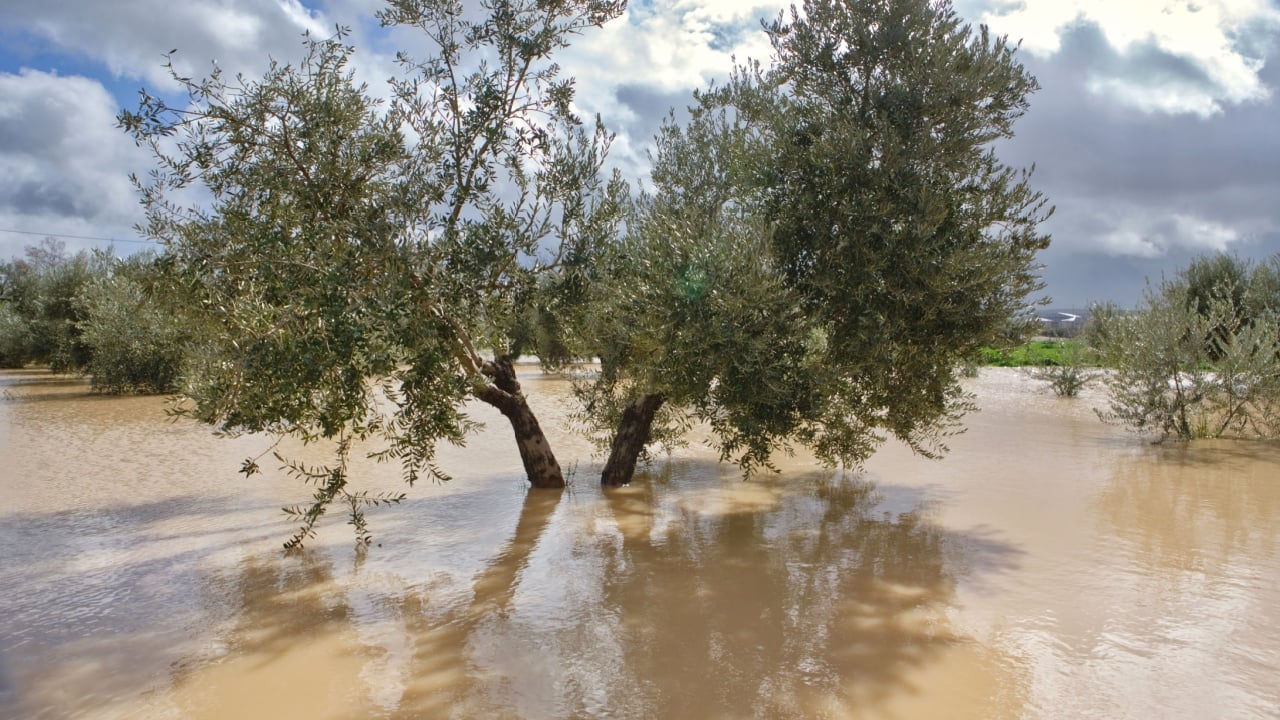
With Storm Marta hitting the final nail in the coffin this week, EuroWeekly News reveals how Spanish farmers warn of “catastrophic” effects. What makes this recovery harder is that such profound flooding means crops are inaccessible. The worst crops hit include “citrus groves, horticultural crops, and pastureland, increasing the risk of root stress, fruit drop, and disease.”
As Southern Spain reels from this succession of disastrous events, it remains to be seen how badly crop yields might look. It may be a good time to stock up on olive oil, nonetheless.