The September Gardening Mistake That Costs You the Sweetest Harvest of the Year
Most gardeners make the same preventable mistake every September: they rip out their plants at the first whisper of frost and surrender the most flavorful weeks of the entire growing season. It is one of the most common habits in backyard gardening, and almost nobody talks about what it actually costs you in taste.
What’s ironic here is that frost you are rushing to avoid is not killing your garden, but it is actually making your vegetables sweeter. Root crops and leafy greens respond to cold temperatures by converting stored starch into sugar, a survival mechanism that acts as a natural antifreeze for their cells. The carrots, kale, and parsnips you pulled too early were days away from becoming the best-tasting produce you have ever grown. Penn State Extension calls this phenomenon “winter sweetening,” and it is the reason experienced gardeners leave their crops in the ground long after their neighbors have packed it in.
Frost-sweetened carrots taste so different from their store-bought counterparts that seasoned gardeners describe them as an entirely different vegetable. Brussels sprouts develop a nutty, almost caramelized flavor after a hard freeze. Parsnips left in the ground through December become dessert-sweet. These are flavors you simply cannot buy, and they are available to anyone willing to leave their garden standing a few weeks longer.
What follows are seven straightforward ways to extend your growing season this fall, most of them requiring nothing more than materials you already have. If your grandmother kept a garden, she probably knew at least half of these already.
Stop Pulling Your Crops at the First Frost
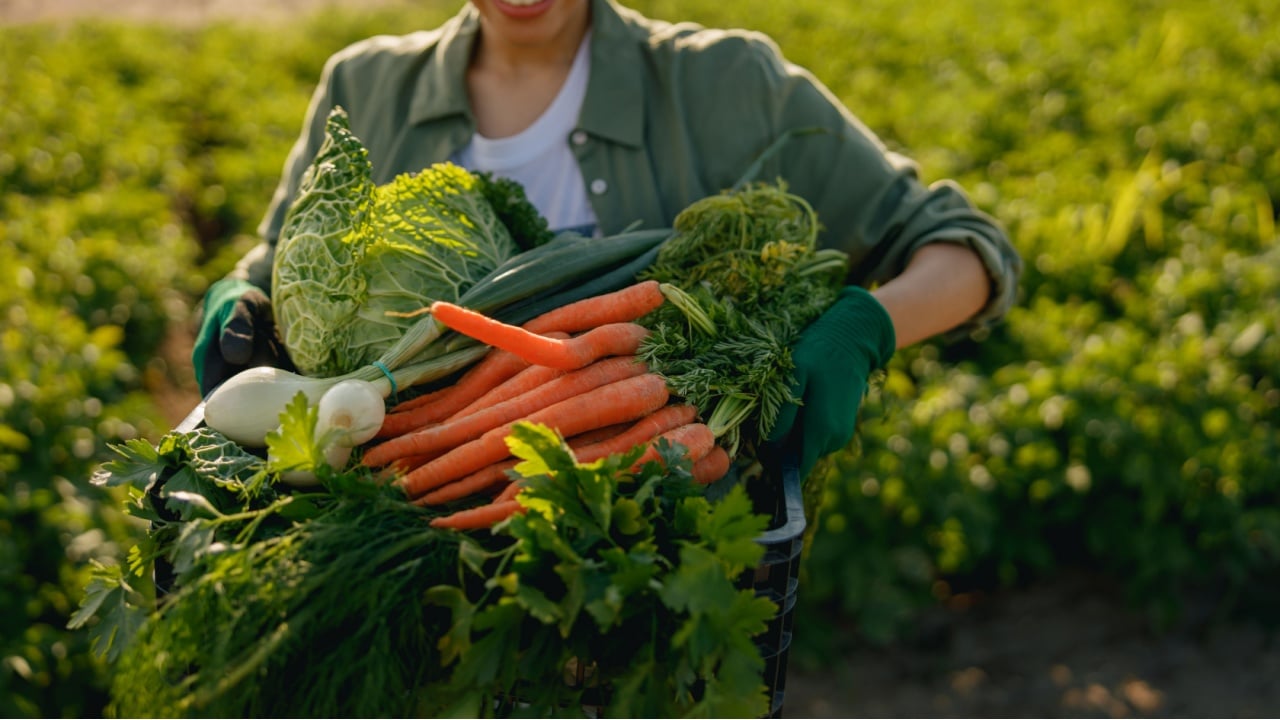
This is the villain of fall gardening, and it robs gardeners of their best harvest every year. The instinct to clear the garden when nights turn cold is strong, but it is wrong for a long list of cool-season vegetables. Kale, spinach, carrots, beets, Brussels sprouts, turnips, parsnips, leeks, cabbage, and broccoli all tolerate frost. Many of them actually need it.
“Winter sweetening is a phenomenon you often see in vegetables that grow naturally in cold weather,” explains Penn State Extension. “When temperatures start to drop, they convert these starches into sugars, which act as an anti-freezing agent for their cells.” Carrots left in the ground through several frosts become so sweet they barely resemble the woody, pale things sold at the grocery store.
Plant Fast-Growing Crops Right Now, Before September Ends
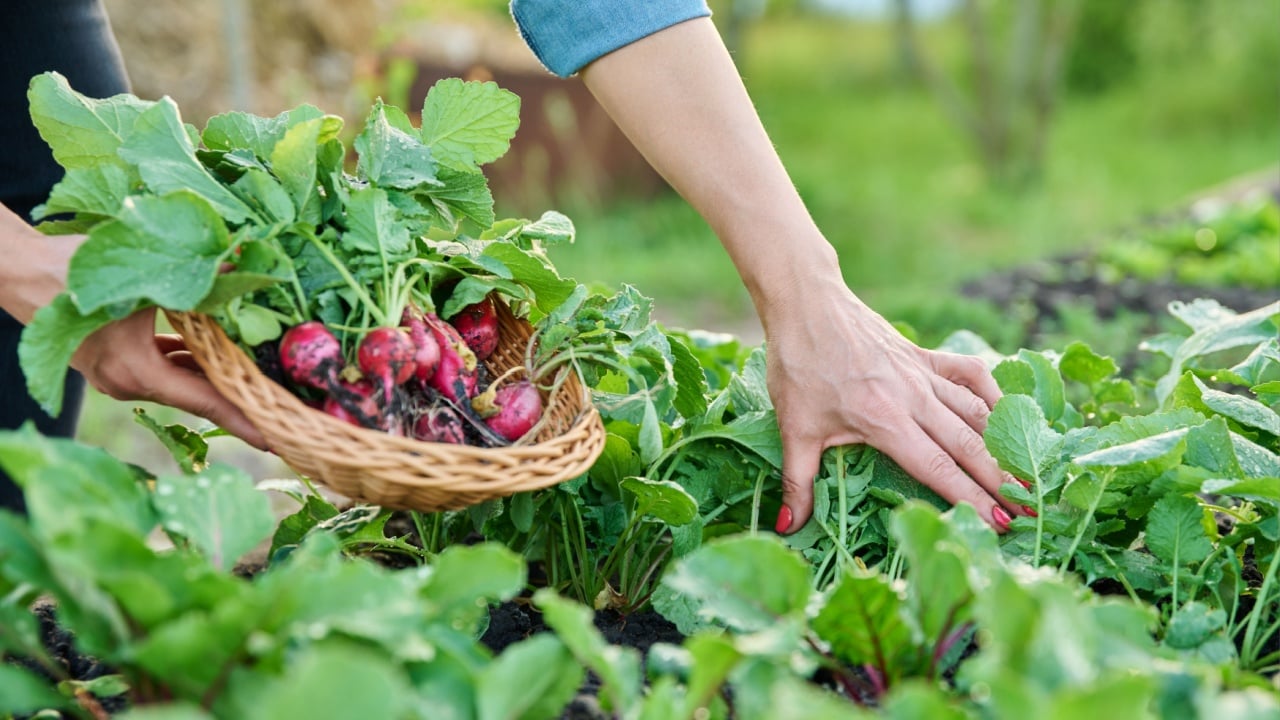
If you haven’t planted anything for fall yet, you have not missed the window. Radishes mature in as few as 25 days. Leaf lettuce is ready in about 30. Spinach, arugula, and baby kale can be harvested in 30 to 40 days. According to Cornell University’s planting guide, radishes can still be direct-seeded as late as September 10 in most northern climates, and gardeners in milder regions have even more time.
The key is adjusting your expectations. Plant growth slows in autumn as day length shrinks. Niki Jabbour, author and gardener writing for All-America Selections, recommends adding an extra week to the days-to-maturity listed on seed packets to account for shorter fall days. Count backward from your average first frost date, add that buffer, and you will know exactly when to sow.
Use a Simple Row Cover to Buy Your Garden 4 Extra Weeks
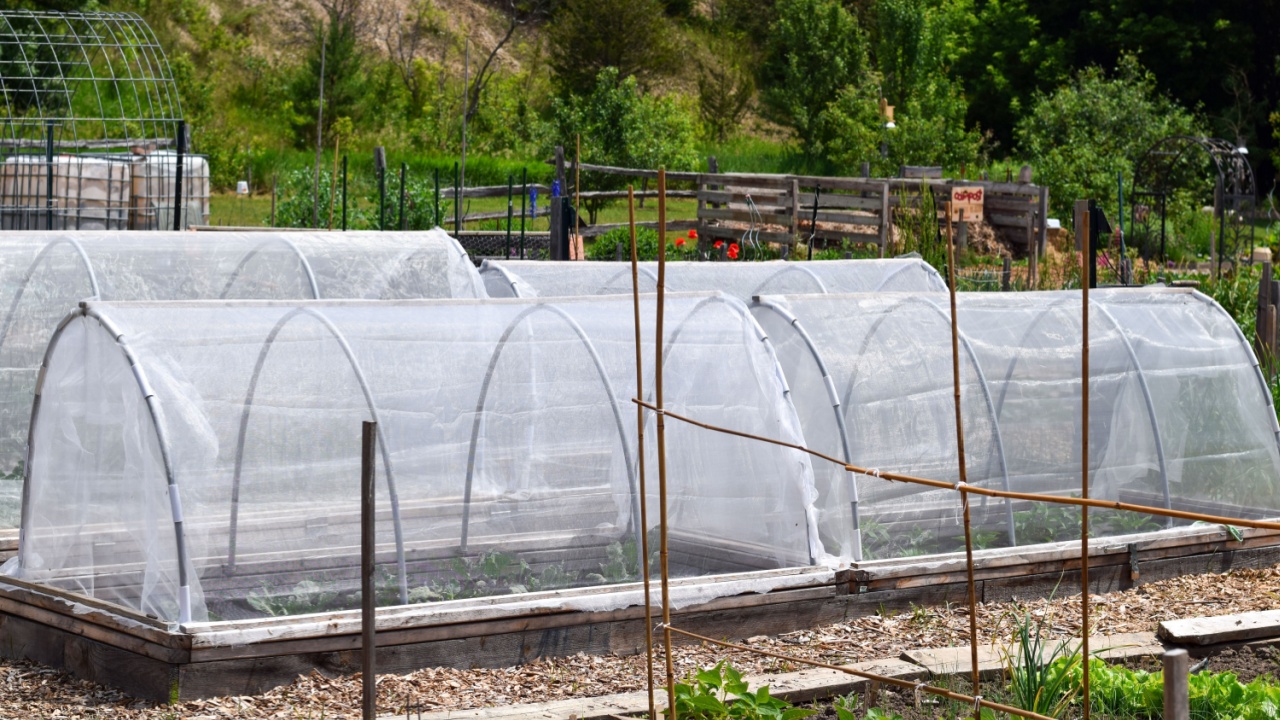
A single roll of lightweight row cover fabric from any hardware store is the most overlooked tool in fall gardening. Draped directly over your crops and anchored with stones or soil, it raises the temperature around your plants by about 4°F, according to Renee’s Garden. That is often enough to carry tender greens through several light frosts without a scratch.
Heavier row covers can protect plants down to about 20°F, according to the University of Minnesota Extension. For gardeners who have spent years watching entire late-season plantings die overnight, this one addition changes everything. A lightweight fabric barrier that extends your harvest by a full month is the kind of simple fix that makes you wonder why you didn’t try it sooner.
Build a Cold Frame and Add 8 Extra Weeks of Harvest
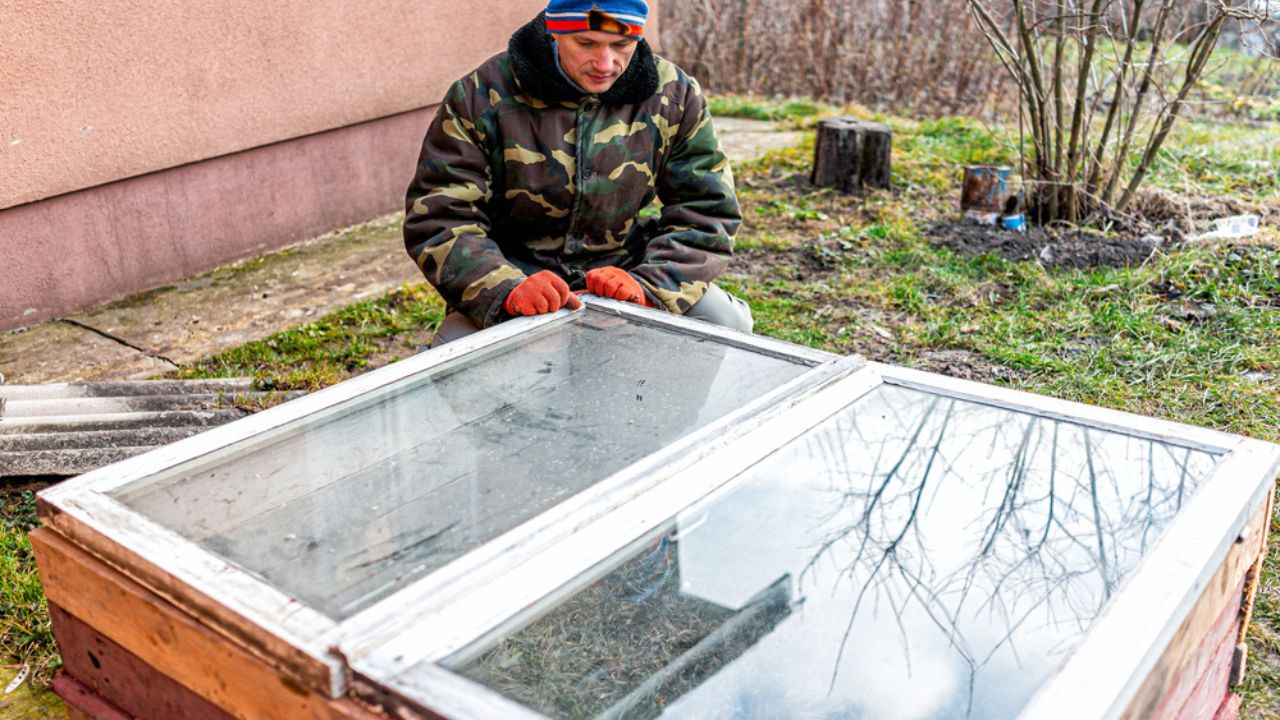
A cold frame is nothing more than a bottomless box with a clear lid. If you have an old storm window and some scrap lumber, you already have everything you need. Renee’s Garden notes that cold frames can extend the harvest season by six to eight weeks, carrying salad greens, kale, and root crops well into winter in all but the coldest climates.
The concept is simple: the glass or plastic lid traps solar energy during the day, and the insulated box holds warmth at night. Vent the lid when daytime temperatures exceed 50°F; close it when they drop below 45°F. Nursery professionals have relied on cold frames for centuries; most home gardeners never think to build one, and it costs them the most productive weeks of the entire gardening year.
Mulch Root Crops and Harvest Fresh Vegetables From Under Snow
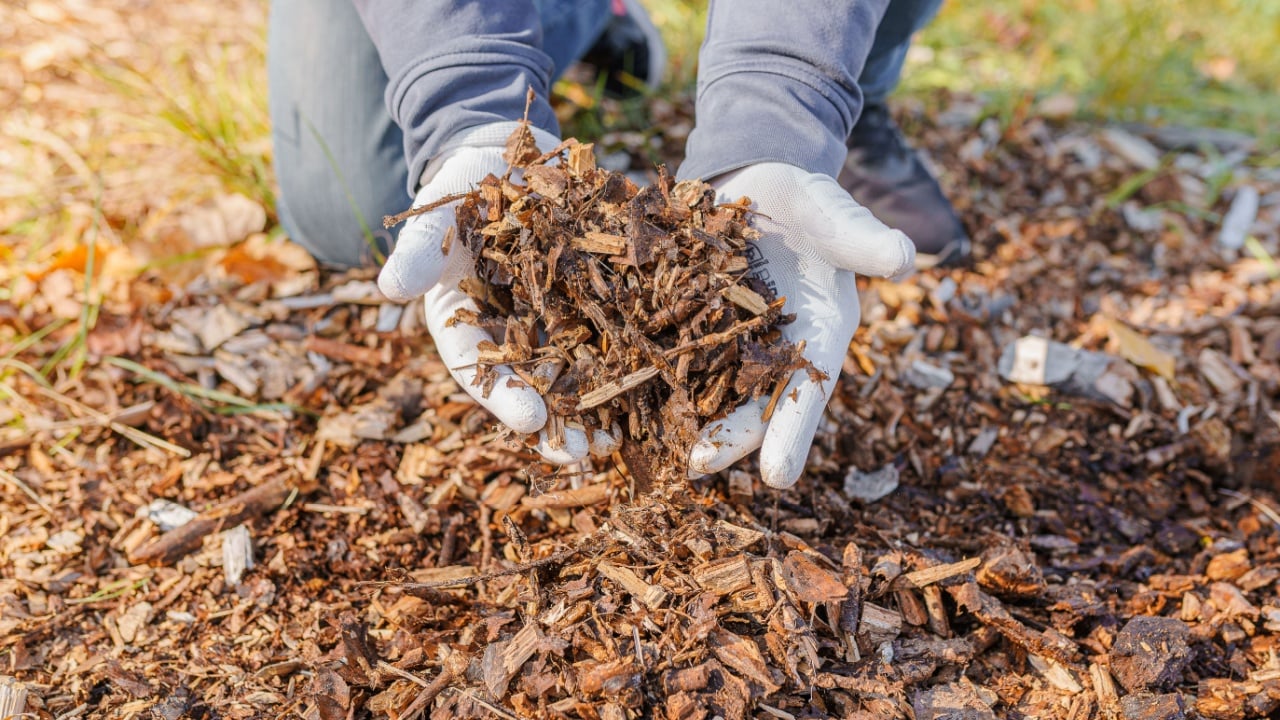
This is the insider trick that separates gardeners who eat from their yards all winter from those who stop in October. A 10 to 12 inch layer of straw, leaves, or hay spread over your root crops, extending 18 inches on each side of the row, keeps the soil at a steady 35 to 40°F, according to Renee’s Garden. That is the ideal storage temperature for carrots, beets, parsnips, and leeks.
Once that mulch is in place, you can walk out to the garden in January, push it aside, and dig up fresh roots, even from under two feet of snow. The vegetables will not keep long after you dig them, so harvest only what you need for the next few days. Fallen leaves work just as well as purchased straw, which means this technique requires nothing you do not already have.
Amend Your Soil Now to Set Up a Stronger Spring Garden
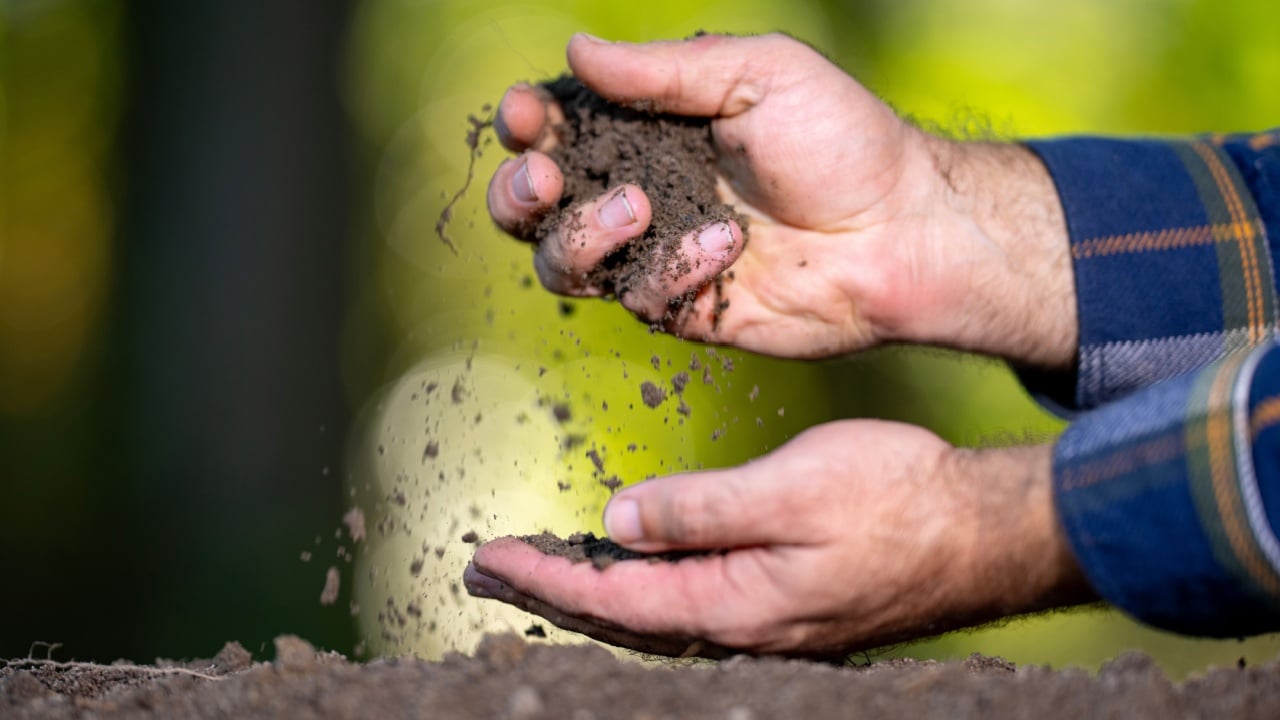
Fall gardening is not just about squeezing out a few more harvests. It is also the best time to invest in next year’s garden. Penn State Extension recommends testing your soil in fall, so you have results and can apply amendments before winter. Adding an inch of compost or aged manure between your summer and fall plantings keeps the soil fertile enough to support a second round of crops without exhausting the nutrients your spring garden will need.
“Feed the soil, not the plant” is the old saying, and it matters twice as much when you are asking one bed to produce two harvests in a single year. This is the step most gardeners skip, and it is the reason their fall crops underperform. A single afternoon of soil prep now means stronger, healthier plants for months to come.
Use Microclimates and Raised Beds to Outsmart the Cold
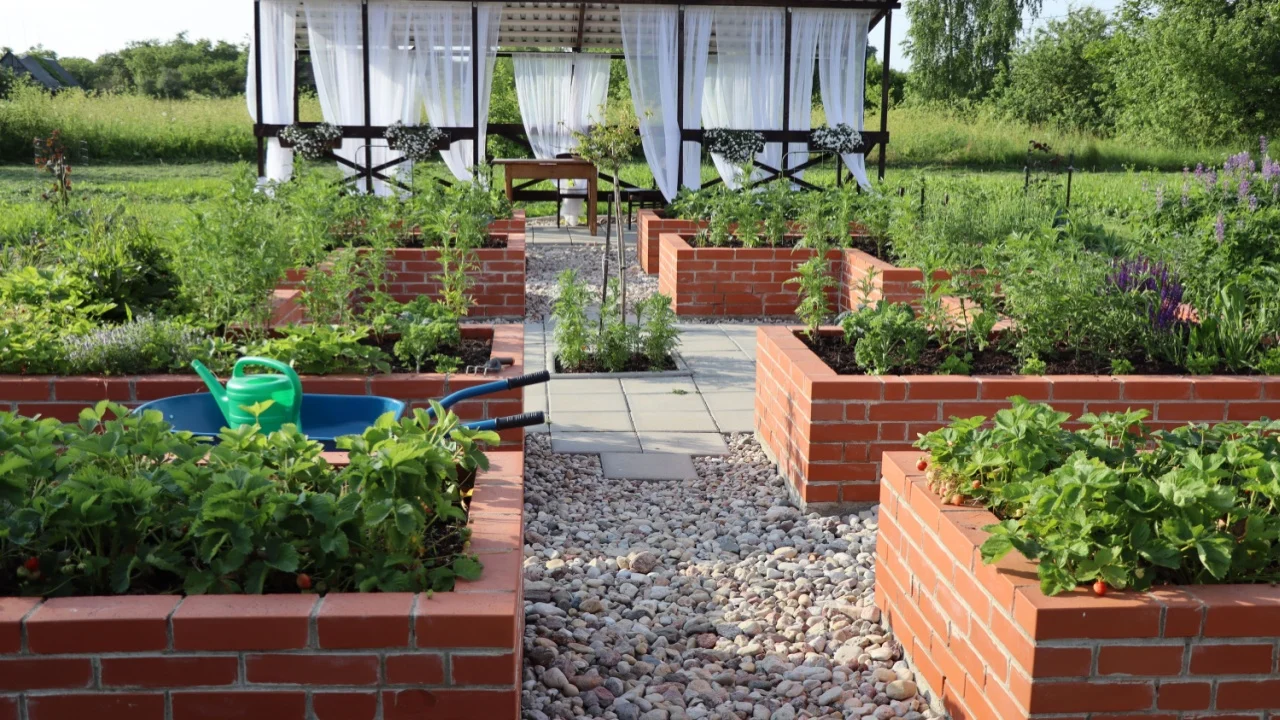
Every yard has warm spots most gardeners never notice. The south-facing side of a fence or wall absorbs and radiates heat. The top of a slight slope stays warmer because cold air drains to lower ground. Renee’s Garden recommends using these natural microclimates to grow vegetables later into the season without any additional equipment.
Raised beds offer a similar advantage. Because they sit above ground level, they warm faster in spring and hold warmth longer into fall, according to Denver Urban Gardens. If you are deciding where to plant your September crops, put them in the raised bed closest to the house, against the warmest wall. It is a free head start that experienced gardeners have used for generations, and it pairs beautifully with a row cover for an extra layer of cold protection.
Your September Season Extension Checklist
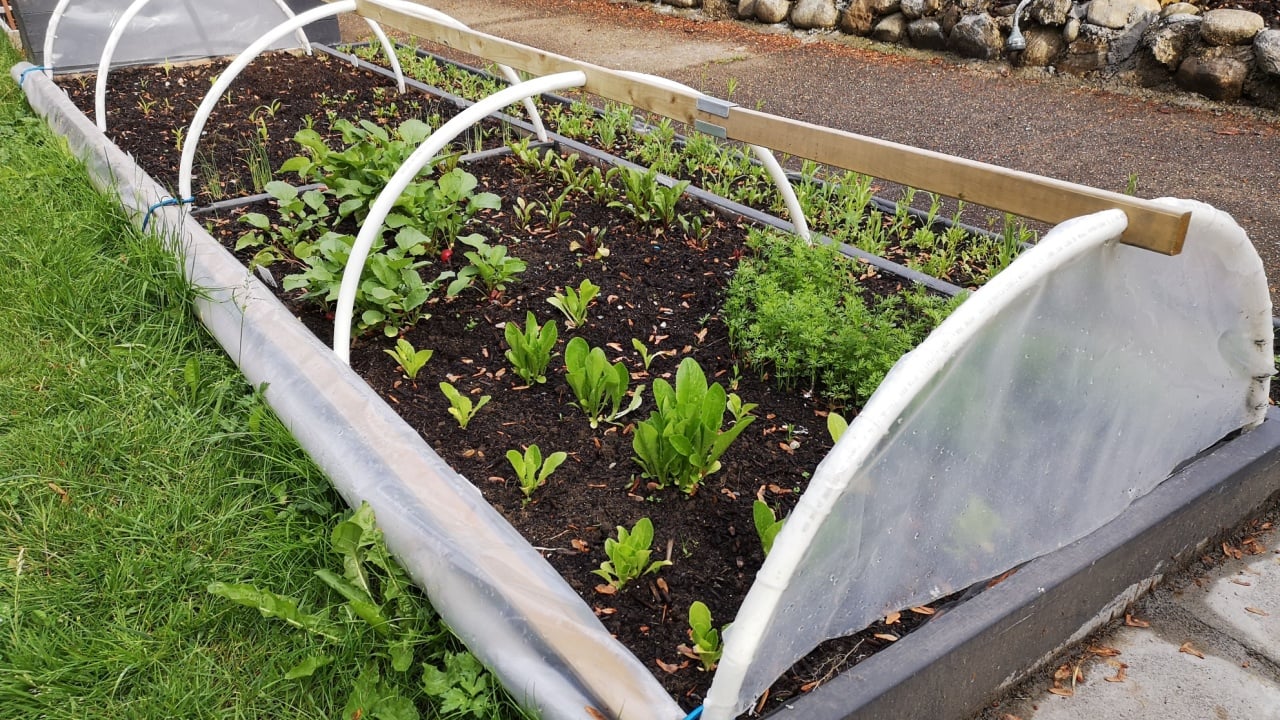
September is the pivot month. What you do in the next few weeks determines whether your garden feeds you through Thanksgiving or quits on you next week. Start by sowing radishes, lettuce, spinach, and arugula this weekend; they are fast enough to harvest before hard frost in most regions. Lay row covers over anything already growing. If you have scrap wood and an old window, build a cold frame and fill it with salad greens. Mulch your carrots, beets, and parsnips with a thick layer of leaves or straw and leave them in the ground; they will only get sweeter.
The gardeners who eat the best produce of the year do it in November, not July. They enjoy vegetables most people never get to taste, flavors that only cold weather can unlock. The only difference between them and everyone else is that they did not give up when the calendar said fall.
Read More
Washing Your Lettuce Won’t Remove Cyclosporiasis, But Growing Your Own Will
Your Grandmother Stored These 8 Foods All Winter Without Canning a Single Jar