Houseplant Pairings That Work Like Magic
Grouping houseplants is a bit like matchmaking. You put two individuals together and hope they don’t just tolerate each other, but actually bring out the best in one another. Sometimes it works beautifully, creating a stunning visual display. Other times, it’s a disaster, with one plant hogging all the light, and the other wilting in its shadow. The secret is understanding what each plant needs to be happy.
Combining plants with similar light, water, and soil preferences is the foundation of any successful botanical partnership. This approach simplifies care routines and helps create a harmonious little ecosystem right in your living room. The following combinations are proven winners, taking the guesswork out of creating dynamic and healthy plant arrangements.
1. Peace Lily and Pothos
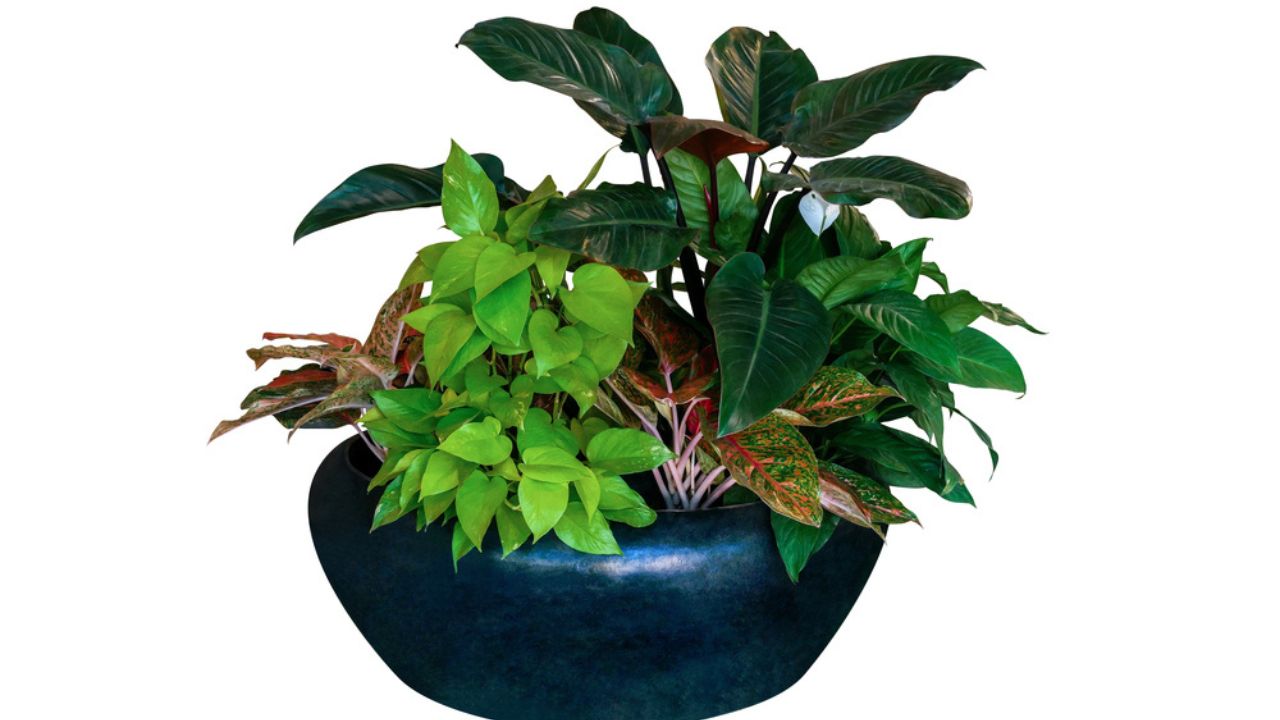
Pairing a peace lily with a pothos is a classic move for creating a lush, tranquil corner in any room. The peace lily offers elegant, dark green leaves and iconic white spathes, providing a sense of vertical structure. Pothos, with its vining nature, spills gracefully over the side of the pot or can be trained to climb, adding a dynamic, flowing element.
This duo is a powerhouse for spaces with lower light. They both prefer indirect sunlight and can become scorched if exposed to harsh, direct rays. Their watering needs are also in sync; they both appreciate consistently moist soil but are prone to root rot if left sitting in water. When you water, do so thoroughly, then let the top inch dry before the next session. This satisfies the pothos’ tolerance for slight dryness while keeping the peace lily from wilting.
Quick Glance:
- Light: Low to bright, indirect light. Avoid direct sun.
- Water: Keep soil consistently moist but not soggy. Water when the top inch of soil feels dry.
- Soil: A well-draining, all-purpose potting mix.
- Next Steps: Place them in a north- or east-facing window. Trim the pothos vines to encourage fuller growth and prevent them from becoming too sparse.
2. Snake Plant and ZZ Plant
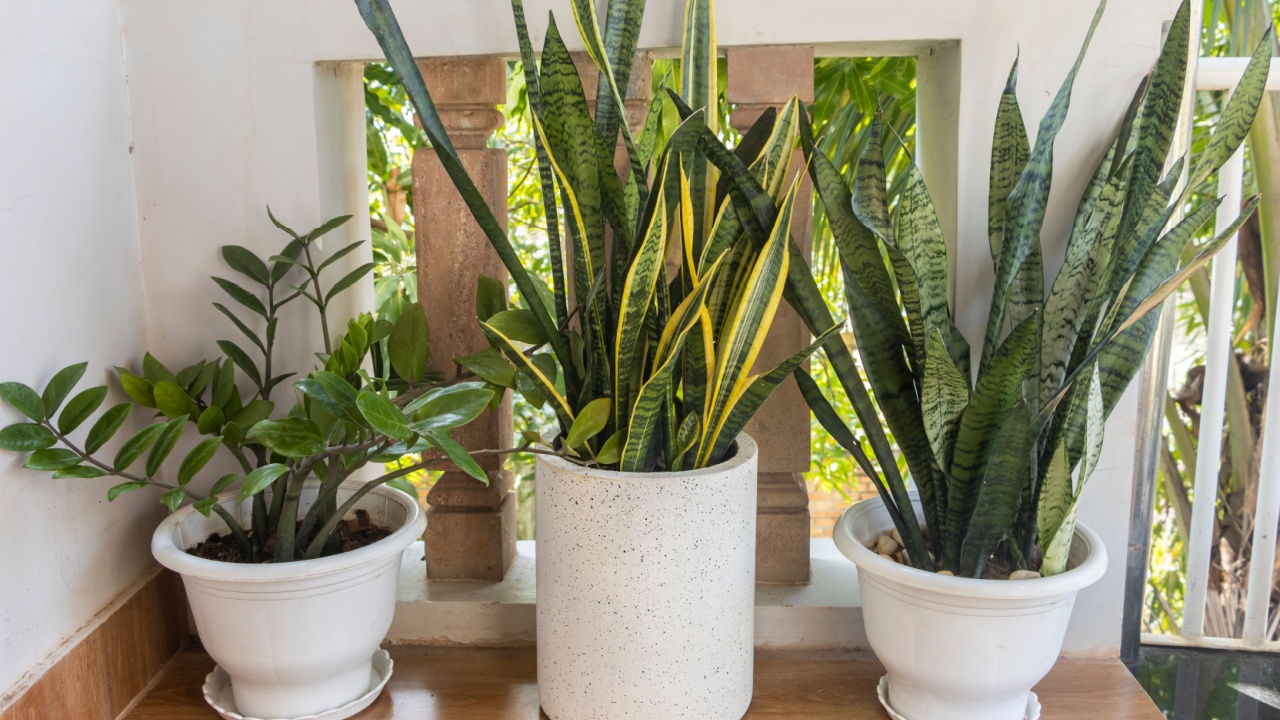
This is the power couple for the forgetful plant parent. Both the snake plant and the ZZ plant are renowned for their resilience and striking architectural forms. The snake plant, with its upright, sword-like leaves, provides strong vertical lines. The ZZ plant complements this with its arching stems and glossy, feather-like leaflets.
Both plants are succulents in their own right, storing water in their leaves and rhizomes, which means they are exceptionally tolerant of drought. They can go weeks between waterings without complaint, making them ideal for busy people or those new to plant care. They also thrive in a wide range of light conditions, from low light to bright, indirect light, so you can place them almost anywhere in your home.
Quick Glance:
- Light: Adaptable to low, medium, or bright indirect light.
- Water: Water thoroughly, then allow the soil to dry out completely before watering again.
- Soil: A fast-draining cactus or succulent mix is ideal.
- Next Steps: Pot them together in a single wide container for a modern statement piece. Since they are slow growers, you won’t need to repot them often.
3. Jade Plant and Thimble Cactus
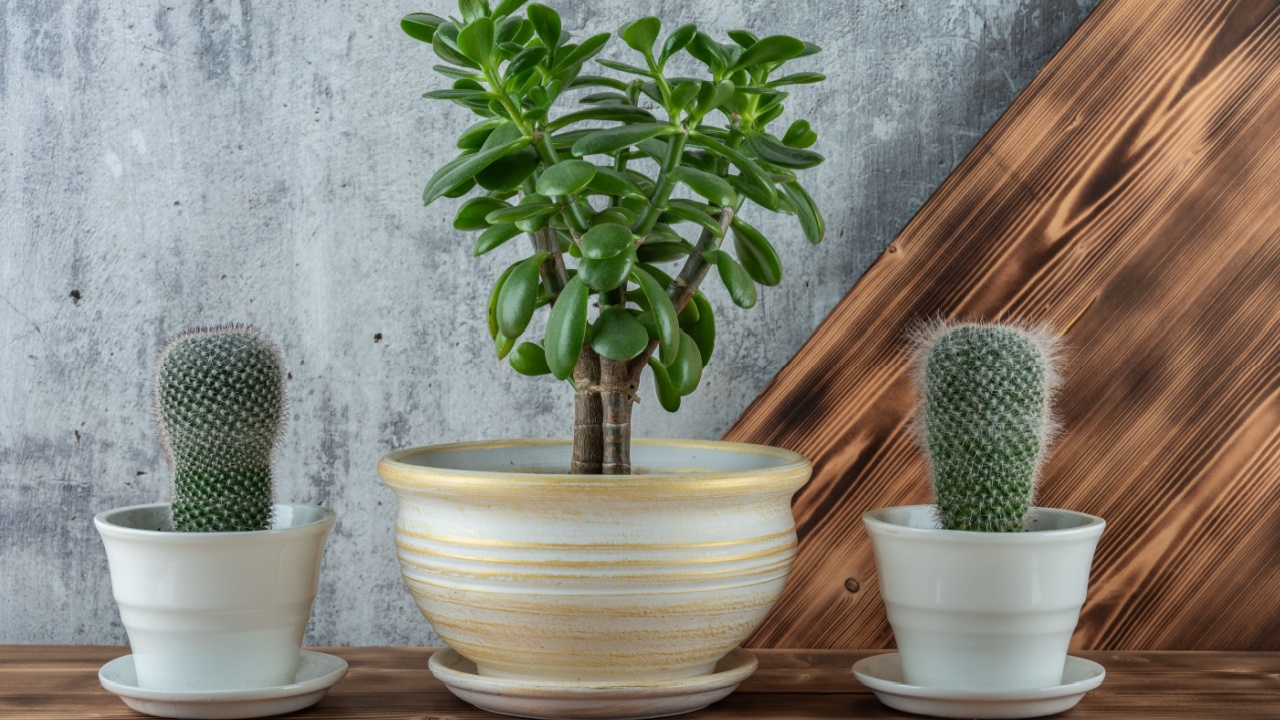
For a desert-inspired arrangement, combining a jade plant with a thimble cactus creates a delightful contrast in texture and form. The jade plant offers smooth, fleshy, coin-shaped leaves on a woody, tree-like structure. The thimble cactus grows in dense clusters of small, cylindrical stems covered in soft white spines, creating a fuzzy, mounded appearance.
Their shared love for sun and dry conditions makes them a match made in your garden. Both are succulents that require plenty of bright, direct sunlight to flourish. They also need soil that drains very quickly and should be watered infrequently. Overwatering is the quickest way to harm these sun-lovers. This combination is perfect for a sunny windowsill where you can admire their distinct shapes and minimal care requirements.
Quick Glance:
- Light: Full sun. Four to six hours of direct sunlight is best.
- Water: Water sparingly, letting the soil dry out completely between sessions. Reduce watering significantly in the winter.
- Soil: Use a gritty, well-aerated cactus and succulent soil mix.
- Next Steps: Provide them with a spot on a south- or west-facing windowsill. Turn the pot occasionally to give all sides of the plants equal sun exposure.
4. Aloe and Snake Plant
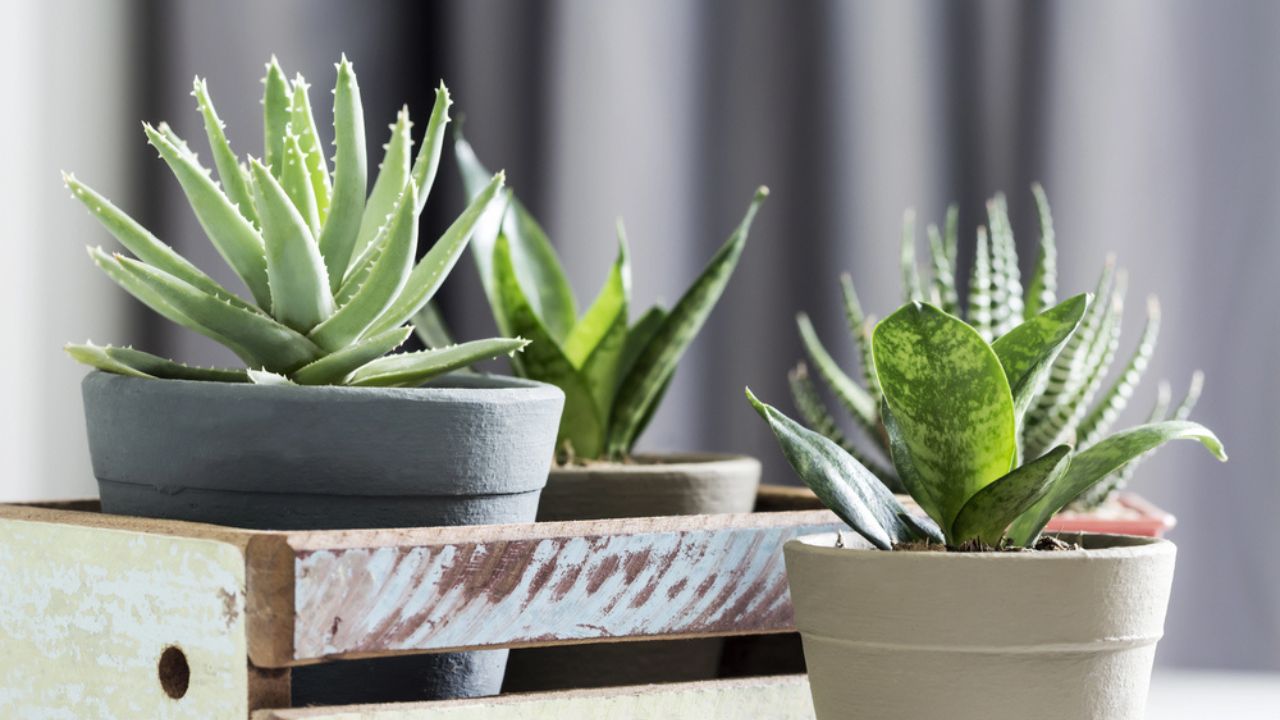
Pairing aloe vera with a snake plant is another fantastic option for a low-maintenance, architectural display. The structural, upright leaves of the snake plant provide a perfect backdrop for the rosette-forming, spiky leaves of the aloe. Both plants are succulents and share very similar care needs, which is the cornerstone of a successful plant partnership.
They thrive in bright, indirect light but are remarkably tolerant of lower light levels. Their watering needs are minimal; both prefer their soil to dry out completely between waterings. This drought-tolerant nature makes them an incredibly forgiving combination. Beyond their good looks, both plants are famous for their air-purifying qualities, working together to improve the air quality in your living space.
Quick Glance:
- Light: Prefers bright, indirect light but tolerates low light.
- Water: Allow soil to dry out completely before watering. They are very susceptible to root rot.
- Soil: A fast-draining potting mix, such as one designed for cacti and succulents.
- Next Steps: Plant them in a shallow, wide pot to give the aloe room to produce pups. This duo is a great addition to a bedroom or office.
5. Philodendron and Peace Lily
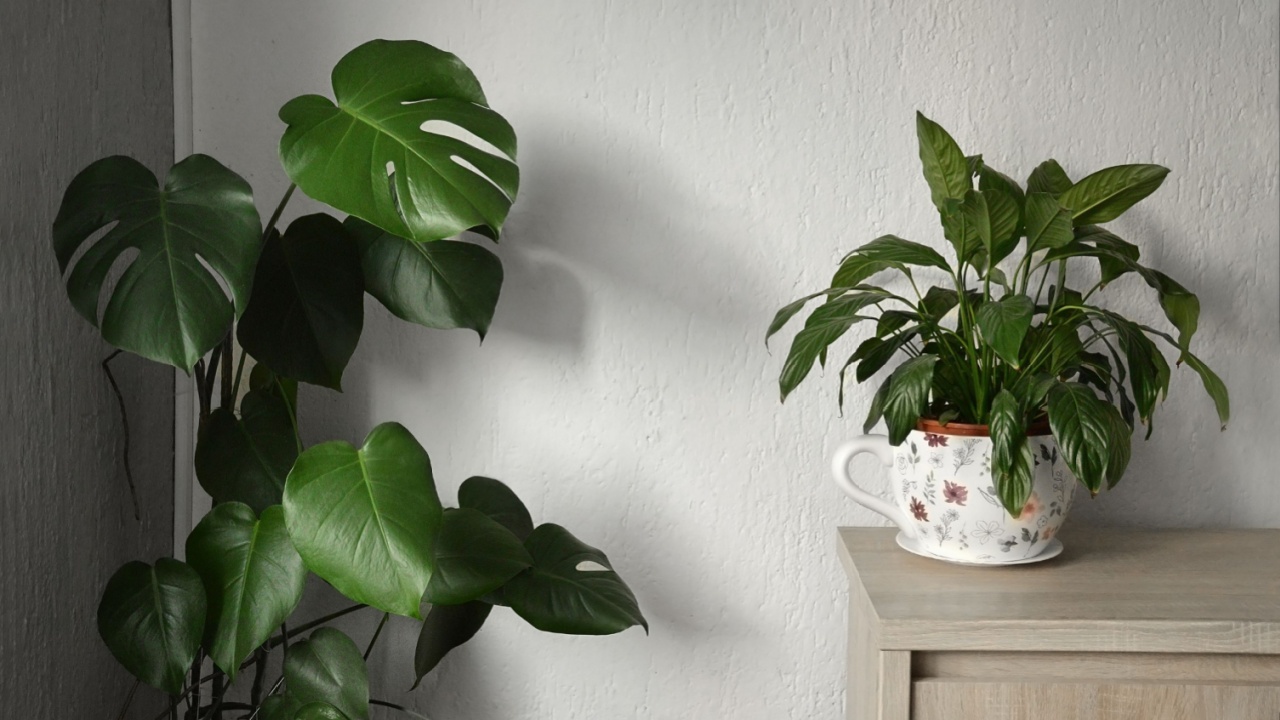
For a truly lush, jungle-like feel, potting a heartleaf philodendron with a peace lily is a winning strategy. The philodendron’s cascading, heart-shaped leaves beautifully complement the peace lily’s larger, upright foliage and elegant white flowers. This pairing creates a sense of depth and abundance. Their care requirements are nearly identical.
Both plants thrive in medium to bright indirect light but should be kept out of direct sunlight, which can damage their leaves. They share similar watering needs, preferring consistently moist soil without becoming waterlogged. Together, they add vibrant greenery that can brighten any space and bring a fresh, lively feel to a room.
Quick Glance:
- Light: Medium to bright, indirect sunlight.
- Water: Water when the top inch of soil is dry. They appreciate higher humidity.
- Soil: A standard, well-draining potting soil will work well for both.
- Next Steps: Consider placing them in a hanging basket to let the philodendron’s vines trail freely. Misting the plants occasionally can help replicate the humid environment they love.
6. Wishbone Flower Plant and Polka Dot Plant
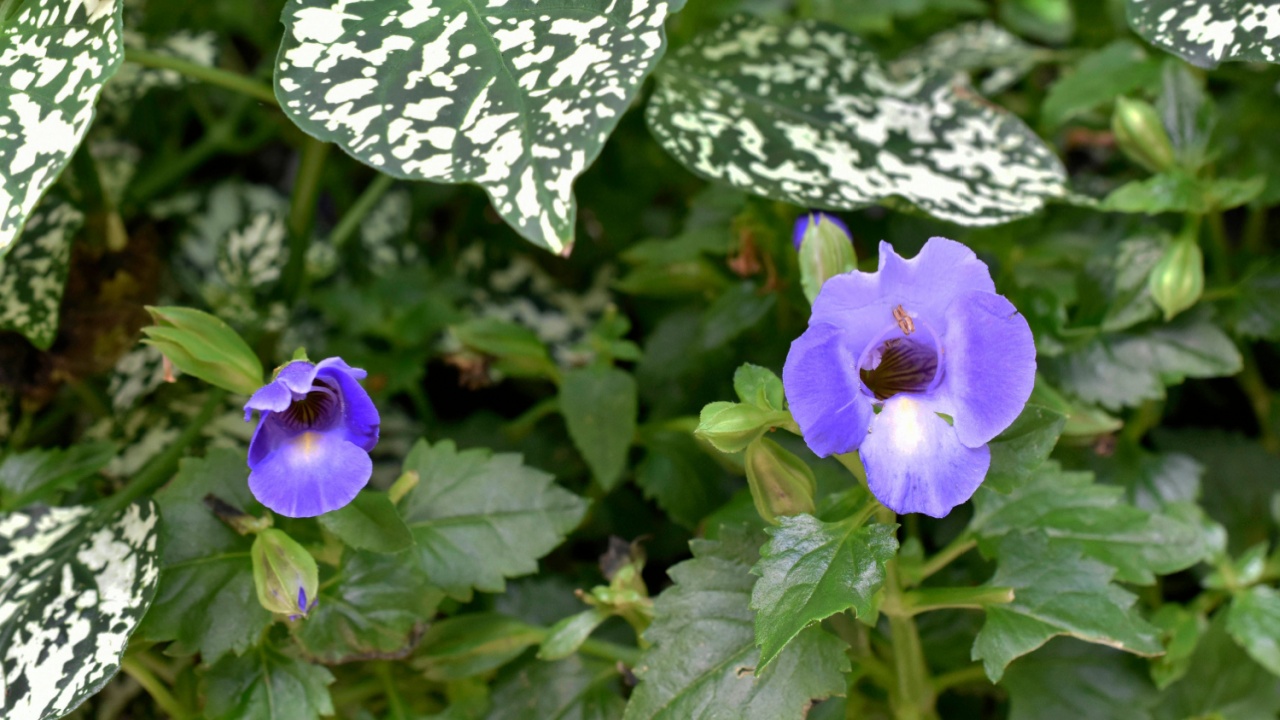
Pairing the wishbone flower (Torenia fournieri) with the polka dot plant (Hypoestes phyllostachya) creates a lively, colorful display that thrives in bright, indirect light. The wishbone flower contributes delicate trumpet‑shaped blooms in shades of purple, blue, or pink, while the polka dot plant adds splashes of pink, red, or white across its foliage.
Both enjoy evenly moist, well‑draining soil and benefit from regular pinching to encourage bushier growth. Together, they offer a playful mix of texture and color that enlivens tabletops or windowsills.
Quick Glance:
- Light: Bright, indirect light.
- Water: Keep soil consistently moist but not soggy.
- Soil: Rich, well‑draining potting mix.
- Next Steps: Pinch back stems regularly to maintain compact growth and prolong flowering.
Do What Works
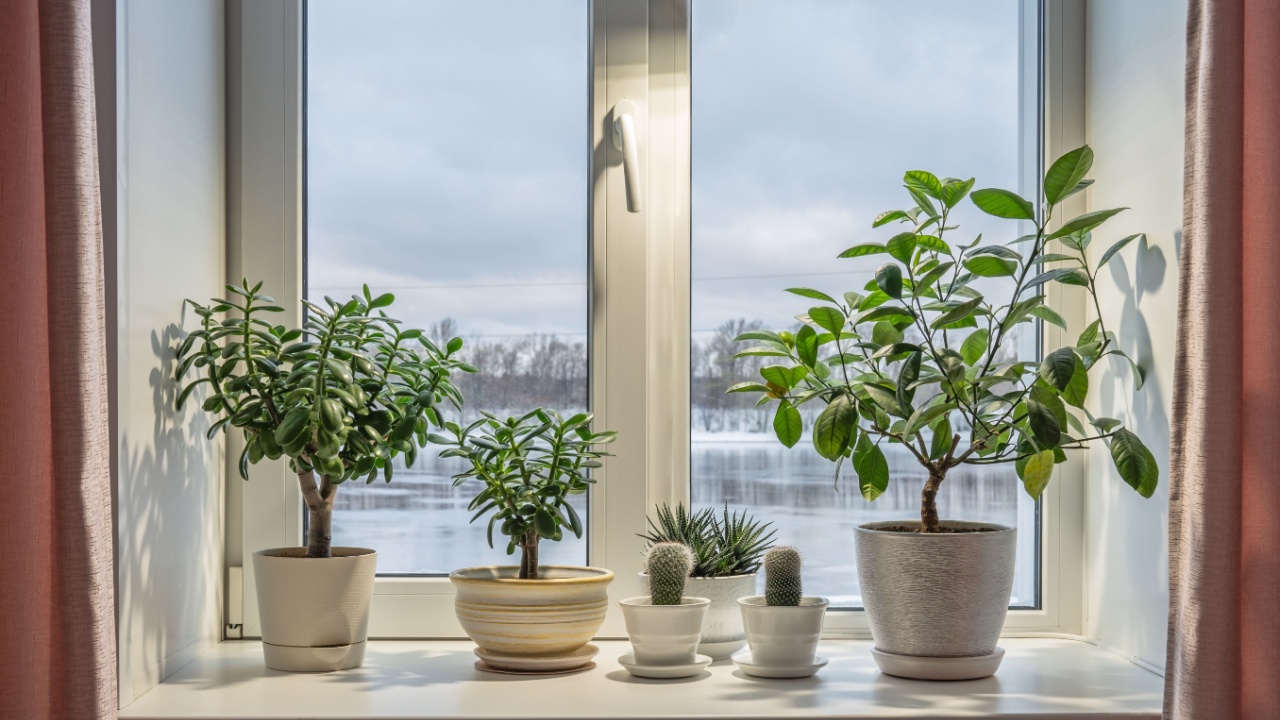
Successful plant pairing comes down to compatibility. By choosing plants that enjoy the same environment, you set them up for success and make your job as a plant caretaker much easier. Take note of the light conditions in the spot you have in mind and choose a combination that will flourish there. Don’t be afraid to move plants around to find their happy place.