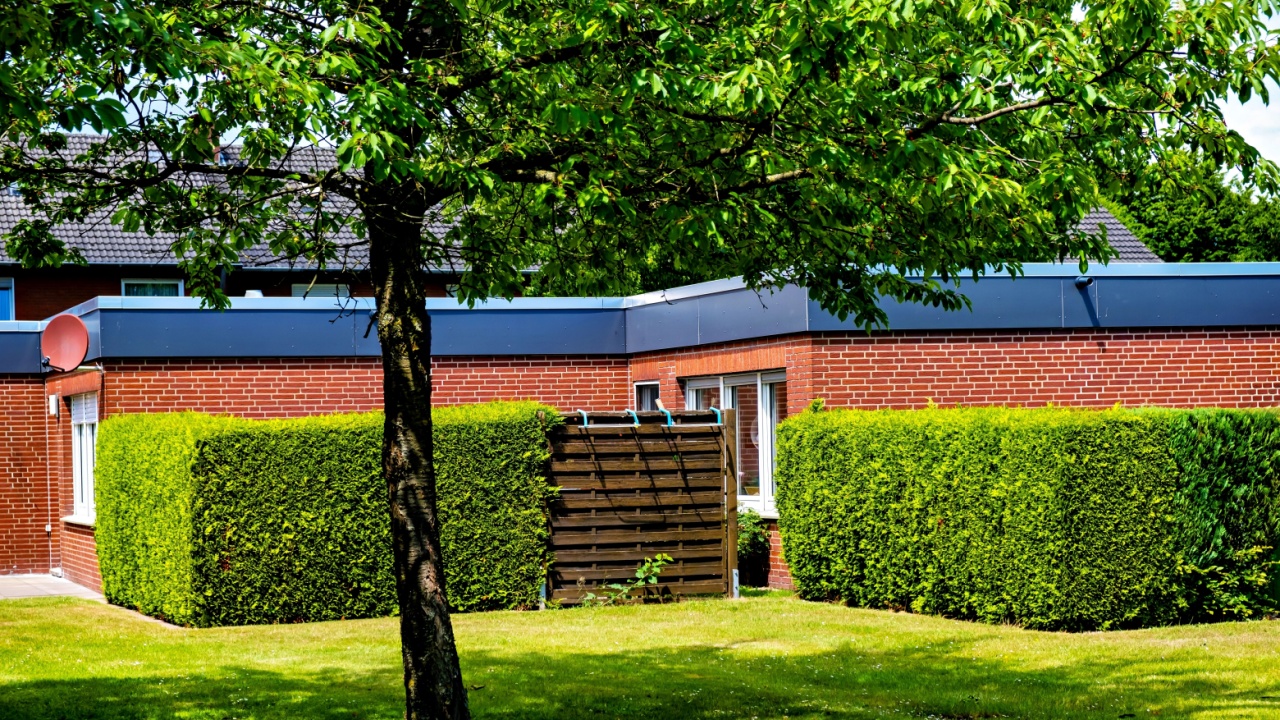
6 Fast-Growing Hedges That Offer Lovely Privacy
Creating a natural boundary around your yard gives you a comfortable outdoor space to relax. Many homeowners look for ways to block sightlines from busy streets or neighboring windows without building a tall wooden fence. Living screens provide a beautiful alternative that softens the landscape while delivering the separation you need.
Selecting the right plants makes a massive difference in how quickly your boundary develops. Certain varieties grow incredibly fast, shooting up multiple feet per year and filling in gaps rapidly. By choosing these vigorous growers, you create a dense wall of foliage much faster than you would with typical shrubs.
This guide reviews six rapid-growing plants that create wonderful natural barriers for your yard. You will learn the growth habits of each plant and gather practical tips to help them thrive in your soil.
Read on to discover which green screen fits your specific region and style preferences.
1. Japanese Cedar
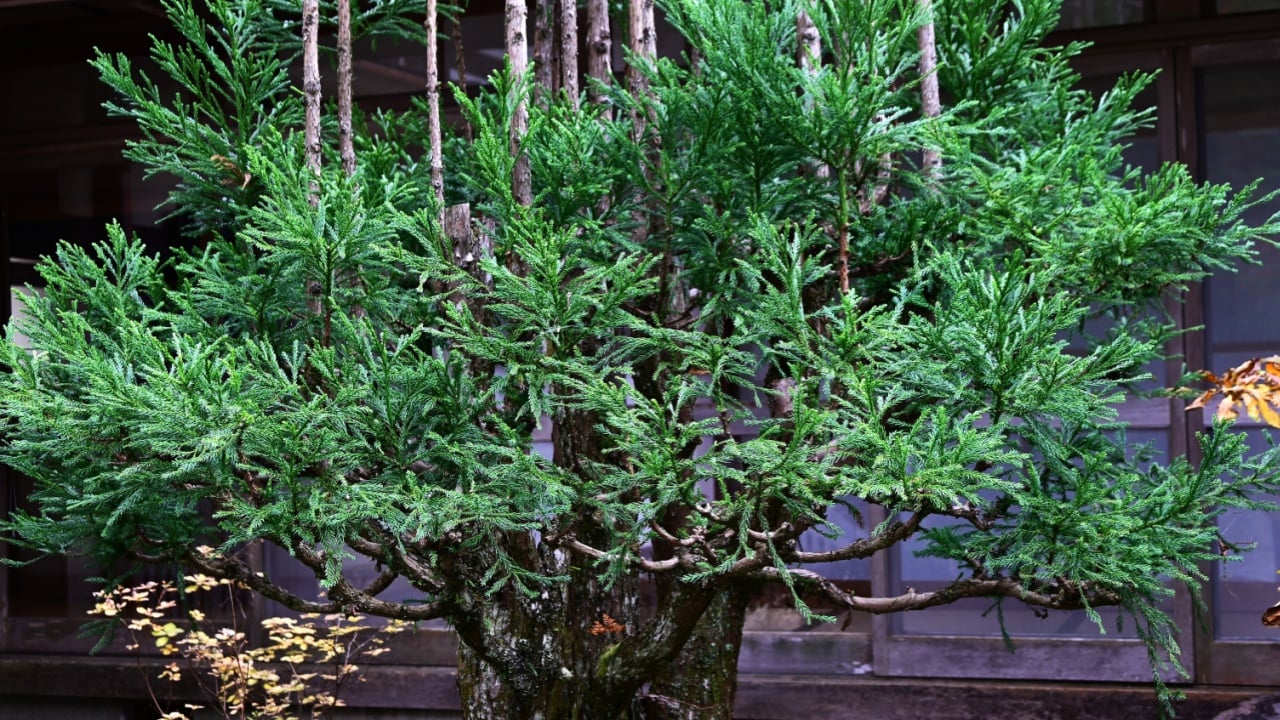
Japanese Cedar is a vigorous evergreen conifer that grows two to three feet each year. These trees reach mature heights of fifty to sixty feet, providing a massive screen for large properties. The dark green foliage has a lovely billowing texture that creates an informal boundary rather than a rigid wall. They thrive best in planting zones five through eight, requiring well-drained soil and plenty of sunlight to maintain their rapid upward momentum.
Because these trees grow so large, they need plenty of space to spread their roots and branches. Plant them at least six feet apart to give them room to mature naturally without crowding each other out. Keep the soil evenly moist during the first few years to help the root system establish itself deep in the ground. Add a thick layer of mulch around the base to retain moisture during warm summer months and protect the roots from winter cold.
2. Forsythia
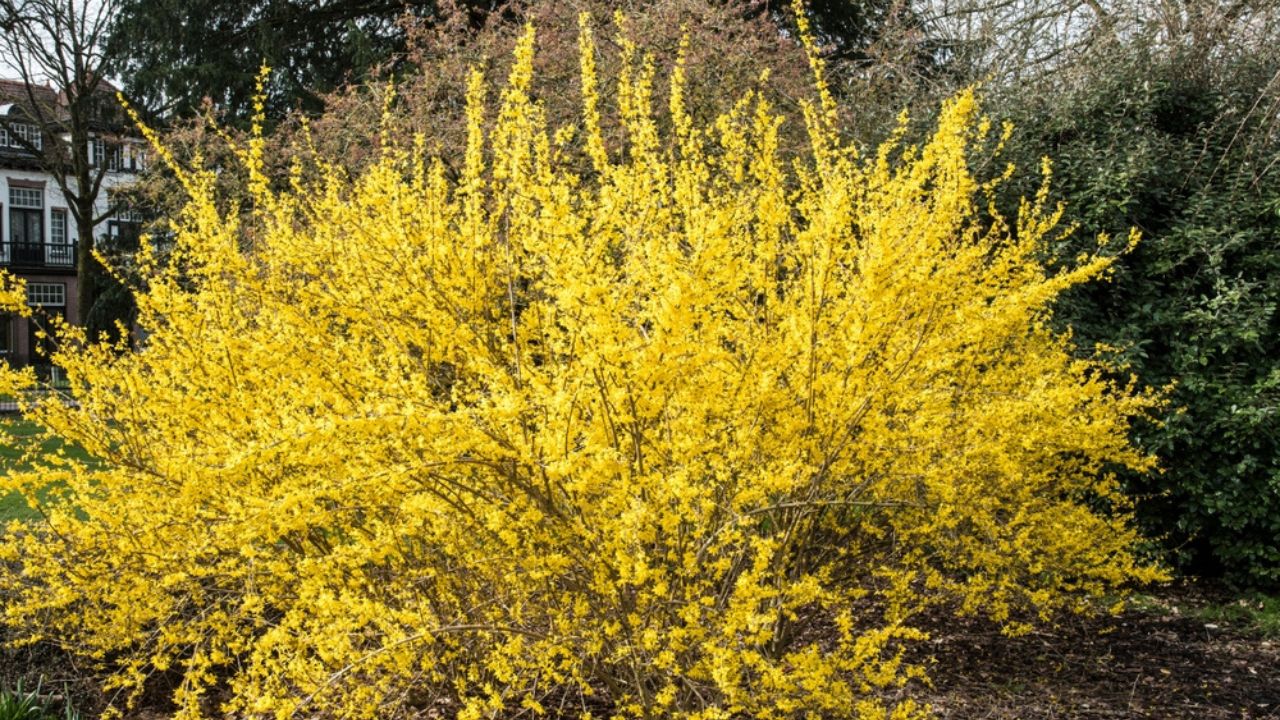
Forsythia delivers a spectacular display of bright yellow blooms every spring while functioning as a reliable living fence. This deciduous shrub produces up to two feet of new growth annually, eventually reaching three to ten feet tall. When planted in zones five through eight, the dense branches form an impenetrable visual barrier during the warmer months. The vibrant spring flowers appear before the leaves emerge, giving your yard a gorgeous pop of color early in the season.
Regular pruning keeps these shrubs healthy and encourages them to grow thick from the base to the top. Trim the oldest branches right down to the ground immediately after the yellow flowers fade in the spring. This practice forces the plant to send up fresh shoots, preventing the lower half from becoming bare and woody. Water them deeply during dry spells, and they will reward you with a magnificent floral show the following year.
3. Frans Fontaine European Hornbeam
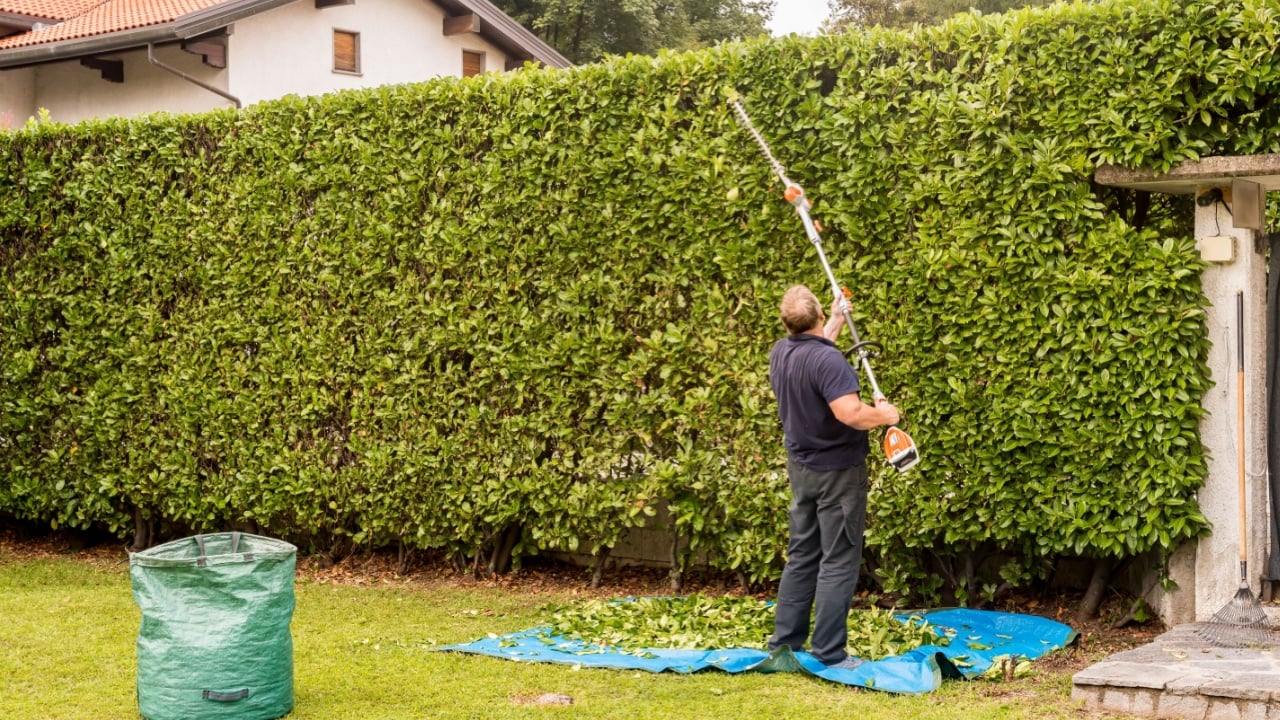
The Frans Fontaine European Hornbeam is an upright deciduous tree that grows two to three feet each year. Reaching 40 to 60 feet at maturity, this tall variety features dense foliage that effectively blocks wind and unwanted views. It thrives in zones five through seven and maintains a very narrow profile compared to other large trees. The leaves turn a brilliant yellow in the fall, adding seasonal interest before dropping for the winter.
You have the option to let this tree grow in its natural columnar shape or shear it into a formal, squared-off barrier. If you prefer a highly manicured look, trim the sides twice a year to maintain a neat appearance. Plant them roughly three to four feet apart to force the branches to interlock and form a solid wall of green. Water new saplings regularly until they take root firmly in your yard.
4. Wax Leaf Privet
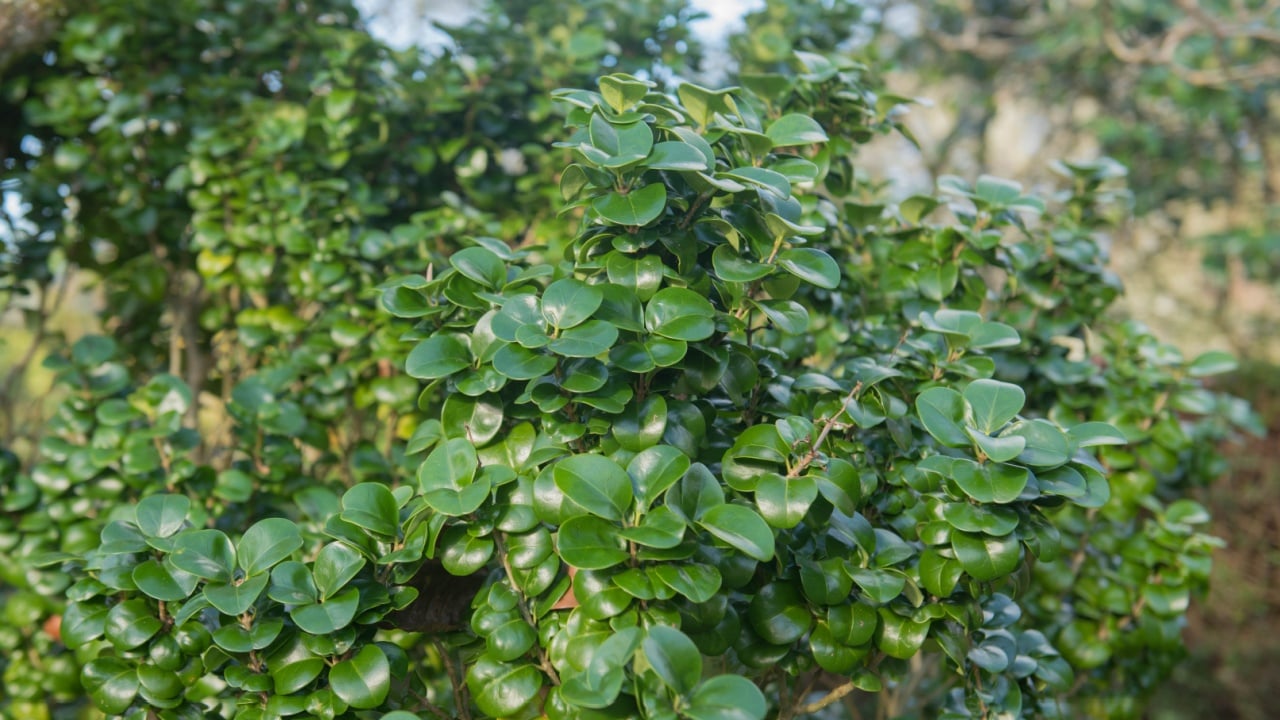
Wax Leaf Privet stands out as a popular evergreen choice for warmer climates in zones seven through ten. This shrub adds two to three feet of height annually, reaching a final height of six to twelve feet. The plant produces thick, glossy leaves that reflect sunlight beautifully and create a completely opaque screen. During late spring, it produces clusters of white flowers that attract beneficial pollinators to your property.
To keep this barrier looking sharp, you must commit to a regular trimming schedule throughout the growing season. Prune the top and sides frequently to encourage dense interior branching and prevent the plant from becoming top-heavy. Taper the sides so the base remains slightly wider than the top, allowing sunlight to reach the lower leaves. Apply a balanced fertilizer in early spring to support the rapid development of new foliage.
5. Thuja Green Giant
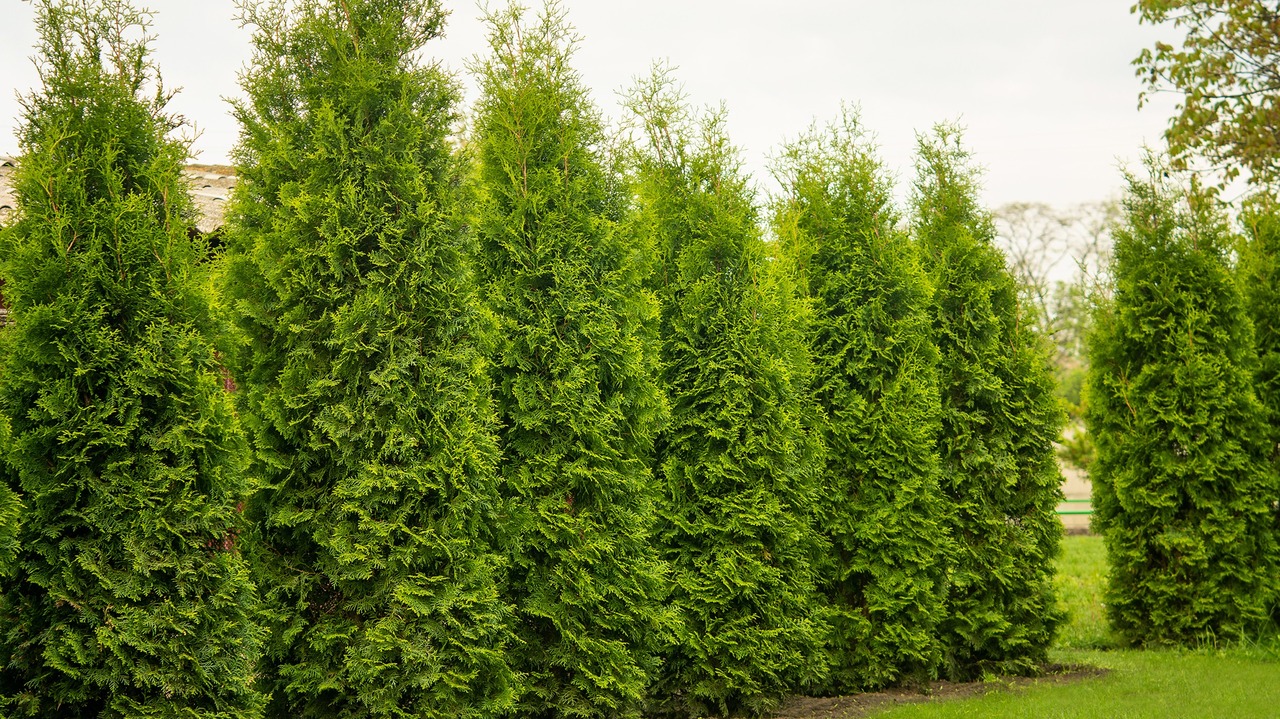
Thuja Green Giant is a hybrid arborvitae famous for its incredible growth rate of two to four feet per year once established. This robust evergreen reaches forty to sixty feet tall, serving as a massive windbreak and sightline blocker for expansive yards. It develops a strong central leader and a uniform, conical shape that requires very little maintenance. Growing comfortably in zones five through eight, it resists common pests and diseases that plague other evergreens.
While they grow quite large naturally, you can easily shear the tops to maintain a specific height requirement. Space your saplings five to eight feet apart to achieve a continuous wall without stunting their development. These trees adapt to many soil types but perform best when situated in full sun to partial shade. Give them plenty of water during their first two growing seasons to build a deep, resilient root structure.
6. American Arborvitae
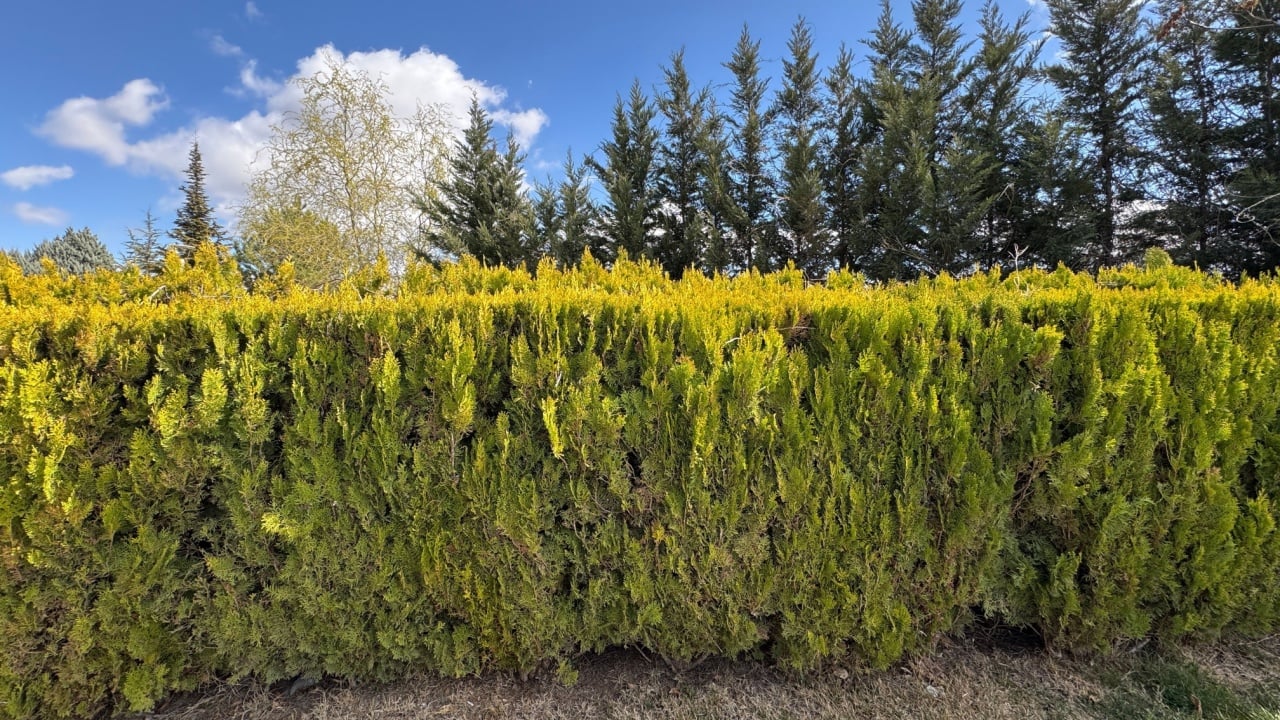
American Arborvitae provides reliable, year-round screening for properties in colder regions, such as zones 3 through 7. This sturdy evergreen grows up to two feet annually and matures at twenty to forty feet tall. The flat, scale-like leaves form a tight column of greenery that naturally blocks wind and noise from neighboring properties. It requires minimal care once planted, making it an ideal choice for busy homeowners who want an attractive yard.
Protect young trees from heavy snow loads by gently tying the multiple leaders together with a soft cloth material before winter arrives. Plant them approximately three feet apart in a trench rather than individual holes to encourage the roots to spread uniformly along the boundary. Keep a three-inch layer of wood chips around the base to suppress weeds and regulate soil temperature. Provide extra water during late autumn to hydrate the needles before the ground freezes.
Creating Your Natural Border
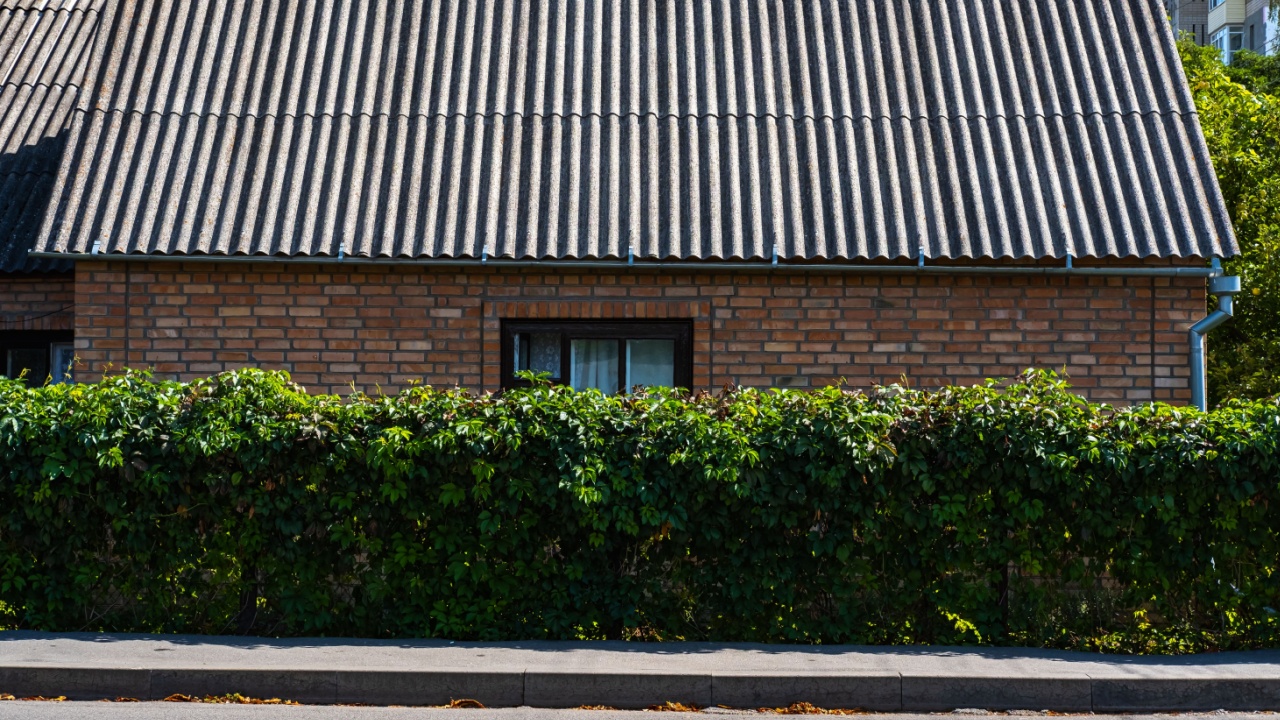
Selecting a fast-growing plant allows you to enjoy a secluded yard much sooner than you might expect. Every option listed above offers unique benefits, from vibrant spring flowers to dense evergreen foliage that lasts all year. Take note of your local climate zone and soil conditions before making a final purchase at the nursery. With proper spacing and consistent watering, your new natural barrier will thrive and bring you peace of mind.
Read More:
The Easiest Indoor Plants to Propagate for Free to Try This Year