12 Spring Plants That Can Kill Your Pet
The plant sitting in your Easter centerpiece right now could send your cat into kidney failure by tomorrow morning.
That is not hyperbole. According to the Pet Poison Helpline, even 2 to 3 petals or leaves of a true lily can cause severe, irreversible kidney failure in cats. Veterinarians see this every spring: a well-meaning family brings home a beautiful bouquet, and within 24 hours, a perfectly healthy cat is in the emergency room. The plant didn’t even have to be chewed. A cat grooming lily pollen off its fur is enough to trigger the same deadly response.
Spring is the highest-risk season for pet plant poisoning. Nurseries are packed, bouquets come home from grocery stores and gift-givers, and new bulbs go into the ground every weekend. The ASPCA Animal Poison Control Center fielded more than 451,000 calls about toxic exposures in 2024, and plants remain a consistent top-10 category year after year. An emergency veterinary visit for plant toxicity can cost anywhere from $500 to $5,000 depending on how quickly treatment begins, and for many of the plants below, time is the most critical variable.
Before you plant another flat of spring flowers or accept another floral arrangement at the front door, read this list carefully. These 12 plants are among the most common in spring gardens and homes, and every pet owner should know exactly what they are.
1. Lilies: The Deadliest Spring Plant for Cats
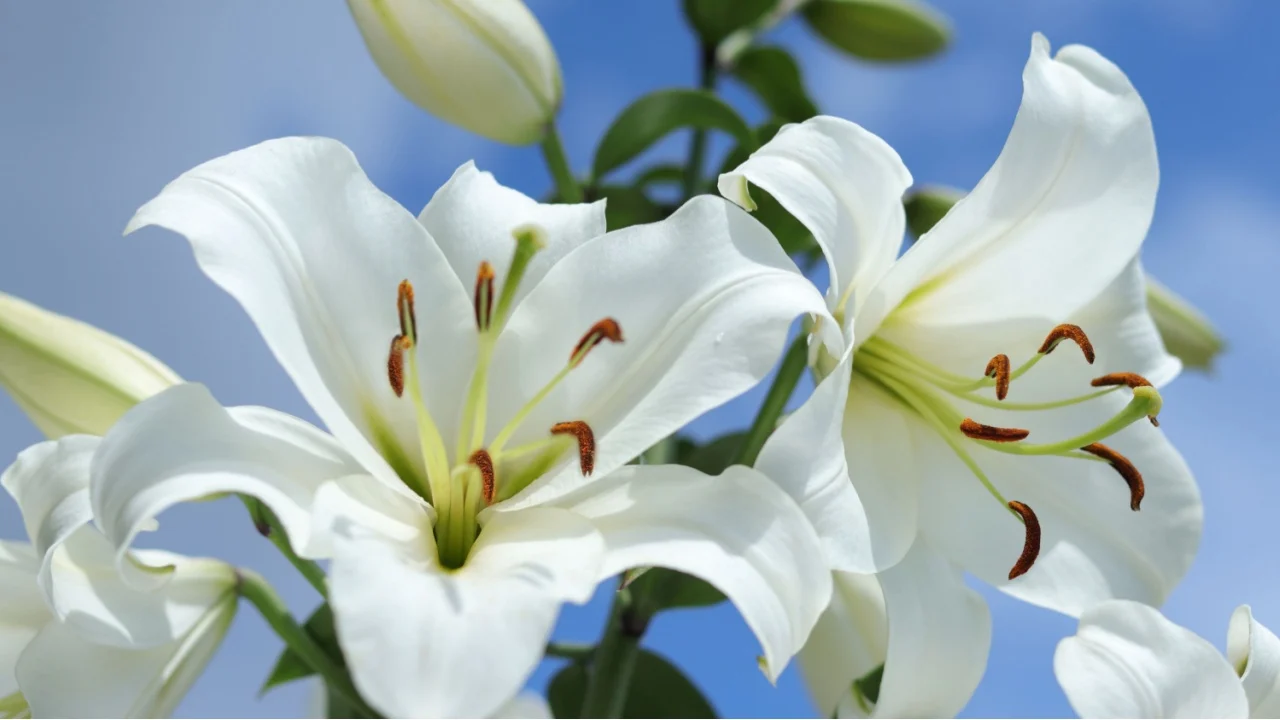
No plant on this list demands more immediate attention than true lilies.
Tiger lilies, Day lilies, Asiatic lilies, Easter lilies, and Japanese Show lilies are all capable of causing fatal kidney failure in cats from extremely small ingestions. According to the Pet Poison Helpline, ingesting just 2 to 3 petals or leaves can result in severe kidney failure, and even pollen falling from a lily onto a cat’s fur (even if groomed off later) can trigger poisoning. Dogs are less severely affected but can still experience gastrointestinal distress.
If your cat has any contact with a true lily, bring the cat and the plant to a veterinarian immediately. There is no antidote. Treatment is supportive, and the outcome depends entirely on how fast you act.
2. Tulips: The Bulb Is the Bomb
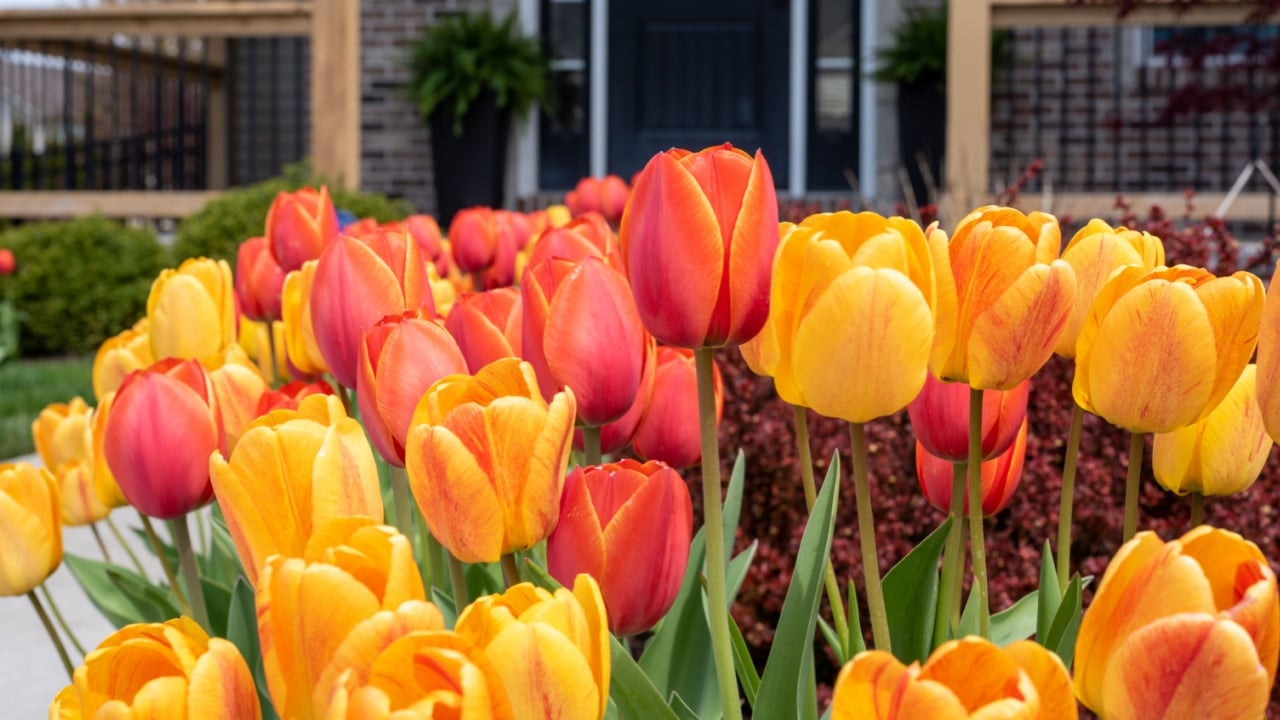
Tulips are one of the most planted spring flowers in the country, and most pet owners know vaguely that they are toxic. What they often don’t know is where the danger is concentrated.
According to the Pet Poison Helpline, the toxic principles in tulips are found primarily in the bulb, not the flower, making dogs who dig an especially high-risk group. Symptoms include profuse drooling, vomiting, and diarrhea. In large ingestions, particularly of the bulb, heart rate changes and respiratory symptoms can develop.
If you plant tulip bulbs in the spring, consider raised beds or fenced sections of the yard to keep dogs from unearthing them.
3. Daffodils: Pretty, Popular, and Dangerous From Root to Petal
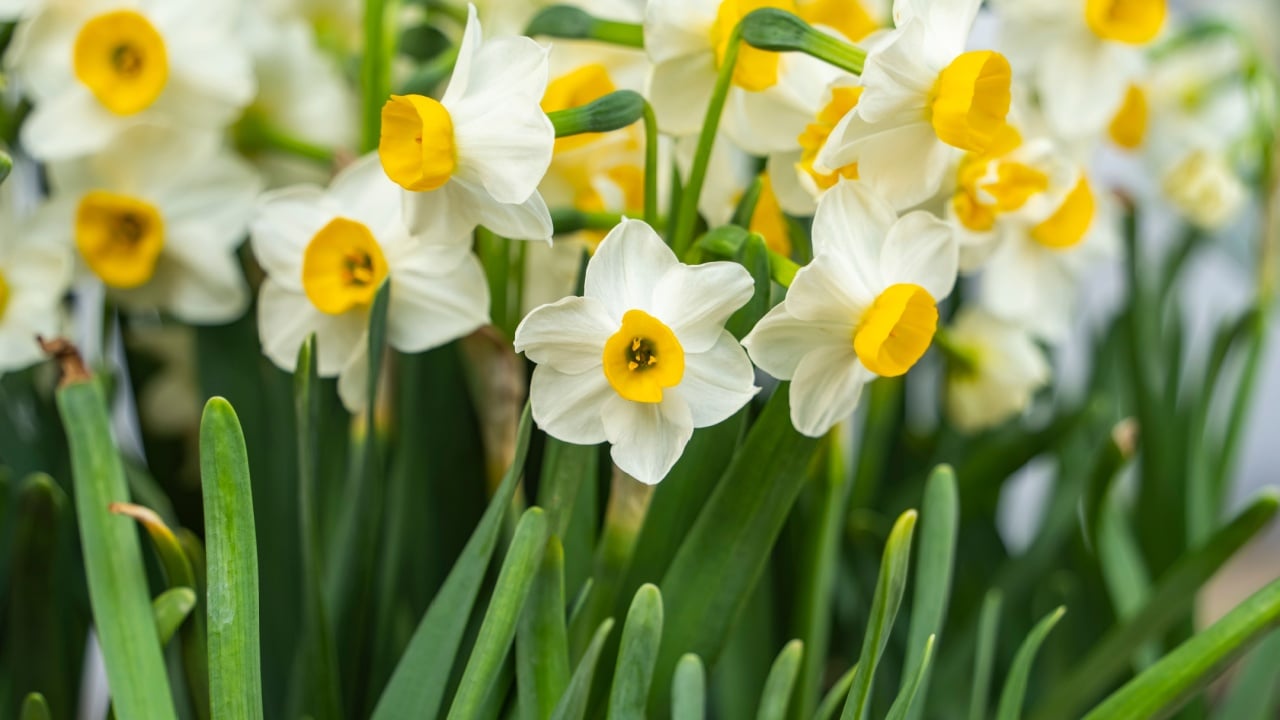
Daffodils, also sold as jonquils, paperwhites, and narcissus, are among the first plants to bloom each spring, which means they are also among the first toxicity calls of the season.
Daffodils contain lycorine, an alkaloid that triggers vomiting, salivation, and diarrhea. According to VetStreet, large ingestions can progress to cardiac arrhythmias, convulsions, and dangerously low blood pressure. The bulb holds the highest concentration of toxin, and daffodils are especially common in spring gift bouquets, which means this is a hazard that arrives at your door even if you don’t garden.
4. Hyacinths: Spring’s Most Fragrant Danger
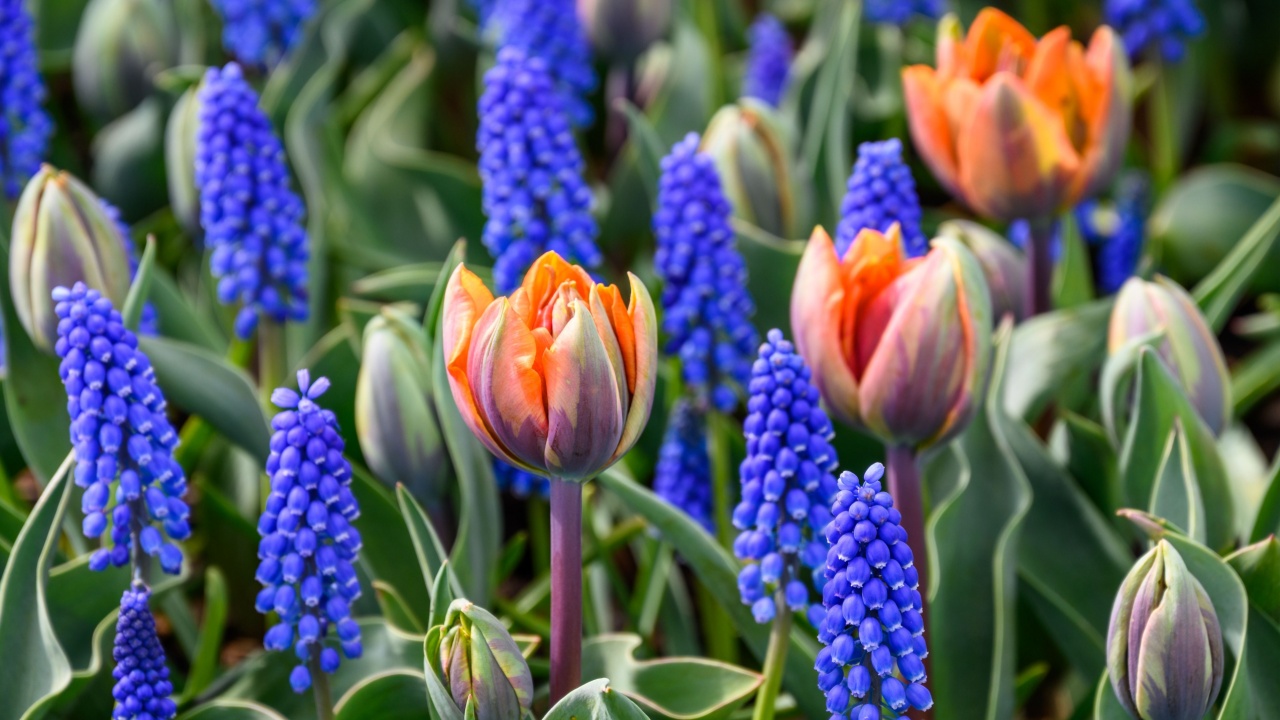
Hyacinths are popular precisely because of their intense, unmistakable fragrance, but that appealing scent does not make them safe.
The ASPCA notes that hyacinths contain alkaloids similar to those in tulips, concentrated in the bulb, and ingestion causes vomiting, tremors, and an increased heart rate. Pet owners with digging dogs should treat hyacinth bulbs with the same caution as tulip bulbs. Keep them planted in areas your dog cannot access, or skip them altogether in favor of pet-safe blooms like African violets or snapdragons.
5. Azaleas and Rhododendrons: The Yard Shrub That Can Stop a Heart
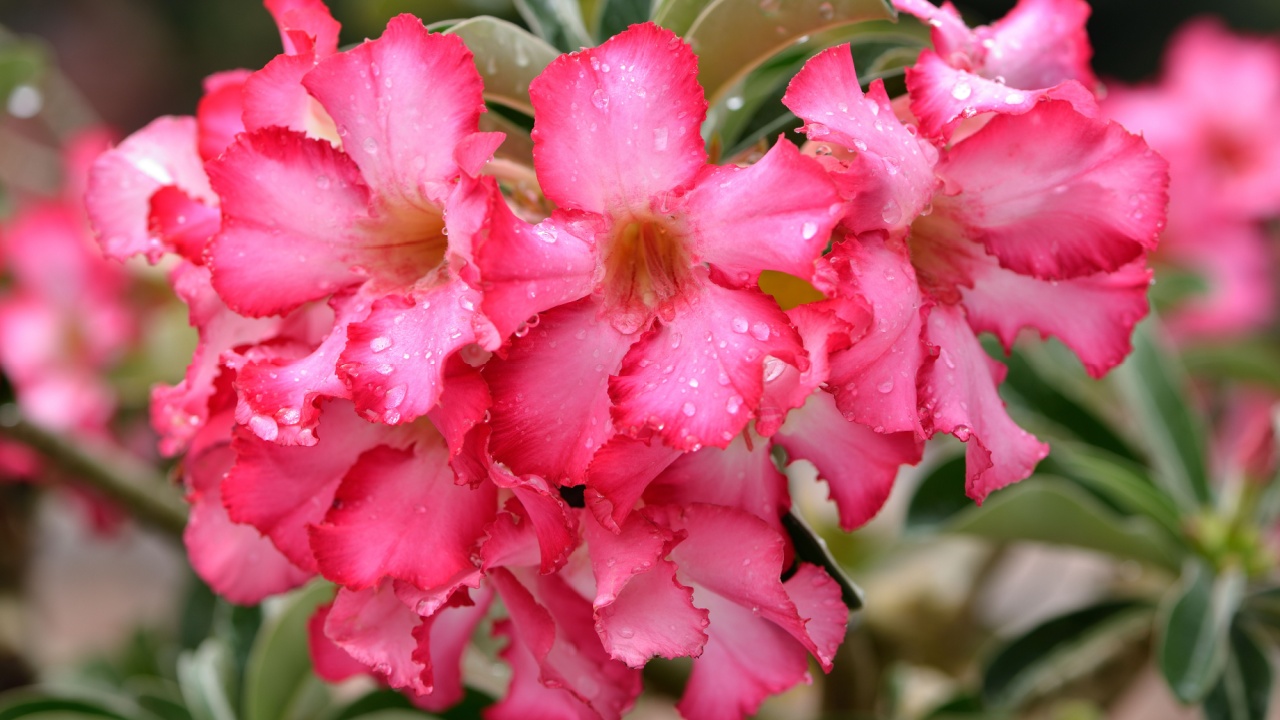
Azaleas and rhododendrons are two of the most common landscape shrubs in American yards, which makes their toxicity especially important to understand.
According to the Pet Poison Helpline, these plants contain grayanotoxins that interfere with normal muscle and nerve function. Eating even a few leaves can cause vomiting, diarrhea, and excessive drooling, while large ingestions can produce heart rate abnormalities, neurological symptoms, and death.
If you have cats or dogs and an existing azalea in your yard, consider replacing it with a camellia, which provides similar large, colorful blooms without the toxicity.
6. Lily of the Valley: The Bouquet Flower With a Deadly Secret
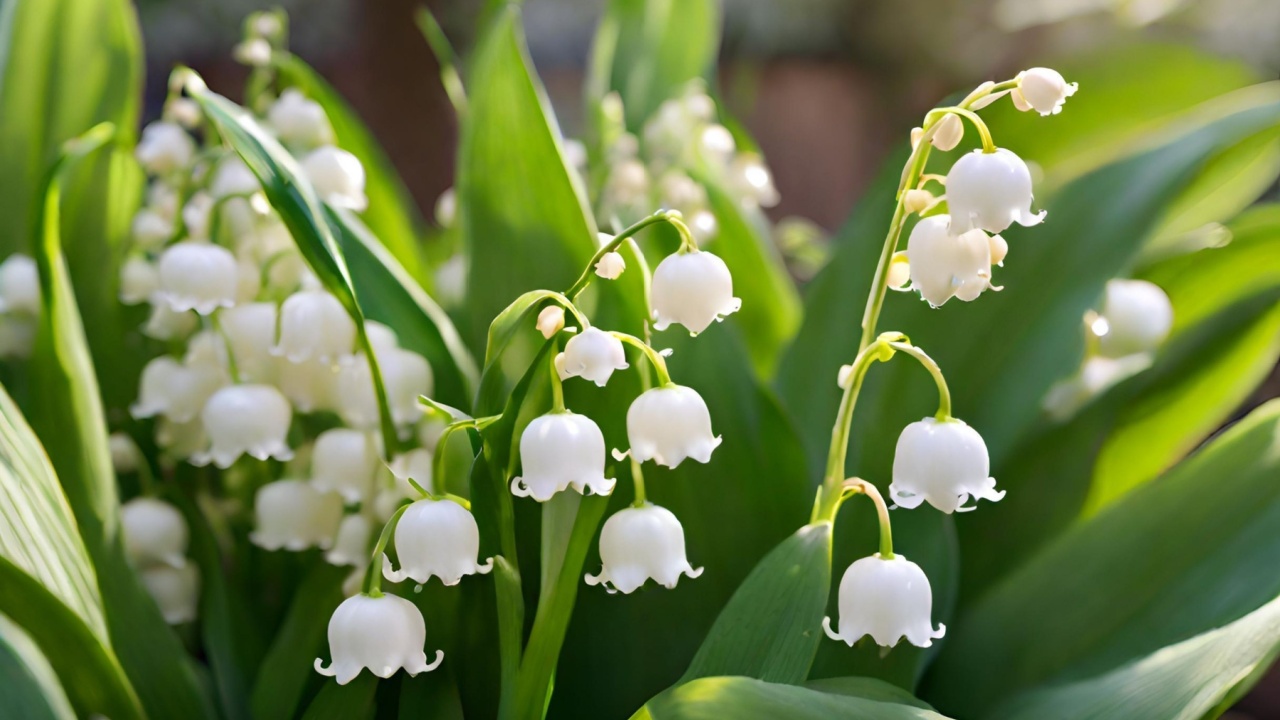
Lily of the Valley is beloved for its delicate white bell-shaped flowers and sweet fragrance, and it is a staple in spring bouquets and wedding arrangements.
It is also one of the most cardiac-dangerous plants on this list. According to the Pet Poison Helpline, the plant contains cardiac glycosides that cause symptoms comparable to digitalis toxicity: vomiting, diarrhea, a sharp drop in heart rate, severe arrhythmias, and potentially seizures. Any known exposure should be treated as a veterinary emergency.
7. Sago Palm: The Ornamental With a 50% Fatality Rate
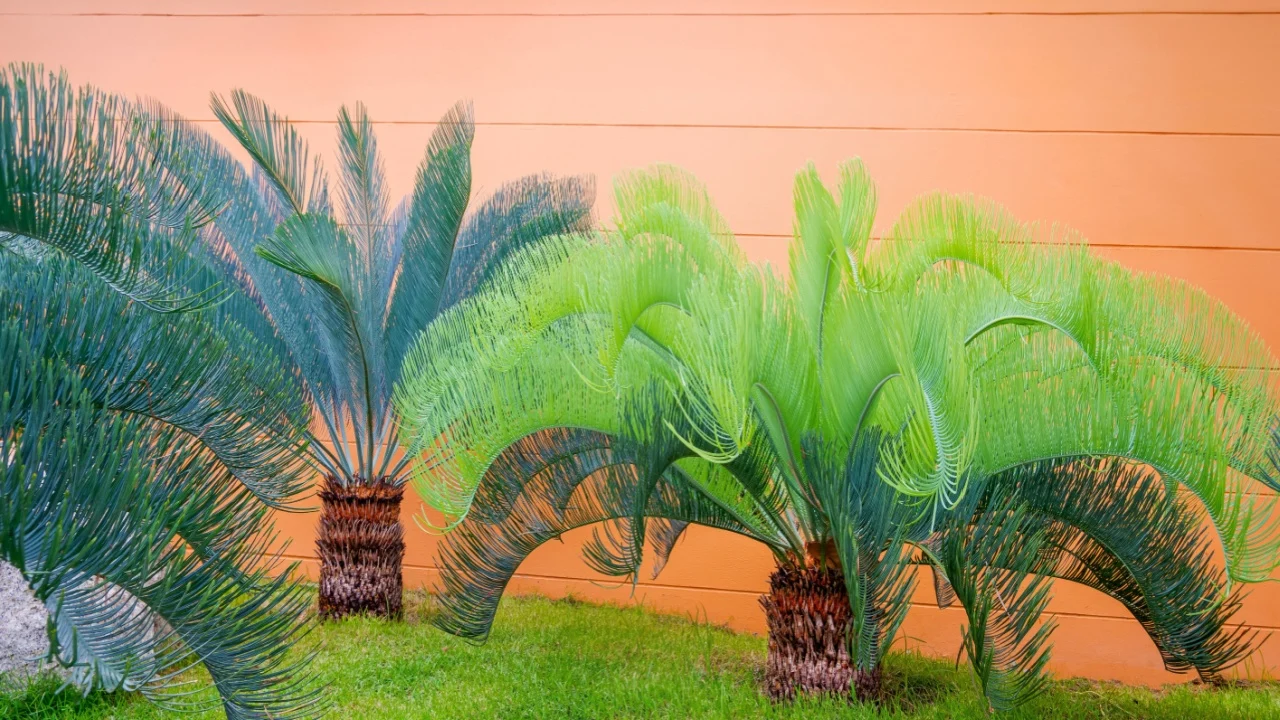
Sago palms are sold widely at home improvement stores each spring as ornamental container plants, often with no toxicity labeling. That is a serious problem.
According to VetStreet, sago palms have a mortality rate of approximately 50% in pets that ingest them, and all parts of the plant are toxic. The seeds carry the highest concentration of toxin, and it takes only one or two seeds to cause clinical poisoning and possible death in a dog. Symptoms include vomiting within 24 hours, progressing to liver failure, depression, and seizures.
If you have a sago palm in or around your home and you have pets, removing it is the safest decision you can make this spring.
8. Oleander: The Landscaping Staple You Need to Remove
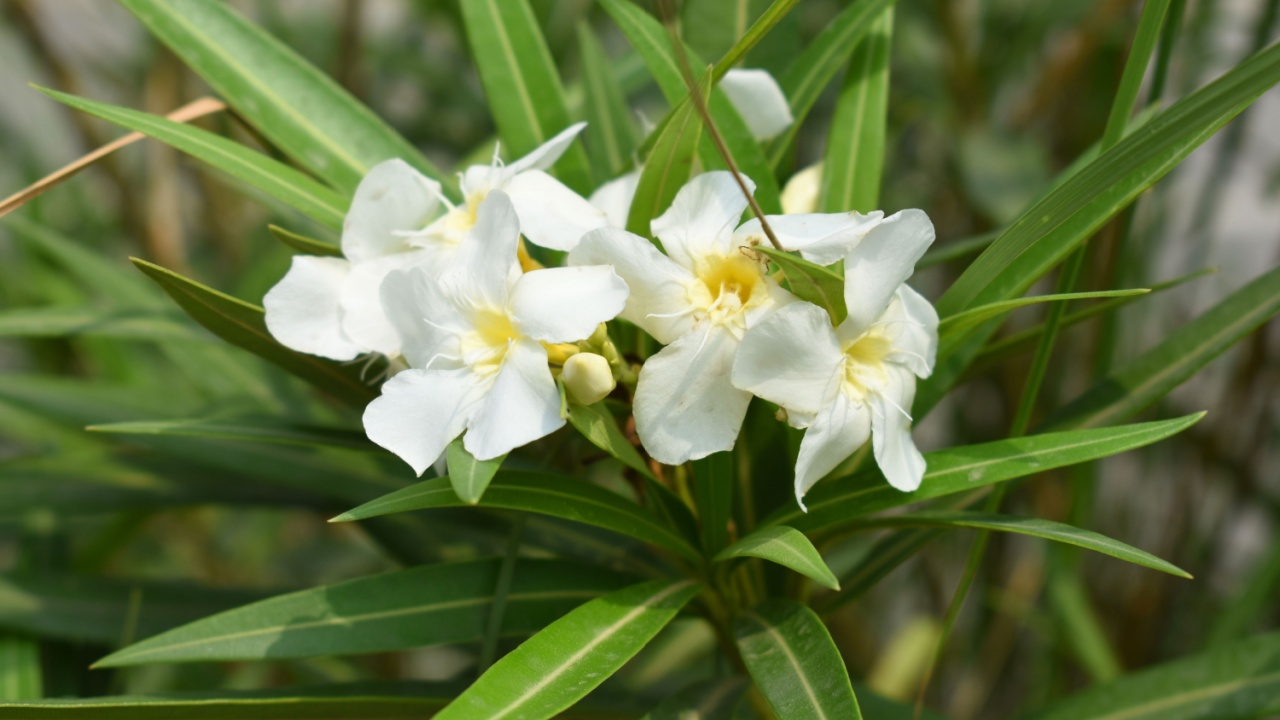
Oleander is an evergreen flowering shrub planted for its hardiness and beautiful blooms, and it thrives in warm climates across the southern and western United States. Every part of the plant is toxic.
According to the Pet Poison Helpline, oleander contains cardiac glycosides that cause severe vomiting, dangerous heart rhythm disruption, and can be fatal to both dogs and cats. If oleander is already established in your yard, consider hiring a professional for removal and replacing it with gardenia, which provides a similar lush, fragrant aesthetic without the risk to your pets.
9. Autumn Crocus: The Look-Alike That Tricks Gardeners Every Year
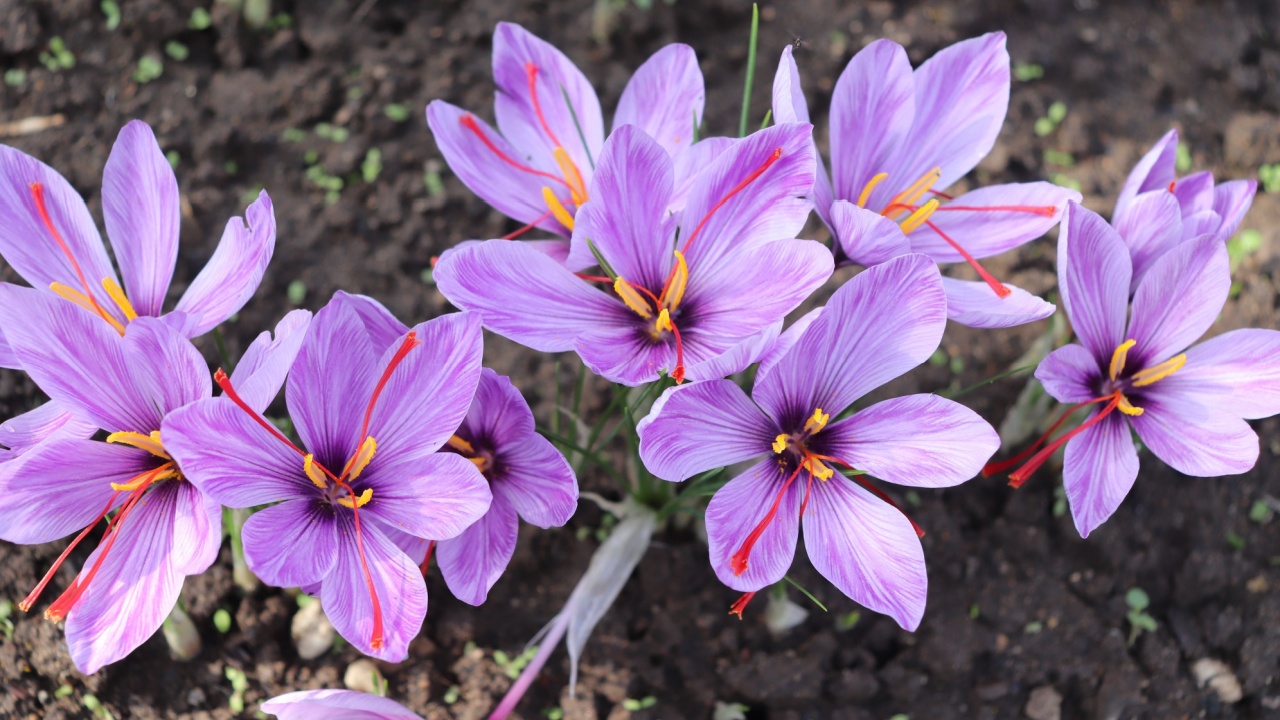
There are two crocus plants, and they behave very differently when ingested. The spring crocus causes mild gastrointestinal upset. The Autumn Crocus, however, contains colchicine and is extremely dangerous.
According to the Pet Poison Helpline, Autumn Crocus can cause severe vomiting, gastrointestinal bleeding, liver and kidney damage, and respiratory failure. Symptoms can be delayed for days after ingestion, which makes it especially treacherous. If you are not certain which crocus is in your yard, treat it as the dangerous variety and contact your vet immediately if your pet shows any interest in it.
10. Milkweed: Planted for Butterflies, Dangerous for Pets
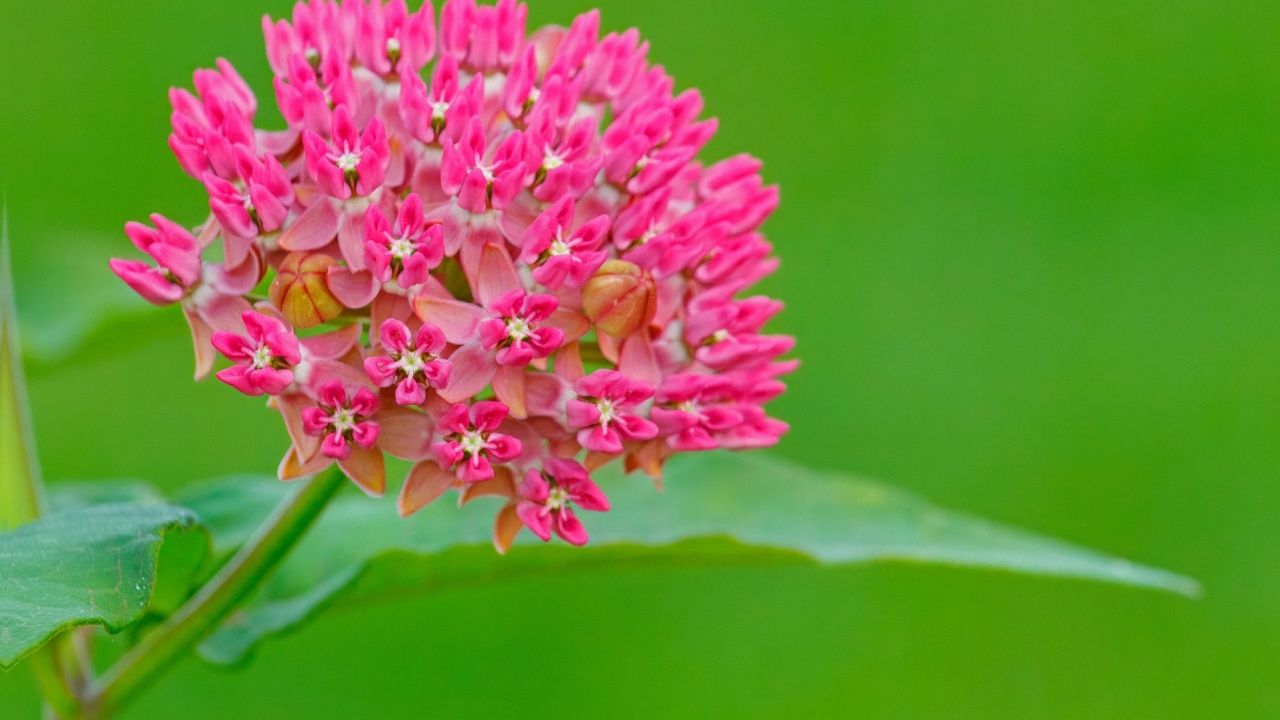
Milkweed has had a well-deserved surge in popularity as gardeners work to support monarch butterfly populations. Unfortunately, it is also toxic to cats and dogs.
According to Berkeley Humane, milkweed contains cardiac glycosides that can cause severe heart problems in pets. If you want to support pollinators without the risk, bee balm is an excellent alternative that attracts butterflies and hummingbirds and is non-toxic to pets.
11. Foxglove: Your Grandmother’s Garden Favorite Is a Serious Hazard
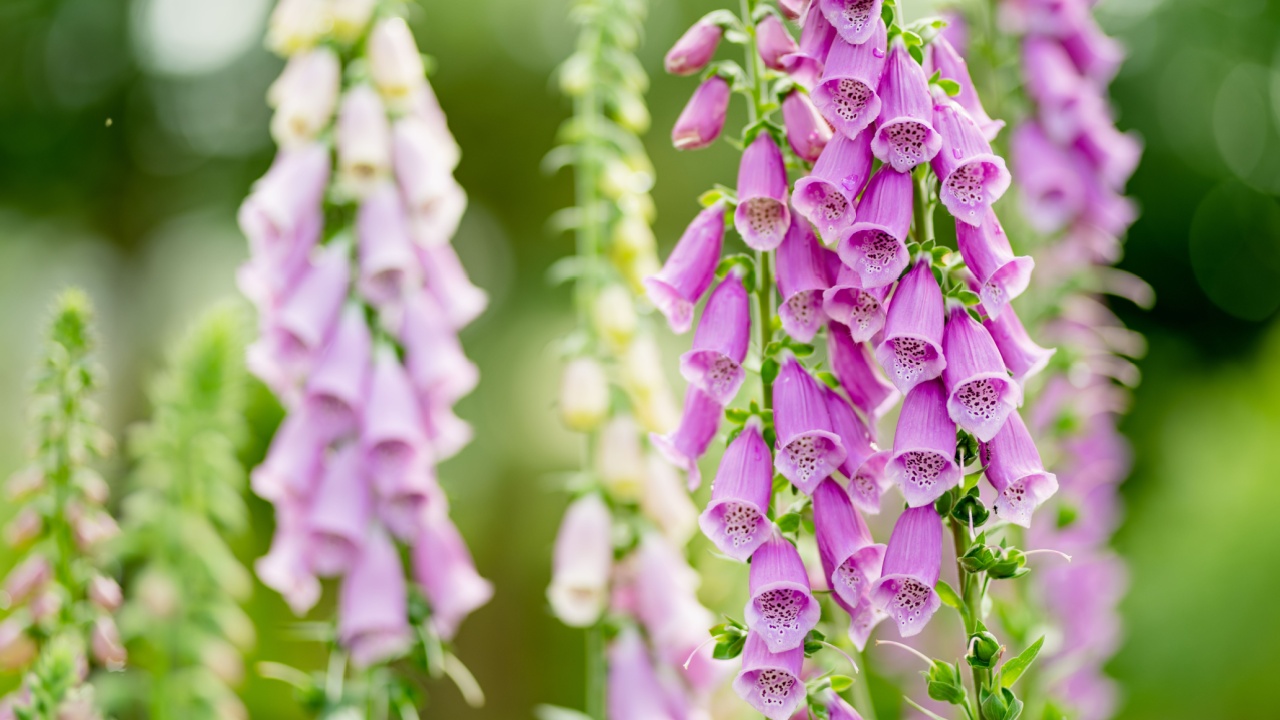
Foxglove is one of those stately, old-fashioned garden plants that many people associate with English cottage gardens and generations of careful cultivation. It is also the source of digitalis, one of the most potent heart-affecting compounds in nature.
According to VetStreet, foxglove contains cardiac glycosides capable of slowing and stopping a heartbeat, and ingestion can be fatal to both dogs and cats. Foxglove has naturalized widely in North America and may be growing uninvited along the edges of your yard or fence line.
Walk your property this spring and remove any you find.
12. Amaryllis: The Spring Bulb Hiding in Plain Sight
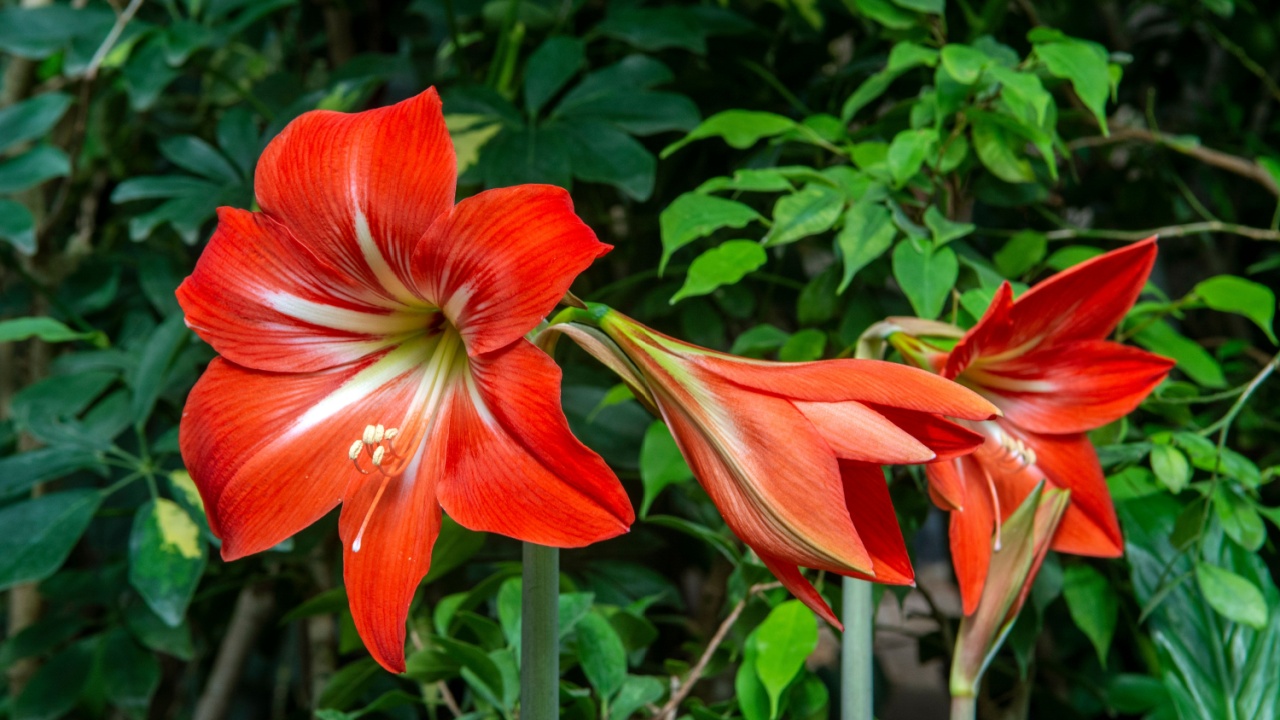
Amaryllis is a popular spring bulb plant, sold in stores from January through April and prized for its dramatic, trumpet-shaped flowers. It contains lycorine and other toxic compounds, with the bulb being the most dangerous part.
According to the ASPCA, ingestion causes vomiting, tremors, drooling, and lethargy in both dogs and cats. Amaryllis bulbs are frequently kept in low planters or decorative pots on floors, making them easily accessible to curious pets. If you keep amaryllis indoors, move it to a shelf or room your pet cannot access.
What To Do If Your Pet Eats a Toxic Plant

If you see or suspect your pet has ingested any plant on this list, do not wait for symptoms. According to the ASPCA Animal Poison Control Center, early intervention is the single most important factor in treatment outcomes for plant toxicity, and for plants like lilies and sago palm, even a few hours can make the difference between recovery and organ failure.
Call the ASPCA Animal Poison Control Center at (888) 426-4435 any time, day or night, or go directly to your nearest emergency veterinary clinic. Bring the plant or a clear photo of it with you. Do not attempt to induce vomiting without guidance from a veterinarian or poison control professional, as this can make some exposures worse.
Read more:
Why wildlife experts are telling people to take down their bird feeders
Plant these 10 companion plants with your tomatoes — and stop planting these 4