Stop Waiting Until Spring: 8 Reasons Why Fall Is the Best Time to Plant Perennials
Every April, gardeners line up at nurseries and pay full price for perennials that immediately face scorching temperatures, relentless pests, and soil that dries out before lunch. It is one of the most expensive habits in home gardening, and most people never question it.
The spring planting tradition is so deeply ingrained that entire marketing campaigns are built around it. Nurseries stock their showiest displays in March and April, and gardeners assume that new growth means it is time to plant. But professional horticulturists have known for decades that fall offers a measurably better window for planting perennials. The “Fall Is for Planting” campaign was launched nearly 50 years ago by AmericanHort, a national association of nursery professionals and landscapers, specifically to educate homeowners about what the pros already practice, according to Proven Winners.
Right now, in fall, the conditions in your yard are quietly shifting in your favor. Soil temperatures are still warm from months of summer sun, nighttime air is cooling, and nursery clearance racks are stacked with perfectly healthy plants at a fraction of their spring price. If you have been gardening for years and wondering why certain perennials never seem to thrive, the timing of your planting may be the single biggest factor you have overlooked.
Here are eight reasons to rethink everything you thought you knew about when to plant.
1. Your Plants Build Stronger Roots When You Plant in Fall
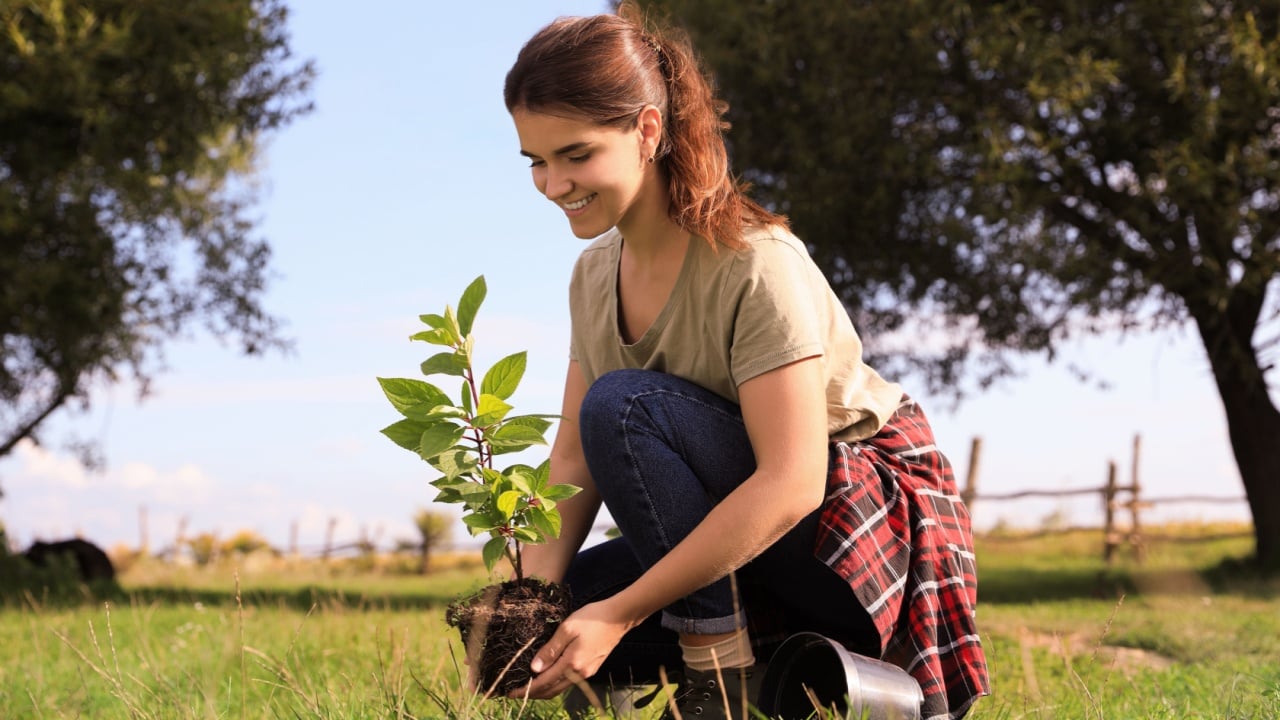
A plant’s roots grow most vigorously when the air temperature is cooler than the soil temperature, and fall delivers exactly that combination. According to High Country Gardens, 80 percent of a plant’s root growth occurs during late summer and fall. While you will not see much happening above the soil line, roots are expanding aggressively below it, building the foundation for explosive spring growth.
“In most cases, fall is an excellent time to plant perennials. The cooler weather and warm soil help perennials settle in nicely before winter,” said the late Dr. Steven Still, Executive Director Emeritus of the Perennial Plant Association and longtime professor of landscape horticulture at Ohio State University, as quoted by Proven Winners. Roots continue expanding until the soil temperature drops below about 50°F, which in many regions does not happen until well into November.
2. You’ll Save 50 to 75 Percent at the Nursery
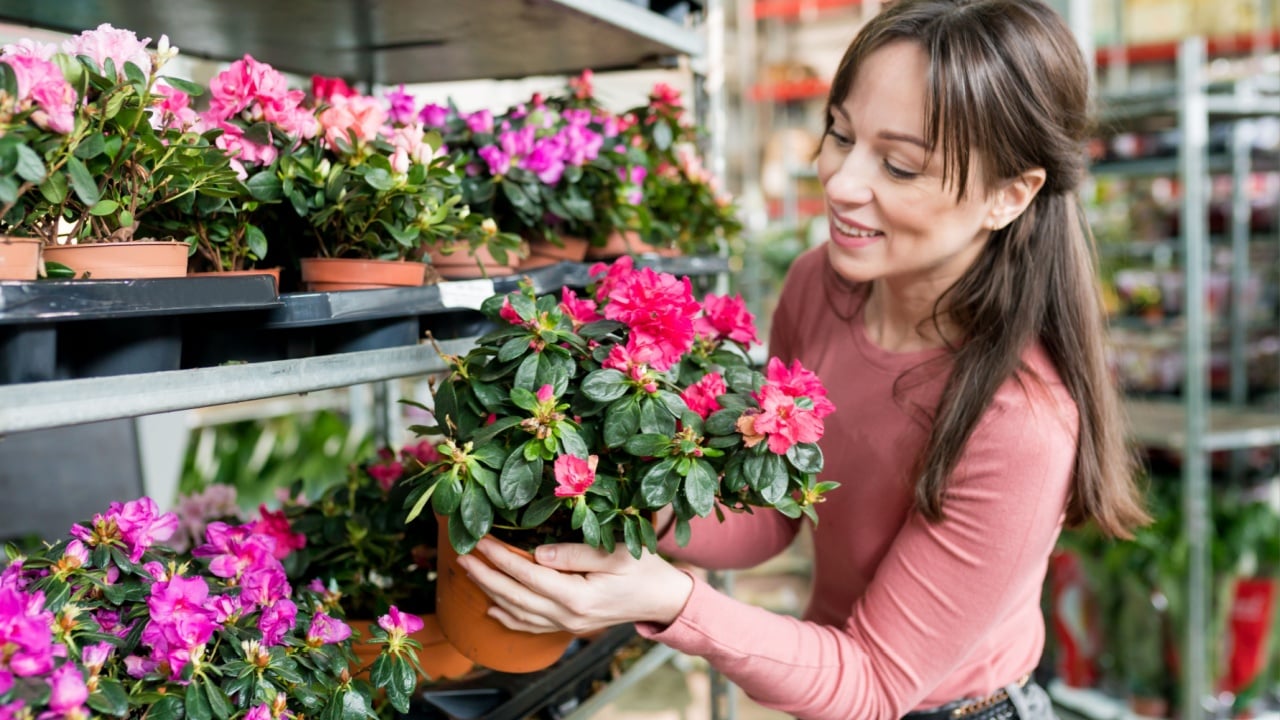
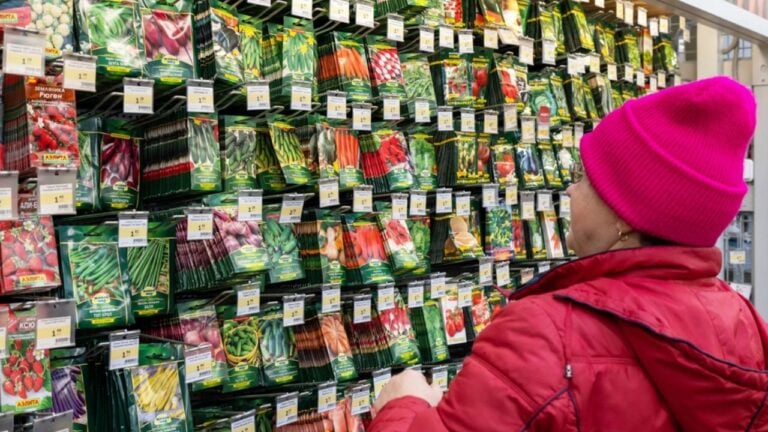
As nurseries prepare to close for winter, they slash prices on remaining inventory. According to Birds and Blooms, fall perennial prices drop by 50 to 75 percent at most garden centers. A gardener who would spend $200 restocking a border in April can walk out with the same plants for $50 to $100 in September.
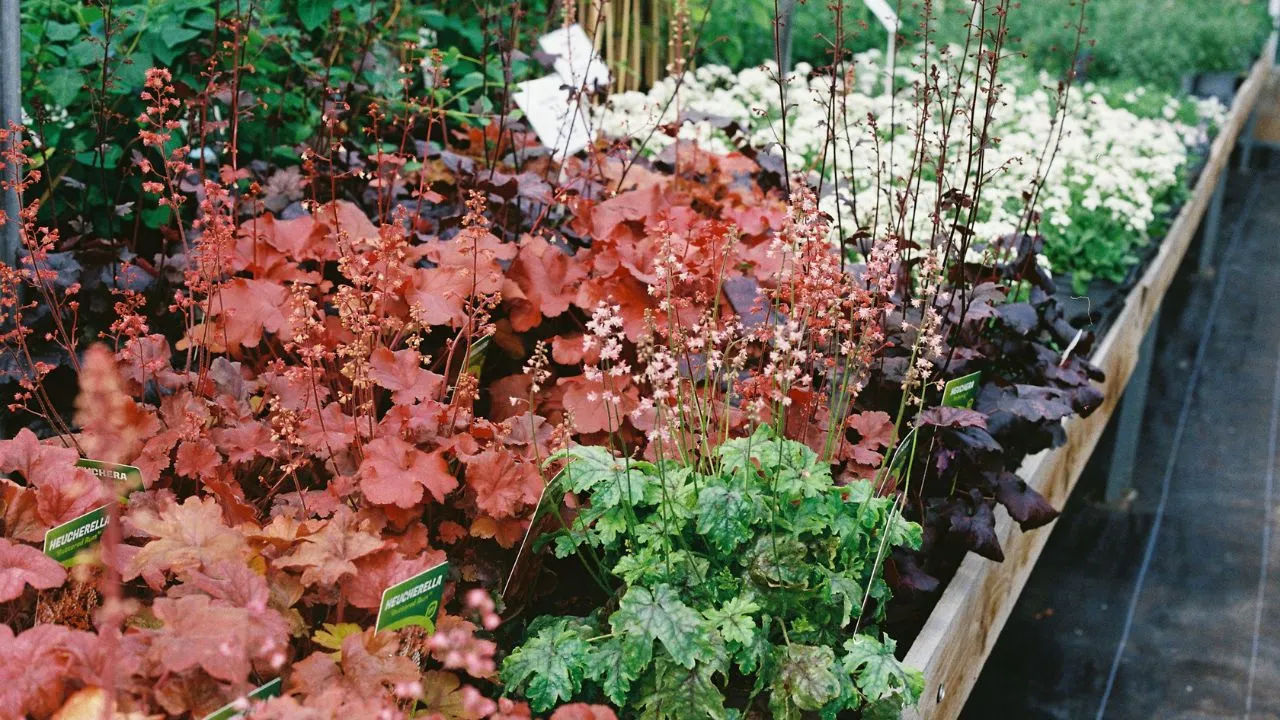
The plants may not look as picture perfect as they did in May, but what matters is below the soil line. As long as the crown and roots are healthy, a tired-looking perennial in a clearance pot will establish beautifully once it is in the ground. For gardeners who have spent decades paying spring prices, this is the kind of simple change that saves hundreds of dollars a year.
3. Fall-Planted Perennials Bloom Earlier and Bigger the Following Spring
Because fall transplants spend months establishing roots before winter dormancy, they emerge in spring with a significant head start over anything planted that same April. According to High Country Gardens, fall-planted perennials display more vigorous top growth, more abundant flowering, and greater resilience by the following summer. They are not held back by transplant shock the way new spring plantings are.
The perennials sitting on a clearance rack in September will outperform the full-price ones you would buy in April, because fall gives roots exactly what spring cannot: warm soil, cool air, and no competition from above-ground growth.
4. Fewer Pests and Diseases Mean Less Stress on New Plants
By September, most of the insects that terrorize spring gardens have wound down for the season. Aphids, Japanese beetles, and slugs are far less active in cooler weather, which means your newly planted perennials can focus entirely on root development instead of fighting off attackers. “Since garden pests tend to be less active in fall, plants can focus on establishing a healthy root system instead of battling slugs,” notes Proven Winners.
The reduced humidity of autumn also slows the spread of fungal and bacterial diseases that plague spring transplants. According to The Spruce, the cooler temperatures help reduce overall pest and disease pressure, giving fall plantings a cleaner start.
5. You’ll Use Far Less Water and Far Less Effort

Spring planting means summer watering, and summer watering means hauling hoses in 90-degree heat several times a week. Fall flips that equation entirely. Cooler temperatures dramatically reduce evaporation, and autumn rains provide consistent moisture that spring rarely delivers. According to American Meadows, shorter days slow photosynthesis, which means new plants require significantly less water than they would if planted in spring.
For anyone who has spent a July evening dragging a hose to a wilting transplant, this alone is reason enough to switch. Your water bill drops, your effort drops, and the plants are actually happier.
6. It’s the Perfect Time to Divide and Multiply for Free
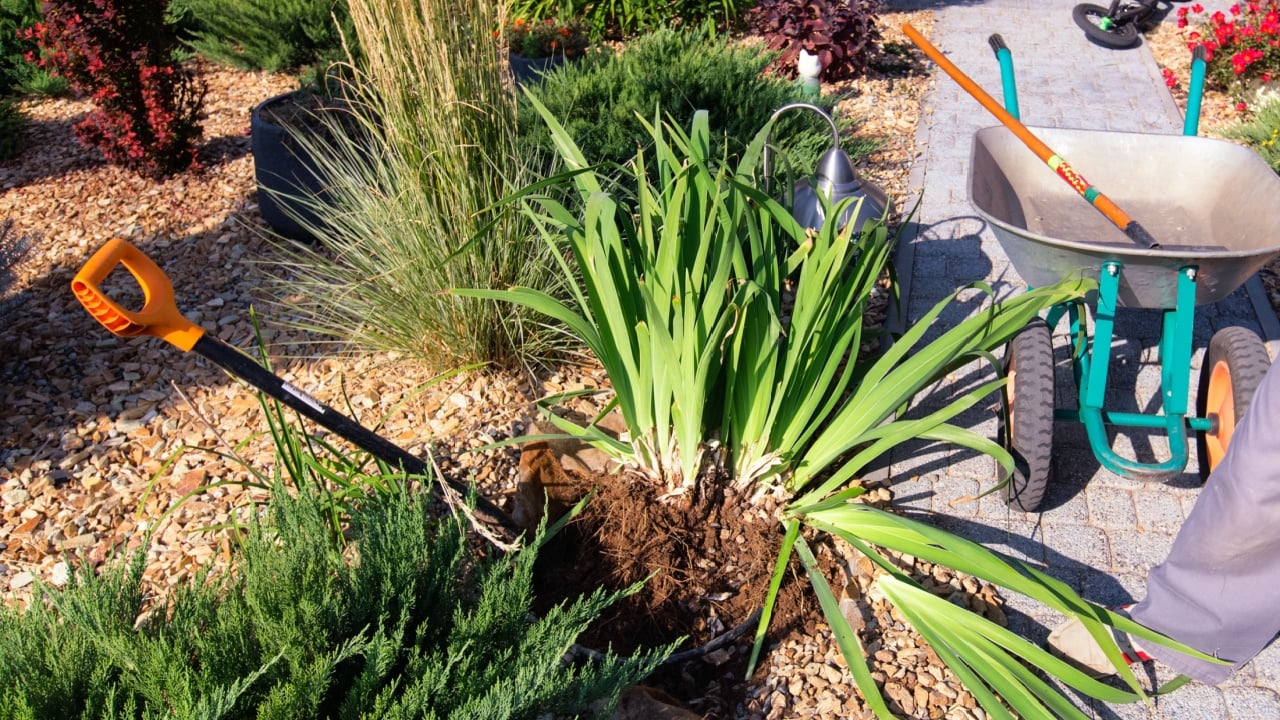
Fall is the ideal season to divide overgrown perennials, and every division is a free plant. Hostas, daylilies, irises, coneflowers, and sedums all respond beautifully to fall division, according to the University of Minnesota Extension. Your own garden likely has perennials that are overdue for splitting, and your neighbors probably do, too.
One overgrown hosta can yield four or five divisions, each of which will establish strong roots before winter and emerge full-sized the following spring. Combined with nursery clearance deals, a fall planting session can cost almost nothing.
7. September Reveals Exactly Where Your Garden Needs Help
One advantage of fall that no spring planting guide mentions is design clarity. By September, you can see exactly where the holes are, which plants flopped, and where something new would make a real difference. As Northern Gardener editor Mary Lahr Schier writes, “September is the perfect time to look around the garden and see where the holes, the bad-looking spots, and the poorly performing plants are.”
In spring, everything is bare. You are guessing. In fall, you are making decisions based on a full season of evidence, and that leads to smarter, more satisfying planting.
8. You’ll Take a Massive Task Off Your Overwhelming Spring To-Do List
Spring is the busiest season in any gardener’s year. Between yard cleanup, vegetable starts, pruning, mulching, and soil prep, there is barely time to think about perennials. Planting them in fall shrinks your spring workload and lets you enjoy the cool, comfortable weather instead of sweating through another weekend marathon.
Your grandmother knew this instinctively. She did not rush everything into April because she understood that the garden rewards patience and good timing, not speed.
What You Should Not Plant in Fall
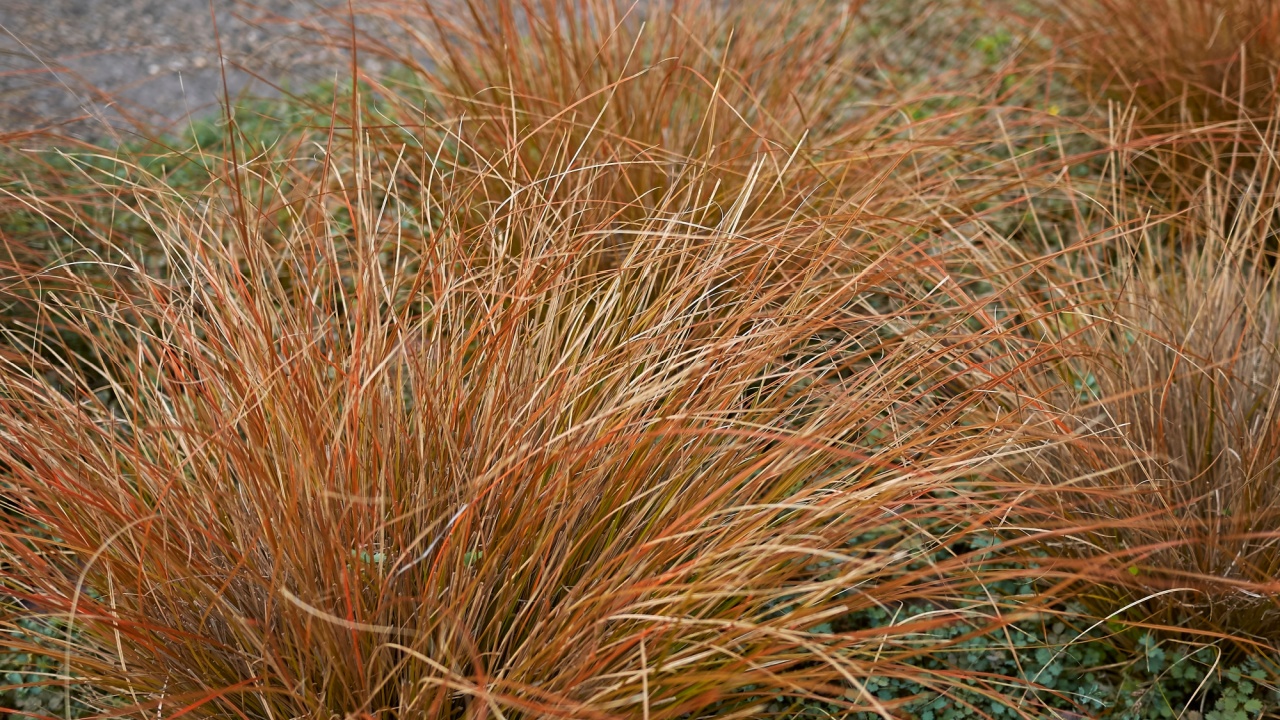
Not every perennial belongs in the ground right now. Warm season grasses and sedges do most of their growing in summer heat, so wait until spring for those. Evergreen shrubs and trees can go in through early fall, but planting them too late exposes their foliage to drying winter winds they cannot recover from. And any perennial that is borderline hardy for your zone, like butterfly bush in zone 5, should always go in during spring to give roots maximum time before winter.
A Better Season Is Already Here
The ideal fall planting window is four to six weeks before your area’s first expected frost. For most gardeners, that means getting plants in the ground between now and mid-October. “Do not plant any later than four weeks before that date or the roots may not have enough time to grab on,” advises nursery owner Anna Ohler, as quoted by The Spruce.
Water new plantings deeply once or twice a week until the ground freezes. Once it does, apply three to four inches of mulch to insulate roots and prevent frost heave during winter’s freeze and thaw cycles.
Fall planting is not a compromise. It is a genuine upgrade over spring in almost every measurable way: stronger roots, bigger blooms, fewer pests, less water, and plants that cost a fraction of what they would six months from now. The gardeners who figured this out years ago are the ones with the most beautiful borders on the block, and they will never go back to paying full price in April.
Pick up a few clearance perennials this weekend. Divide a hosta. Fill that gap you have been staring at all summer. Your garden next spring will look like you spent a fortune, and only you will know you barely spent a thing.
Read More
The 7 Best Garden Items to Thrift This Fall
9 Smart Ways to Save Money in the Garden Before Fall Ends