Stop Wasting Water in the Garden with These Xeriscaping Principles
Landscape irrigation accounts for roughly one-third of all residential water use in the United States, and according to the EPA, about half of that water is wasted through runoff, evaporation, or poorly timed systems before it reaches a single root.
Xeriscaping is the practice that changes all of that. And no, it does not mean turning your yard into a gravel pit with a lonely cactus in the corner.
Coined by Denver Water in the early 1980s by combining “landscape” with the Greek prefix xero (meaning dry), xeriscaping is a framework for creating beautiful, thriving outdoor spaces that work with your local environment instead of against it. Its seven principles address everything from soil health to irrigation timing to plant selection, and together they form a system that can reduce your landscape water use by 50 to 75 percent.
The good news is that you do not have to rip everything out and start over. Xeriscaping can begin in a single corner of your yard, and the results compound year after year.
1. Plan Before You Plant

Every successful xeriscape begins with a site analysis, not a shopping cart. Before you choose a single plant, you need to understand your yard: where water flows after a rainstorm, which areas get full sun versus afternoon shade, whether your soil is clay-heavy or sandy, and whether you have microclimates worth exploiting (a south-facing wall, for example, creates a mini warm zone even in colder climates).
Denver Water, which originated the xeriscape concept, recommends dividing your property into hydrozones: an oasis area close to the house where use is most intensive, a moderate-water zone in the middle, and a low-water zone at the perimeter. This spatial thinking alone prevents the most common and costly xeriscape mistake: planting water-hogs next to drought-adapted plants and wondering why nothing thrives.
According to Denver Water’s xeriscape planning guidelines, a complete base plan drawn to scale, showing your home, all hardscape, drainage patterns, sun and shade, is the foundation every other principle rests on. Skip it, and the rest of the principles are guesswork.
2. Improve Your Soil
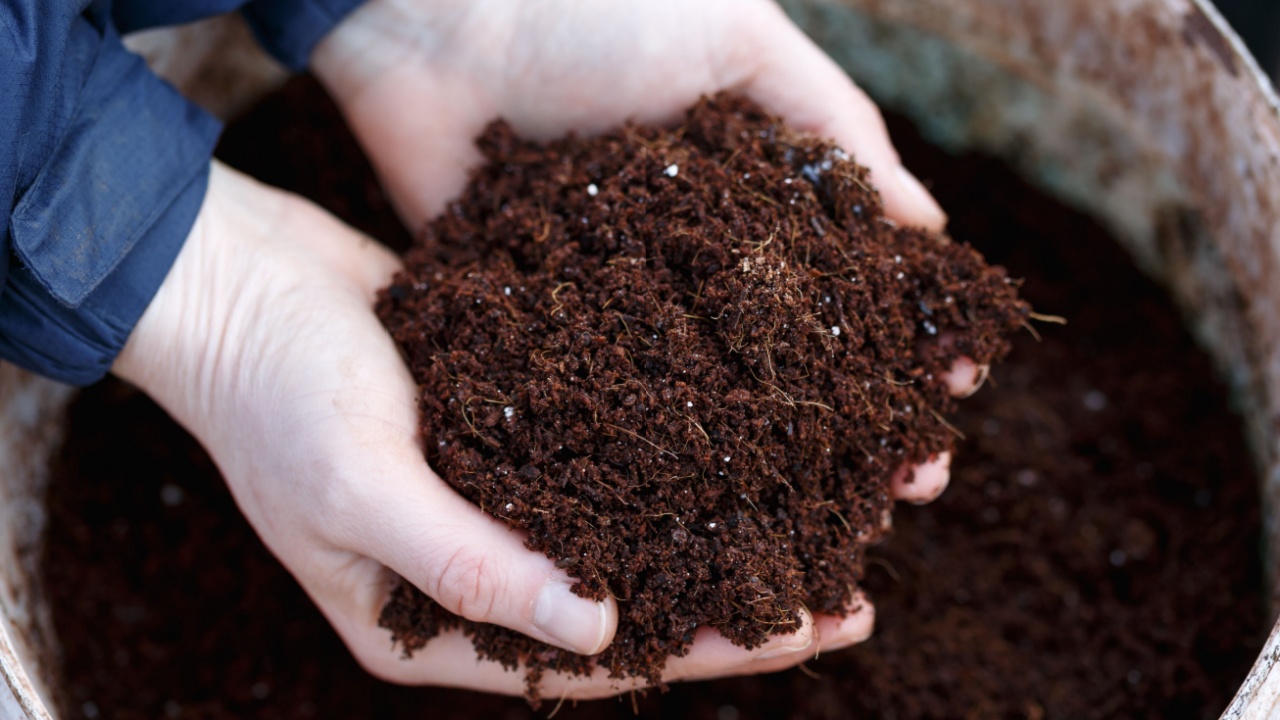
Here is where the counterintuitive truth of xeriscaping lives: more is not better when it comes to soil amendment. Many homeowners assume they should load their beds with compost before planting, but John Murgel, a horticulture expert with Colorado State University Extension specializing in drought-tolerant landscaping, cautions that rich, moist soil is great for cabbages, but xeric plants prefer something closer to what they evolved in, which in most cases means lean and dry.
The ideal organic matter content for most xeriscape soils is just 3 to 5 percent. If your soil already falls in that range, put the compost bag down. Over-amending invites lush, shallow root growth, which makes plants dependent on you rather than resilient to drought.
3. Irrigate Deeply and Infrequently
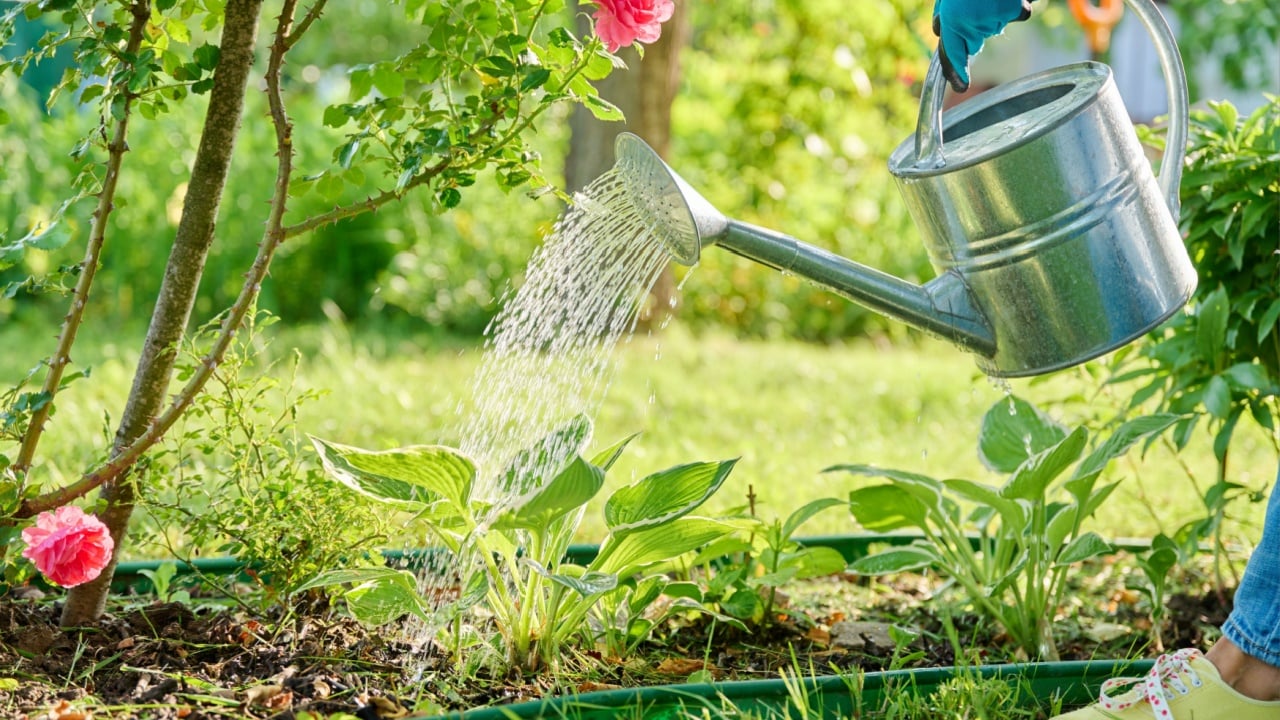
Efficient irrigation is the principle most people get wrong. The instinct is to set a drip system to run a little every day, keeping the soil surface consistently moist. That approach feels nurturing, but it trains plants to develop shallow root systems that are wholly dependent on you, making them vulnerable the moment irrigation is interrupted.
The goal of xeriscape irrigation is the opposite: water deeply, let the soil dry out significantly, then water deeply again. This pattern pushes roots downward in search of moisture, building the resilient, extensive root systems that allow xeric plants to eventually survive on natural precipitation alone. According to Washington State University Extension, the average American family uses more water outdoors than for showers and laundry combined, most of it going to irrigation that could be cut dramatically with simple timing adjustments.
Think of your irrigation system as a backup plan, not the primary caretaker. In a well-established xeriscape, many plants won’t need it at all.
4. Choose the Right Plants for Your Site
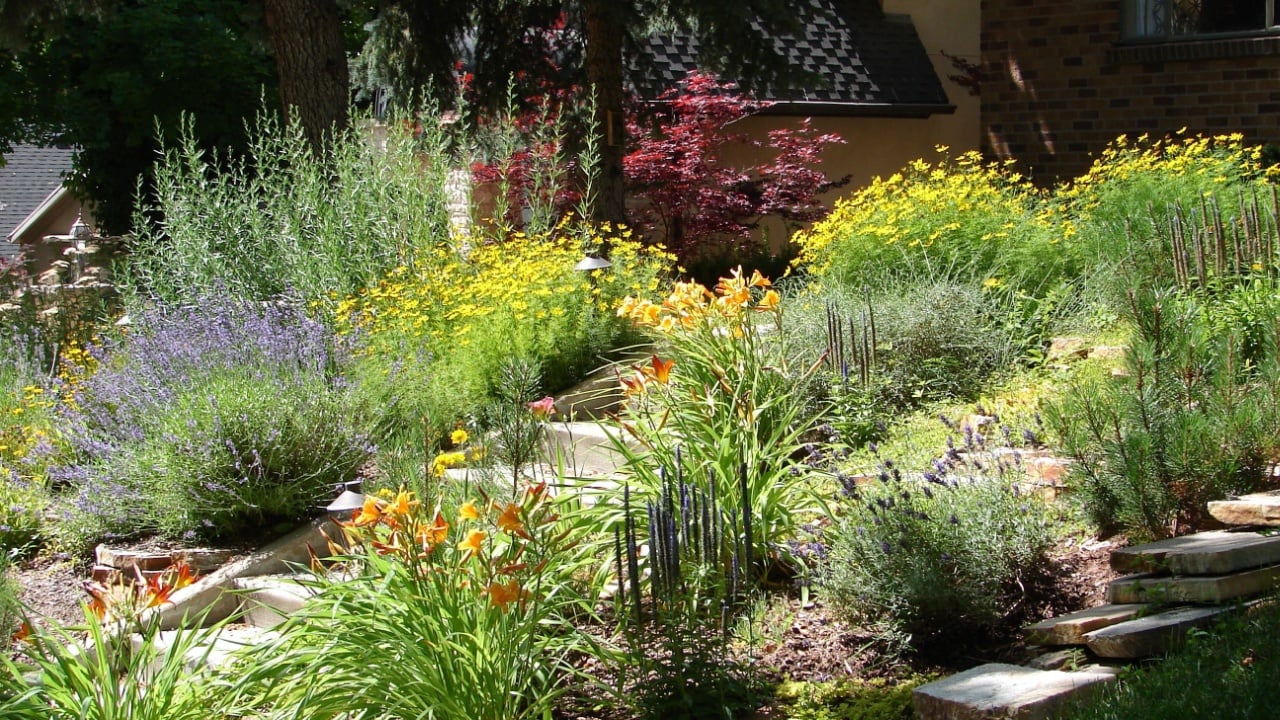
Appropriate plant selection is where xeriscaping goes from functional to genuinely beautiful. The key distinction, one that surprises many new xeriscapers, is that drought-tolerant and native to your region are not the same thing, and neither automatically makes a plant right for your yard.
Plants native to a mountain ecosystem may fail in a sunny, hot front yard at a lower elevation. The better question is always: native to where, and to conditions like what? Plants matched to your specific soil type, sun exposure, and microclimate are the ones that will thrive without constant intervention.
And drought-tolerant does not mean dull. According to New Mexico State University Extension, which has published extensive xeriscape guidance for arid-region gardeners, colorful, fragrant, long-blooming varieties that require very little maintenance are abundant. Echinacea, Agastache, Penstemon, Russian sage, and Rudbeckia are just a sampling of plants that offer brilliant late-summer color with minimal water.
5. Stop Babying Your Lawn
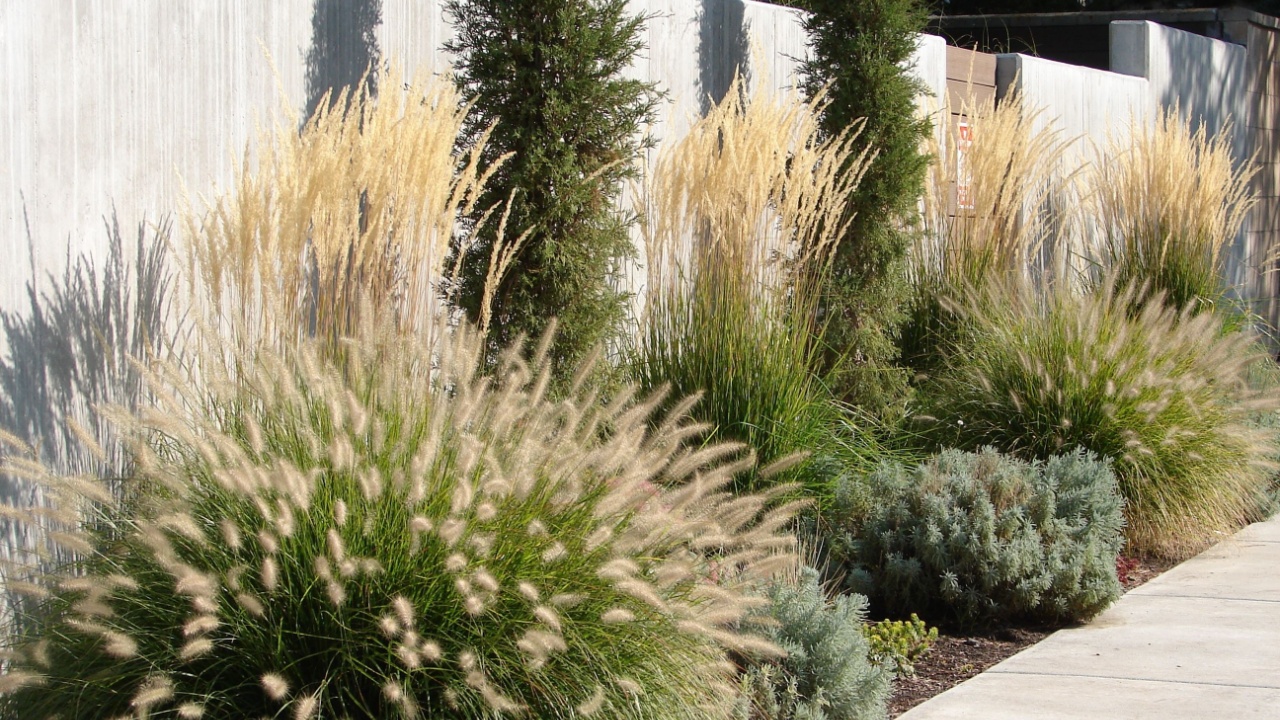
Turfgrass is the most water-intensive element in most home landscapes, and reducing it is the single most impactful step a homeowner can take. A California city’s xeriscaping program found that homes that converted to xeriscape saved an estimated 120 gallons of water per day, according to National Geographic. Per Denver Water’s guidance, turf may be appropriate where it serves a functional purpose, such as a play area or dog run, but grass grown simply to look green is an expensive habit.
The sustainable alternatives are not just gravel. Buffalo grass and blue grama grass are native, low-water options that still provide a soft, green surface. Drought-tolerant perennials, ground covers, and low-growing shrubs replace lawn in areas where foot traffic isn’t needed, creating texture and visual interest without the irrigation demands.
6. Mulch Like You Mean It
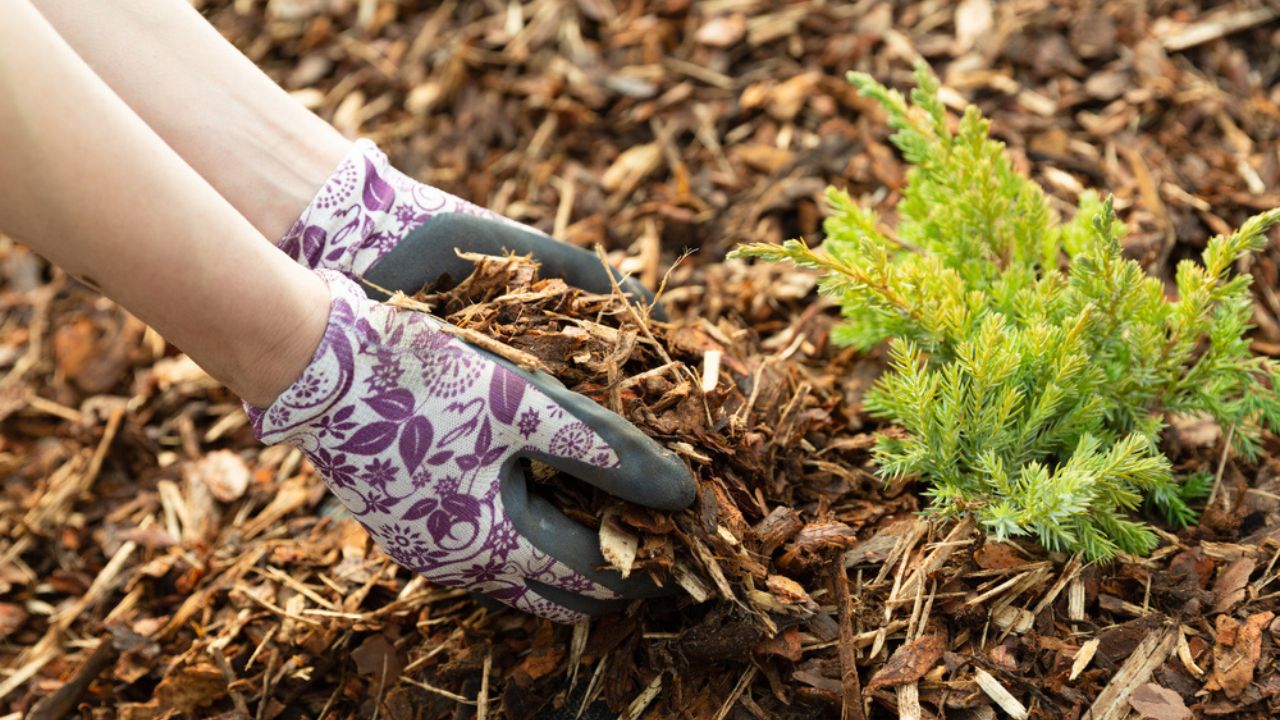
Mulch is the unsung workhorse of a xeriscape. Applied correctly, it slows evaporation, keeps soil temperatures stable, suppresses weeds, and protects plant crowns through temperature extremes. According to the Xeric Garden Club, mulch materials range from shredded bark and pine needles to gravel and stone, and each has a specific best use.
In dry, sunny climates, organic wood mulch can become hydrophobic over time, forming a crust that repels water rather than allowing it to infiltrate. If you use wood chips, disturb them regularly to break up any hardened layer. Gravel mulch, by contrast, allows water to penetrate while preventing surface evaporation, making it a strong choice for open, sunny xeriscape beds. Applied at a depth of about four inches, it also suppresses weeds effectively without blocking moisture.
One mistake worth avoiding: never pile mulch against plant crowns or tree trunks. The so-called mulch volcano traps moisture against the stem, invites rot and pests, and can slowly kill even established plants.
7. Maintain Less, Observe More
The promise of xeriscaping is a garden that asks less of you over time, not one that asks nothing at all. The maintenance tasks shift rather than disappear: instead of weekly mowing, you’re doing an annual cutback of perennials. Instead of adjusting sprinkler heads, you’re deadheading spent blooms and monitoring for the occasional drought-tolerant weed.
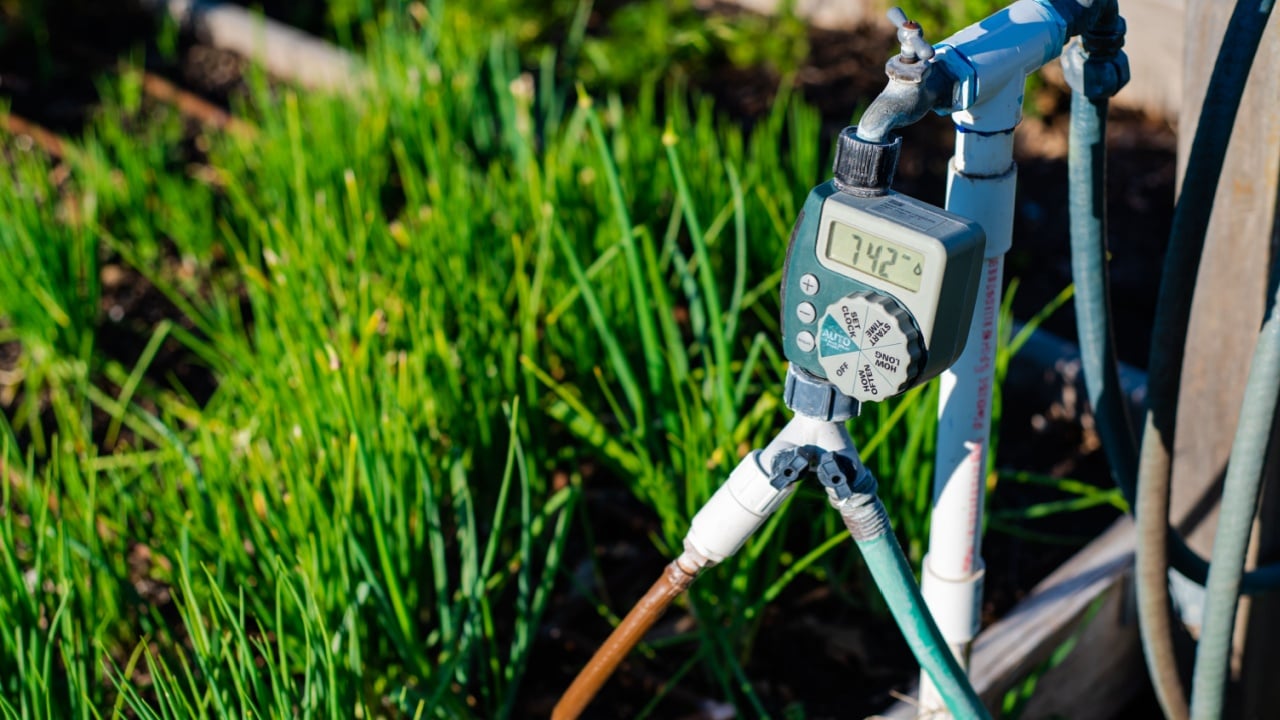
The most important ongoing task is adjusting your irrigation as your garden matures. According to NMSU Extension, irrigation needs decrease significantly as xeric plants establish their root systems, and seasonal recalibration prevents the most common long-term xeriscape failure: overwatering plants that no longer need it. Set a reminder each spring and fall to reassess your irrigation schedule and reduce run times as plants mature.
The long-term payoff is real. Homeowners who reach full xeriscape establishment often report water bill reductions of 50 percent or more during peak summer months.
You Don’t Have to Do This All at Once

The most liberating truth about xeriscaping is that it’s modular. You can convert a single hell strip, one neglected side yard, or the bed along the driveway. You can work outward from there as your confidence builds and your water bill shrinks. The seven principles apply whether you’re redesigning a quarter-acre lot or transforming a ten-foot strip of compacted clay.
The plants that reward your patience with deep roots, brilliant color, and near-zero demands in year three started as the same scraggly plugs that made you second-guess yourself in year one. Give them time to find their footing. That’s not gardening against nature. That’s finally letting nature take over.
Read More
The 7 Best Garden Items to Thrift This Fall
9 Smart Ways to Save Money in the Garden Before Fall Ends