7 Bird Feeder Mistakes That Could Be Spreading Bird Flu in Your Yard
Your bird feeder might be the most dangerous thing in your backyard right now, and you probably have no idea.
Researchers now describe backyard wild bird feeding stations as potential “superspreader” sites for avian flu, places where species that would never share space in the wild converge on a single perch, swapping saliva, droppings, and a virus that has already killed more birds than any outbreak in recorded history.
This is not a distant agricultural problem anymore. The highly pathogenic avian influenza (H5N1) has been confirmed in all 50 U.S. states and Puerto Rico, writes Shaun Holt for Contagion Live, citing CDC data. The virus has infected over 169 million birds, with costs associated with the outbreak exceeding $1.4 billion. Yet, every single day, millions of well-meaning Americans are refilling their bird feeders without realizing that a few simple mistakes could be turning their yards into transmission hubs.
The financial and emotional stakes are higher than most people realize. A backyard flock of laying hens represents a $300 to $500 investment and roughly $200 or more per year in eggs. One outbreak can wipe that out in days. Meanwhile, egg prices remain elevated as commercial losses mount.
Poultry is not the only species impacted by H5N1. Wild bird populations, dairy cattle, and even domestic cats have been reported to be impacted by H5N1, according to Birds and Blooms. According to Cornell University’s College of Veterinary Medicine, up to 70 percent of cats infected with H5N1 may die. However, out of 16,657 total wild bird detections of avian influenza since 2022, only 472 involved songbirds, according to the Cornell Lab of Ornithology. The birds at your feeder are not the primary carriers, but a dirty feeder can turn a low-risk visit into a high-risk one.
Most of the mistakes on this list are things bird lovers have done for decades without a second thought. However, with H5N1 rampantly spreading, it matters more now to change the way that we manage our bird feeders. Here are the seven feeder habits you need to change before the fall bird migration brings a fresh wave of risk to your yard.
1. You’re Not Cleaning Your Feeders Often Enough
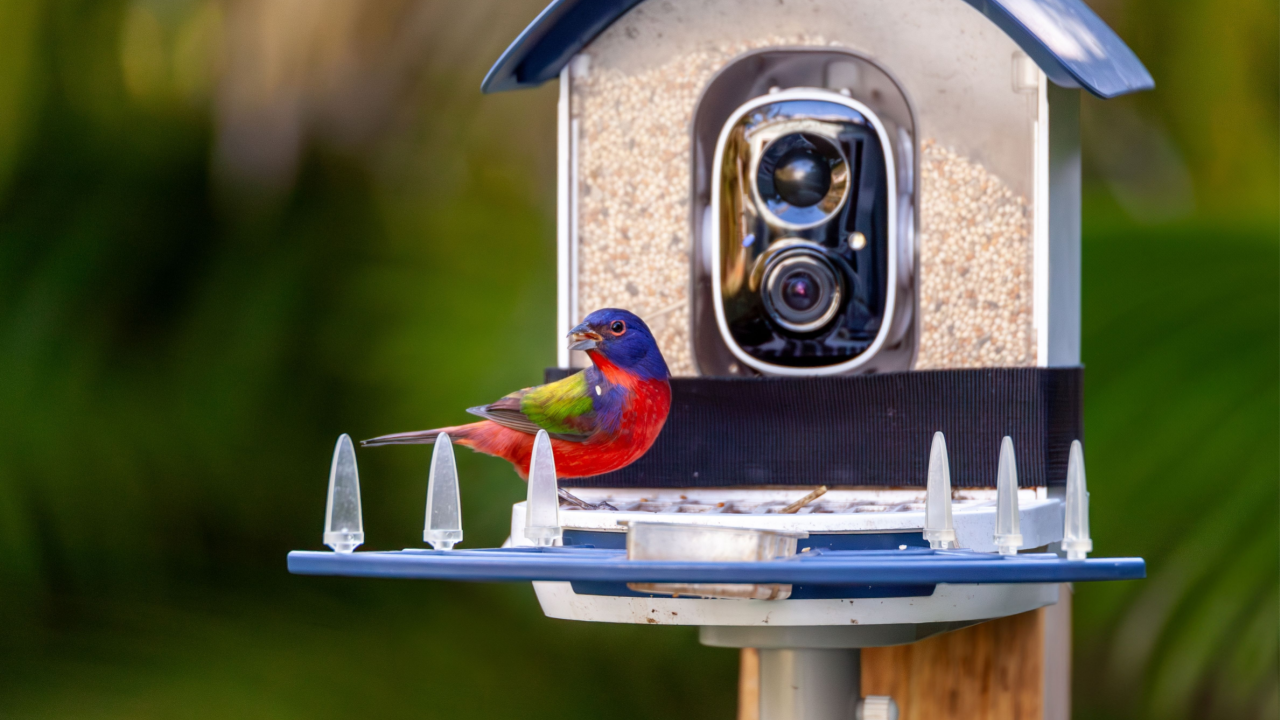
This is the single most common and most dangerous mistake. Most backyard birders clean their feeders once a month, if they clean them at all. During an avian flu outbreak, that is not nearly enough.
Bird flu spreads through saliva, droppings, and nasal secretions, all of which accumulate on feeder surfaces and in bird baths between cleanings. According to wildlife specialist Joy O’Keefe of the University of Illinois in Birds and Blooms, “The way that we treat seed feeders is a little bit dangerous; it’s not ideal for the birds. We should be better about cleaning them”.
The correct protocol is simple: scrub feeders with soapy water and a stiff brush every two weeks, soak them in a solution of one part bleach to nine parts water for at least 10 minutes, rinse thoroughly, and let them dry completely before refilling. Ornithologist Maren Gimpel of Washington College’s Foreman’s Branch Bird Observatory emphasizes in Homes and Gardens, “Don’t fill and hang them up again until they are fully dry”. A wet feeder is a petri dish.
2. You’re Using the Wrong Type of Feeder
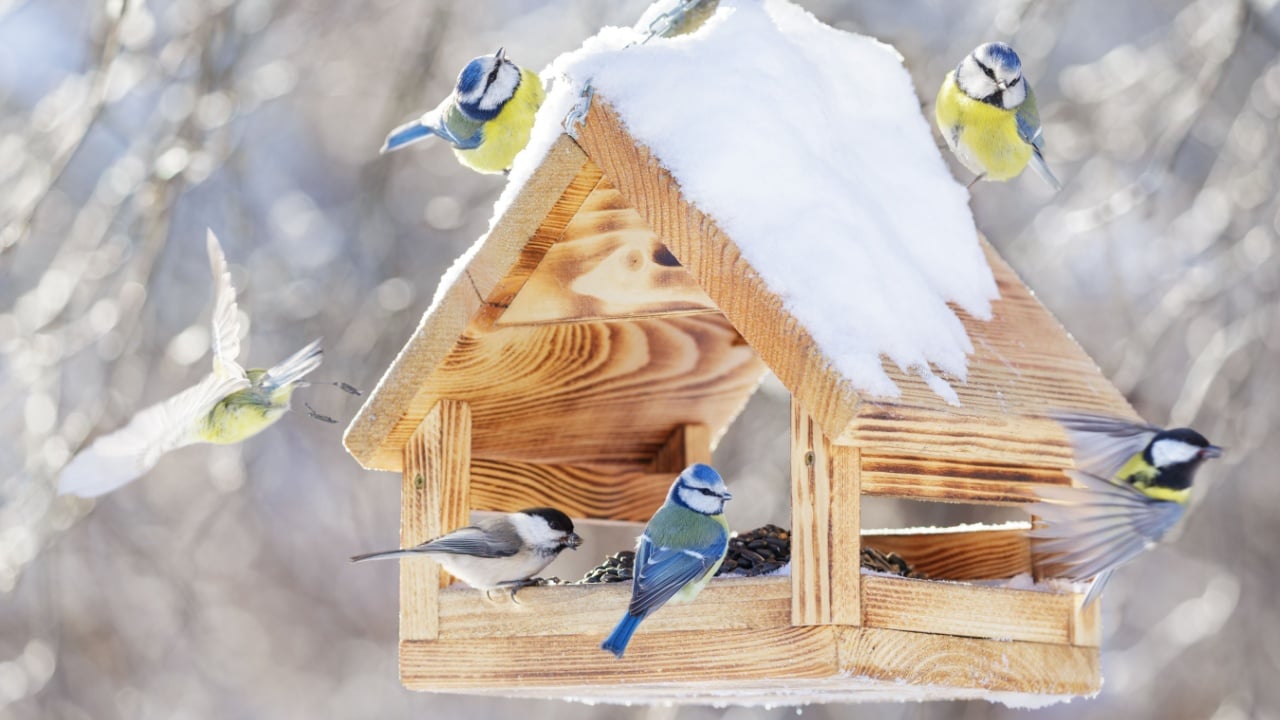
Not all feeders are created equal, and the charming wooden feeder your family has used for 20 years may be part of the problem.
Wood absorbs moisture and rots over time, creating an environment where bacteria and fungi thrive. Bird expert Isabelle Manseau, founder of Birdzy, recommends in Homes and Gardens choosing “metal and recycled plastic feeders” because “they’re durable, easy to clean, and less likely to harbor bacteria compared to wood”.
Ground feeders and bird tables are the riskiest option of all. They expose food directly to droppings and the elements, making contamination nearly inevitable. Elevated tube feeders with covered tops, drainage holes, and round perches are the safest choice. The round perches spread birds around the feeder and prevent droppings from accumulating in a single line, while drainage holes stop water from pooling at the bottom where it breeds mold that weakens birds’ immune systems.
If you are not ready to replace your feeders, at least remove catch trays. Manseau warns that “wet seeds and droppings often collect in these trays, creating a perfect environment for pathogens”.
3. You’re Letting Waterfowl Near Your Feeding Station
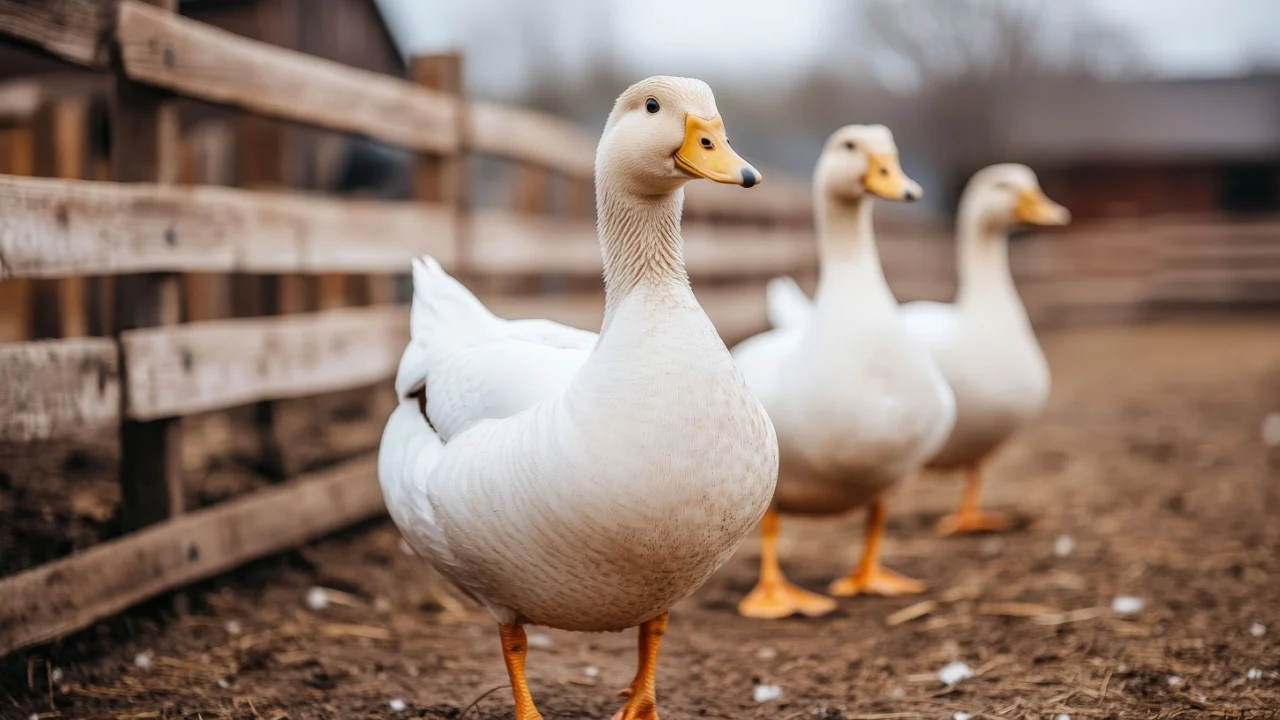
This is where the real danger lives. Waterfowl, including ducks, geese, and swans, are the primary carriers of H5N1, and they often transmit the virus without showing any symptoms at all.
Joy O’Keefe puts it bluntly in Birds and Blooms: “If ducks or geese are coming into your yard, you probably want to avoid feeding backyard birds”. That statement surprises many people, but the science is clear. Feeders that attract waterfowl alongside songbirds create exactly the kind of cross-species mixing that allows the virus to spread and potentially mutate.
If you live near a pond, wetland, or any body of water that attracts migrating waterfowl, your feeder situation demands extra vigilance. Some experienced birders now use trail cameras pointed at their feeders to monitor whether waterfowl are visiting, which helps them decide whether feeders should come down temporarily.
4. You’re Crowding Too Many Birds Into One Spot
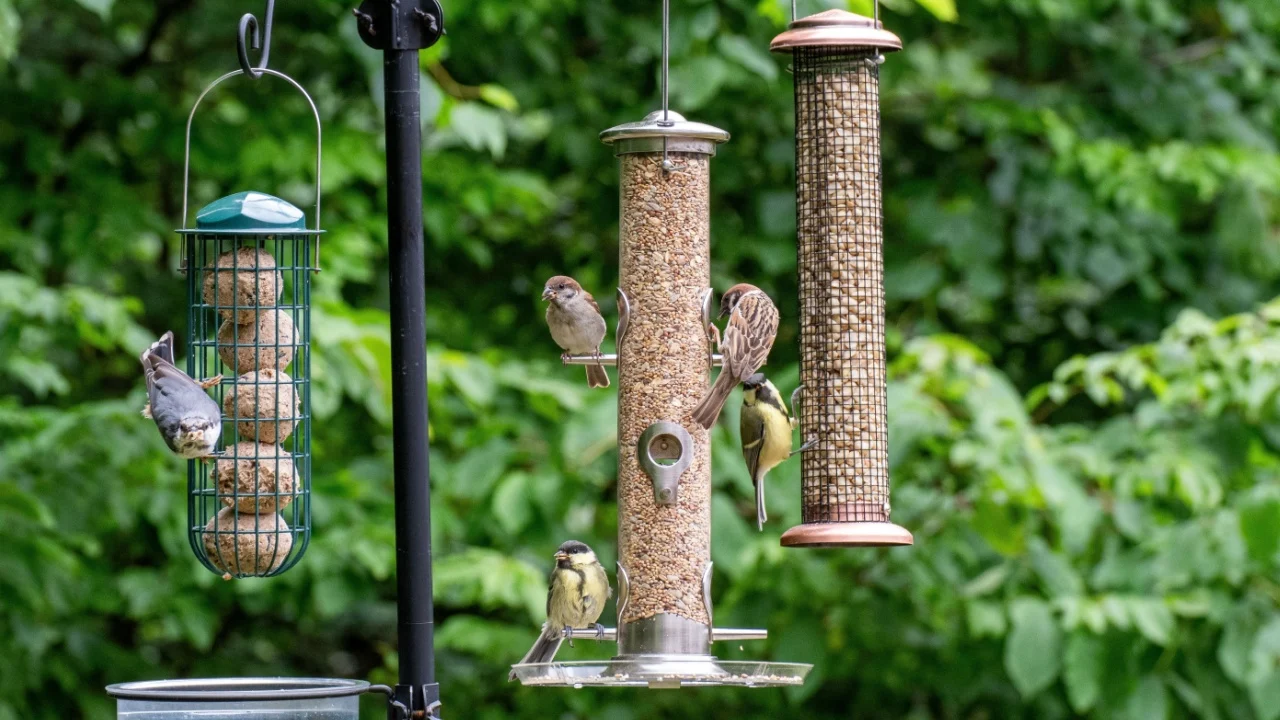
A single large feeder packed with birds is a picture-perfect scene for a nature calendar and a worst-case scenario for disease transmission. O’Keefe explains in Birds and Blooms that feeders create “a somewhat abnormal situation that doesn’t occur in nature” by allowing “multiple species to accumulate together to feed in one location,” which can “allow pathogens to mutate”.
Use multiple small feeders spaced at least 10 feet apart instead of one large one. Choose feeders with smaller ports or perches that limit the number of birds feeding simultaneously. This is the bird-feeding equivalent of social distancing, and it works for the same reason.
5. You’re Ignoring What’s Happening on the Ground
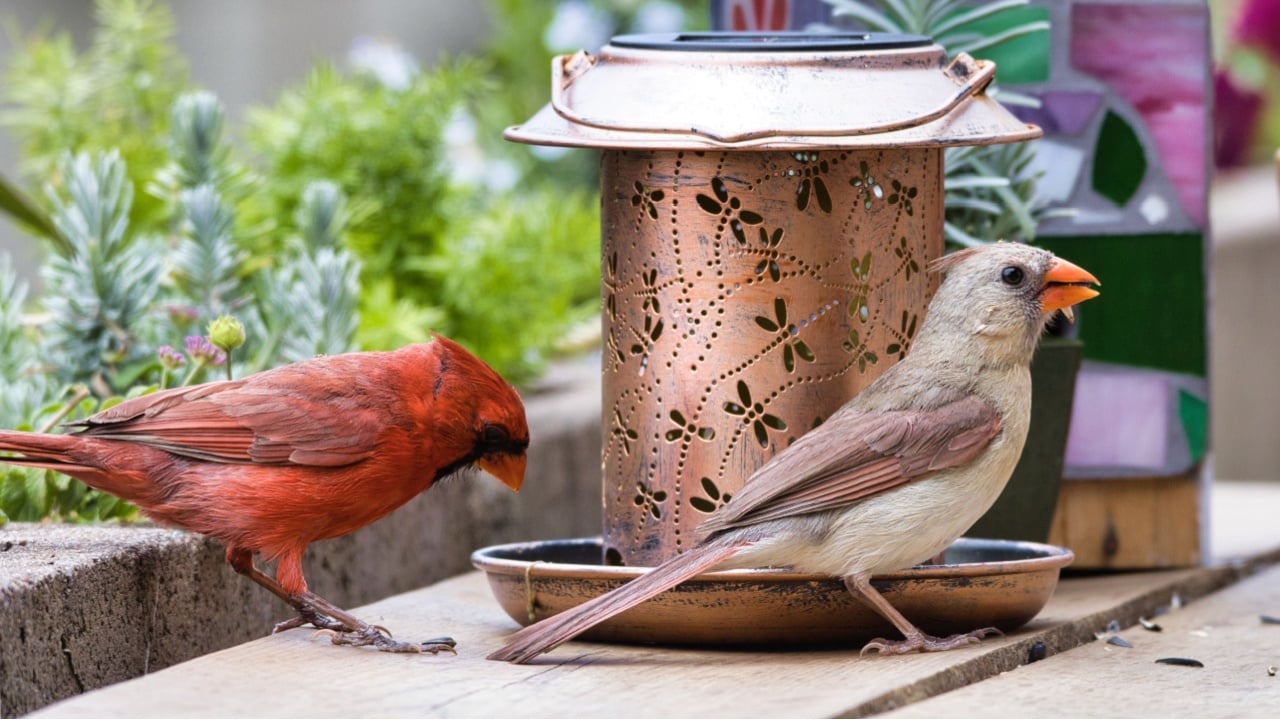
You may keep your feeder spotless and still have a disease risk directly beneath it. Seed hulls, scattered seeds, and droppings pile up under feeding stations, creating a contaminated zone that ground-feeding birds walk through constantly.
Ken Keffer, environmental educator and co-owner of a Wild Birds Unlimited store, recommends in Birds and Blooms that you “rake up the empty hulls from under the feeders” regularly and “consider moving your feeding station around the yard to minimize accumulation”.
One solution experienced birders swear by is switching to no-mess seed blends, which contain shell-free seeds that virtually eliminate hull buildup beneath the feeder. This single change can cut your ground contamination risk dramatically. O’Keefe also advises basic biosecurity measures that most homeowners overlook: “Take your shoes off at the door so you don’t take them inside. Minimize the spread of pathogens”. That advice sounds like it belongs in a hospital, but during an avian flu outbreak, your yard is not as different from one as you might think.
6. You’re Not Protecting Your Pets
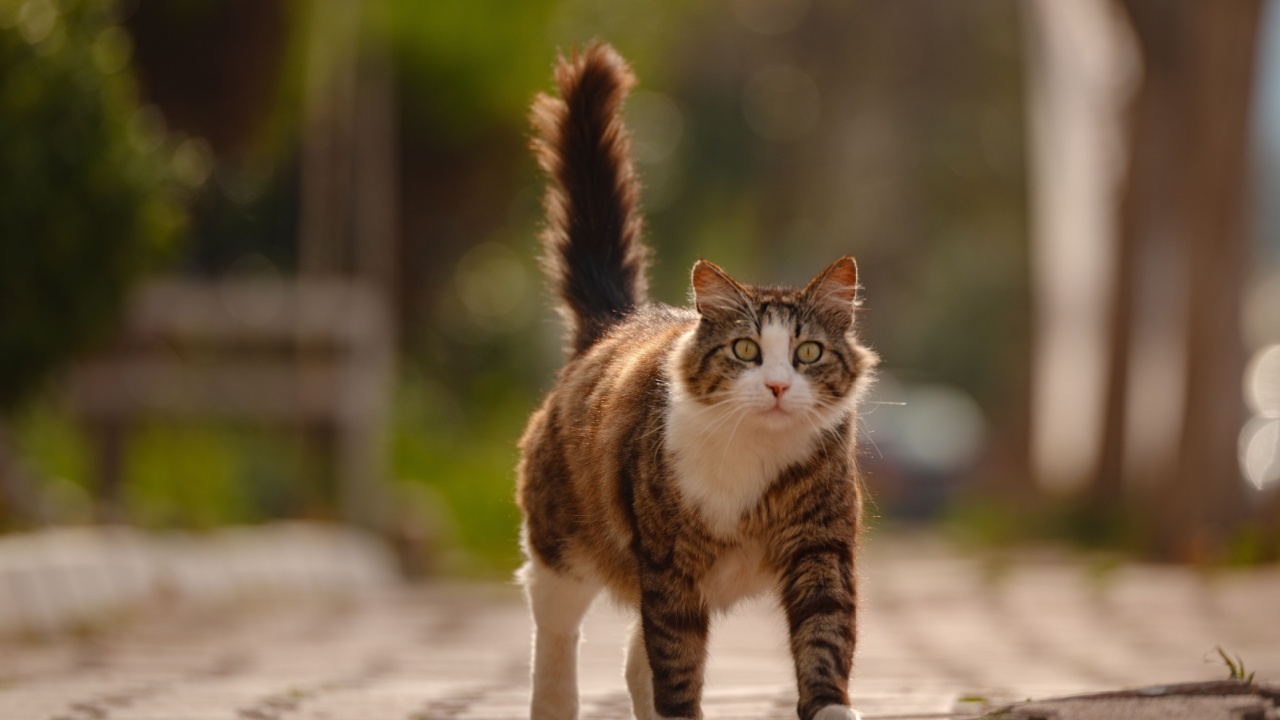
According to Cornell University’s College of Veterinary Medicine, H5N1 can cause serious illness in cats, and up to 70 percent of infected cats may die. The American Veterinary Medical Association confirms that while cat-to-human transmission risk is considered low, it cannot be ruled out.
The transmission chain that most people never consider runs from your feeder to a sick bird to your outdoor cat. Cats are natural hunters, and a bird weakened by avian flu is an easy target. The American Veterinary Medical Association advises keeping cats indoors entirely and never feeding them raw meat or unpasteurized dairy, both potential sources of H5N1 exposure.
7. You’re Feeding Too Close to Your Chicken Coop

For the estimated 10 million American households with backyard chickens, this mistake can be financially and emotionally devastating. Domestic poultry are extremely susceptible to H5N1; when the disease is detected in a flock, the entire flock must be depopulated.
Ken Keffer advises in Birds and Blooms that “if you raise poultry and live in an area where avian influenza is being reported, you could consider removing bird feeders in the short term”. O’Keefe agrees: “For people who have backyard chicken flocks, keep your bird feeder in a separate area or take it down. To protect your own flock, you want to keep it separate”.
Beyond distance, remove any standing water in your yard that could attract migratory waterfowl. Use dedicated shoes for coop visits and never wear them inside the house or near bird feeders. A flock of six laying hens that produces $200 or more worth of eggs per year is not worth risking over a feeder you placed too close without thinking.
A Little Care Goes a Long Way
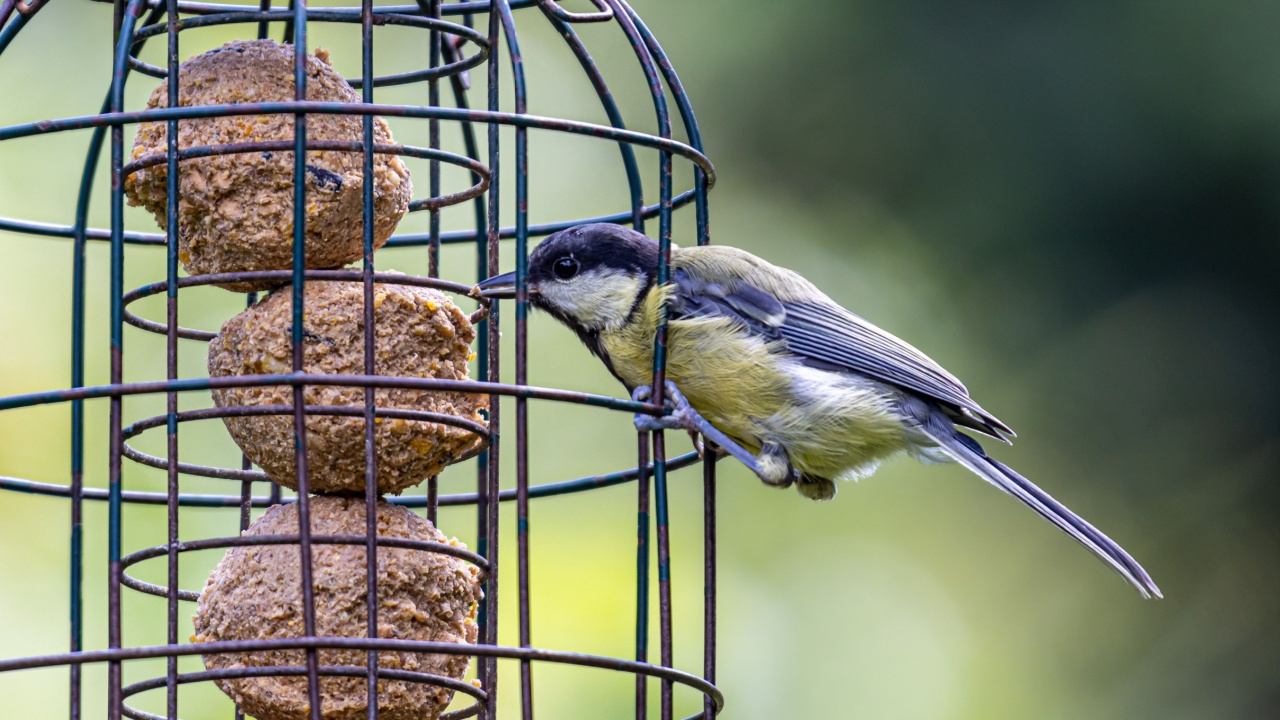
If this list has you feeling overwhelmed, take a breath. The solution is not to stop enjoying birds; it is to stop feeding them carelessly.
Start with a cleaning schedule: every two weeks, apply a bleach solution to your feeders and allow for a full dry. Tape a cleaning schedule to the inside of a cabinet where you keep your birdseed so you never forget. Switch to tube feeders made of metal or plastic, use no-mess seed blends, and space multiple feeders at least 10 feet apart.
For a longer-term approach that eliminates feeder risk entirely, plant native shrubs and wildflowers that support wild bird populations while minimizing the cross-contamination risk that feeders pose. O’Keefe advises in Birds and Blooms that “in the absence of feeders, birds should be able to find natural sources of food from sprouting native plants and emerging insects”. Native plantings attract birds without creating the unnatural congregations that feeders do, and they cost almost nothing compared to years of buying birdseed.
If your state wildlife agency issues a temporary recommendation to take down feeders, follow it. During fall migration, when the risk spikes, consider pulling feeders for a few weeks even without an official order. The birds will not starve. Research shows they get most of their nutrition from natural sources anyway.
Read More
The 7 Best Garden Items to Thrift This Fall
9 Smart Ways to Save Money in the Garden Before Fall Ends