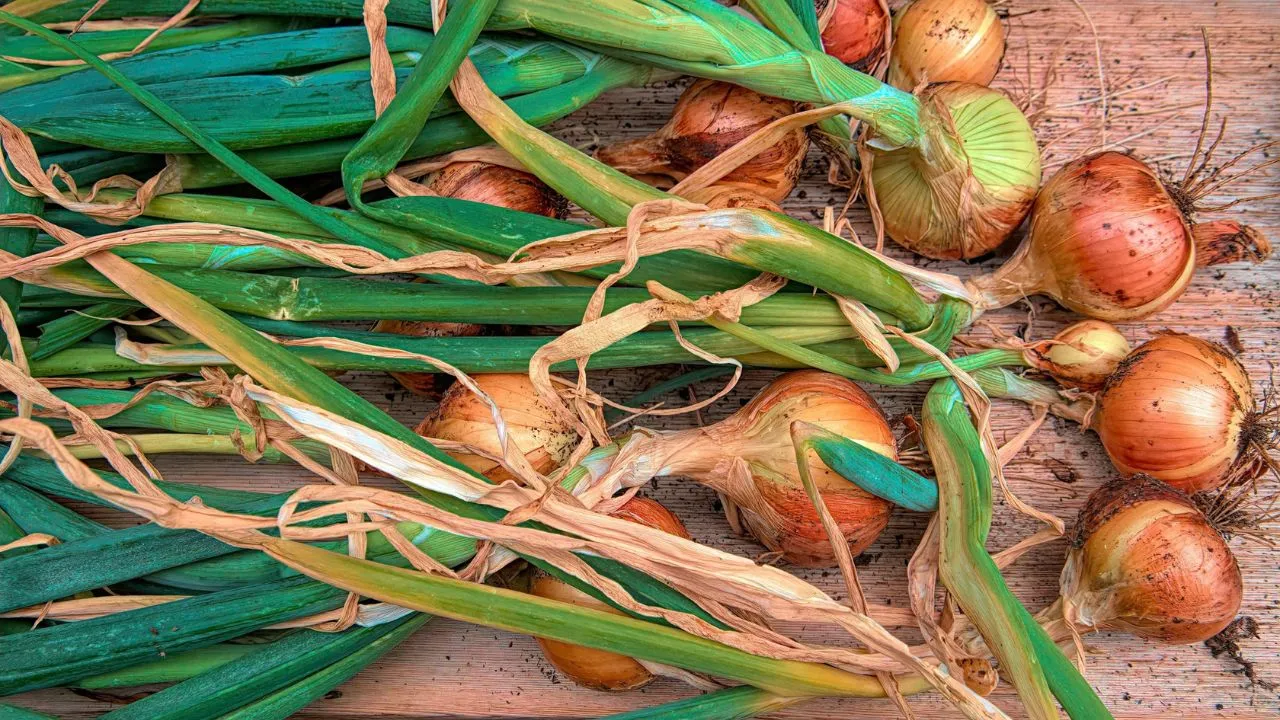
Your Grandmother Was Right: Old Pantyhose Is Still One of the Best Ways to Store Onions From the Garden
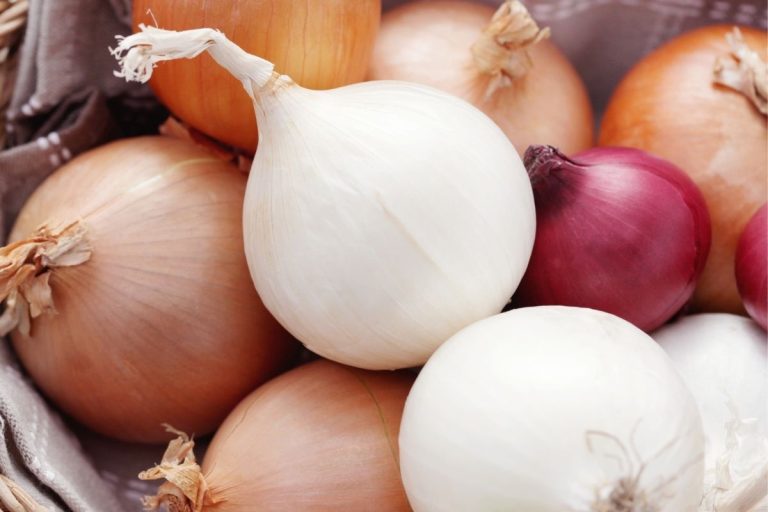
The onions most likely to rot in your basement this winter are not the ugly ones. They are the beautiful, fat, perfectly cured ones sitting right next to your potatoes.
You did the hard part. You grew them, pulled them, and let them cure through the end of summer. Yet storage is where homegrown onions quietly fail, and the damage hides until it is too late: a soft spot at the neck, a sour smell in the cellar, or a crate that looked flawless in October and is mush by Valentine’s Day.
Right now, curing racks are emptying, nights are dropping toward freezing across much of the country, and the decisions you make before the month ends determine whether you cook with your own onions in March or buy them. USDA’s Economic Research Service puts the average retail price of fresh onions at about $1.06 per pound, so a modest 50-pound harvest is worth roughly $53 at the store, and every rotten bulb is money tossed on the compost pile. Store them well, and a good storage onion can keep its eating quality for 10 to 12 months, according to Gardener’s Supply Company.
The good news is that the fixes cost almost nothing, and one of the best uses something your grandmother kept in her dresser drawer. Here are the seven mistakes to stop making, starting with the one almost everyone gets wrong.
1. Stop Storing Onions Next to Your Potatoes
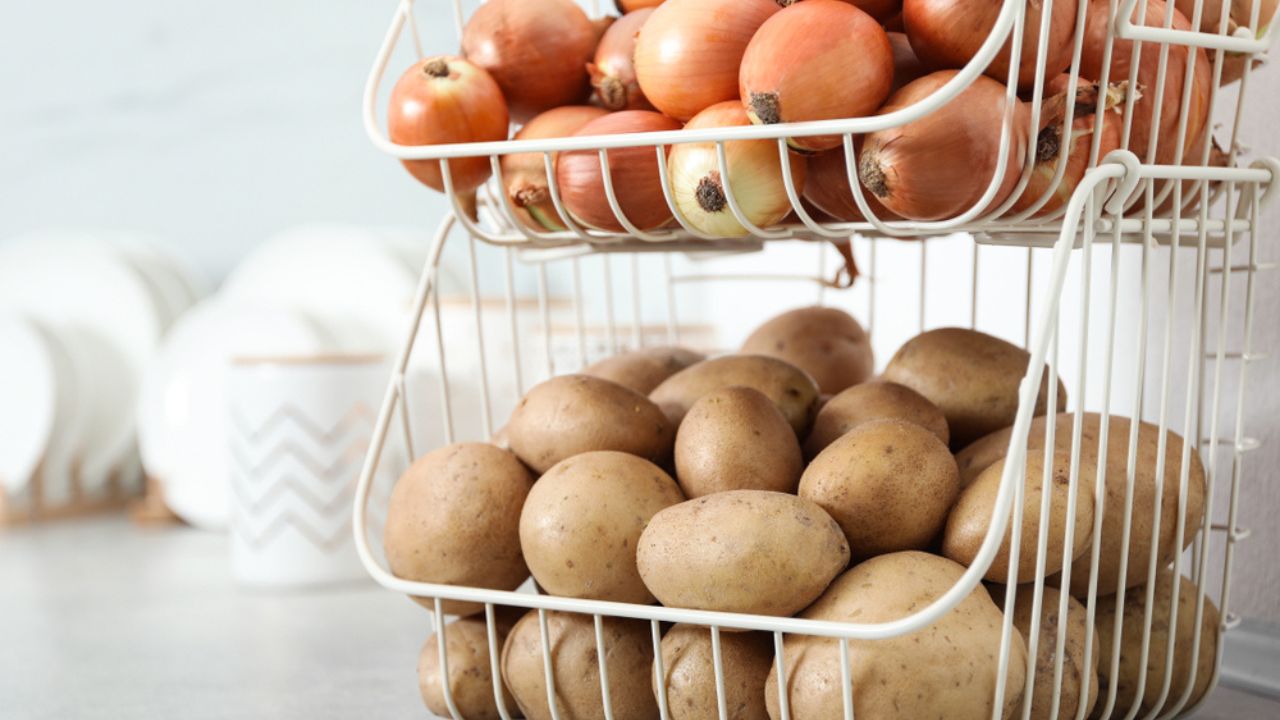
Onions and potatoes like the same cool, dark corner, which is exactly how they end up sharing a bin. The Farmers’ Almanac puts it bluntly: “do not store potatoes with onions.” Its guidance explains that onions give off gases that hurry potatoes toward sprouting, while Tasting Table notes the damage runs both ways, since moisture coming off potatoes can turn onions soft and moldy. Put them in separate rooms if you can and at opposite ends of the basement if you can’t.
2. Stop Saving Thick-Necked, Bruised, or Double Onions for Winter
Most gardeners never hear this, but the best growers sort ruthlessly before a single onion goes into storage. “Poorly cured onions will not store well and will be prone to storage rots,” writes Sarah Browning of Nebraska Extension, who advises using bruised or thick-necked bulbs right away. Barbara Pleasant, writing for GrowVeg, also pulls out doubles because they tend to develop a soft center, along with any onion whose papery skin has split. Give those onions an eat-first basket in the kitchen, or chop and freeze them.
3. Stop Cutting the Tops Before the Necks Are Truly Dry
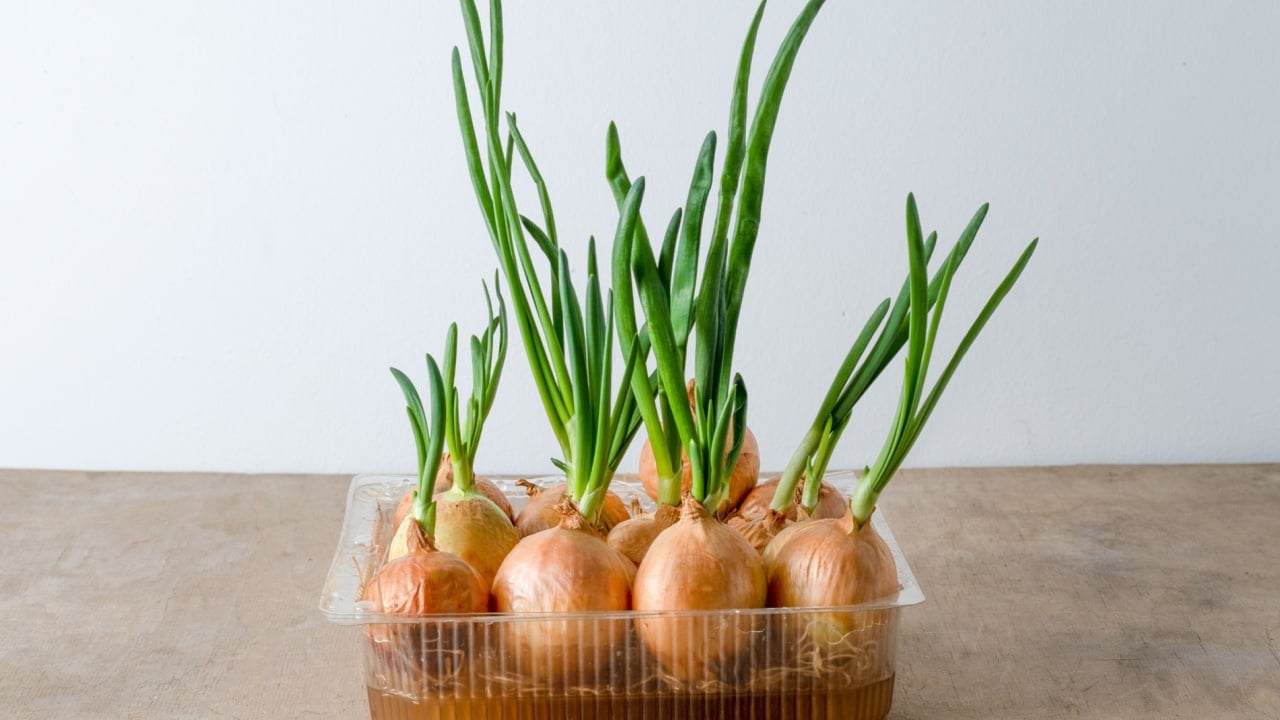
Trimming green tops early leaves an open door for moisture and mold, Deanna Talerico of Homestead and Chill warns. The test is simple: pinch the neck just above the bulb. Becky of The Seasonal Homestead says a cured neck should feel thin and papery, “like there is almost nothing there.” If it still feels thick or slippery, leave it on the rack longer. Once necks are fully dry, Iowa State University Extension recommends trimming tops to about one inch above the bulb, or leaving them long and braiding them.
4. Stop Sealing Onions in Plastic and Use Old Pantyhose Instead
Plastic tubs and grocery bags trap humidity, and humidity is the onion’s enemy. “It’s important that the storage container allow air to circulate through the onions,” advises Iowa State University Extension, which lists an old nylon stocking right alongside mesh bags, wire baskets, and crates. Your grandmother was right about this one. According to the book Backstage with Julia, as reported by Chowhound, Julia Child also stored her onions in pantyhose hung in a cool, dark basement. Drop one onion into the leg, tie a knot, add the next, and snip one off from the bottom whenever you need it. The knots keep bulbs from touching, and it costs nothing.
5. Stop Keeping Whole Onions in a Warm Kitchen or the Fridge
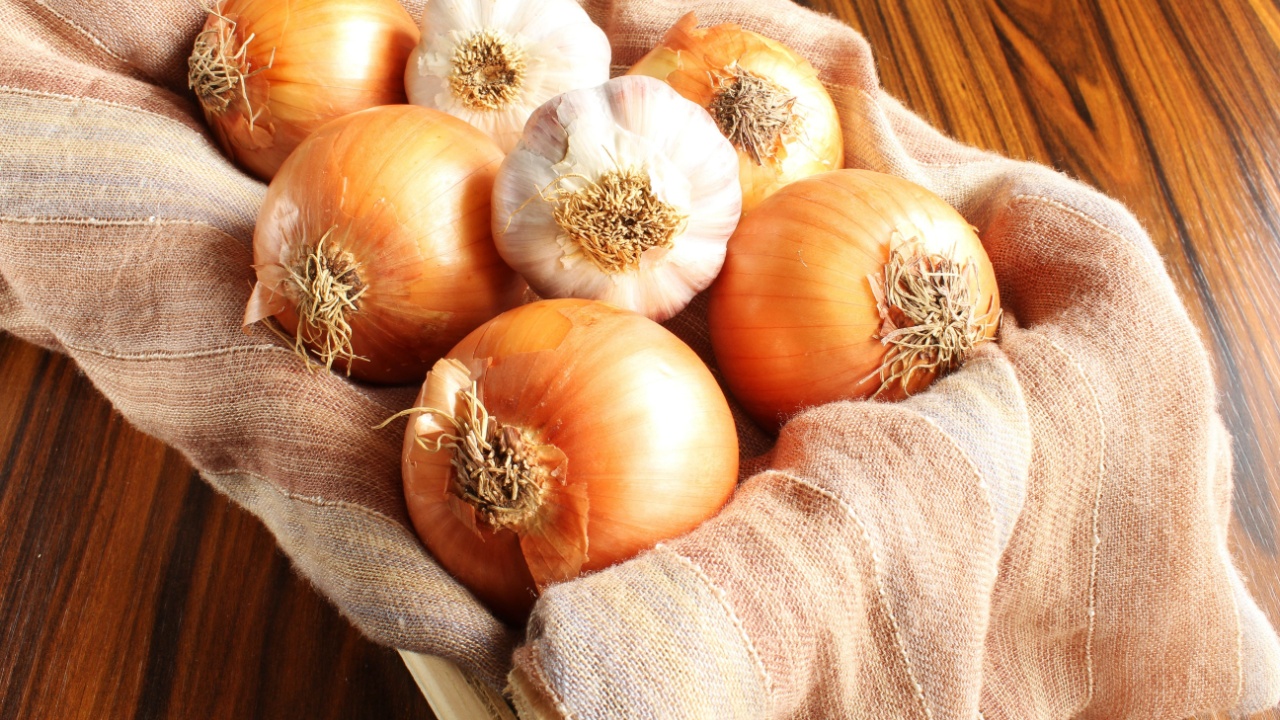
Storage onions want it cold, dry, and dark. Iowa State University Extension recommends 32 to 40 degrees Fahrenheit with 65 to 70 percent relative humidity, and University of Georgia Extension reports that conditions near 34 degrees with about 70 percent humidity help slow neck rot. Megan Cain of Creative Vegetable Gardener describes the ideal spot as “the coldest place in your house that doesn’t freeze.” Warmth triggers sprouting and excess humidity triggers root growth, The Seasonal Homestead explains, citing USDA research. The refrigerator is too damp for whole cured storage onions, according to Grow Organic, though sweet onions are the exception; GrowVeg’s Barbara Pleasant moves those straight to the fridge and eats them first.
6. Stop Trusting the Garage After the First Hard Frost
An unheated garage is a fine curing spot in August and a risky one in late October. “Onions will freeze at 30.6 degrees F,” warns University of Vermont Extension, and Iowa State University Extension advises moving garage-stored onions before temperatures drop below 32 degrees. When you bring them indoors, UVM also notes that condensation forming on cold onions moved into warm, moist air can increase rot, so let them adjust in a cool room rather than a steamy kitchen.
7. Stop Expecting Sweet Onions to Last Until Spring

Here is the surprising part. The same sulfur compounds that make your eyes sting also help inhibit rot, Gardener’s Supply Company explains, which is why the most pungent onions keep the longest. Its rule of thumb is worth memorizing: “The more you weep, the longer it’ll keep!” Sweet types like Walla Walla hold for only a few weeks, according to Iowa State University Extension, while proven keepers such as Copra and Stuttgarter can last several months. If you grew both, cook the sweet ones now and save the tear-jerkers for February.
The Best Way to Store Onions From the Garden
The best way to store onions from the garden comes down to five calm steps. Cure until the necks are papery. Sort out anything bruised, doubled, or thick-necked. Store the keepers in mesh, crates, or knotted pantyhose. Keep them cold, dark, and dry, well away from the potatoes. Then check on them weekly, using any sprouters right away and composting soft ones before rot spreads, as Megan Cain recommends. Barbara Pleasant adds one more check worth doing every time you head downstairs: when a stored onion turns, “you will smell it long before you see it.”
If you have been gardening for decades, you already know that a harvest is only as good as what makes it to the table. An onion doesn’t rot in February because of February; it rots because of what you did in October. Move the potatoes, sort the keepers, find an old pair of stockings, and you can skip the onion aisle well into spring.
Read More
The 7 Best Garden Items to Thrift This Fall
9 Smart Ways to Save Money in the Garden Before Fall Ends