6 Overrated Cleaning Products That Are Throwing Money Down the Drain
Store shelves overflow with bottles, sprays, and sheets that promise sparkling results. Most shoppers grab them without a second thought, trusting that a higher price tag means a cleaner home.
Unfortunately, several popular products either fail to clean properly or solve a problem that simple alternatives handle for far less money.
Knowing which products fall flat saves cash and cuts down on waste. It also leads to better results, since cheaper methods frequently outperform the fancy options. A little knowledge goes a long way at the checkout line.
Here are six overrated cleaning products and the reasons experts skip them.
1. Steam Mops
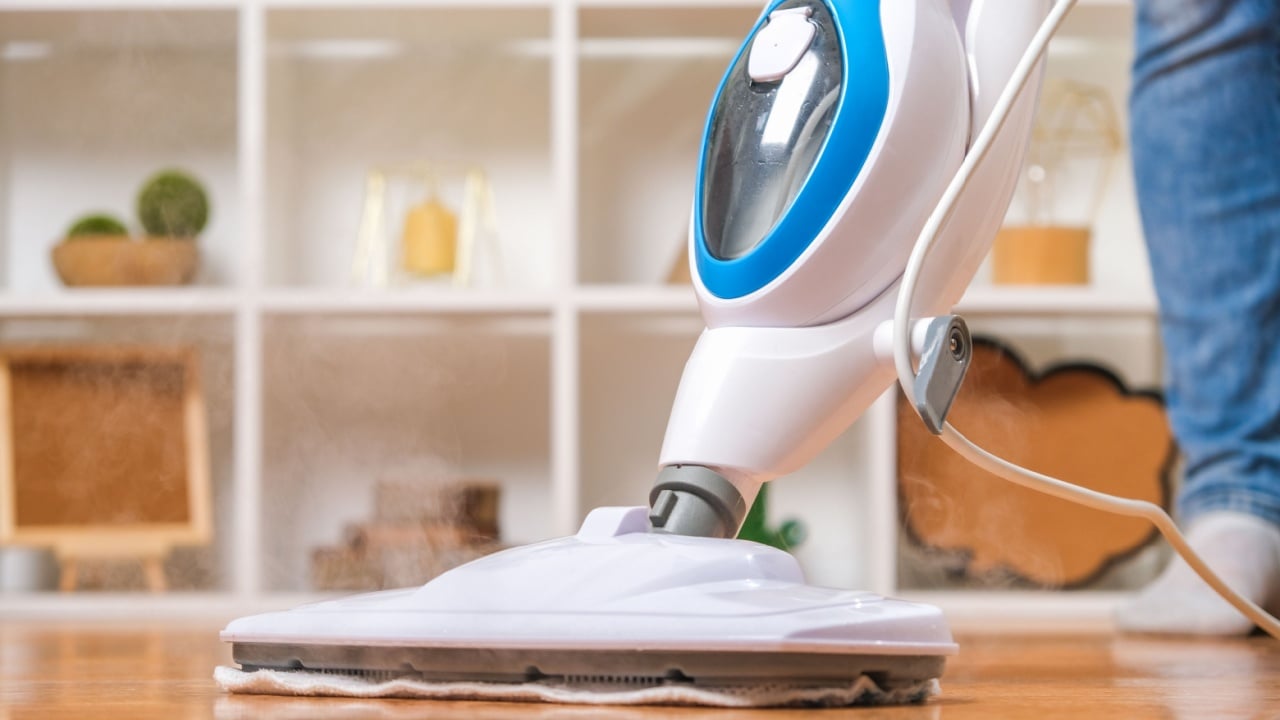
Steam mops sell the promise of a deep clean with nothing but hot water and a quick glide across the floor. The trouble shows up in the results, since many household models simply push grime from one spot to another instead of lifting it away.
The pads often saturate quickly and spread a thin film of dirt across the surface. Heat alone rarely breaks down sticky messes the way buyers expect.
Cleaning pros tend to reach for a microfiber mop and a bucket of warm water with a small amount of floor cleaner. This combination grabs debris and traps it in the fibers rather than smearing it around.
A commercial vapor steam unit can work well for tough jobs, though it costs far more than the average home needs. For everyday floors, a reusable mop pad delivers a cleaner finish at a fraction of the price.
2. Air Fresheners
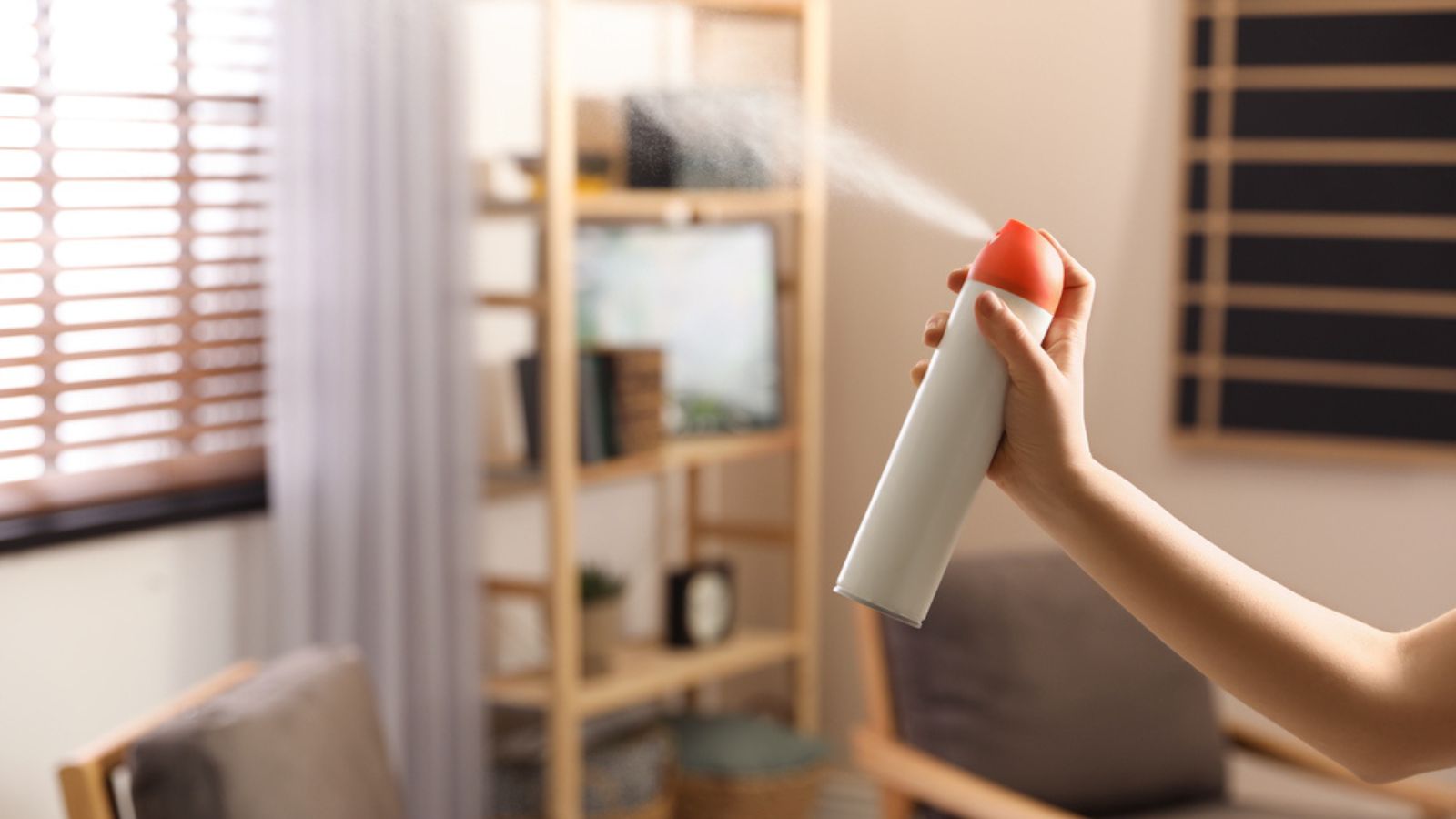
Air fresheners give a room a pleasant scent for a short while, which makes them feel like a quick fix. The problem is that they only mask odors instead of removing the source.
Once the spray fades or the plug-in runs dry, the original smell returns as strong as before. Buyers end up replacing these products again and again without solving anything.
The smarter approach targets the cause of the odor directly. A full trash can, a damp towel, or food left in the fridge often creates the smell that fresheners try to cover.
A clean home with good airflow stays fresh on its own, and an open window does more than most aerosol cans. Baking soda placed in problem areas absorbs lingering odors for pennies per use.
3. Dusting Sprays
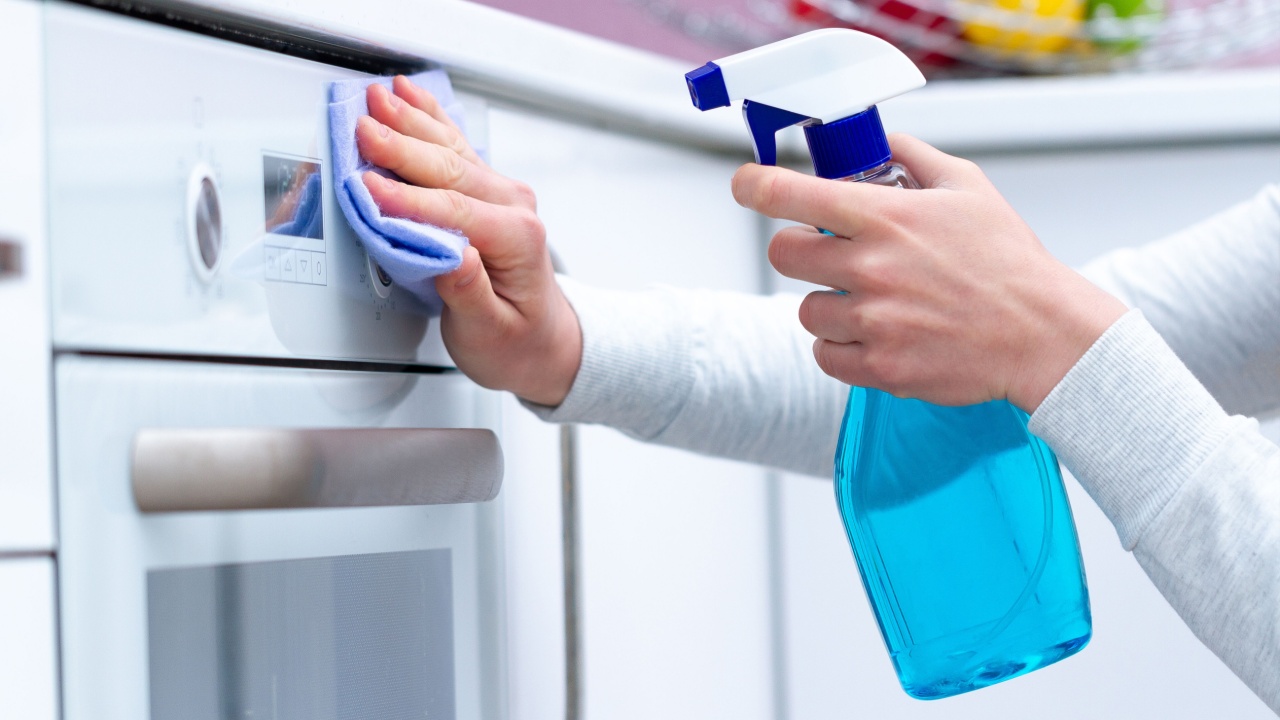
Dusting sprays claim to lift and hold dust while adding a polished shine to surfaces. In practice, many leave behind a greasy residue that attracts more dust soon after.
That sticky layer can build up on wood and electronics, which makes future cleaning harder. The spray also adds an extra cost to a chore that needs very little.
A dry microfiber cloth handles dust better than any aerosol or spray can. The tiny fibers cling to particles and trap them instead of scattering them into the air.
For stubborn spots, a cloth dampened with plain water clears the surface without any residue. This method costs almost nothing and keeps furniture cleaner for longer stretches.
4. Fabric Softener
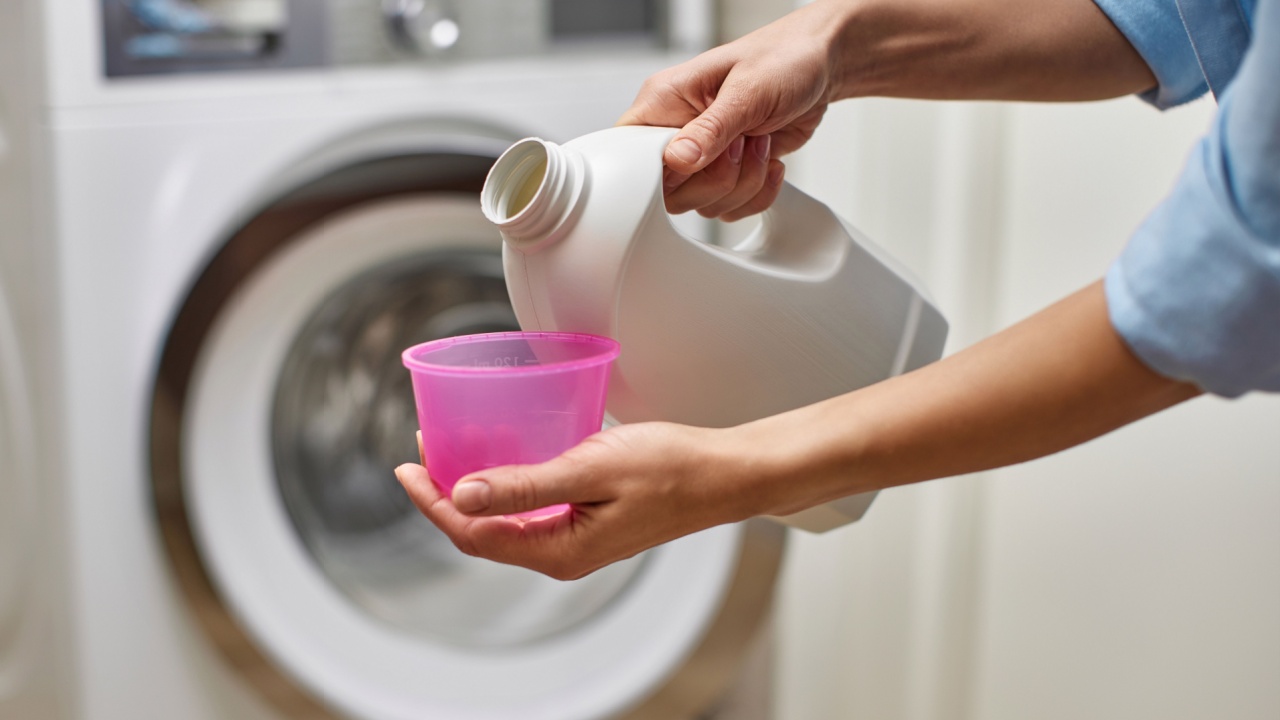
Fabric softener markets itself as the secret to soft, fresh laundry, yet it works against that goal in several ways. The liquid coats fibers with a waxy layer that reduces how well fabrics absorb water.
Towels lose their ability to dry skin, and athletic wear traps sweat and odor. That same coating can lock smells into the fabric rather than wash them out.
Quality fabrics stay soft when washed and dried with care, so the softener becomes an unnecessary expense. A half cup of white vinegar in the rinse cycle naturally relaxes fibers without any buildup.
This swap protects absorbency and keeps clothing in better shape wash after wash. The savings add up across a year of laundry loads.
5. Glass Cleaner

Glass cleaner seems like the obvious choice for windows and mirrors, but it often leaves streaks and a faint residue. Many formulas contain additives that dry unevenly and catch the light in frustrating ways.
Shoppers buy bottle after bottle while chasing a clear finish that never quite arrives. The cost stacks up for a job that needs almost no special product.
A homemade mix solves the streak problem with two cheap ingredients. A spray bottle filled with water and a few drops of dish soap cuts grime and dries clear.
A clean microfiber cloth or a sheet of newspaper buffs the glass to a spotless shine. This solution works on windows, mirrors, and glass tables alike, which removes the need for multiple specialty bottles.
6. Dryer Sheets
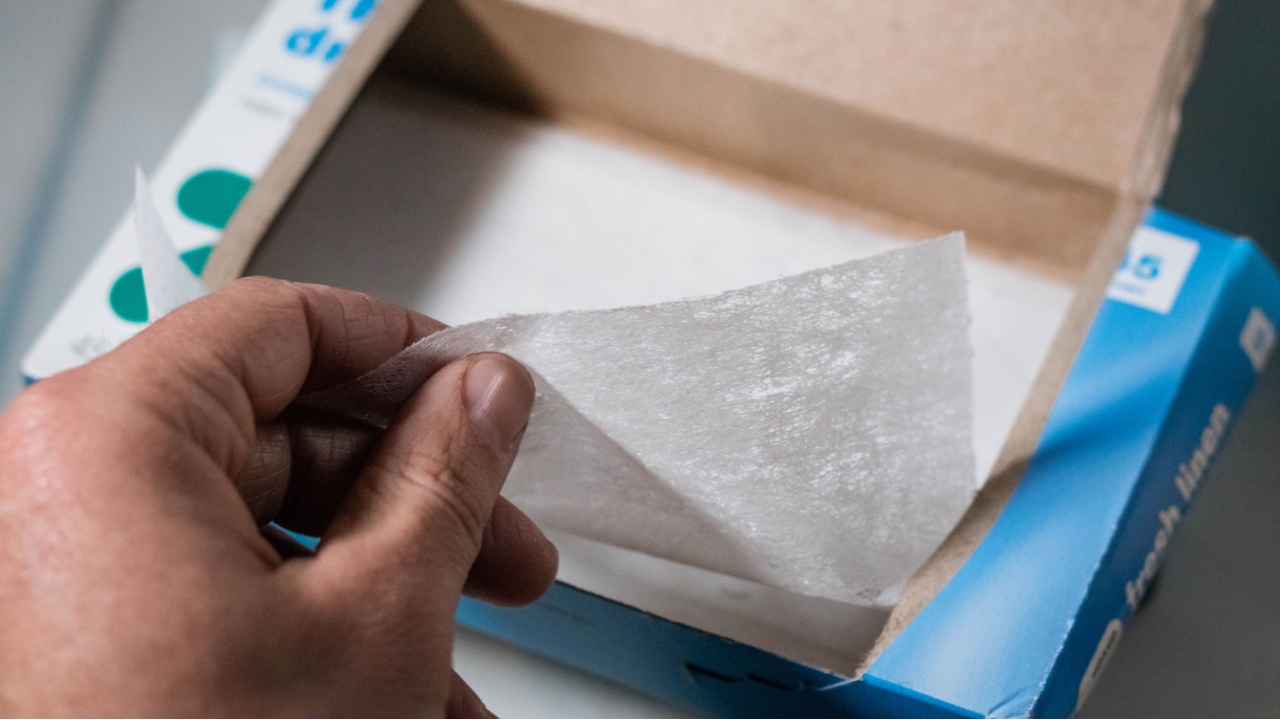
Dryer sheets promise softness and static control, yet they coat clothing and the dryer itself with a thin chemical film. That residue can clog the lint filter and reduce airflow, which makes the machine work harder.
The coating also dulls the moisture-wicking ability of towels and workout gear. For most households, the sheets add cost without real benefit.
Wool dryer balls offer a reusable replacement that cuts drying time and reduces static. A single set lasts for hundreds of loads, which makes the upfront cost easy to justify.
Proper sorting and a slightly lower heat setting also keep static at bay without any added product. These small adjustments protect fabrics and trim the laundry budget.
Smarter Cleaning

Many cleaning items charge a premium for a result that a simple staple delivers just as well or better. Microfiber cloths, white vinegar, dish soap, baking soda, and wool dryer balls cover most household tasks at a tiny cost.
Before any cleaning product goes into the cart, a quick check of the ingredient list and the actual job helps reveal whether it earns its price.
Single-use and scent-based items deserve the most scrutiny, since they tend to mask problems rather than fix them. A small kit of versatile basics handles the same chores while cutting waste and clutter.
Read More:
Want a Cleaner Home? Try the Closing Shift Method Each Night
12 Things Professional Cleaners Recommend Never Doing at Home