How to Successfully Remove Rocks from the Yard Limiting Backyard Projects
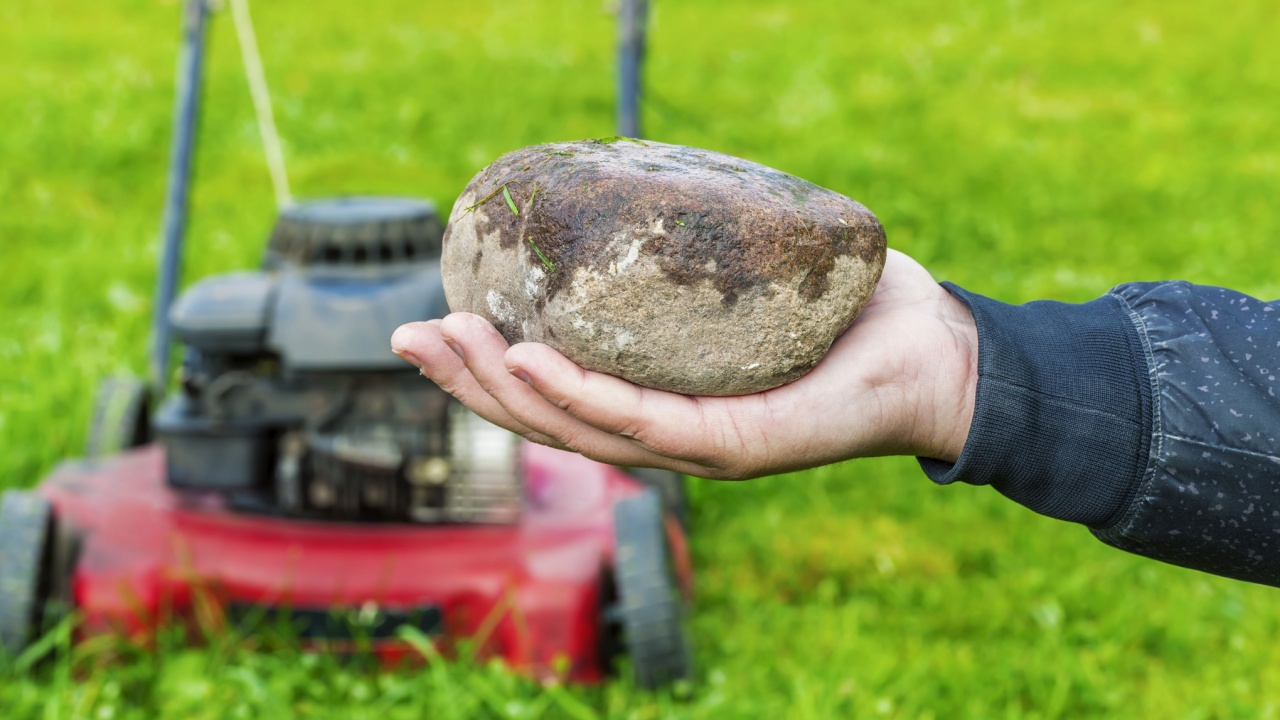
A yard full of stones can stop even the most ambitious outdoor project in its tracks. Mowers bounce, shovels bend, and grass struggles to take hold. For many homeowners, those rocks feel like a permanent feature of the landscape.
Most rocky yards can be cleared with the right combination of patience, simple tools, and a well-planned approach. The size of the stones and the type of soil they sit in will shape the best approach.
Rock removal also pays off beyond looks. Cleaner soil grows healthier grass, holds water better, and makes future planting far easier.
This article walks through how to clear rocks from a yard step by step.
First, Size Up the Rock Problem First

Before any tool comes out of the shed, a careful look at the yard saves hours of wasted effort. Three things matter most.
The size of the rocks decides which tool will lift them, the quantity decides how much labor the job needs, and the soil type decides how hard the digging will be.
Loose, sandy ground gives rocks up easily, while clay grips them tight. The size of the area matters just as much. A small flower bed calls for hand tools and a bucket, while an open half-acre needs machine help.
Walking the whole space and noting where stones cluster creates a simple plan. That plan keeps the work organized and prevents the common mistake of clearing one spot while ignoring the real trouble zones.
Option 1: Clear Rocks by Hand (for Small to Medium Rocks)
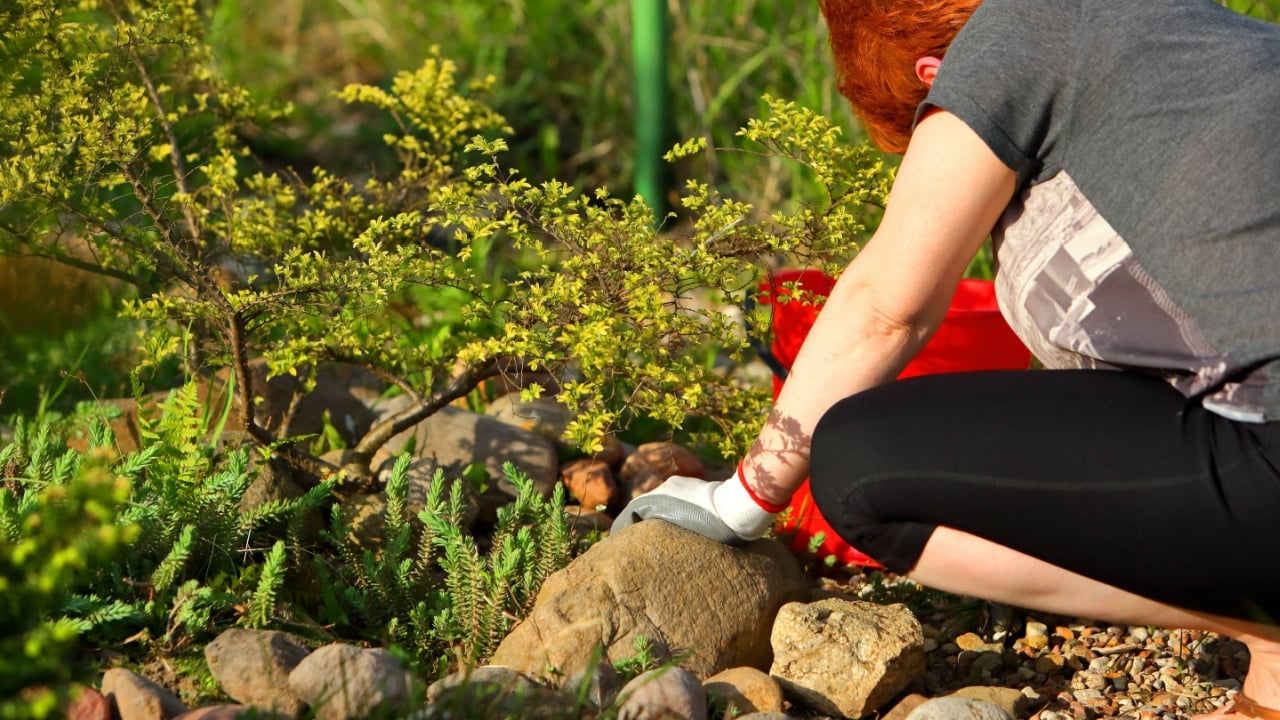
Hand removal remains the most reliable method for small beds and tight corners. A gardener loosens the soil with a fork, slips on thick gloves, and drops each stone into a sturdy bucket or wheelbarrow.
The work moves slowly, but it offers full control and protects nearby plants. Tackling one section per weekend turns a daunting chore into a manageable routine.
This method also doubles as a chance to inspect the soil up close. Spotting compacted patches, hidden roots, or drainage trouble during the cleanup helps with later planting decisions.
Family members can join in and split the load, which speeds things along. For beds destined for vegetables or flowers, this hands-on care produces the cleanest results.
Option 2: Use a Rake and Soil Sifter (Great for Small Rocks0
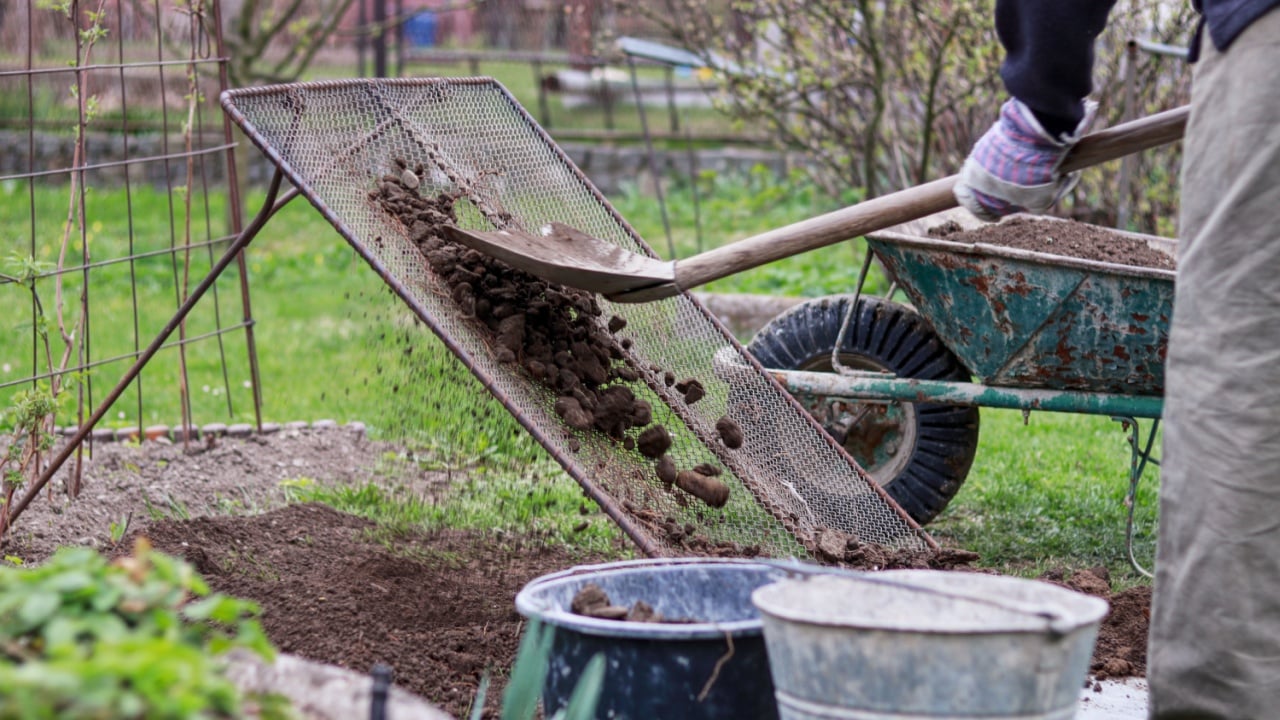
A garden rake paired with a soil screen separates stones from valuable topsoil with little waste. The gardener piles the rocky soil, sets a wire mesh screen over a wheelbarrow, and shovels the mixture on top.
A firm shake sends the fine soil through the mesh and leaves the rocks behind. A homemade frame with hardware cloth works just as well as a store-bought version.
This approach shines when preparing fine seed beds that need smooth, stone-free ground. It keeps the rich topsoil in the yard instead of hauling it away with the rocks.
Different mesh sizes catch different stones, so swapping screens lets a gardener fine-tune the result. The reclaimed soil drops right back where it belongs, ready for grass or new plants.
Option 3: Lift Stones with a Rock Fork
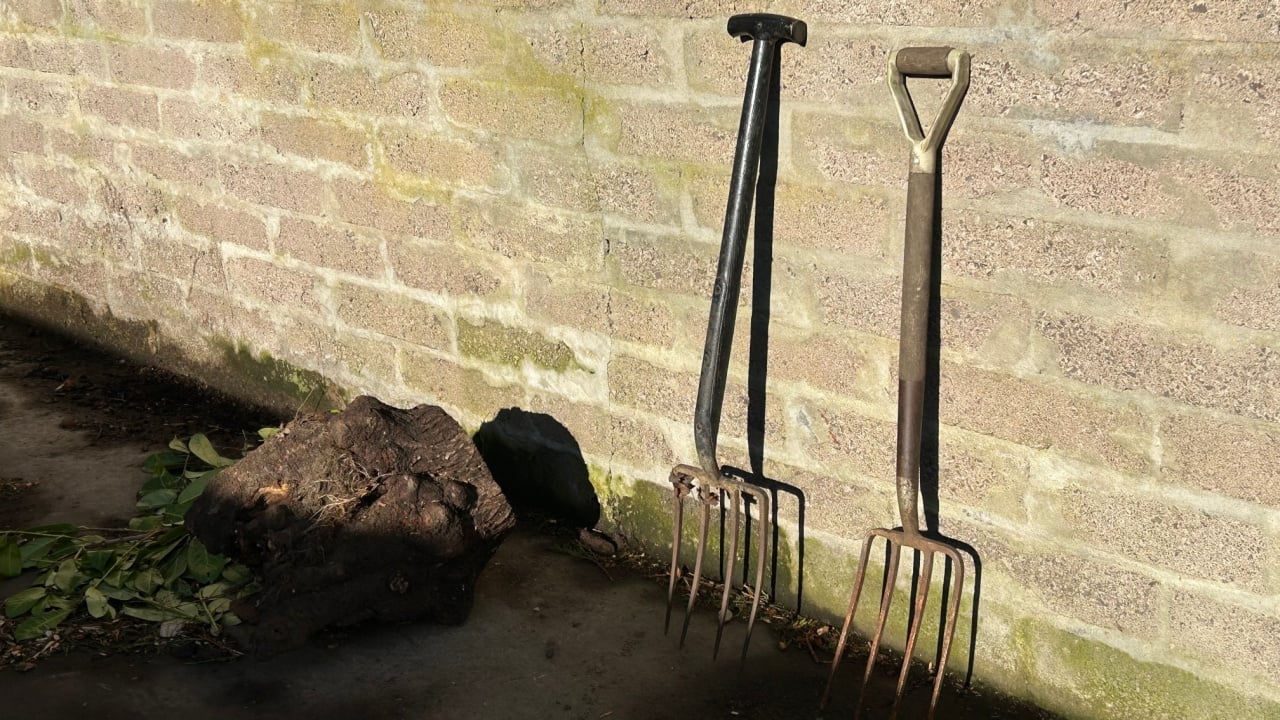
A rock fork or potato fork has wide, flat tines built to slide under stones and pry them loose. The gardener drives the fork into the ground beside a rock and lever the handle back to raise it to the surface.
Far less dirt comes up than with a shovel, which keeps good soil in place. The leverage also spares the back from constant bending.
This tool earns its keep in soil packed with medium stones that a rake would skip over. It pairs nicely with hand collection, since the fork raises the rocks and a bucket carries them off.
A digging bar makes a strong partner for stubborn, half-buried stones. Together, these tools handle jobs too tough for fingers alone yet too small for machines.
Option 4: Bring Buried Rocks up with a Tiller
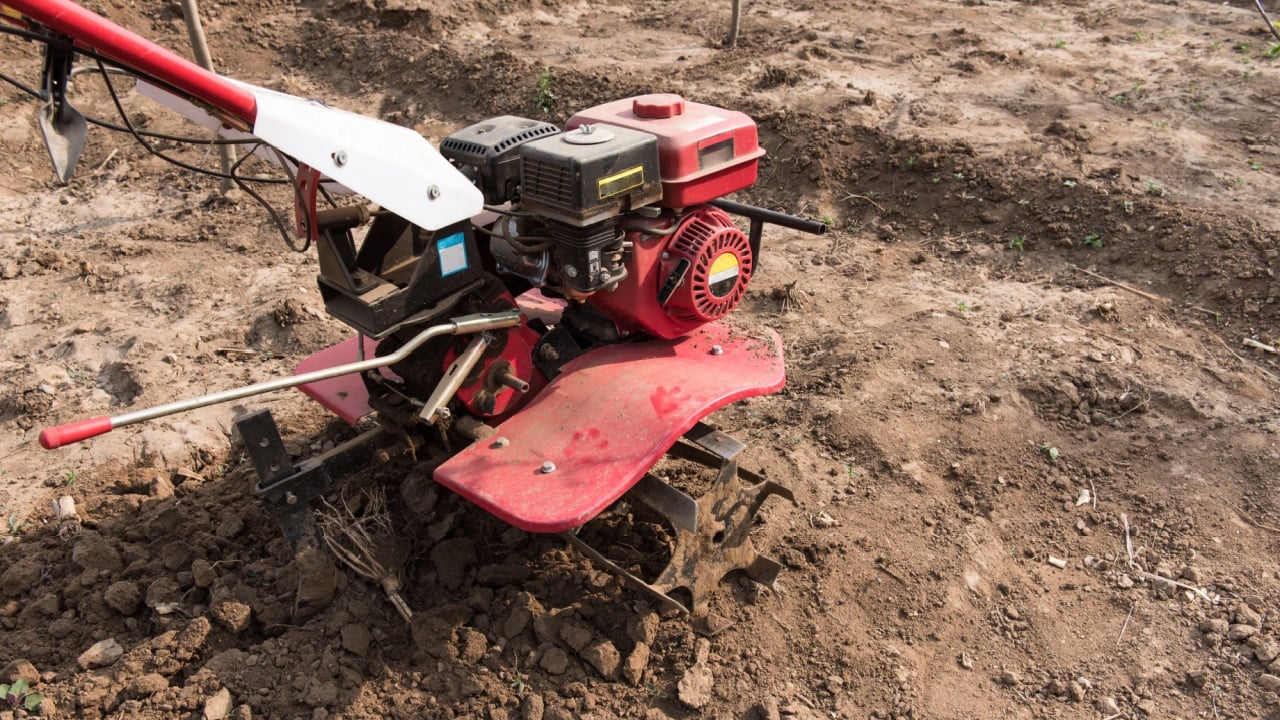
A rear-tine tiller churns the soil and pushes hidden stones toward the surface, where they can be gathered. Working the ground to a depth of four to six inches exposes rocks that hand tools would never reach.
After the pass, a rake or quick hand sweep collects the freshly surfaced stones. Very rocky ground often needs several rounds of the same routine.
Caution protects both the machine and the gardener. Large stones can crack tiller tines, so a slow walk to pull obvious boulders comes first.
Damp soil tills more smoothly than dry, dusty ground, which makes the work cleaner. This method suits medium yards where a full tractor rental feels like overkill.
Option 5: Tackle Big Areas with a Landscape Rake or Tractor
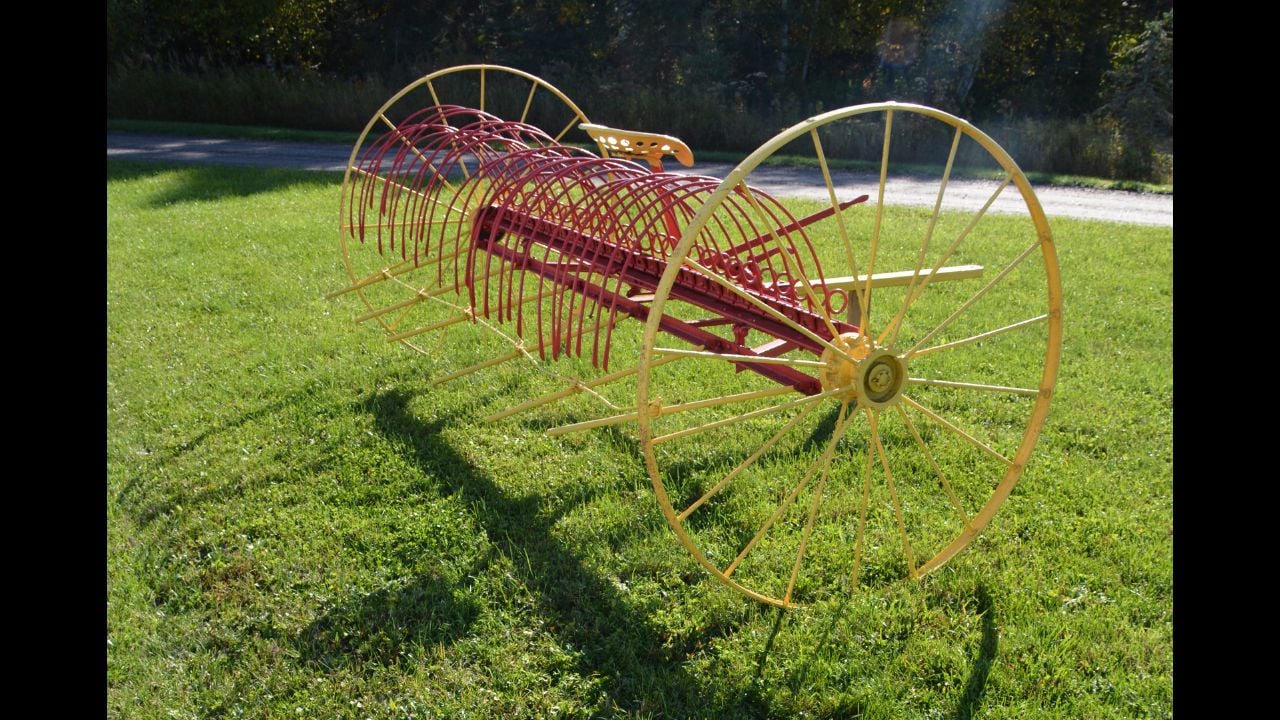
A landscape rake, often called a York rake, attaches to a riding mower or tractor and combs surface stones into neat rows. The gardener mows the area short, then drives slowly so the stiff tines bite just into the soil.
Rocks gather into long windrows that are simple to scoop into a cart. This setup clears wide, open fields faster than any hand method.
For true acreage, a tractor fitted with a rock rake or box blade does the heavy work. These attachments have thicker tines that dig deeper and grab larger stones than a standard rake.
A box blade scrapes and collects surface material in broad, even passes. Renting this equipment for a single weekend often beats weeks of manual labor on a big property.
Once Gone, Put the Removed Rocks to Good Use
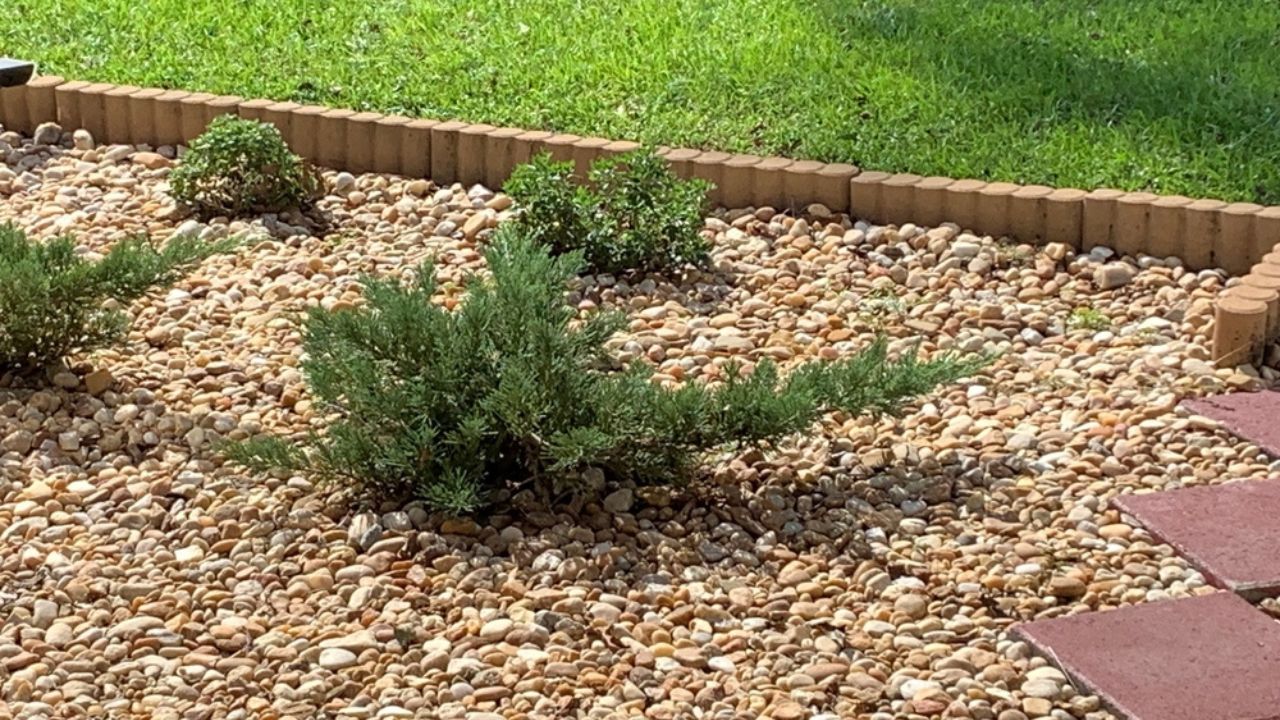
A growing pile of stones becomes an asset rather than a disposal headache. The prettiest rocks form the backbone of a rock garden, where they boost drainage for alpine and drought-loving plants.
A dry creek bed built from collected stones solves drainage trouble while adding a striking feature. Matched stones also edge walkways and garden borders with a clean, natural look.
Practical uses stretch even further. Rocks fill low spots, build the base of a French drain, or ring a homemade fire pit with sturdy, heat-safe edges.
Anything left over rarely goes to waste, since neighbors and local builders often claim free stone from community boards. Reusing the haul cuts hauling costs and gives the yard a new structure at the same time.
Ground Worth the Effort
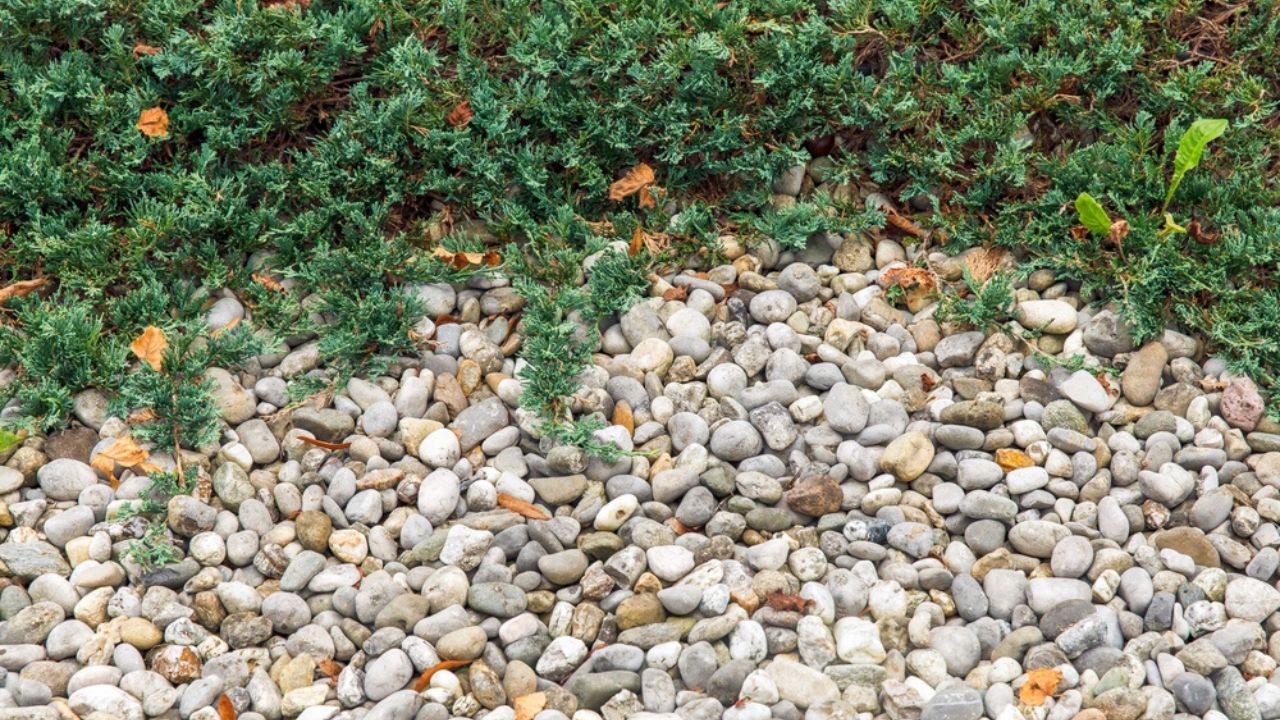
A cleared yard rewards the work long after the last stone leaves the soil. Grass roots dig deeper, water soaks in evenly, and planting becomes a pleasure instead of a battle.
The stones themselves move from obstacle to building material, shaping gardens, paths, and drainage for years.
Some yards demand more muscle than any homeowner can supply. A property buried under large boulders usually needs heavy machinery that only a contractor can operate safely.
In those cases, professional excavation saves both time and broken equipment.