14 Food Safety Myths That Are Putting You at Risk of Illness
Most people believe they have kitchen safety figured out. Wash your hands, cook your chicken, toss anything that smells off, and you’re golden. Right? Not quite. Some of the most common food safety habits are actually doing more harm than good.
Each year, roughly 48 million Americans get sick from foodborne illness, according to the CDC. A surprising number of those cases trace back to simple misunderstandings about how bacteria spread, grow, and survive. The science behind food safety often runs counter to what feels intuitive.
The myths below have been gathered from common kitchen practices and food safety research, then expanded with details that explain the actual risks at play. Some will surprise you. A few might even change how you cook dinner tonight.
Here are fourteen food safety myths worth unlearning, along with what to do instead.
1. The Five-Second Rule Will Save Your Snack
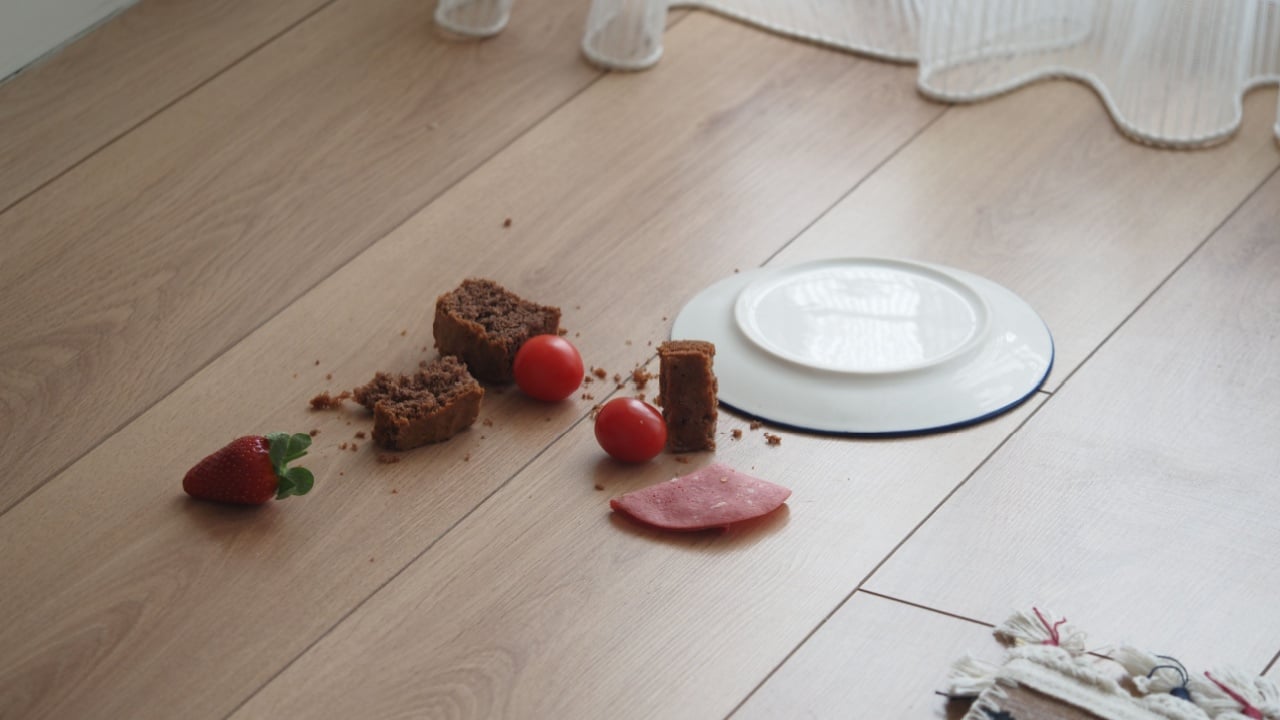
Dropping food on the floor does not start a five-second countdown. The moment food hits the ground, it picks up bacteria. Contamination happens on contact, not after some imaginary grace period.
Surfaces like kitchen floors can harbor everything from foot traffic grime to germs tracked in from outside, and these transfer instantly to anything they touch.
The safest move is to toss whatever falls. Suppose you want to reduce the temptation, serve smaller portions so a dropped piece feels like less of a loss. Your stomach will not miss that last fry, and you sidestep the gamble entirely.
2. Leftovers Last as Long as You Need Them To
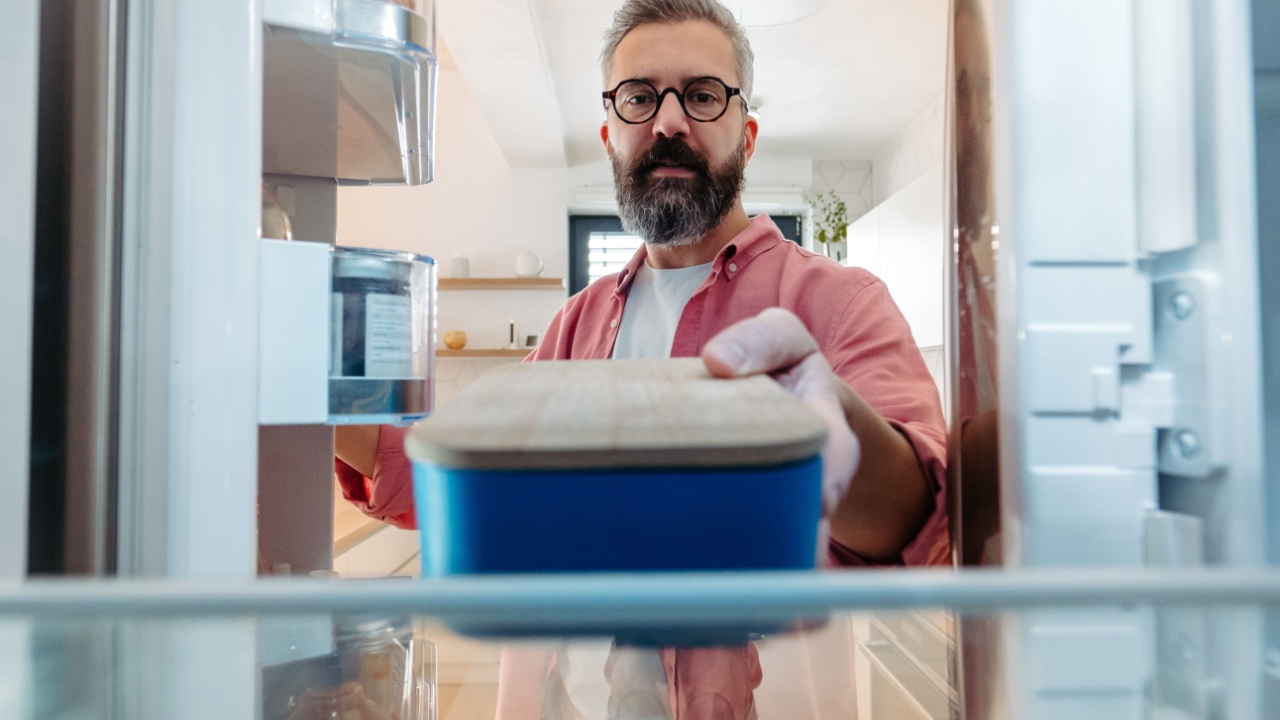
A sealed container in a cold fridge feels like a safety guarantee, but refrigeration only slows bacterial growth. It does not stop it.
Cooked food left in the fridge for too long becomes a breeding ground, even when it looks and smells perfectly fine. Most cooked leftovers should be eaten within three days.
Label your containers with the date you cooked the food so guesswork never enters the picture. When you are unsure how long something has been sitting in there, err on the side of tossing it. Three days is a reliable rule for most dishes, though some foods spoil faster.
3. Frozen Food Is Safe Forever
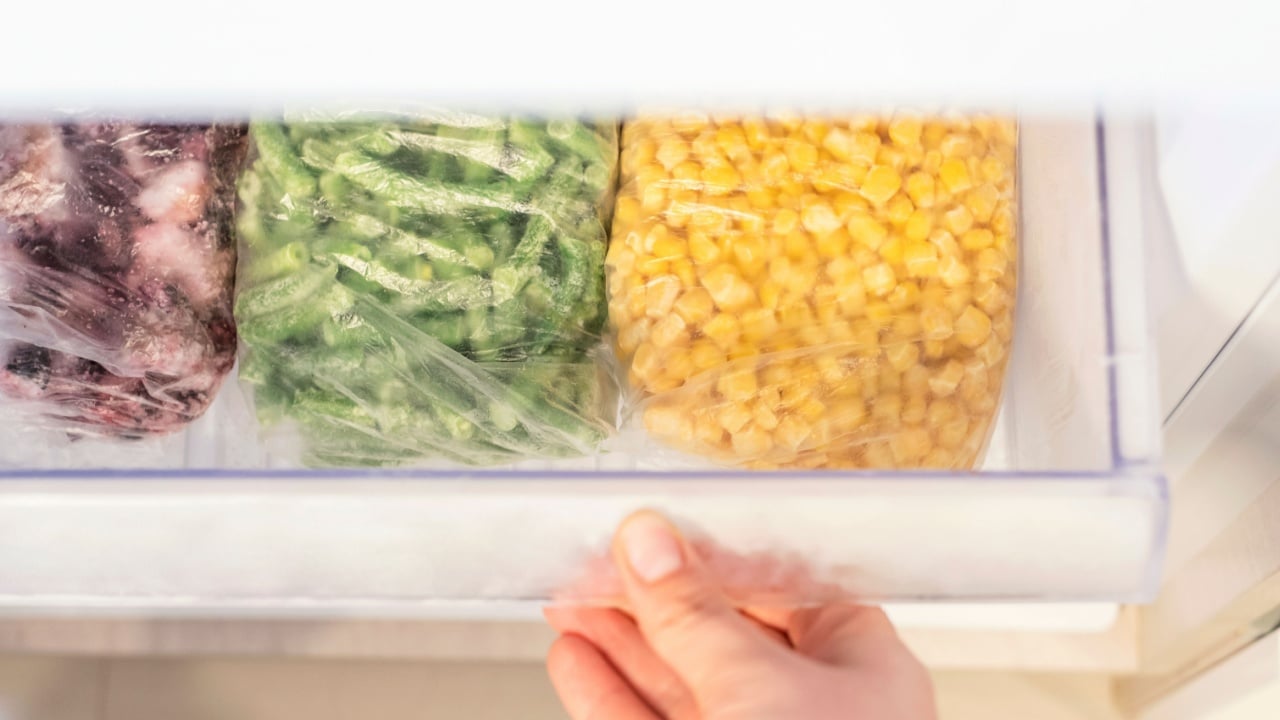
The freezer is not a magical preservation chamber. Freezing puts bacteria into a dormant state rather than killing them. Once food thaws, those bacteria wake up and start multiplying again.
On top of that, some bacteria can survive and even grow in freezer conditions, and freezer burn slowly degrades quality over time.
Keep track of how long items have been frozen and follow recommended storage times for different foods. Frozen meat, vegetables, and prepared meals all have their own windows. When something has been buried in the back of the freezer for a year, it is time to let it go.
4. Rinsing Raw Chicken Makes It Cleaner
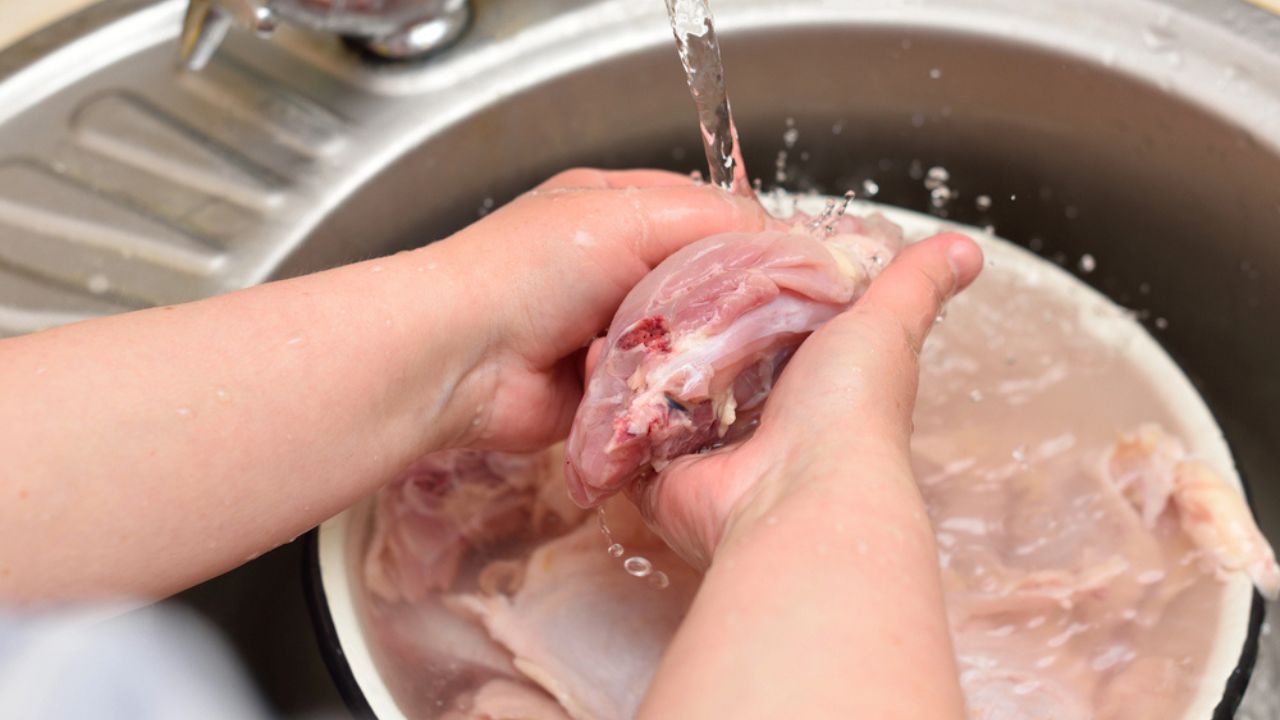
Rinsing raw chicken under the tap does the opposite of what you intend. Instead of washing bacteria away, the running water sprays contaminated droplets across your sink, countertops, nearby dishes, and even the air.
Salmonella and Campylobacter spread this way easily, turning a single piece of poultry into a kitchen-wide hazard.
The only reliable way to kill bacteria on chicken is heat. Cook it to an internal temperature of 165 degrees Fahrenheit, measured with a meat thermometer. Skip the rinse entirely and let your oven or stovetop do the disinfecting.
5. If It Looks and Smells Fine, It’s Safe to Eat
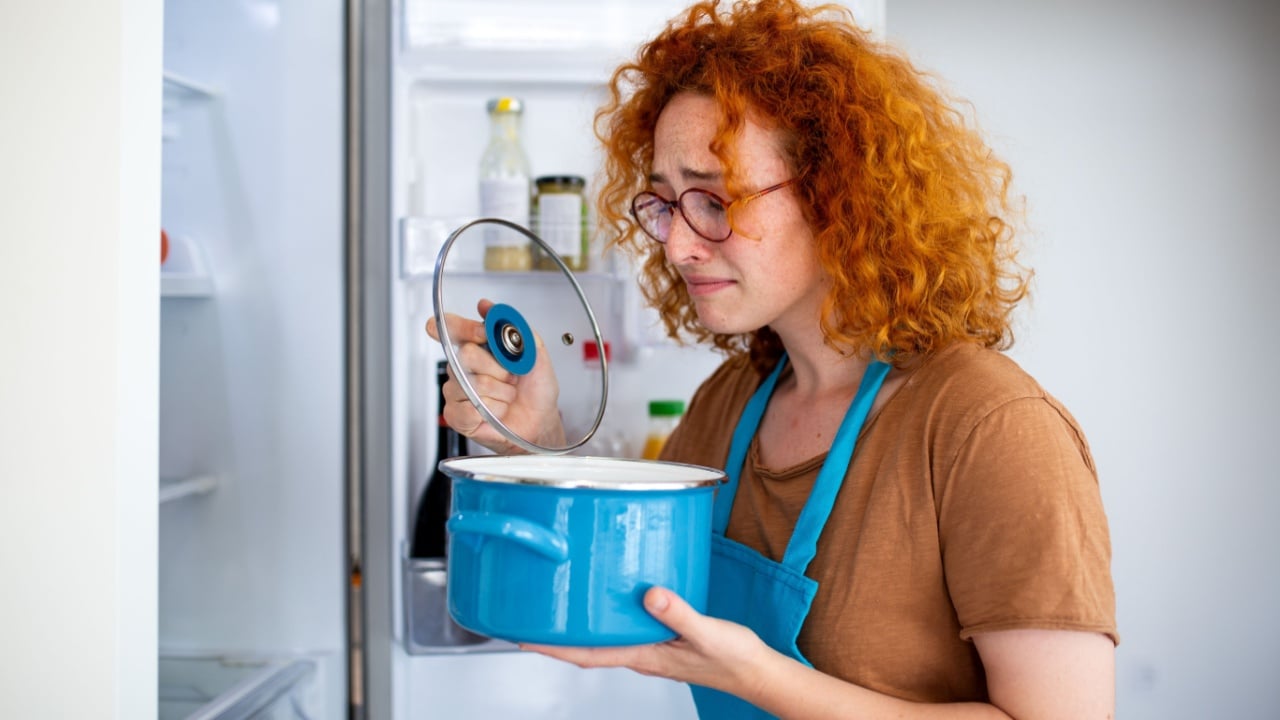
Your nose is not a bacteria detector. Plenty of dangerous pathogens leave no smell, no discoloration, and no change in texture.
Food can be loaded with harmful bacteria while appearing completely normal, which makes the sniff test a risky way to judge safety.
Rely on dates and storage times rather than your senses. If something has passed its expiration date or lingered in the fridge beyond the safe window, throw it out regardless of how appetizing it seems. With inexpensive items, there is no reason to take the risk.
6. Thawing Meat on the Counter Is Fine
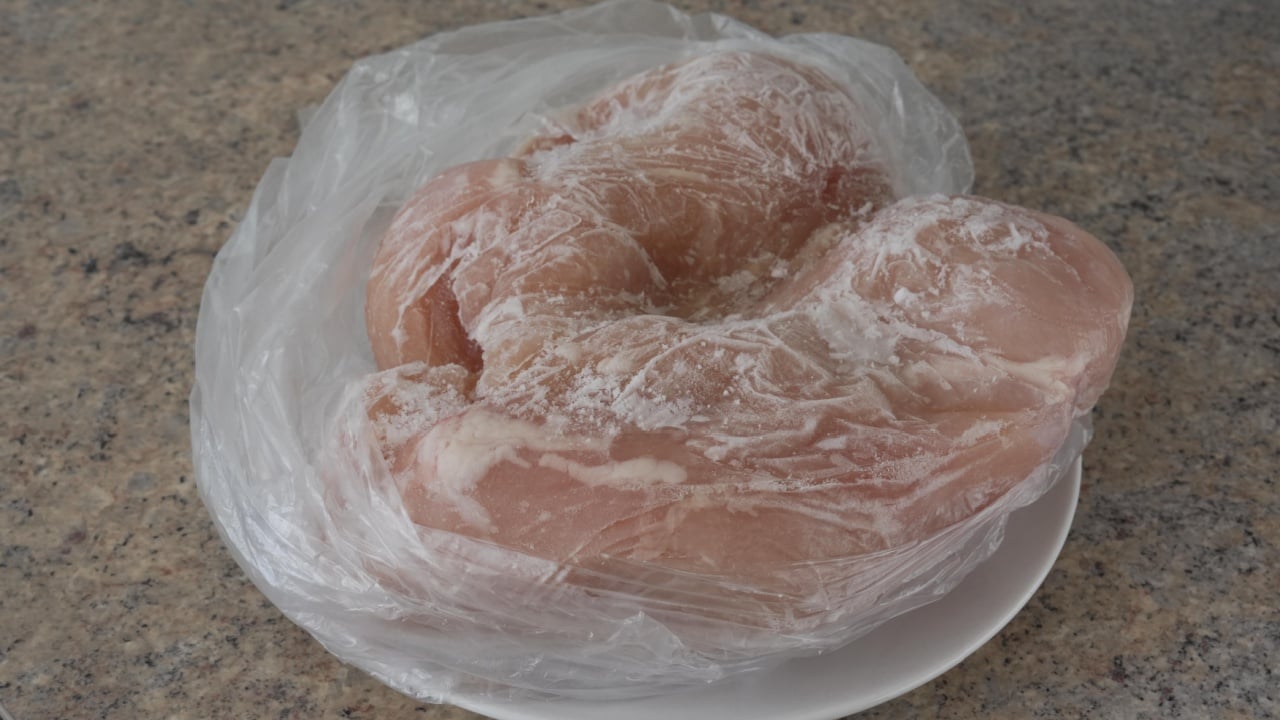
Leaving frozen meat on the counter to thaw invites trouble. The outer layer reaches room temperature long before the center defrosts, and that warm exterior becomes a comfortable home for rapidly multiplying bacteria.
Counter thawing also raises the odds of cross-contamination with nearby surfaces.
Thaw meat in the refrigerator instead, sealed in a container or bag. The cold environment keeps bacteria in check while the meat slowly defrosts. A little meal planning gives you the lead time you need, so take the meat out the night before you cook.
7. Raw Cookie Dough and Cake Batter Are Harmless Treats
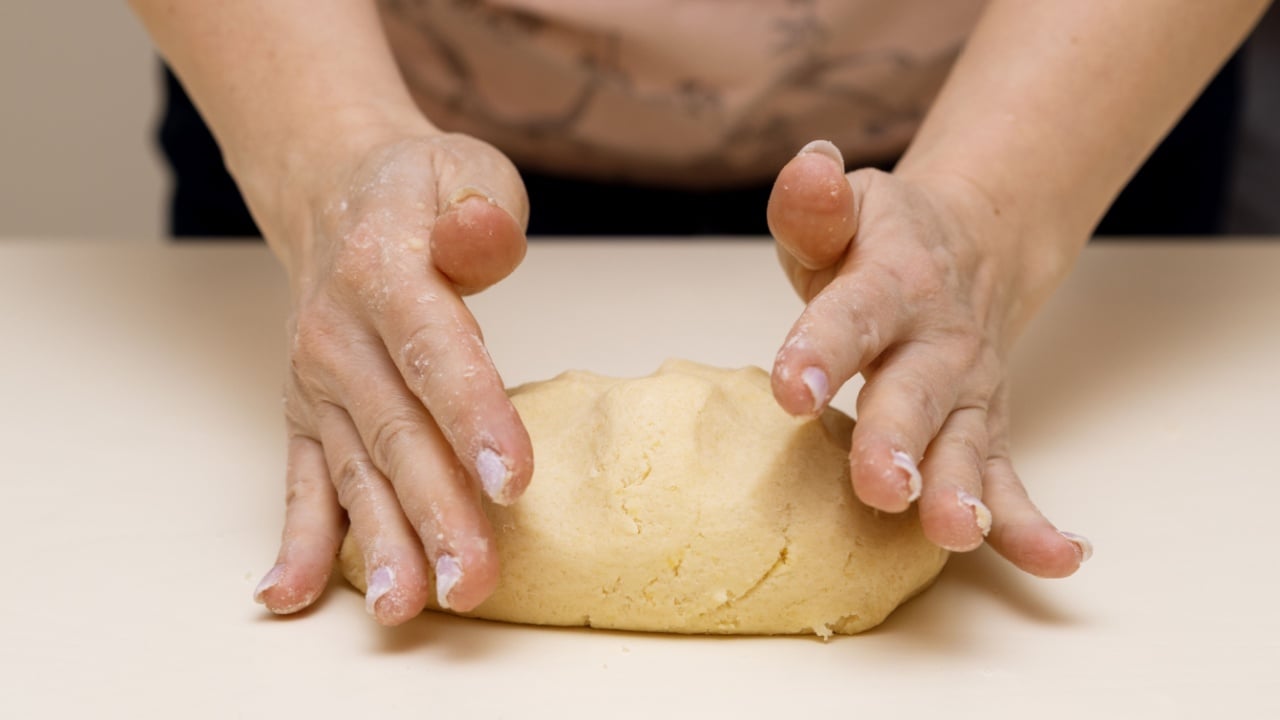
Sneaking a spoonful of raw dough is a beloved habit with a real downside. Most people blame raw eggs for the salmonella risk, and that is part of the story. But uncooked flour is the bigger danger.
Flour can carry E. coli, and it never gets treated to kill bacteria before reaching your kitchen. Egg-free dough is not automatically safe.
The same logic applies to cake batter, which usually contains raw eggs on top of the flour risk. Save the licking for batter that has been baked into something finished. If you want the raw-dough experience safely, look for products made with heat-treated flour and pasteurized eggs.
8. Washing Fruit Is Pointless If You Peel It
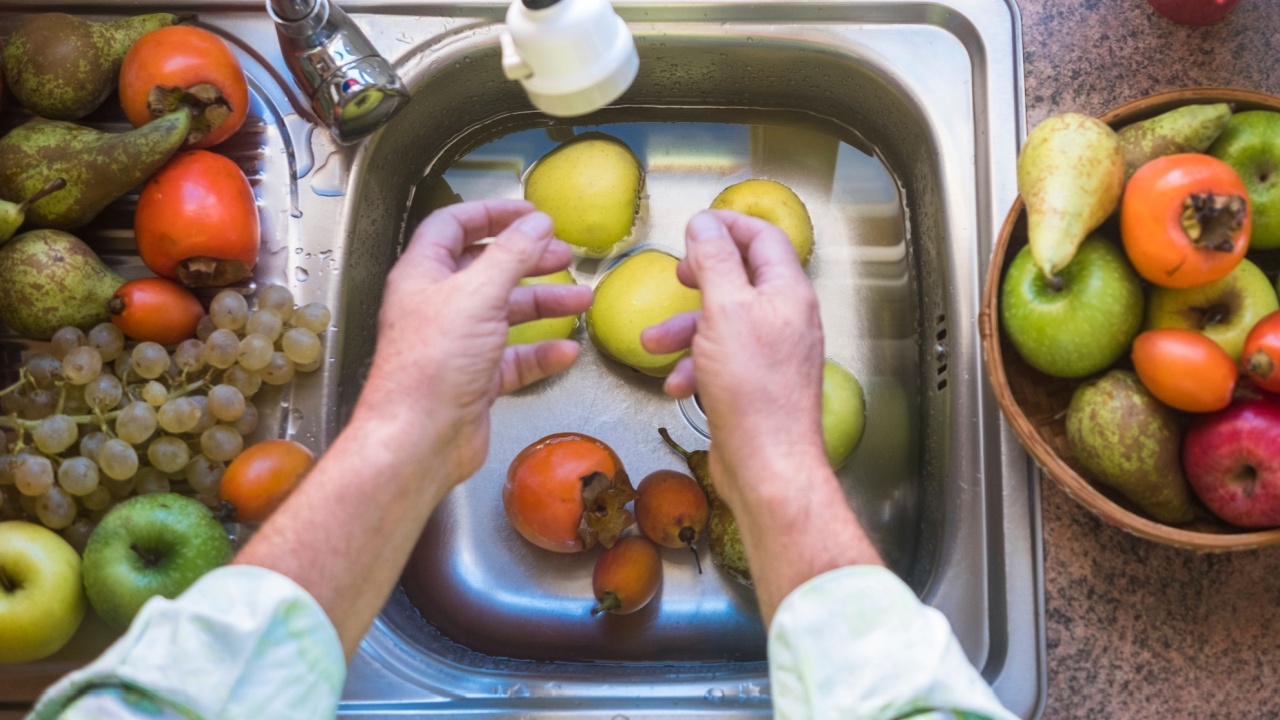
Skipping the wash on anything you peel sets up a sneaky contamination route. When your knife or peeler cuts through a dirty rind or skin, it drags bacteria from the outside straight onto the part you eat.
This applies to melons, oranges, potatoes, carrots, and anything else with a protective layer you remove.
Wash produce thoroughly before cutting or peeling, every single time. A quick scrub under running water clears away surface bacteria and pesticide residue before your blade can carry it inward. The habit takes seconds and closes a gap many people never notice.
9. A Quick Hand Rinse Gets the Job Done

Splashing water over your hands and getting back to cooking leaves plenty of bacteria behind.
Effective handwashing requires soap and a solid scrub to lift germs from your skin, especially after handling raw meat, eggs, or produce. A fast rinse simply spreads things around.
Wash with soap and warm water for at least twenty seconds during every handwashing. Skip the antibacterial soap, though, since regular soap works just as well and antibacterial versions can dry your skin and contribute to antibiotic resistance. Plain soap and diligence are all you need.
10. Vegetarians Don’t Have to Worry About Food Poisoning

Cutting meat from your diet does not grant immunity from foodborne illness. Leafy greens, in fact, rank among the foods most likely to cause food poisoning, according to the CDC.
Vegetables, fruits, sprouts, and salads all carry their own contamination risks, often tied to improper washing or handling.
Treat produce with the same care you would give raw meat. Wash everything thoroughly, store items properly, and stay alert to recalls on products like romaine lettuce. Sprouts deserve special caution, since their growing conditions make them especially prone to harboring bacteria.
11. Rice Can’t Make You Sick
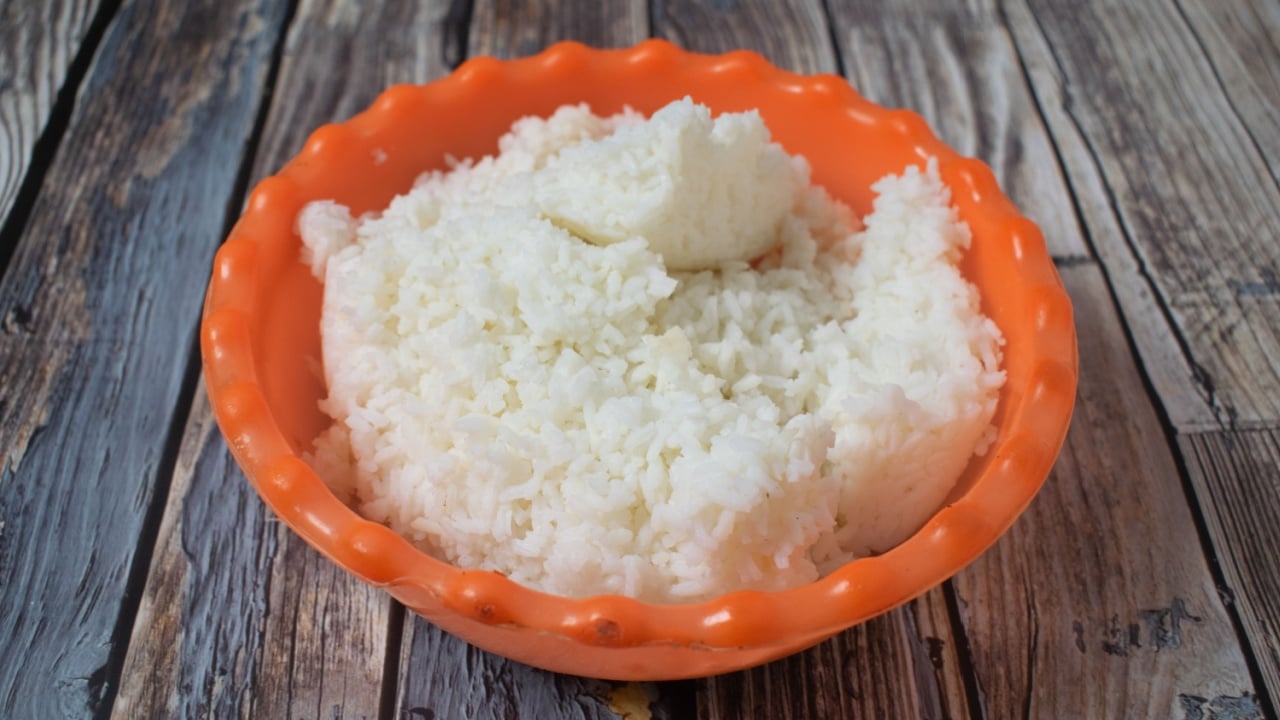
Plain white rice seems about as harmless as food gets, but it carries a real risk. Cooked rice left at room temperature for too long can grow Bacillus cereus, a bacterium that produces toxins that cannot be destroyed by reheating.
The danger comes from how leftovers are handled rather than the initial cooking.
Refrigerate cooked rice promptly rather than letting it sit out to cool for hours. Store it in a sealed container and eat it within a few days. If a batch has been sitting on the counter all afternoon, it is safer to toss it than to gamble on a reheat.
12. The Fridge is a Free-for-All Storage Zone
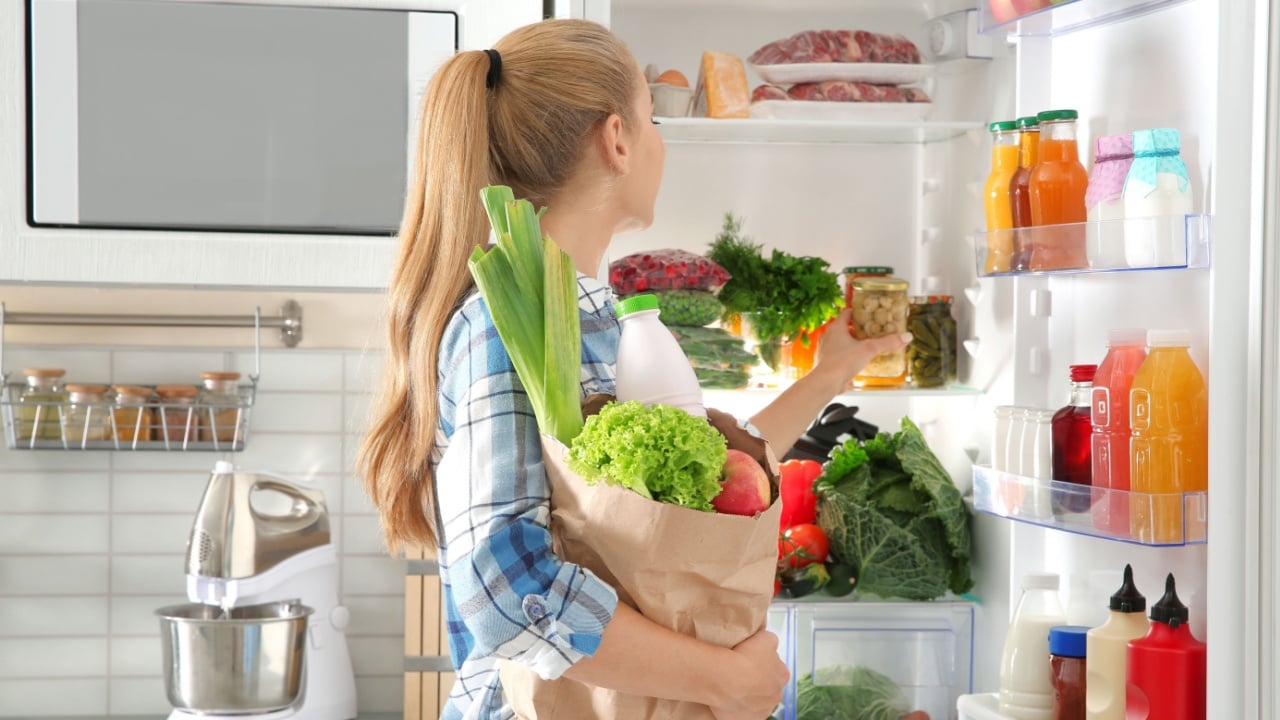
Tossing groceries into the fridge wherever they fit invites cross-contamination. Raw meat juices can drip down onto produce and ready-to-eat items below, spreading bacteria throughout your shelves.
Where you place things matters as much as the temperature itself. Store raw meat on the bottom shelf so drips have nowhere to land but the tray beneath. Keep produce in the designated crisper drawers and dairy on the shelves above the meat.
Seal everything in covered containers, and remember to actually clean those crisper drawers with soap and water, since they collect bacteria and mold that a quick wipe leaves behind.
13. Food Poisoning is Just a Quick Stomach Bug

Writing off food poisoning as a day or two of discomfort underestimates how serious it can be. Symptoms vary widely depending on the pathogen, and some cases lead to severe dehydration, intense pain, lasting organ damage, or even death.
Bacteria like Listeria, E. coli, Salmonella, and Hepatitis A can cause harm well beyond a rough night.
Take symptoms seriously, especially for vulnerable groups like pregnant women, young children, and older adults. Stay hydrated, and seek medical attention when symptoms are severe or refuse to fade. Prevention in the kitchen is far easier than recovery from a serious infection.
14. A Meat Thermometer Is Optional
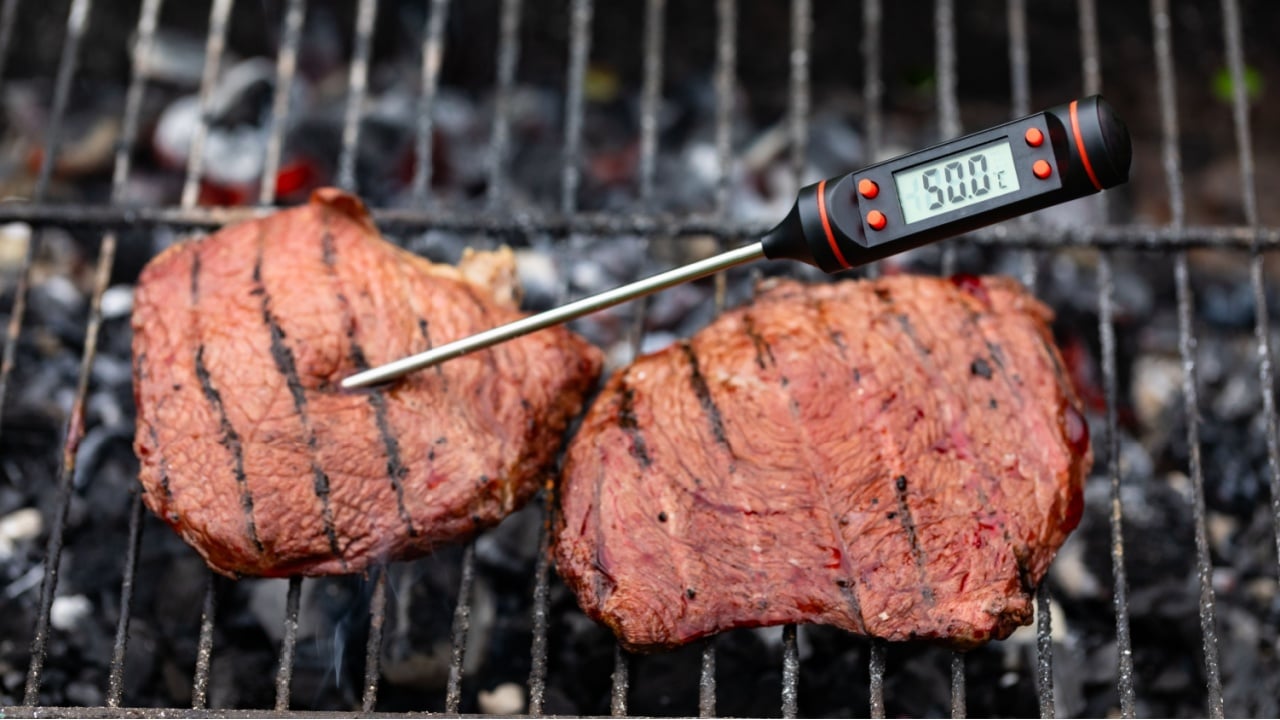
Eyeballing whether meat is done is a guessing game, even for experienced cooks. Color and texture can mislead you, leaving the inside undercooked while the outside looks ready
For chicken, there is no safe amount of undercooking, which makes accuracy non-negotiable.
A meat thermometer removes the guesswork entirely. Cook chicken to 165 degrees Fahrenheit, ground beef to 160, and steak to at least 145. Checking the internal temperature protects you from the bacteria that survive when meat falls short of the safe threshold.
Cook Smarter, Not Harder
Good food safety comes down to understanding how bacteria actually behave, not how we assume they do. The fixes are mostly small adjustments: a thermometer in the drawer, dated containers in the fridge, and a proper scrub before cooking.
None of it demands much effort, yet together these habits dramatically lower your odds of a miserable night or a hospital visit. Pick the myths that surprised you most, change those habits first, and let safer cooking become second nature one meal at a time.