16 Cities Where Home Prices Are Expected to Decline Sooner Than Later
Home prices in many U.S. cities skyrocketed during the pandemic and the last half-decade. Now, with interest rates staying high longer than expected, those same markets are feeling the pressure. Some are even bracing for significant, double-digit drops in the next year.
These numbers come from Zillow, which predicts a national housing correction of about 1.0% over the next 12 months. While that sounds small, it masks a much wider range of outcomes. A handful of cities are facing price declines more than ten times steeper than the national average.
Real estate experts blame a few usual suspects for these forecasts: pandemic-era overvaluation, investor speculation, a surge in new construction, rising insurance costs, and a recent flood of homes hitting the market. According to Realtor.com, housing inventory has jumped 24.8% in the past year, giving buyers more power than they’ve had in a long time.
Below are the cities most likely to see prices slide. We’ll start with smaller markets facing the sharpest drops, then move to major metros where the dollar losses could be huge. A few extra picks are included to give you a fuller picture of where the market is headed.
1. Greenville, Mississippi (Projected Price Drop: -16.7%)
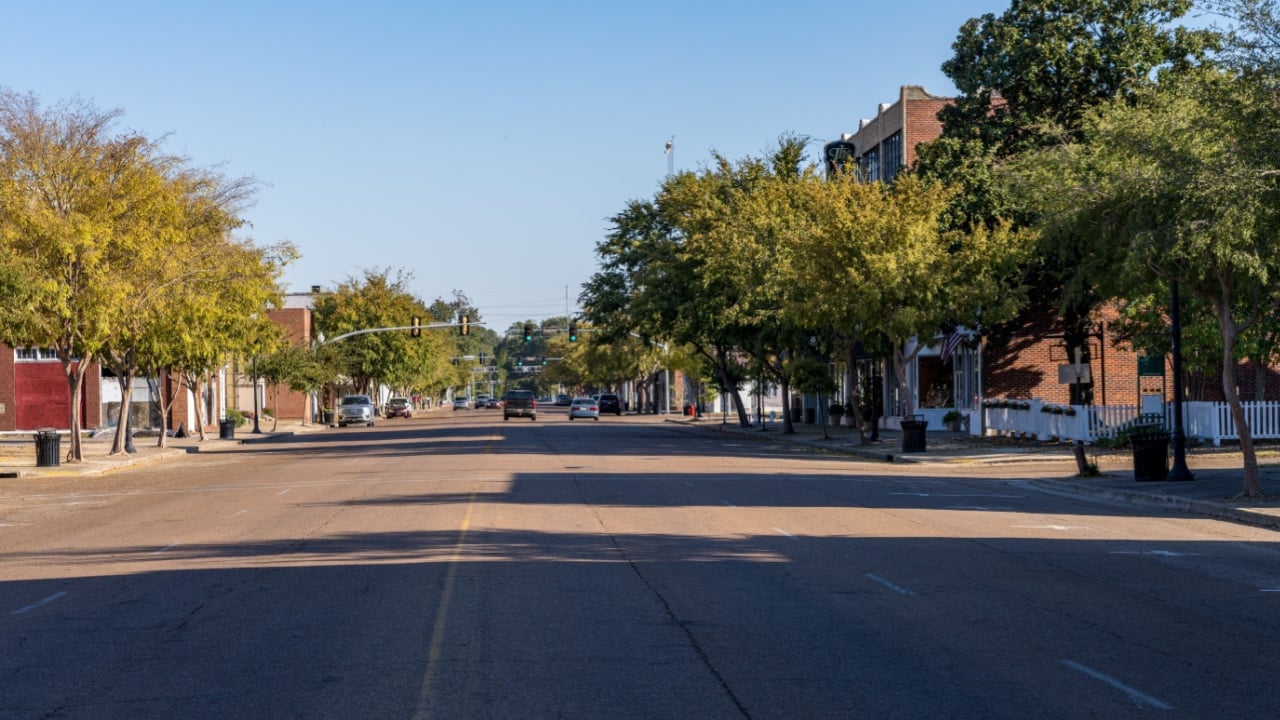
Topping the list with the steepest projected decline in the nation is Greenville, Mississippi. Small markets like Greenville are prone to dramatic price swings because their low transaction volumes mean that even minor shifts in supply or demand can have an outsized impact.
A handful of new listings or a few quiet sales months can be enough to pull the entire market downward. The current forecast reflects a combination of lingering pandemic-era overpricing and softening local demand.
Buyer Tip: In a market like this, the “days on market” metric is your best friend. As homes sit unsold for longer periods, sellers’ urgency grows, and their willingness to negotiate increases. A patient buyer can identify the perfect moment to submit a lowball offer and secure a property for significantly less than the asking price.
2. Clarksdale, Mississippi (Projected Price Drop: -14.8%)
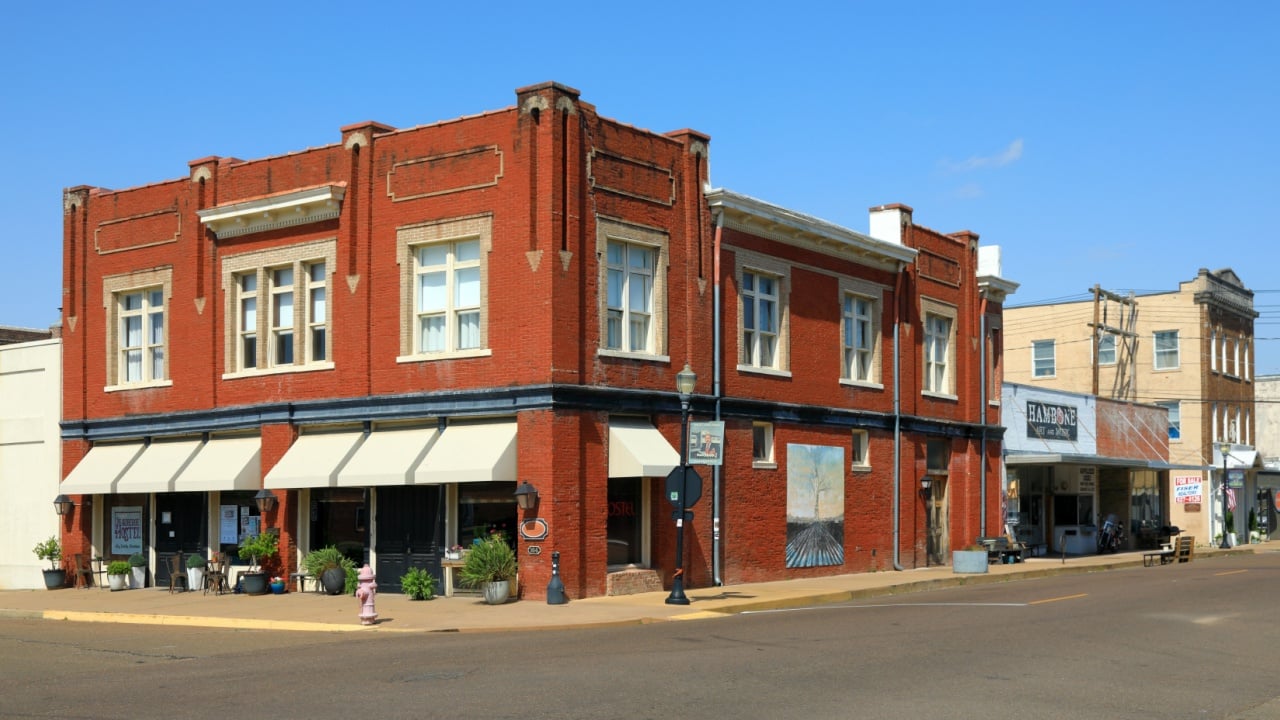
Located in the same economically sensitive region as Greenville, Clarksdale is facing similar market pressures, leading to a forecast price drop of nearly 15%.
A combination of weak buyer demand and properties still listed at peak 2022 prices has left this market vulnerable to a significant correction. Many homes are simply not valued realistically for the current economic climate.
Buyer Tip: In a falling market, sellers often prefer a quick, clean close. Get pre-approved for a mortgage before you start house hunting to strengthen your negotiating position. This can help you win a deal, even against higher offers from less prepared buyers.
3. Pecos, Texas (Projected Price Drop: -13.7%)
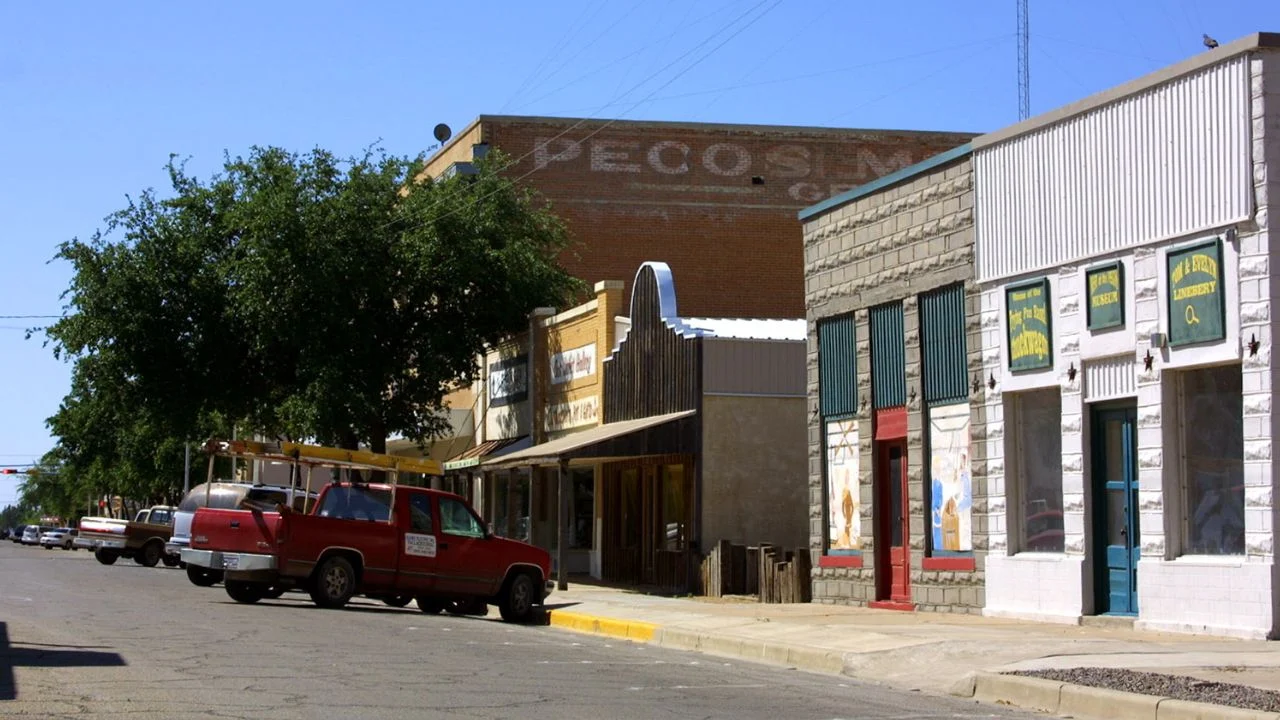
The economy of Pecos is intrinsically linked to the oil and gas industry, creating a housing market that experiences both dramatic booms and sharp busts. The current projected drop of 13.7% is a direct result of a slowdown in energy sector activity, which has reduced local housing demand.
When energy jobs are less plentiful, the pool of qualified buyers shrinks, putting downward pressure on prices.
Buyer Tip: Before purchasing a home in an economy heavily reliant on a single industry, it’s crucial to do your due diligence on that sector’s health. For Pecos, this means monitoring regional and national energy trends. Production forecasts, oil prices, and drilling activity are valuable indicators for where the local housing market is likely to head next.
4. Cleveland, Mississippi (Projected Price Drop: -13.6%)
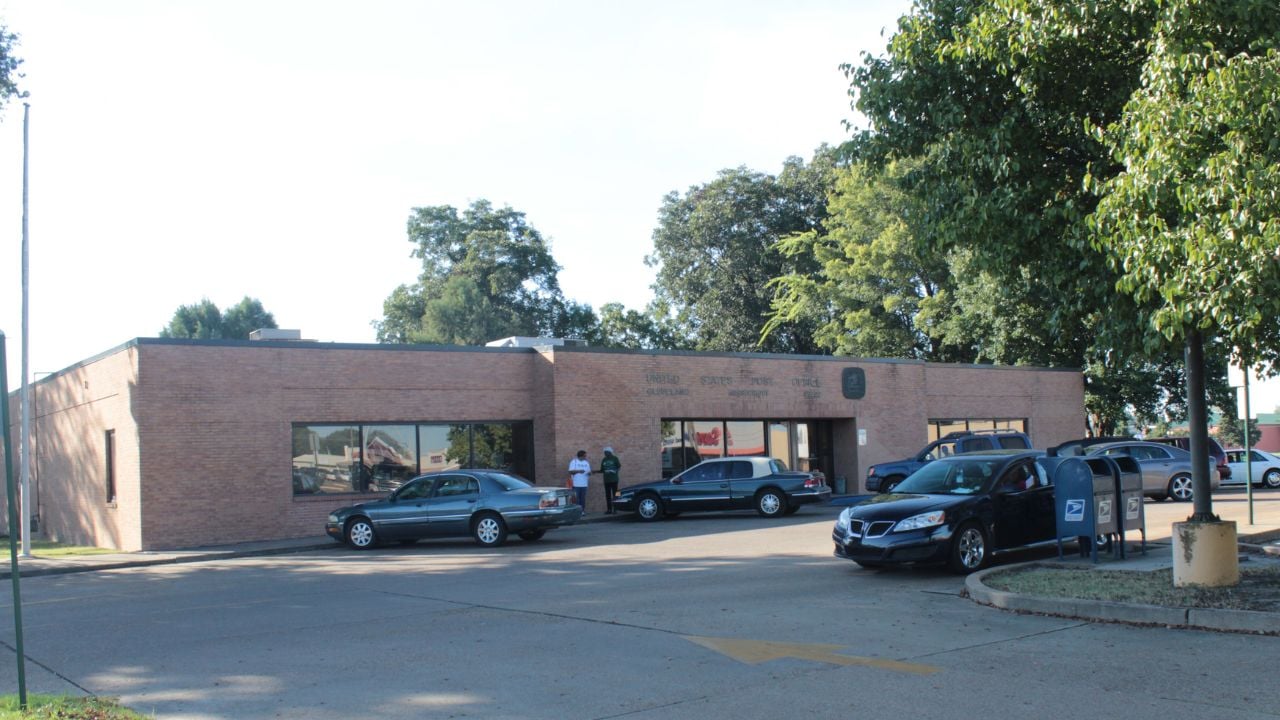
Cleveland is the third Mississippi city to appear in the top five, underscoring that the housing market challenges here are regional, not isolated.
The state’s consistent appearance on this list is a clear signal that the forces of weak demand, rising inventory, and inflated pandemic-era prices are hitting a wide geographic area.
Buyer Tip: This regional trend is actually a strategic advantage for buyers. When multiple nearby markets are all projected to soften, the fear of missing out disappears. There is no need to rush a purchase. Take your time, compare listings and values across the entire region, and wait for the right opportunity to emerge.
5. Bennettsville, South Carolina (Projected Price Drop: -11.9%)
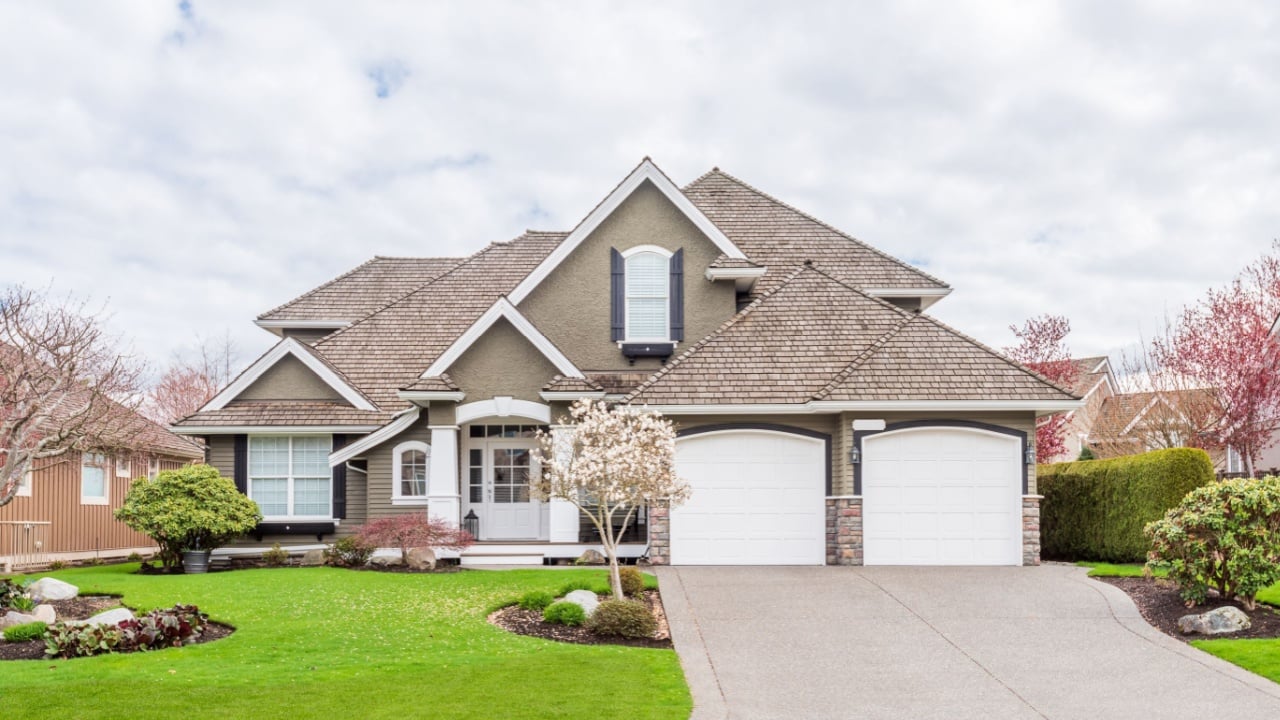
Bennettsville is another small market where thin transaction volume amplifies price volatility. With a projected 11.9% decline, it demonstrates how quickly prices can fall when buyer demand cools.
In such markets, listing prices often lag behind reality, reflecting sellers’ hopes rather than current market conditions.
Buyer Tip: Ignore the list price and focus on recent comparable sales (comps). In a falling market, asking prices often lag what buyers are actually paying. Your agent should pull data on closed sales from the last 30-60 days to determine a property’s current worth.
6. Opelousas, Louisiana (Projected Price Drop: -11.5%)
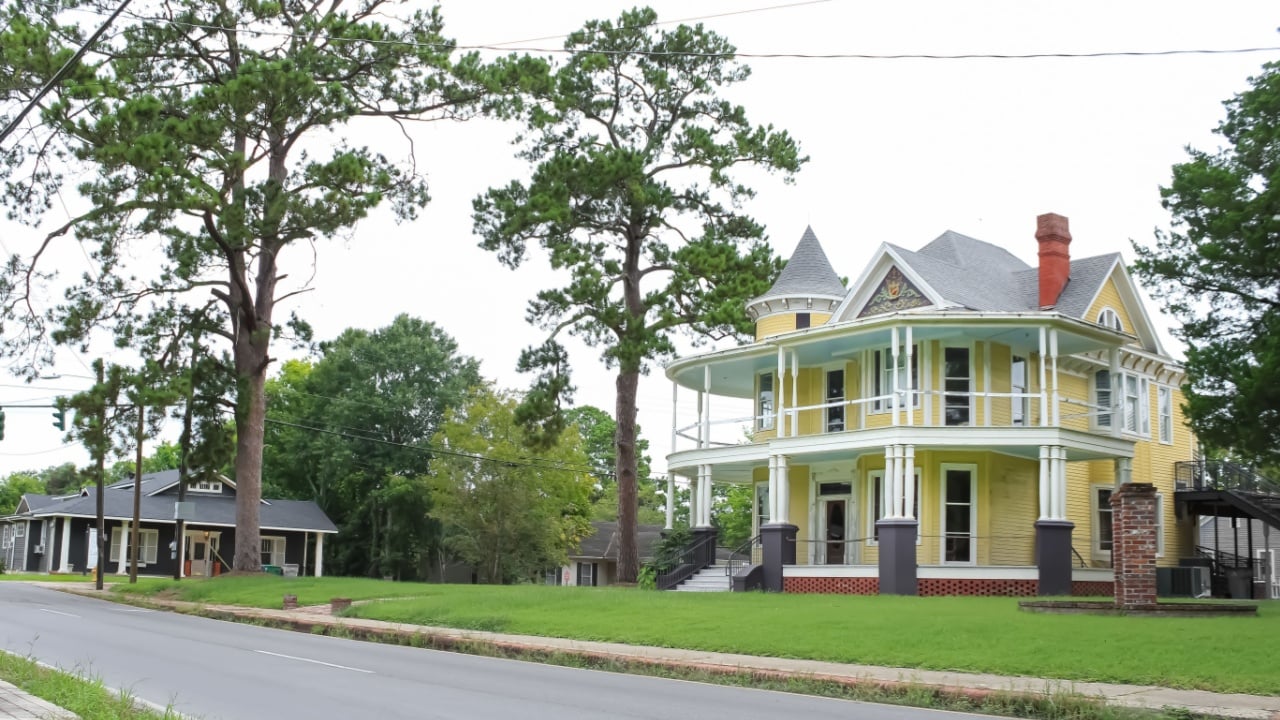
Opelousas highlights a critical issue impacting the entire Gulf Coast: the soaring cost of insurance. Years of hurricane and flood damage have led insurers to drastically increase premiums or pull out of the region altogether.
This makes owning a home significantly more expensive and risky, which in turn suppresses buyer demand and contributes to the projected 11.5% price decline.
Buyer Tip: Never make an offer on a coastal property without getting an insurance quote first. A high premium can drastically change a home’s affordability. It’s better to know if a home is uninsurable or too expensive to cover before you invest time and emotion into the purchase.
7. Raymondville, Texas (Projected Price Drop: -11.5%)

Sharing the 11.5% projected drop, Raymondville is grappling with a classic supply-and-demand imbalance. A recent boom in new construction, particularly in the South Texas region, has left the market with more homes than there are qualified local buyers to absorb them.
This oversupply forces existing homes and new builds to compete for a limited pool of buyers.
Buyer Tip: An oversupplied market gives you leverage. Builders with unsold inventory are often highly motivated to make a deal to avoid carrying costs. Don’t be afraid to negotiate aggressively on price or ask for concessions like closing cost credits or appliance upgrades.
8. Hobbs, New Mexico (Projected Price Drop: -11.4%)
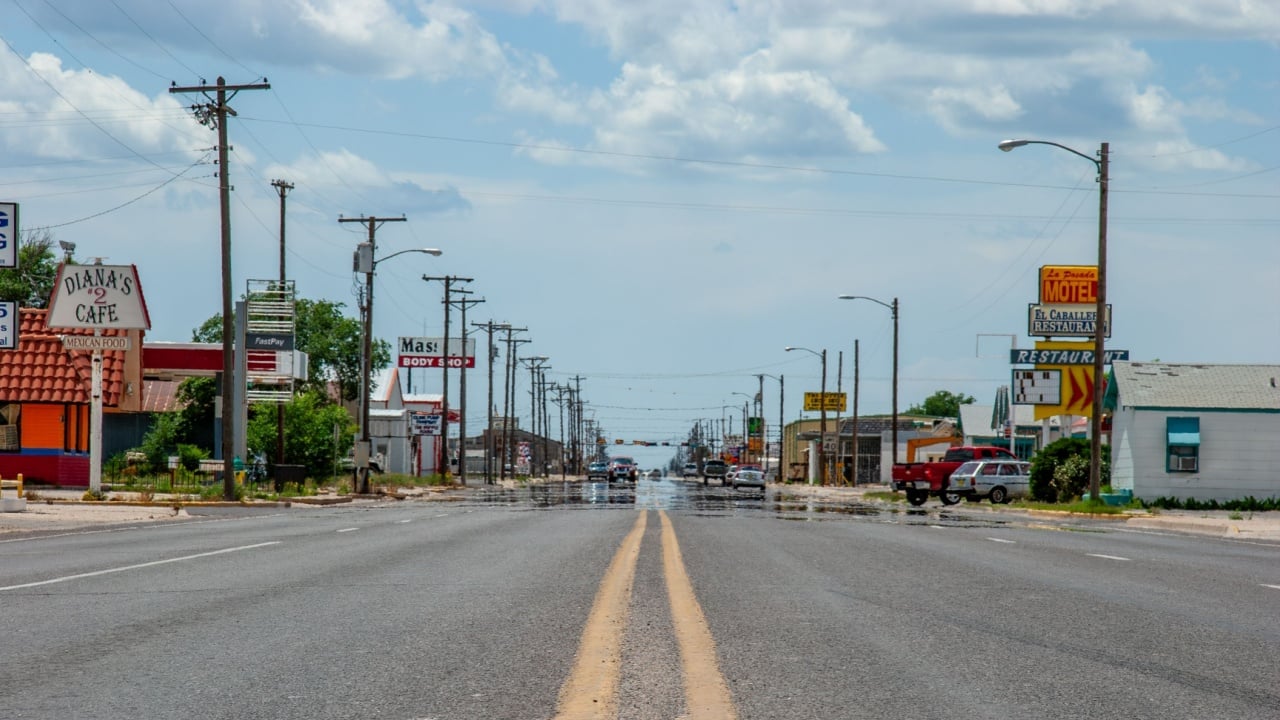
Like Pecos, Hobbs is another energy-dependent town whose fortunes rise and fall with the oil patch.
The projected 11.4% decline is a clear indicator that the local market is in a cooling cycle, tied directly to shifts in the energy economy. This volatility is a defining feature of the Hobbs housing market.
Buyer Tip: Investing in a cyclical market like Hobbs is a high-risk, high-reward strategy. It’s best for long-term buyers who are confident in the industry’s eventual recovery and can hold the property through market downturns without being forced to sell at a loss.
9. Morgan City, Louisiana (Projected Price Drop: -11.3%)
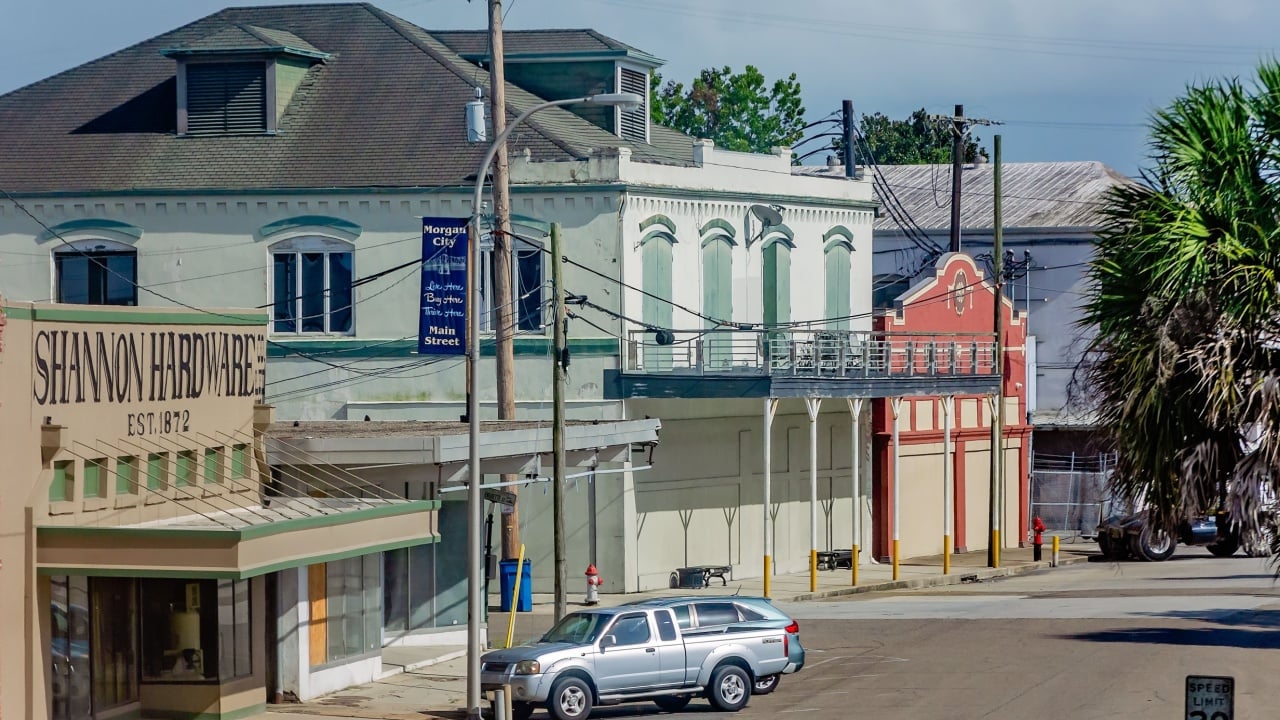
Morgan City’s housing market is facing a double whammy: its reliance on the boom-and-bust energy sector and its exposure to Gulf Coast flood risk.
This toxic combination has pushed the projected price drop to 11.3%, as both economic uncertainty and rising insurance costs weigh on buyer confidence.
Buyer Tip: Federal and local flood maps are non-negotiable reading material here. Before visiting a property, determine if it lies within a designated flood zone. It will have a massive impact on your insurance costs, the property’s long-term viability, and its future resale value.
10. Indianola, Mississippi (Projected Price Drop: -10.8%)
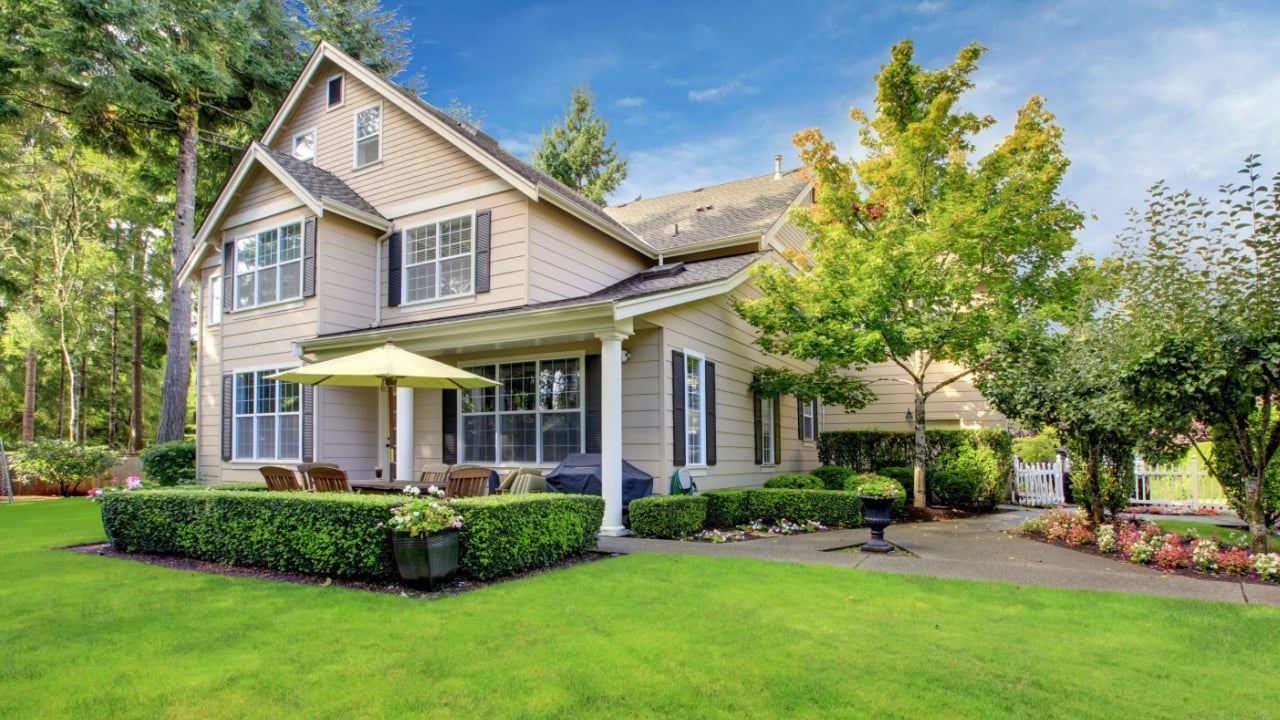
Rounding out the small-market list, Indianola’s projected 10.8% decline confirms the widespread housing market weakness across Mississippi.
The same core issues (weak buyer demand, elevated supply, and prices that haven’t adjusted from the pandemic frenzy) are firmly at play here.
Buyer Tip: In a softening market like this, patience is your greatest asset. With prices expected to continue their downward trend, there is little incentive to rush into a deal, overpay, or waive critical contingencies like a home inspection. Time is on your side.
11. New Orleans, Louisiana (Projected Price Drop: -7.2%)

Leading the major metros, New Orleans is projected to see a 7.2% drop. While that percentage may seem smaller than those in the small markets, the city’s much higher median home price means the absolute dollar losses could be far more substantial.
Crushing insurance costs and persistent flood risks are the primary drivers of this decline.
Buyer Tip: When budgeting for a New Orleans home, remember that the purchase price is just the start. You must calculate the total cost of ownership, which includes high insurance premiums, potential flood-proofing, and the maintenance required in a humid climate. Factoring in these costs upfront will help you avoid major financial surprises.
12. San Francisco, California (Projected Price Drop: -6.1%)

Even a 6.1% drop is seismic in a market as expensive as San Francisco. Given the city’s sky-high home values, this decline translates into one of the largest potential dollar losses on the list.
A combination of post-pandemic remote work trends, tech industry layoffs, and years of extreme overvaluation has finally cooled a market that once seemed invincible.
Buyer Tip: If you’ve been priced out of the Bay Area, this market correction could be your chance. Keep an eye on inventory levels and the discount-to-list-price ratio. When homes start selling for well below the asking price, it signals a shift to a buyer’s market.
13. Austin, Texas (Projected Price Drop: -5.1%)
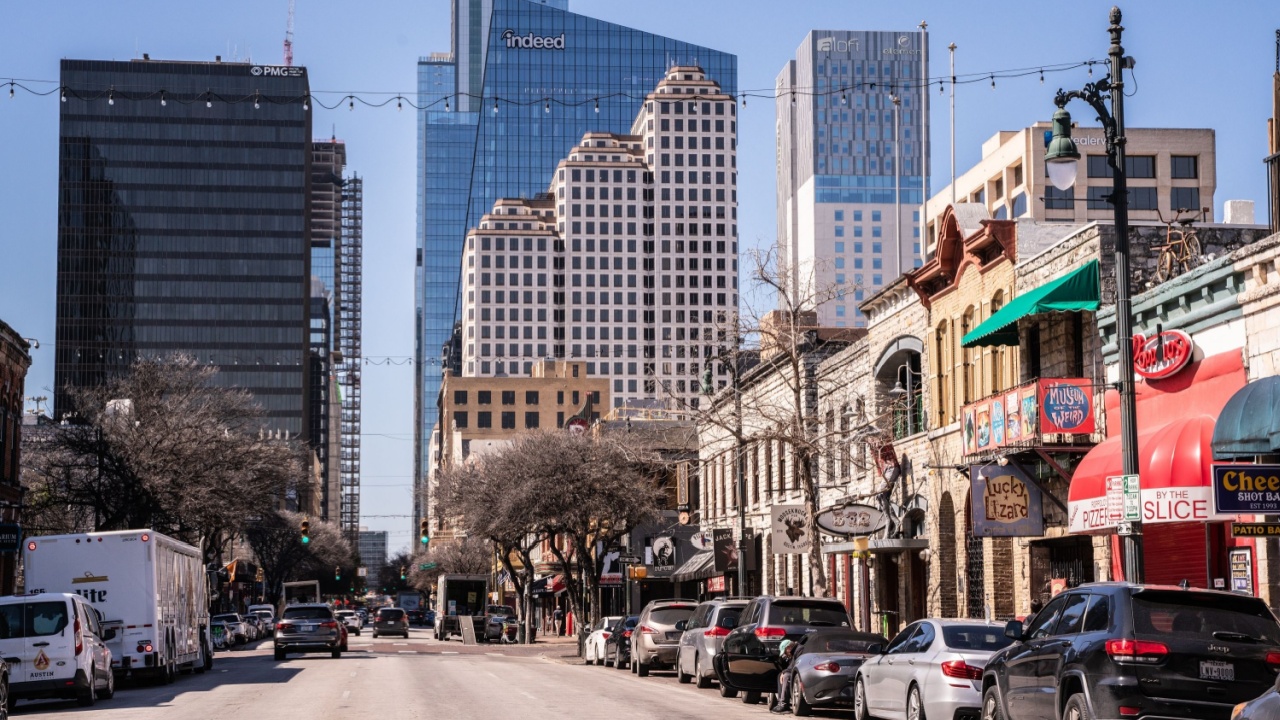
Austin was the poster child of the pandemic housing boom, with prices skyrocketing amid a frenzy of relocations and low interest rates. Now, the market is giving some of those gains back with a projected 5.1% decline.
A surge in new construction aimed at meeting peak demand has now flooded the market just as higher mortgage rates have cooled buyer enthusiasm.
Buyer Tip: Austin’s correction is a textbook example of a market that grew too far, too fast. While the cooldown offers relief, buyers should be aware that the price drops won’t be uniform. Some of the trendiest neighborhoods that saw the most dramatic appreciation may now experience the sharpest declines. Compare different areas carefully.
14. San Jose, California (Projected Price Drop: -4.0%)
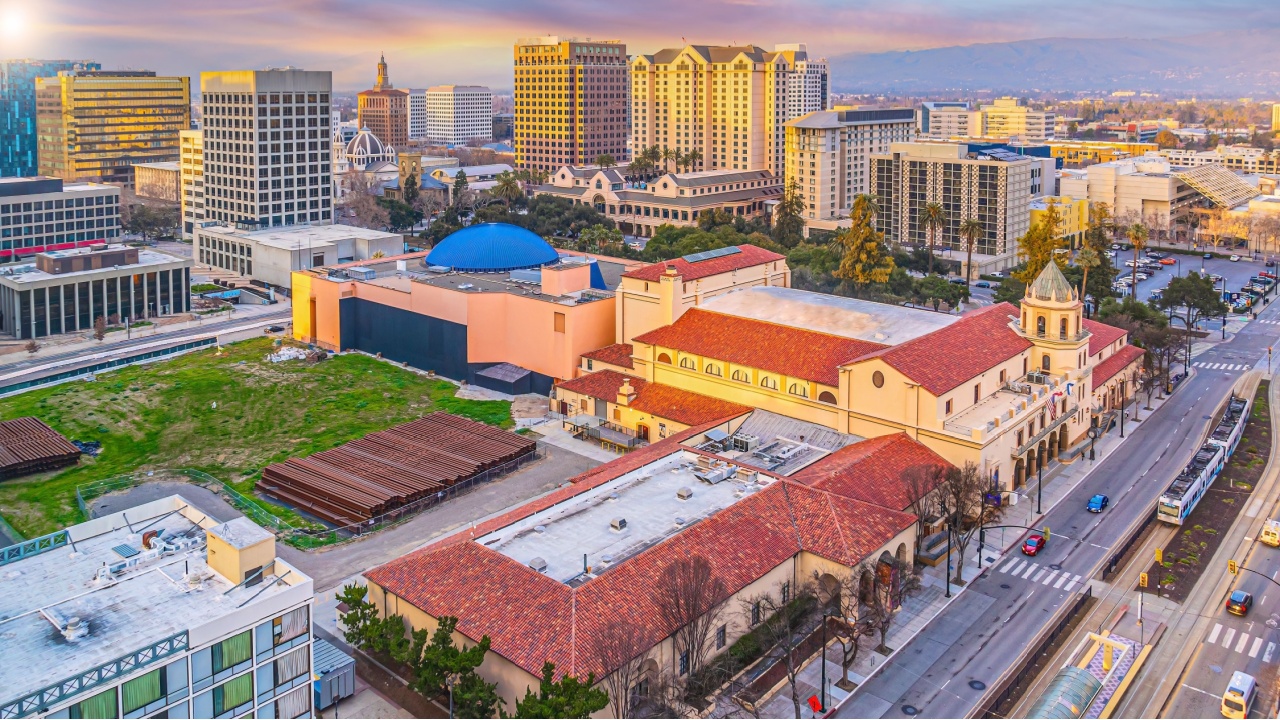
In the heart of Silicon Valley, San Jose is facing a projected 4.0% drop. With some of the nation’s highest home prices, even a modest percentage dip represents a significant financial shift.
A cooling tech sector and the high cost of borrowing have put a damper on what was, for years, one of the country’s hottest housing markets.
Buyer Tip: In a tech-driven economy like San Jose’s, local hiring trends are a proxy for the housing market’s health. Pay close attention to layoff announcements and hiring freezes at major tech employers. A slowdown in the job market almost always precedes a softening in housing demand, creating strategic openings for prepared buyers.
15. Honolulu, Hawaii (Projected Price Drop: -3.8%)
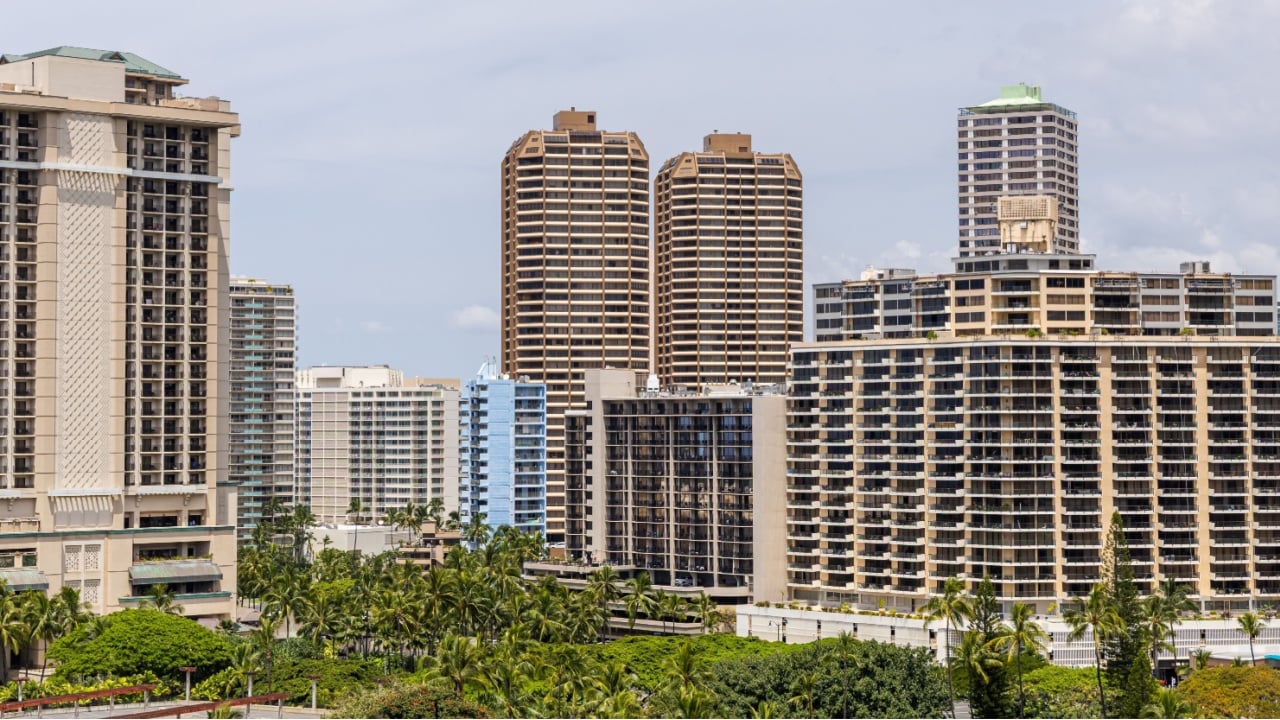
A price decline in Honolulu is noteworthy for a market historically propped up by extremely limited land and intense global demand. The projected 3.8% drop signals that even this paradise is not immune to market forces.
A combination of record-high prices and escalating costs of ownership has finally begun to exhaust the buyer pool.
Buyer Tip: Don’t let a small price dip in Honolulu fool you. The “paradise tax” goes beyond the mortgage. Before buying, factor in all associated costs, including property taxes, insurance, and the premium on goods and services common to island living. A home might seem more affordable on paper until these expenses are included.
16. Denver, Colorado (Projected Price Drop: -3.8%)

Sharing the 3.8% projected decline, Denver is experiencing a clear market shift after a decade of rapid growth fueled by an influx of new residents.
A significant increase in housing inventory, coupled with mortgage rates that have priced many buyers out, has finally taken the heat out of this once-frenzied market.
Buyer Tip: The power dynamic in Denver has shifted. The days of frantic bidding wars and waived inspections are over, at least for now. Buyers have more homes to choose from and more time to make a decision, which means they finally have the room to negotiate on price and terms.
Where Things Go From Here

The cities on this list span the Gulf Coast, the Sun Belt, the West Coast, and beyond, but they share common threads: prices that climbed too high during the pandemic, growing supply, rising insurance costs, and mortgage rates that have refused to come down. For sellers in these markets, the next 12 months look challenging. For buyers, they could bring some of the best opportunities in years.
If a purchase is on the horizon, the smartest move is to do the homework now. Track local inventory, compare actual sale prices against asking prices, get insurance quotes early, and line up financing before shopping.
Read More:
7 U.S. Cities Finally Seeing a Drop in Rent Prices
15 Beautiful Mountain Destinations to Buy Land Before Prices Soar