14 Potentially Poisonous Foods Hiding in the Kitchen
You might be surprised to learn that some of your favorite foods have a dark side. Many kitchen staples, including everyday vegetables and common pantry spices, contain natural toxins or harmful bacteria. If they’re not prepared correctly, they can make you seriously ill.
Plants have their own defense mechanisms (toxins like solanine and cyanide) to ward off insects and animals. Unfortunately, these same compounds can be harmful to humans if we’re not careful. That’s why you have always been told not to eat a green potato, or why you have to cook kidney beans thoroughly.
But hold on, don’t go clearing out your cupboards just yet! Knowing a little about the science behind these foods is all you need to enjoy them safely. With a few simple preparation tips, you can easily avoid any nasty surprises and keep your family out of harm’s way.
Here are 14 common foods that need a little extra attention, and learn the expert tips to prepare them properly.
1. Red Kidney Beans
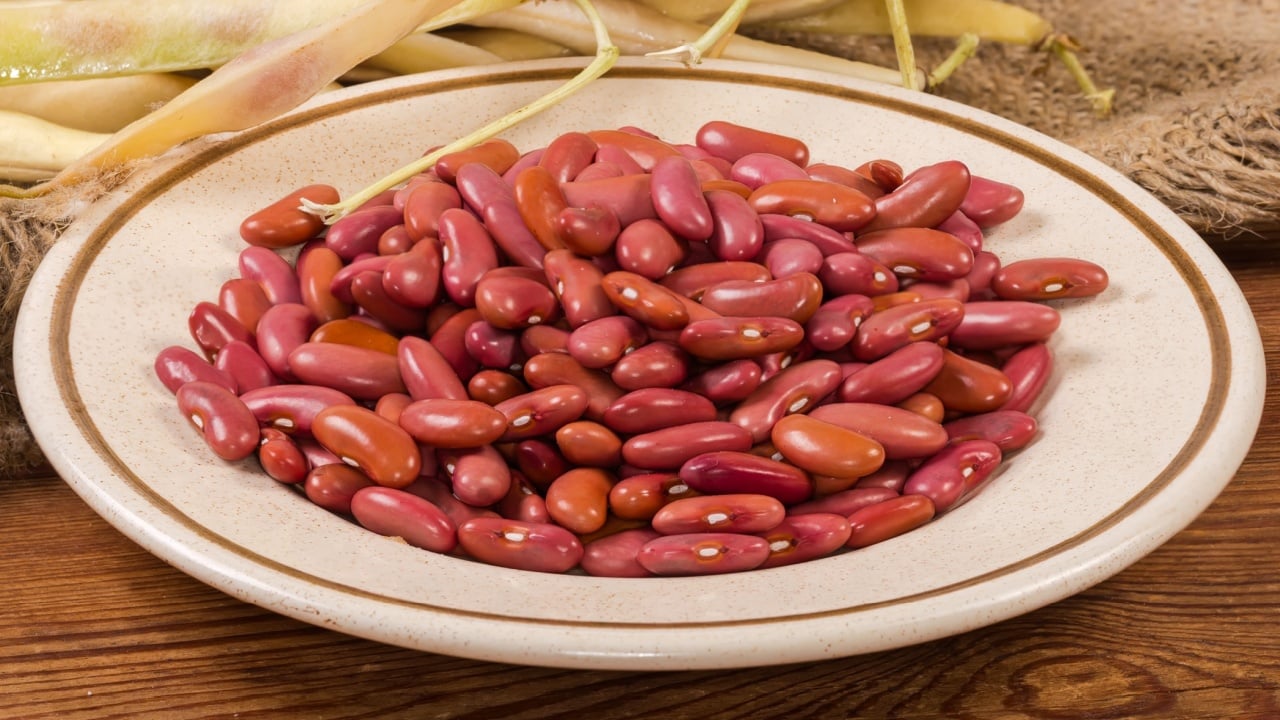
Think twice before tossing raw red kidney beans into your slow cooker. They contain a sneaky natural toxin called phytohaemagglutinin, and eating just a handful of undercooked beans can lead to some unpleasant consequences, like severe nausea and stomach pain, within a few hours.
To prepare dried beans safely, give them an overnight soak in water, then drain and rinse. Next, boil them vigorously in fresh water for at least ten minutes before letting them simmer until they’re tender. Don’t rely on a slow cooker for this step, as it won’t get hot enough to destroy the toxin.
Luckily, canned and jarred beans have already been heated enough to eliminate the toxin, making them a safe and convenient option. Properly cooked kidney beans are a fantastic source of plant-based protein and fiber, perfect for adding a nutritious punch to your favorite soups and chilis.
2. Potatoes
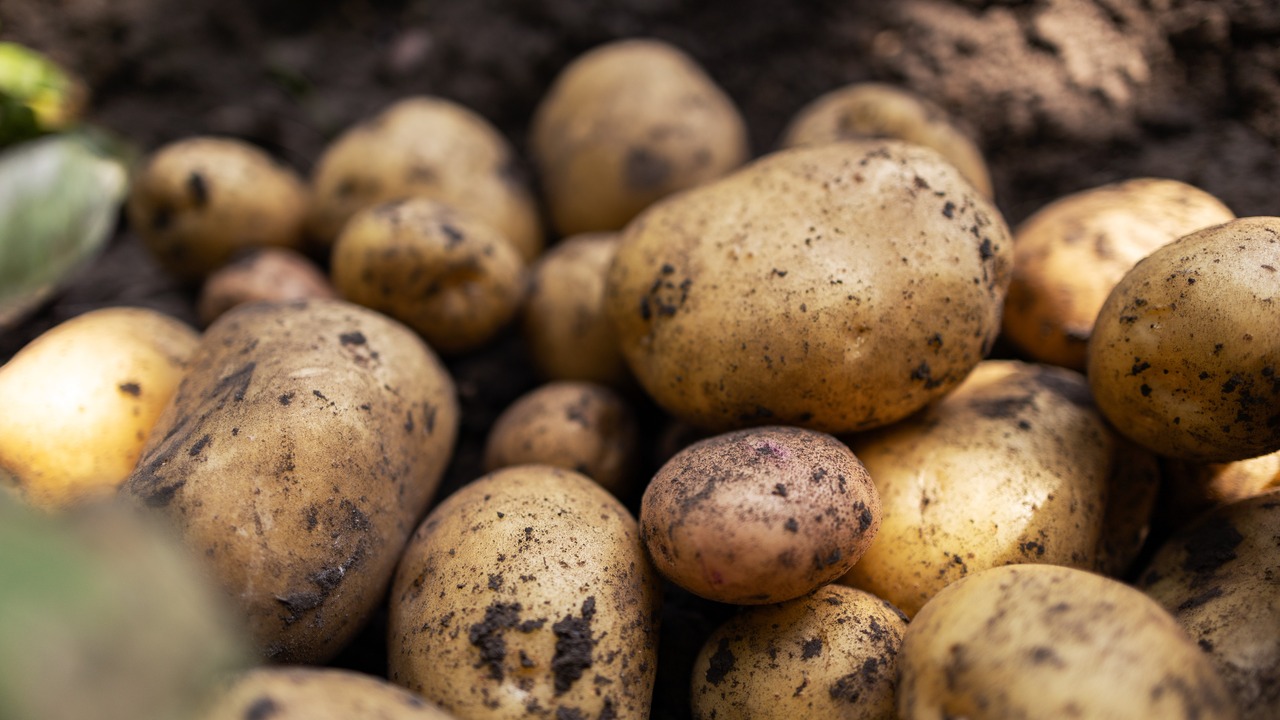
Potatoes can turn to the dark side when they’re exposed to light or start sprouting. They develop natural toxins called glycoalkaloids (specifically solanine), which can cause headaches, nausea, and even neurological issues if you eat too much. A green tint on the skin is a major red flag that solanine levels are high.
To keep your spuds safe, store them in a cool, dark, and dry place to stop them from sprouting or turning green. If you notice small sprouts or green patches, just peel them away generously before cooking. And if your cooked potatoes taste bitter, toss them out; that bitterness is a sign of lingering toxins that heat couldn’t break down.
With the right storage, potatoes will remain a safe, delicious, and comforting staple in your kitchen. A well-kept potato is a happy potato, ready to be turned into countless comforting meals.
3. Undercooked Poultry

We’ve all heard the warnings about undercooked chicken, and for good reason. Raw poultry is often a playground for nasty bacteria like Campylobacter and Salmonella, which are leading causes of food poisoning worldwide. Dishes like “chicken sashimi” might be trendy, but they come with a serious risk of bacterial infection.
The best way to stay safe is to use a meat thermometer. Make sure the thickest part of the chicken or turkey reaches a safe internal temperature of 75°C (165°F). After handling raw poultry, always wash your hands, cutting boards, and any utensils that came into contact with it to prevent cross-contamination.
By cooking poultry thoroughly, you effectively kill off any dangerous pathogens. Following these simple hygiene and temperature rules ensures your chicken and turkey dishes are both delicious and safe to eat.
4. Cassava
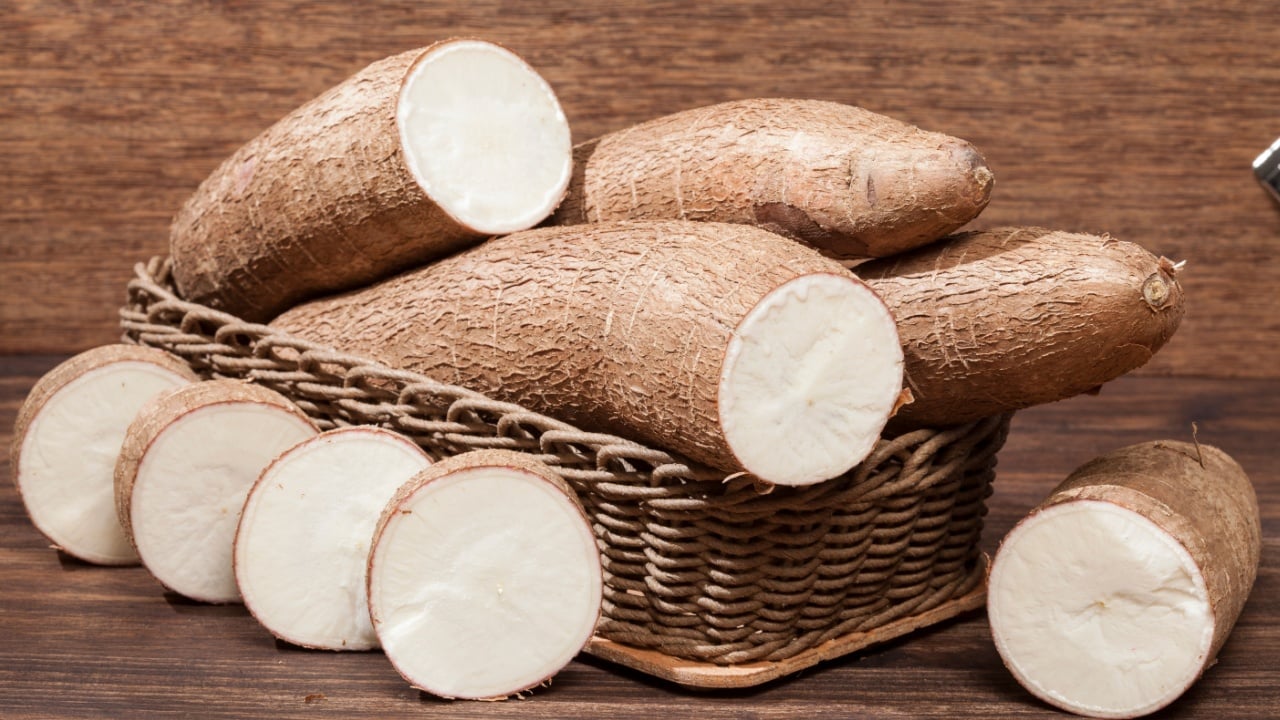
Cassava, a staple carbohydrate in many tropical countries, has a hidden danger: cyanogenic glycosides. When eaten raw or prepared incorrectly, these compounds can release cyanide into your system. Chronic exposure to poorly processed cassava can even lead to serious neurological problems.
To prepare it safely, start by peeling the root, as most of the toxins are concentrated in the skin. Then, slice the cassava and soak it in water for several days before cooking it thoroughly. Boiling, roasting, or fermenting the root will break down any remaining toxic compounds, making it safe to eat.
When handled with care, cassava is a delicious and filling part of a balanced diet. Sticking to traditional preparation methods ensures you can enjoy this root vegetable without any worries.
5. Raw Eggs
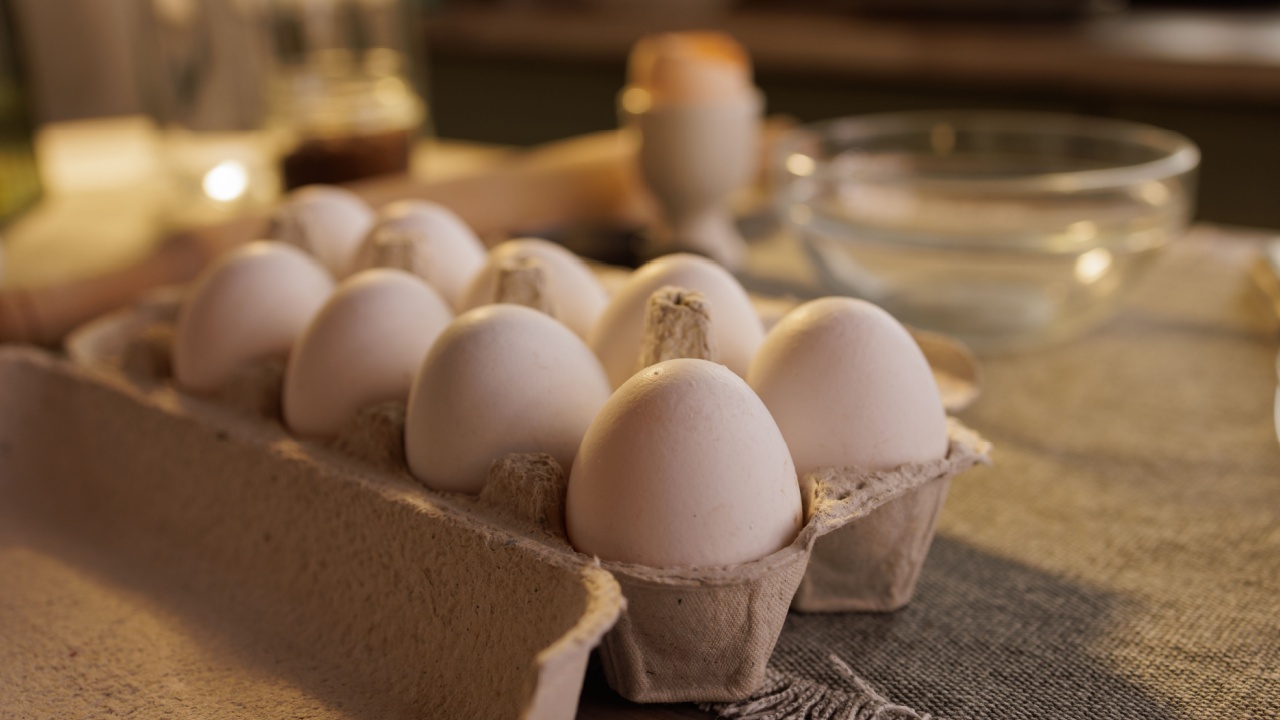
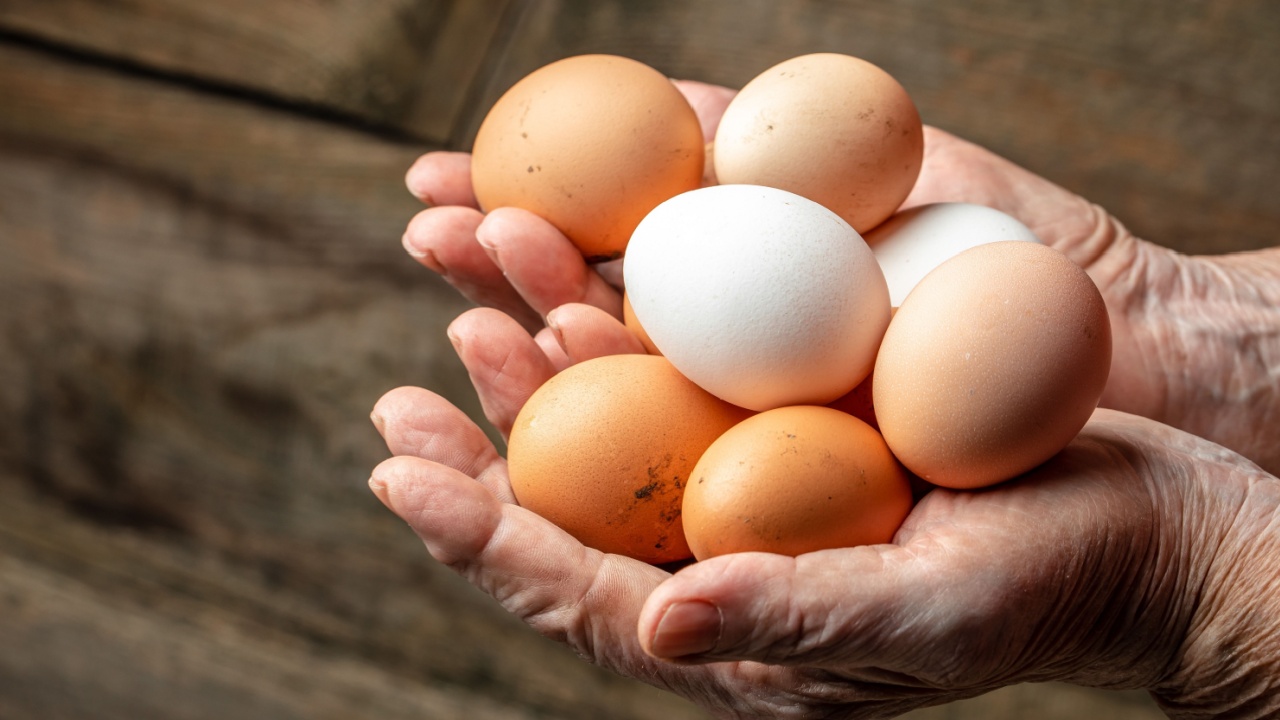
Dishes made with raw eggs, like homemade mayonnaise, creamy chocolate mousse, or traditional carbonara, can pose a risk of Salmonella contamination. This sneaky bacteria can live on the shell or even inside the egg itself, leading to unpleasant gastrointestinal illness if consumed.
To minimize the risk, look for eggs with certified safety marks, which often mean the hens were vaccinated against Salmonella. Always store your eggs in the refrigerator to slow any potential bacterial growth. For recipes that call for uncooked eggs, using pasteurized liquid eggs is a foolproof way to stay safe.
While taking these simple precautions can reduce the danger, fully cooked eggs remain the safest choice for everyone, especially for the very young, elderly, or those with compromised immune systems.
6. Cooked Rice

Leftover rice can be a surprising source of food poisoning. Uncooked rice often contains spores of Bacillus cereus, a type of bacteria that can survive the cooking process. If cooked rice is left to cool at room temperature, these spores can multiply and produce toxins that reheating won’t destroy.
The key is to cool leftover rice as quickly as possible; ideally, get it into the fridge within an hour of cooking. Plan to eat it within a day, or pop it in the freezer for later. When you do reheat it, make sure it’s steaming hot all the way through before serving.
Properly managing your leftover rice is a simple step that can save you from a nasty bout of food poisoning. A quick trip from the stove to the fridge ensures your rice dishes are just as safe and delicious the next day.
7. Rhubarb
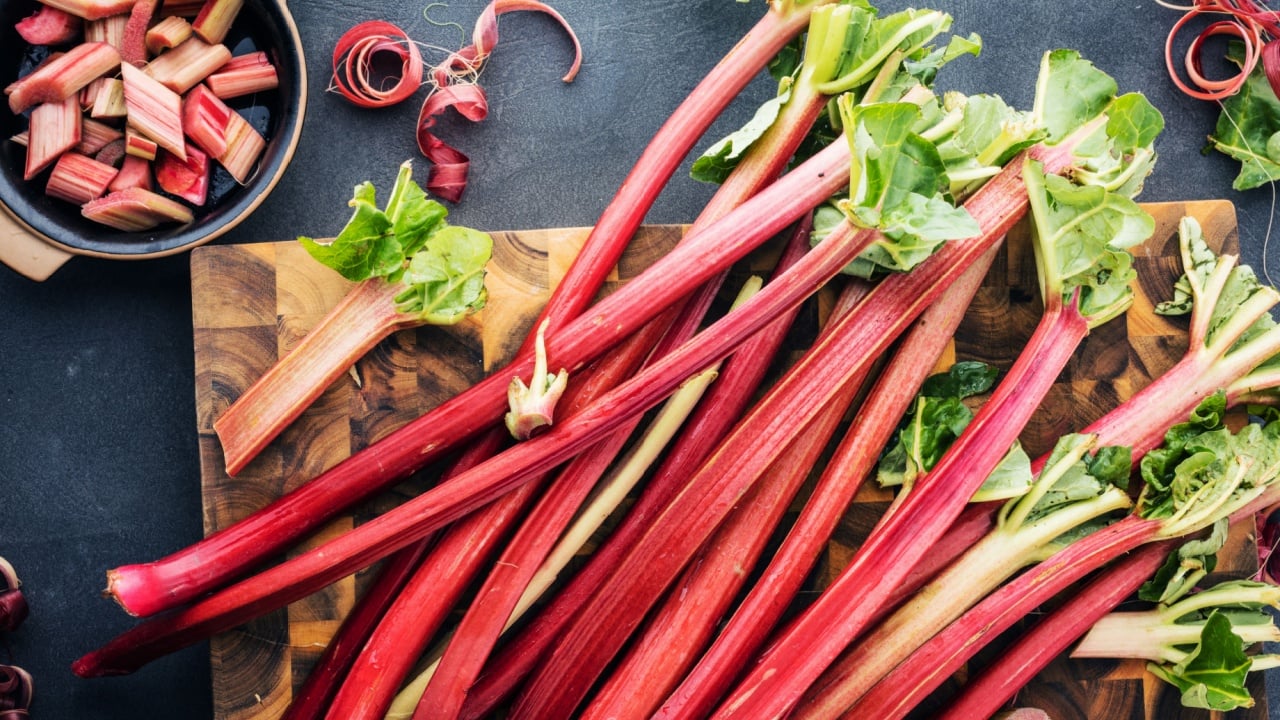
Rhubarb stalks are a tart and tasty addition to pies and crumbles, but their leaves are a different story. The large, green leaves contain high levels of oxalic acid and anthraquinone glycosides, which are toxic. Ingesting even a small amount can cause breathing problems, kidney issues, and severe cramps.
The moment you get your rhubarb home, trim off all the leaves and discard them immediately, preferably in a compost bin where they won’t be a danger to kids or pets. After that, give the stalks a good wash before chopping them up for your favorite dessert.
By sticking to the colorful stalks and getting rid of the leaves, you can safely enjoy this unique, tangy ingredient. A little prep work completely neutralizes the threat and leaves you with nothing but deliciousness.
8. Nutmeg
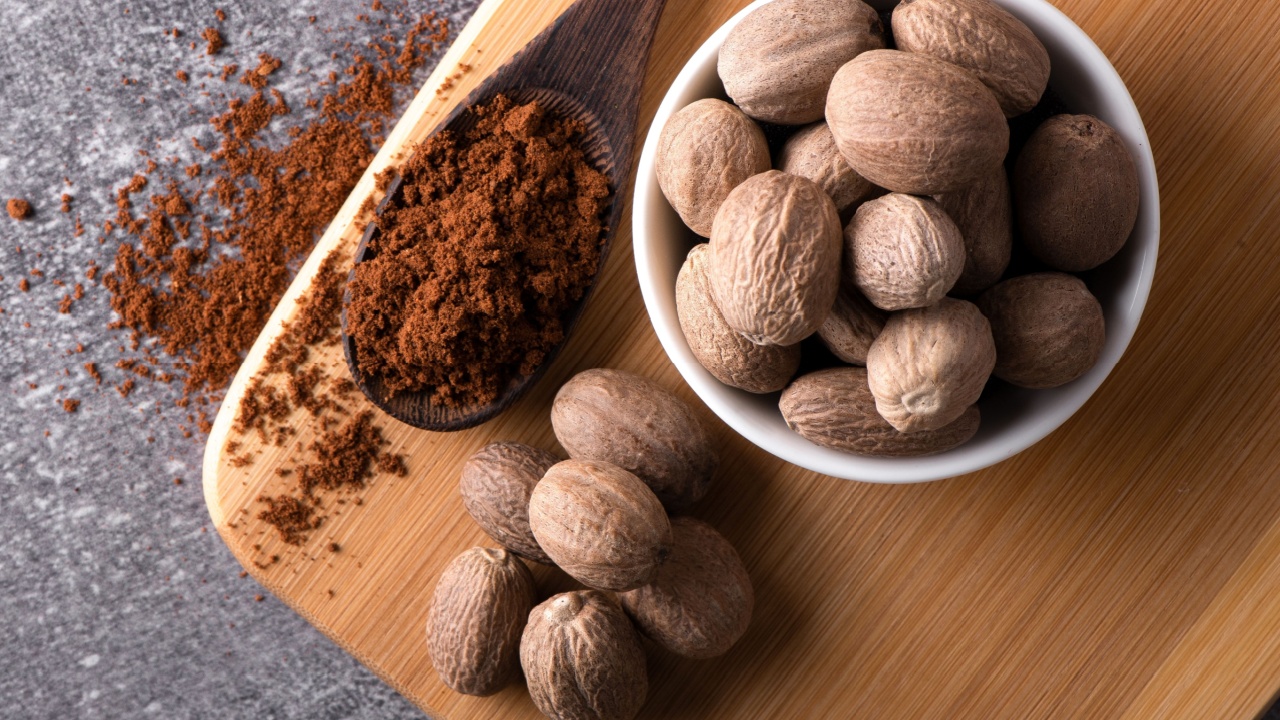
A pinch of nutmeg adds a warm, comforting flavor to baked goods and creamy drinks, but it has a toxic side in large doses. The spice contains myristicin, a psychoactive compound that can cause severe nausea, dizziness, and even hallucinations. As little as two tablespoons of grated nutmeg can be enough to trigger a medical emergency.
To stay safe, always stick to the small amounts recommended in recipes. Keep nutmeg, both whole and ground, stored safely out of reach of curious children and pets. It’s always a good idea to measure it carefully instead of pouring it straight from the jar.
When used sparingly, nutmeg is a delightful spice that adds a special touch to your cooking. A light dusting on your cappuccino or in your cookie dough is perfectly safe and wonderfully flavorful.
9. Apple Seeds
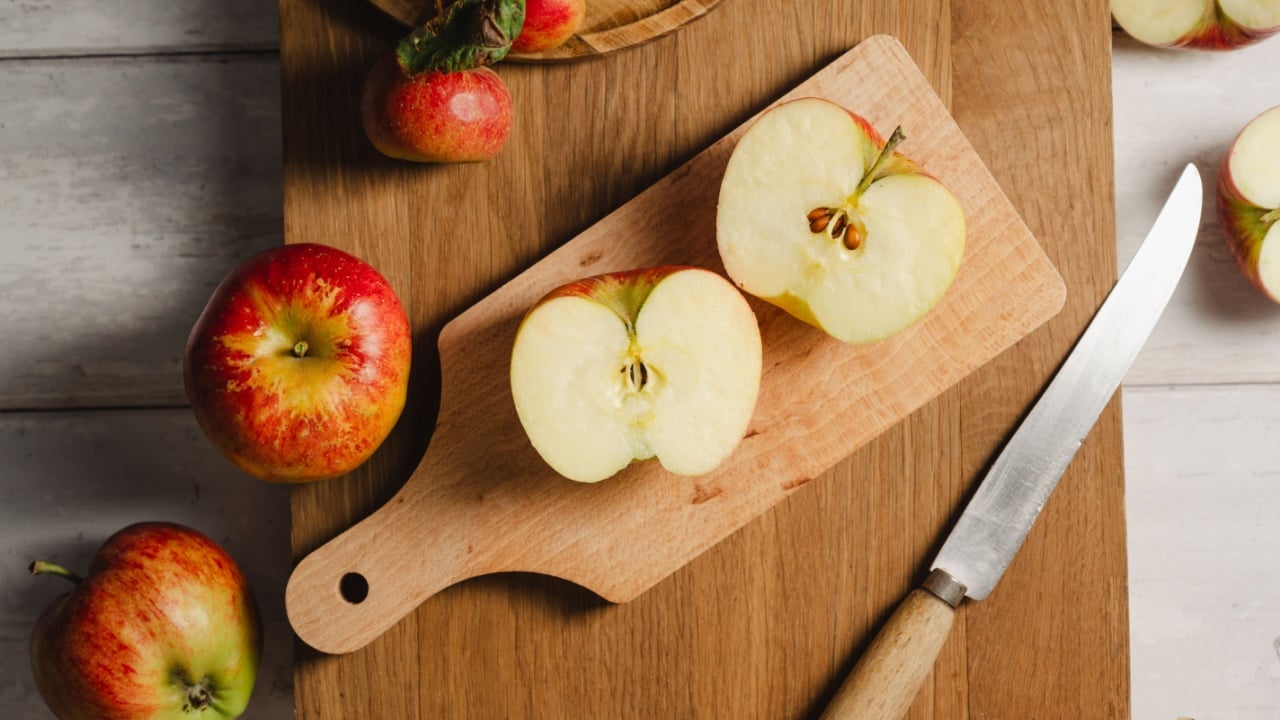
An apple a day keeps the doctor away, but make sure you toss the core. The small black seeds inside contain amygdalin, a compound that releases hydrogen cyanide when crushed or chewed. While swallowing a few whole seeds by accident is unlikely to cause harm, chewing and swallowing a large number of them can be dangerous.
To be safe, always core your apples before slicing them for a snack or blending them into a smoothie. It’s also a good idea to teach kids to eat around the core and discard it. This same caution applies to the pits of similar fruits like cherries, peaches, and apricots.
The crunchy flesh of an apple is packed with nutrients and is perfectly safe to enjoy. Taking a moment to remove the seeds is a small effort that ensures your healthy snack stays that way.
10. Raw Honey
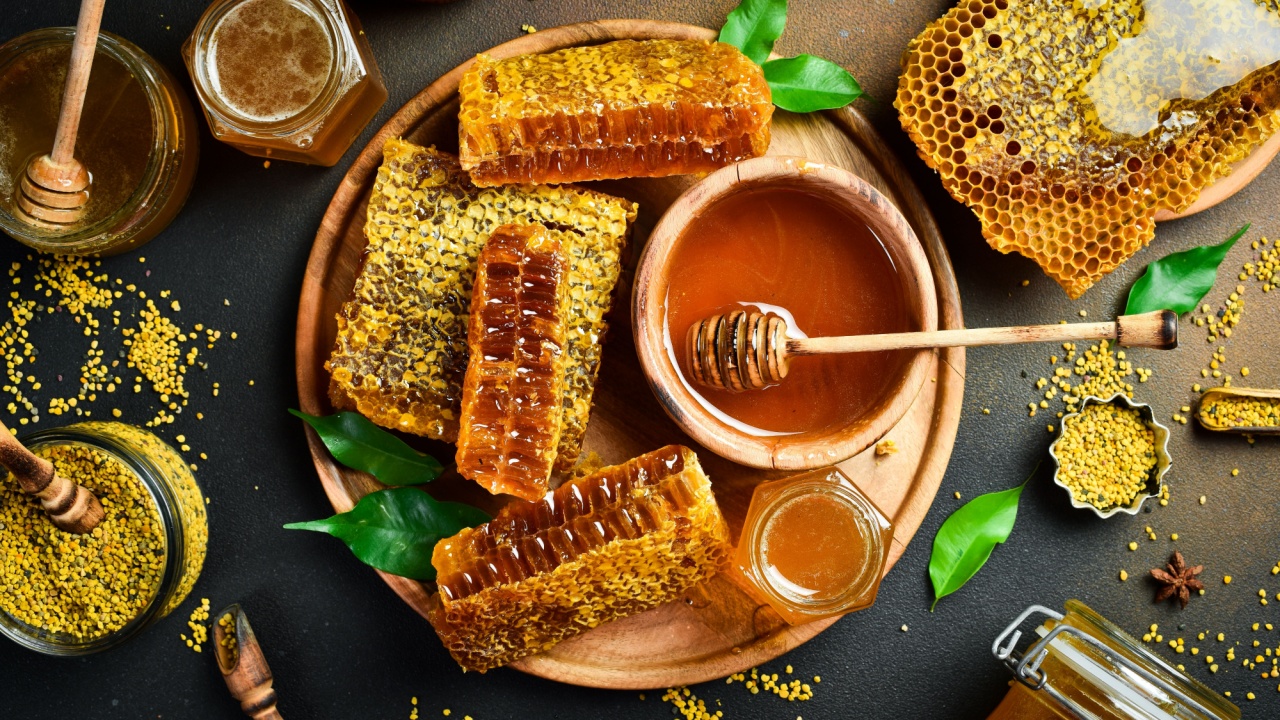
Raw honey is celebrated for its unique flavors and potential health benefits, but it can sometimes contain spores of Clostridium botulinum. While adults’ digestive systems can typically handle these spores without a problem, infants under one year old don’t have the gut bacteria to fight them off, which can lead to a rare but serious illness called infant botulism.
Because of this risk, you should never feed any type of honey—raw or pasteurized—to a child under 12 months old. For adults and older children, raw honey is generally considered safe. If you have any concerns, pasteurized honey is always an option.
By keeping honey away from babies, you can easily prevent this serious health complication. For everyone else, honey remains a sweet and delightful addition to the pantry.
11. Green Tomatoes and Aubergines
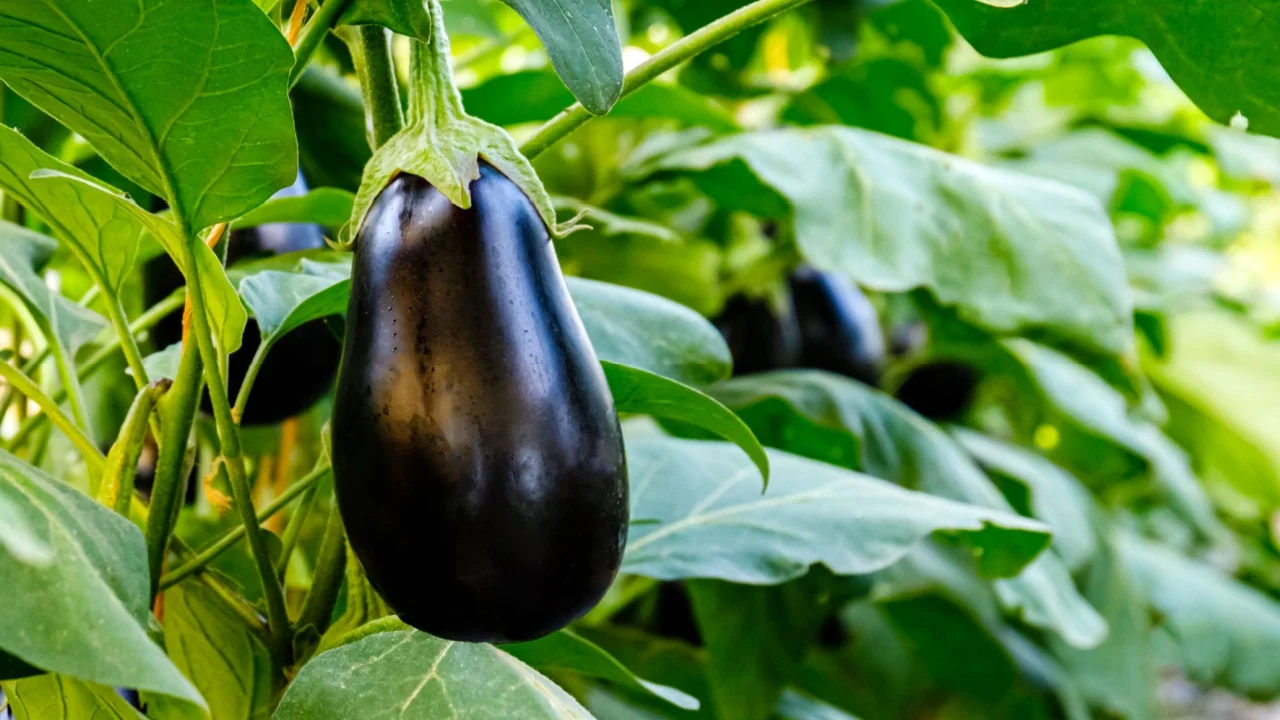
Unripe tomatoes and aubergines (eggplants) belong to the nightshade family and contain toxic alkaloids like solanine and tomatine. Eating green, unripe tomatoes or undercooked aubergines can lead to stomach cramps and digestive upset. Luckily, their intensely bitter taste usually stops people from eating enough to cause serious harm.
To stay on the safe side, always choose fully ripe, red tomatoes for your salads and sandwiches. When it comes to aubergines, make sure to cook them thoroughly until the flesh is soft and translucent. Frying, baking, or stewing them helps break down these compounds, making them safe to eat.
A little patience goes a long way with these nightshade vegetables. Waiting for them to ripen and cooking them well will reward you with safe, flavorful, and delicious results.
12. Wild Mushrooms

Foraging for wild mushrooms can be a fun hobby, but it comes with a massive risk. Many poisonous mushrooms look surprisingly similar to safe, edible varieties. Accidentally eating the wrong one can lead to irreversible liver damage, kidney failure, or even death.
The only way to be completely safe is to buy your mushrooms from a reputable grocery store or a certified seller at a farmers’ market. Never pick and eat mushrooms from your local park or woods unless you’re with a certified mushroom expert (a mycologist). Don’t trust identification apps or online photos to tell you if a mushroom is safe.
Sourcing your mushrooms commercially takes all the guesswork and danger out of the equation. You can enjoy the earthy, savory flavors of store-bought mushrooms in your favorite recipes without any of the risk.
13. Raw Milk
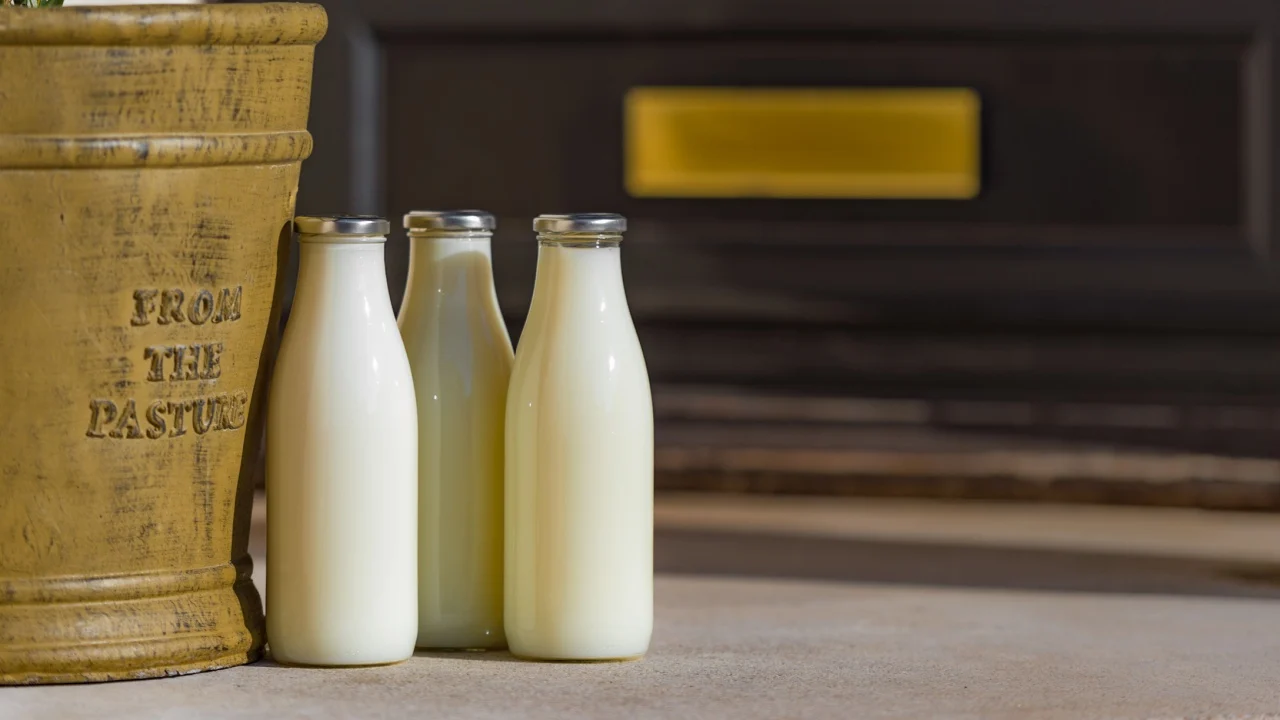
Raw, unpasteurized milk skips the heating process that kills off harmful pathogens. As a result, it can carry dangerous bacteria like E. coli, Listeria, and Campylobacter directly from the farm to your glass. This poses a significant health risk, especially for pregnant women, young children, the elderly, and anyone with a weakened immune system.
Health authorities around the world strongly recommend choosing pasteurized milk and dairy products. Pasteurization is a simple and effective way to ensure the milk you drink is free from harmful bacteria while retaining its nutritional value.
While some people prefer the taste of raw milk, the potential for serious illness makes it a risky choice. Sticking to pasteurized products is the safest bet for you and your family.
Knowledge is Your Best Ingredient
Navigating the hidden dangers in our kitchens doesn’t have to be scary. Understanding which foods need a little extra attention and learning the right preparation techniques can turn potential hazards into safe and delicious meals.
So go ahead, cook with confidence, and enjoy all the wonderful flavors your kitchen has to offer.
Read More:
12 Grocery Staples That Come With a Heavy Chemical Hit
The 13 Riskiest Foods Currently on Grocery Shelves, According to Data