How to Use Firepit Ash to Encourage Healthy Soil (Plus, Other Worthy Amendments)
Most gardeners toss firepit ash in the trash without a second thought, but that gray powder left behind after a wood fire holds real value for garden soil. It carries calcium, potassium, and trace minerals that plants depend on, and it costs nothing to collect.
The same goes for other household waste, such as coffee grounds and kitchen compost. Both are household byproducts that gardeners often discard rather than put to work.
Healthy soil builds slowly through organic matter, balanced pH, and a thriving community of microorganisms. Recycled household amendments can support all three of those needs at once.
This article covers exactly how to use firepit ash in garden soil, which plants respond well to it, what to avoid, and how compost and spent coffee grounds round out a practical, low-cost approach to better soil health.
What Firepit Ash Adds to Soil

Firepit ash from clean, untreated hardwood is a surprisingly mineral-rich material. It contains calcium carbonate, potassium, magnesium, and small amounts of phosphorus, along with trace elements like boron, zinc, and iron.
These are nutrients that soil loses through repeated cropping, rainfall, and natural leaching, and wood ash can help replenish them without synthetic inputs.
One of the most notable effects of wood ash is its ability to raise soil pH. Because it acts similarly to garden lime, it neutralizes acidic soil and creates conditions where nutrient availability improves for many common vegetables and ornamentals.
Gardeners with heavy clay soil or naturally acidic plots often see a measurable shift in plant health after a carefully managed application, though this pH-raising effect also means ash should be used with intention rather than scattered freely.
How to Apply Firepit Ash Safely
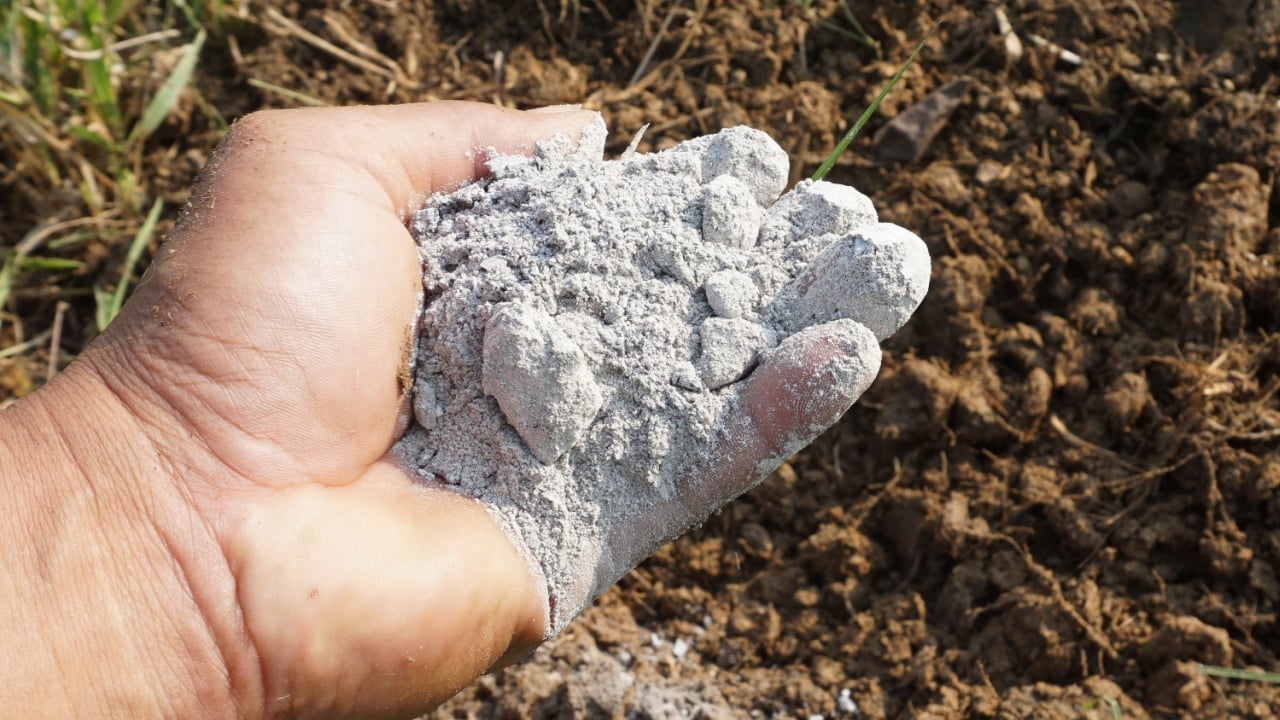
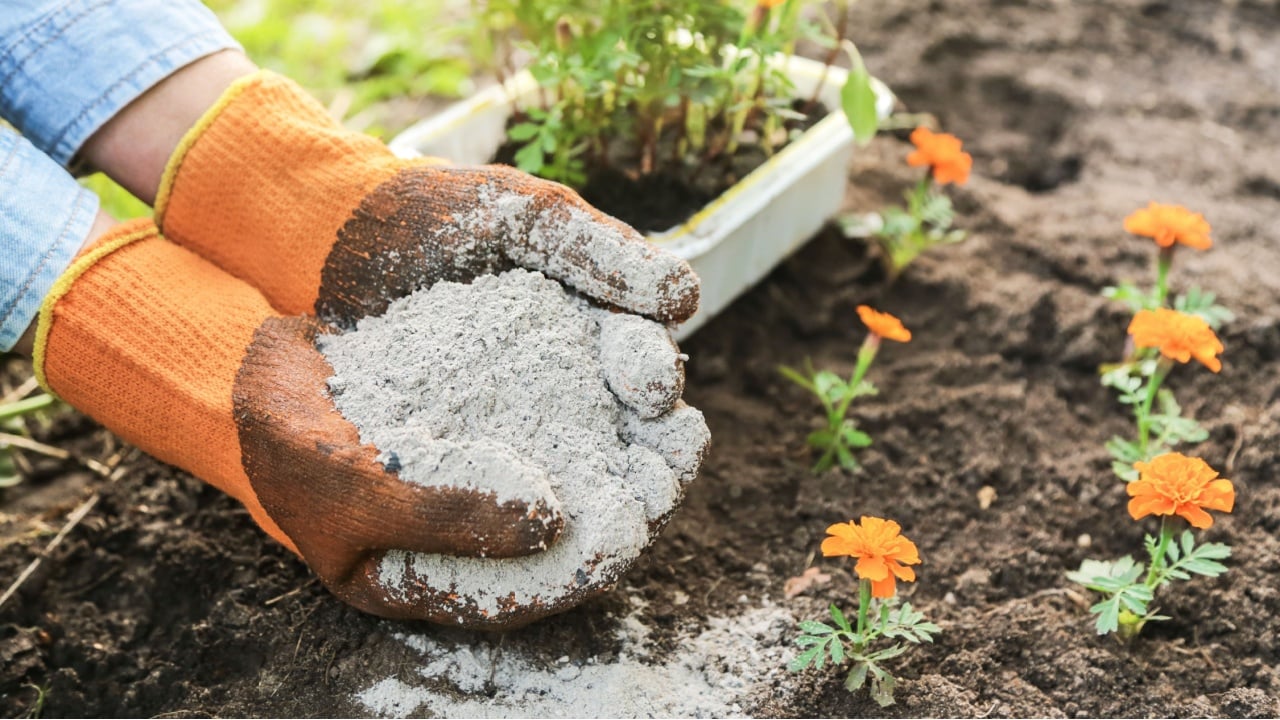
Application technique matters as much as the ash itself. Ash should be spread evenly across the soil surface to avoid concentrated patches of nutrients, and it should only go onto dry soil to prevent clumping and runoff.
After spreading, a light rake to mix it into the top two inches of soil is all that is needed — deeper incorporation can disrupt the microbial communities living closer to the surface and reduce the ash’s overall effectiveness.
The recommended rate is no more than 20 pounds per 1,000 square feet each year, and a soil pH test before application is an important first step. After 6 to 8 weeks, a follow-up test helps confirm what the ash has done to pH levels and whether further application is appropriate.
Late fall and early spring are the best times to apply, just before seasonal rainfall can help work the minerals into the soil. When handling ash, gloves and a dust mask are worth using since fine particles can irritate lungs and skin, and dry ash should be stored in a sealed container to protect it from moisture before use.
What Ash to Avoid in the Garden
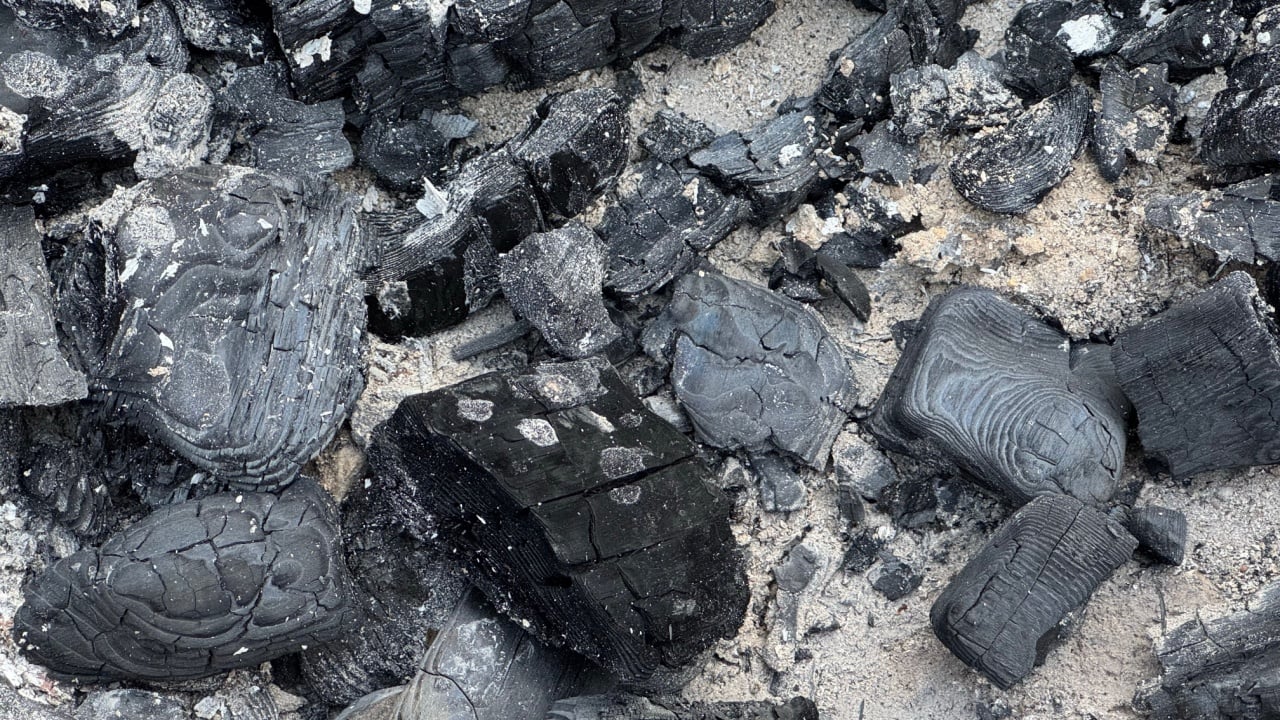
Not all ash belongs in a garden bed, and the source of the ash matters enormously. Coal ash contains high concentrations of heavy metals, including arsenic, lead, and mercury, which accumulate in soil and can transfer into food crops.
Ash from painted wood, chemically treated lumber, or pressure-treated boards introduces a different set of toxins, including chromium and copper compounds that have no place near edible plants.
Charcoal briquette ash is another common mistake, as most briquettes contain binders, accelerants, and additives that leave harmful residues in the soil.
Trash ash, which comes from burning household waste, paper printed with heavy inks, or mixed debris, carries an unpredictable mix of contaminants. The safest rule is to only use ash from dry, natural, untreated hardwood.
Plants That Respond Well to Ash — and Plants That Do Not

Several popular garden plants respond well to the mineral content and mild pH shift that wood ash provides. Tomatoes appreciate the calcium boost, which supports cell development and reduces blossom-end rot.
Carrots, cabbage, apples, pears, roses, and chrysanthemums also respond positively to moderate ash applications, with better overall vigor when soil conditions are otherwise healthy and balanced.
Acid-loving plants are a different story entirely. Blueberries, azaleas, and rhododendrons depend on low soil pH to absorb the nutrients they need, and raising that pH with ash can cause visible stress, leaf yellowing, and reduced fruit production.
Even a single moderate application in the wrong bed can shift conditions enough to cause lasting harm to these plants. Gardeners who grow a mix of acid-loving and alkaline-tolerant plants should map their beds carefully and keep ash away from any area where pH-sensitive species are growing.
Other Amendments from Recycled Products- 1. Compost From Kitchen Scraps and Yard Waste
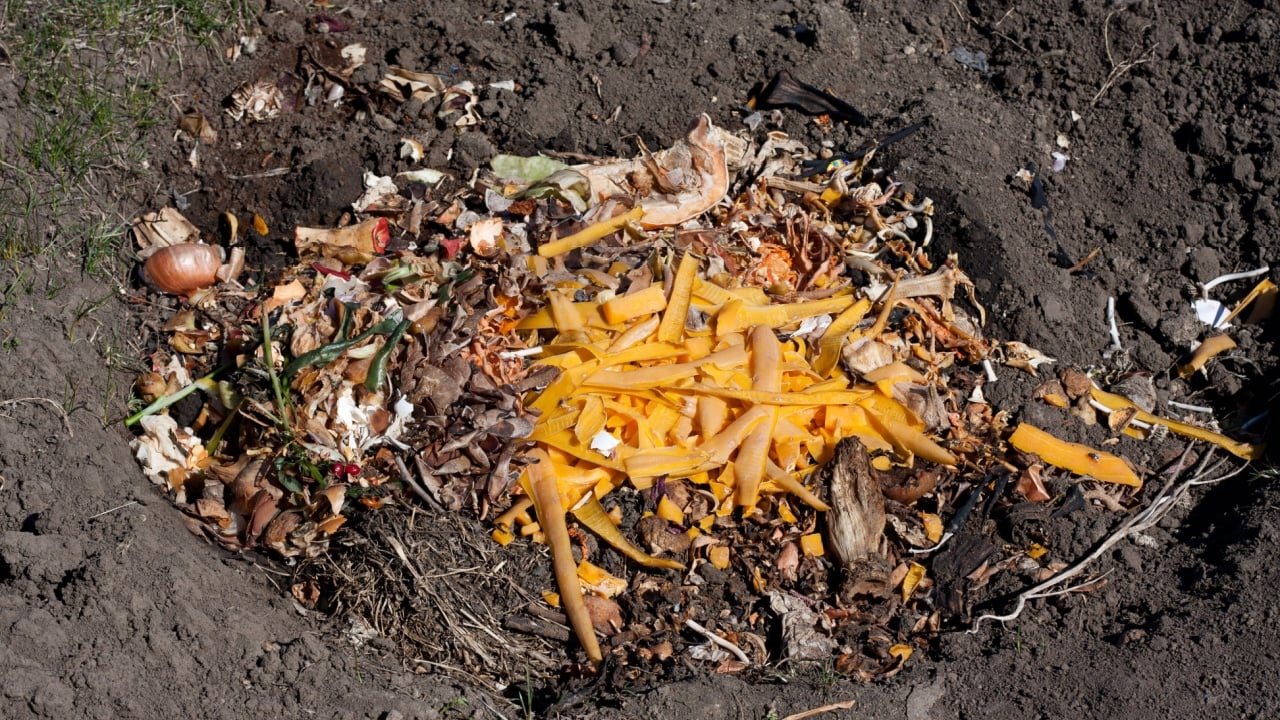
Compost made from kitchen scraps, yard waste, cardboard, and paper is one of the most complete soil amendments available, and it costs nothing beyond a little patience and attention.
It improves soil structure by adding organic matter that binds loose sandy particles and opens up compacted clay, allowing roots to spread and water to move more freely. At the same time, it feeds a diverse community of bacteria, fungi, and earthworms that process nutrients into forms plants can absorb directly from the soil.
A functional compost pile needs a balance of nitrogen-rich “greens” such as fruit scraps, vegetable peels, and fresh grass clippings, and carbon-rich “browns” such as dried leaves, cardboard, and torn paper. Too many greens without enough browns creates a wet, smelly pile that breaks down slowly and unevenly.
A rough ratio of one part greens to two or three parts browns, combined with regular turning to introduce oxygen, produces finished compost that enriches soil far more effectively than most bagged products.
2. Spent Coffee Grounds as a Soil Amendment
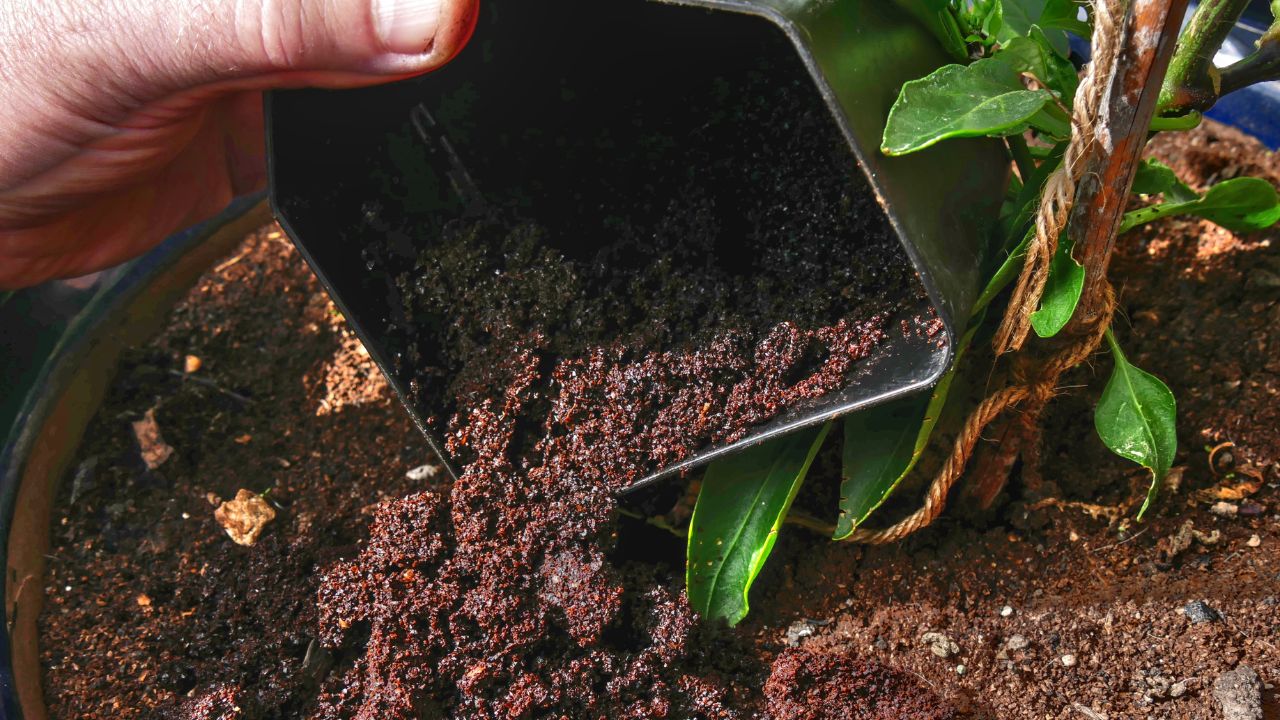
Spent coffee grounds are a nitrogen source, a contributor to organic matter, and a material that supports moisture retention in soil, but their reputation for acidity is often overstated and misunderstood.
Fresh, unspent grounds are moderately acidic, but grounds that have already been brewed are much closer to pH-neutral because a significant portion of their acidic compounds are released during the brewing process.
That said, applying large quantities of fresh, unused grounds directly to garden beds can still cause surface crusting and create conditions that inhibit seed germination and healthy root development.
The safest and most effective approach is to age or compost the grounds before adding them to the soil. For direct application, a thin layer worked into the top layer of soil is plenty, and mixing it with dried leaves or other carbon-rich materials helps prevent the dense, water-repelling mat that forms when grounds are piled too thickly.
Soil Worth Tending

Healthy soil is built from what gardeners already have. When applied with a basic understanding of chemistry, timing, and plant needs, they reduce dependence on purchased inputs and contribute to soil that supports stronger, more productive plants season after season.
The real opportunity here is in learning to see waste differently. Gardeners who build this habit into their routines often find that soil quality improves gradually but noticeably, and that the plants growing in that soil reflect the care that went into the ground beneath them.
Read More:
A 5-Step Guide to Composting at Home to Stop Throwing These Kitchen Scraps Away