
17 Grocery Items Americans Overspend On Without Realizing It
Ever get that sinking feeling after a grocery run, wondering how the bill climbed so high? We have been there, too. The supermarket is a battlefield for your budget, and many of us are losing without even realizing it. Between cleverly designed packaging and the siren song of convenience, we’re often tricked into paying a premium for everyday food items.
Retailers are masters of psychology. They know that a ready-to-eat label or a trendy design can make us reach for our wallets, no questions asked. These subtle markups can sabotage your food budget week after week, adding up to a significant chunk of change over time.
But what if you could spot these traps before you even reach the checkout counter? Get ready to become a smarter shopper and keep your hard-earned money where it belongs: in your bank account.
Here’s a look at the everyday groceries you’re probably overpaying for.
1. Pre-Cut Fruit
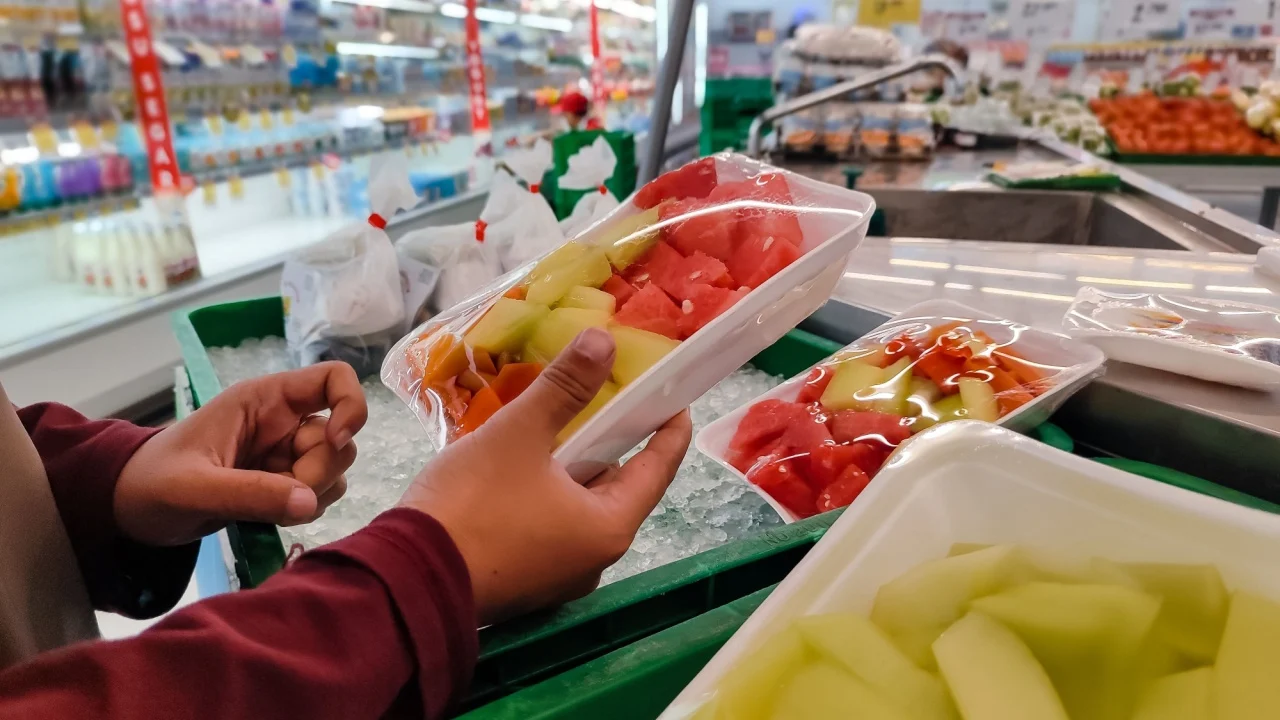
Convenience comes at a significant markup when purchasing fruit. A whole pineapple or melon costs just a few dollars, but once it is cut and placed into a clear plastic tub, the price can easily triple.
Stores often use fruit that is slightly overripe or blemished to fill these containers. The container and labor cost far more than the fruit itself.
The Smart Swap: Buy whole fruits and spend a few minutes washing and slicing them at home. You can invest in quality glass storage containers to keep fresh-cut fruit ready in the fridge all week, guaranteeing fresher snacks and more cash in the bank.
2. Cold Brew Concentrate
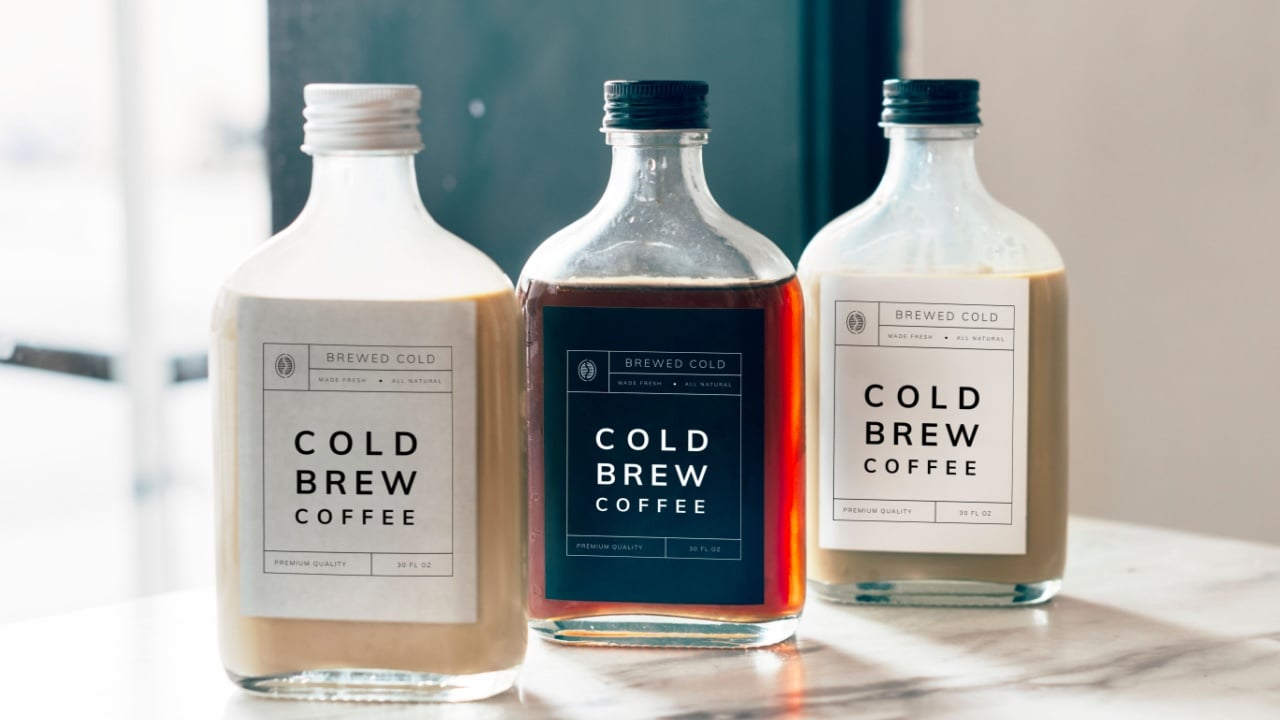
Cold brew is one of the simplest drinks to make at home, but bottled concentrates sit on shelves with suspiciously high price tags. With just coffee grounds, water, and time, anyone can make the same beverage for pennies per serving.
Brands rely heavily on sleek packaging and minimalist labels to justify their pricing, meaning you pay for branding instead of quality.
The Smart Swap: Purchase a simple glass pitcher and a bag of your favorite coffee beans. Steep the grounds overnight, filter the mixture the next morning, and you’ll have a delicious concentrate at a fraction of the retail cost.
3. Organic Packaged Snacks

The organic label immediately increases the price of a product, even on items that are still basically junk food.
Organic cheese puffs, cookies, and crackers cost significantly more despite having similar nutritional profiles to their non-organic counterparts. For highly processed snacks, the “health” benefit is almost entirely psychological.
The Smart Swap: Read the ingredient list. Organic sugar and flour are processed the same way in the body. Save money by purchasing standard versions of these occasional treats, or better yet, buy whole, organic fruits and vegetables instead.
4. Fake Artisan Bread

Supermarkets often sell rustic loaves that were actually made from frozen dough shipped in from industrial bakeries. They are baked on-site, then displayed in beautiful baskets to look handmade.
True artisan bread involves slow fermentation and craft techniques that grocery stores rarely utilize, meaning you’re paying premium prices for ordinary bread.
The Smart Swap: Visit a local independent bakery for a truly handcrafted loaf, often for a similar price. Alternatively, baking a simple no-knead bread at home requires minimal effort and costs very little, offering far better texture and flavor.
5. Tiny Cheese Wedges
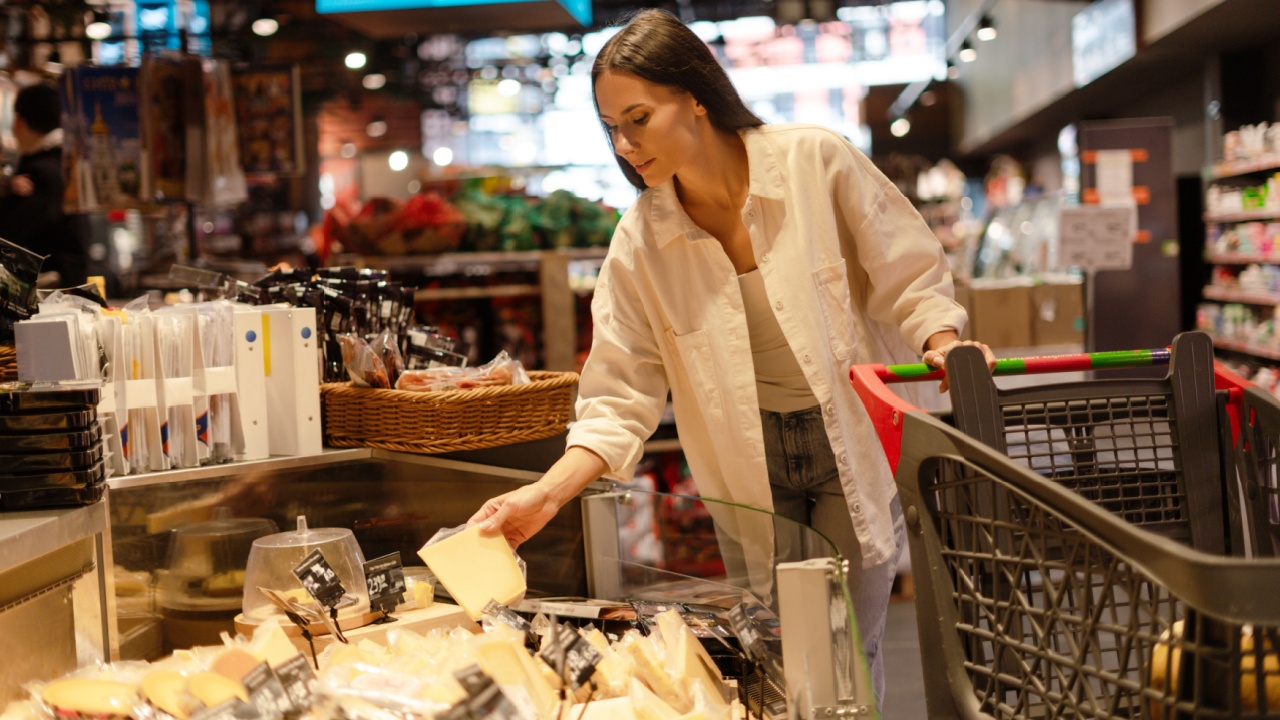
Imported or specialty cheeses are delicious, but the miniature wedges in deli cases are shockingly overpriced by weight.
Many people fail to compare the price per ounce, so they assume they’re getting a reasonable value when they’re actually paying premium rates for a cheese sample.
The Smart Swap: Always check the unit price. Larger blocks of the same cheese offer far better pricing. You can also ask the deli counter for a fresh cut from a larger wheel to get the best possible value. Wrap leftovers tightly in wax paper to keep them fresh.
6. Pre-Made Salads
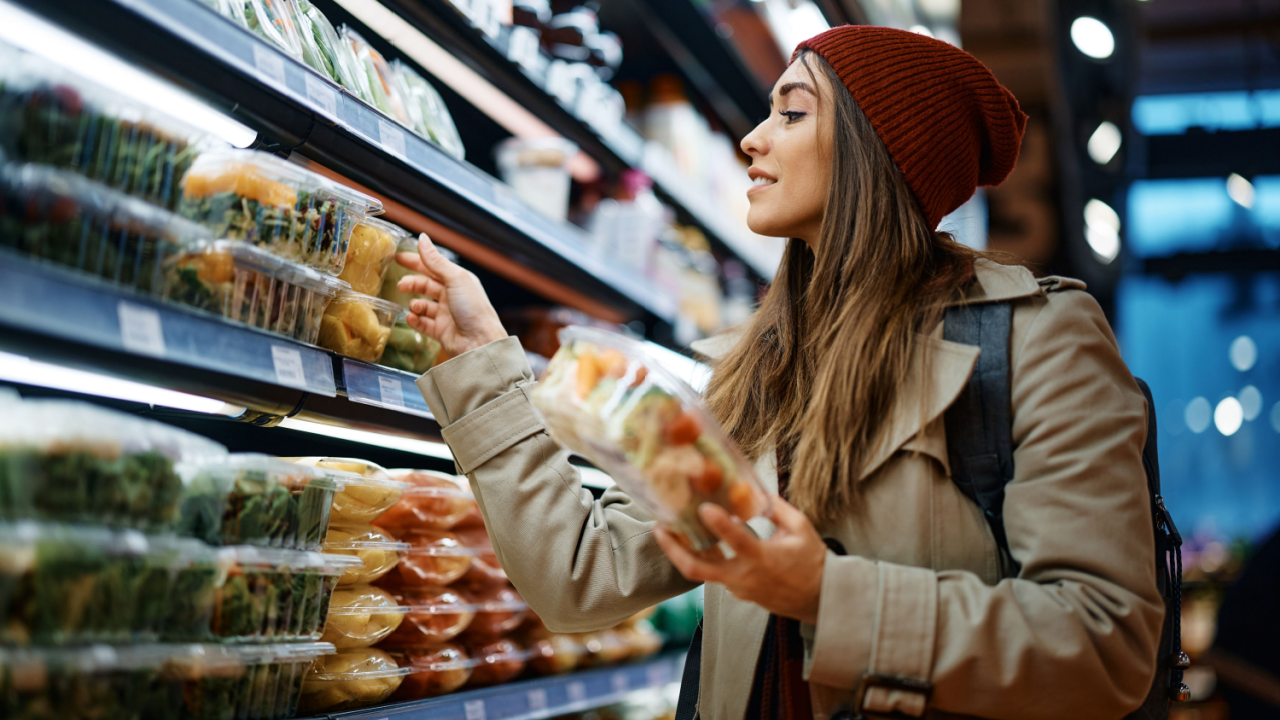
Pre-packaged salads seem like a healthy time-saver, but their cost is wildly disproportionate to the actual ingredients. A little lettuce, a protein topping, a few veggies, and a dressing packet should never cost ten dollars.
Stores rely on busy shoppers who want grab-and-go convenience for their lunch breaks.
The Smart Swap: Buy the components separately. For the same price as one pre-made salad, you can get enough ingredients for multiple servings. Prepare your salads in reusable containers on a Sunday evening to have fresh, affordable lunches for the entire work week.
7. Name-Brand Spices
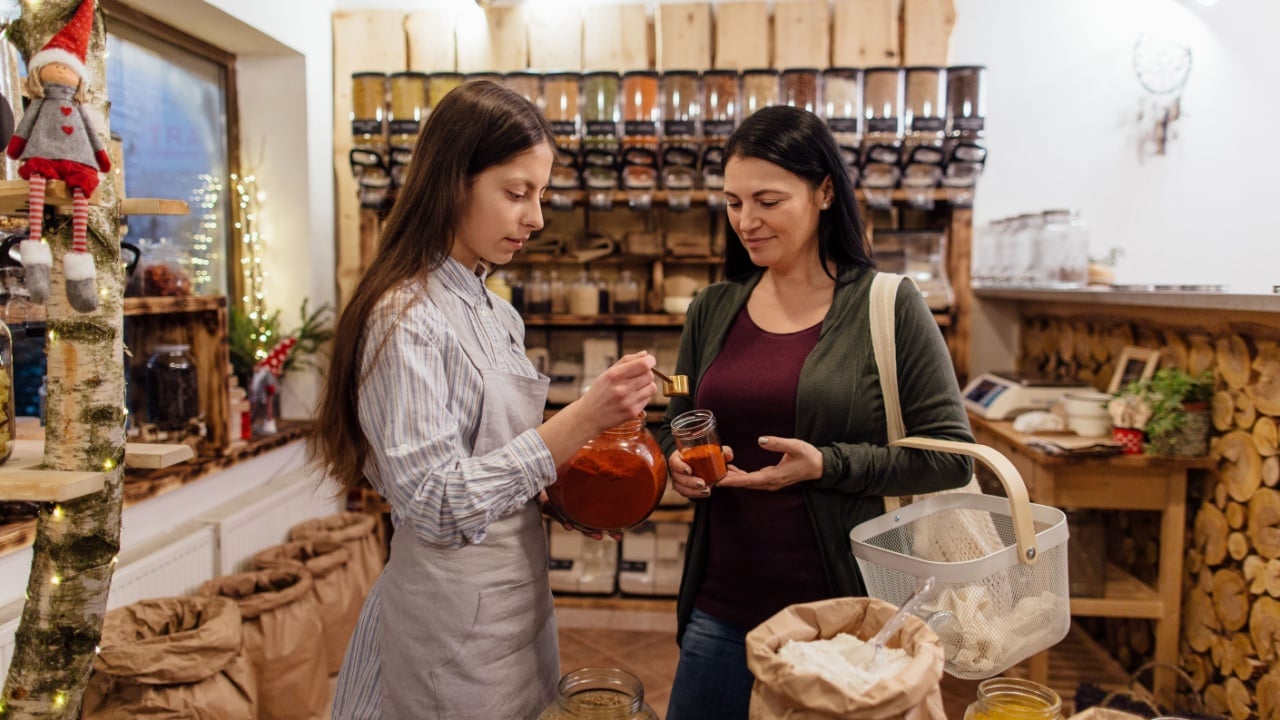
Brand-name spices come in sleek jars and get prominent shelf placement to appear higher in quality.
However, most people can’t tell the difference between heavily marketed cinnamon and a generic store version. The markup largely funds branding and packaging rather than superior flavor.
The Smart Swap: Check the international aisle, where identical spices are often available in bags for a fraction of the cost. You can also buy spices in bulk from health food stores or stores like WinCo. Simply refill your own glass jars at home to cut costs dramatically.
8. Bottled Water Packs

The bottled water industry profits endlessly from something that already flows into most homes. Many brands pull directly from municipal sources and run the water through basic filtration.
Shoppers willingly pay several dollars for a pack of bottles purely because of the convenient plastic packaging.
The Smart Swap: Install a simple water filter on your kitchen sink for endless clean drinking water. Carrying a reusable stainless steel water bottle eliminates the need to buy plastic cases entirely, helping the environment and your wallet.
9. Pre-Shredded Cheese

Shredded cheese contains anti-caking agents that prevent clumping but also interfere with melting and texture (and can cause gut problems in some people).
Despite this, it costs more per ounce than a solid block. Customers pay extra just to skip a few minutes of grating in the kitchen.
The Smart Swap: Buy a block. It stays fresher longer, melts perfectly, and saves money. A good box grater or a food processor makes shredding cheese an incredibly fast task. You can grate a large batch at once and store it in a container for the same convenience without the additives.
10. Single-Serve Yogurts

Small yogurt containers appear practical, but the cost per ounce is far higher than buying a large tub.
Companies add fruit layers, mix-ins, or special packaging to make the product feel premium, but nutritionally, they’re the same as the cheaper bulk versions.
The Smart Swap: Buy a large quart of plain yogurt and portion it into small glass jars. This reduces plastic waste and saves a tremendous amount of money. Add fresh berries and a drizzle of honey at home for a healthier and cheaper snack.
11. Sparkling Waters with Essence

Flavored sparkling waters sell incredibly well despite having almost no real flavoring. The word “essence” often means aroma compounds diluted to smell like fruit without actually tasting like it.
The trendy branding drives the retail price up, so the appeal is more aesthetic than anything.
The Smart Swap: Buy a basic carbonation machine for your kitchen. Squeezing a fresh lemon or lime into plain carbonated water delivers a far superior beverage for much less money and provides genuine fruit flavor without the marketing markup.
12. Bagged Lettuce Blends

Bagged greens are a classic convenience trap. They cost significantly more than whole heads of lettuce, wilt faster, and must be used immediately.
Buyers are paying a premium for the washing, cutting, and packaging done by the manufacturer.
The Smart Swap: Purchase whole heads of romaine or butter lettuce, which have a longer shelf life. It only takes a few minutes to wash and chop the leaves at home with a basic salad spinner. Storing them wrapped in a paper towel keeps them fresh for over a week.
13. Gourmet Frozen Meals

Certain frozen meals market themselves as “bistro-inspired” or “chef-crafted.” The packaging looks sophisticated, and the meals cost nearly double the price of basic frozen dinners, but the ingredient quality and portion sizes rarely justify the cost.
A quick look at the nutrition label often reveals that these “gourmet” meals pack the same high levels of sodium and preservatives as their budget-friendly counterparts.
The Smart Swap: Cook large batches of soups, stews, and casseroles at home and freeze them in individual portions. This creates true gourmet convenience, ensures high-quality ingredients, and leads to massive financial savings.
14. Flavored Coffee Creamers

Seasonal or dessert-themed creamers sell for premium prices despite being made from inexpensive ingredients like vegetable oil, sugar, and artificial flavoring.
The appeal lies in the fun flavor names, but you’re paying extra for ingredients that cost pennies to produce.
The Smart Swap: Make your own. Combine half-and-half or milk with real vanilla extract and a touch of maple syrup to create a delicious, natural addition to your coffee. This method avoids artificial additives and drastically cuts down on weekly spending.
15. Trendy Condiments

Hot honey, specialty ketchups, and gourmet mustards often come with boutique price tags.
They are fun to try but rarely become pantry staples, often ending up half-used and forgotten in the fridge. Many can be easily recreated at home with basic ingredients.
The Smart Swap: Mix condiments as needed to prevent waste and save money. You can make a delicious aioli by mixing standard mayonnaise with a clove of garlic and a squeeze of lemon. Infusing regular honey with red pepper flakes yields a perfect hot honey substitute.
16. Bottled Salad Dressings
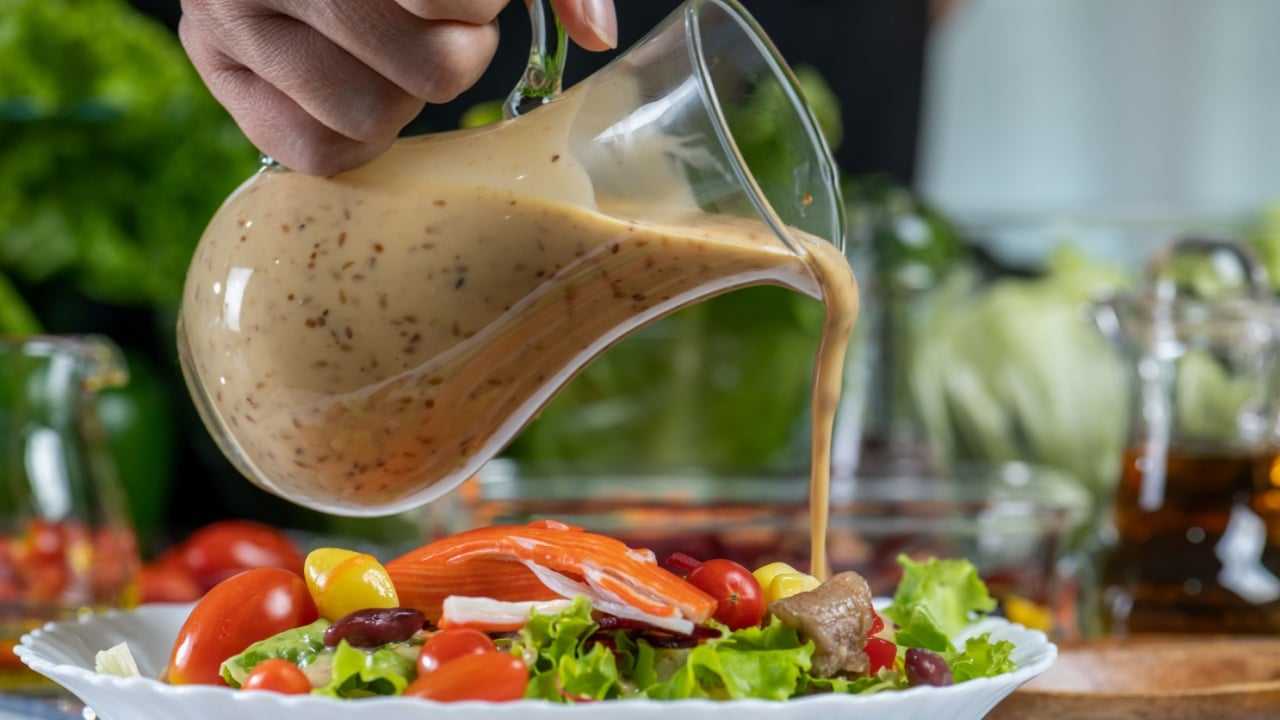
Supermarket salad dressings command high prices for a mixture of cheap oils, water, preservatives, and added sugars.
Brands use attractive labels to sell vinaigrettes and other dressings for three or four dollars a bottle.
The Smart Swap: Make your own dressing. Shaking olive oil, vinegar, and a few basic spices together in a glass jar takes seconds and produces a dressing that rivals any restaurant. It costs pennies per serving and tastes incredibly fresh.
17. Name-Brand Cereal

Colorful boxes of name-brand cereal dominate the grocery aisles, but these products come with a heavy premium to cover advertising and licensing fees.
The generic store-brand versions sitting on the bottom shelf usually feature the same ingredients for a much lower price.
The Smart Swap: Check the price per ounce and opt for the store brand. Pouring a bowl of generic toasted oats provides the same crunch and flavor as the famous brand. You’ll be amazed at how much you save just by ignoring the recognizable logo on the box.
Your Cart, Your Castle

The grocery store is designed to separate you from your money, but it doesn’t have to be a losing battle. By recognizing these overpriced items, you’re taking back control of your food budget one smart swap at a time.
It’s about paying for what matters: quality, freshness, and flavor, not fancy packaging and clever marketing. So next time you walk those aisles, do it with confidence. You’re no longer just a shopper; you’re a savings strategist, building a richer life one grocery list at a time.