14 Classic Grocery Mistakes Throwing Money Down the Drain
Going to the supermarket takes a massive bite out of your weekly budget. Food prices climb higher every year, leaving shoppers searching for ways to stretch every dollar. You likely leave the store feeling shocked by the final total on your receipt, wondering how a few bags of food cost so much.
Small habits at the store add up quickly and drain your bank account. Consumers can fall into routine traps designed by retailers to encourage extra spending. Stores use clever layouts, bright displays, and psychological tricks to make you fill your cart with expensive items you rarely need.
This guide covers fourteen common errors shoppers make during their supermarket trips. You will learn how to identify these costly habits and protect your hard-earned cash.
1. Shopping Without a Written List

Walking into a store without a written plan leads straight to overspending. People who shop from memory frequently forget essential items and grab random products they see on the shelves. Psychologists note that shoppers who lack a physical or digital list spend significantly more on impulse purchases. Every colorful display catches your attention, convincing you to buy things you never intended to purchase.
You can fix this problem by writing down exactly what you need before leaving your house. Check your pantry and refrigerator to see which items are running low. Stick strictly to the items written on your paper to avoid wasting cash on unnecessary snacks and treats.
2. Going to the Store Hungry

Shopping on an empty stomach heavily influences your purchasing decisions. Hunger drives your brain to seek out high-calorie snacks and fast convenience foods instead of nutritious staples. Studies show hungry shoppers buy far more processed foods and sugary treats than those who eat beforehand. Your stomach takes control of the shopping cart, leading to a much higher bill at the checkout counter.
Eat a filling meal or a satisfying snack before heading out to buy your groceries. A full stomach helps you make rational choices based on your actual meal plan instead of current cravings. You will find it much easier to walk past the bakery section and the candy aisle without grabbing unnecessary items.
3. Ignoring the Unit Price

Many shoppers only look at the large price tag on an item instead of the smaller unit price listed nearby. The total price tells you what you pay today, but the unit price reveals the true value per ounce or pound. A larger box of cereal might seem like a better deal, but checking the cost per ounce sometimes shows the smaller box offers superior value. Retailers frequently change package sizes, making the unit price the only accurate way to compare different brands.
Make a habit of checking the small print on the shelf labels during every trip. Grab your phone calculator to do the math yourself if the store fails to provide the price per ounce. This simple mathematical check stops you from overpaying for cleverly packaged products.
4. Falling for End-Cap Displays

Supermarkets place attractive displays at the ends of aisles to grab your attention as you walk past. These end-cap displays look like special promotions or huge discounts designed to save you money. In reality, brands pay a premium to feature their products in these high-traffic areas, and the items are rarely on sale. Shoppers grab these items believing they found a bargain, completely missing cheaper alternatives located in the regular aisles.
Walk past these prominent displays and head directly to the standard aisles to find what you need. Compare the featured product with similar items on the regular shelves to spot the true bargains. You will frequently find store brands or alternative options that cost significantly less.
5. Overlooking Store Brands

Shoppers often reach for familiar name brands because they recognize the logos and advertisements. Store brands sit right next to these expensive options, offering the same quality for a fraction of the cost. Manufacturers often produce both the premium label and the generic store brand in the same facility using identical ingredients. Buying only recognizable name brands drains your wallet for absolutely no reason other than fancy packaging.
Try swapping out one or two name-brand items for the generic equivalent during your next trip. Most families cannot taste any difference in basic items like canned beans, pasta, or baking supplies. Keeping an open mind regarding store brands allows you to drastically reduce your monthly food expenses.
6. Buying Pre-Cut Produce
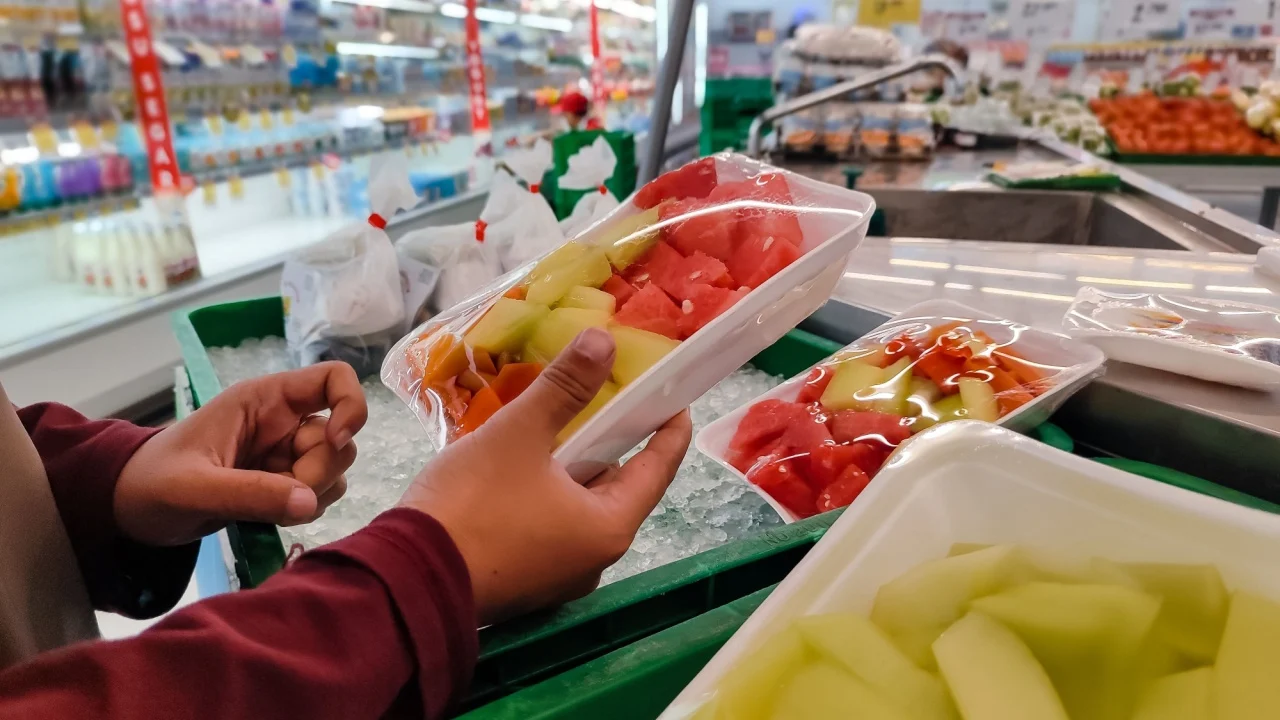
Plastic containers filled with chopped fruit and diced vegetables look incredibly convenient for busy weeknight dinners. Supermarkets charge a massive premium for this preparation service, sometimes pricing pre-cut items three times higher than whole produce. The cutting process also exposes the food to air, causing it to spoil much faster in your refrigerator. You end up paying extra money for food that loses its freshness quickly.
Buy whole fruits and vegetables and take a few minutes to prepare them at home. Setting aside a specific time on Sunday afternoon to chop your vegetables saves a significant amount of cash. You get fresher ingredients for your meals while keeping more money in your checking account.
7. Skipping Loyalty Programs

Many shoppers refuse to sign up for grocery store loyalty cards to avoid giving away their personal information. Refusing these free loyalty programs means missing out on weekly discounts, digital coupons, and personalized savings. Stores reserve their best prices exclusively for members who scan their cards or enter their phone numbers at the register.
Take two minutes to register for an account at the stores you visit most frequently. Download the store application to your smartphone to easily clip digital coupons before you leave home. Scanning a simple barcode at checkout immediately lowers your total cost with minimal effort.
8. Shopping Too Frequently

Shopping multiple times a week is good for the store, not for your wallet. Each visit exposes you to new temptations, seasonal displays, and impulse buys located near the registers. A quick trip for milk often results in leaving with a full bag of expensive snacks you did not intend to purchase.
Plan to visit the supermarket only once a week to minimize your exposure to marketing tricks. Buy enough supplies to last until your next scheduled trip, so you do not need to return. Reducing the number of visits you make immediately lowers your overall food spending.
9. Failing to Plan Meals

Entering the grocery store without knowing what you will cook for dinner leads to disorganized shopping. Shoppers buy random ingredients that don’t pair well, forcing them to order expensive takeout later in the week. Fresh vegetables rot in the crisper drawer because they were never assigned to a specific recipe. This lack of organization results in wasted food and wasted cash.
Sit down with a notebook and plan your meals for the upcoming week before making your shopping list. Look at the ingredients you already have and build recipes around them to prevent waste. Knowing exactly what you will cook removes the stress of dinnertime and keeps your grocery budget intact.
10. Ignoring Seasonal Produce

Purchasing fruits and vegetables out of season guarantees you will pay maximum prices for inferior quality. Strawberries shipped across the globe in December cost significantly more than berries grown locally during the summer months. Out-of-season produce travels thousands of miles, requiring expensive transportation and storage, which drives up the retail price.
Save cash by learning which fruits and vegetables grow naturally during each season in your region. Buy seasonal produce in bulk and freeze the extra portions for use during the winter months.
11. Purchasing Spices in Tiny Jars

Supermarkets sell herbs and spices in tiny glass jars that look beautiful on a shelf but carry enormous price tags. The cost per ounce in these miniature containers is astronomical compared to buying spices in larger quantities. You pay primarily for the glass packaging and the brand name rather than the actual seasoning.
Replacing these small jars frequently drains your budget for items you use constantly. Look for stores that sell spices in bulk bags (that you can add to your glass jars as needed) or check local ethnic markets for massive discounts. You can refill your existing glass jars using these larger, cheaper bags of seasoning. Buying spices in bulk provides the same flavor profile for a mere fraction of the retail cost.
12. Buying Bottled Water

Purchasing cases of bottled water adds a heavy, expensive, and unnecessary item to your shopping cart. Municipal tap water undergoes strict testing and costs pennies compared to the packaged versions sold in stores. Hauling plastic bottles home wastes your money and generates massive amounts of plastic waste that harms the environment. The markup on bottled water remains one of the highest profit margins in the entire retail industry.
Invest in a quality reusable water bottle and a simple water filter for your kitchen faucet or refrigerator. Filtering your own water at home provides clean, great-tasting hydration without the weekly expense. Your budget will improve immediately once you stop paying for packaged water.
13. Shopping at Eye Level

Supermarkets intentionally place the most expensive products right at the average shopper’s eye level. Brands pay high slotting fees to secure these premium locations because they know people grab the first thing they see. The cheaper alternatives, generic brands, and bulk sizes usually sit on the highest or lowest shelves.
Focusing strictly on the middle shelves guarantees you pay top dollar for your provisions. Train yourself to scan the entire shelving unit from top to bottom before making a selection. Bend down to check the lower racks for better deals on similar products.
14. Paying for Shopping Bags

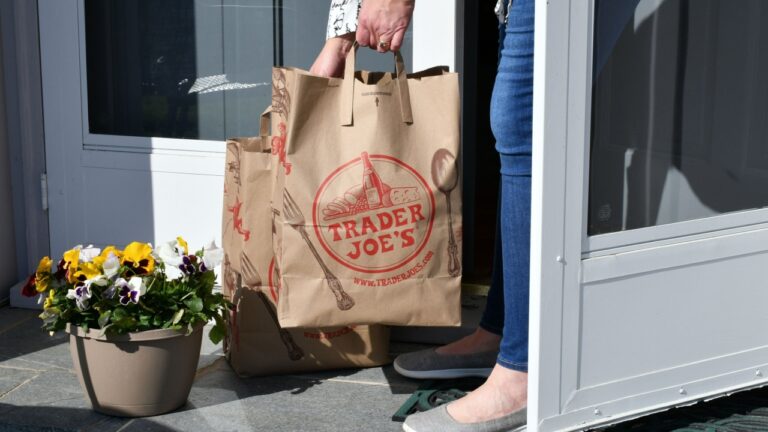
Shoppers who forget their reusable bags end up paying a few extra cents for each bag they need to carry their food home (depending on what state they live in). While five or ten cents per bag may seem minor, these charges add up quickly over a year of weekly shopping trips. You are essentially paying the store to advertise its logo on your walk to the car.
Keep a collection of sturdy, reusable bags in the trunk of your car or near your front door. Write a reminder at the top of your grocery list to bring them inside the store with you. Using your own bags protects the environment and prevents the store from charging you unnecessary fees.
Protect Your Grocery Budget

Changing your supermarket habits requires a conscious effort and a willingness to break old routines. Retailers constantly design new ways to separate you from your cash, making it vital to stay alert in the aisles. Avoiding these common traps helps you maintain control over your weekly spending and stretches your food budget further.
Implementing these simple adjustments yields noticeable results on your very next shopping receipt. You will leave the store with exactly what you need, leaving the overpriced traps sitting on the shelves. Mastering these money-saving techniques gives you more financial freedom to spend your cash on things you truly enjoy.
Read More:
Save Thousands and Reach Your Dreams Faster With Goal-Oriented Shopping
12 Things Your Shopping Cart Habits Say About Your Personality