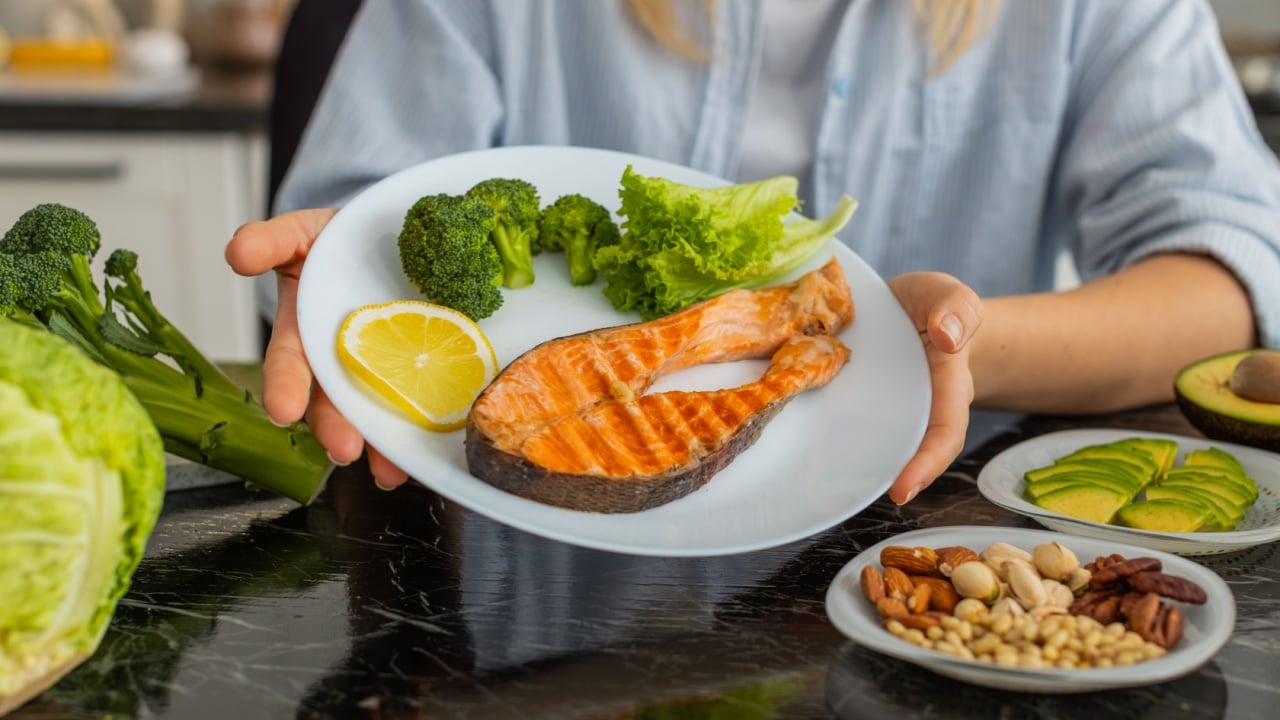
14 Brain Boosting Foods to Add to Your Daily Meals
The human brain requires a steady supply of nutrients to stay sharp, focused, and healthy. While aging is a normal process that changes how the body functions, the food choices you make provide the actual building blocks needed to repair brain cells and memory.
Research shows a clear connection between what people eat and how well their brains function as they grow older. Individuals who consistently choose whole, nutrient-dense foods experience less memory loss and fewer focus issues. Studies reveal that specific vitamins, healthy fats, and plant compounds can directly support the brain’s daily workload.
It helps to realize that the brain is a highly active organ that consumes a lot of energy. It constantly manages thoughts, movements, and senses, producing metabolic waste that can cause cellular damage if not addressed. Protective foods build a natural defense system to reduce this stress before it can harm neural networks.
Here are fourteen food options that provide the nutrients your brain needs. You can use this guide to make easy, step-by-step improvements to your standard meals.
1. Fatty Fish
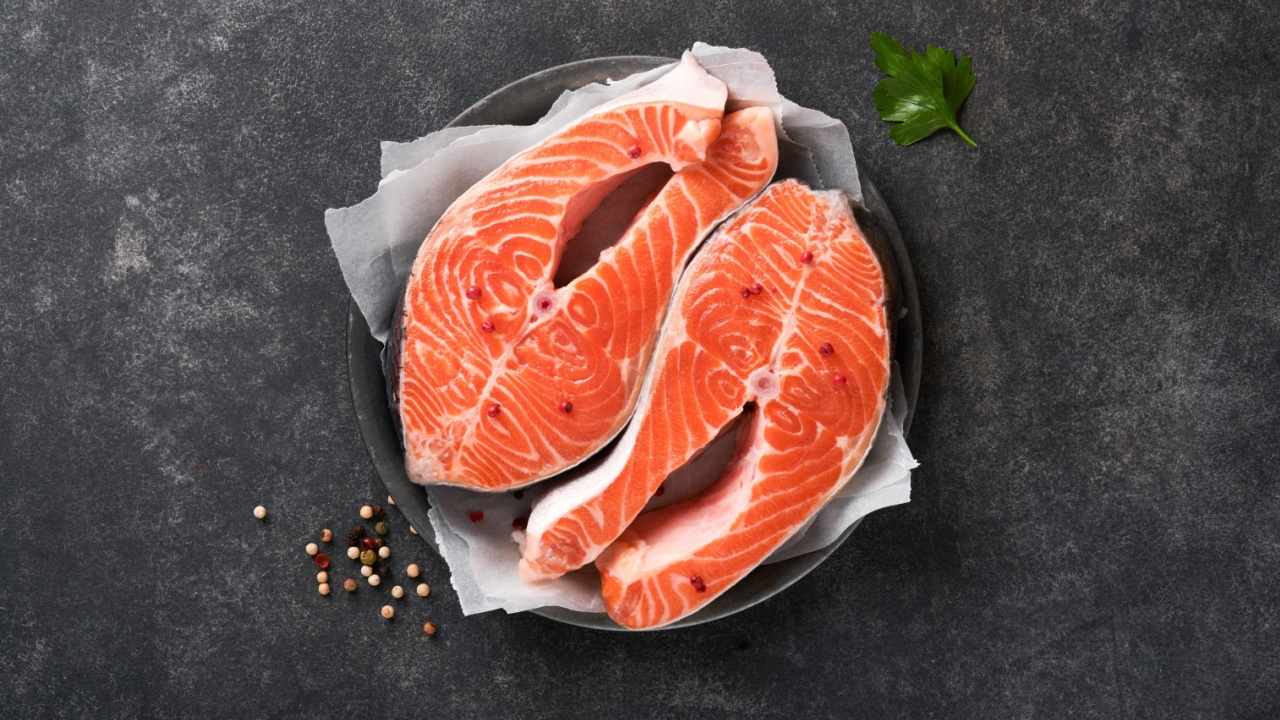
Cold-water fish like salmon, mackerel, sardines, and trout are packed with omega-3 fatty acids. Since the human brain is made up of about sixty percent fat, it relies heavily on these specific lipids to build its physical structure. Consuming these fish varieties gives the body the exact materials it needs to build and maintain strong cell walls throughout the nervous system.
Regularly eating these fats helps lower inflammation and reduces the buildup of harmful proteins that can damage brain tissue. These healthy fats keep cell membranes flexible, which allows messages to travel from one brain cell to another with greater speed. When these cell pathways stay fluid and open, thinking and learning become much easier.
Aiming to serve fatty fish twice a week is a great habit for long-term mental clarity. For those who prefer non-seafood options, choices like walnuts or flaxseeds offer similar plant-based fats, though fish provides the most direct benefit. Baking a simple piece of salmon for dinner is a reliable way to nourish the brain’s physical structure.
2. Blueberries

Berries owe their bright color to a group of natural plant pigments called anthocyanins, which double as powerful antioxidants. These compounds can travel directly from the bloodstream into brain tissue to offer immediate protection. Because the brain uses so much oxygen, it is highly susceptible to cellular damage, and these berry compounds act as a shield against that daily wear.
People who eat berries regularly enjoy better memory retention as they age. The pigments in the fruit work by neutralizing unstable molecules that destroy healthy brain cells and genetic material. At the same time, these compounds improve communication pathways in the areas of the brain responsible for storing new information.
Stirring a handful of fresh or frozen blueberries into breakfast oatmeal or yogurt is an easy way to start the day with these elements. Frozen berries are just as nutritious as fresh ones because the freezing process locks the beneficial plant compounds safely inside.
3. Leafy Green Vegetables

Leafy greens such as spinach, kale, and collard greens provide a wealth of brain-supporting nutrients, including vitamin K, lutein, and folate. Folate is a crucial B vitamin that helps break down specific amino acids in the blood that might otherwise harm blood vessels. Together, these vitamins work to preserve mental sharpness and shield brain cells from premature aging.
Adding just one serving of green vegetables to a daily routine can make a notable difference in keeping the mind young. Vitamin K is especially important because it helps the body create a specific type of fat that protects nerve fibers. Lutein and beta-carotene prevent these layers from breaking down.
Eating a raw spinach salad at lunch or adding a side of cooked kale to dinner fulfills these daily vitamin needs effortlessly. Eating these greens alongside a source of healthy fat, like olive oil, helps the body absorb the fat-soluble vitamins much better.
4. Dark Chocolate

Cacao beans are full of natural plant flavonoids, mild caffeine, and antioxidants that support immediate mental performance. To get the best results, it is important to select chocolate that contains at least seventy percent cacao, as milk chocolate contains too much sugar and too few active nutrients. The helpful compounds in cacao tend to gather in the areas of the brain that handle learning and memory tasks.
Clinical tests using advanced imaging show that eating high-quality dark chocolate improves blood flow to the brain shortly after consumption. This increase in circulation brings fresh oxygen and glucose to brain cells. The natural caffeine works gently alongside these plant compounds to lift energy levels without causing a sudden crash later.
Enjoying a small square of dark chocolate during a busy afternoon offers a satisfying break that also benefits the mind. The bitter components in the cacao stimulate the brain’s ability to adapt and form new connections, a process known as neuroplasticity.
5. Eggs

Eggs are a highly accessible source of vital B vitamins, including B6, B12, and folate, along with a rich amount of a nutrient called choline. Choline is used by the body to produce acetylcholine, a chemical that manages memory, mood, and cell communication. Since the human body cannot make enough choline on its own, getting it from food is a priority for brain health.
A lack of proper B vitamins is frequently connected to faster brain shrinking and memory issues in older populations. Vitamins B6 and B12 work together to support energy production inside brain cells and maintain the protective coatings around nerves. It is necessary to eat the whole egg to receive these benefits, as the yolk contains almost all of these essential fats and vitamins.
Preparing scrambled or poached eggs in the morning establishes a solid foundation of choline for the busy hours ahead. This protein-rich breakfast choice keeps blood sugar steady, preventing the sudden drops in focus that happen after eating a sugary meal.
6. Walnuts

Walnuts provide a high amount of a plant-based omega-3 fat called alpha-linolenic acid. They are also packed with vitamin E and plant polyphenols, which act as a defense for cellular membranes throughout the body. The combination of these fats and vitamins makes these nuts an excellent option for protecting both blood vessels and nerve cells.
Eating walnuts regularly helps with faster thinking, higher memory scores, and better problem-solving skills. The plant chemicals found in walnuts also reduce inflammatory responses in the brain. By supporting the tiny blood vessels that feed the brain, these nutrients keep the whole system operating smoothly.
Adding chopped walnuts to a midday salad, morning cereal, or side dish introduces these beneficial fats to a meal with minimal effort. Because nuts contain a high concentration of energy, a simple one-ounce portion each day is all that is required to gain their full protective traits.
7. Coffee

A cup of coffee offers a mix of caffeine and antioxidants that can boost mental energy. The caffeine works by blocking adenosine, a chemical that builds up during the day and causes sleepiness. By blocking this chemical, coffee helps natural stimulants like dopamine work better, making a person feel more alert.
Studies suggest that people who drink coffee regularly (in moderate amounts) may have a lower risk of memory problems later in life. The antioxidants in coffee help protect the brain from damage caused by free radicals. This means coffee can provide both a short-term boost in focus and long-term brain protection.
Drinking one or two cups during the morning hours provides the desired focus without interfering with natural sleep cycles later that night.
8. Green Tea

Green tea contains an impressive mix of mild caffeine, protective polyphenols, and a unique amino acid known as L-theanine. While the caffeine provides a gentle lift in energy, the L-theanine increases calming brain chemicals to prevent feelings of anxiety or tension.
It also produces a state of relaxed focus, avoiding the shaky, nervous feeling that often comes with standard energy drinks. The main antioxidant in green tea, called EGCG, protects delicate nerve cells from toxins and supports structural health. This makes the tea an exceptional beverage option when tackling mentally demanding tasks.
Swapping out a sugary afternoon drink for a hot cup of green tea supplies the body with a clean, stable source of mental clarity. The lower amount of caffeine means it will not disrupt sleep.
9. Broccoli

Broccoli contains specialized plant compounds that lower oxidative stress and safeguard brain pathways. On top of that, a single serving of broccoli supplies more than the daily requirement of vitamin K. This fat-soluble vitamin is essential for producing the fats that form the outer shell of every brain cell.
Compounds in broccoli can activate the body’s natural detoxification processes, which help neutralize cell damage. Broccoli is also rich in fiber, which promotes healthy gut bacteria that communicate with the brain. This gut-brain connection shows how a healthy digestive system can improve mental clarity and mood.
Steaming broccoli as a side dish or adding it to stir-fries is an easy way to include it in a diet. Light cooking methods like steaming are best because they preserve the vegetable’s sensitive enzymes. This common vegetable helps support the brain’s communication networks.
10. Turmeric

Turmeric is commonly found in curry powder, and it contains an active chemical compound called curcumin. Curcumin is unique because it can cross the blood-brain barrier to target inflammation and oxidative stress directly inside the brain. It also supports a vital growth hormone called BDNF, which prompts the brain to produce fresh cells and maintain older ones.
Curcumin helps break up abnormal protein fragments that can form between brain cells and disrupt memory over time. By turning down inflammatory signals, the spice creates a much healthier internal environment for the brain, leading to improved memory and better emotional balance.
Shaking turmeric powder into soups, stews, or roasted vegetables is a simple way to introduce this spice into everyday home cooking. Adding a pinch of black pepper increases the body’s ability to absorb curcumin massively.
11. Pumpkin Seeds
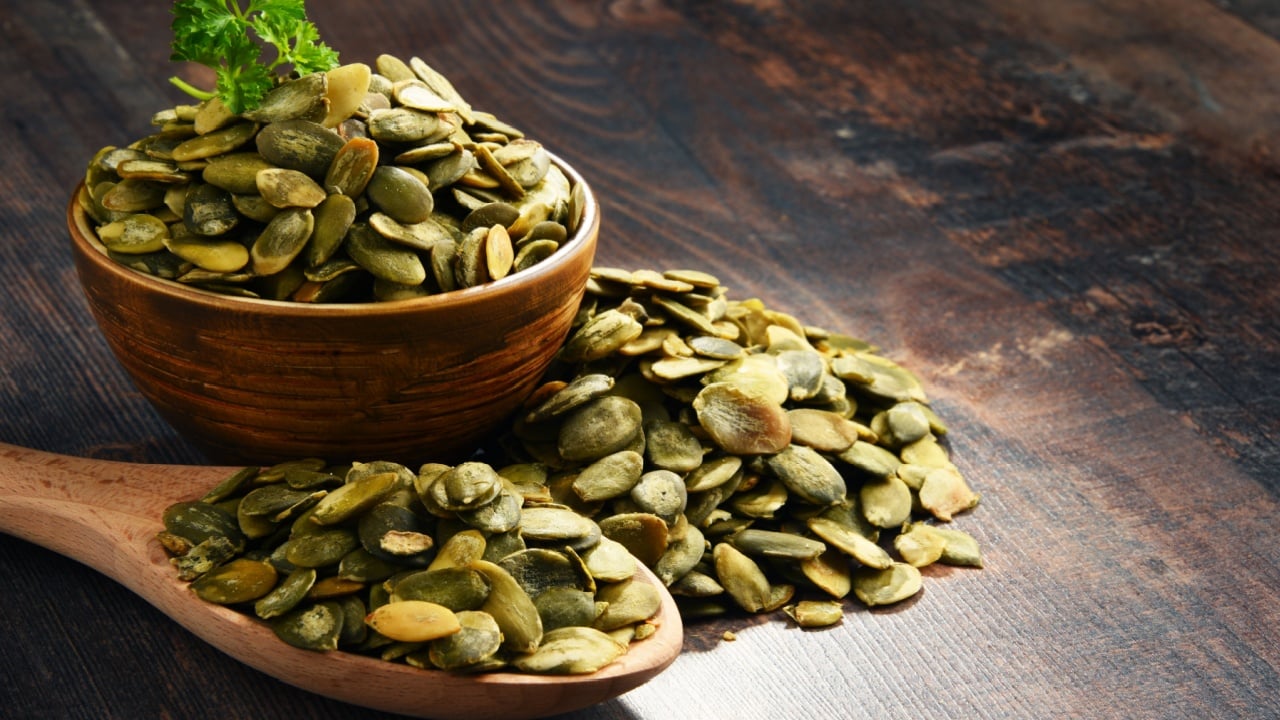
Pumpkin seeds are a great source of important minerals like zinc, magnesium, copper, and iron, all of which help the nervous system. Zinc is important for memory, while magnesium supports learning and reduces mental fatigue. Copper helps manage iron, and a lack of iron can cause brain fog and poor focus due to less oxygen reaching the brain.
Eating pumpkin seeds regularly helps keep these mineral levels balanced, supporting brain function. A handful of seeds can provide a quick boost of these essential nutrients. This simple habit gives the nervous system the resources it needs for daily tasks.
It’s easy to add pumpkin seeds to a diet. They can be tossed on a salad, blended into a smoothie, or eaten raw. Because they have a long shelf life, they are a convenient ingredient to keep on hand for a nutritional boost.
12. Avocados

Avocados are rich in monounsaturated fats, which are healthy fats that support blood circulation. Good blood flow is vital for the brain, as it delivers oxygen and nutrients, leading to a sharper mind. These healthy fats also help lower the risk of long-term cognitive problems related to poor circulation.
Monounsaturated fats also protect the brain’s white matter, which is responsible for sending signals between different brain regions. Avocados contain folate and vitamin K, which help preserve memory. This fruit supports both the circulatory system and nerve pathways.
Adding avocado to toast or a sandwich is an easy way to include these beneficial fats in a meal. A small portion each day can provide significant brain support without adding too many calories, making it easier for the body to transport nutrients to the brain.
13. Whole Grains
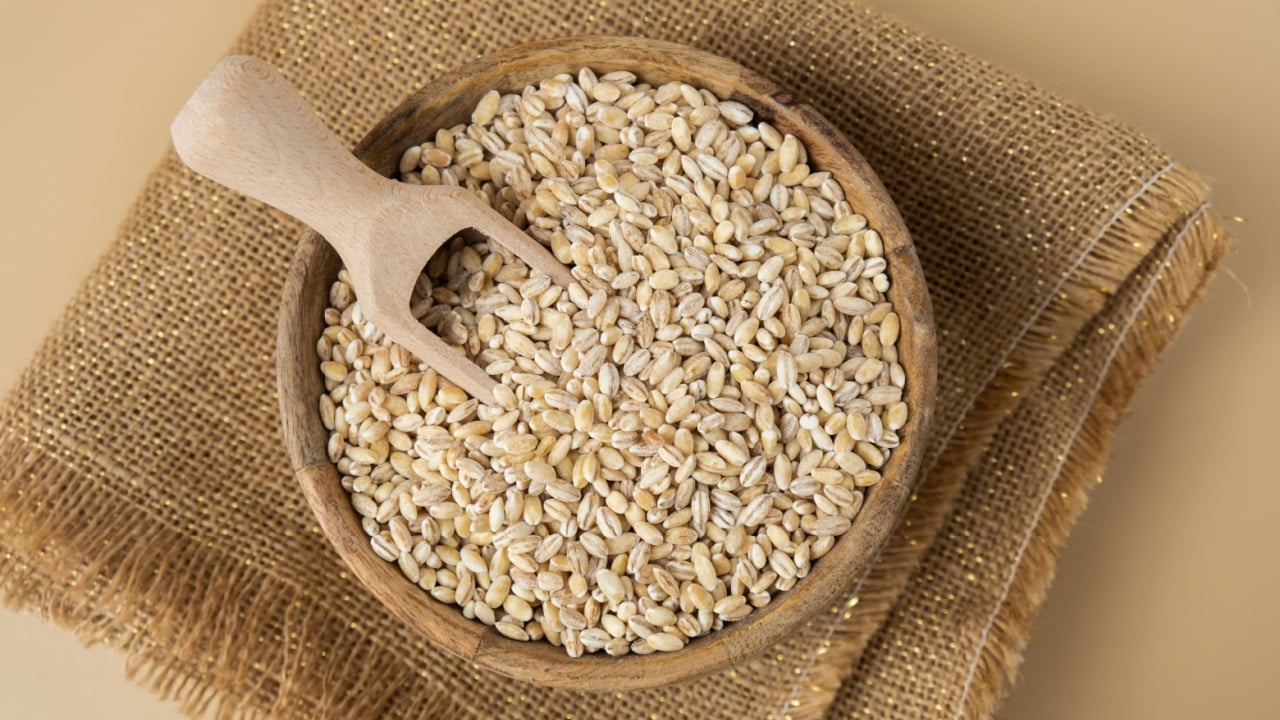
Whole grains like oatmeal, brown rice, and quinoa give the brain a steady supply of glucose, its main fuel. Unlike refined grains that cause energy spikes and crashes, whole grains digest slowly. This gradual process helps maintain focus and prevents dips in attention throughout the day.
Stable blood sugar levels allow the brain to function consistently. Whole grains also contain B vitamins, which help convert food into energy for brain cells. This steady fuel source meets the high energy demands of complex mental activities.
Simple dietary changes, like choosing steel-cut oats for breakfast or swapping white rice for quinoa, can provide a reliable source of complex carbohydrates. These adjustments help prevent the mental fog that can follow meals with highly processed foods, keeping the mind sharp all day.
14. Beans and Lentils
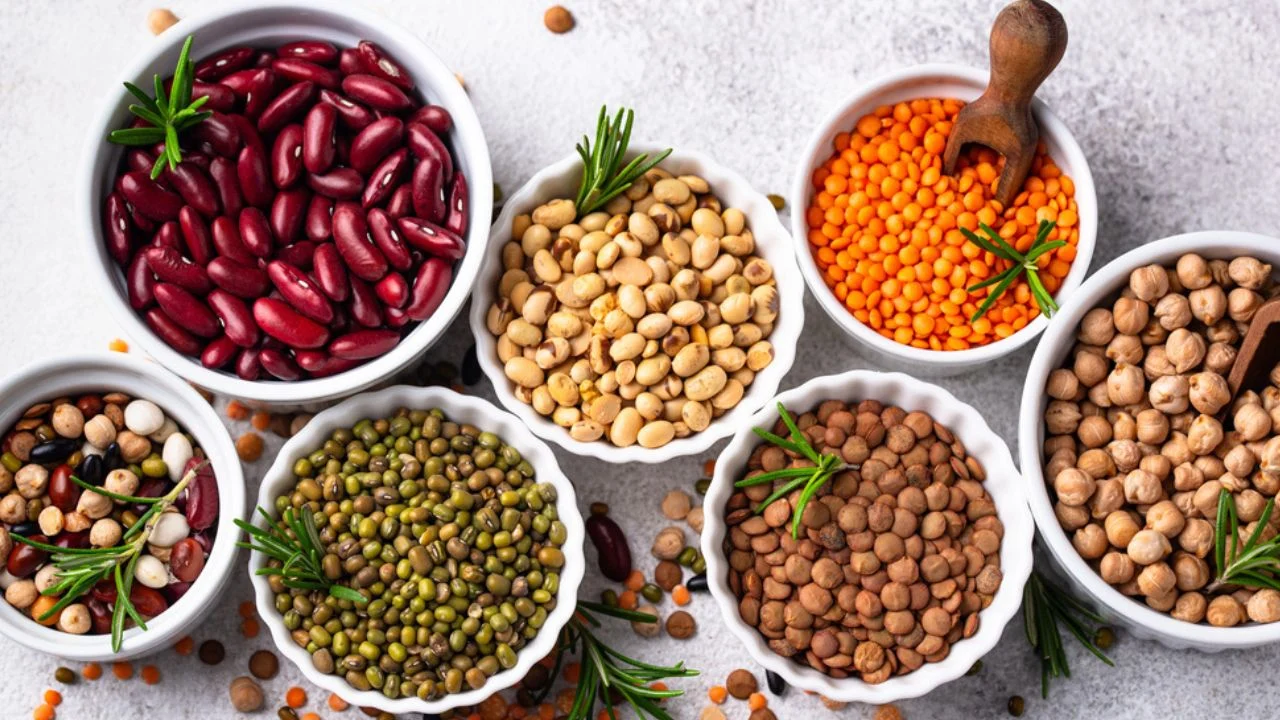
Beans, chickpeas, and lentils provide a mix of complex carbohydrates, plant-based protein, and B vitamins like folate. Their high fiber content slows the release of sugar into the bloodstream, offering a steady supply of energy to the brain. This helps maintain mental stamina during long periods of work or study.
The folate in lentils supports healthy blood vessels in the brain. Beans are also a good source of iron, which is essential for carrying oxygen to the body’s tissues. A well-oxygenated brain is crucial for clear thinking and avoiding mental fatigue.
Adding a half-cup of lentils to soup or black beans to a lunch bowl is an easy way to improve one’s diet. This practice helps stabilize energy levels and reduces the need for sugary snacks that lead to afternoon crashes, building a strong foundation for cognitive endurance.
Fuel Your Brain for the Future

Protecting brain health can be achieved by replacing processed, sugary foods with a variety of whole foods. Including items rich in omega-3s, antioxidants, and essential minerals creates a strong defense for the nervous system.
Making small, consistent changes to daily meals is a sustainable way to keep the mind sharp for years.
Read More:
Dietitians Say You Should Be Eating These 14 Foods Way More Often
6 Foods Worth Stocking in the Kitchen for Their Anti-Aging Properties