
Dietitians Say You Should Be Eating These 14 Foods Way More Often
Walking down the aisles of a modern grocery store, thousands of choices surround you, yet it’s so easy to grab the same five vegetables and three proteins every single week. We often fall into these “food ruts” because they are familiar, fast, and reliable. But while those staples are fine, staying in that routine means your body might be missing out on a much wider world of flavor and vital nutrients.
This exact habit is what led Alexandra Caspero from Delish Knowledge to ask her fellow dietitians: “What are the foods we should all be eating more of?” Their answers consistently pointed toward ingredients rich in vitamins, minerals, fiber, and healthy fats. The experts agree that small shifts in what you put in your cart can lead to a huge boost in your daily energy and long-term health. It’s all about adding a bit more variety to your plate.
The best part is that eating like an expert doesn’t have to be expensive or difficult. Most dietitian-approved “powerhouses” are affordable, shelf-stable, and readily available in your local supermarket. These foods give your body a massive amount of health benefits for very little effort.
This guide will help you spot those hidden gems that usually get overlooked during a busy shopping trip. We’ll look at specific foods that can easily join your weekly rotation and explain the simple science of why they help you feel your best.
1. Lentils
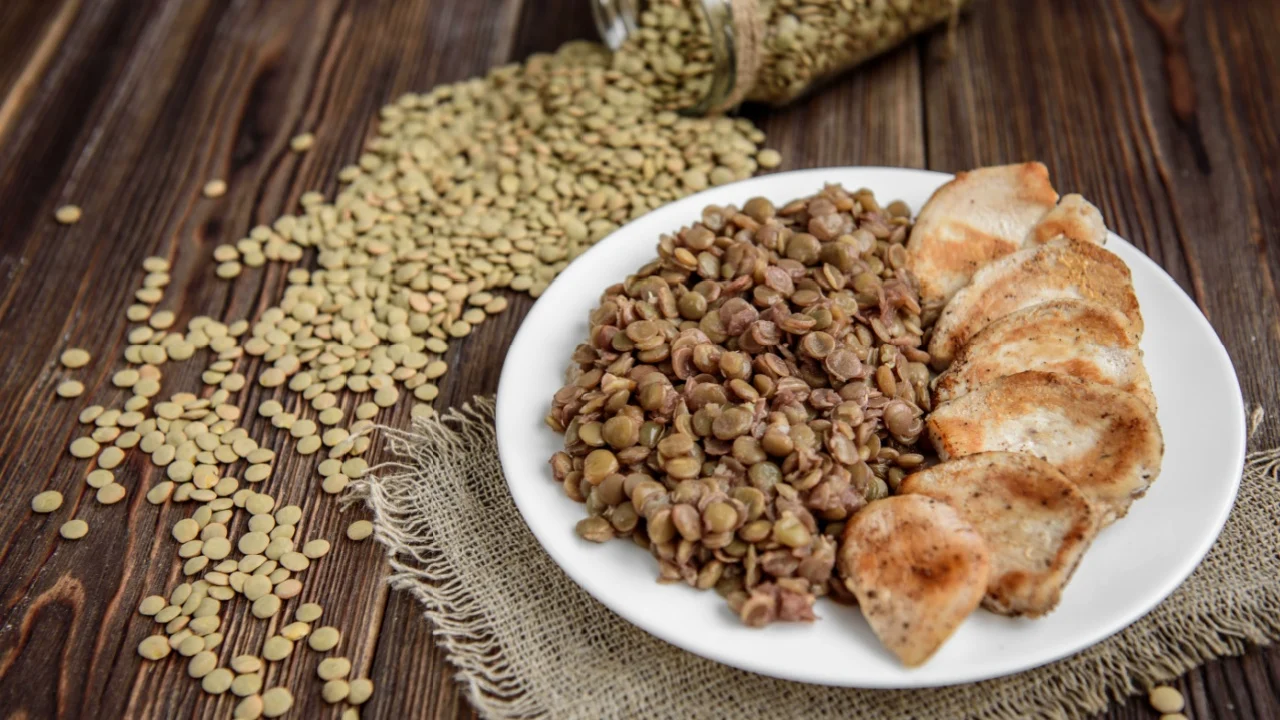
Lentils are a staple for those looking to increase protein intake without relying solely on animal products. These small legumes are packed with folate and iron, which support blood health and energy production. They cook much faster than dried beans and do not require soaking, which makes them a great option for quick weeknight meals.
Dietitians recommend lentils because they are an incredible source of soluble fiber. This specific type of fiber helps maintain steady blood sugar levels and supports a healthy gut microbiome. They act as a hearty base for soups or a protein-rich topping for grain bowls.
Buying pre-cooked steamed lentils in the produce section saves even more time. Toss them with lemon juice and herbs for a fast side dish. Storing dried lentils in a cool, dark place keeps them fresh for up to a year.
2. Raspberries

Berries are often praised for their sweetness, but raspberries stand out due to their exceptionally high fiber content. One cup provides eight grams of fiber, which is nearly a third of the daily recommended amount for many people. They also contain antioxidants that help protect cells from oxidative stress.
These fruits are a top choice for heart health and digestion. The combination of low sugar and high fiber makes them an ideal snack that prevents energy crashes. Dietitians suggest them as a way to satisfy a sweet craving while providing actual substance to the body.
Frozen raspberries are just as nutritious as fresh ones and last much longer. Add them to morning oats or blend them into a smoothie for a concentrated boost of vitamins. Rinsing them right before eating prevents them from becoming mushy in the fridge.
3. Walnuts

Walnuts are unique among nuts because they contain high levels of alpha-linolenic acid, a plant-based omega-3 fatty acid. These fats are essential for brain function and reducing inflammation throughout the body. Having a handful nearby provides a satisfying crunch along with significant neurological benefits.
Experts suggest walnuts to help improve cognitive health and manage cholesterol levels. The healthy fats found in these nuts are satiating, which helps control appetite between meals. They offer a simple way to get essential fats that the body cannot produce on its own.
Store walnuts in the refrigerator or freezer to prevent the natural oils from going rancid. Toasted walnuts have a deeper flavor and can be used to add texture to roasted vegetables. They work well as a replacement for croutons in salads.
4. Hemp Seeds
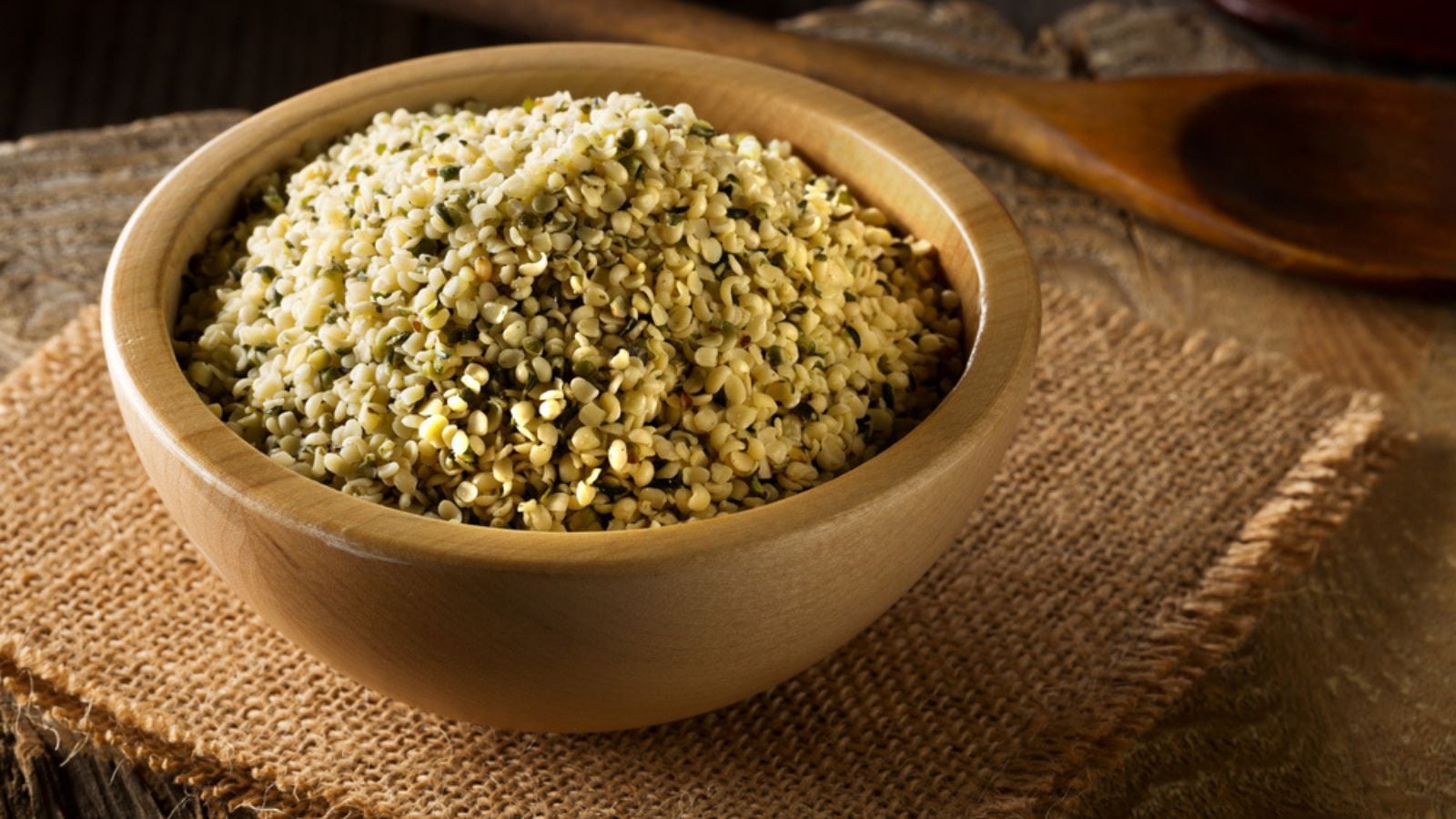
These tiny seeds are a complete protein source containing all nine essential amino acids. They are also rich in vitamin E and minerals like phosphorus, potassium, and magnesium. Because they have a mild nutty flavor, they can be added to almost any dish without changing the taste profile significantly.
Dietitians advocate for hemp seeds because they provide a balance of omega-3 and omega-6 fatty acids. This balance helps maintain healthy skin and support the immune system. They are an easy way to add nutritional density to meals due to their versatility.
Sprinkle hemp hearts over avocado toast or yogurt for an effortless boost. Keep the bag in the fridge after opening to maintain the integrity of the delicate fats. They do not require grinding like flax seeds, so they are ready to use immediately.
5. Canned Wild Salmon
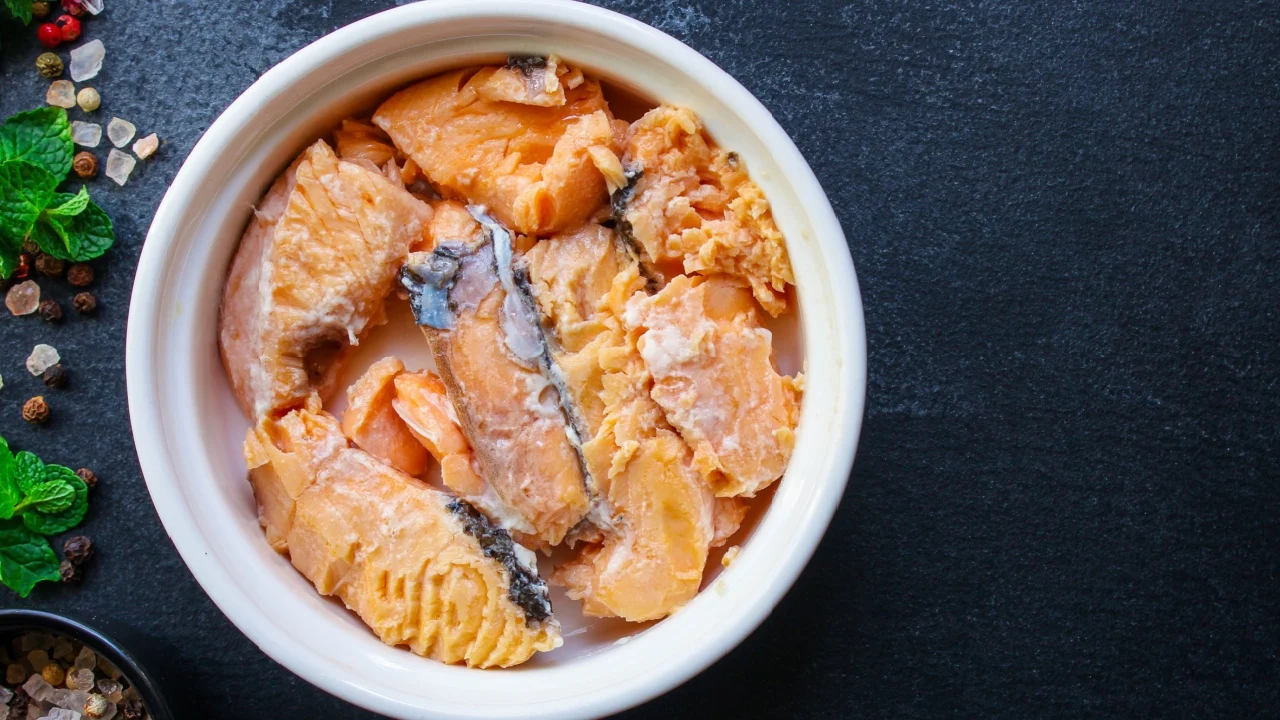
Canned salmon is an accessible way to get high-quality protein and vitamin D. Choosing wild-caught varieties often means a higher concentration of omega-3 fatty acids and lower levels of contaminants. It is a shelf-stable option that makes eating seafood much more convenient.
This food is a powerhouse for bone health because the soft edible bones found in canned versions provide a great source of calcium. Nutritionists often suggest this as a budget-friendly alternative to fresh fillets. It supports both heart health and skeletal strength simultaneously.
Mix canned salmon with Greek yogurt and mustard for a healthier take on a traditional fish salad. Look for cans labeled as BPA-free to reduce exposure to chemicals. It works well in pasta dishes or as a topper for a large green salad.
6. Sardines

Sardines are often overlooked, but they are one of the most nutrient-dense foods available. They sit low on the food chain, which means they contain very low levels of mercury compared to larger fish. They are loaded with vitamin B12, which is vital for nerve function and DNA synthesis.
Dietitians love sardines because they offer a massive dose of EPA and DHA fatty acids. These specific fats are linked to improved mood and cardiovascular protection. They are portable and inexpensive protein sources that require zero cooking.
Try mashing sardines onto whole-grain crackers with a squeeze of lime to balance the richness. Choosing sardines packed in olive oil adds an extra layer of healthy monounsaturated fats. They are a simple addition to a Mediterranean-style snack plate.
7. Kimchi
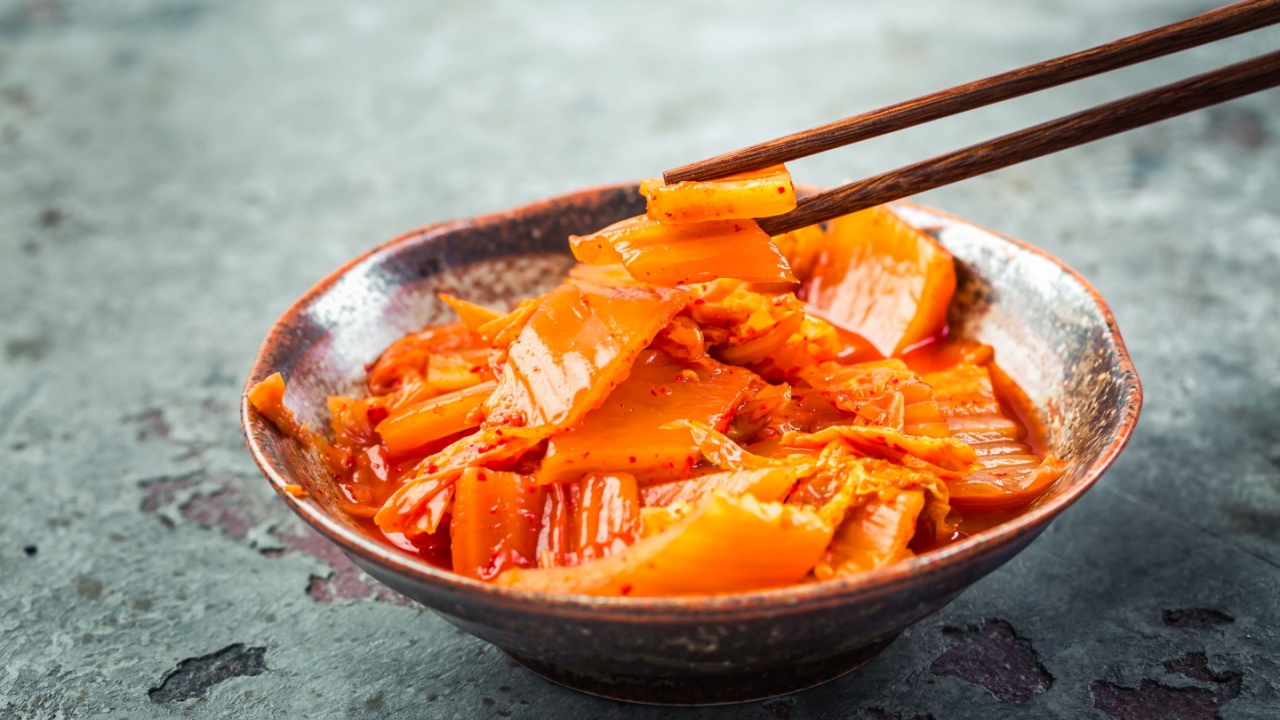
Fermented foods like kimchi introduce beneficial probiotics into the digestive system. This spicy Korean staple is made from fermented vegetables, providing both fiber and live active cultures. A healthy gut is linked to better immunity and even improved mental clarity.
Experts suggest fermented cabbage to support the diversity of bacteria in the gut. This helps with digestion and can reduce bloating over time. It is a flavorful way to add more vegetables to a meal while gaining the benefits of fermentation.
Add a spoonful of kimchi to fried rice or use it as a garnish for grilled proteins. Always check the label to ensure the product is raw and unpasteurized so the probiotics stay alive. It stays fresh in the refrigerator for several months.
8. Beans
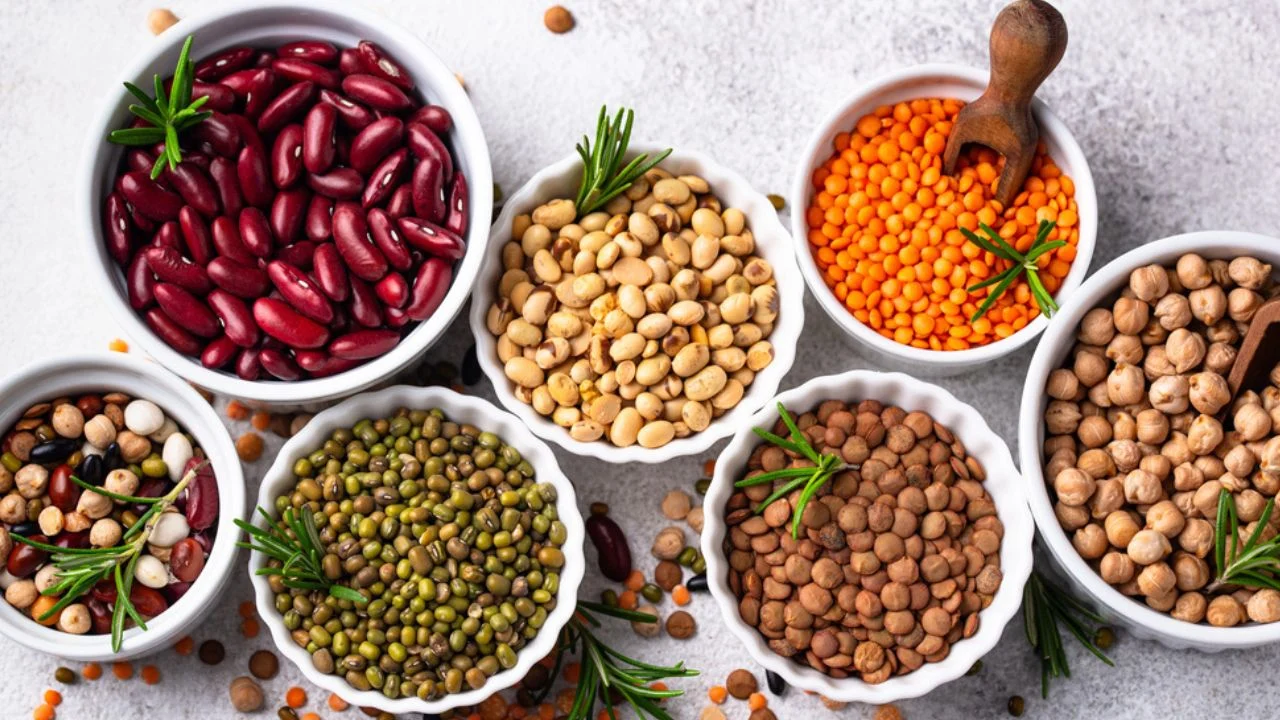
Whether it is black, pinto, or kidney beans, these legumes are a foundation of a high-fiber diet. They are incredibly affordable and provide a slow release of energy that keeps the body fueled for hours. They also contain significant amounts of potassium and magnesium.
Dietitians emphasize beans because they are effective at lowering LDL cholesterol. The fiber binds to cholesterol in the digestive tract and helps remove it from the body. They are one of the most versatile pantry staples for creating filling, meatless meals.
Rinse canned beans thoroughly to remove excess sodium before using them. Mashing beans into a paste makes an excellent spread for sandwiches or a thickener for stews. Experimenting with different varieties prevents boredom and introduces different textures to the diet.
9. Chia Seeds
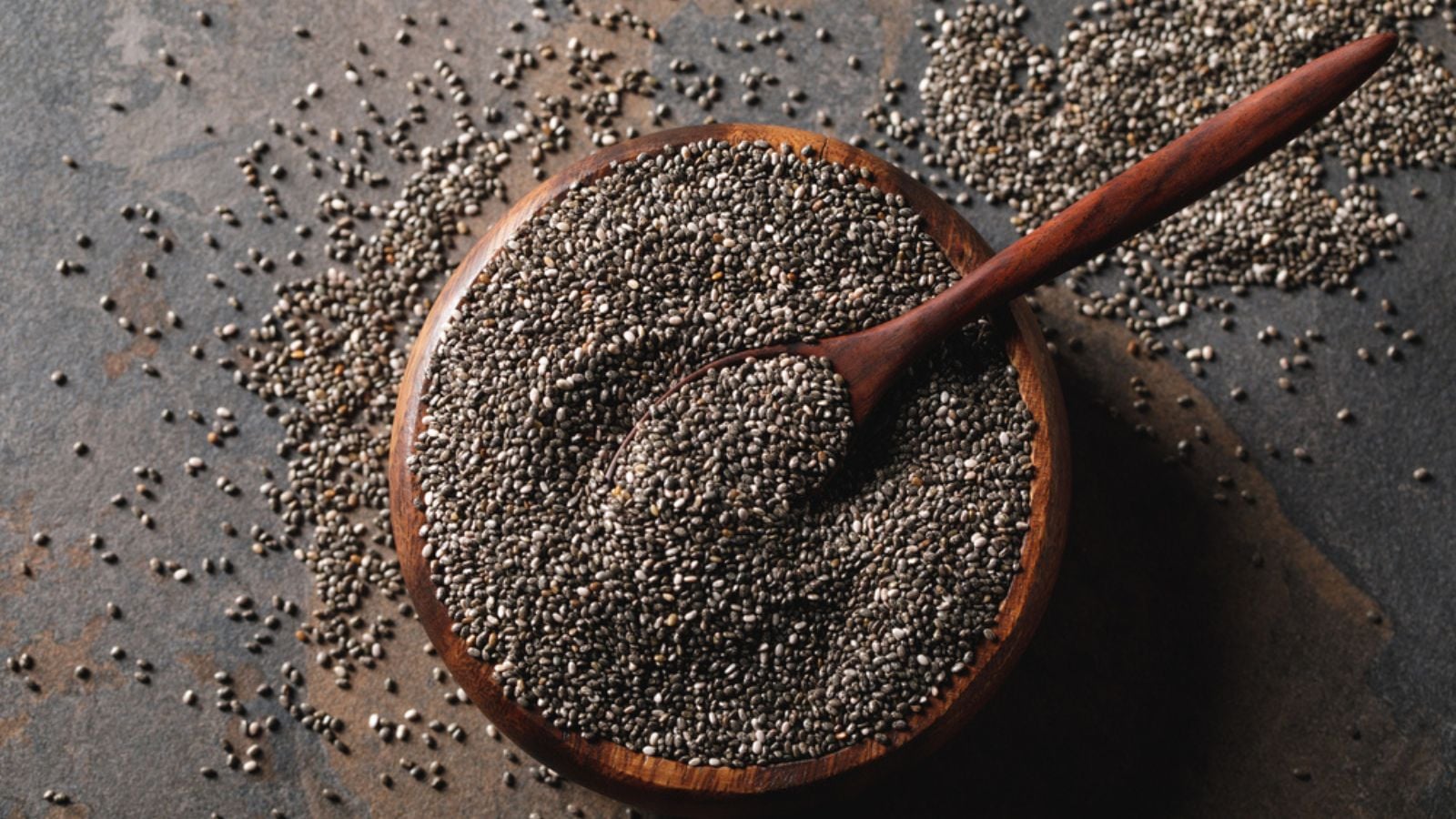
Chia seeds are famous for their ability to absorb many times their weight in liquid. This creates a gel-like substance that helps with hydration and keeps the digestive system moving smoothly. They are an excellent source of fiber and plant-based calcium.
These seeds are recommended for their ability to promote fullness and stabilize energy levels throughout the day. Because they are tasteless, they can be added to liquids or baked goods without a struggle. They are a simple tool for improving the nutritional profile of breakfast.
Create a simple pudding by soaking the seeds in plant milk overnight. They can also be used as an egg replacement in vegan baking by mixing one tablespoon of seeds with three tablespoons of water. Keeping them in a sealed jar ensures they stay dry and ready for use.
10. Seaweed
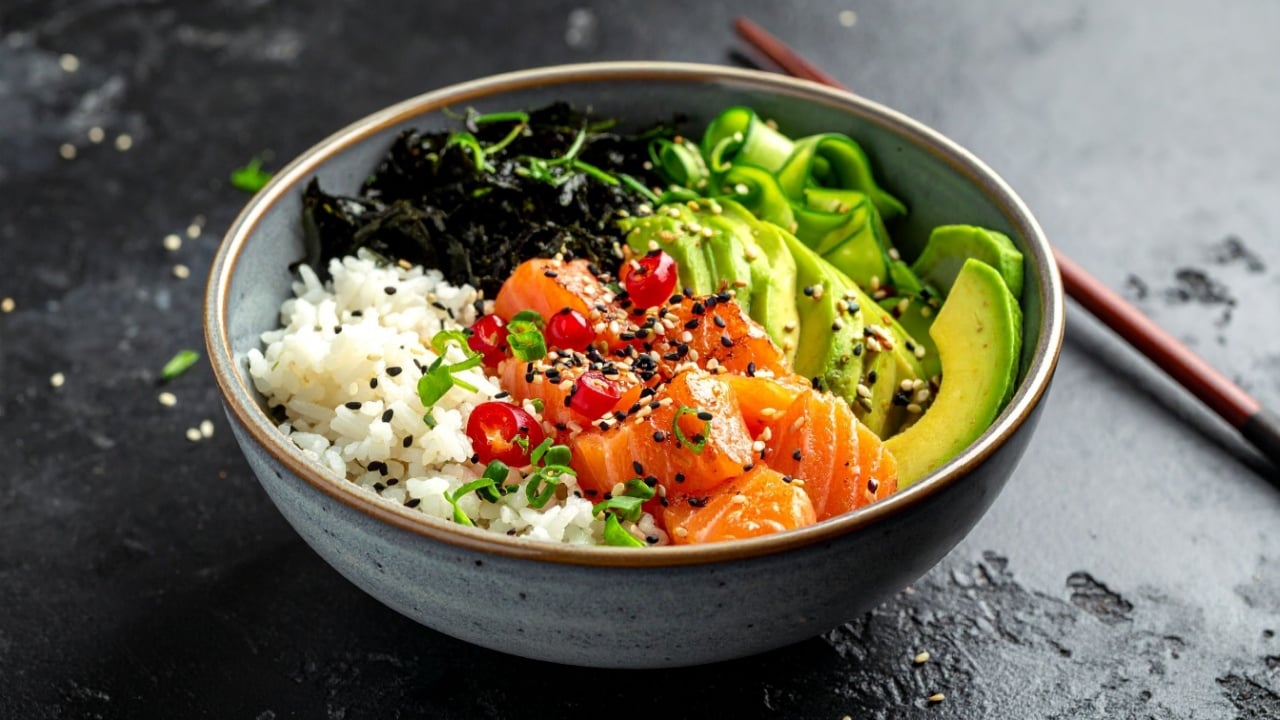
Seaweed is a unique source of iodine, which is a mineral essential for healthy thyroid function. Most people do not get enough iodine in their standard diet unless they use iodized salt. It also contains unique antioxidants not found in land-based plants.
Nutritionists suggest incorporating seaweed to support metabolic health. Dried seaweed snacks are a low-calorie way to satisfy a craving for something salty and crunchy. It offers a spectrum of minerals, including calcium and magnesium, in a bioavailable form.
Crumble dried nori sheets over a bowl of rice or popcorn for an umami flavor boost. Look for varieties with minimal added oils or sugars to keep the snack as healthy as possible. It is a fast way to add minerals to a quick lunch.
11. Sauerkraut

Like kimchi, sauerkraut is a fermented cabbage product that provides a high dose of probiotics. It is generally milder in flavor and fits well with many Western-style dishes. It is also a good source of vitamin C and vitamin K.
Dietitians recommend raw sauerkraut to help balance the gut flora and support the intestinal barrier. This is particularly helpful after a round of antibiotics or during times of high stress. It provides a crisp texture and a bright acidity to heavy meals.
Search for sauerkraut in the refrigerated section rather than the shelf-stable aisles to get live cultures. A small serving of two tablespoons a day is enough to provide significant benefits. It pairs perfectly with sausages or mixed into a potato salad.
12. Flax Seeds
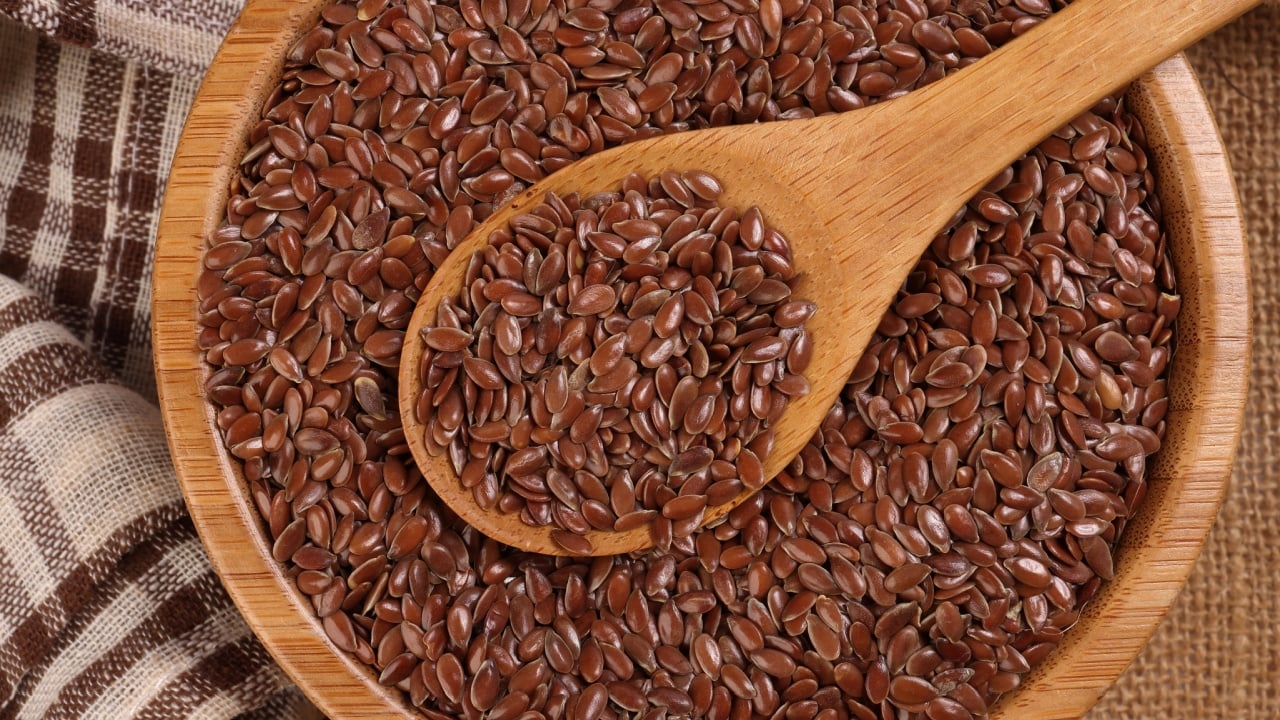
Flax seeds are a top source of lignans (compounds that have antioxidant qualities). They are also very high in mucilaginous fiber, which provides special support to the intestinal tract. They help in managing healthy hormone levels and reducing inflammation.
Experts advise using ground flax seeds because the whole seeds often pass through the body undigested. Grinding them unlocks the nutrients so the body can actually absorb the omega-3s and fiber. They are a simple addition to a morning routine for long-term health.
Purchase whole seeds and grind them in small batches using a coffee grinder for the freshest taste. Add the ground meal to pancake batter or sprinkle it over cereal. Store the ground seeds in the freezer to protect the sensitive oils from light and heat.
13. Edamame
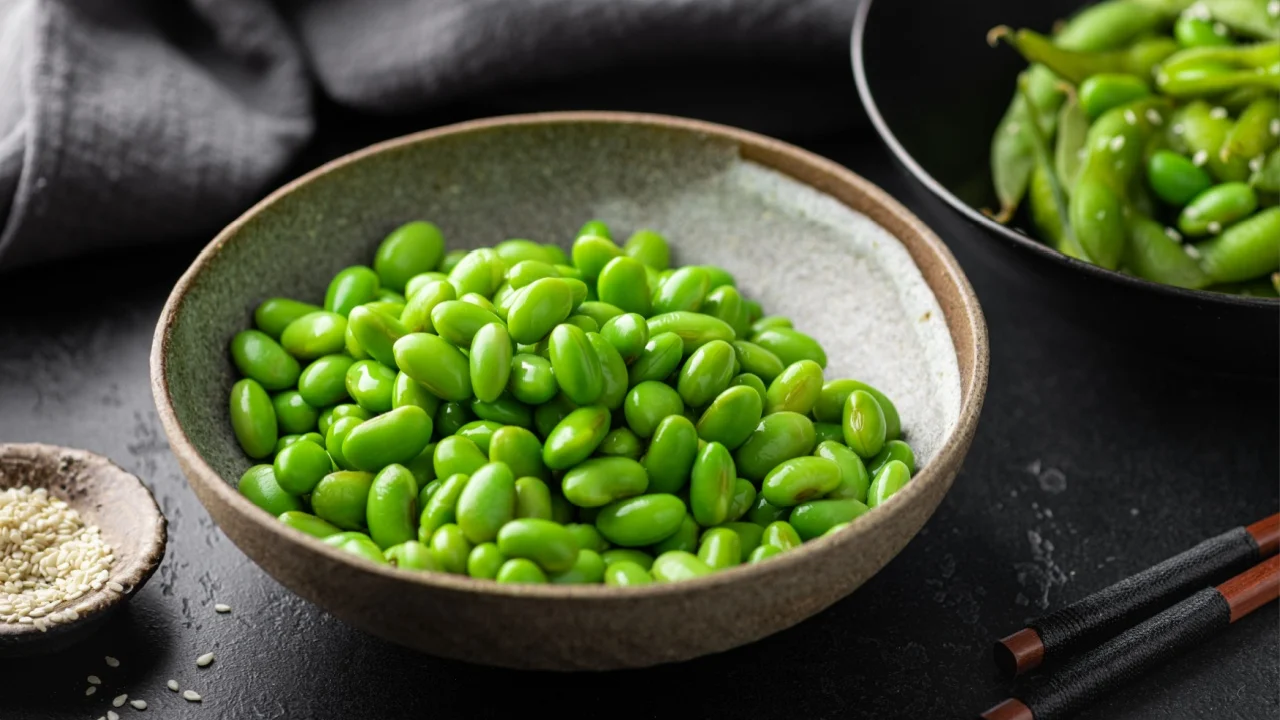
Edamame are young soybeans that are harvested before they have hardened. They are a complete protein and provide a significant amount of fiber in every serving. They also contain isoflavones, which are beneficial for heart and bone health.
Dietitians suggest edamame as a high-protein snack that is also fun to eat. They are particularly useful for those moving toward a plant-based diet who need reliable protein sources. They offer a satisfying chew and a mild, sweet flavor.
Buy them frozen in the pod for a quick snack that only requires a few minutes of steaming. Shelled edamame can be tossed into salads or pasta dishes for an instant protein upgrade. A light sprinkle of sea salt is all they need for flavor.
14. Greek Yogurt

Greek yogurt is strained to remove the liquid whey, which results in a thicker product with double the protein of regular yogurt. It is also a significant source of probiotics and bone-building calcium. It is one of the most effective ways to feel full and satisfied.
Nutritionists recommend the plain unsweetened version to avoid the high amounts of added sugar found in flavored varieties. It serves as a versatile base for both sweet and savory applications. It provides the building blocks for muscle repair and maintenance.
Use Greek yogurt as a substitute for sour cream on tacos or in baked potatoes to increase protein. Adding fresh fruit or a drizzle of honey allows for control over the sweetness level. It is an easy way to make a creamy dressing without using heavy oils.
Culinary Momentum

Expanding a diet is a gradual process that works best when it feels like an addition rather than a restriction. Select two or three items from this list and add them to the grocery cart during the next visit.
Trying a new preparation method or a different pairing can make an unfamiliar food become a staple. Building a diverse plate ensures the body receives a wide spectrum of support for daily life. Consistent small changes in food choices lead to a more resilient and energetic lifestyle without the need for complicated rules.
Read More:
16 Secret Ingredients to Stock and Take Meals to the Next Level