8 Gardening Myths That Aren’t Doing Your Yard Any Favors
Good garden advice gets passed around a lot. Bad advice does, too, and some of it sticks for years.
A lot of yard tips sound helpful at first. Yet many common beliefs can lead to weaker plants, poor soil, and wasted effort.
Gardening works best when you match your care to how plants and soil actually behave. Small changes in habit can make a big difference in how your yard looks and grows.
This article clears up eight gardening myths that may be holding your yard back and shows what to do instead.
1. Compost Piles Smell Bad
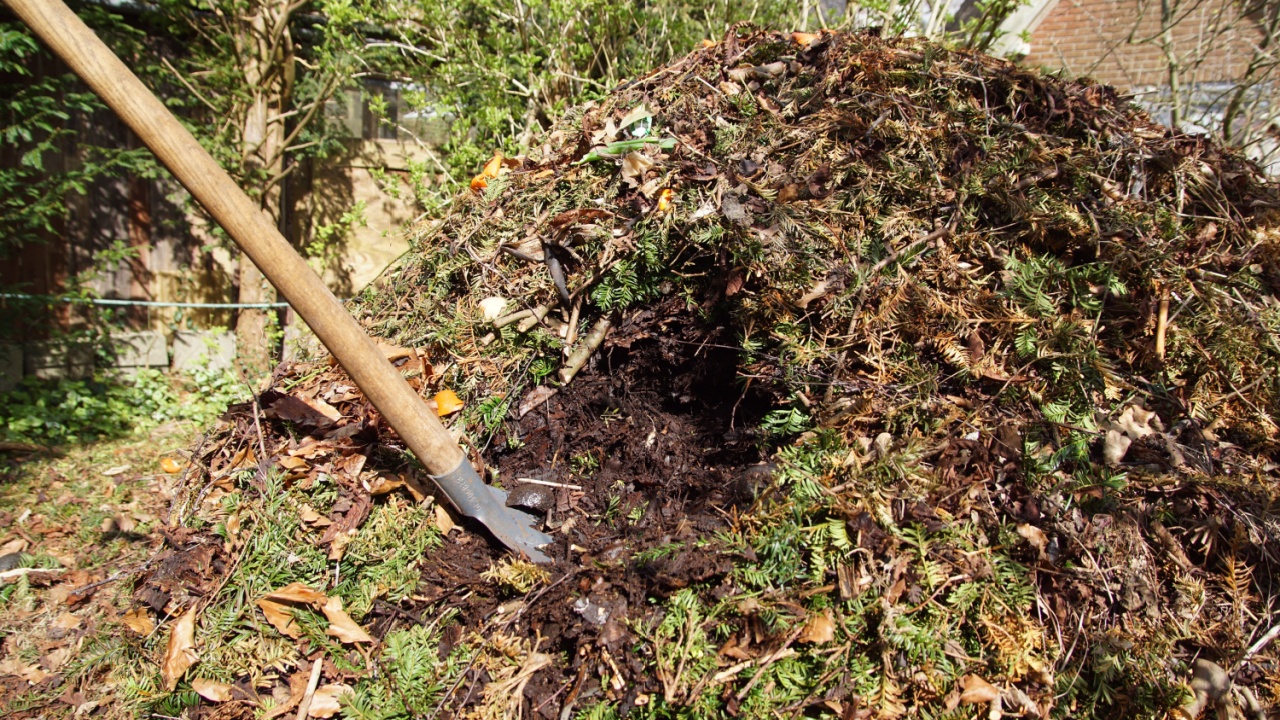
A healthy compost pile should smell earthy and mild, like damp soil in the garden. Bad odors usually mean the pile is out of balance, often from too many wet green materials such as grass clippings or kitchen scraps.
Poor airflow can make that problem worse by creating soggy, low-oxygen conditions. When that happens, the pile starts to rot instead of breaking down well.
To fix it, add dry brown materials like leaves, shredded paper, or straw and turn the pile to bring in air. Keep the mix moist like a wrung-out sponge, not soaked.
If you manage the balance well, compost becomes a clean, useful way to recycle yard and kitchen waste. The result is rich organic matter that improves soil structure and plant health.
2. Sand Fixes Clay Soil
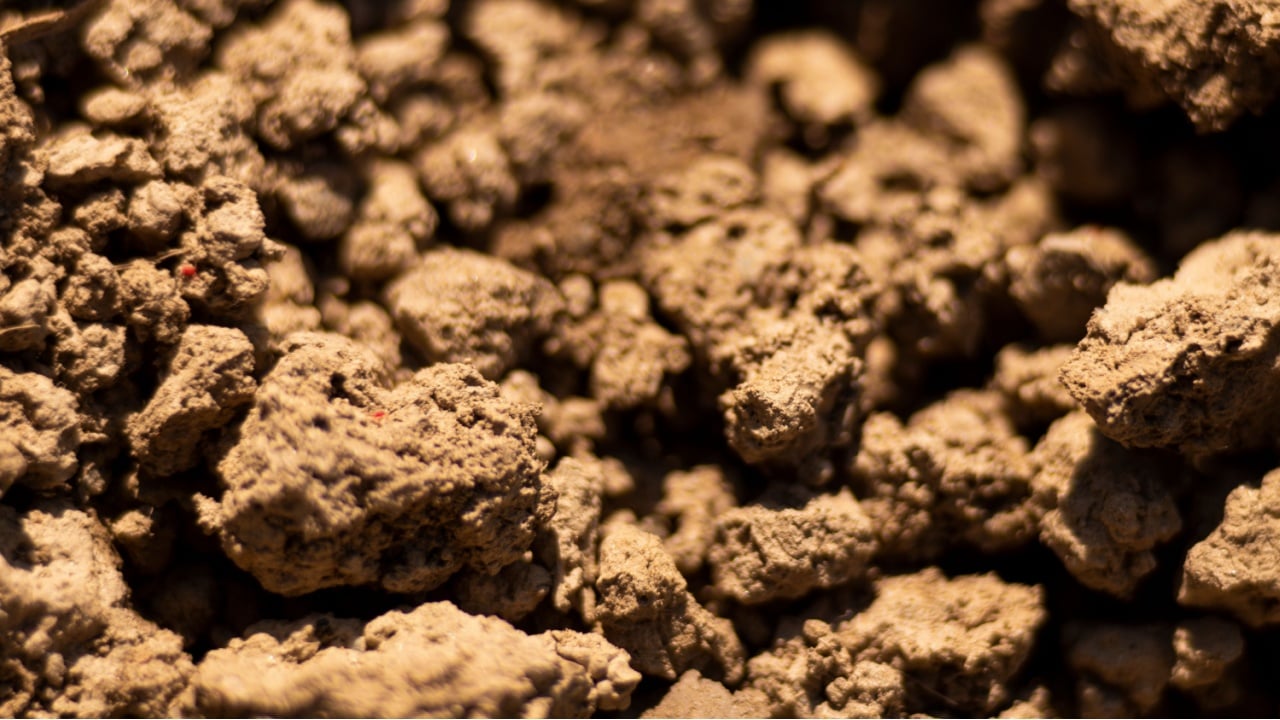
Clay soil is dense, sticky when wet, and hard when dry, so it is easy to see why many gardeners reach for sand. The trouble is that mixing small amounts of sand into clay often creates a packed, cement-like texture.
Instead of loosening the soil, it can make drainage and root growth even worse. Soil texture changes only when the balance of particle sizes shifts a lot, and that takes far more sand than most yards can handle.
A better choice is compost, leaf mold, or other organic matter worked into the top layer of soil. These materials help clay soil hold air, drain better, and become easier for roots to move through.
Repeated additions improve the soil structure in a gentler, more lasting way. Mulching the surface also helps reduce compaction and supports the life in the soil that keeps it healthier.
3. Landscape Fabric Prevents Weeds
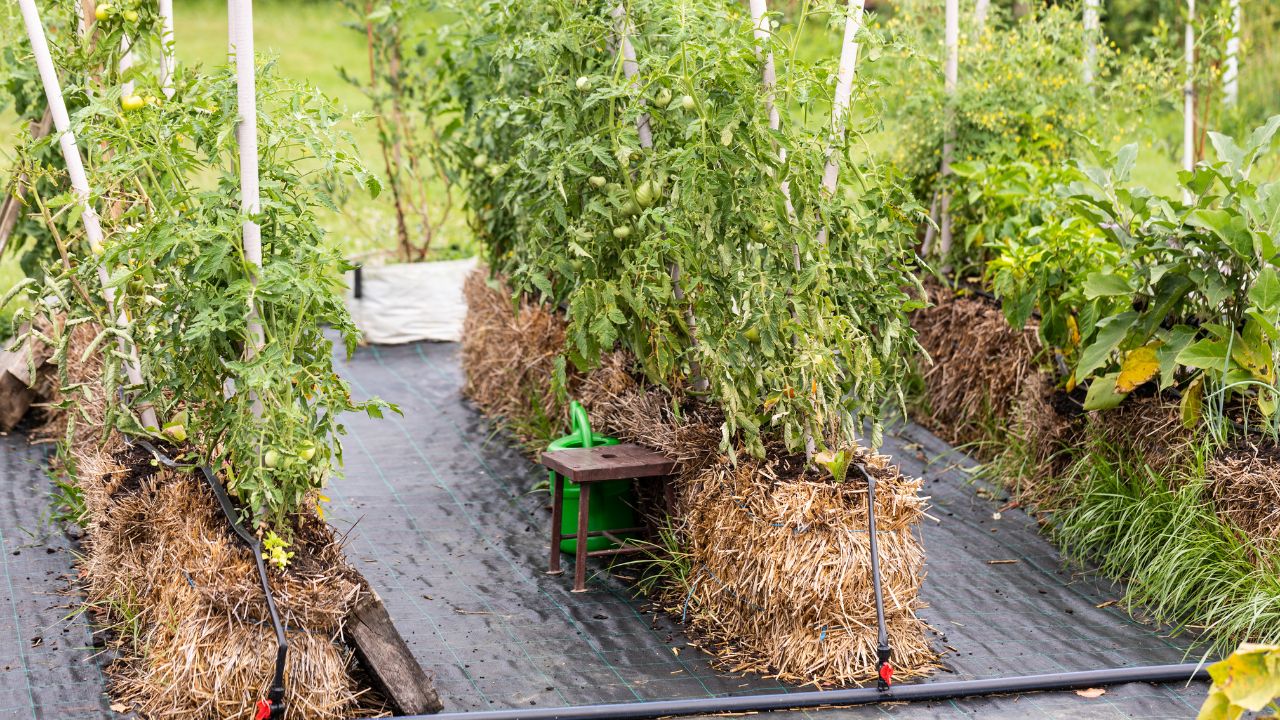
Landscape fabric may stop some weeds for a short time, but it rarely solves the problem for long. Weed seeds can still land on top of the fabric and sprout in the mulch layer above it.
In many yards, the fabric also breaks down, shifts out of place, or becomes tangled with roots. Once weeds grow through it, pulling them can become harder instead of easier.
Mulch usually does a better job with fewer long-term headaches. A thick layer of wood chips or bark helps block light, which slows weed growth and helps the soil hold moisture.
Living groundcovers can also fill open spaces and crowd out unwanted plants. If you already have fabric in place and it is causing trouble, removing it in sections is often the cleanest fix.
4. Water Plants Every Day
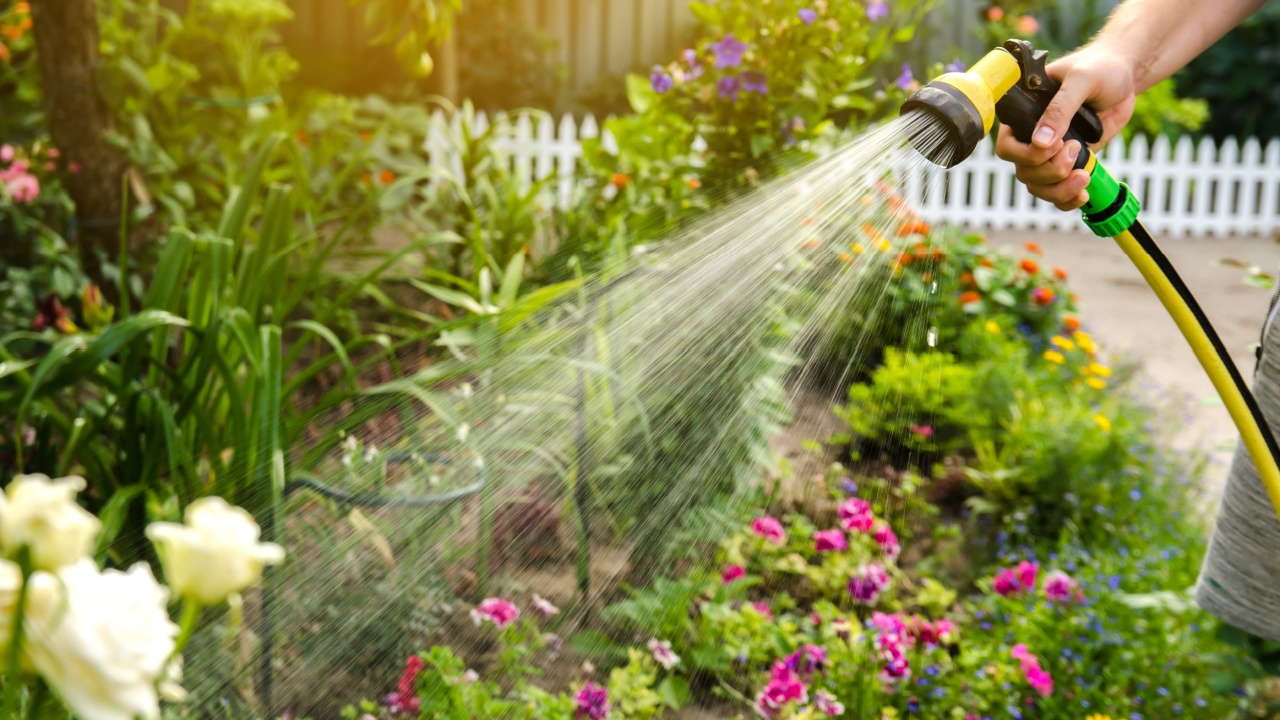
Daily watering sounds caring, yet frequent shallow watering often trains roots to stay near the surface. Shallow roots dry out fast and leave plants less able to handle heat and dry spells.
Many plants do better with a deeper soak that reaches farther into the soil. That encourages roots to grow downward, where moisture lasts longer.
Instead of watering by habit, check the soil first. If the top inch or two is still damp, most plants can wait. Watering a few times a week deeply, based on heat, soil type, and rainfall, is often more effective than a quick daily sprinkle.
Morning is usually the best time, since leaves dry sooner and less water is lost to evaporation.
5. Planting by Moon Phases Works
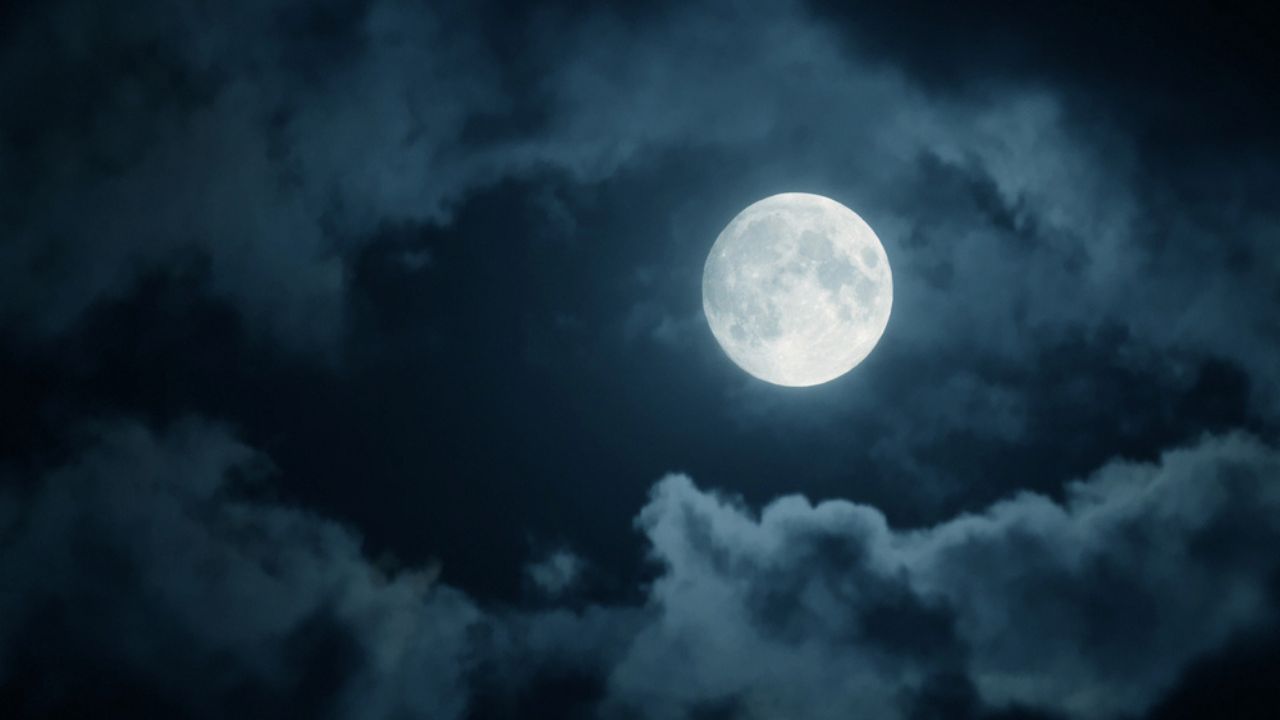
Planting by the moon has been around for a long time, and many gardeners enjoy the tradition. Still, solid scientific support for moon phases affecting seed germination, root growth, or harvest size is lacking.
Plant success depends far more on soil temperature, local weather, moisture, light, and timing for your region. Seeds do not sprout well just because the moon is in a certain phase.
If lunar gardening makes the season more enjoyable for you, there is no harm in using it as a personal routine. Just do not let it replace the basics that plants actually need.
Check your last frost date, know the mature size of what you plant, and pay close attention to site conditions. Those choices have a far stronger effect on your results.
6. Trees Should Be Planted Deep
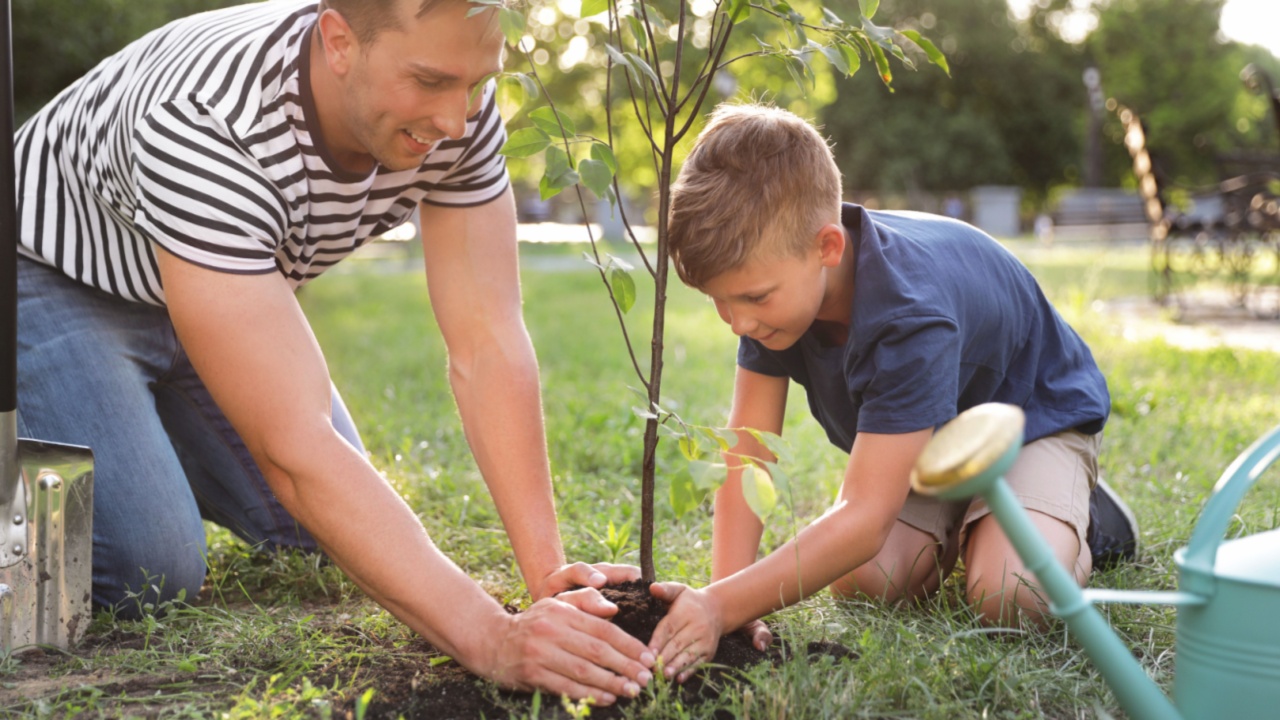
Many people plant trees too deeply in an effort to keep them stable, yet that can damage them from the start. The root flare, where the trunk widens at the base, should sit at or slightly above soil level.
If the flare is buried, roots can struggle to get enough oxygen, and the trunk may stay too moist. That raises the risk of rot, stress, and poor growth.
Before planting, find the root flare if it is hidden by extra soil in the container or root ball. Dig a hole that is wide enough for roots to spread, though not deeper than the root ball itself.
After planting, water well and add mulch around the base, keeping it away from the trunk. A tree planted at the right depth has a much better chance of settling in well.
7. Native Plants Need No Care
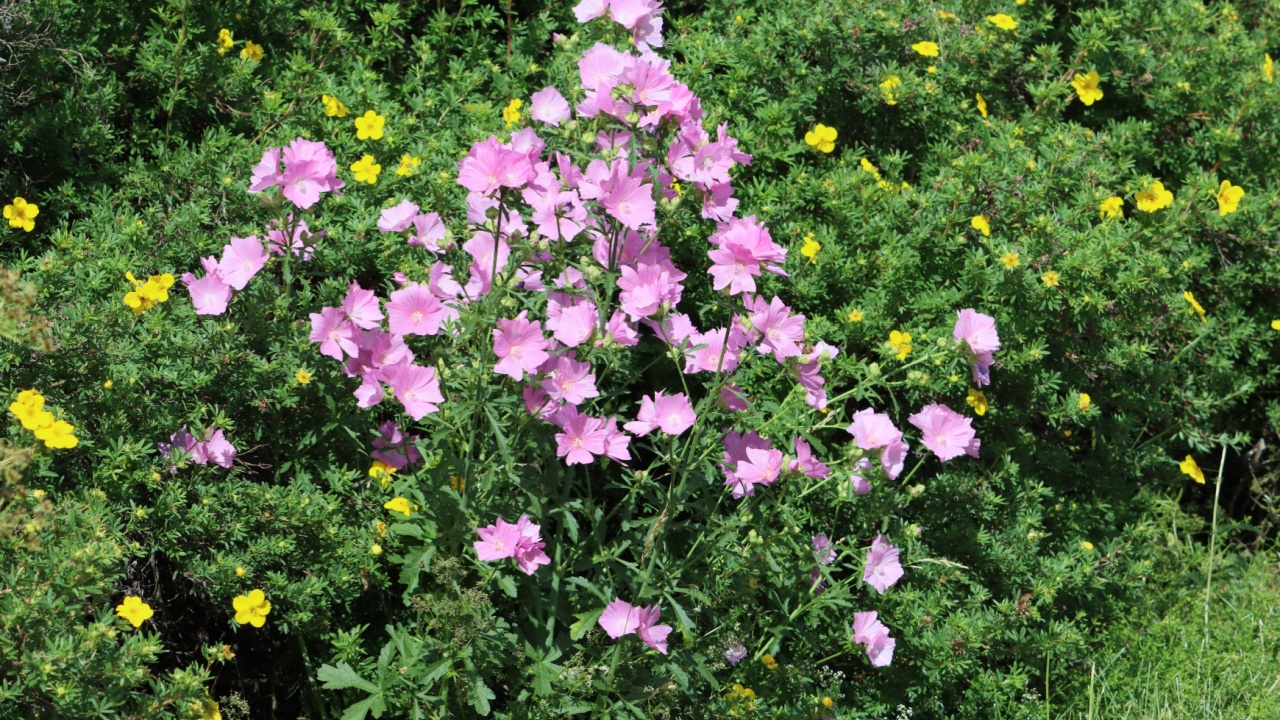
Native plants are well-suited to local insects, weather patterns, and soil conditions, though that does not mean they can be ignored. Newly planted natives still need water while roots establish, especially during hot or dry spells.
Some may need pruning, division, or help with aggressive weeds nearby. Poor placement can also make a native plant struggle, even in its home region.
Treat native plants as adapted, not effortless. Match each one to the right light, soil, and moisture level instead of assuming it will thrive anywhere.
Once established, many natives need less input than non-native choices, which is a big benefit for busy gardeners. Even so, a little care at the start often makes the difference between survival and strong growth.
8. Gravel Improves Drainage in Pots
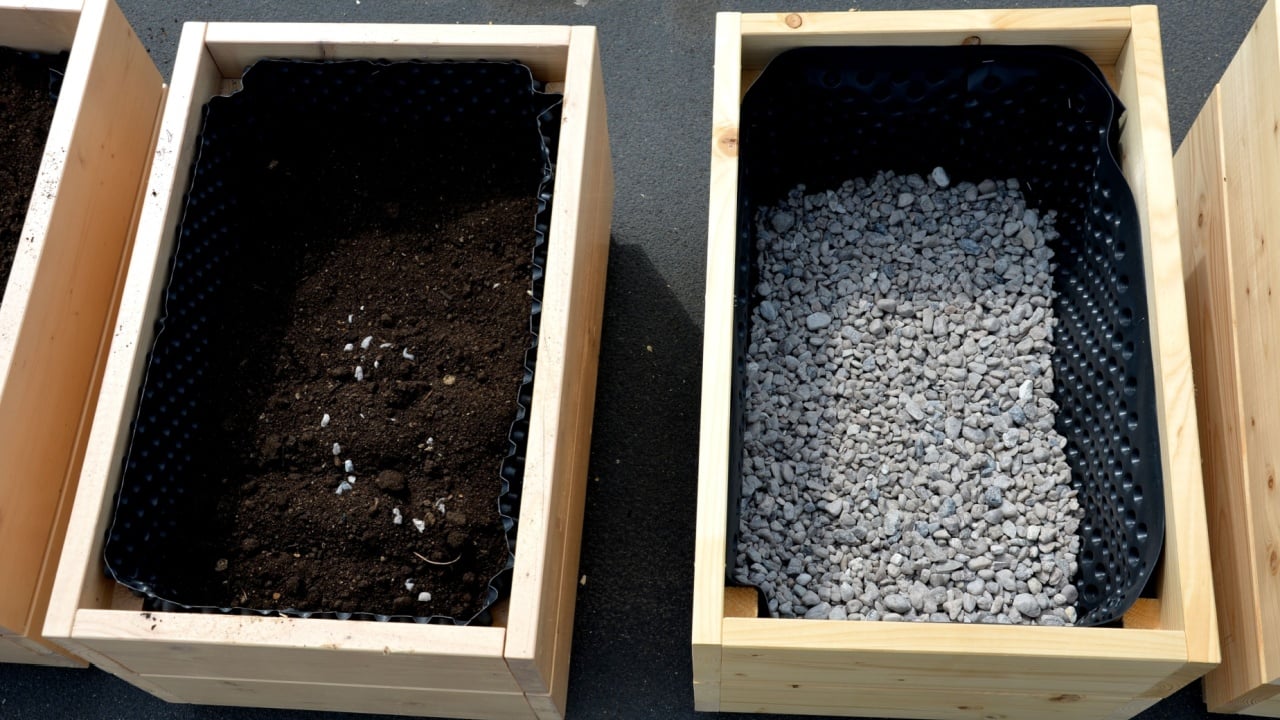
Putting gravel in the bottom of a pot is a common tip, yet it does not improve drainage the way many people assume. Water tends to stop when it moves from a finer potting mix into a coarser layer, which can leave soggy soil higher in the pot.
That means roots may sit in more moisture than they would in a container filled only with potting mix. In the end, gravel can reduce the amount of space roots have to grow.
Use a container with drainage holes and fill it with a quality potting mix from top to bottom. A good potting mix is designed to hold moisture while still allowing air to reach the roots.
If drainage seems slow, the issue is often the mix, the pot size, or blocked holes, not a missing gravel layer. Raising the pot slightly off the ground can also help excess water drain freely.
A Better Way to Grow
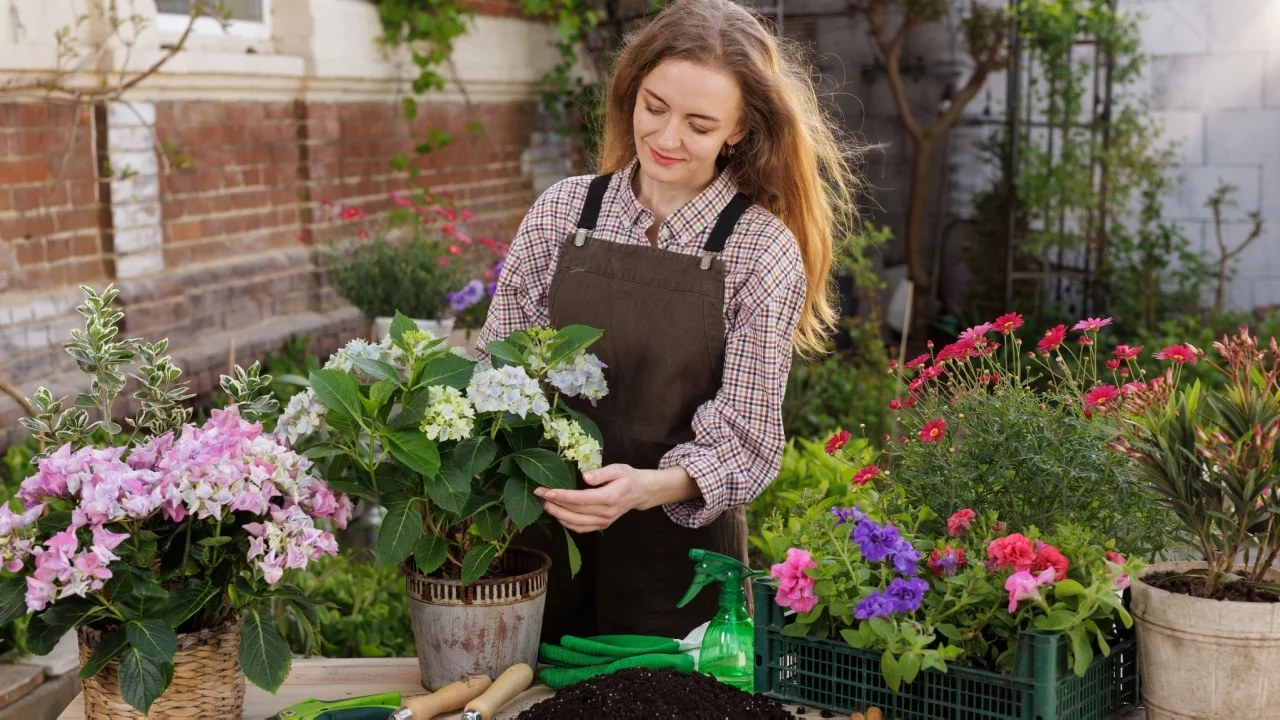
Gardening gets easier when you let go of advice that sounds helpful but causes trouble in real soil and real weather. Good results usually come from simple habits based on how plants grow, how roots spread, and how water moves.
When you swap myths for sound practices, your yard has a better shot at staying healthy and productive. A few smart changes can save time, cut waste, and help every bed, border, and container perform better.
Read More:
The May Gardening Mistakes Most People Make Every Single Year
Don’t Like Gardening But Do It Anyways? You’re Not Alone. Real People Share Why They Keep Going