The May Gardening Mistakes Most People Make Every Single Year
Every May, gardeners across the country make the same expensive mistake.
The most common May garden problem isn’t laziness or neglect. It’s messing up the sequence of events. Gardeners who mulch before they weed will ultimately undo their own work. Those who fertilize before testing their soil risk burning the roots of plants they’ve spent months nurturing. Those who skip the hardening-off process and set their seedlings straight into the ground watch them bleach, wilt, and collapse within days, for $30 to $80 in replacement plants they never needed to lose.
This matters more in May than in any other month because the window for getting it right is genuinely short. Soil temperatures in May create a growth environment that won’t exist again until next spring: warm enough to support rapid root expansion, cool enough that transplanting stress is minimal. The work you do right now determines what your garden looks like in July.
Here are 8 essential tasks, laid out in the sequence that actually works. Skip the first one, and everything after it gets harder.
1. Walk the Garden First, Before You Touch Anything

Before you pull a single weed or open a bag of fertilizer, take a slow, honest tour of your outdoor space. This is the step most gardeners skip in their eagerness to get started, and skipping it is why they end up duplicating effort and replacing plants they could have saved.
As Northern Gardener notes, by May, most regions give gardeners a clear picture of which perennials made it through winter, which sustained cold damage, and which won’t be coming back at all. Clear away dead and damaged foliage from survivors. Make note of what needs replacing. Identify gaps that could be filled with divisions from overcrowded clumps rather than new purchases.
This fifteen-minute walk saves hours of work later on.
2. Test (or Amend) Your Soil Before You Plant a Single Thing
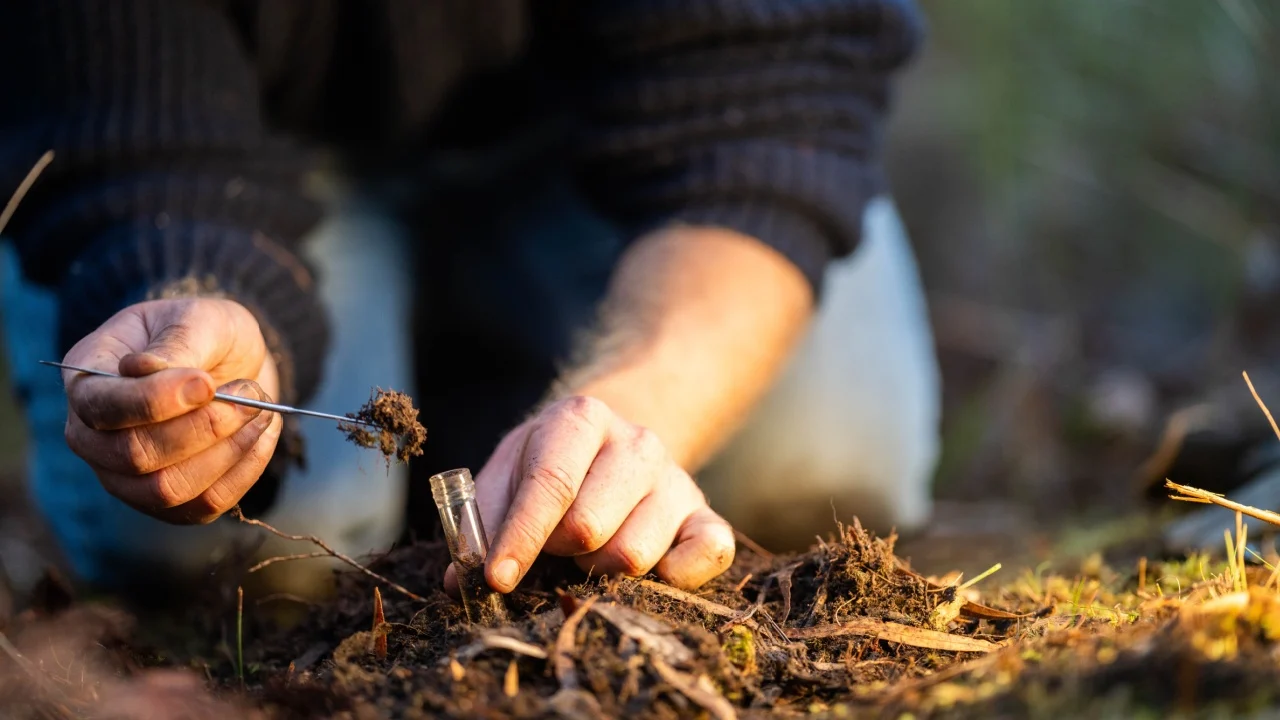
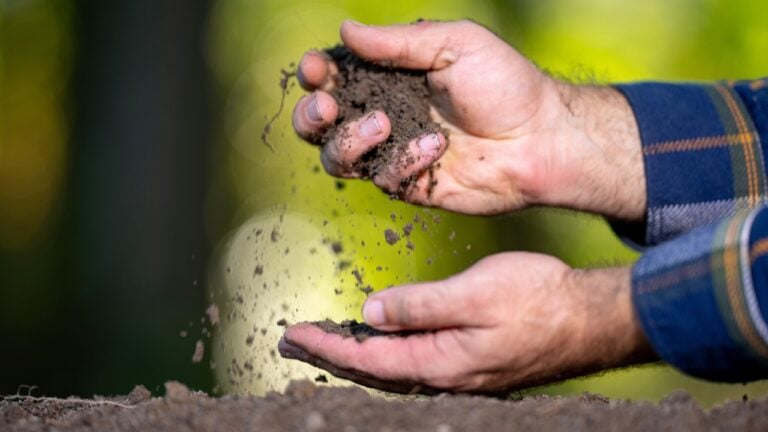
Planting into unknown soil is one of the most expensive habits in gardening, and May is still the right time to address it. A basic soil test through your local cooperative extension office costs $15 to $25 and tells you the pH, nutrient levels, and drainage conditions that will determine whether your plants thrive or quietly struggle all season.
As Iowa State University Extension explains, amending soil that is lacking in nutrients or off in pH with compost, lime, sulfur, or slow-release fertilizer sets the entire season up for success. No soil test yet? The free alternative is a generous layer of finished compost worked into the beds. Kitchen scraps (eggshells for calcium, coffee grounds for nitrogen, Epsom salts for magnesium) are old-fashioned soil boosters that cost nothing and genuinely work. Your grandmother knew this; your county extension office has confirmed it.
3. Weed First, Then Mulch (Never the Other Way Around)
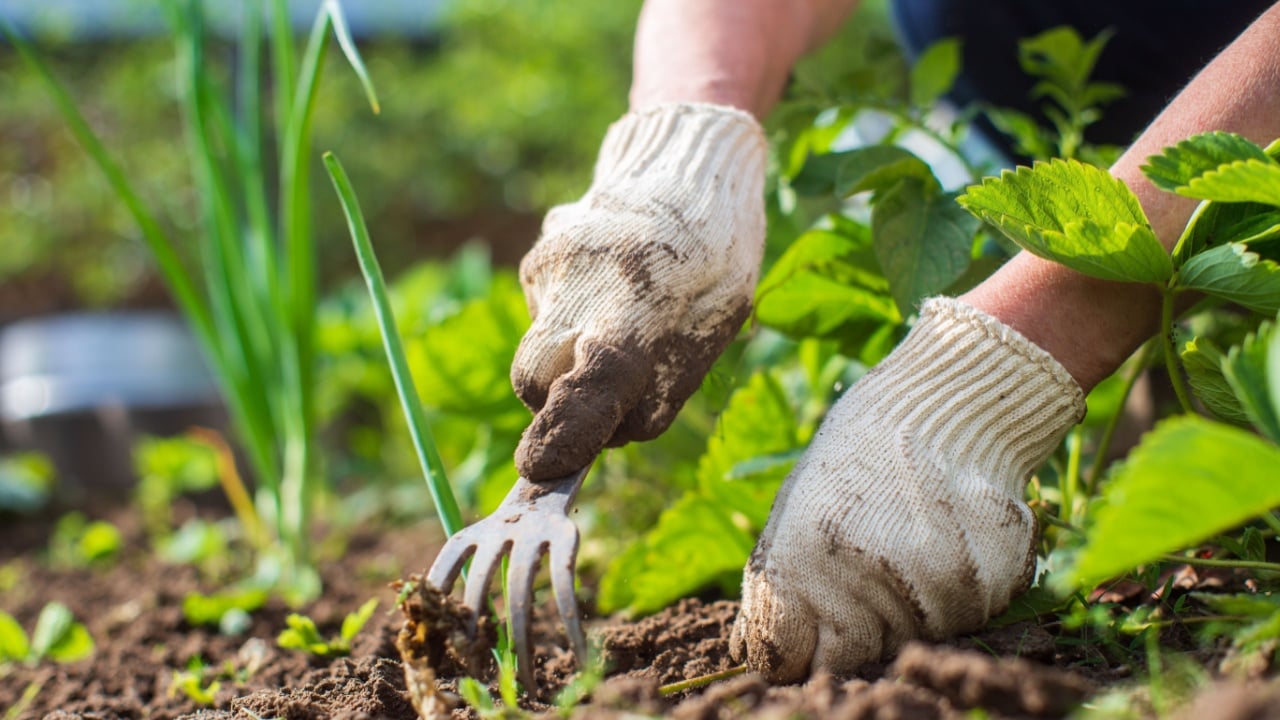
Here is the sequencing mistake that costs more gardeners more time than almost any other in May: mulching before weeding. When you lay mulch over existing weeds, you are not suppressing them. You are giving them a warm, moist environment to establish deeper roots beneath a layer that also hides them from view. By midsummer, they’ll be pushing through with a head start.
The correct sequence, according to FloraScent, is to weed while weeds are still small and easy to pull, then mulch immediately after to prevent new weed seeds from germinating. That combination cuts future weeding labor by 70 to 80 percent over the course of the season.
As for the mulch itself, there is no reason to pay $5 to $9 a bag for it. Call a local tree service company and ask them to drop off wood chip debris; most will do it for free because it saves them dump fees. Your city or county may also run a free mulch or compost program that most residents never think to use.
4. Harden Off Your Seedlings Before They Go in the Ground
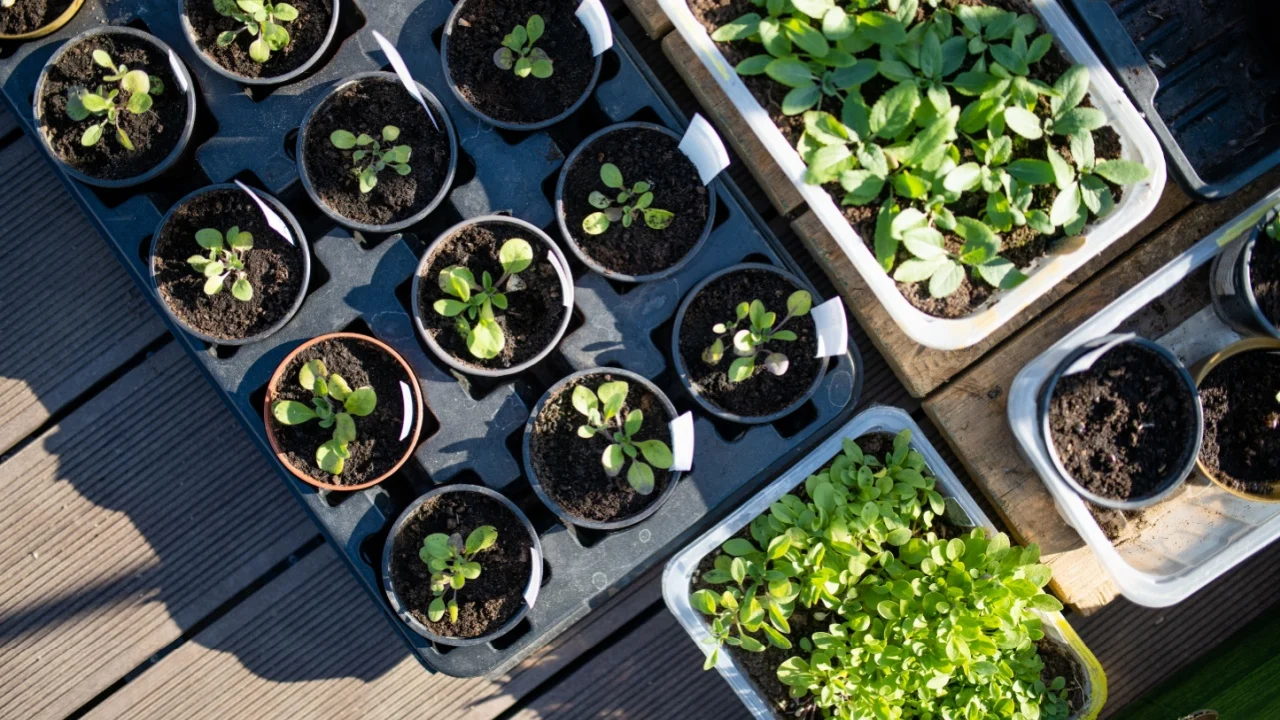
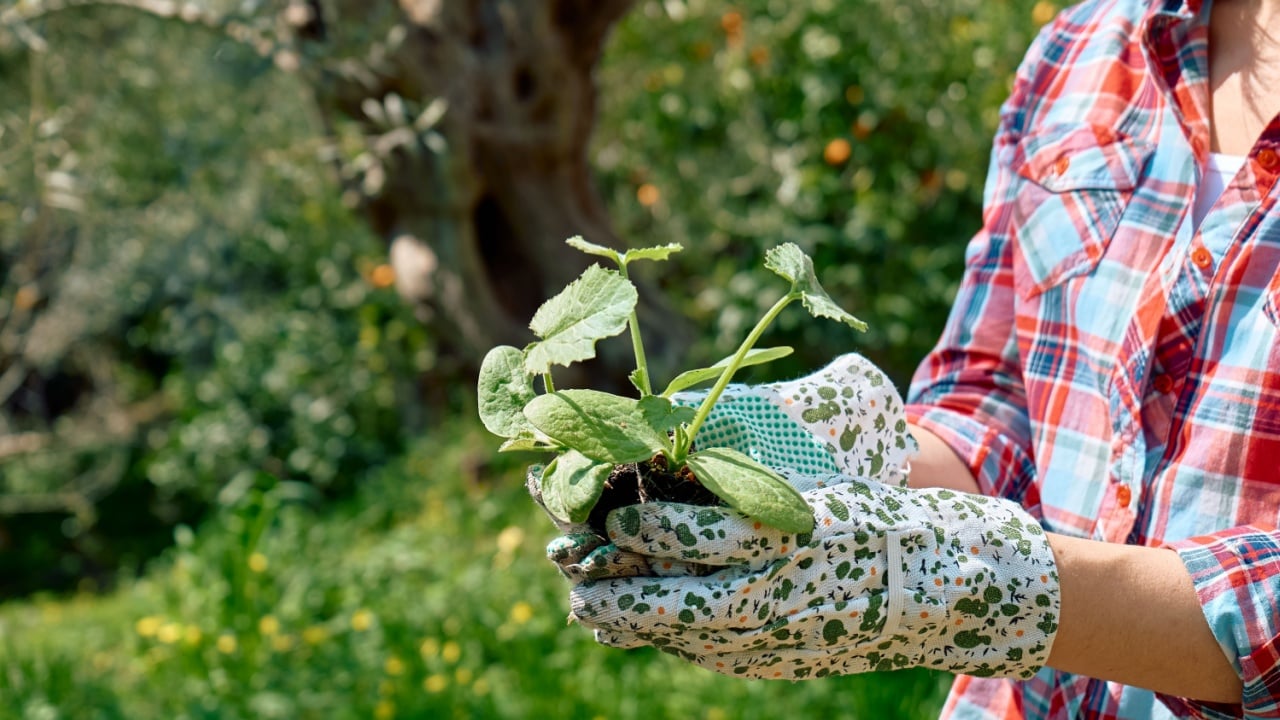
This is the step that nurseries and seed catalogs rarely emphasize, and every spring, it costs home gardeners real money. Plants grown indoors or in a greenhouse have never experienced direct sun, wind, or the temperature swings of the outdoor world. Setting them directly into the ground exposes them to more stress than their systems are prepared for, resulting in scorched, bleached, or dropped leaves, and the plant may not recover.
As horticulturists at Garden Beautiful STL explain, the solution is a 7 to 10-day hardening-off process: start with one to two hours of outdoor shade daily, gradually increasing sun exposure and outdoor time before final planting. It feels slow when you’re eager to get things in the ground. But gardeners who skip it consistently report losing $30 to $80 worth of plants they then have to repurchase.
The extra week costs nothing, but the replacement plants do.
5. Prune Spring Bloomers the Moment They Finish, Not a Week Later
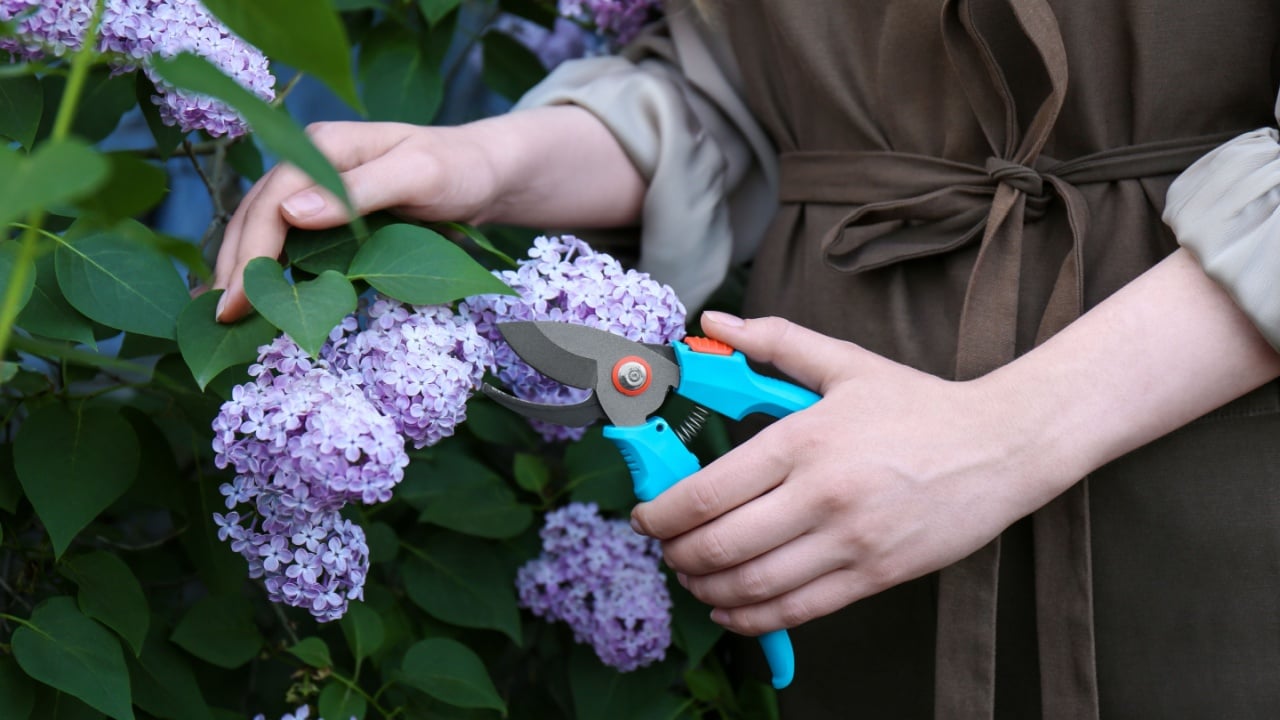
Most gardeners understand that spring-blooming shrubs need pruning. What they underestimate is how narrow the window is.
Lilacs, forsythia, azaleas, and other shrubs that bloom on old wood form next year’s flower buds on the growth they put on this summer. Prune them now, right after the last petals drop, and they have the entire growing season to set buds. Wait until July because you “didn’t get around to it,” and you’ve quietly sacrificed next spring’s blooms entirely.
The New York Botanical Garden is direct on this point: prune spring-flowering shrubs after they have flowered or when the flowers start to fade. For repeat bloomers like many roses, removing the spent branch tips immediately after the first flush encourages a second bloom cycle, which is the most reliable way to double the flowering season for free.
6. Stop Watering at Noon. Seriously
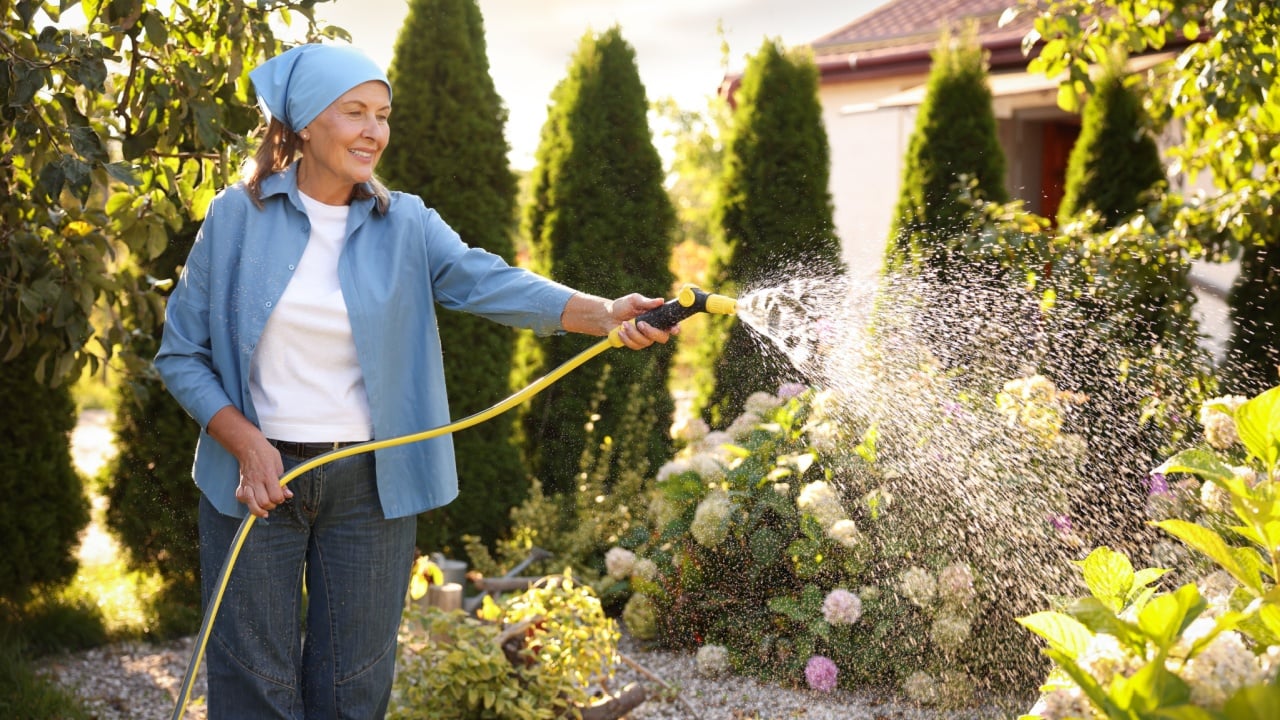
According to data cited by Absopure, midday watering loses as much as 30 percent of water to evaporation before it ever reaches the root zone. The Old Farmer’s Almanac has long recommended early morning as the optimal watering window, from roughly 5 to 9 a.m., when temperatures are cooler, winds are calmer, and water has time to soak in before heat escalates.
The secondary mistake, equally as common, is shallow daily watering. Light surface watering encourages roots to stay close to the soil surface, where they are most vulnerable to heat and drought stress. Deep, infrequent watering, about 1 inch per week, delivered in 2 to 3 sessions, produces root systems that are genuinely drought-resistant and require less intervention as summer progresses.
For gardeners who’ve been running the same watering routine for decades, this is the shift most worth making. The results show up within two weeks.
7. Plant in Sequence; Not Everything at Once
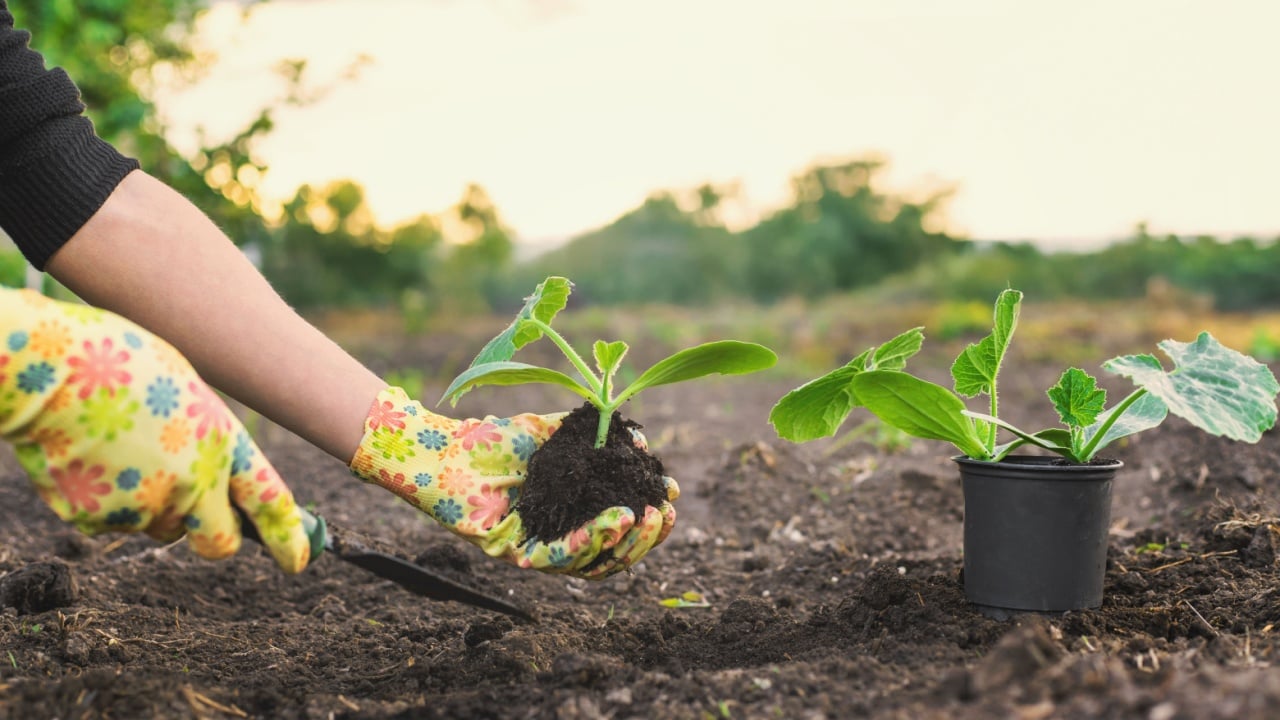
If there’s one habit that separates experienced gardeners from newer ones, it’s this: they don’t plant everything on the same weekend.
The Farmers’ Almanac recommends staggering summer bulb planting by 2 to 3 weeks for an extended, sequential bloom season rather than one large flush that fades simultaneously. The same principle applies to annuals; planting in waves gives you color all the way through September rather than a spectacular June followed by a tired-looking August.
This is also the right moment to pinch. When your annuals and perennials reach about three sets of true leaves, pinching off the top set triggers branching and dramatically fuller growth, with more stems, more flower buds, and a more generous plant overall. It costs nothing, and it takes thirty seconds per plant.
8. Don’t Skip the Free Chores
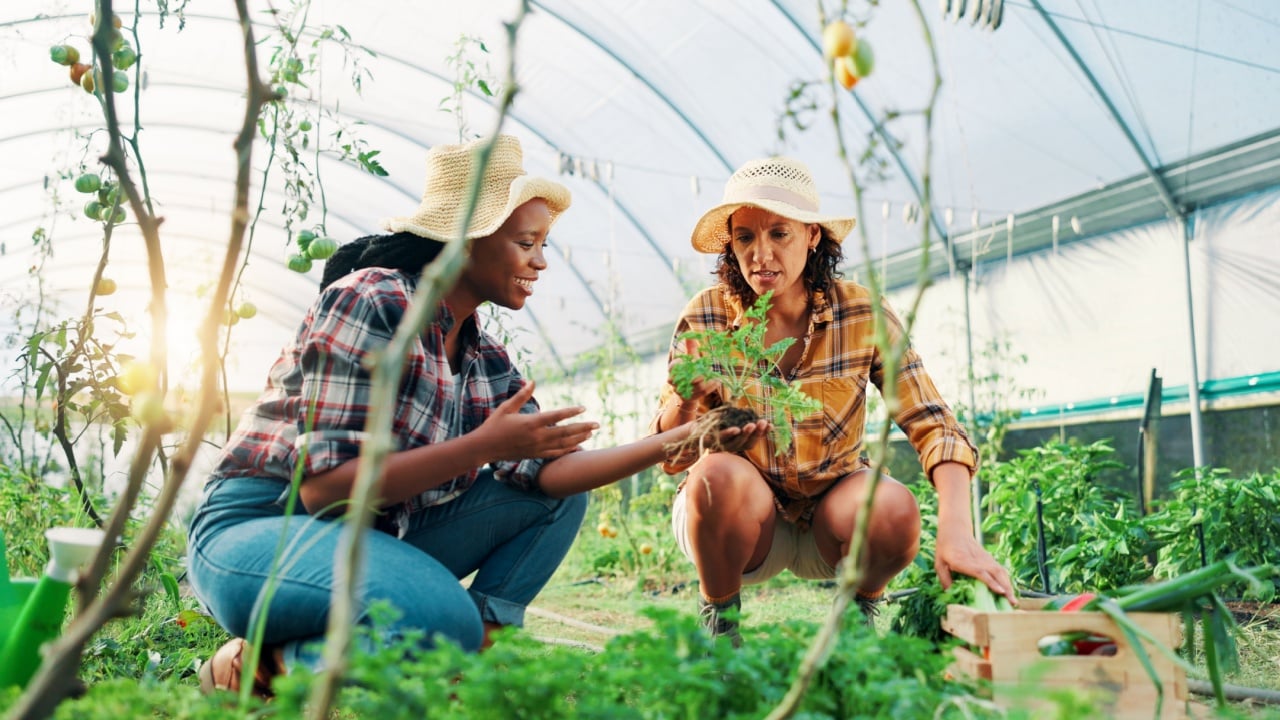
The May chores that cost nothing are often the ones with the highest returns.
Grass clippings layered around plants make an effective, free mulch that releases nitrogen into the soil as they decompose. Finished compost made from kitchen scraps, according to the University of Maryland Extension, reduces landfill waste while producing a soil amendment that would cost $9 or more per bag at a garden center. Saving seeds from early self-seeding annuals like poppies, bachelor’s buttons, and larkspur costs nothing and fills next year’s garden at no additional expense.
And perhaps the most underused free resource: neighbors. May is the season of overcrowded perennials being divided, volunteer plants being pulled, and gardeners thinning out what they have too much of. Local Facebook groups and Nextdoor are full of free hostas, black-eyed Susans, and daylilies this time of year. Root-established stock that would cost $12 to $20 at a nursery is yours for the asking, every spring, if you’re paying attention.
May Isn’t About Doing Everything; It’s About Doing the Right Things
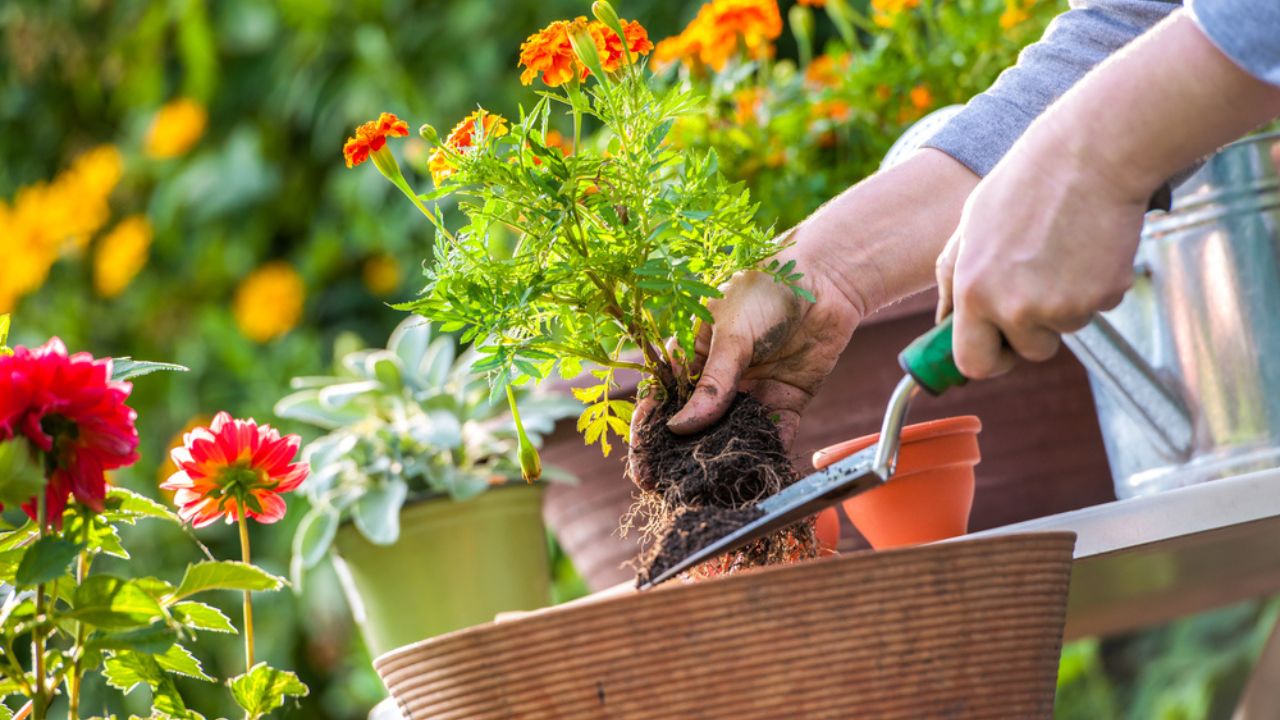
The gardeners with the most beautiful yards in July are rarely the ones who worked hardest in May. They’re the ones who worked in the right order. They walked before they planted. They weeded before they mulched. They hardened off before they transplanted. They watered early and deeply instead of often and superficially.
None of that requires a large budget. Most of it is free. All of it is available to you right now, before May ends, if you start at the top of this list rather than the middle of it.
Read more:
Why wildlife experts are telling people to take down their bird feeders
Plant these 10 companion plants with your tomatoes — and stop planting these 4