15 Ways to Keep Snakes Out of the Yard for Good
Finding a snake in the grass turns a relaxing afternoon outside into a potentially stressful situation, especially if you have kids and pets around. These slithering reptiles often seek refuge in residential spaces when their natural habitats lack resources. Creating an environment that actively discourages them from settling down protects pets and family members from unexpected encounters.
Wildlife experts indicate that reptiles are primarily drawn to residential spaces by the promise of food (like rodents) and shelter.
Modifying a landscape by removing these attractants is a surefire way to reduce snake activity noticeably. Understanding their basic survival needs makes it easier to implement preventative strategies.
The following guide covers practical adjustments to make any property less appealing to reptiles. These strategies range from basic lawn maintenance to structural modifications. Applying these methods will help maintain a safer and more peaceful outdoor living space.
1. Keep the Lawn Trimmed

Snakes rely on tall grass to move safely without being detected by predators like hawks. Regularly mowing the grass eliminates the cover they need to feel safe while hunting.
Certain snake species can easily camouflage themselves in just three to four inches of grass. Keeping the turf short forces them to seek shelter elsewhere.
Set the lawnmower blade to a height of 1-2 inches during the active growing season. Sweep up grass clippings immediately after mowing as needed. A neat landscape removes potential nesting materials and leaves reptiles entirely exposed.
2. Eliminate Rodent Populations
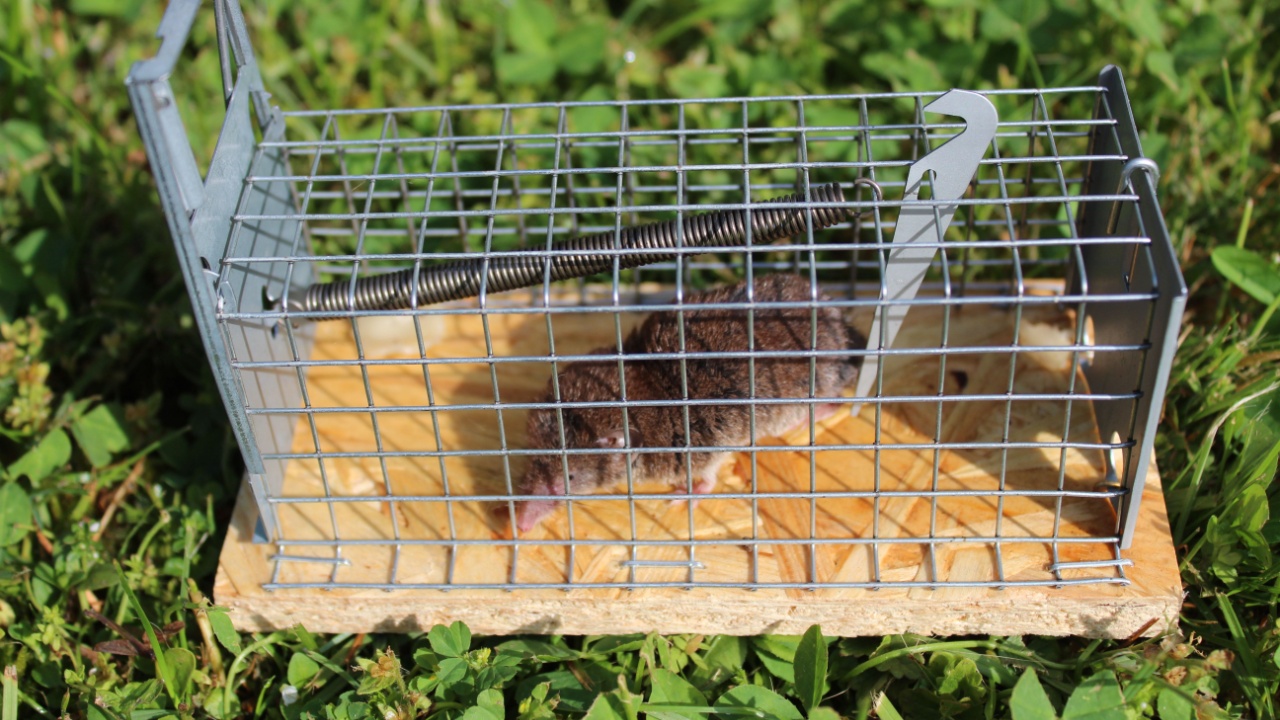
Reptiles visit residential properties primarily because they are looking for their next meal. Mice, shrews, and rats provide a highly attractive food source for many common snake species.
Controlling the population of these small mammals directly impacts how many snakes decide to stay. Fewer food sources mean fewer predators will bother visiting the property.
Set traps near the perimeter of the house to manage any existing rodent issues. Keep garbage bins securely closed to prevent mice from scavenging. A yard devoid of rodents presents a barren hunting ground for any hungry reptile.
3. Remove Clutter and Debris
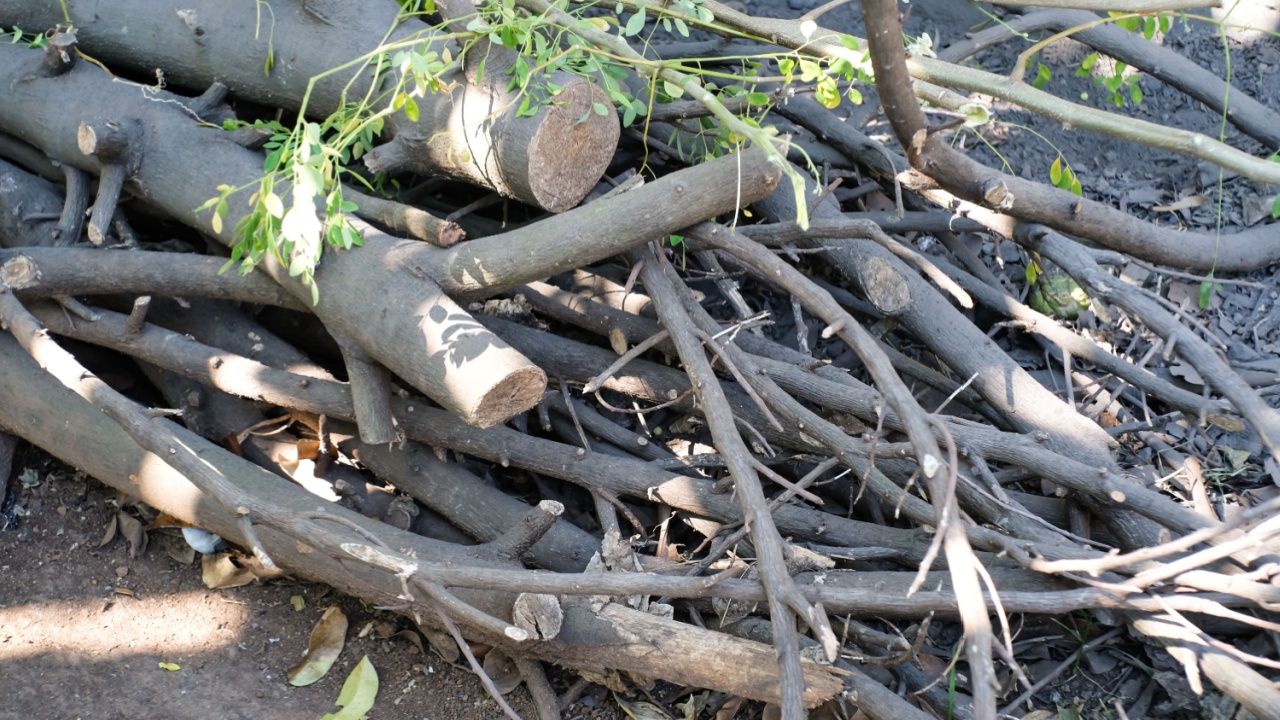
Piles of leaves and discarded garden equipment offer the perfect dark refuge for a resting snake. These animals prefer tight spaces where they feel protected from the elements.
Clearing out brush piles removes the exact type of habitat they seek out for nesting. Woodpiles also serve as a favorite hiding spot.
Store any extra firewood on raised racks at least two feet off the soil. Keep the wood racks a safe distance away from the main house. A clean exterior deprives reptiles of the security they crave.
4. Install Specialized Fencing

Standard wooden fences rarely stop a determined reptile from entering a garden. Building a barrier out of quarter-inch hardware cloth provides a much stronger defense.
This material is too fine for most snakes to slip through. Digging a trench and burying the mesh at least six inches underground stops them from simply burrowing underneath.
Focus on surrounding the most vulnerable areas, like vegetable gardens and children’s play sets. Angle the top of the fence slightly outward to prevent climbers from making it over the edge. This physical barrier offers continuous protection against local wildlife.
5. Apply Natural Repellents

Strong scents overpower a snake’s highly developed sensory organs. Natural ingredients like clove oil and sulfur irritate their senses and cause them to turn back.
Spraying these eco-friendly mixtures along the perimeter of the property establishes an invisible barrier. Peppermint oil serves as another potent deterrent that smells pleasant to humans.
Mix ten drops of essential oil with water in a spray bottle for easy application. Target vulnerable entryways and the base of the foundation. Reapply the mixture after heavy rain to maintain a strong scent profile.
6. Relocate Bird Feeders
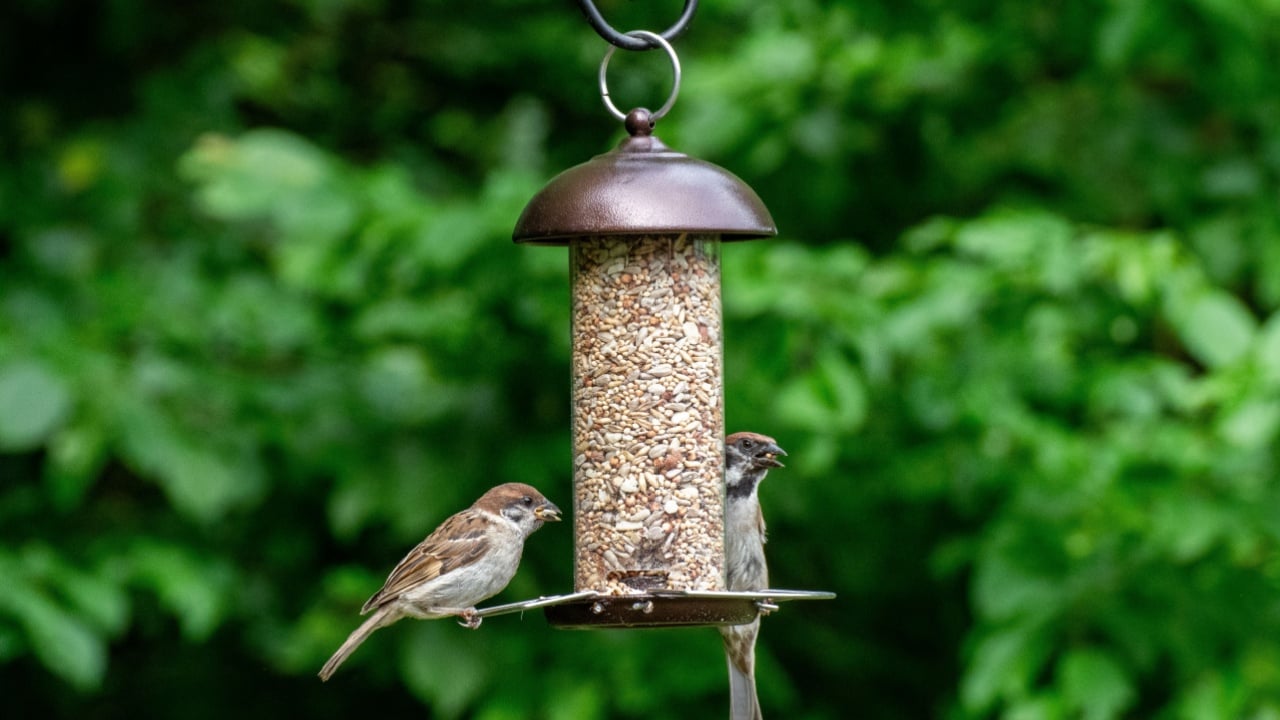
Feeding local birds often comes with the unintended consequence of attracting snakes. The seeds that fall from the feeder draw in squirrels and mice. Those small rodents then attract larger predators looking for an easy meal.
Moving the feeder away from the house breaks this problematic food chain.
Place all bird feeders at the far edge of the property boundary. Sweep up discarded seeds from the ground twice a week. Enjoying the local bird population safely requires managing the mess they leave behind.
7. Seal Structural Cracks

Snakes frequently squeeze through incredibly tight spaces to find warmth indoors. Small gaps in the foundation or torn window screens invite them to slip inside the house.
Using weather stripping and silicone caulk seals up these vulnerable access points. This step protects the structural integrity of the home while keeping pests outdoors.
Inspect the exterior walls every spring to check for new damage. Pack steel wool into larger holes before applying expanding foam. A tightly sealed home blocks unwanted visitors entirely.
8. Switch to Rough Landscape Materials

A snake’s belly is sensitive to the textures it slithers across. Smooth wood mulch provides a comfortable surface for them to travel over.
Replacing soft mulch with sharp gravel or lava rock creates an uncomfortable barrier. Pine cones also offer a prickly texture that deters them from crossing garden beds.
Spread a thick layer of crushed river rock near the foundation. This rough border acts as a protective moat outside the house. Stone mulch also improves soil drainage and lasts longer than traditional wood chips.
9. Drain Standing Water
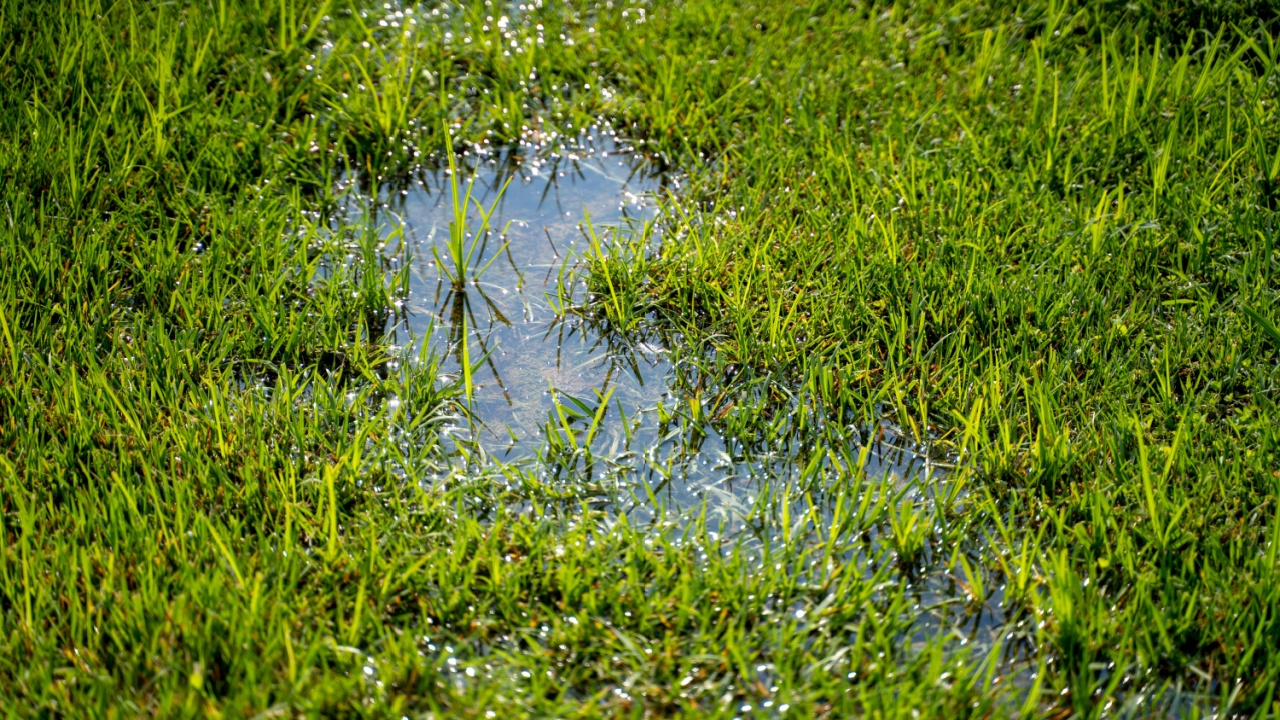
Puddles and overflowing birdbaths attract frogs and insects. These smaller creatures eventually draw in the snakes that feed on them. Water features also provide hydration for the reptiles themselves during the hot summer months.
Fixing leaky outdoor faucets eliminates a major survival resource for local wildlife. Grade the soil away from the foundation to prevent water from pooling after rainstorms.
Empty and scrub birdbaths frequently. A dry yard supports fewer insects and subsequently fewer predators.
10. Encourage Natural Predators

The local ecosystem already features several animals that hunt snakes naturally. Owls and hawks regularly prey on smaller reptiles moving through open spaces.
Providing a welcoming habitat for these birds helps manage the snake population organically. Foxes and certain large bird species also help keep pest numbers down.
Install an owl nesting box high up in a mature tree. Avoid using chemical pesticides that might harm these beneficial predatory birds. Letting nature manage the food web provides a sustainable pest control solution.
11. Utilize Solar Vibrations
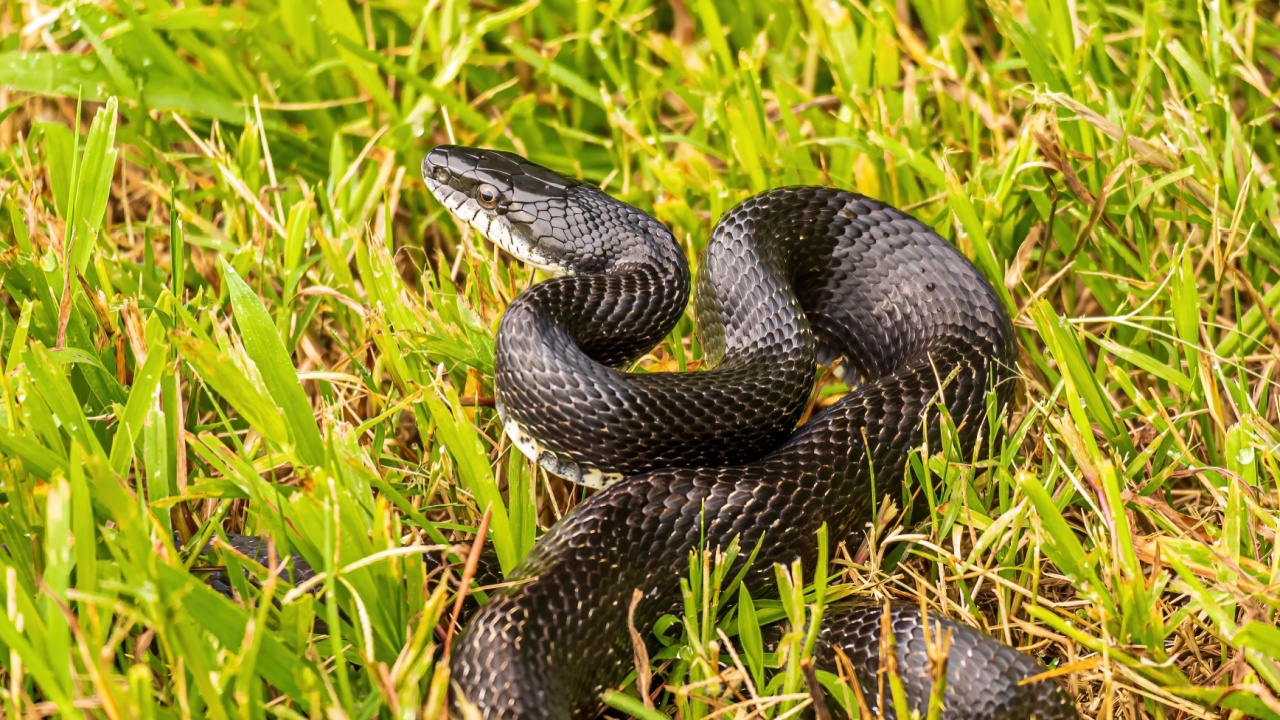
Snakes lack external ears and rely entirely on feeling vibrations through the ground to detect danger. Devices that emit rhythmic pulses into the soil trick them into sensing a large approaching animal.
Solar-powered stakes send these disruptive vibrations deep into the dirt. The constant noise drives them to seek out quieter territories.
Plant the solar stakes evenly across the yard according to the manufacturer’s spacing guidelines. Check the solar panels weekly to wipe away dust and dirt. This modern approach runs completely on renewable energy.
12. Illuminate the Yard
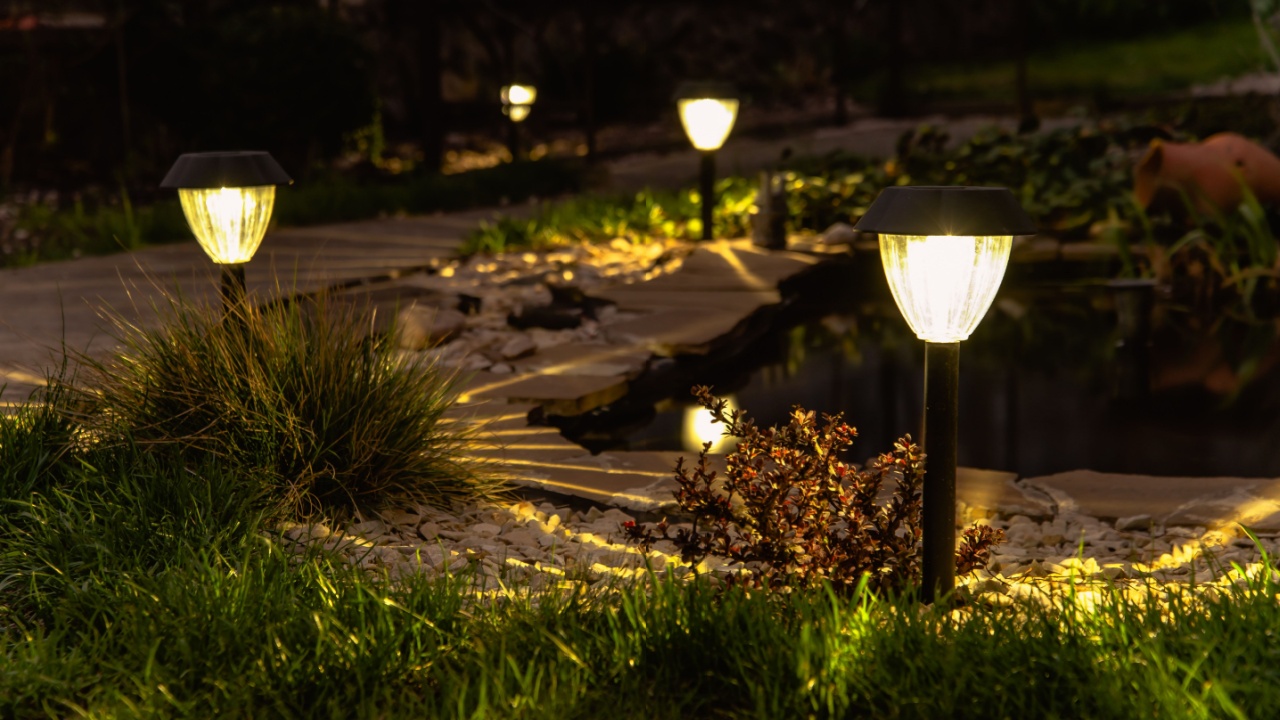
Most snake species prefer to hunt and move under the cover of darkness. A brightly lit property makes them feel exposed and vulnerable to nocturnal predators.
Motion-sensor lights suddenly flood the area with illumination the second an animal approaches. This abrupt change startles wildlife and encourages them to retreat.
Mount floodlights aimed at walkways and dark corners of the property. Adjust the sensitivity settings so small animals trigger the beam. Proper lighting improves home security while deterring unwelcome animal activity.
13. Maintain Tidy Shrubs
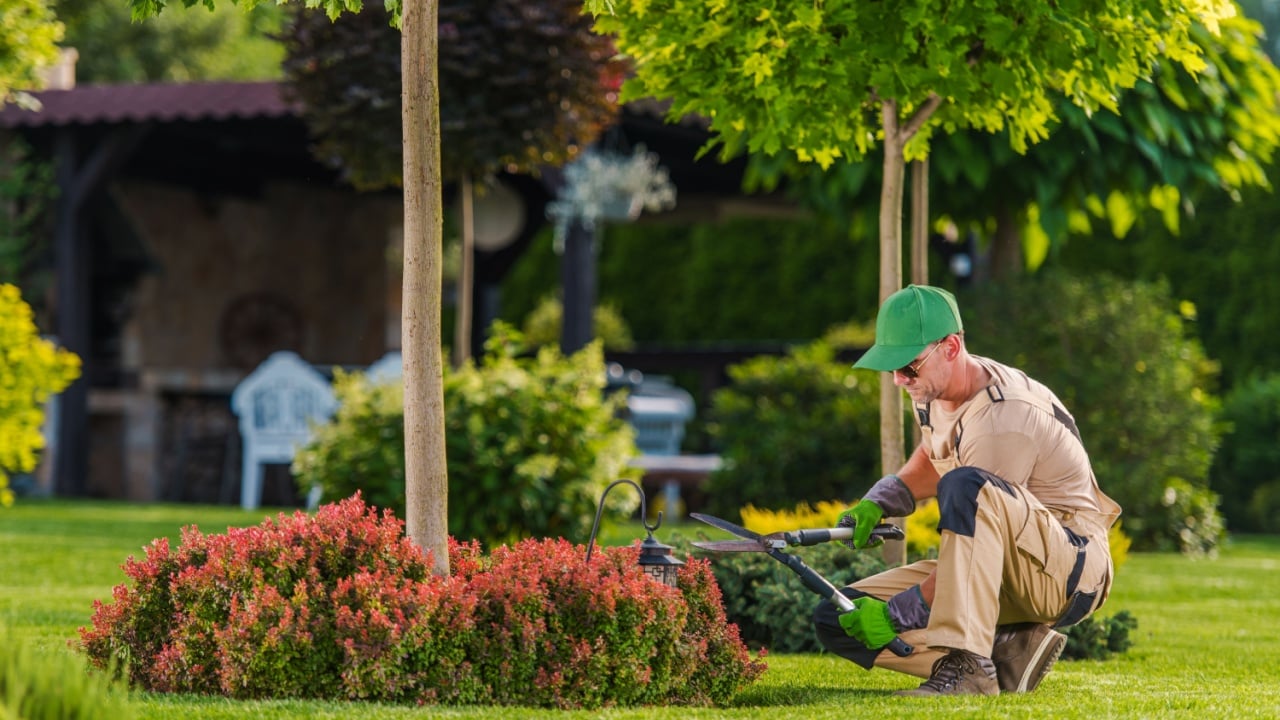
Overgrown bushes with low-hanging branches create a cool canopy for reptiles to rest under. Snakes often curl up at the base of thick shrubs to escape the midday heat.
Trimming the lower branches at least a foot above the soil removes this shaded refuge. Increased sunlight reaching the soil also prevents dampness.
Use hedge clippers to prune back aggressive foliage every month. Rake away dead leaves trapped inside the center of the bushes. Well-maintained landscaping eliminates the ground cover that snakes desire.
14. Plant Repellent Flora

Certain plants produce natural odors that reptiles actively avoid. Marigolds release a strong scent from their roots that disrupts a snake’s ability to smell its prey.
Lemongrass and garlic plants also serve as beautiful botanical barriers. Cultivating these specific plants adds color to the garden while serving a practical purpose.
Plant a continuous border of marigolds outside the vegetable garden. Space lemongrass near the front porch and back patio. Botanical defenses provide an ongoing and passive form of protection.
15. Manage Outdoor Pet Food

Leaving dog or cat kibble outside overnight guarantees a visit from hungry wildlife. Raccoons and mice flock to unattended bowls left on the back porch.
The presence of these small scavengers instantly signals a feeding opportunity for nearby snakes. Managing how pets eat outdoors drastically reduces wildlife traffic.
Feed pets indoors whenever possible. Pick up outdoor bowls immediately after the animal finishes eating and sweep the patio. Removing artificial food sources forces local wildlife to hunt elsewhere.
Snake-Proof Your Property
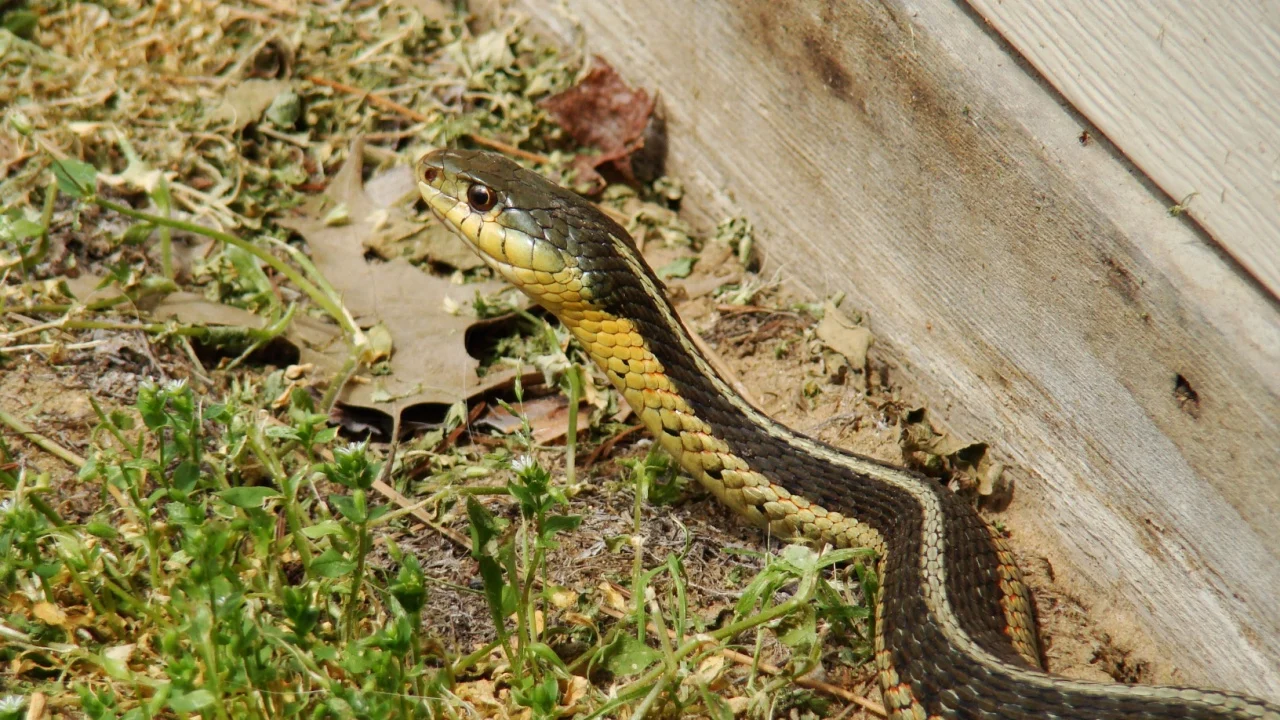
Implementing these preventative measures transforms a vulnerable property into an unappealing environment for snakes. Consistently managing lawn growth and removing potential food sources provides long-term protection against snakes.
Take action today to protect the yard and enjoy a safer outdoor space all season long.
Read More:
8 Places Where Snakes Sneak Into Your Home
7 Natural Ways to Keep Snakes Out of Your Backyard Sanctuary