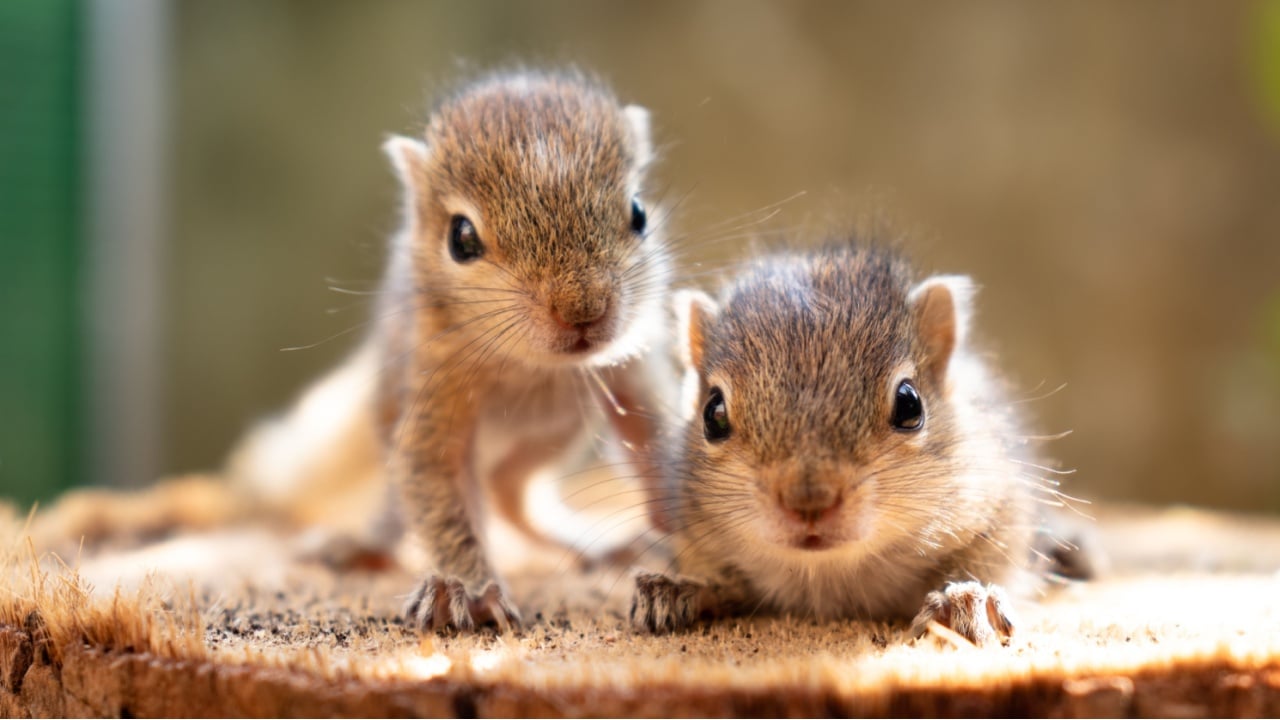
Spring Babies Are Here! What to Do If You Find One in Your Yard
The wonders of springtime can turn a quiet yard into a nursery overnight. A patch of grass may hide a fawn, a shrub may hold a rabbit nest, and a baby bird may end up on the ground.
Most people want to help right away, yet the wrong move can separate a young animal from its mother or put the animal under more stress.
In many cases, the best help is space, patience, and a close look from a safe distance. Baby wild animals are often left alone for short periods while a parent feeds, rests, or stays away to avoid drawing predators.
Here is what to do if you find a spring baby in your yard, when to leave it alone, and when it is time to call a licensed wildlife rehabilitator.
1. Baby Birds
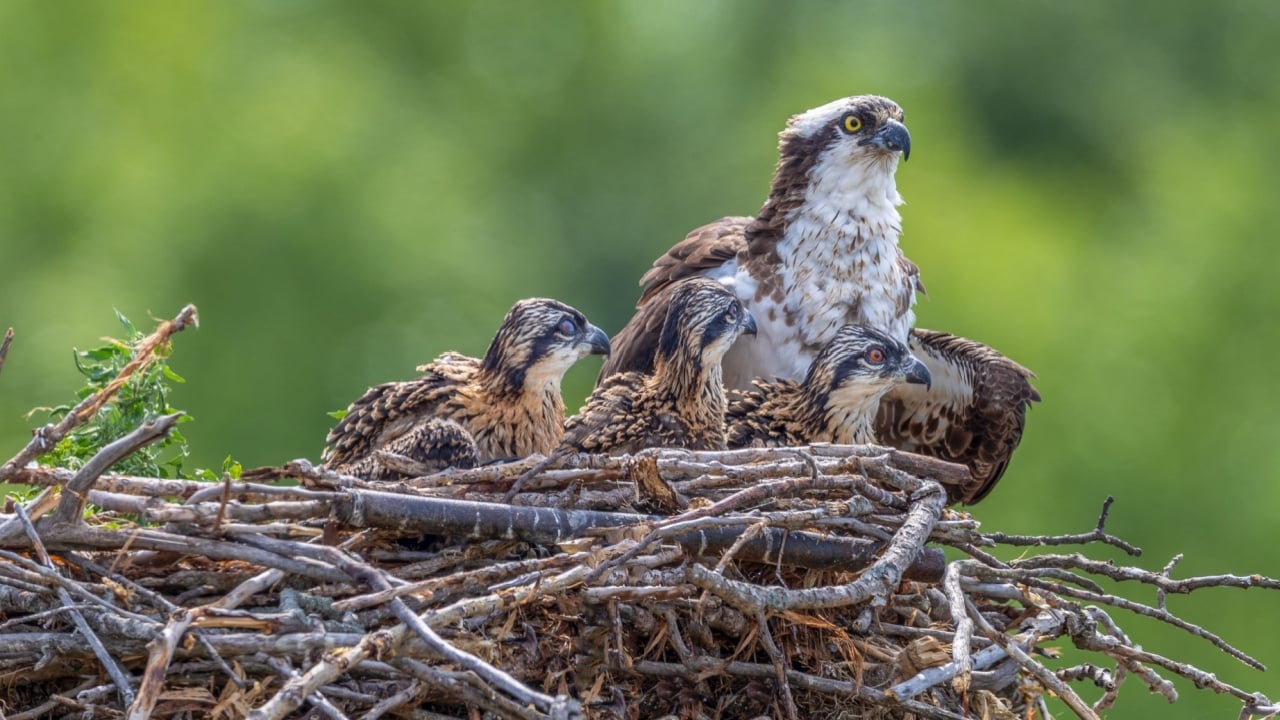
A feathered baby bird on the ground is often a fledgling, and that is normal. Fledglings leave the nest before they fly well, then spend several days hopping, fluttering, and calling while their parents keep feeding them nearby.
If the bird is alert, active, and fully feathered, leave it alone and keep pets and kids away from the area.
An unfeathered or lightly feathered chick needs closer attention because it should still be in the nest. If you can find the nest and it is safe to reach, place the chick back inside since parent birds do not reject babies after human contact.
If the nest is gone, you can place the chick in a small container lined with soft paper towels near the original site and watch for the parents, but an injured chick needs a wildlife rehabilitator right away.
2. Leave Fawns Alone
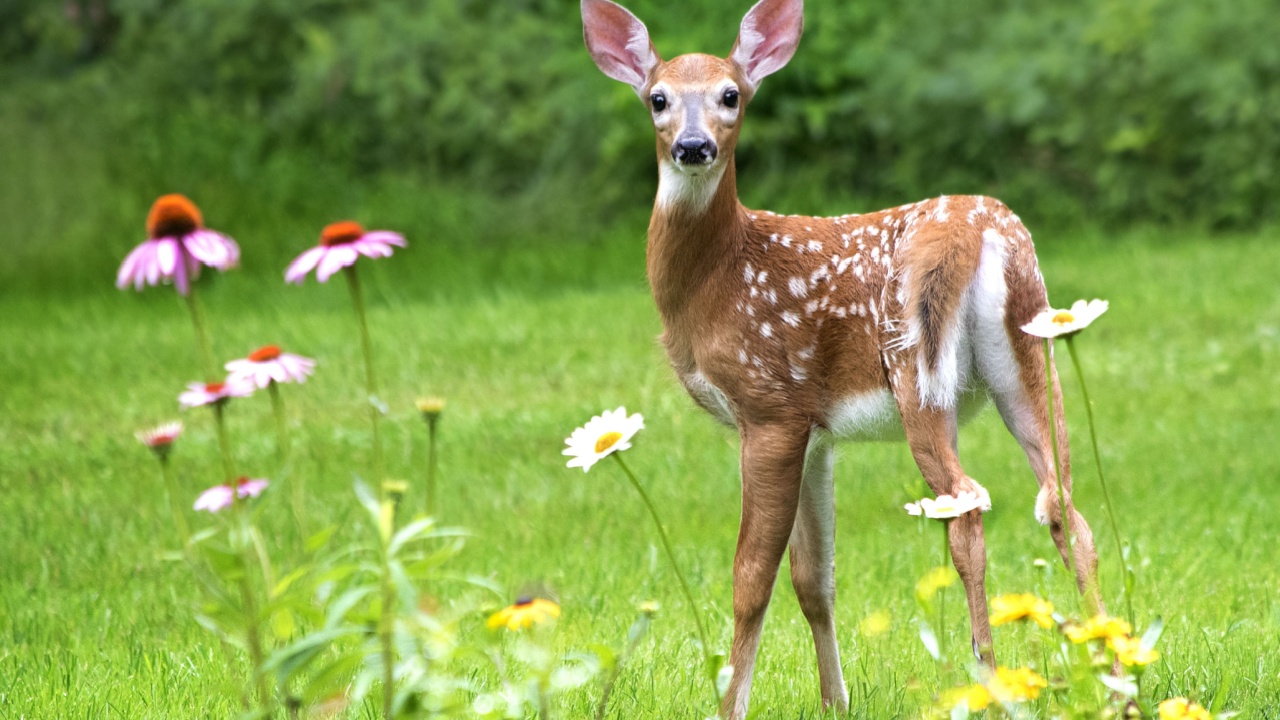
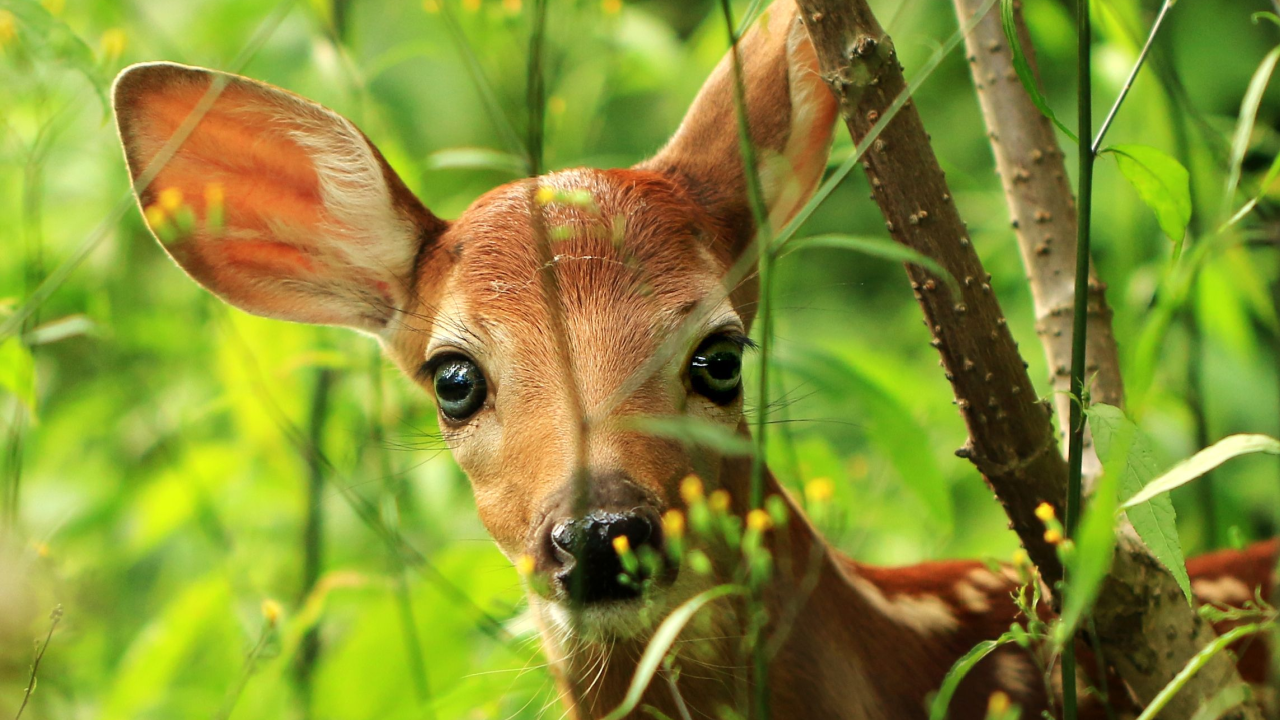
A fawn curled up alone in grass, under a shrub, or near a garden bed is usually not abandoned. Mother deer often leave fawns hidden for many hours while they feed elsewhere, and the fawn stays still and quiet to avoid predators.
If the fawn looks clean, calm, and unhurt, leave the area and check from far away later. Trouble signs include repeated crying, obvious injury, flies, weakness, or wandering without settling down.
A healthy doe usually returns at dawn or dusk, so give her time before stepping in. If the fawn remains distressed for many hours or seems hurt, contact a wildlife rehabilitator or local animal control office with wildlife experience.
3. Baby Rabbits

Rabbit nests are easy to miss because they are shallow and covered with grass and fur. A mother rabbit usually visits only a few times each day, often at dawn and dusk, so people may assume the babies have been left behind.
If the babies are warm, tucked together, and the nest is intact, leave them alone and keep pets out of that spot.
If the nest has been disturbed by mowing, digging, or a curious dog, gently place the nesting material back over the babies.
A simple way to check for the mother is to lay two pieces of yarn in an X over the nest and look the next morning again to see if it has been moved. If the babies are cold, injured, covered in ants, or the mother does not return, call a licensed rehabilitator.
4. Fox Kits
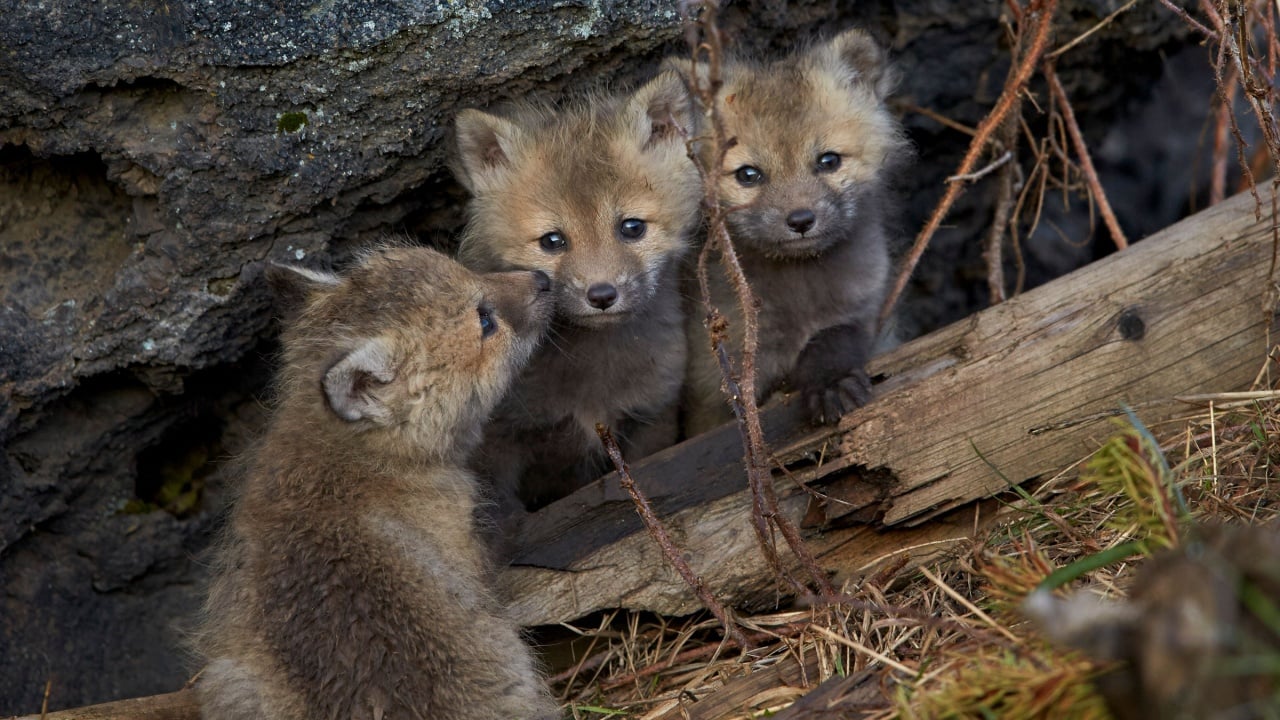
Baby foxes can seem playful and bold, which may make them look more alone than they are. In most cases, a mother fox is hunting nearby and keeping watch from a distance while the kits rest or play near the den.
If the kits are active, bright-eyed, and moving well, keep your distance and give them room.
Very young kits with closed eyes need urgent help if they are out in the open for long. The same goes for any weak kit, injured, covered with parasites, or crying for hours without a parent returning.
Do not handle or feed a fox kit, since foxes can carry diseases that pose a risk to people and pets, and contact a wildlife professional instead.
5. Raccoons, Skunks, And Squirrels
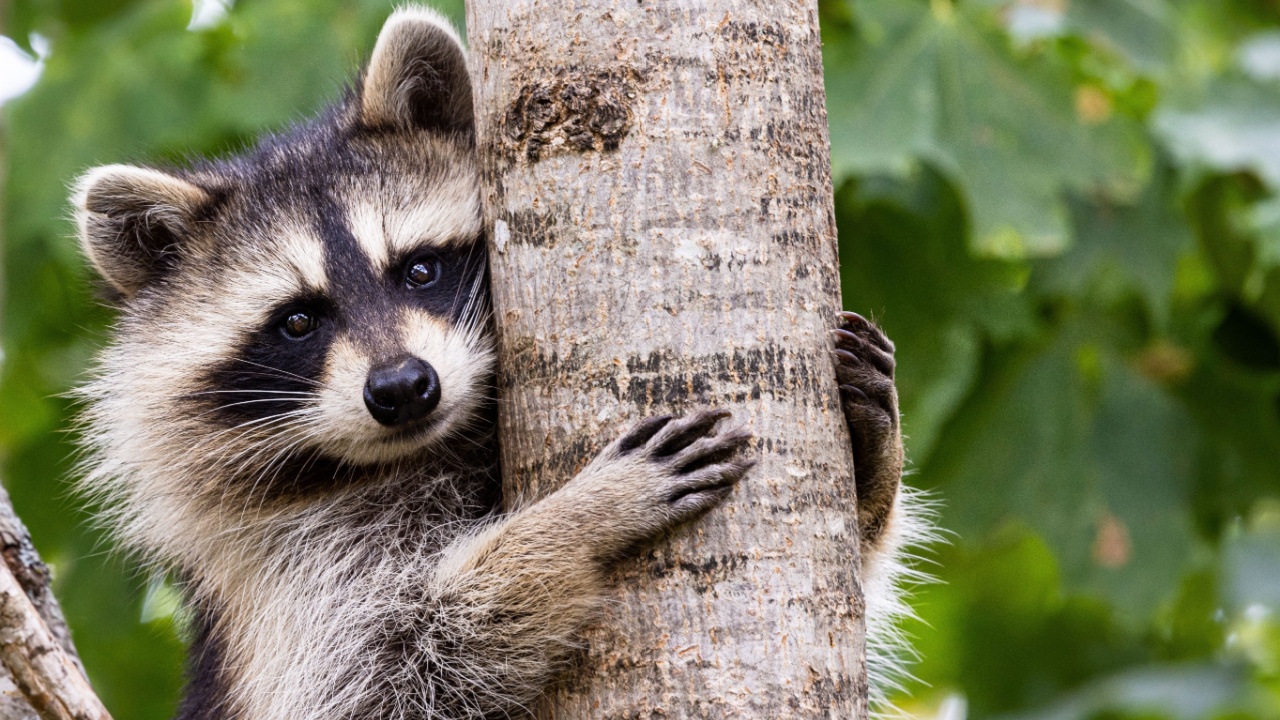
Small raccoons, skunks, and squirrels sometimes end up on the ground after storms, tree work, or a nest fall. If they are uninjured, you can place them in a shallow box or container lined with a towel and set it near the base of the tree or the spot where they were found.
This gives the mother a chance to retrieve them once the area is quiet. Keep the container out of direct sunlight and away from pets, then watch from indoors or another distant spot.
Many mothers return by nightfall or overnight, especially raccoons and skunks, though squirrels often come back sooner during daylight. If the baby is bleeding, cold, covered in insects, or still there after the mother has had time to return, call a rehabilitator.
6. Baby Snakes
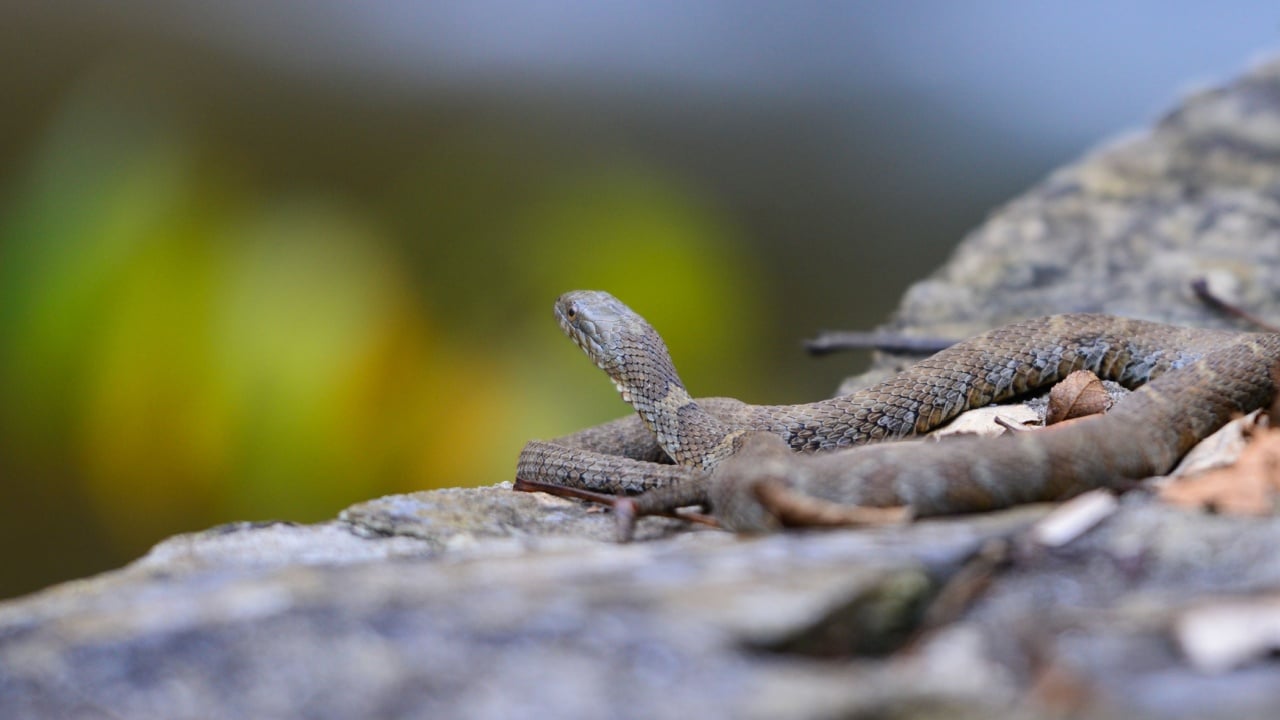
A baby snake in the yard can be alarming, yet most are best left alone. Nonvenomous snakes help control slugs, insects, and rodents, and they usually move on quickly if left undisturbed.
Trying to catch or kill one creates more risk for you than simply backing away.
If you suspect the snake is venomous, keep children and pets indoors and call wildlife removal or animal control.
Do not try to identify it by getting close or poking it with a tool. A safe response is distance, a clear view from far away, and help from someone trained to handle snakes.
A Gentle Pause
Finding a wild baby in your yard can pull at your heart fast. Most of the time, the best choice is to watch carefully, give the mother time, and keep the area calm.
When help is truly needed, quick action matters most when it comes from the right person. A little patience, a little distance, and a call to a trained wildlife expert can give that small visitor its best chance to return to the wild.
Read More:
18 States That Allow Trapping and Relocating Nuisance Animals