How to Get Rid of a Tree Stump Without Chemicals or Heavy Equipment
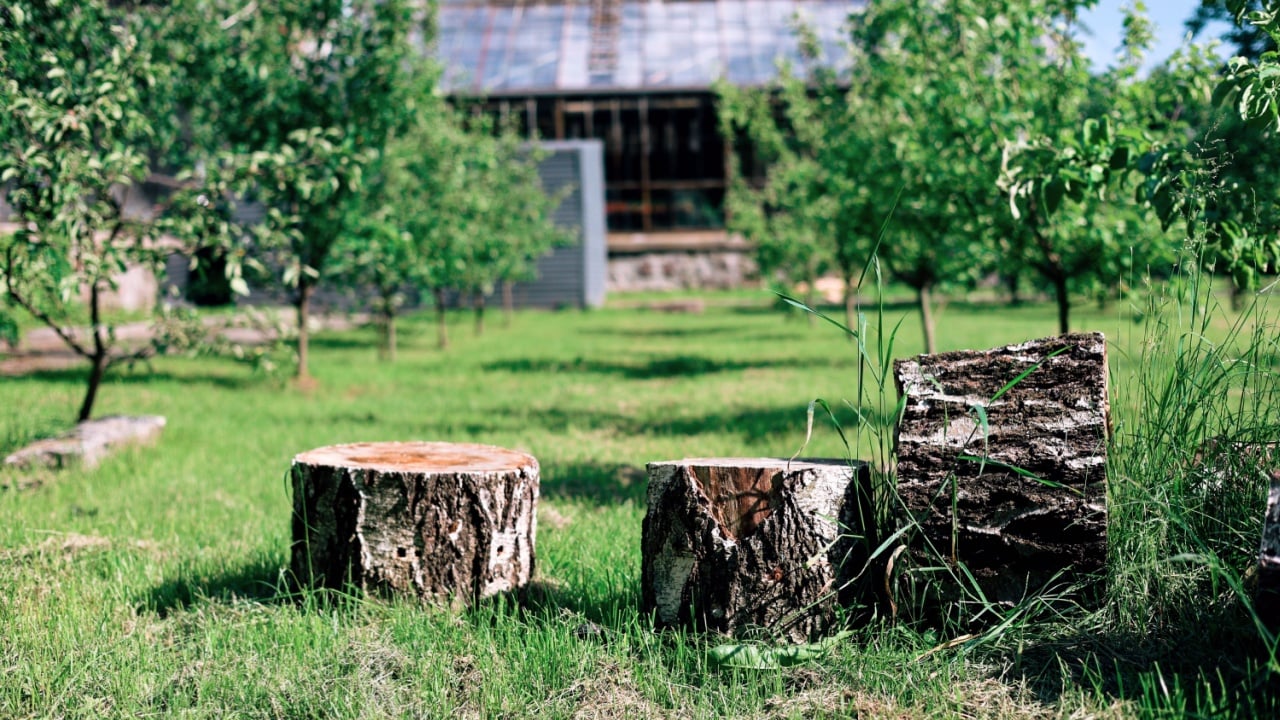
A tree may be gone, yet the stump can stay planted like a stubborn reminder of a final job left behind. It gets in the way of mowing, crowds a planting bed, and can turn a tidy yard into a tripping spot.
Many homeowners assume stump removal requires harsh products or rented equipment. In many cases, that is not true, especially when the stump is small to medium in size, and the root spread is still within reach.
Manual stump removal takes effort, though it gives far more control than grinding or chemical decay. It also prevents the accumulation of residue in the soil and allows the area to return to planting or lawn use much sooner.
Here is how to get rid of a tree stump without chemicals or heavy equipment.
First, Know When Manual Removal Makes Sense
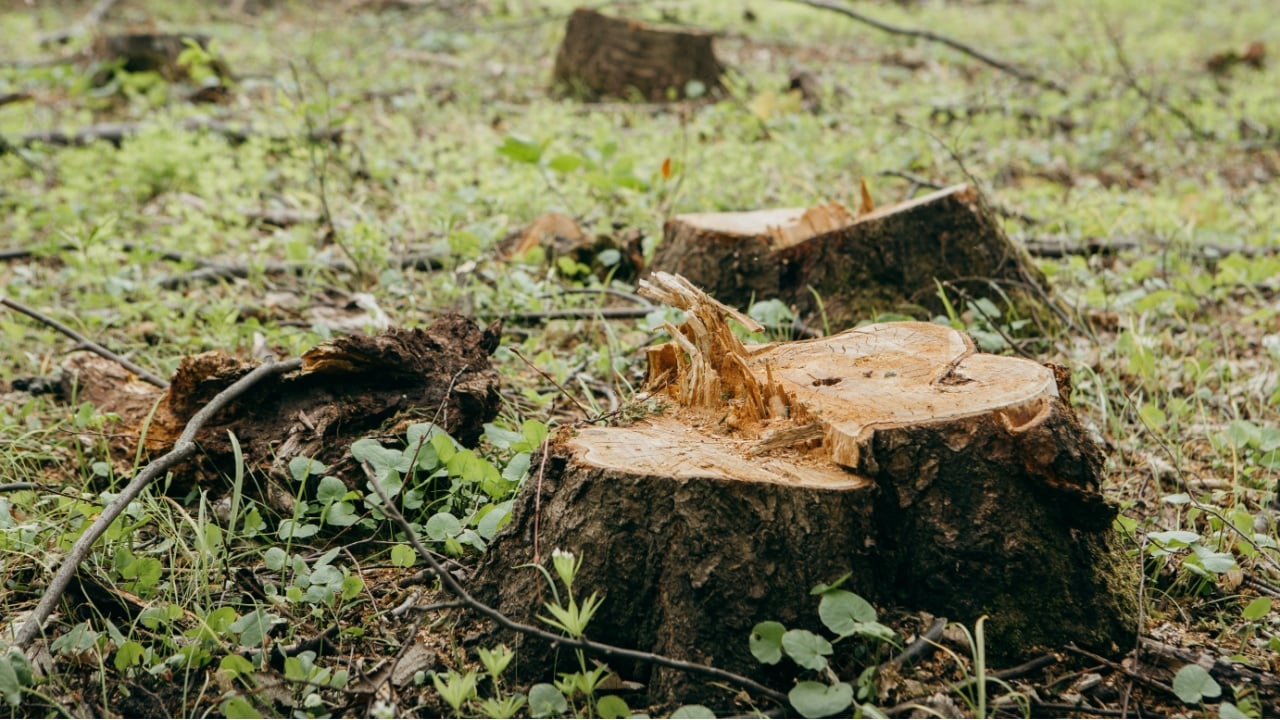
Removing a stump by hand works best when the trunk was cut fairly low, the wood is not massive, and the root system is still accessible.
Fresh stumps can be easier in some cases because the wood is solid enough to grip, while older stumps may have brittle roots and hidden rot that break apart during removal.
This method suits small and medium stumps from ornamental trees, fruit trees, and many yard trees with modest root spread.
Very large hardwood stumps, deeply anchored taproots, or stumps near walls, fences, and utility lines may call for a certified arborist so the site stays safe and the surrounding ground does not shift.
Then, Gather The Right Safety Gear And Tools
A safe job starts with basic protective gear such as steel-toed boots, sturdy work gloves, eye protection, and close-fitting clothes that will not snag on roots or tools.
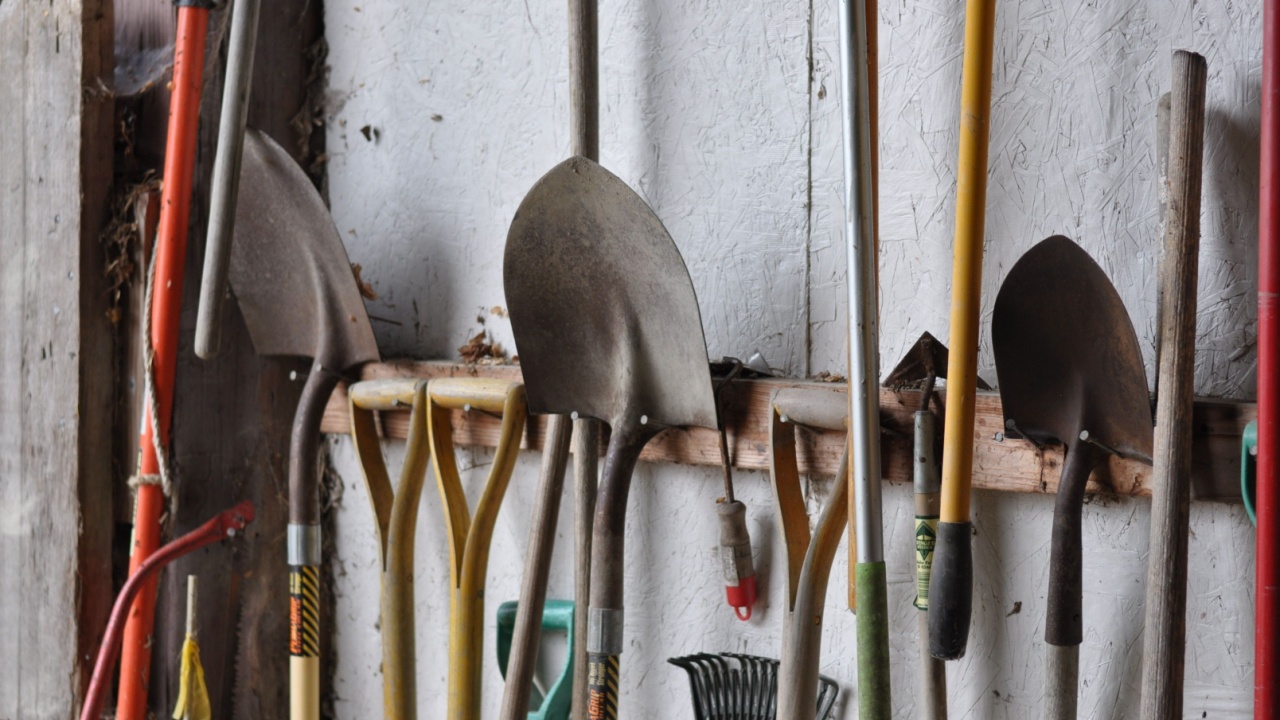
The most useful hand tools are a pointed shovel, a digging bar, a garden rake, bypass loppers, a pruning saw or handsaw, a hatchet or mattock, and a strong rope for leverage.
Each tool handles a different part of the job, and that matters when roots vary in thickness and depth.
Loppers move quickly through smaller roots, while a pruning saw gives cleaner cuts on thicker roots than a shovel strike, which reduces wasted effort and limits damage to the surrounding soil.
Cut The Stump Low Before Digging
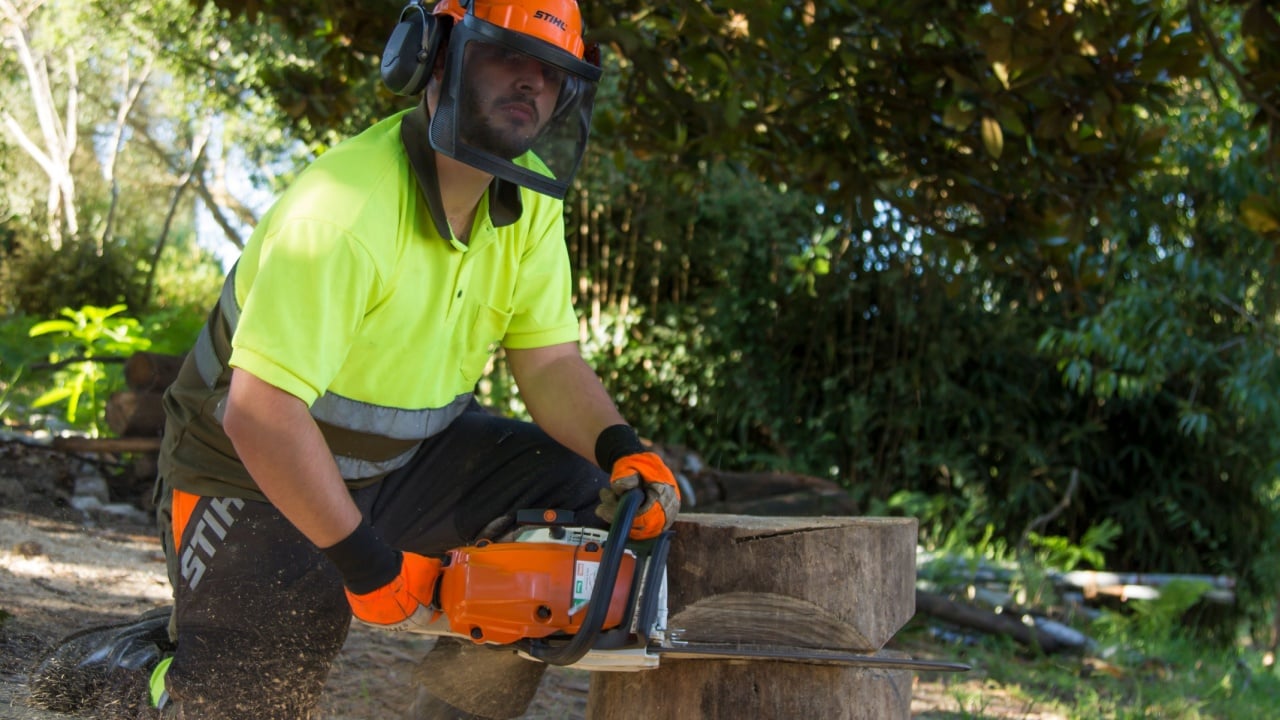
If the stump still stands several feet high, cutting it lower can make the digging zone easier to reach and safer to work around.
Leaving roughly 12 to 18 inches above ground can help, though, since that short section acts as a handle for rocking and twisting once the roots have been cut.
This balance matters more than many guides mention. A stump cut flush to the ground may look tidier at first, yet it removes a useful point of leverage and can make the final pull much harder for one or two people using hand tools alone.
Dig a Wide Trench Around the Stump
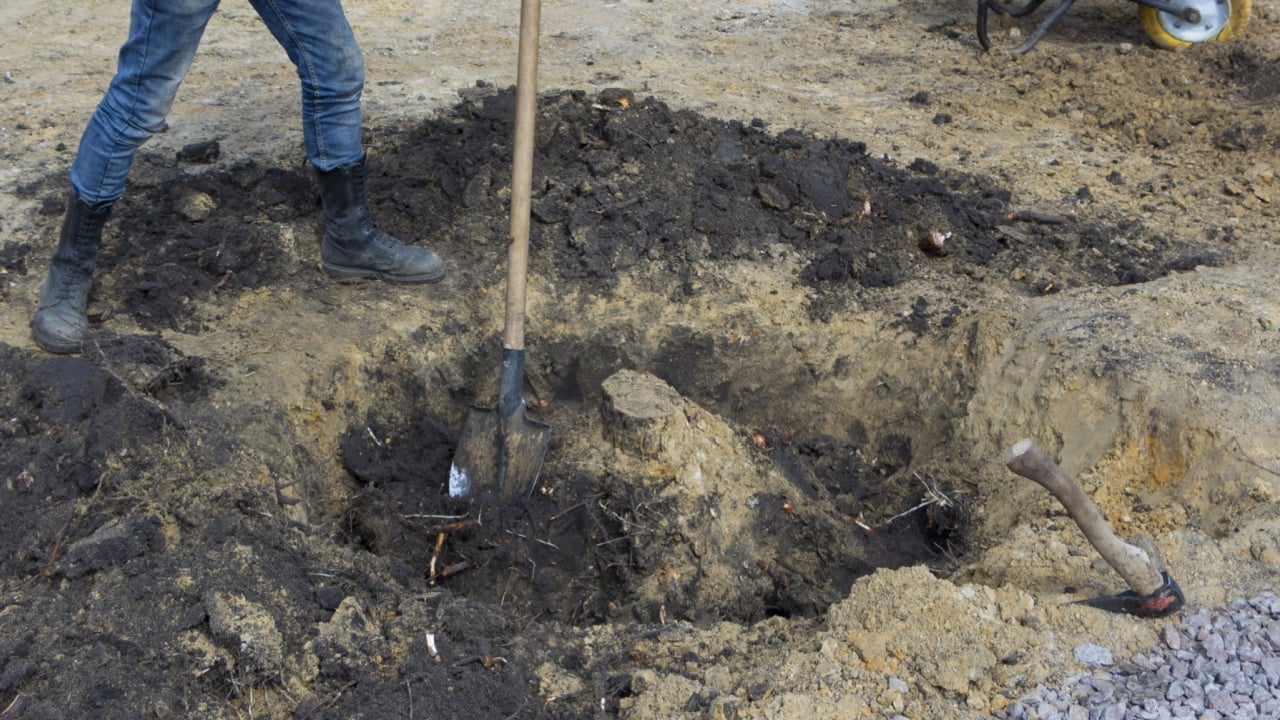
The first major task is opening the soil around the stump in a broad circle so the main roots come into view.
A trench that reaches 8 to 12 inches out from the stump edge often works for smaller stumps, though larger ones may need a wider circle to expose the root flare and major lateral roots.
Loose soil should be pulled back with a rake or shovel as the trench deepens, so buried roots remain visible.
Clean sightlines help avoid random chopping, which saves energy and makes it easier to tell which roots actually hold the stump in place and which can be ignored for the moment.
Expose and Identify the Main Roots
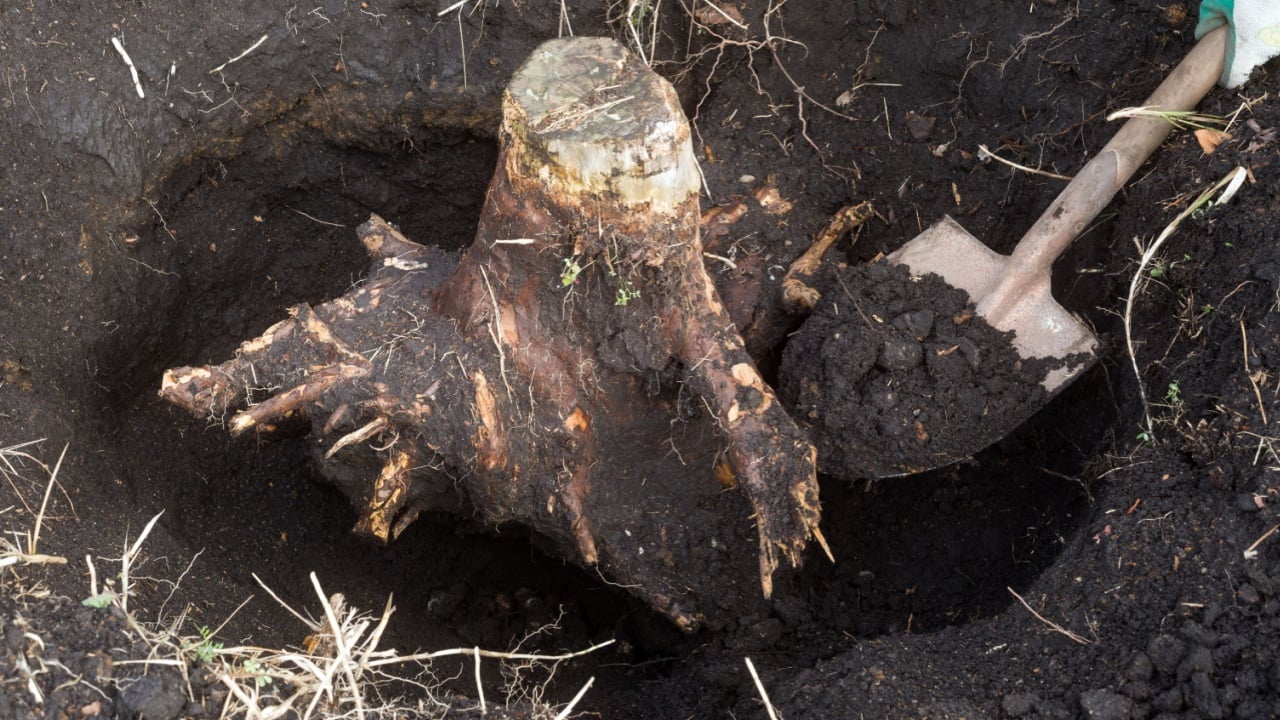
Once the trench is open, the real structure of the stump becomes easier to read.
Thick anchor roots usually radiate from the base, while smaller feeder roots branch off farther out and can often be cut quickly without much resistance.
Clearing soil by hand around each large root before cutting it helps reveal the angle and diameter. This leads to cleaner cuts and lowers the chance of striking stones, forcing a tool, or leaving half-cut roots that still pin the stump in the ground.
Cut Small Roots First, and Thick Roots with Care
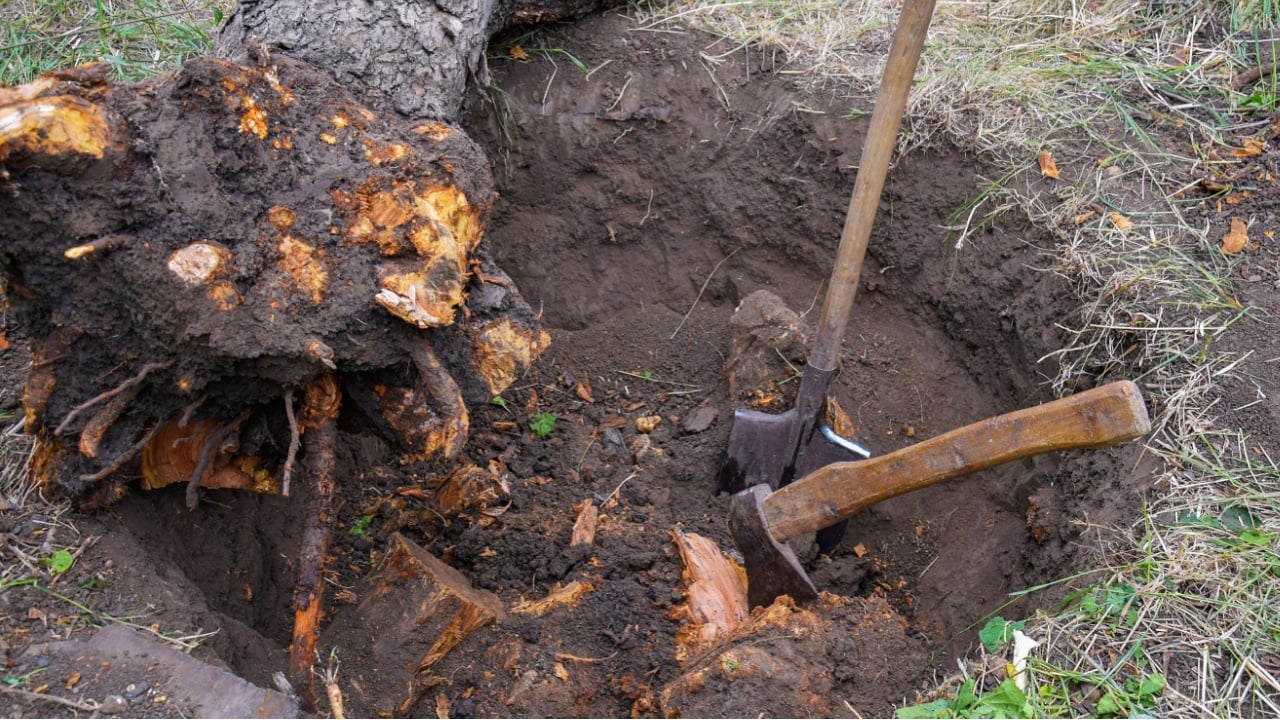
Small roots can be trimmed with bypass loppers, and that early progress opens room for larger tools to reach the deeper anchors.
Thicker roots usually need a pruning saw, hatchet, or mattock, and it helps to cut them in two places when space allows so the middle section can be removed, and the stump can move more freely.
Careful cutting is often faster than hard chopping. Sawing through a root close to the stump and then again several inches away creates a gap that reduces binding, and that extra clearance can make the final loosening stage far less tiring.
Loosen the Stump with Leverage and Rope
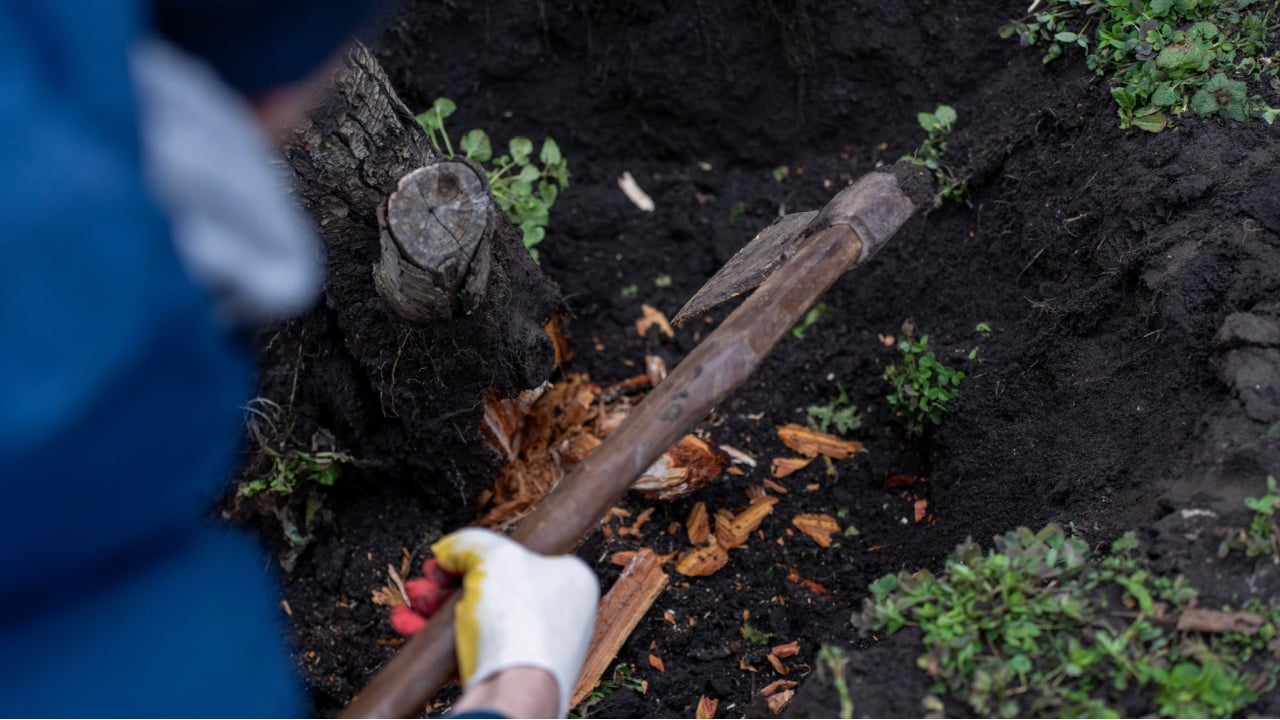
After most roots are cut, the stump can be rocked, twisted, and pulled to break the last fibers still attached below ground.
A rope tied low and tight around the stump gives better control than pulling high on the trunk, and a helper can add steady force while another person watches for hidden roots that still need trimming.
Leverage matters more than raw strength in this stage. Using a digging bar under the root crown or shifting the stump from several angles often works better than repeated tugging, since each movement exposes weak points and shows exactly where more cutting will free the base.
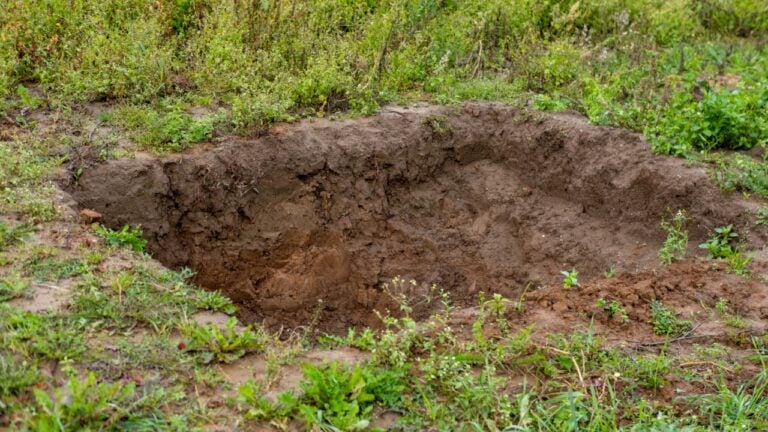
Refill the Area and Restore the Soil
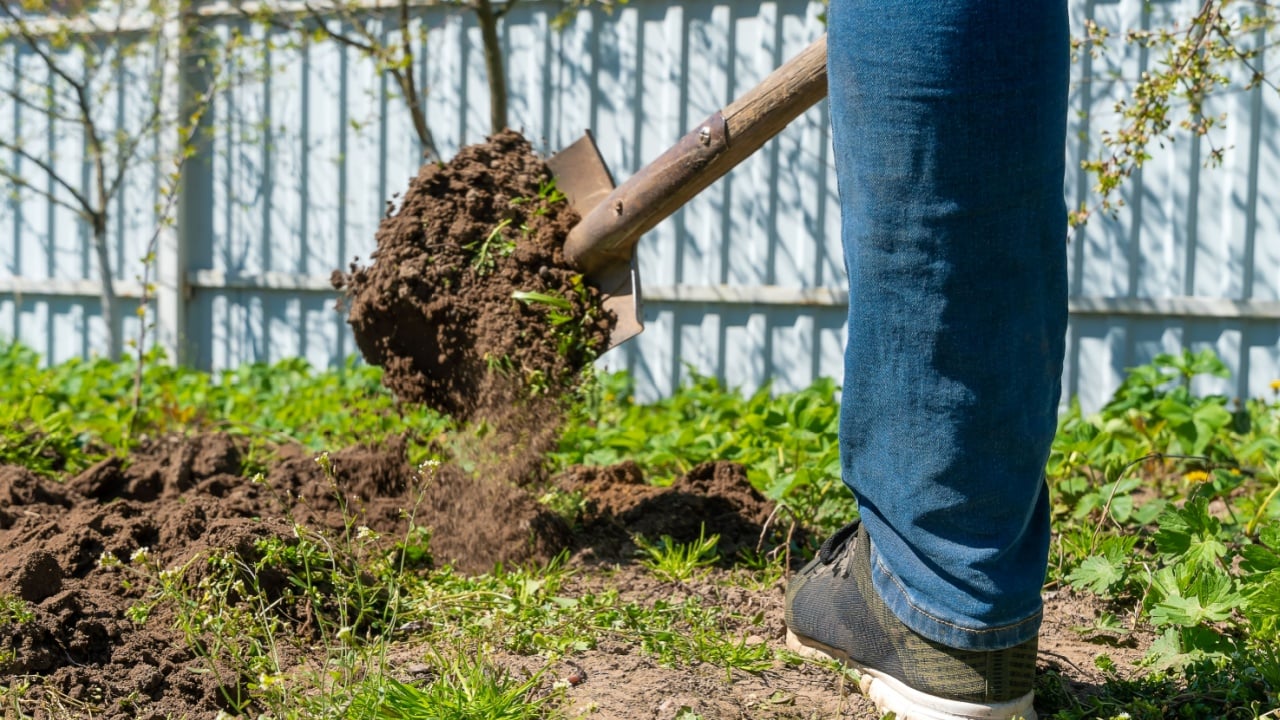
The space should be filled with native soil mixed with compost or other organic matter to improve texture and reduce hard settling.
Soil should be packed in layers rather than dumped all at once, since shallow tamping every few inches helps support the surface and limits air gaps.
Freshly filled ground often sinks after the first few waterings, so a slight mound is useful at first.
Once the area settles, it can be seeded for grass, mulched for a bed, or prepared for a new plant if the old root system has been cleared well enough to give new roots room to spread.
Know When to Stop and Call a Pro
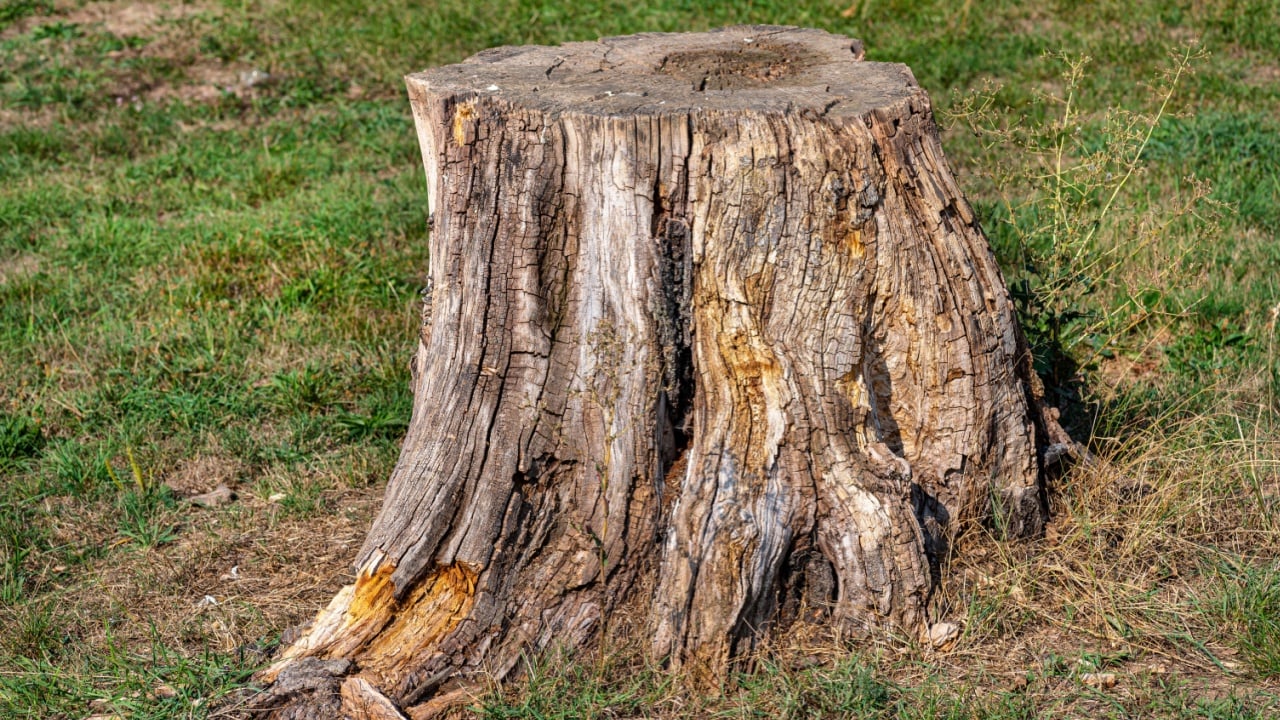
Some stumps resist hand removal for valid reasons, and forcing the job can damage tools or cause injury.
If the stump is wider than roughly 18 to 24 inches, tied into major surface roots, or growing near utility lines, foundations, retaining walls, or irrigation systems, professional help is often the safer path.
There is also a practical limit to what manual removal can do in dense clay or rocky ground. When hours of trenching reveal very large roots in several directions, and the stump barely shifts, continued effort may cost more in time and strain than a targeted service call from an insured tree professional.
Read More:
6 Things Tree Experts Say Are Hurting Your Trees
6 Invasive Trees That Will Take Over the Yard If You Let Them