
12 Foods That Become Toxic When Cooked Incorrectly
Cooking changes flavor, texture, and digestibility, but some foods can become harmful when prepared the wrong way. A few contain natural toxins that break down only after proper cooking. Others develop dangerous compounds if they sit too long, cook unevenly, or stay underdone in the center.
Food safety agencies, toxicology research, and culinary guidance from reputable sources, such as the USDA and CDC, regularly warn consumers about these risks. The foods on this list are neither rare nor exotic. Many appear in everyday kitchens and are often prepared without much concern.
The issue usually comes down to chemistry. Certain plants produce natural defense compounds against insects and predators. Some seafood can collect bacteria or toxins from warm conditions. A few ingredients release harmful substances when exposed to high heat or improper storage.
This list covers 12 foods that need extra care during preparation. Each section explains what can go wrong, why it happens, and what cooking methods reduce the risk.
1. Red Kidney Beans
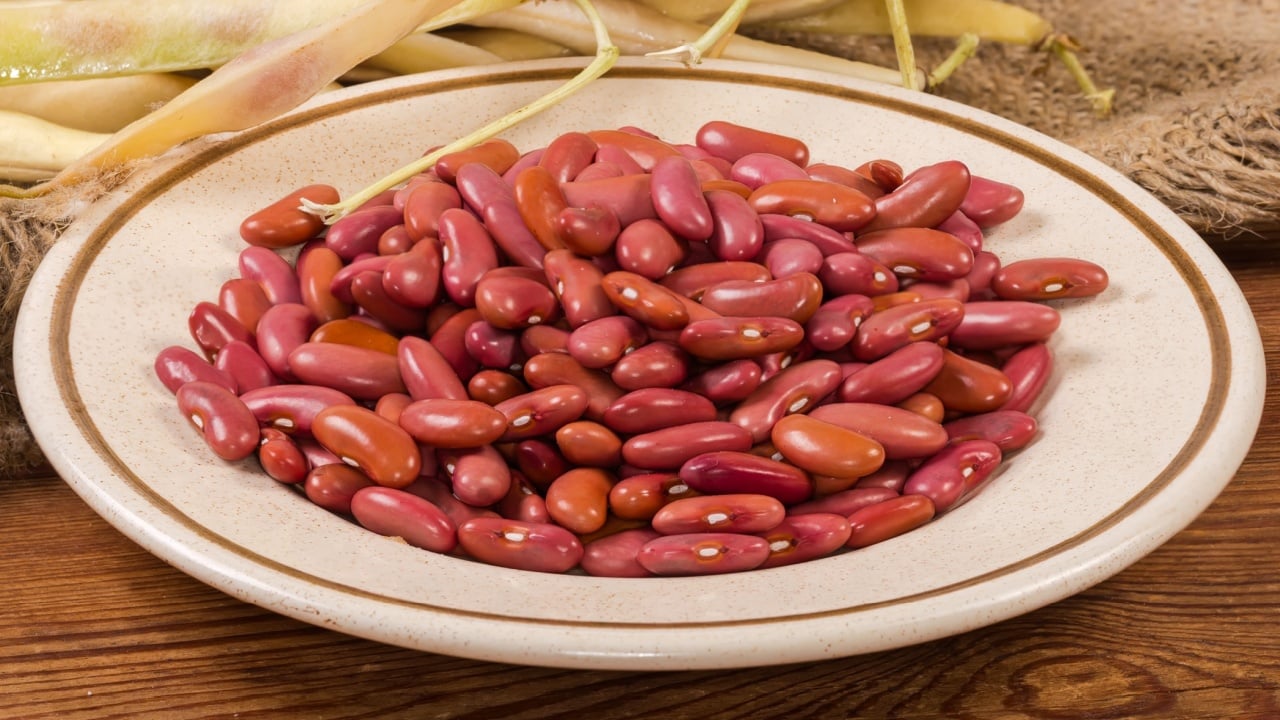
Raw kidney beans contain high levels of phytohaemagglutinin, a type of lectin. While many plants contain lectins, the levels in these beans are high enough to cause severe food poisoning if they aren’t neutralized.
Consuming as few as five undercooked beans can trigger severe nausea and vomiting within hours. The toxin is highly resilient and requires consistent boiling temperatures to break down effectively.
Soak the dried beans for at least twelve hours and then boil them in fresh water for at least thirty minutes. Avoid using slow cookers for raw beans because the low heat can increase the toxin concentration instead of destroying it. High heat is the only reliable way to ensure the lectins are deactivated.
2. Flour
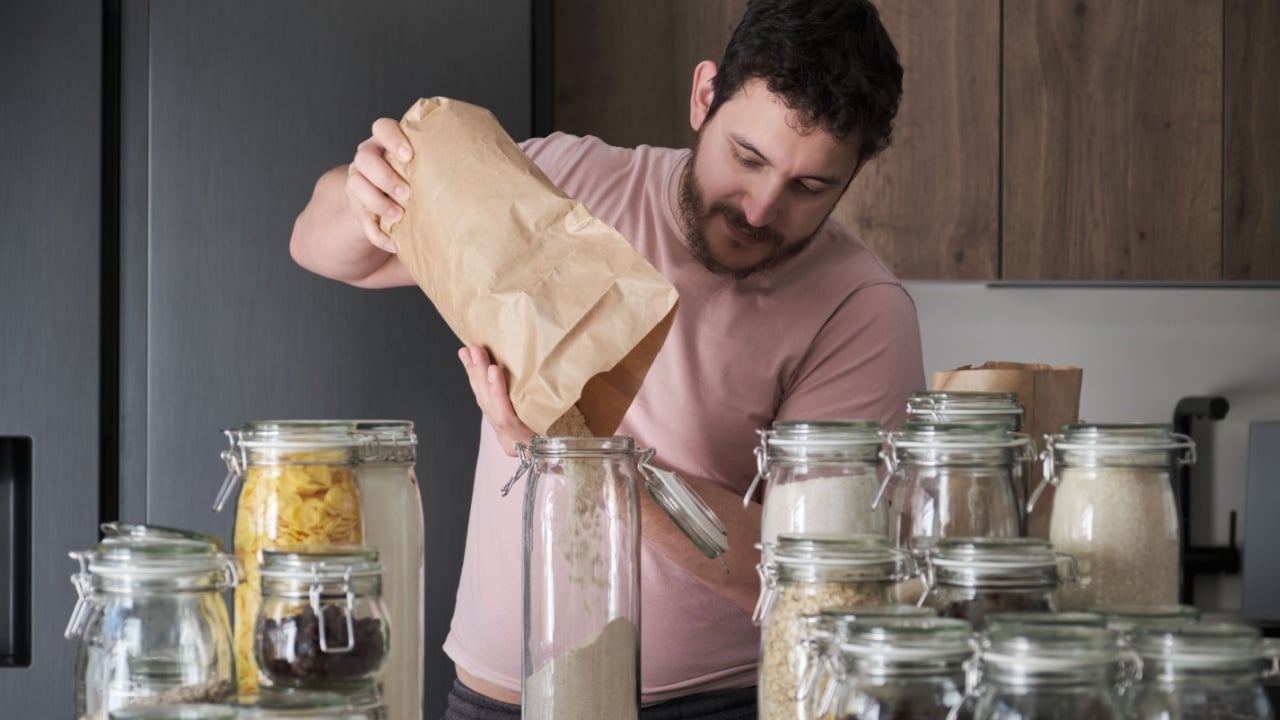
Many people realize the risk of raw eggs in dough, but uncooked flour is also a significant hazard. Grain grows in open fields where it can be exposed to bacteria like E. coli or Salmonella. Since milling is not a heat-treated process, these pathogens remain in the bag until the flour is baked or boiled.
Heating flour to an internal temperature of 160 degrees Fahrenheit is necessary to kill lingering bacteria. This means tasting raw cake batter or cookie dough is a genuine health risk. Even using flour as a thickener in sauces requires bringing the liquid to a simmer to make the starch safe for consumption.
If a recipe calls for raw flour in a “no-bake” context, the flour must be heat-treated first. Spreading it on a tray and baking it at 350 degrees for five minutes is a common practice. This step removes the risk while keeping the flour ready for use in edible doughs or chilled desserts.
3. Potatoes
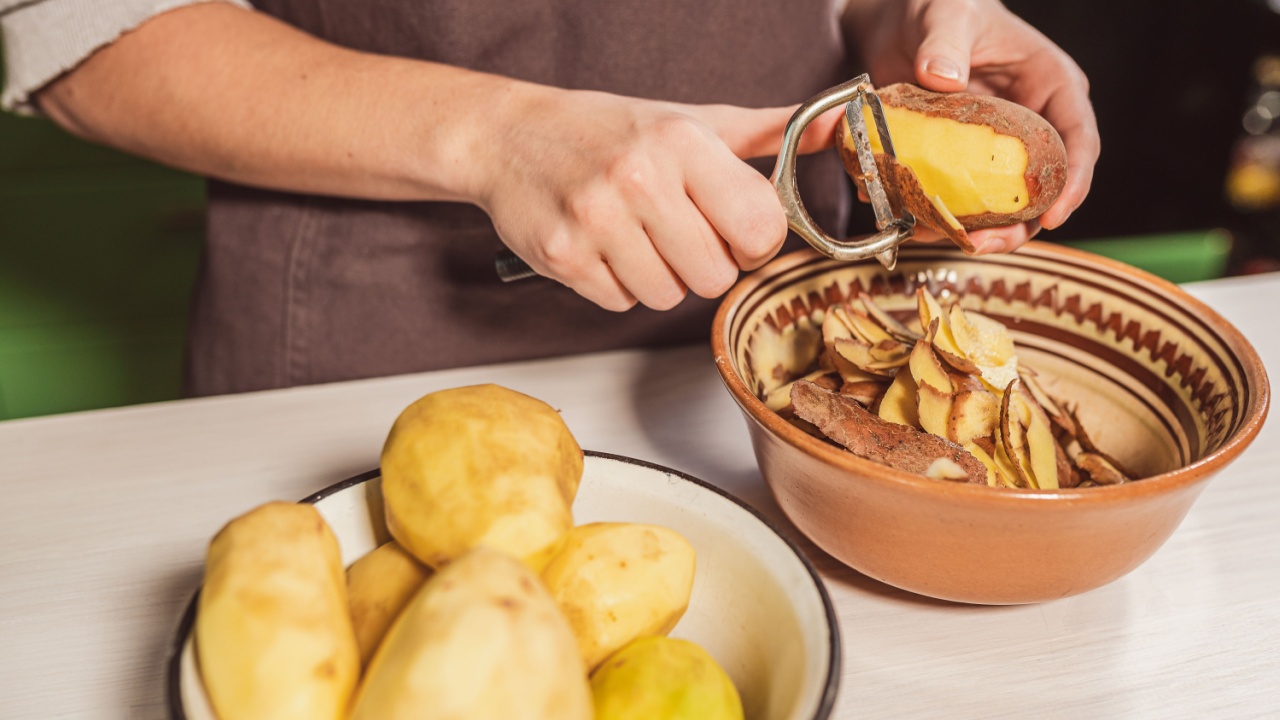
Potatoes produce solanine, a natural glycoalkaloid that acts as a defense against pests and fungus. When potatoes are exposed to light or stored poorly, solanine levels rise, often indicated by a green tint under the skin. Consuming high levels of this compound can lead to neurological issues or digestive distress.
Cooking helps reduce these glycoalkaloids, but it does not eliminate them if the levels are already high. Boiling, baking, or frying spuds at high temperatures is essential to keep the remaining lectins and toxins at a manageable level. Always peel away green spots or sprouts, as these areas contain the highest toxin concentrations.
Store potatoes in a dark, cool place to prevent the chemical buildup before you even start cooking. If a potato tastes exceptionally bitter after preparation, it is best to stop eating it immediately.
4. Bamboo Shoots

Fresh bamboo shoots are a staple in many cuisines but contain cyanogenic glycosides. These chemicals release hydrogen cyanide when they interact with human enzymes during digestion. While pandas can process these naturally, humans must rely on heat to strip the poison away.
Preparation involves removing the tough outer husks and slicing the inner core. Boiling the slices in salted water for twenty to thirty minutes is the standard method for neutralizing the cyanide.
Canned bamboo shoots are usually pre-boiled during the canning process, making them safe to use immediately. However, when working with fresh shoots from a market, never skip the boiling phase. Drying the shoots after boiling provides an extra layer of safety and improves the final texture.
4. Cassava
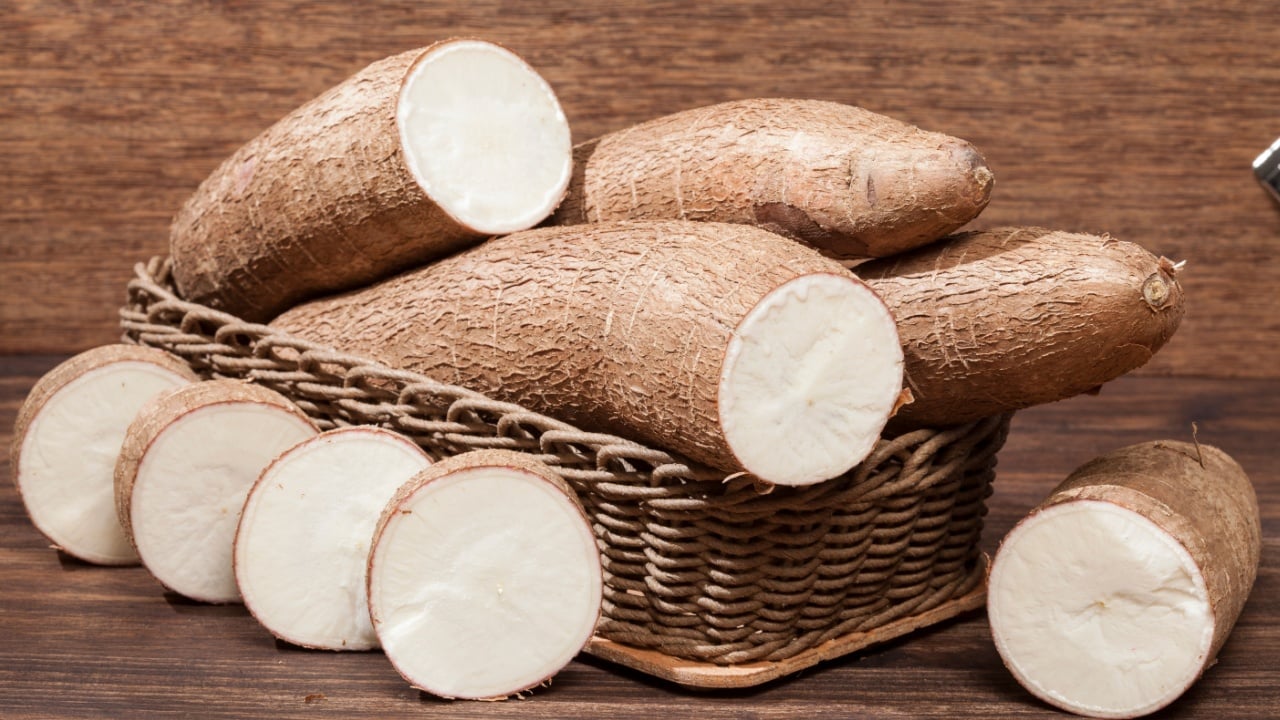
Cassava is a calorie-rich root vegetable that also contains cyanogenic glycosides similar to those in bamboo. If the root is eaten raw or prepared with insufficient heat, it can cause cyanide poisoning. This risk is especially high in varieties known as “bitter cassava,” which have higher concentrations of the toxin.
Safety starts with thorough peeling to remove the outer skin where toxins are concentrated. Soaking the pieces for several days and then boiling or roasting them until soft is the traditional and most effective method.
Always ensure the cassava is cooked all the way through, as the center must reach the same high temperatures as the surface. It is a versatile starch, but it demands respect in the kitchen. Following these steps makes it a safe and filling addition to many dishes.
5. Chicken
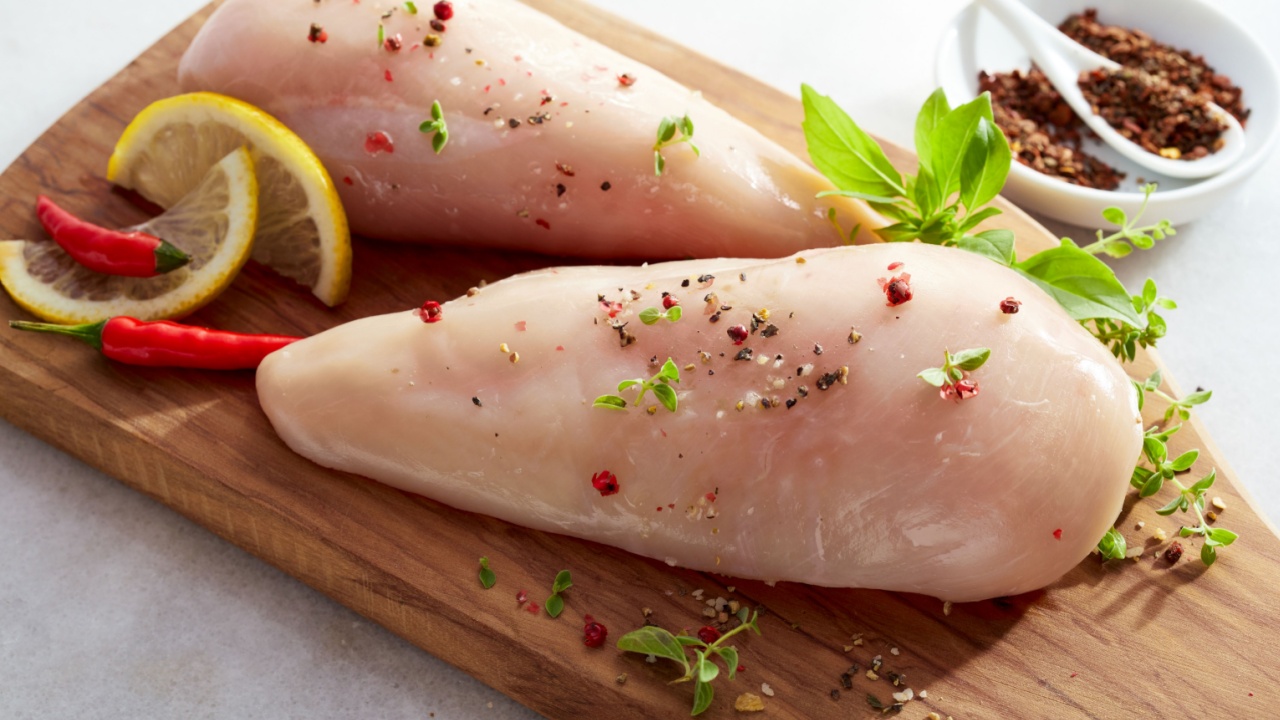
Raw poultry is a frequent host for Salmonella and Campylobacter bacteria. These pathogens can cause severe food poisoning if the meat is undercooked or if juices contaminate other surfaces.
Unlike some other toxins, these are living organisms that must be destroyed by precise heat. The only way to verify safety is by using a meat thermometer to reach an internal temperature of 165 degrees Fahrenheit.
Color alone is not a reliable indicator of doneness. Avoiding the practice of washing raw chicken in the sink also prevents the spread of bacteria to counters and utensils.
6. Mushrooms
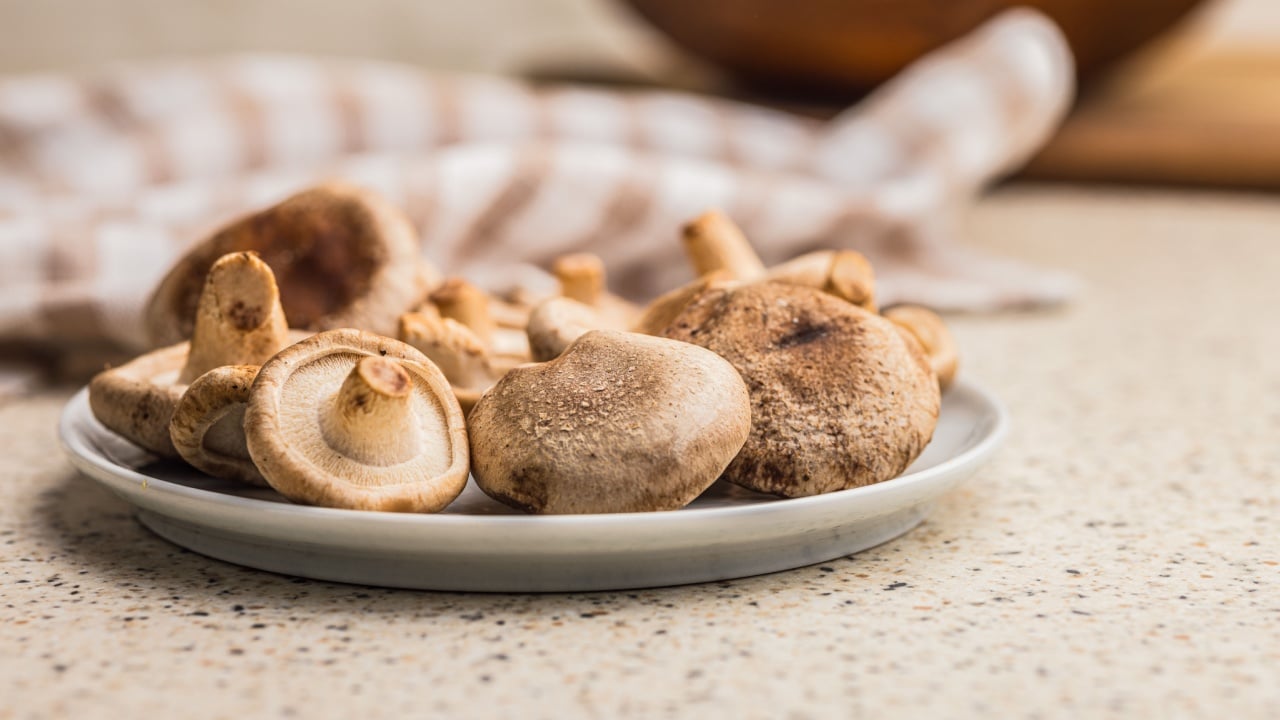
Mushrooms have tough cell walls made of chitin, which the human stomach cannot easily break down. Cooking softens these walls, allowing the body to absorb the antioxidants and vitamins inside. Furthermore, some common varieties contain small amounts of agaritine, a compound that may have carcinogenic properties when raw.
Applying heat significantly reduces agaritine levels and eliminates potential surface bacteria or parasites. Searing, roasting, or boiling mushrooms makes them far more digestible and safer for long-term health. Even mushrooms sold as “safe to eat raw” provide more nutrition when cooked.
When preparing wild mushrooms, the stakes are even higher as heat can neutralize certain mild toxins, though it cannot make a truly poisonous mushroom safe. Stick to store-bought varieties and apply heat until they are tender.
7. Pork
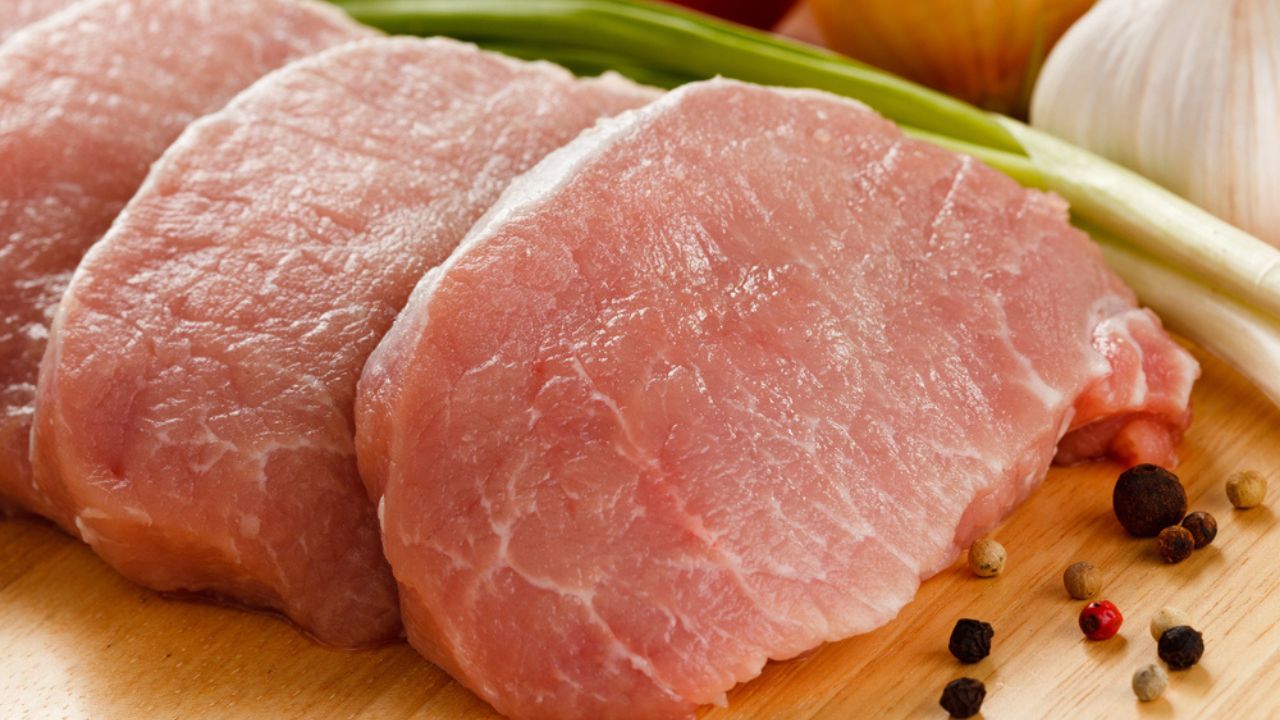
Pork was historically associated with parasites like Trichinella, which can cause serious illness in humans. While modern farming has reduced this risk, the meat can still harbor Yersinia or other bacterial contaminants. Thorough cooking remains the standard for preventing infection.
Current safety guidelines suggest cooking whole cuts of pork to 145 degrees Fahrenheit, followed by a three-minute rest. Ground pork should always reach 160 degrees because the grinding process can distribute surface bacteria throughout the meat. These temperatures are sufficient to kill any potential parasites or pathogens.
Using a thermometer is a reliable way to know the meat is safe without being overcooked and dry. Resting the meat is a vital part of the process as the internal temperature continues to rise slightly. These steps provide a balance of safety and culinary quality.
8. Spinach

Spinach is high in nitrates, which are generally healthy but can become problematic during certain reheating methods. If spinach is reheated repeatedly at high temperatures, those nitrates can convert into nitrosamines. Some nitrosamines are considered carcinogenic and should be avoided in high quantities.
To minimize this risk, avoid overcooking spinach during the initial preparation. If there are leftovers, reheating them quickly at a lower temperature is better than a long session in a high-heat oven. Many experts suggest eating cooked spinach in one sitting or using leftovers in cold dishes.
The nutritional benefits of spinach still outweigh these risks for most people. Simple awareness of heat levels prevents the chemical conversion of nitrates. Rapid cooling of cooked spinach before refrigeration also helps maintain its chemical stability.
9. Lima Beans
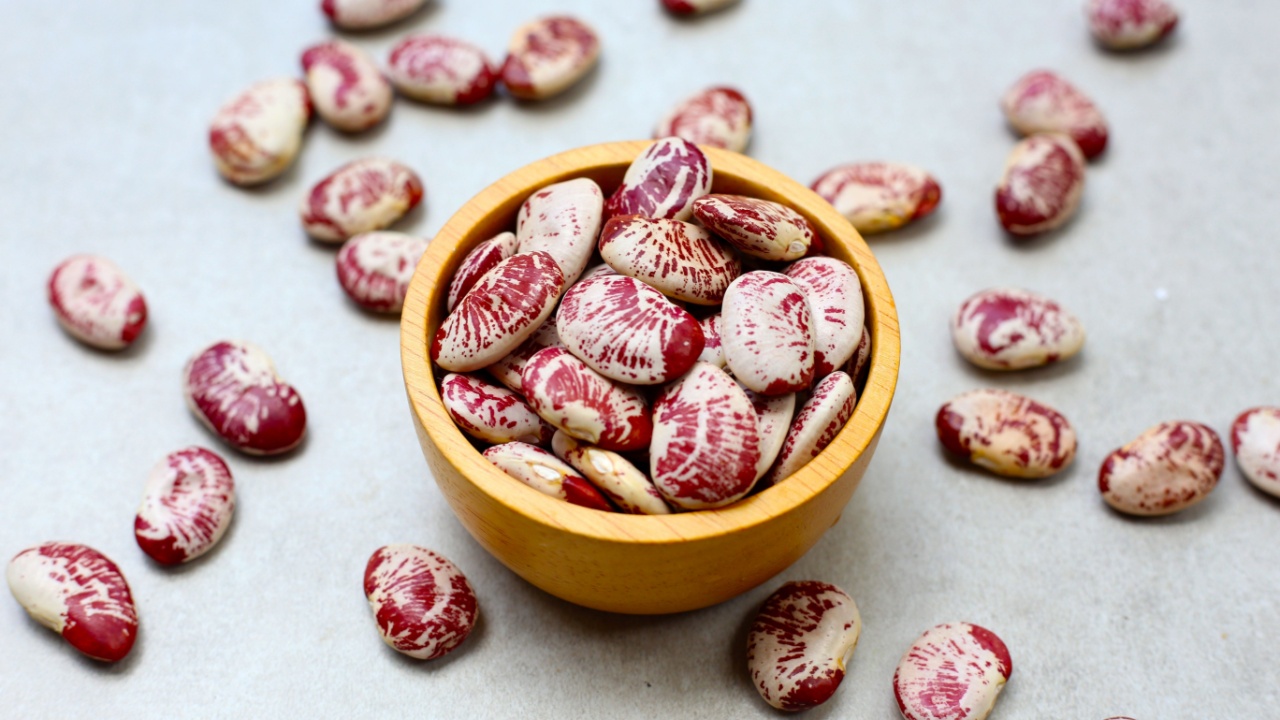
Lima beans contain linamarin, which turns into hydrogen cyanide when the beans are damaged or chewed. American commercial varieties are bred to have lower levels of this compound, but the risk still exists if they are eaten raw. High heat is the standard solution for making these buttery beans edible.
Boiling lima beans in an uncovered pot allows the cyanide gas to escape into the air rather than staying in the food. Soaking them overnight and discarding the water also helps remove a portion of the toxins. Cooking for at least ten to twenty minutes is usually enough for the lower-cyanide varieties found in stores.
Never use the soaking water for cooking or as a base for soups. Fresh water and a rolling boil are the most reliable tools for safety. Once prepared this way, the beans are a safe and excellent source of fiber and protein.
10. Rhubarb
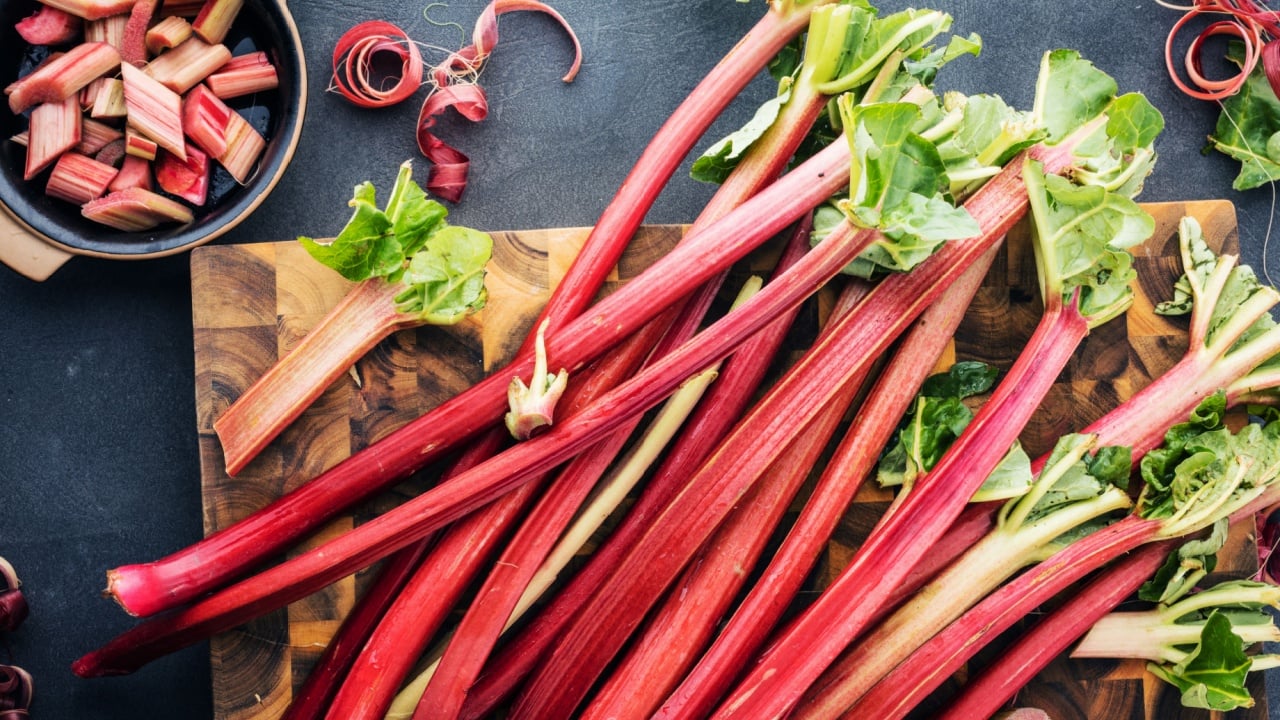
Rhubarb stalks are famous for their tart flavor in pies, but the leaves are a different story. The leaves contain high concentrations of oxalic acid, which can cause kidney damage or even death in large amounts. Even the stalks contain some oxalic acid, but at much lower, safer levels.
Preparing rhubarb requires strictly removing and discarding all green leaf material before cooking the red or green stalks. The stalks should be cooked thoroughly to further reduce the concentration of oxalates. This ensures the plant is safe for the kidneys and digestive system.
Because the toxins are concentrated in the leaves, simply avoiding that part of the plant solves the problem. Never use rhubarb leaves as a garnish or in salads. Sticking to the stalks and applying heat is the only way to enjoy this seasonal ingredient.
11. Fugu (Pufferfish)
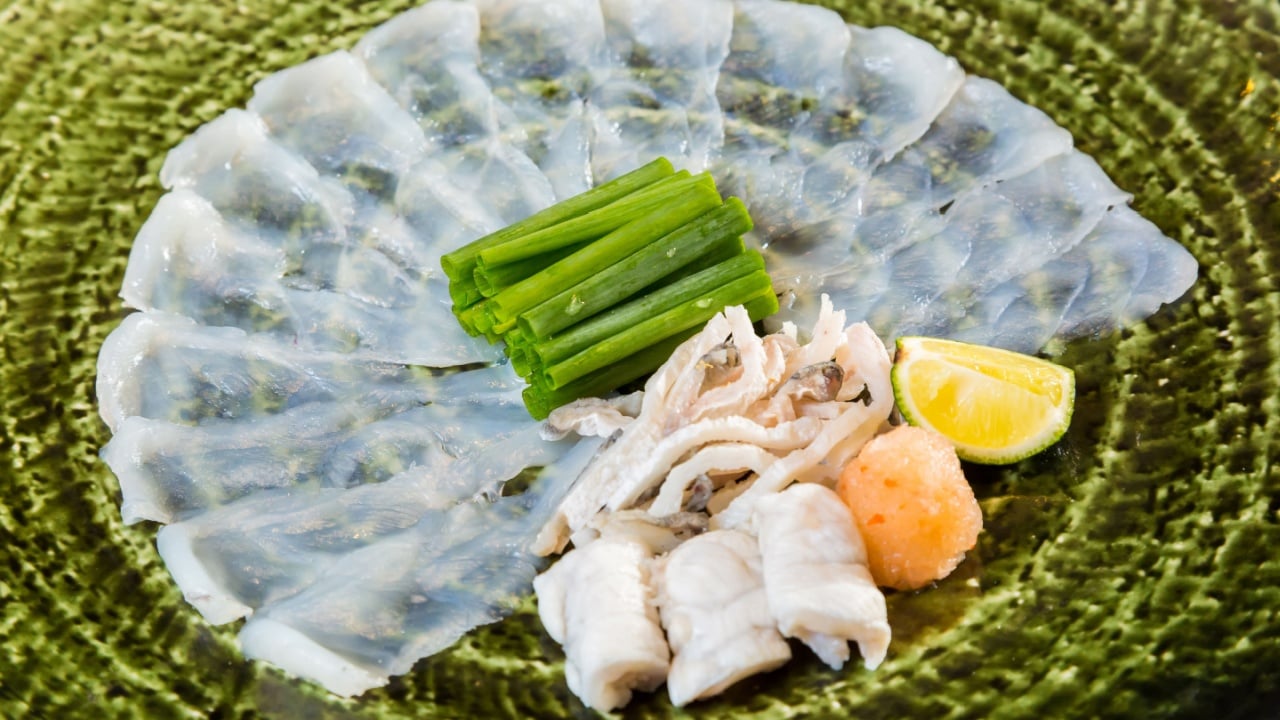
Pufferfish contains tetrodotoxin, a potent neurotoxin that is significantly more toxic than cyanide. This poison is concentrated in the liver, ovaries, and skin of the fish. If these parts are punctured or handled incorrectly during preparation, the toxin leaks into the meat.
In many places, only licensed professionals are allowed to prepare this fish due to the high stakes. The process involves meticulous surgical removal of the toxic organs without contaminating the edible flesh. There is no home-cooking method that can reliably make a whole pufferfish safe if the toxin is present.
Consuming incorrectly prepared fugu can lead to paralysis and respiratory failure. If you are interested in trying this delicacy, always visit a certified restaurant with a trained chef. Attempting to prepare a pufferfish at home is extremely dangerous.
12. Rice

Rice is often contaminated with Bacillus cereus, a bacterium that produces heat-resistant spores. While boiling the rice kills the active bacteria, the spores can survive. If cooked rice is left at room temperature for too long, these spores can activate and produce toxins.
To prevent illness, serve rice immediately after cooking or cool it as quickly as possible for refrigeration. When reheating rice, ensure it is steaming hot all the way through. It is best not to reheat rice more than once, as each cooling and heating cycle increases the risk of bacterial growth.
The key to safe rice is temperature control after the initial boil. Storing it in shallow containers helps it cool faster in the fridge. By managing storage and reheating times, the risk of “fried rice syndrome” is easily avoided.
Safe Cooking Starts With Small Habits

Most food risks are easy to avoid once you know the basics. A good meat thermometer, proper storage, and careful cooking can make a big difference in keeping meals safe. Learning how different foods react to heat also helps prevent common kitchen mistakes.
Paying attention to these details builds confidence in the kitchen and helps keep every meal safer for the whole family.