7 Types of Medicinal Flowers Every Garden Should Have
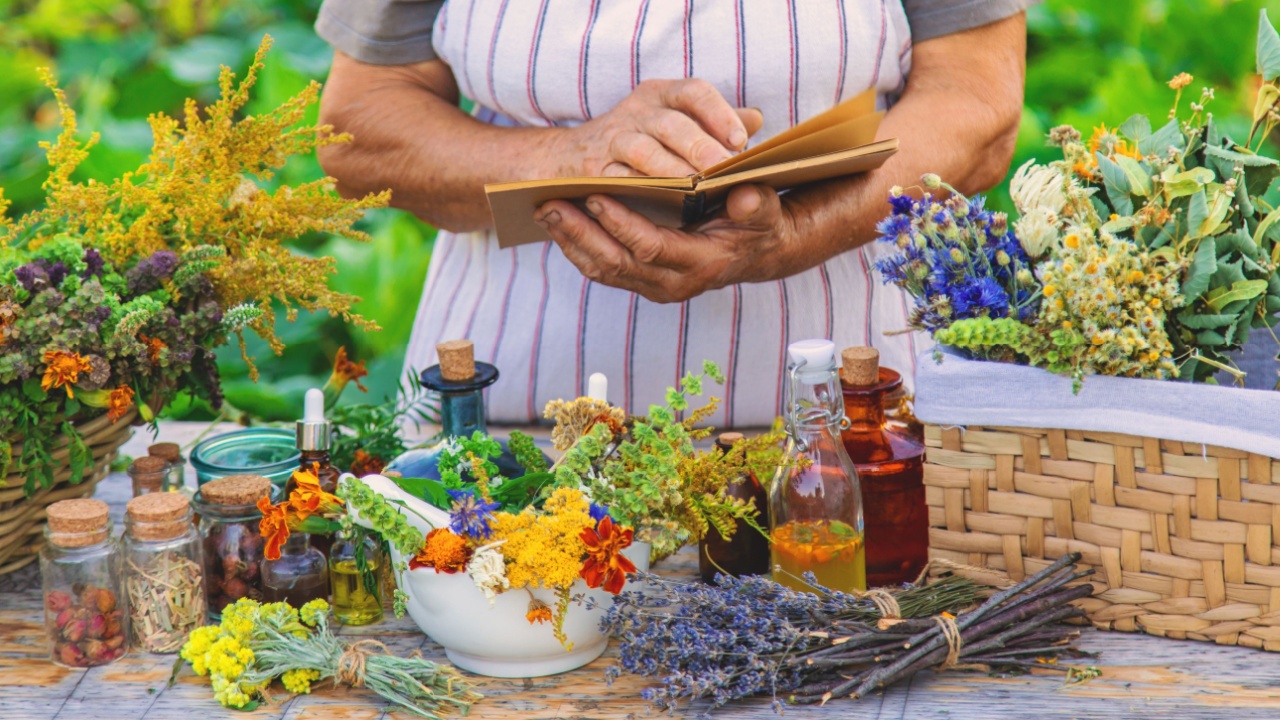
If you’re side-eyeing your flower bed and wondering if it can do more than look pretty, here’s some good news: it can. Many common blooms have a long history in home remedies, teas, salves, and skin care.
People have used medicinal flowers for centuries to calm nerves, ease skin irritation, support digestion, and help the body during the cold season. Modern research does not replace traditional use, but it does support some of these plant benefits in useful ways.
Growing these flowers at home gives you fresh ingredients right outside your door. It also helps you learn which plants are safe, helpful, and easy to use in simple everyday ways.
Here is a list of seven medicinal flowers every garden should have, along with what each one can do and how you can grow and use it with care.
1. Hibiscus
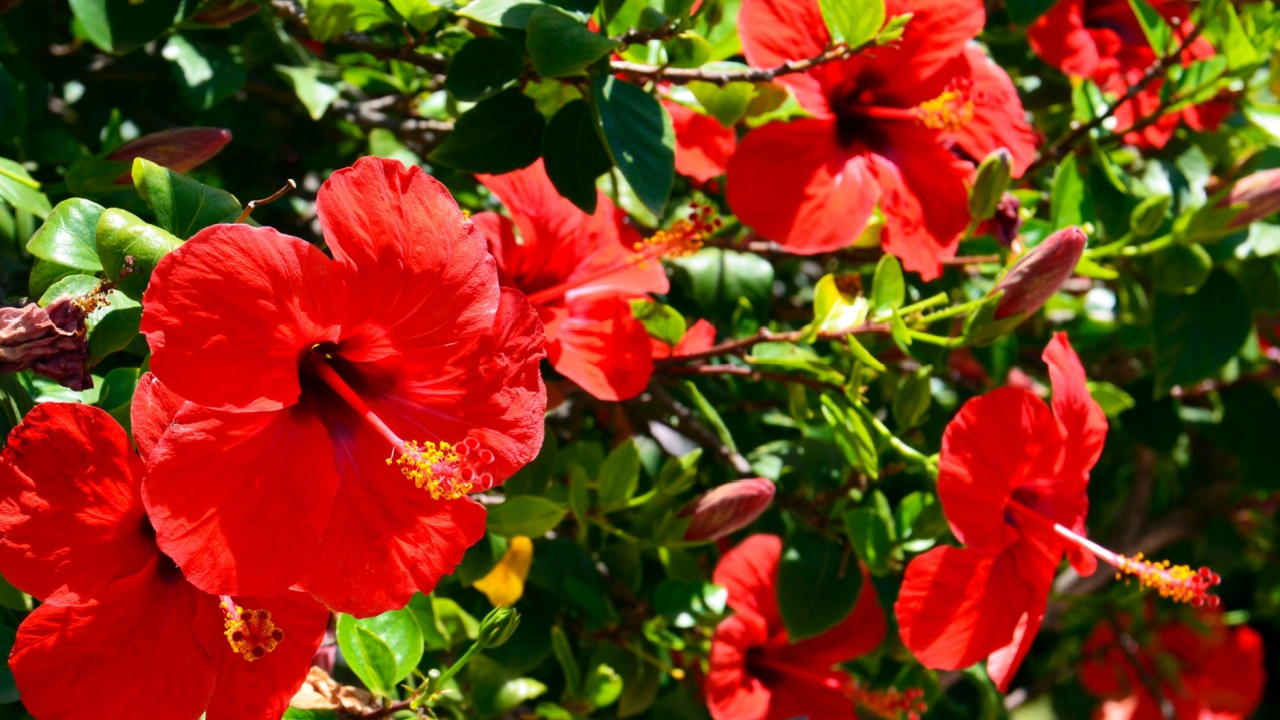
Hibiscus is one of the most eye-catching medicinal flowers you can grow, with large blooms in rich shades of red and pink. The dried calyx of roselle hibiscus is often brewed into a tart tea that is rich in antioxidants, especially anthocyanins, which give the plant its deep red color.
Health experts have linked hibiscus tea with support for healthy blood pressure and heart health, especially when used as part of a balanced diet. It is also refreshing served cold, which makes it one of the easiest medicinal flowers to enjoy often.
If you want hibiscus for herbal use, make sure you grow the right type, since ornamental hibiscus and roselle are not always used in the same way. Roselle prefers warm weather, full sun, and regular watering, so it does best in long summer climates or large containers that can soak up heat.
Harvest the fleshy red calyces after flowering, then dry them fully before storing them in a jar away from light. If you are new to herbal teas, hibiscus is a good flower to learn from because the flavor is bold and the plant gives a generous harvest.
2. Lavender
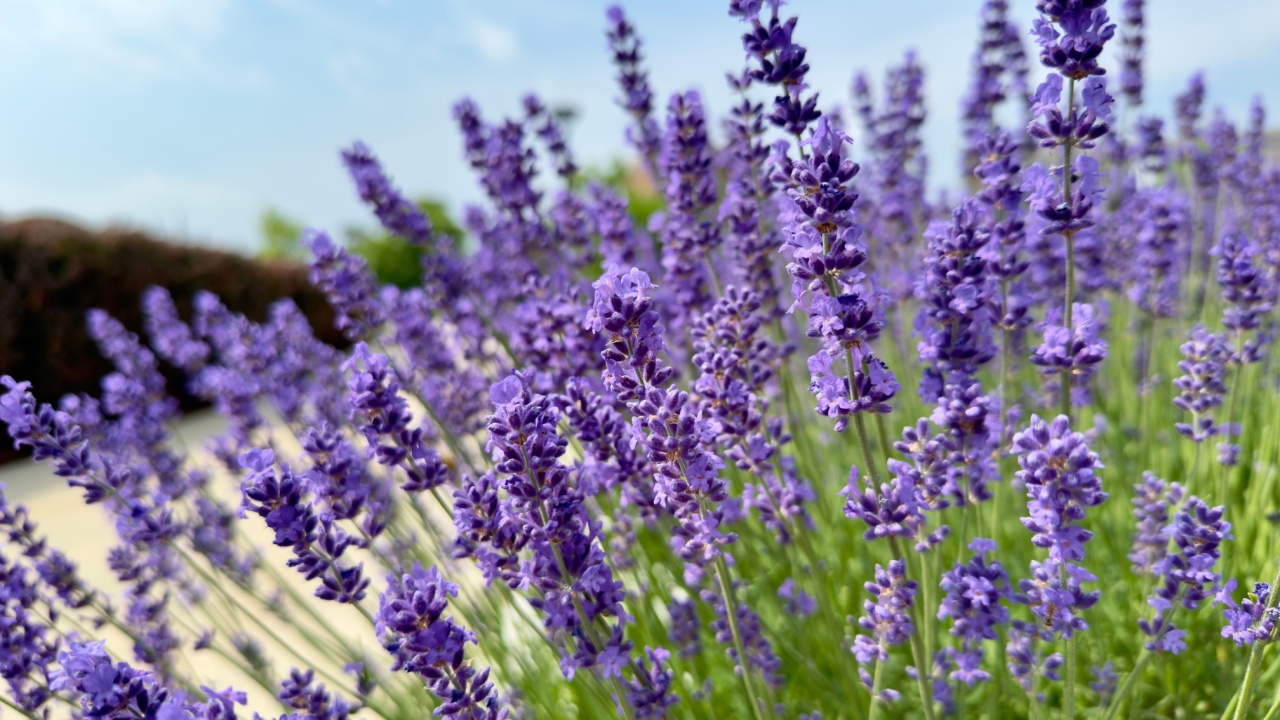
Lavender is loved for its scent, yet its value goes far beyond fragrance. The flowers contain compounds such as linalool and linalyl acetate, which are linked to calming effects and are often used to support sleep and ease mild stress.
Dried lavender can be brewed into tea in small amounts, tucked into a pillow sachet, or infused into oil for skin use. It is also a common choice for soothing minor insect bites and mild skin irritation when prepared properly.
This plant needs full sun, sharp drainage, and light watering once established, so it does best in soil that does not stay wet. Many gardeners lose lavender from too much care rather than too little, since soggy roots can rot fast.
Cut flower stems just as the buds begin to open to achieve the strongest scent for drying. Keep in mind that culinary and herbal use should come from plants grown without chemical sprays, and any skin application should be tested on a small area first.
3. Calendula
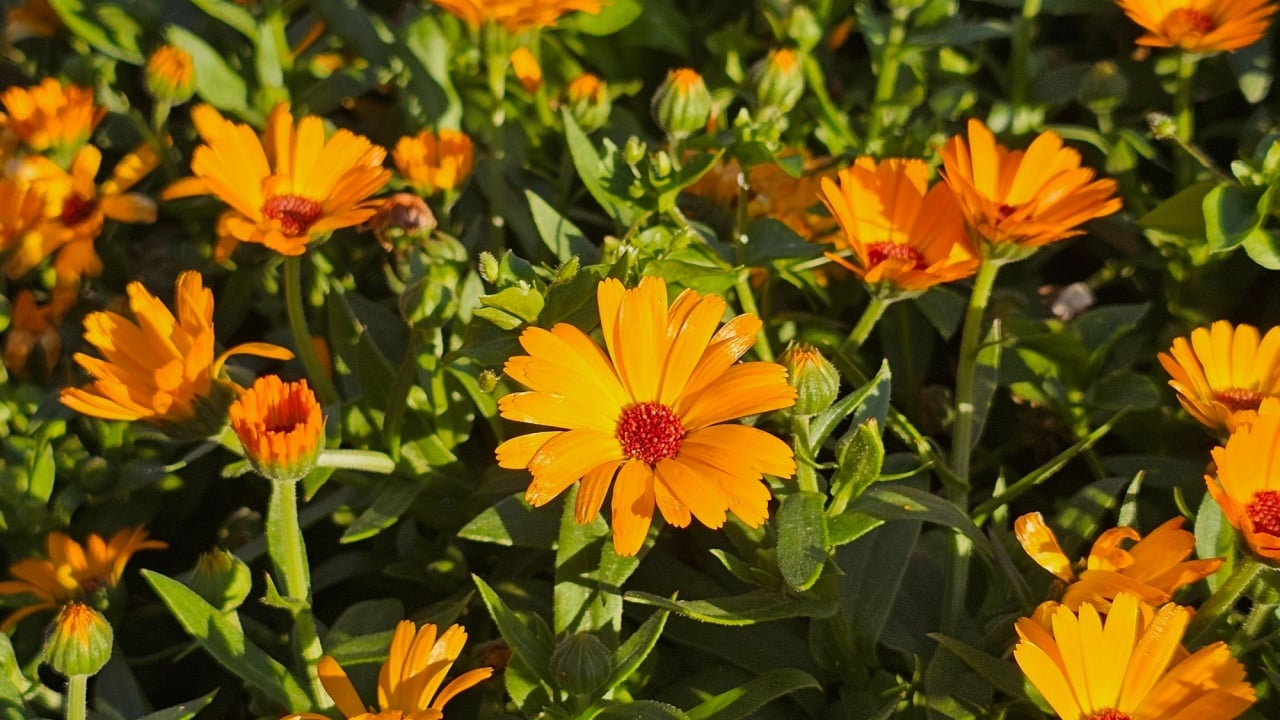
Calendula, often called pot marigold, is one of the most useful flowers for skin care in a home garden. Its bright orange or yellow petals contain plant compounds that have been studied for anti-inflammatory, antifungal, and wound-supporting effects.
Herbalists often use calendula in salves, oils, creams, and rinses for dry skin, small cuts, mild rashes, and irritated patches. Unlike many medicinal plants, calendula is gentle enough that it has become a staple in many beginner herb gardens.
The more you harvest calendula, the more it tends to bloom, which makes it rewarding through much of the growing season. Pick the flower heads on dry mornings when they are fully open, then dry them in a warm place with good airflow.
Once dried, the petals can be infused into oil for homemade skin products or added to soothing bath blends. Calendula grows easily from seed, handles average garden soil well, and earns its place in any medicinal flower patch through both beauty and usefulness.
4. Nasturtium
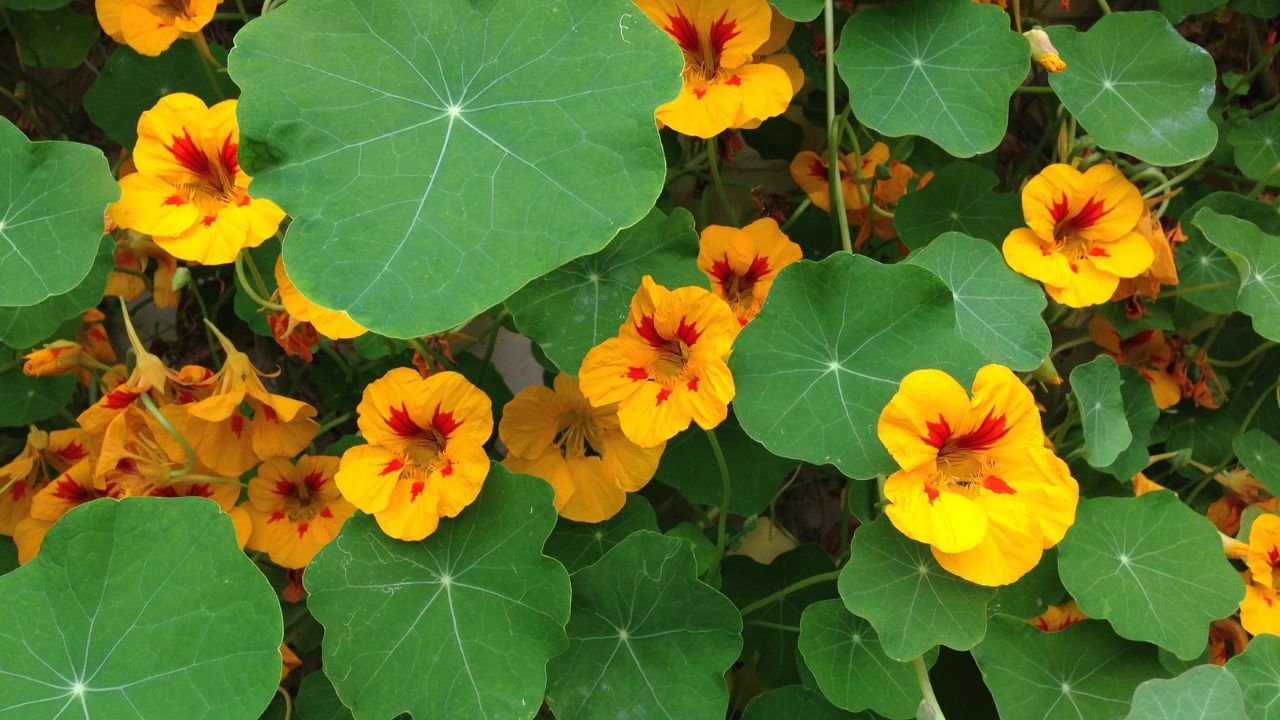
Nasturtium brings bright color to the garden, and both its flowers and leaves are edible. These peppery blooms are rich in vitamin C and contain natural plant compounds that have been valued for supporting the body during minor respiratory trouble.
Traditional use has linked nasturtium with mild antimicrobial action, which helps explain why it has long been added to fresh herbal foods and remedies. It is one of the few medicinal flowers that fits just as easily into a salad as it does into a folk medicine routine.
For home growers, nasturtium is almost effortless in the right spot. It prefers full sun to light shade and often blooms best in poorer soil, since rich soil can lead to more leaves and fewer flowers.
Add the fresh petals and leaves to salads, vinegars, or sandwich spreads for a peppery bite and a boost of color. Since it is usually used fresh rather than dried, it is a smart flower to grow near the kitchen, where you can snip what you need and use it the same day.
5. Rose
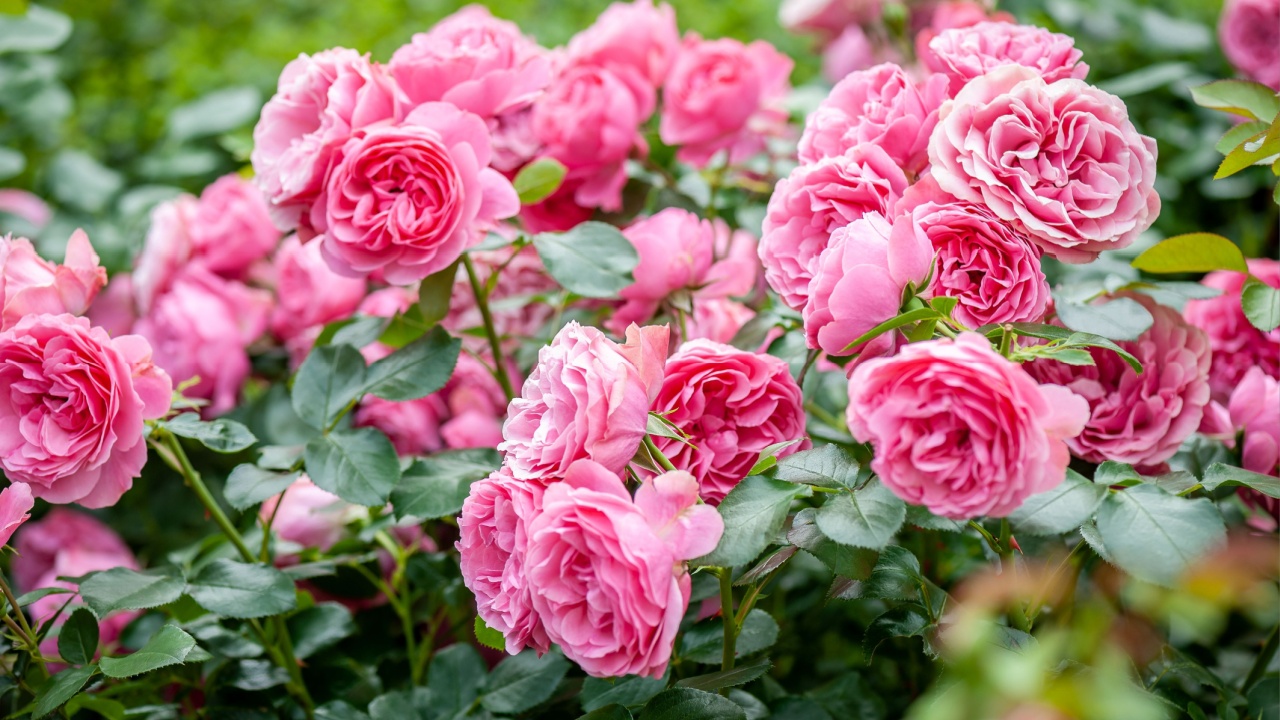
Rose petals have a long record in herbal care, food, and beauty rituals. Many fragrant garden roses can be used in teas, syrups, infused oils, and skin preparations, and their petals contain polyphenols that provide antioxidant activity.
Rose tea is often sipped for mild digestive comfort and a calming effect, while rose-infused water and oil are used to soften and hydrate dry skin. The petals bring a gentle floral taste, yet the medicinal appeal is just as important as the scent.
If you want to use roses for herbal purposes, choose highly fragrant varieties and avoid flowers from florists or plants treated with systemic chemicals. Harvest petals after the dew dries and use them fresh or dry them in a thin layer out of direct sun.
Rose works well blended with chamomile or lavender in teas and bath soaks, though it is just as lovely on its own. A few healthy rose bushes can give you enough petals for small home uses all season long.
6. Chamomile
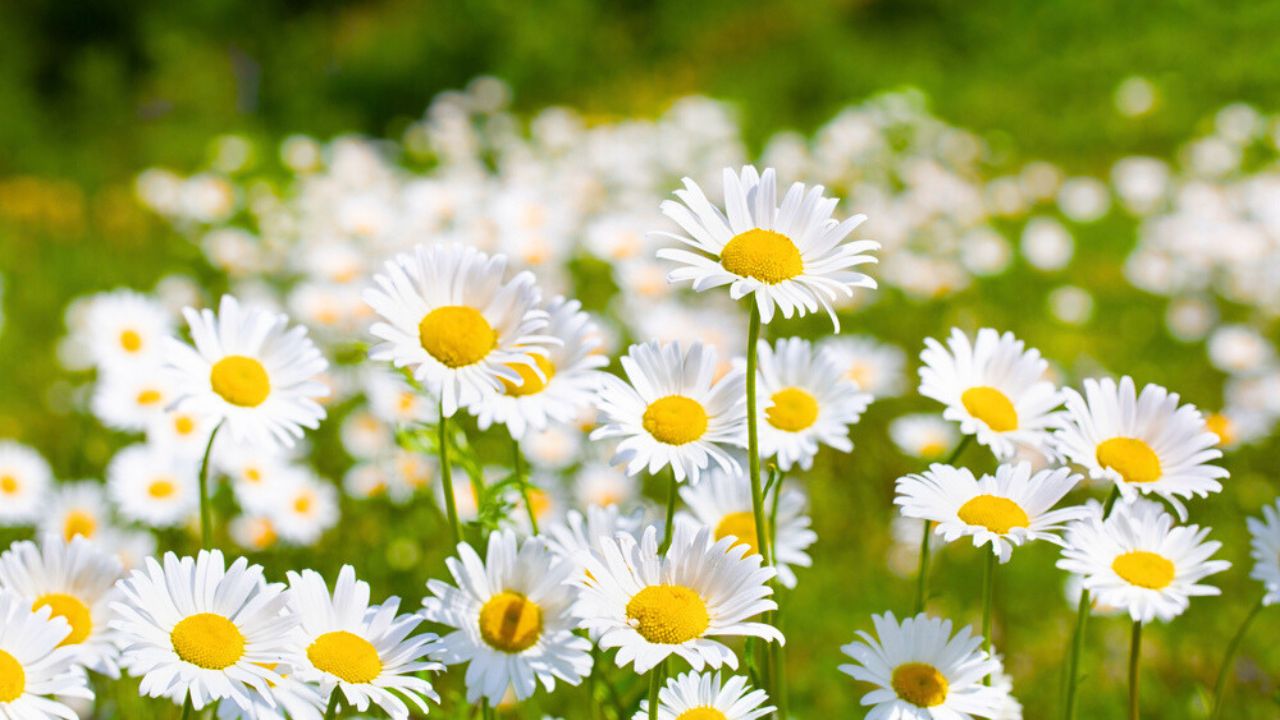
Chamomile is one of the best-known medicinal flowers, and for good reason. The daisy-like blooms are commonly dried for tea that may help with mild anxiety, restless evenings, and minor digestive discomfort.
Chamomile contains apigenin, a plant compound studied for its calming action, which helps explain its long use as a bedtime tea. It can also be used in cooled compresses or skin rinses for gentle relief on irritated skin.
This flower is easy to fit into a small garden, especially German chamomile, which grows quickly from seed and often self-sows. Harvest blossoms when the petals are open and the centers are raised, as this is usually when the flower is at its best for drying.
Dry the flower heads fully before storage, so they keep their scent and do not mold in the jar. If you drink chamomile often, planting a decent patch is worth it because a small handful of flowers dries down to far less than most people expect.
7. Echinacea
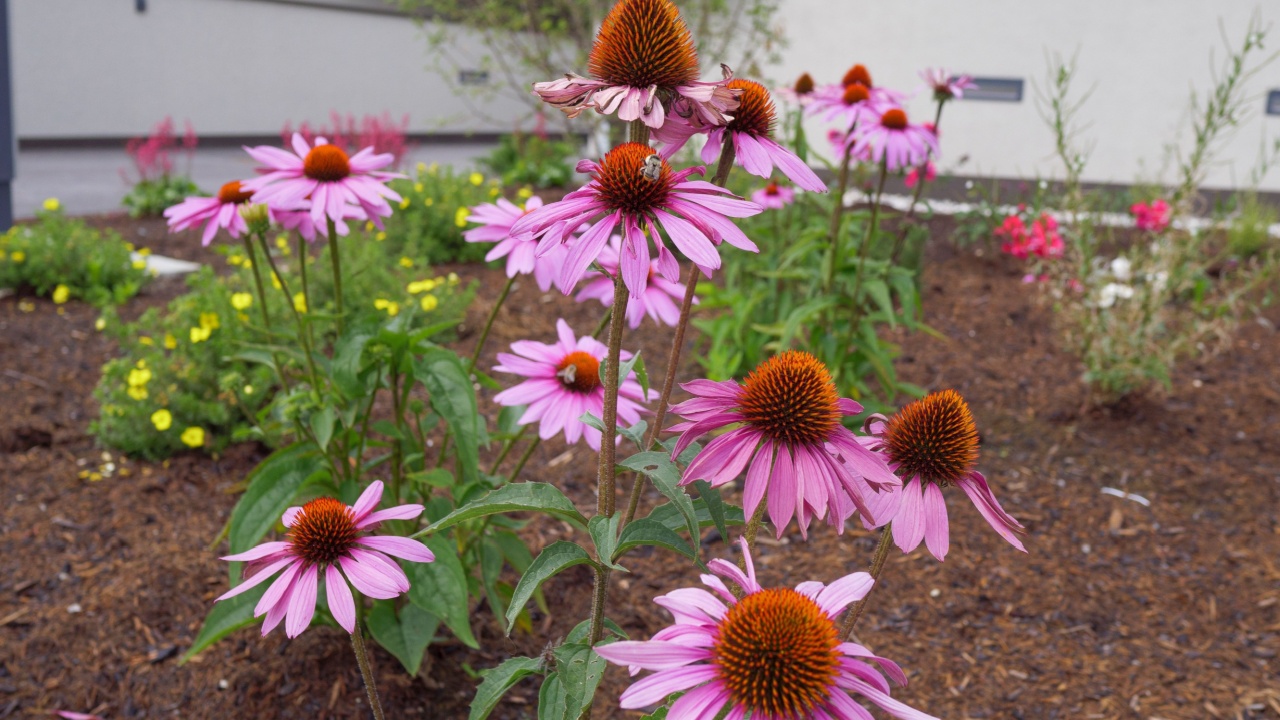
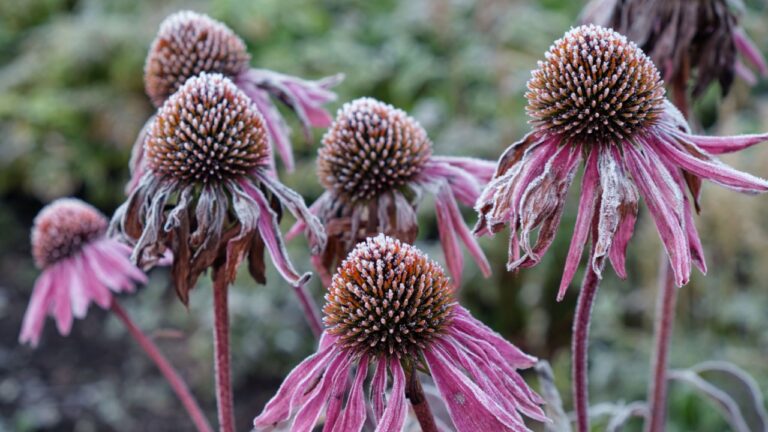
Echinacea, or coneflower, is widely known for its link to immune support. Both the flowers and roots have been used in herbal preparations aimed at helping the body during colds and upper respiratory infections.
Research has looked at its effects on immune activity and inflammation. Many people use echinacea tea, tincture, or capsules at the first sign of a cold, though results vary from person to person. Even so, its long history in herbal medicine and strong garden performance make it a valuable flower to grow.
Coneflowers are hardy perennials that handle heat, drought, and average soil with little fuss once established. They attract bees and butterflies, adding another benefit to your garden as you grow them for herbal use.
If you plan to harvest echinacea, give plants time to mature well before taking roots, and use flowers from clean, chemical-free plants for teas or tinctures.
Flowers with Benefits

A garden filled with medicinal flowers gives you more than color through the season. It gives you useful plants that can support rest, skin care, digestion, and seasonal wellness in simple, time-tested ways.
As with any herb used for wellness, it is wise to learn safe preparation methods and check for possible interactions, especially if you have health conditions or take medication.
Read More:
How to Swap a Water-Greedy Lawn for a Wildflower Meadow You Can Cut Flowers From