How to Swap a Water-Greedy Lawn for a Wildflower Meadow You Can Cut Flowers From
Would you swap your grass for a pollinator garden? Blossom and Branch Farm did, and documented the full process on Facebook, including the mistakes she made along the way and what she would do differently.
A standard grass lawn needs mowing every week, watering through summer, and feeding several times a year to stay presentable. It supports very little wildlife and produces nothing you can bring inside. For all that input, you get a patch of green that mostly just sits there.
The poster replaced her high-maintenance grass with a pollinator-supporting cutting meadow using native plants, and the result changed not just how her garden looked but how much time she spent maintaining it.
If this is something you’d love to try, you’re in the right place. This article walks through the full process, from removing what’s already there to cutting your first bunch of flowers in year two.
1. Deal With the Existing Grass Before Anything Else
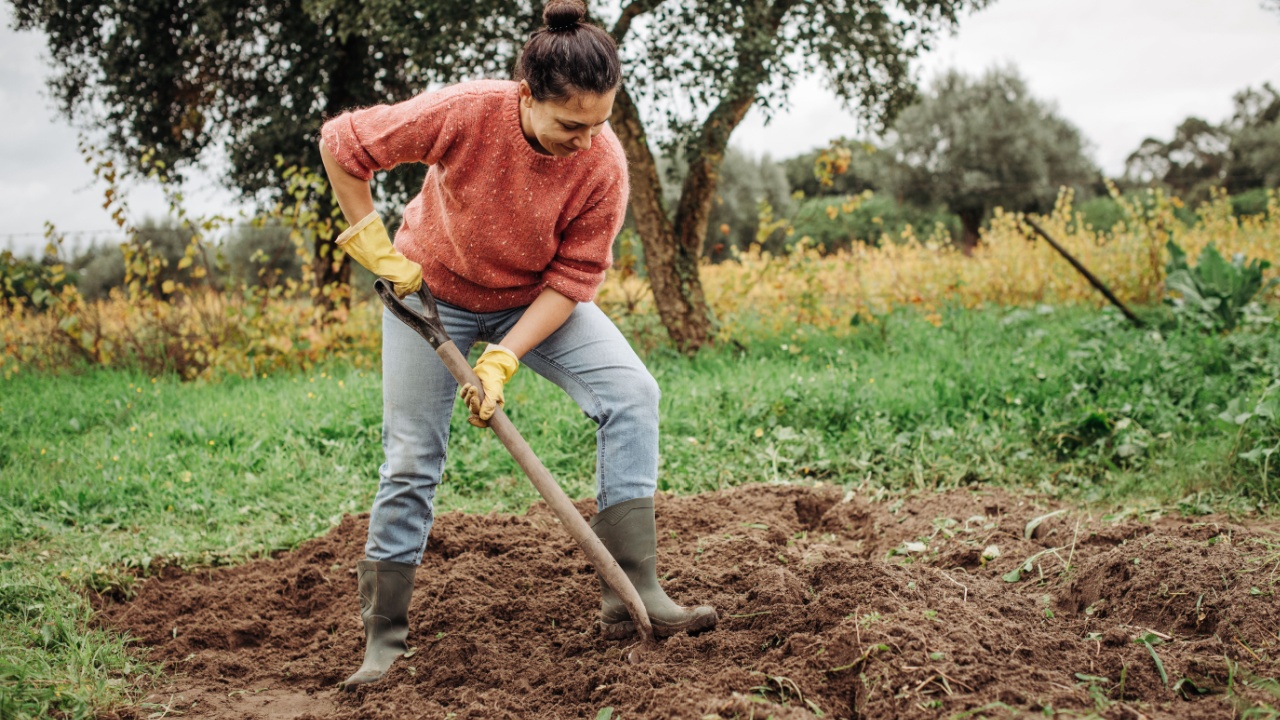
The biggest mistake in the original planting was skipping proper grass removal before laying new soil. Smooth brome and other rhizome grasses don’t die when you cover them.
They come back through the new soil in year two with more energy than before, and by then, your seedlings are already in the ground, trying to compete.
If your lawn contains rhizome grasses, remove them properly before adding anything new. Dig them out fully, or smother them with cardboard over several months before you plant.
Skipping this step costs you an entire growing season while the grass pushes back through, and no amount of mulch or soil depth can solve a rhizome problem after the fact.
2. Build Your Soil Bed With Some Height

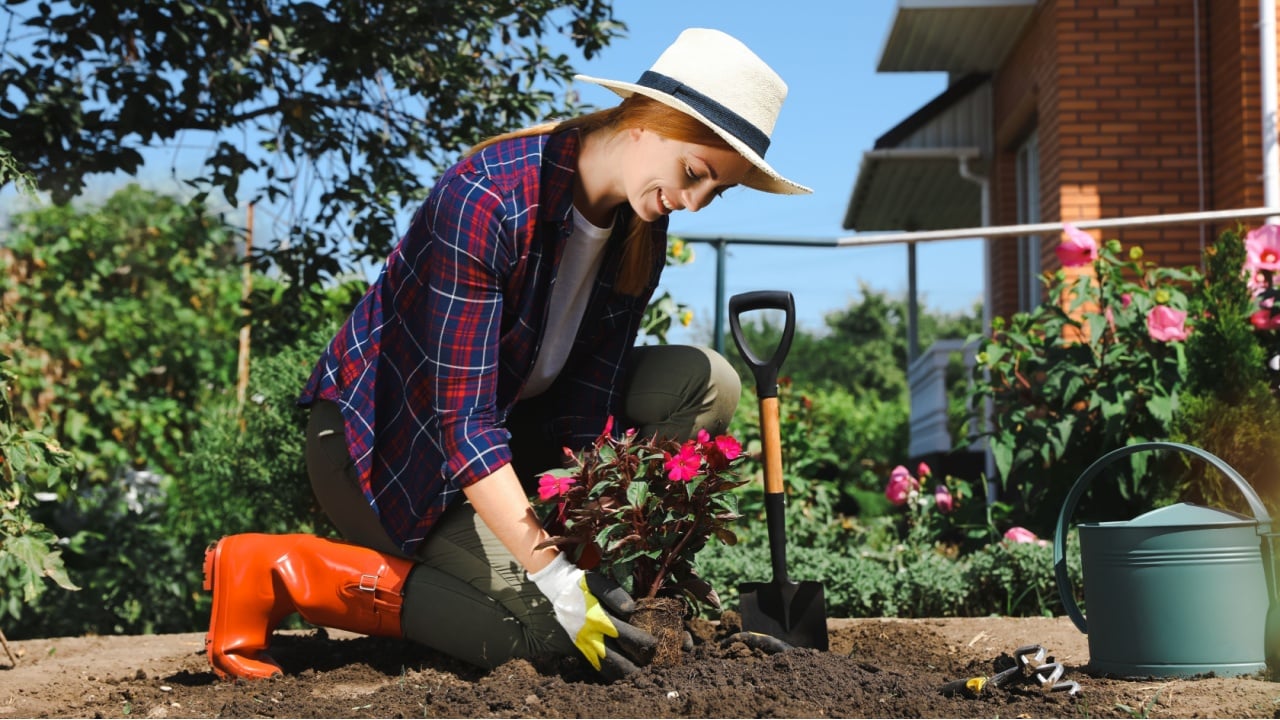
Once the existing grass is handled, soil preparation is next. Mounding fresh soil several inches deep creates a gentle dimension in the planting area and gives seeds and seedlings a clean medium to establish in.
If you’re planting drought-tolerant natives, you don’t need expensive compost-rich mixes; plain soil works fine for plants that prefer lean conditions.
A common assumption is that you need cardboard or paper underneath the new soil to block weeds. If the soil layer is deep enough and the existing grass has been properly cleared, the paper is unnecessary.
It adds a step and can slow water moving down to the root zone, so save yourself the effort and focus on depth instead.
3. Choose Native Plants That Match Your Conditions
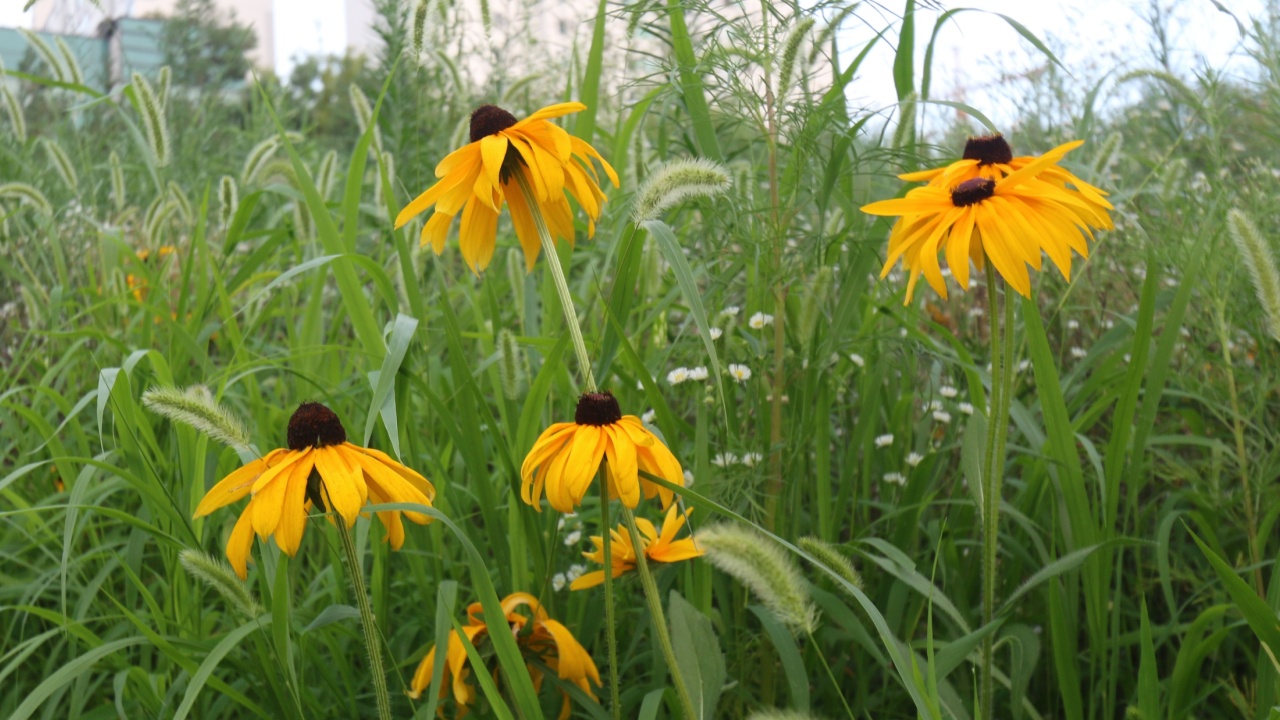
Native plants are the foundation of a low-maintenance cutting meadow. They’re adapted to your local soil, rainfall, and temperatures, which means they survive on far less water and attention than introduced species.
Good starting choices for a drought-tolerant meadow include rudbeckia, echinacea, and hummingbird mint, all of which produce generous cuttable blooms and handle dry spells well.
Grow your seedlings from seed indoors before the planting window opens. Starting your own transplants gives you more control over variety and spacing, and it costs significantly less than buying nursery plants at full price.
Ordering from a native plant seed supplier in your region also increases the chance that your selections are already suited to local conditions without any extra adaptation needed.
4. Match Plants by Moisture Needs
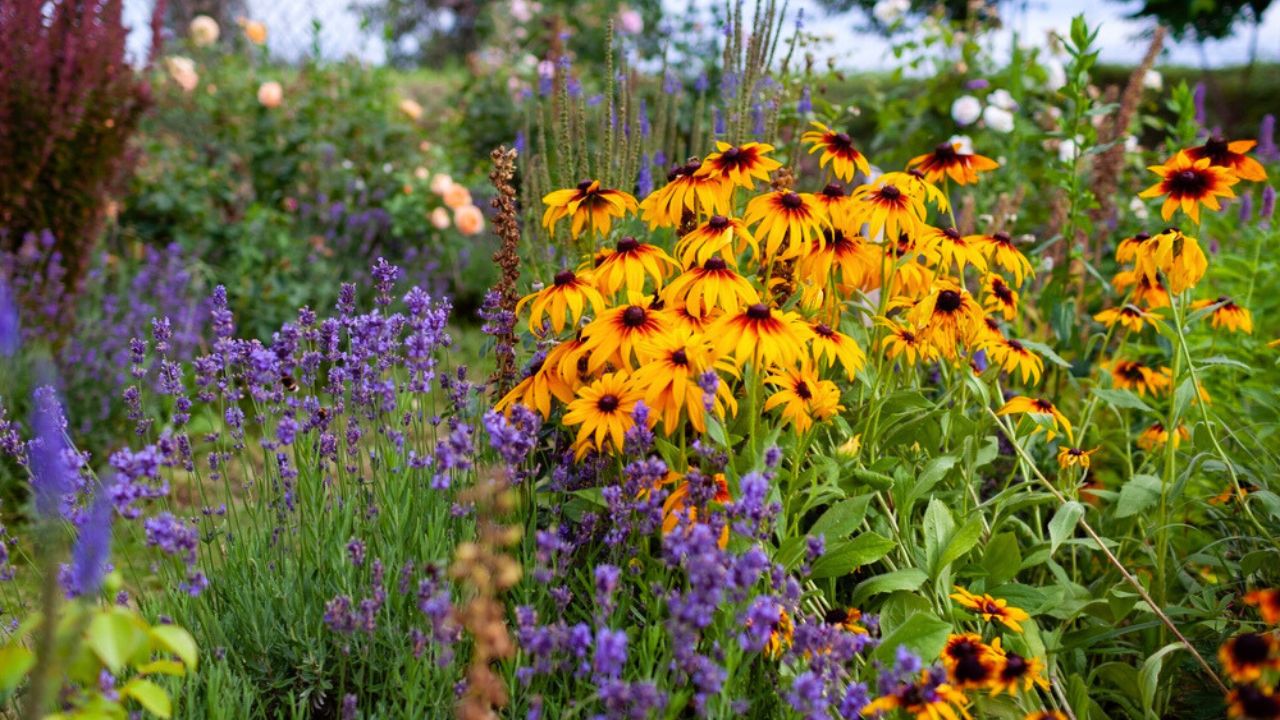
Choose the right plants; every plant in your meadow should share similar moisture, sun, and soil preferences. A drought-tolerant rudbeckia planted next to a moisture-loving plant will leave one of them perpetually unhappy, regardless of how carefully you water.
When everything in a section shares the same requirements, the whole bed can be managed as a single system rather than a set of individual problems.
Group your selections into dry-tolerant, average, and moisture-loving categories before anything goes in the ground.
Fill each zone with plants from the same group only. This simplifies watering, reduces plant stress, and leads to fewer failures in the first season, when plants are still finding their footing.
5. Plant Densely and for Successive Blooming
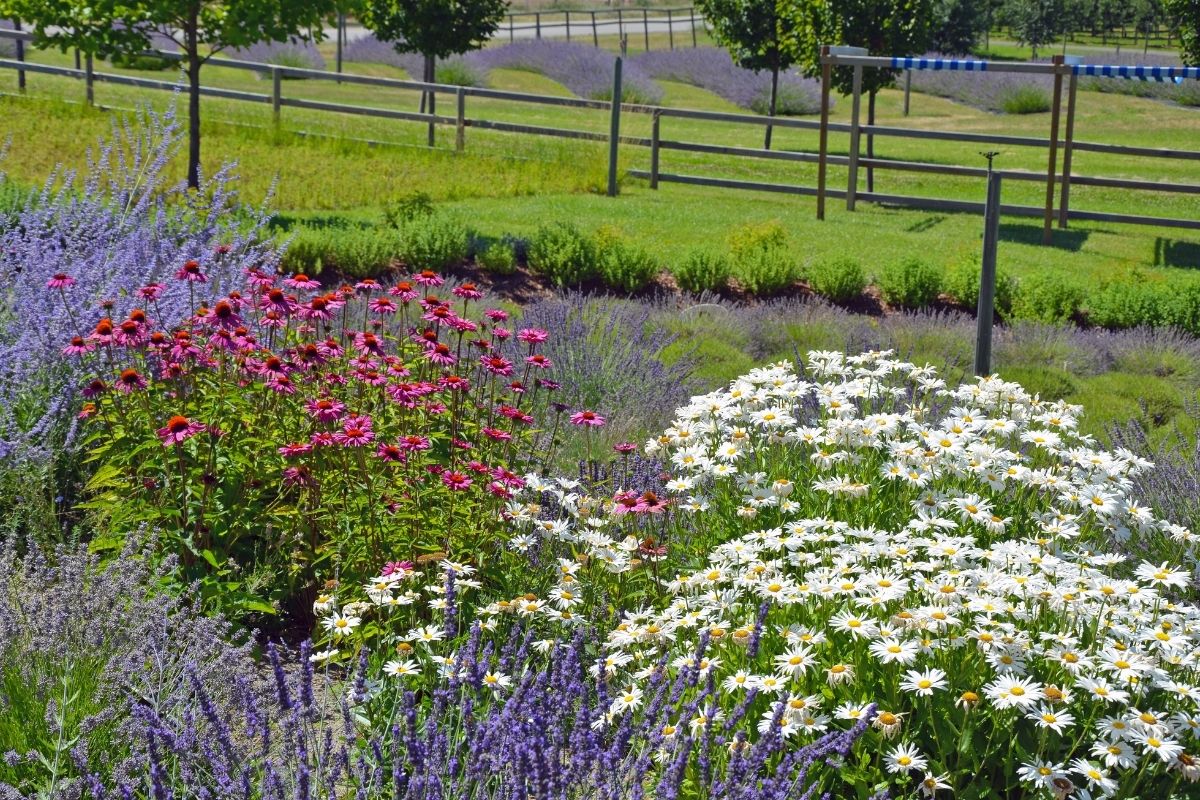
A meadow planted too sparsely leaves bare soil between plants, and bare soil fills with weeds before the season is half over. Dense planting closes those gaps early, which reduces maintenance in year one and largely eliminates it in year two once the plants have spread and filled in.
Crowding slightly at the start is far better than spacing too generously. Plan your variety list so that different plants bloom at different points across the season.
Early spring plants should hand off to summer bloomers, which give way to autumn flowers as the year winds down. A meadow planned this way stays interesting for months and gives you something worth cutting at almost any point from late spring through early autumn.
6. Skip the Cover Crop Filler
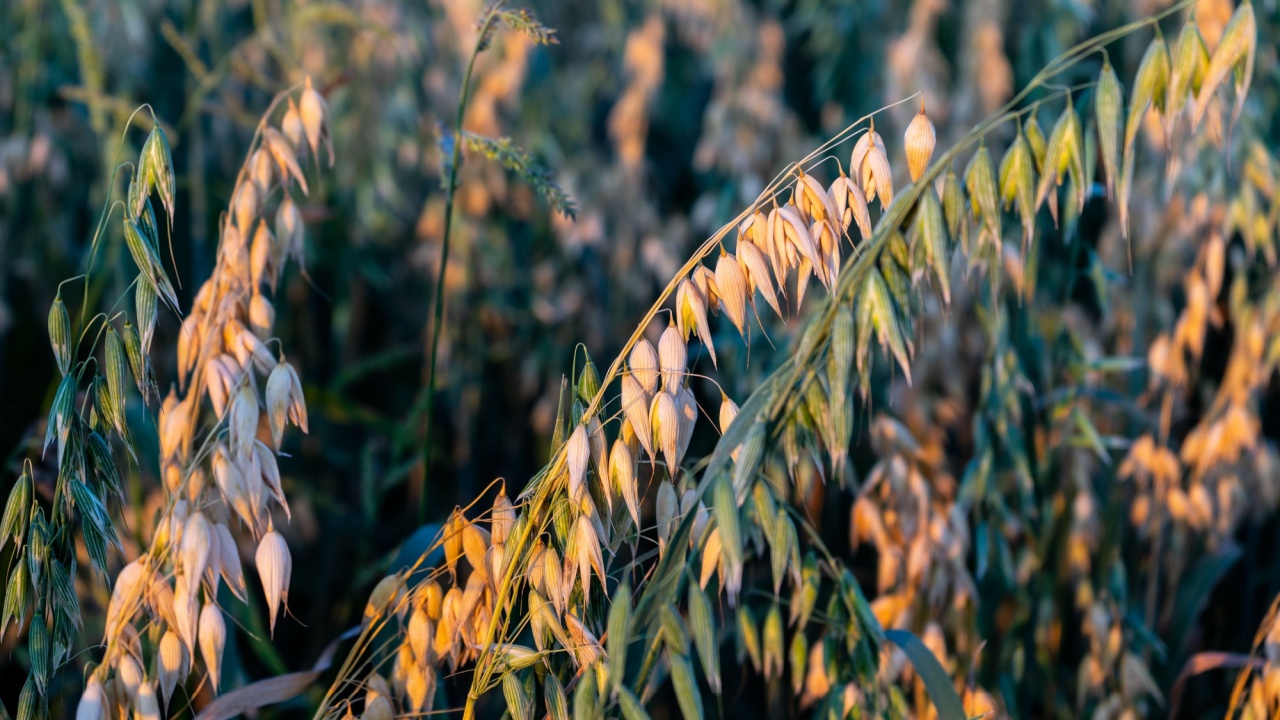
A common recommendation for new meadow plantings is to sow a fast-growing grain like oats between seedlings to suppress weeds while the natives establish.
In practice, sometimes the oats often grow faster than the seedlings beside them and smother them before they can get going. The creator in the original video made this mistake and noted she wouldn’t repeat it.
Dense native planting from the start is all the gap coverage you actually need. The seedlings will close the open spaces themselves within a few weeks once the season warms up.
If you must have a cover crop, always maintain it properly by trimming it. If bare patches persist after planting, fill them with more of the same native seedlings rather than a fast-growing annual that will compete with what you’ve already put in the ground.
7. Cut Regularly Through the Season
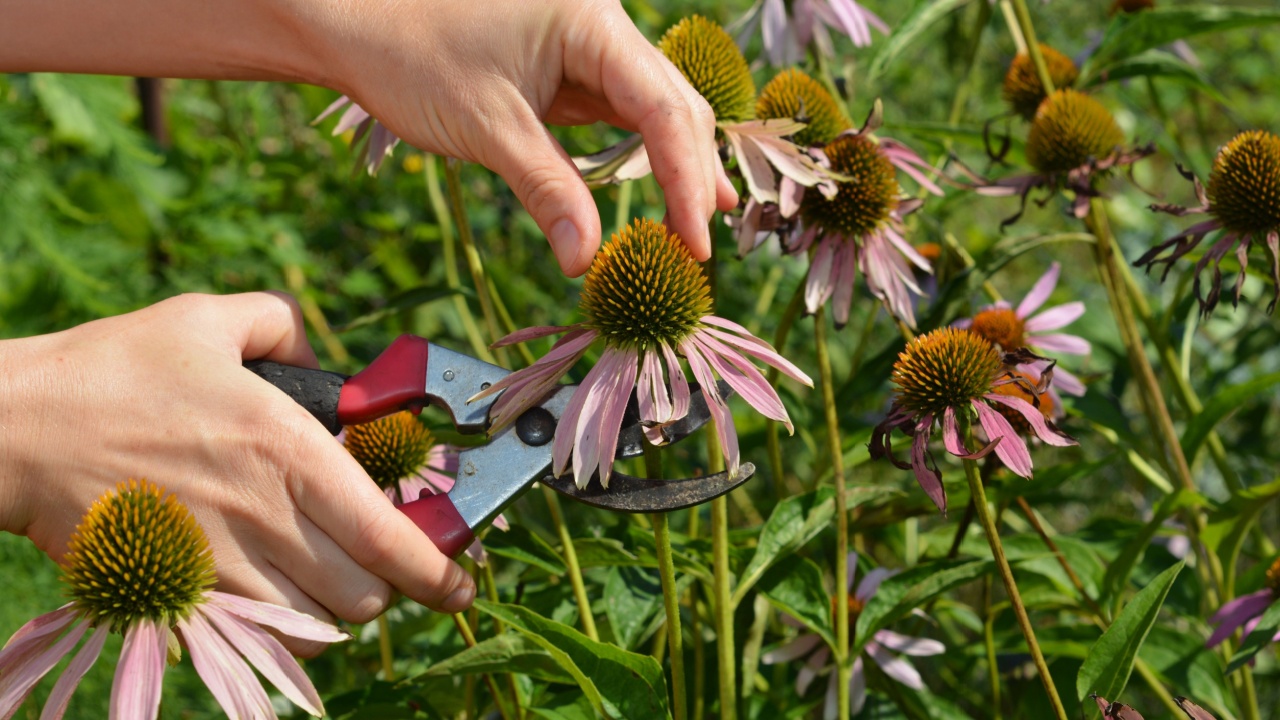
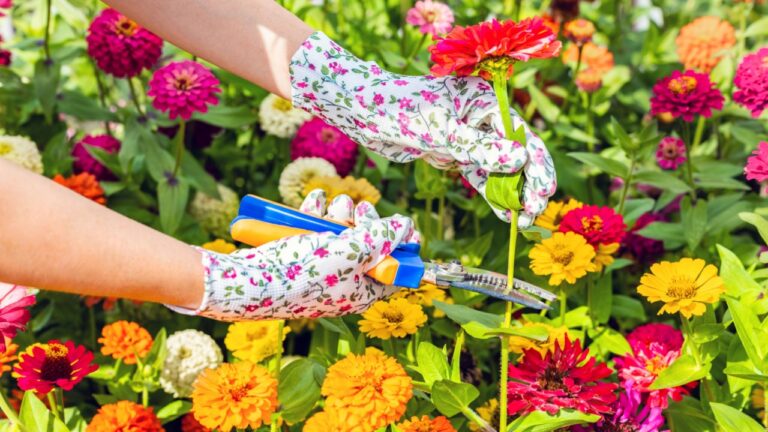
A cutting meadow rewards regular harvesting. When you cut consistently, plants direct energy into producing new blooms rather than setting seed and slowing down.
Most meadow staples, including rudbeckia and echinacea, respond well to regular cutting and produce more abundantly the more you pick from them across the season.
Cut stems early in the morning when plants are fully hydrated, and take them straight into water. Aim to cut just before flowers reach full bloom so they open indoors and last longer in the vase.
A well-planted cutting meadow produces far more than most households can use, which makes it well-suited to sharing with neighbors or bringing along to a local farmers’ market.
Less Lawn, More Garden
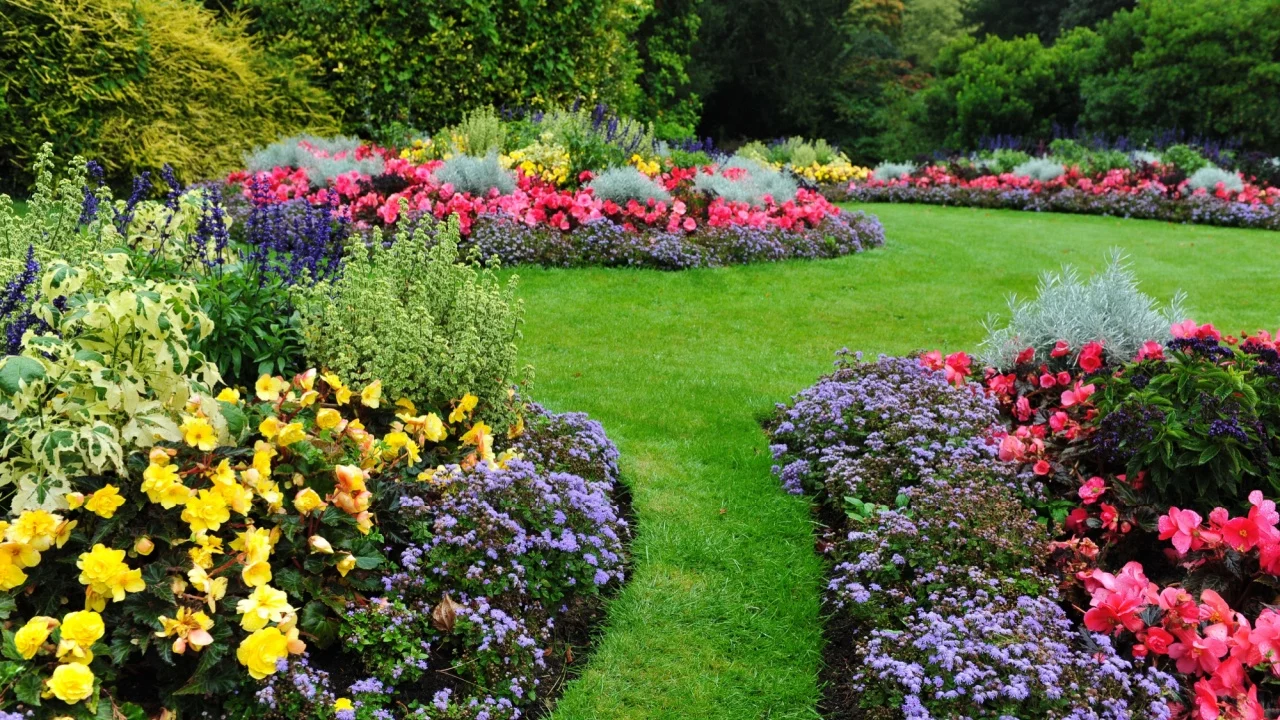
Imagine watching a patch of ground that once demanded weekly mowing turn into something that hums with insect activity and produces flowers you can actually bring to the table.
The wildflower meadow doesn’t just replace a lawn; it changes your relationship with that space entirely. You stop managing it and start watching it, which is a fundamentally different and more rewarding way to spend time in a garden.
Get the first season right, and the meadow largely runs itself from there.