10 Flowers That Aren’t Fussy and Make the Yard Beautiful
A thriving garden bursting with color is a dream for many homeowners. Yet, the reality of constant watering, deadheading, and pruning can feel overwhelming without a plan, particularly for the right flowers.
What if you could have a stunning outdoor space without dedicating all your free time to it? Creating a low-maintenance garden is easier than you think. By choosing the right plants, you can enjoy beautiful blooms from spring through fall with minimal effort.
This guide will introduce you to ten of the most unfussy flowers available. These selections include both annuals, which provide a single season of vibrant color, and perennials, which return year after year.
We will explore why each one is a fantastic choice for a hassle-free garden and provide the essential care tips you need for success, recommended by expert gardeners.
1. Annual Vinca (Catharanthus roseus)

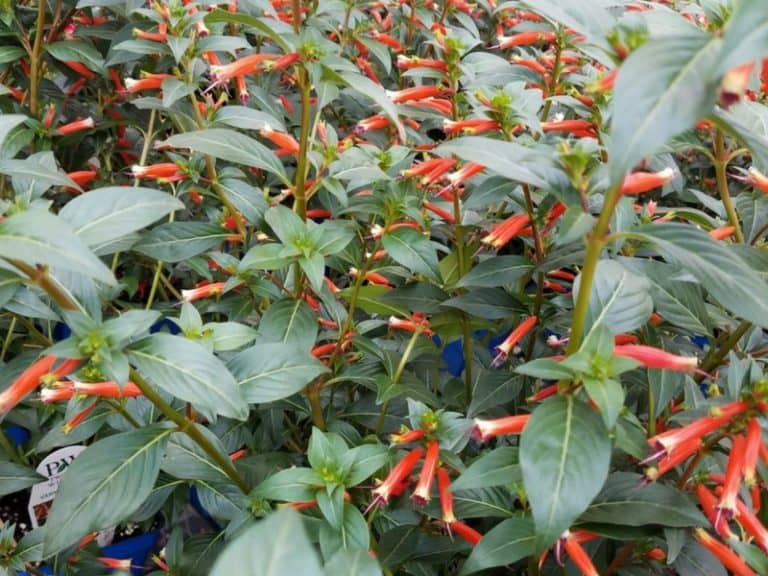
Also known as Madagascar Periwinkle, Annual Vinca is a true workhorse in the summer garden. It thrives in heat and sun, conditions that cause many other flowers to wilt and fade. Its glossy green leaves provide a perfect backdrop for the simple, phlox-like flowers that bloom continuously without any need for deadheading. This “self-cleaning” nature means you won’t have to spend time pinching off old blooms; the plant does the work for you.
Vinca is a fantastic choice for borders, mass plantings, or containers, providing reliable color all season long. This plant is exceptionally resilient, tolerating periods of drought once established and resisting most common pests and diseases. Its flowers come in shades of pink, red, purple, and white, often with a contrasting center eye, adding a cheerful pop to any garden design.
Quick Guide:
- Type: Annual (Perennial in USDA Zones 10-11)
- Light: Full sun to part shade
- Soil: Moist, well-draining soil
- Water: Keep soil moist but not waterlogged; drought-tolerant once established
- Why It’s Easy: Self-cleaning (no deadheading needed), heat-tolerant, and pest-resistant.
2. Wax Begonia (Begonia semperflorens-cultorum)
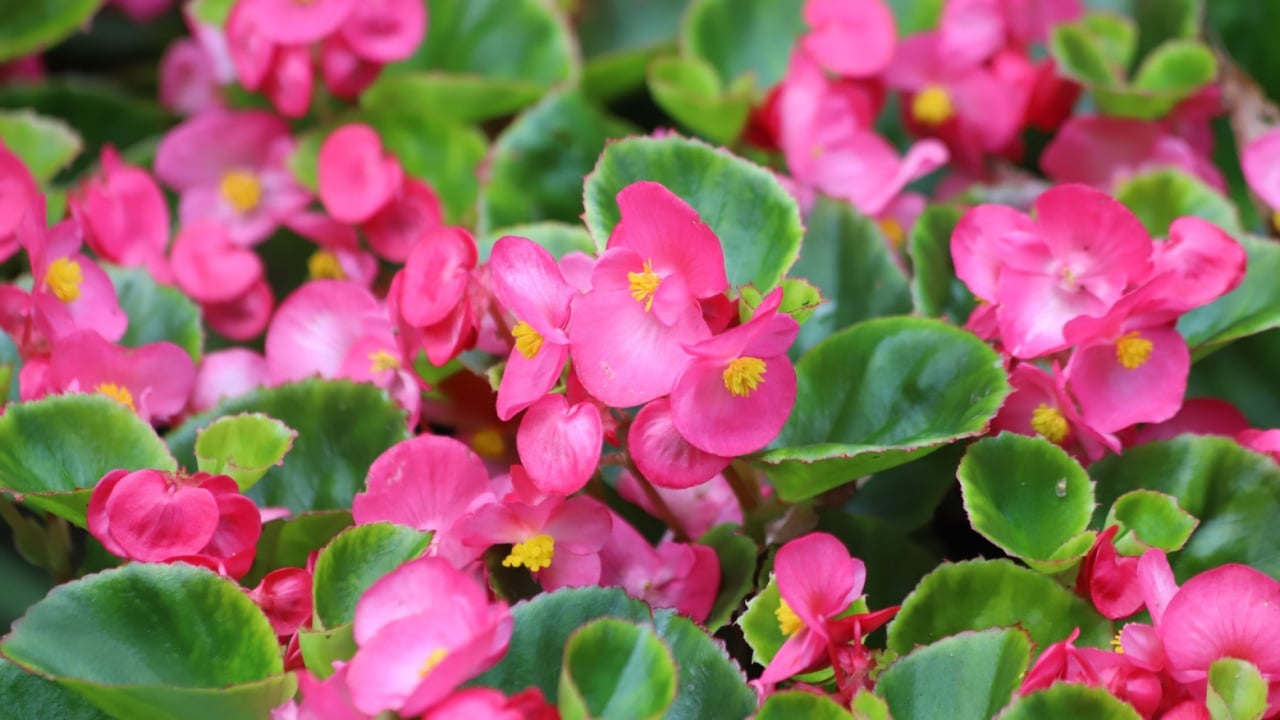
Wax begonias are one of the most versatile and forgiving annuals you can plant. Their ability to flourish in both sun and shade makes them a go-to solution for tricky garden spots. The name comes from the waxy sheen on their leaves, which can be green, bronze, or variegated.
These leaves are paired with delicate clusters of white, pink, or red flowers that bloom nonstop from spring until the first frost. Their fleshy stems retain water, making them less demanding when it comes to watering and more forgiving if you forget a day or two. Like Vinca, wax begonias are self-cleaning, so you can put the shears away. They are perfect for creating neat and tidy borders, filling in gaps in garden beds, or adding lush color to window boxes and containers.
Quick Guide:
- Type: Annual (Perennial in USDA Zones 9-11)
- Light: Sun or shade
- Soil: Well-draining soil
- Water: Do not overwater; allow soil to dry slightly between waterings
- Why It’s Easy: Adapts to various light conditions, no deadheading required, and has low water needs.
3. ‘Supertunia Vista’ and ‘Wave’ Petunias
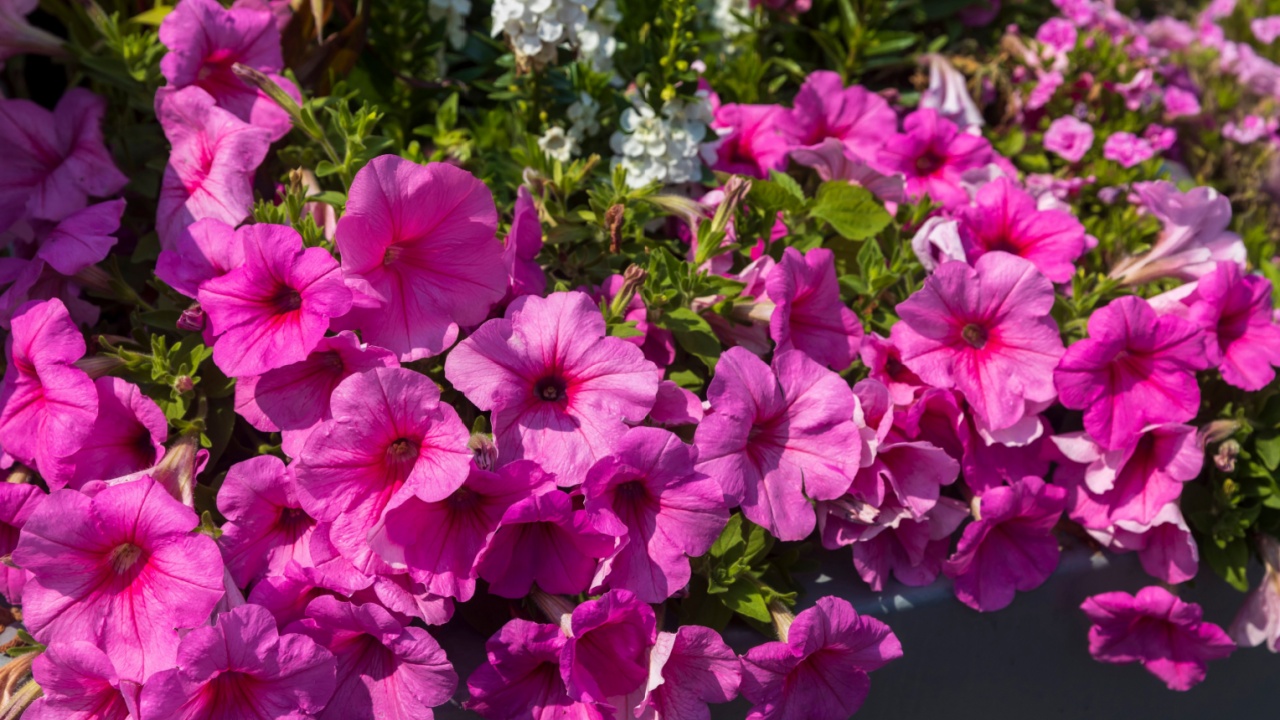
If you want a massive cascade of color with almost zero fuss, modern petunia varieties like ‘Supertunia Vista’ and ‘Wave’ are your answer. Unlike older types that required constant deadheading to keep blooming, these hybrids were specifically bred to flower profusely without any intervention. They have a vigorous, spreading habit that makes them ideal for hanging baskets, containers, and ground cover, where they can spill and trail beautifully.
These petunias are heavy bloomers, so they benefit from a dose of fertilizer to keep the flower show going strong. A slow-release fertilizer added at planting time can feed them for months. They will reward you with a torrent of fragrant flowers in nearly every color imaginable, from vibrant magentas and purples to soft pinks and whites.
Quick Guide:
- Type: Annual (Perennial in USDA Zones 10-11)
- Light: Full sun to part sun
- Soil: Moist, well-draining soil
- Water: Keep consistently moist, especially in containers
- Why It’s Easy: Bred to bloom continuously without deadheading; vigorous growth quickly fills spaces.
4. Profusion Zinnias (Zinnia ‘Profusion’ series)
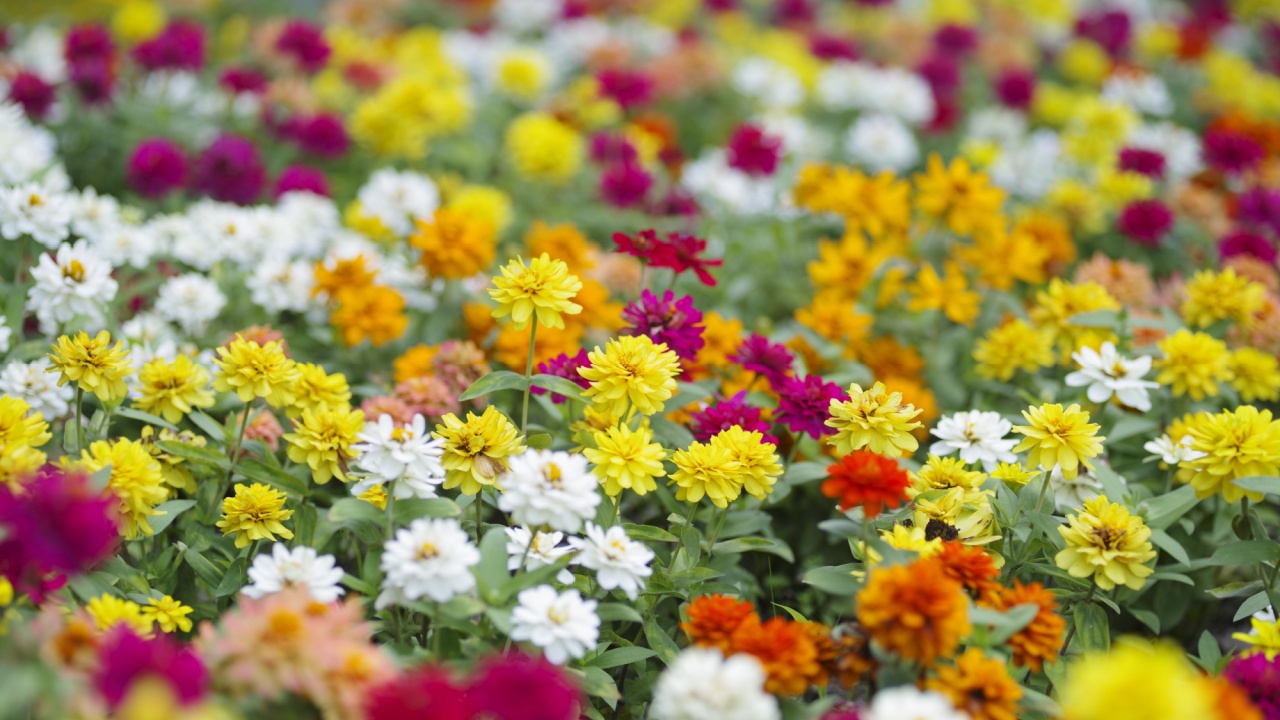
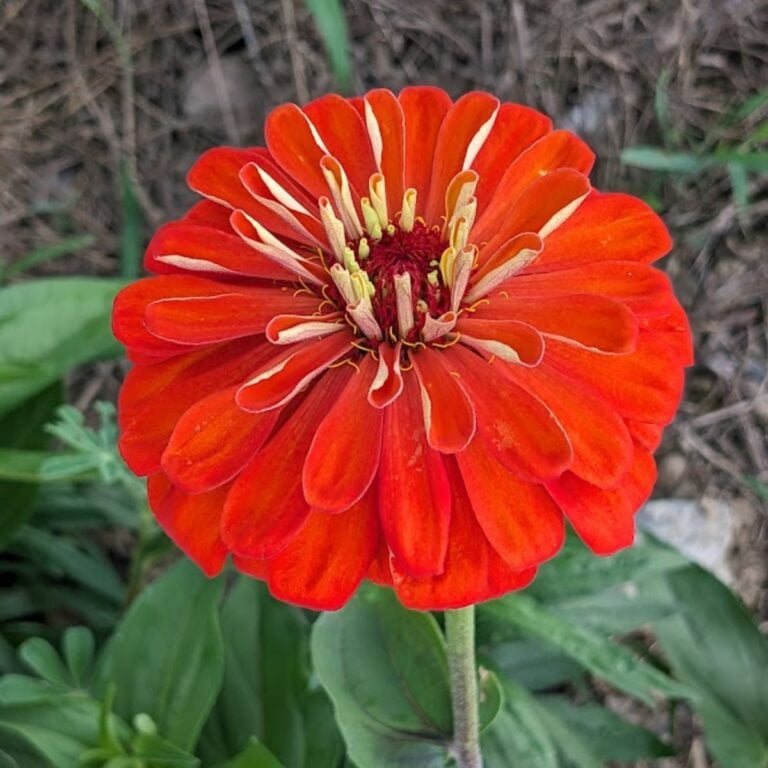
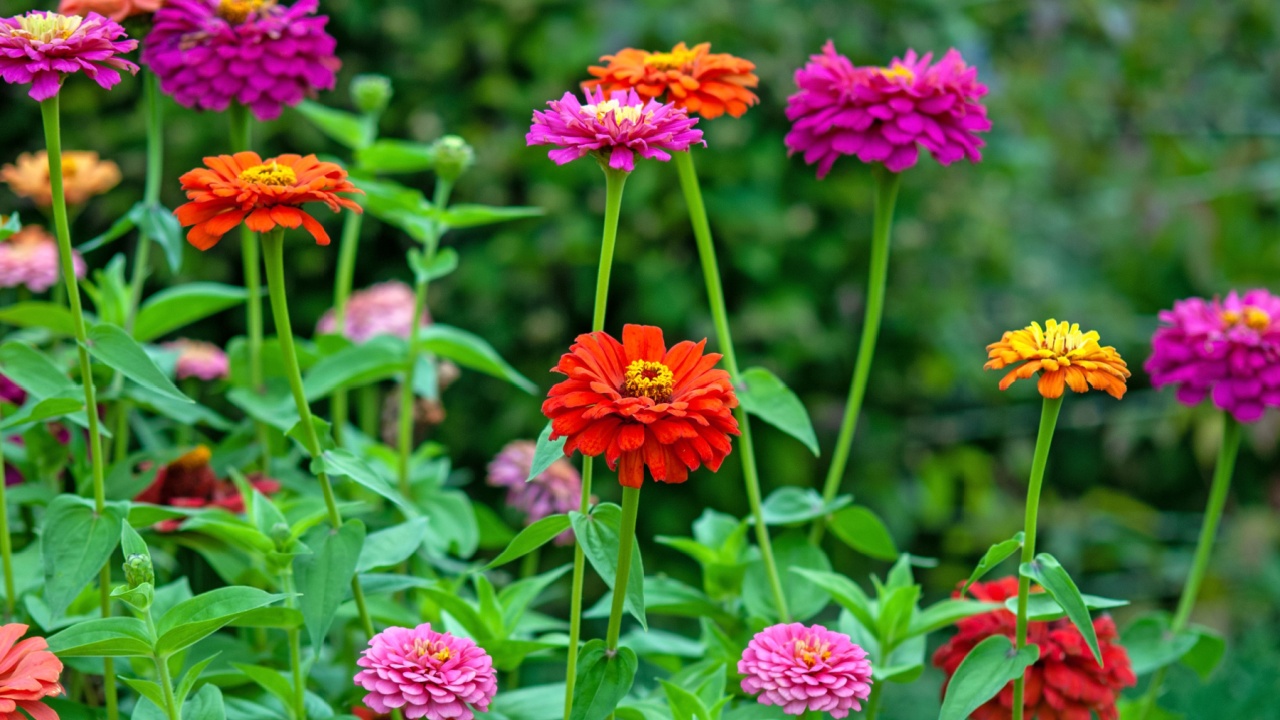
Traditional zinnias can sometimes be divas, susceptible to powdery mildew and requiring deadheading. The ‘Profusion’ series, however, throws all those problems out the window. These compact, mounding plants are highly resistant to common diseases like powdery mildew, making them a much healthier and more attractive option throughout the season.
They are covered in cheerful, daisy-like flowers that keep coming without any need for snipping. ‘Profusion’ Zinnias are also drought-tolerant once they get established, making them a smart choice for hot, dry areas of your yard. They attract butterflies, birds, and bees, adding life and movement to your garden. Available in a rainbow of colors, including orange, cherry, white, and yellow, they are perfect for creating a vibrant, low-care flower bed.
Quick Guide:
- Type: Annual
- Light: Full sun
- Soil: Well-draining soil
- Water: Drought-tolerant once established
- Why It’s Easy: Disease-resistant, self-cleaning, and attracts pollinators.
5. Butterfly Weed (Asclepias tuberosa)
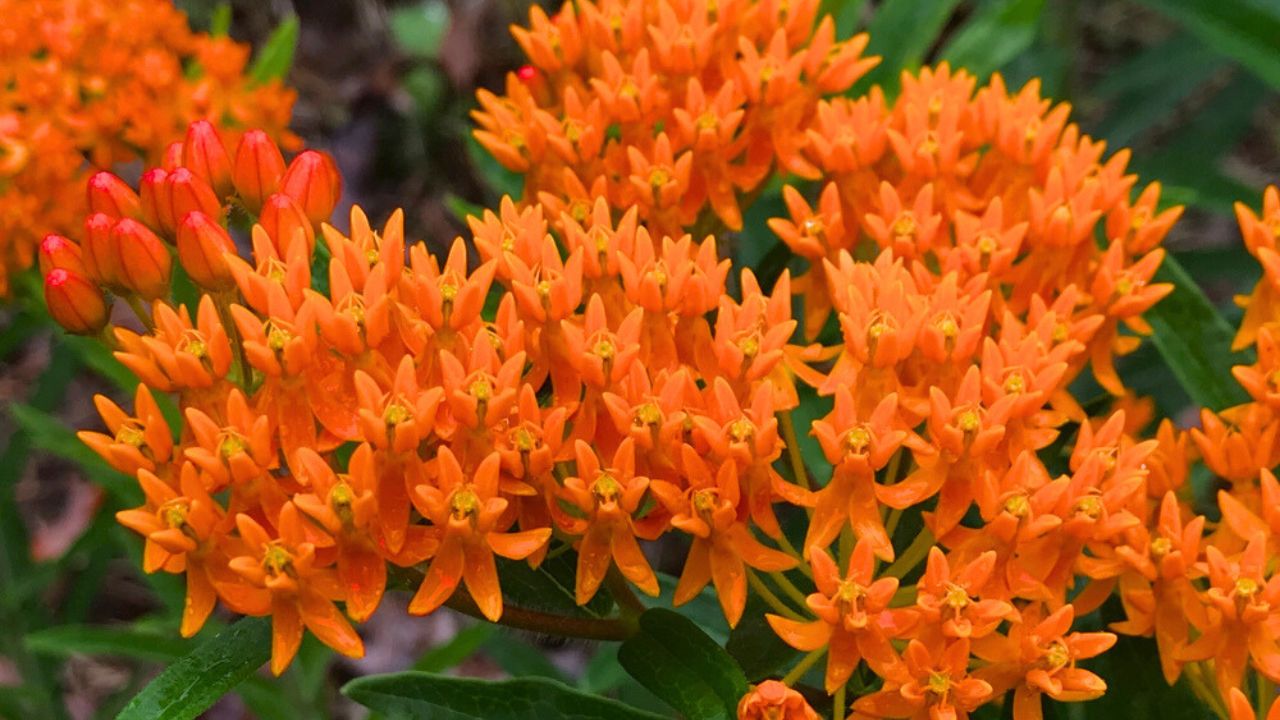
For a perennial that is as tough as it is beautiful, look no further than Butterfly Weed. This native plant is a champion of the low-maintenance garden, unfazed by heat, humidity, or drought. In summer, it produces brilliant clusters of bright orange flowers that act as a magnet for butterflies, especially Monarchs, as it is a crucial host plant for their caterpillars. Butterfly Weed has a long taproot, which helps it access water deep in the soil and makes it very drought-tolerant.
This also means it doesn’t like to be moved once established, so choose your spot wisely. The plant dies back to the ground in winter and is often slow to emerge in spring, so be patient. Its vibrant blooms will continue on and off all summer with zero deadheading required.
Quick Guide:
- Type: Perennial
- Light: Full sun
- Soil: Well-drained soil; tolerates poor, dry soil
- Water: Low water needs; drought-tolerant
- Why It’s Easy: Extremely hardy, drought-tolerant, and supports essential pollinators. Returns reliably each year.
6. Daylilies (Hemerocallis spp.)
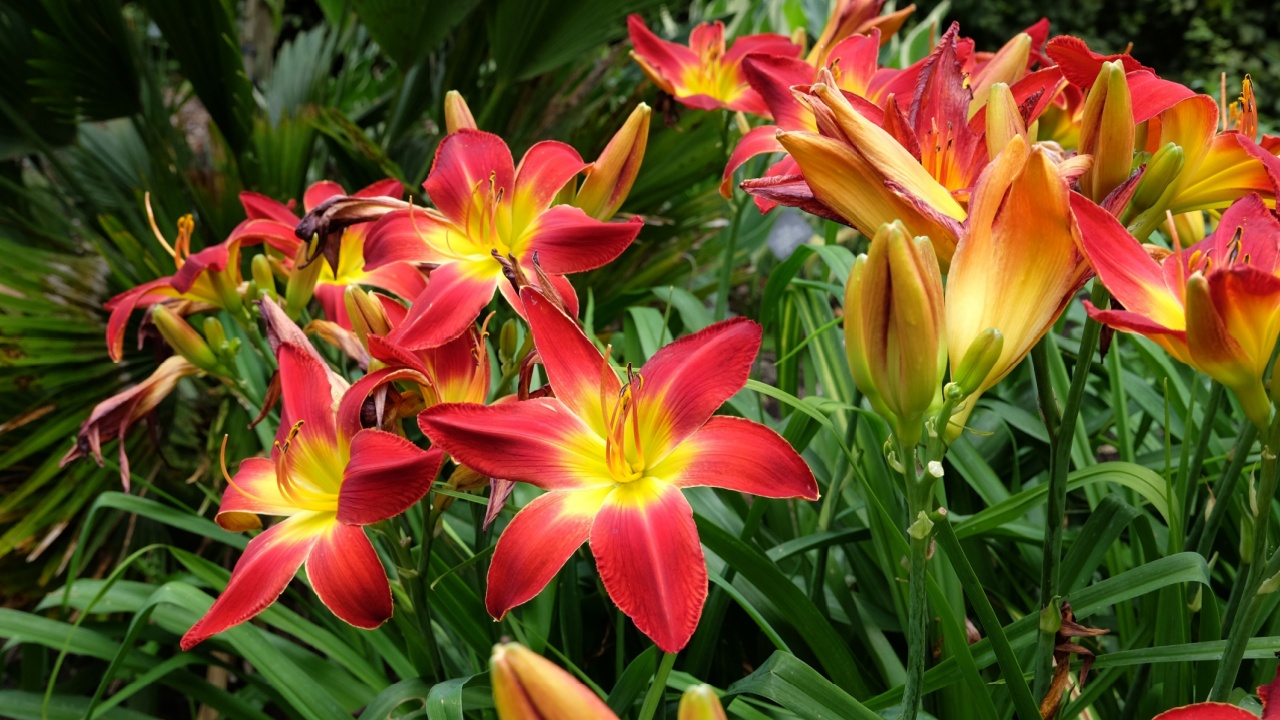
Daylilies are a classic choice for an easy-care perennial border. They form dense clumps of arching, grass-like leaves that are effective at suppressing weeds. In summer, tall stalks called “scapes” rise above the foliage, topped with trumpet-shaped flowers. While each individual flower only lasts for a day (hence the name), a single plant produces many buds that open in succession, ensuring a long bloom period.
Modern hybrid daylilies come in a vast array of colors, sizes, and forms. The spent flowers typically fall off on their own, but you can pinch them off for a tidier look if you wish. Once flowering is done, simply cut back the flower scapes. Daylilies are adaptable, hardy, and multiply over the years, giving you more plants to expand your garden (with companions) or share with friends.
Quick Guide:
- Type: Perennial
- Light: Full sun to part sun
- Soil: Adaptable to most soils but prefers well-draining soil
- Water: Water regularly after planting; drought-tolerant once established
- Why It’s Easy: Long-lived, weed-suppressing foliage, and minimal cleanup required.
7. Stonecrop (Hylotelephium spectabile)
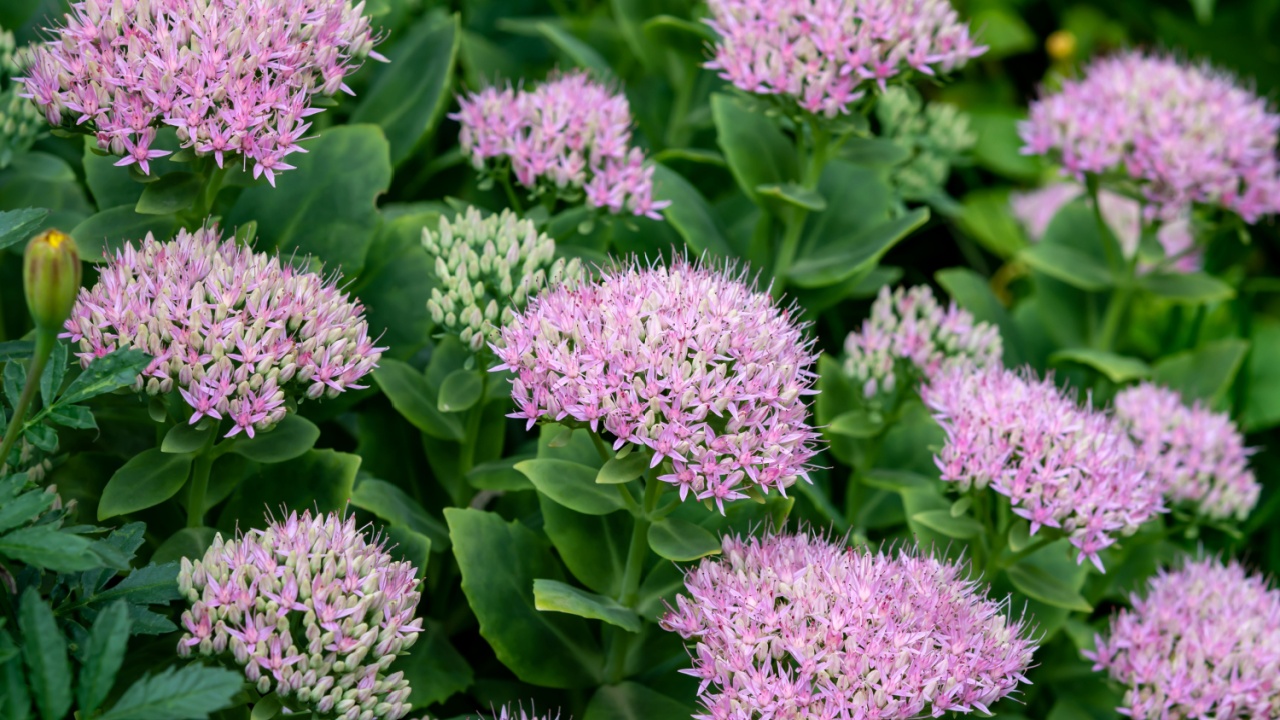
Stonecrop, often known by its former genus name Sedum, is a succulent perennial that provides four seasons of interest. In spring, it emerges with fleshy, blue-green leaves. By late summer, large, flat flower heads begin to form, opening into dense clusters of tiny, star-shaped flowers in shades of pink and red.
These flowers are a favorite of late-season pollinators. Because it is a succulent, stonecrop stores water in its leaves and stems, making it exceptionally drought-tolerant and perfect for sunny, dry spots where other plants struggle. The faded flower heads provide structure and interest in the winter garden, catching snow beautifully. You can leave them standing until spring, then simply cut the old stems back to the ground to make way for new growth.
Quick Guide:
- Type: Perennial
- Light: Full sun to part sun
- Soil: Well-draining, even poor or sandy soil
- Water: Very low water needs; drought-proof
- Why It’s Easy: Succulent nature makes it incredibly drought-tolerant; it provides winter interest.
8. True Lilies (Lilium spp.)
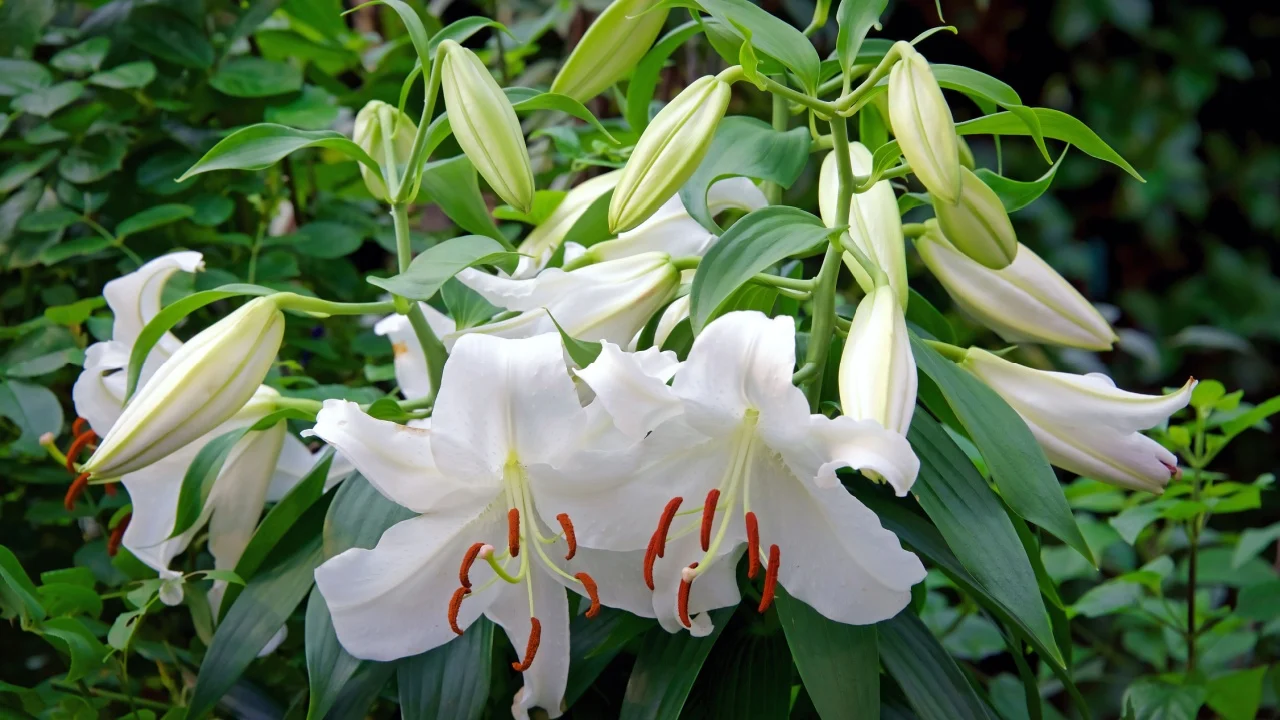
True lilies, like Asiatic and Oriental varieties, bring an element of elegance and drama to the garden with very little fuss. Planted as bulbs in the fall or spring, they send up strong, upright stems topped with large, often fragrant, trumpet-shaped flowers in summer. Asiatic lilies bloom first with upward-facing flowers in a wide range of bright colors, while Oriental lilies bloom later with larger, intensely fragrant blooms. After the flowers fade, you should snip them off to prevent the plant from wasting energy on seed production.
This helps the bulb store more energy for the following year’s display. Allow the foliage to die back naturally; don’t cut it down while it’s still green, as it’s feeding the bulb for next season. These hardy bulbs will return and multiply year after year.
Quick Guide:
-
- Type: Perennial (from a bulb)
- Light: Full sun
- Soil: Humusy, well-drained soil
- Water: Keep soil evenly moist during the growing season
- Why It’s Easy: Plant the bulbs and they return each year; it only requires cutting back foliage once a year.
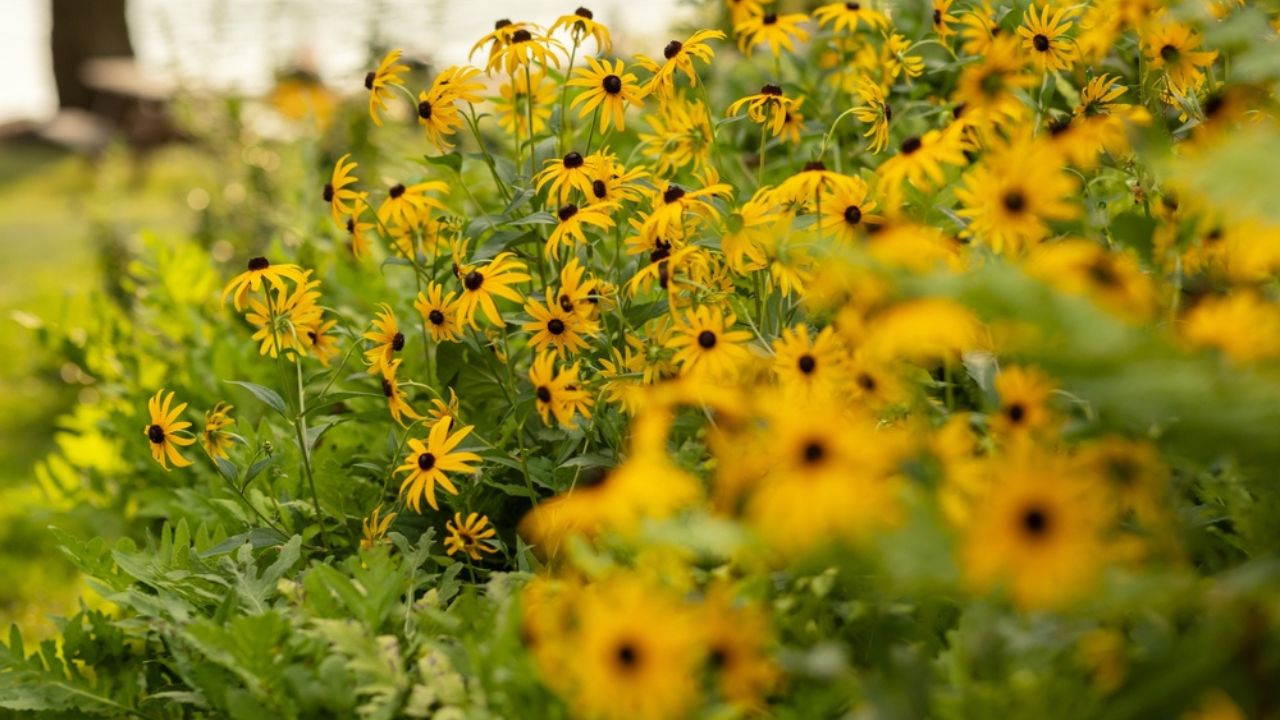
9. Black-Eyed Susan (Rudbeckia hirta)
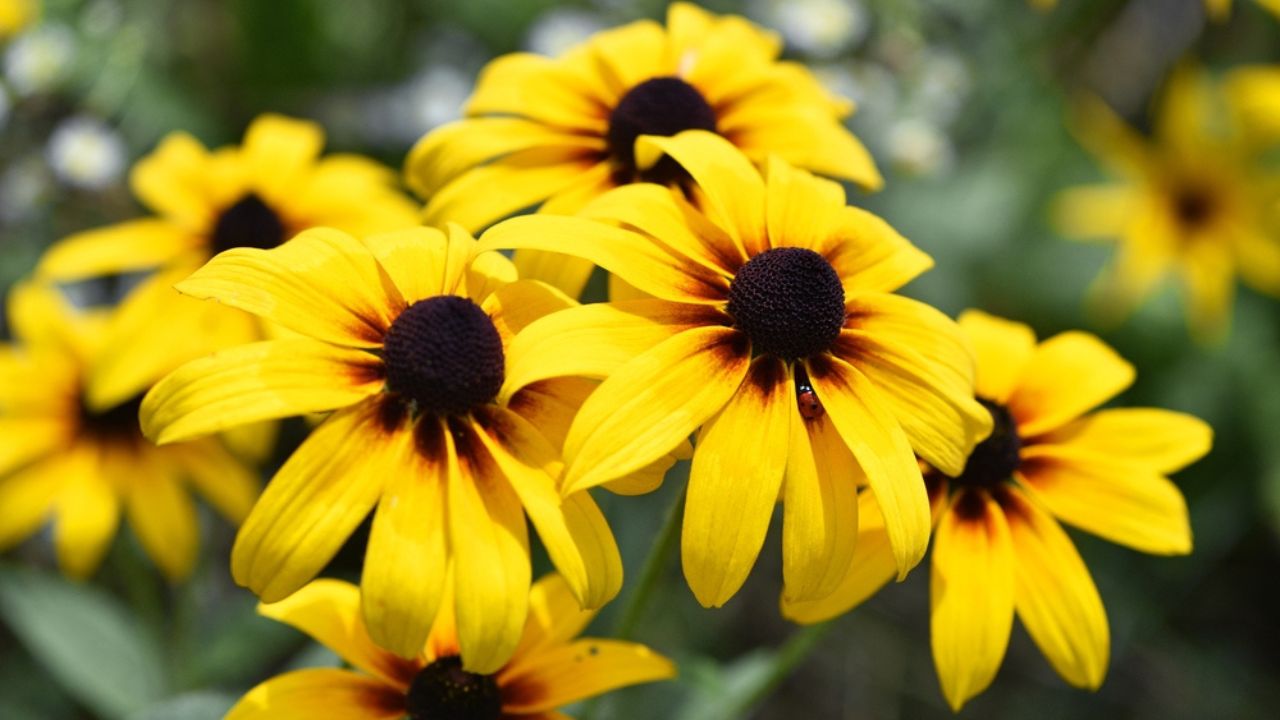
The iconic Black-Eyed Susan is a symbol of the late summer garden. Its cheerful, golden-yellow petals surrounding a dark brown cone are instantly recognizable. These native wildflowers are tough, reliable, and incredibly low-maintenance. They bloom for months, from mid-summer until frost, providing a long-lasting display of vibrant color.
Black-Eyed Susans are not picky about soil and are very drought-tolerant once established. They don’t need deadheading to continue blooming, although removing spent flowers can encourage an even more prolific show. They are fantastic for attracting bees and butterflies, and if you leave the seed heads on over winter, they will provide food for birds like goldfinches. While wide varieties are short-lived perennials or biennials, they often self-seed, ensuring they return to your garden year after year.
Quick Guide:
- Type: Perennial/Biennial (often self-seeds)
- Light: Full sun
- Soil: Adaptable to a wide range of soils
- Water: Drought-tolerant once established
- Why It’s Easy: Thrives on neglect, tolerates poor soil and drought, and provides winter food for birds.
10. Coneflower (Echinacea purpurea)
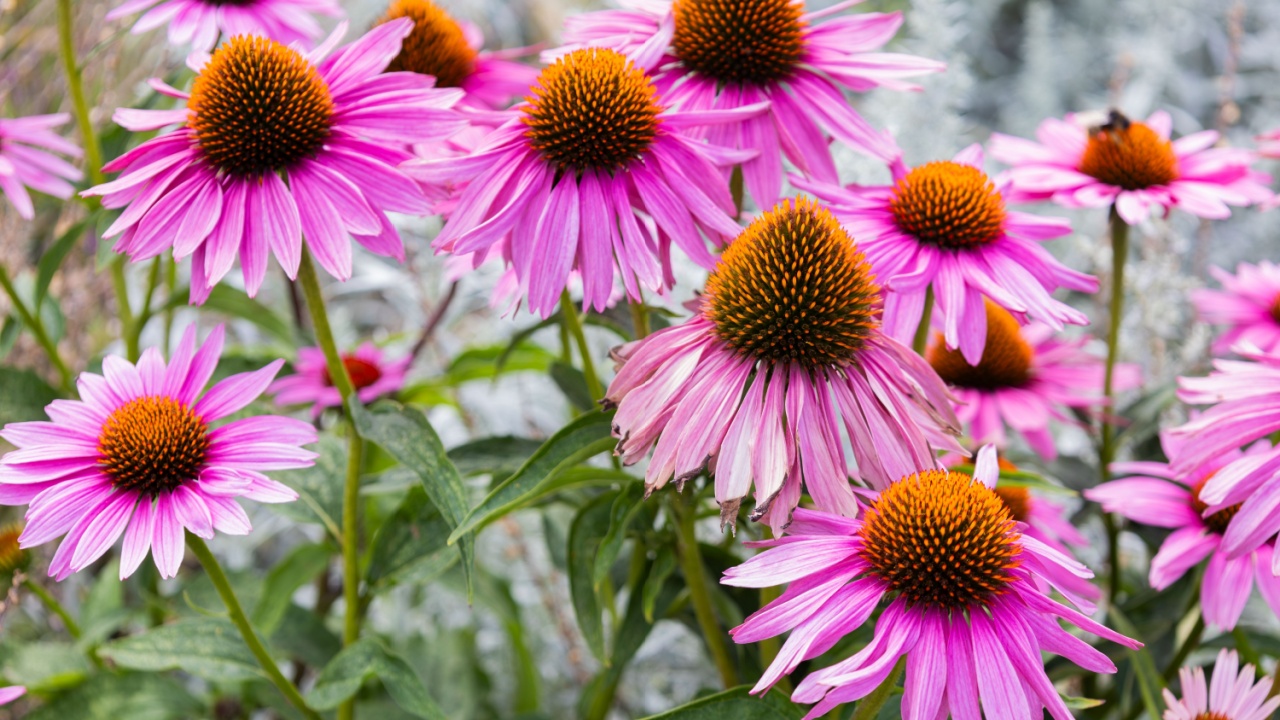
Coneflower is another native prairie plant that has become a garden staple for its beauty and resilience. The classic purple coneflower has daisy-like petals that droop slightly from a spiny central cone. Modern breeding has introduced a wide variety of colors, from white and yellow to vibrant orange and red. They bloom from mid-summer into the fall and are a powerhouse for attracting pollinators.
These perennials are drought-tolerant, heat-loving, and rarely bothered by pests or diseases. Deadheading can prolong the bloom time, but it’s not necessary. Like Black-Eyed Susans, leaving the cones on through winter adds visual interest and provides a natural food source for birds. They form sturdy clumps that grow larger each year but are not invasive.
Quick Guide:
- Type: Perennial
- Light: Full sun
- Soil: Well-draining soil
- Water: Water regularly in the first year; very drought-tolerant once established
- Why It’s Easy: Extremely hardy, attracts pollinators, and provides winter interest and bird food.
Cultivating a Beautiful, Easy Garden
Now that you have a list of reliable and beautiful flowers, it’s time to start planning. Begin by observing your garden. Note which areas get full sun (6+ hours a day) and which are shadier. Test your soil’s drainage by digging a hole and filling it with water; if it drains within a few hours, you have good drainage.
Next, sketch out a simple plan. Think about mixing annuals for season-long color with perennials that will form the backbone of your garden year after year. Don’t be afraid to start small a single container of ‘Supertunia Vista’ or a small patch of Profusion Zinnias can provide immense satisfaction. The best time to plant most of these is in the spring after the last frost, so you can spend the winter months dreaming and designing. Your low-maintenance garden is just a few simple choices away.
Read more:
21 Fast Growing Flowers That Can Add a Quick Pop of Color Anywhere
18 Flowers That Cost Almost Nothing and Make Your Garden Look Like a Million Dollars