13 Home Security Mistakes Making You Vulnerable
Your home is your sanctuary, and your garden is your personal oasis. You’ve poured countless hours into cultivating beautiful flower beds, a thriving vegetable patch, and a backyard you can be proud of. Protecting this space, along with everything inside your home, is a top priority. However, some common habits and oversights can unintentionally make your property an appealing target for intruders.
Securing your home doesn’t have to mean building a fortress. It’s about making smart, layered choices that deter potential threats. From the way you landscape to how you share your life online, small changes can make a big difference.
This guide will walk you through 13 common home security mistakes and provide simple, actionable steps to help you create a safer environment for your family and your garden.
We sourced these mistakes from home security experts, who have learned the hard way what to do, so that you can know better!
1. Letting Landscaping Provide Cover for Intruders
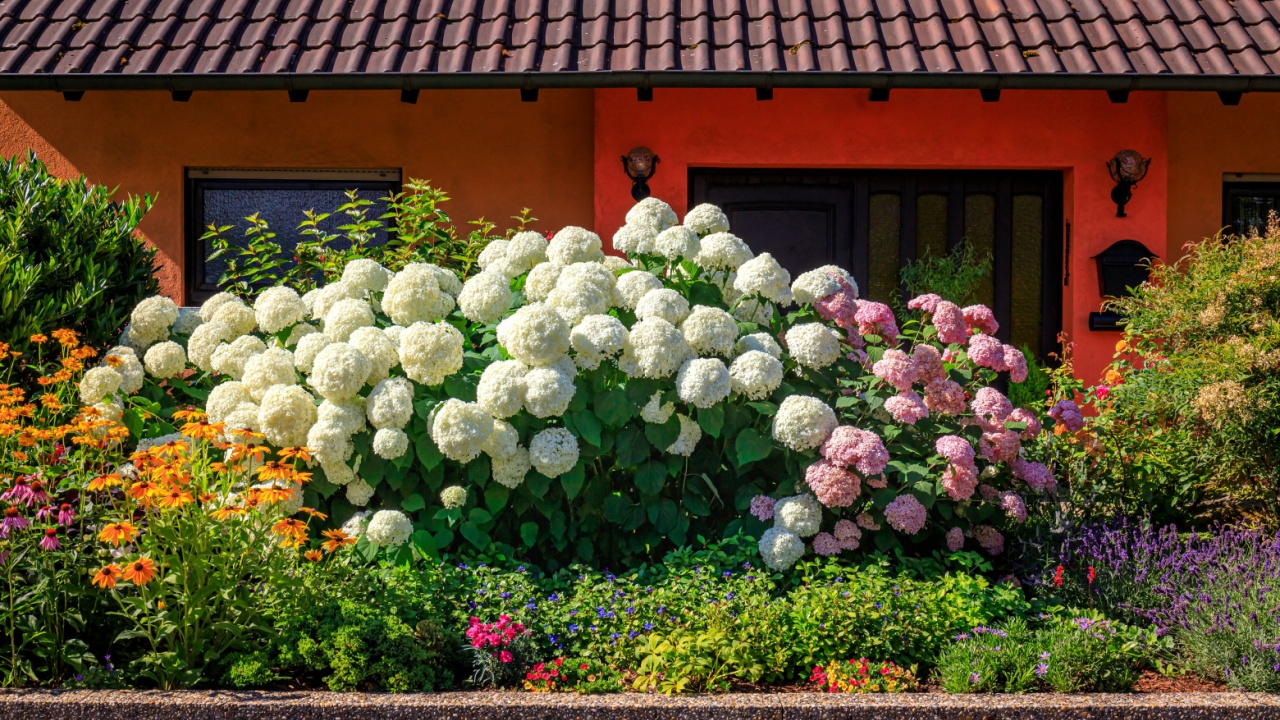
Your beautiful, dense shrubs might look great against your foundation, but they can offer the perfect hiding spot for someone trying to approach your home unseen. Thick bushes planted directly under windows or next to doorways obscure visibility, giving a potential burglar cover while they attempt to gain entry. This turns your carefully curated garden into a security liability.
Tall, dense plants can also block the view of security cameras, creating blind spots in your surveillance. The goal is to create a landscape that is open and visible from the street and from your windows. This concept, known as Crime Prevention Through Environmental Design (CPTED), uses landscaping to naturally discourage unwanted activity.
Actionable Advice:
- Trim existing bushes: Keep shrubs under windows trimmed to below windowsill height (ideally under 3 feet).
- Choose wisely: When planting new shrubs near your home, opt for low-growing varieties or those with a thinner, more open structure.
- Create distance: Plant taller, denser trees and shrubs further away from your house, along property lines, to maintain a clear line of sight around your foundation.
- Consider thorny plants: Planting thorny or prickly bushes like barberry or holly beneath windows can act as a natural, painful deterrent.
2. Leaving Your Garage Door a Weak Point

Many homeowners secure their front and back doors, but forget that the garage is often the most vulnerable entry point. A standard garage door can be surprisingly easy to bypass. Furthermore, many people don’t lock the interior door leading from the garage into the house, giving an intruder free access to your home once they’re inside the garage.
Even if the main house is locked, a garage often stores valuable items like tools, bikes, and lawn equipment that are attractive to thieves. An unsecured garage is an open invitation.
Actionable Advice:
- Secure the interior door: Always keep the door from your garage to your home locked. Treat it like any other exterior door by installing a deadbolt.
- Use a garage door lock: When you’re away on vacation, use the physical lock on your garage door or a clamp to secure the track.
- Cover the windows: If your garage door has windows, apply a frosted or translucent film to prevent people from peering inside to see if your car is gone.
- Upgrade your opener: Modern garage door openers have rolling code technology, which makes it harder for thieves to capture your code. Consider upgrading if you have an older model.
3. Installing Static Outdoor Lights
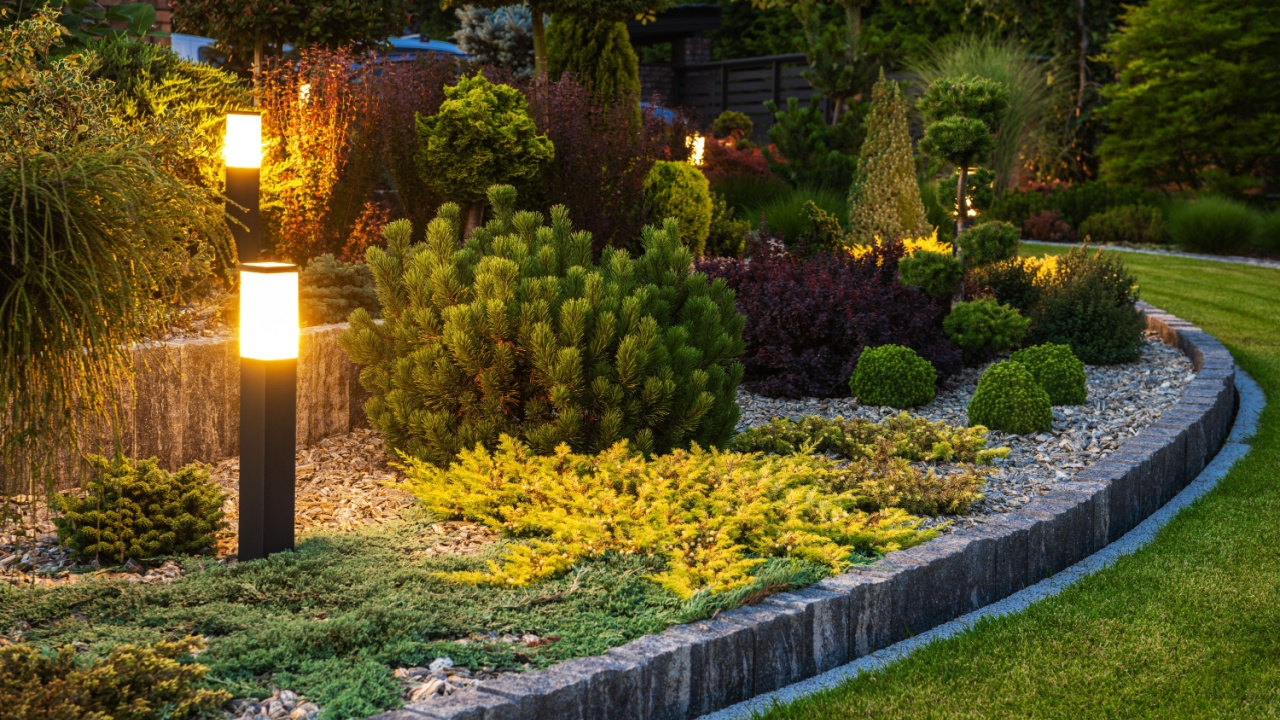
Flipping on a porch light and leaving it on all night might seem like a good security measure, but it’s not as effective as you think. Constant, static lighting creates predictable, deep shadows where intruders can easily hide. A person lurking in these dark pockets will be completely invisible from the street or from your windows.
While a well-lit yard is important, the type of lighting matters more. Static lights become part of the background environment, and their constant presence does little to startle or deter someone with bad intentions.
Actionable Advice:
- Switch to motion-activated lights: Install motion-sensor floodlights around key entry points like your front door, back patio, and garage. The sudden burst of light is startling and immediately draws attention to the area.
- Save energy: Motion-activated lights only turn on when needed, which saves on your electricity bill and extends the life of the bulbs.
- Use a layered approach: Combine motion-activated lights with low-voltage landscape lighting along pathways. This creates a safe, welcoming look while the motion sensors provide the heavy-duty security.
4. Hiding a Spare Key in an Obvious Spot
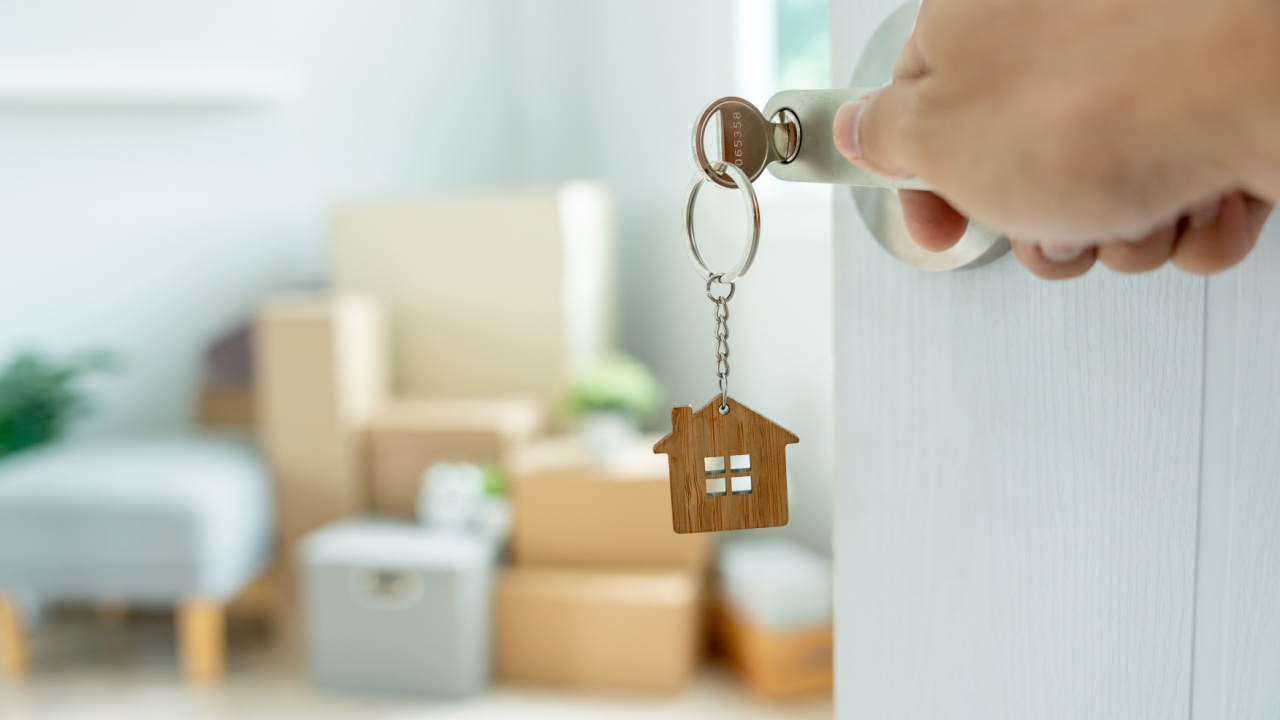
Hiding a spare key under the doormat, in a fake rock by the porch, or on top of the door frame is a classic homeowner move—and every burglar knows it. These are the first places they will look. While having a backup key is convenient for those moments you lock yourself out, leaving it in a predictable spot is like handing over an invitation.
The further the key is from the door, and the more creative the hiding spot, the better. However, the safest solution is to avoid hiding a key on your property altogether.
Actionable Advice:
- Give a key to a trusted neighbor: This is the most secure option. Your neighbor can hold onto a spare for you in case of an emergency.
- Use a smart lock or lockbox: A keyless smart lock that uses a code is a great alternative. If you must have a physical key, use a high-quality combination lockbox and secure it in a discreet location.
- Think unconventionally: If you absolutely must hide a key, think far from the entry point and choose a location that isn’t obvious, such as inside a birdhouse or a specific, non-obvious garden ornament.
5. Allowing Mail and Newspapers to Pile Up
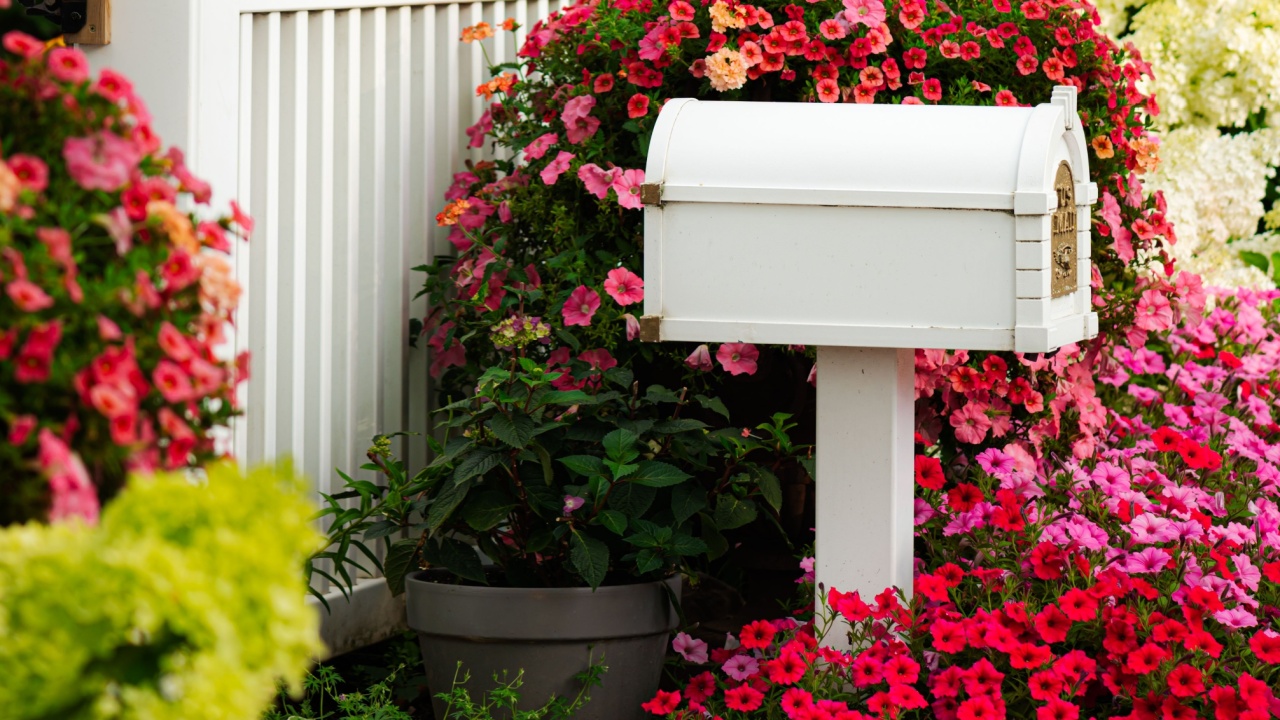
An overflowing mailbox or a stack of newspapers on the porch is a universal sign that nobody is home. This is one of the easiest ways for a potential burglar to identify an empty house, making it a prime target. Even a two-day pile-up can signal that the property is unoccupied.
This mistake is especially common when homeowners go on vacation. A little planning before you leave can keep your home from looking abandoned.
Actionable Advice:
- Hold your mail: Before you leave for a trip, contact your local post office to place a hold on your mail delivery. You can do this online through the USPS website.
- Pause subscriptions: Stop newspaper and any other regular deliveries for the duration of your trip.
- Ask for help: Enlist a trusted neighbor or friend to swing by daily to pick up any mail, packages, or flyers that might accumulate. This activity also helps make the house look lived-in.
6. Keeping Your Valuables Visible from Windows

Just as you enjoy looking out your windows at your garden, potential intruders can look in. Leaving expensive items like laptops, tablets, high-end electronics, or jewelry in plain sight from a ground-floor window can turn a passerby into a burglar. They may see something they want and decide your home is worth the risk.
This applies to both day and night. During the day, sunlight can illuminate the inside of your home. At night, interior lights make your home a brightly lit display case for anyone outside.
Actionable Advice:
- Do a walk-around: Take a walk around the outside of your home and peer into the windows. See what is visible and move any valuable items out of sight.
- Use window coverings: Close your blinds or curtains at night, especially in rooms where you have expensive equipment, like a home office or living room. Sheer curtains can offer privacy during the day while still letting in light.
- Store items securely: Get into the habit of putting away valuables. Don’t leave your wallet, keys, or expensive jewelry on a dresser or table that is visible from a window.
7. Advertising Your Vacation on Social Media

It’s exciting to share your travel plans and vacation photos with friends and family. However, posting about your trip while you are still away is like broadcasting to the world that your home is empty. Many social media profiles are public, allowing anyone to see your posts. Criminals are known to search for keywords like “vacation,” “trip,” or “out of town” to find potential targets.
Even with private profiles, you can’t be certain who sees your information if friends of friends can view your posts. The safest rule is to post your amazing travel photos after you’ve returned home.
Actionable Advice:
- Post later: Wait until you are back home to share all your vacation pictures and stories.
- Check your privacy settings: Go through the privacy settings on all your social media accounts and ensure your posts are only visible to trusted friends, not the public.
- Be mindful of tagging: Ask friends and family not to tag you in vacation posts until you’re back home.
8. Leaving Ladders and Tools Accessible in the Yard
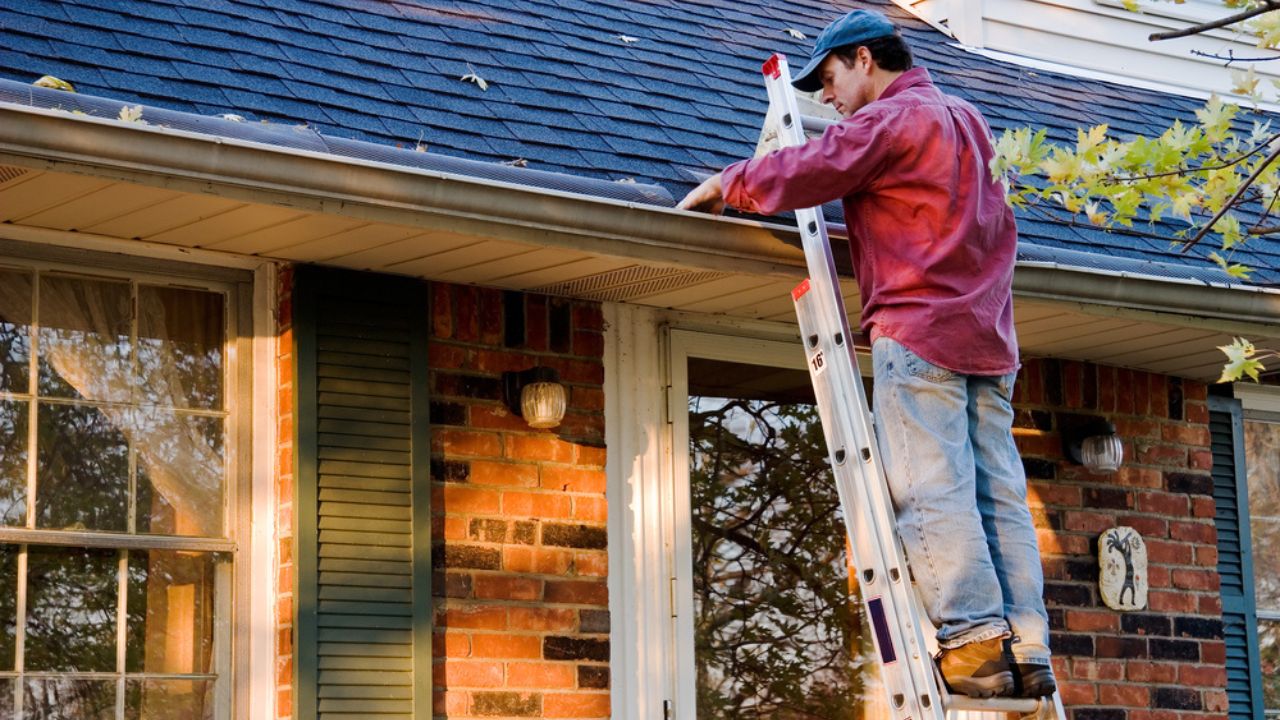
That ladder you left leaning against the shed or the sturdy trellis next to a second-story window can become a tool for a burglar. Most thieves look for crimes of opportunity and won’t bring a ladder with them. By leaving one out, you provide them with easy access to your second-floor windows, which are often left unlocked.
The same goes for tools like crowbars, hammers, or even large rocks from your garden beds. Anything that could be used to break a window or pry open a door should be secured.
Actionable Advice:
- Store ladders properly: Secure ladders in a locked garage or shed. If you must store it outside, use a heavy-duty chain and padlock to lock it to a secure fixture.
- Tidy up after projects: After a day of gardening or working on a DIY project, put all your tools away in a locked space.
- Assess your landscape: Be mindful of how trees or decorative structures could be used to climb to an upper level and trim or move them if necessary.
9. Forgetting to Secure Sliding Doors and Windows
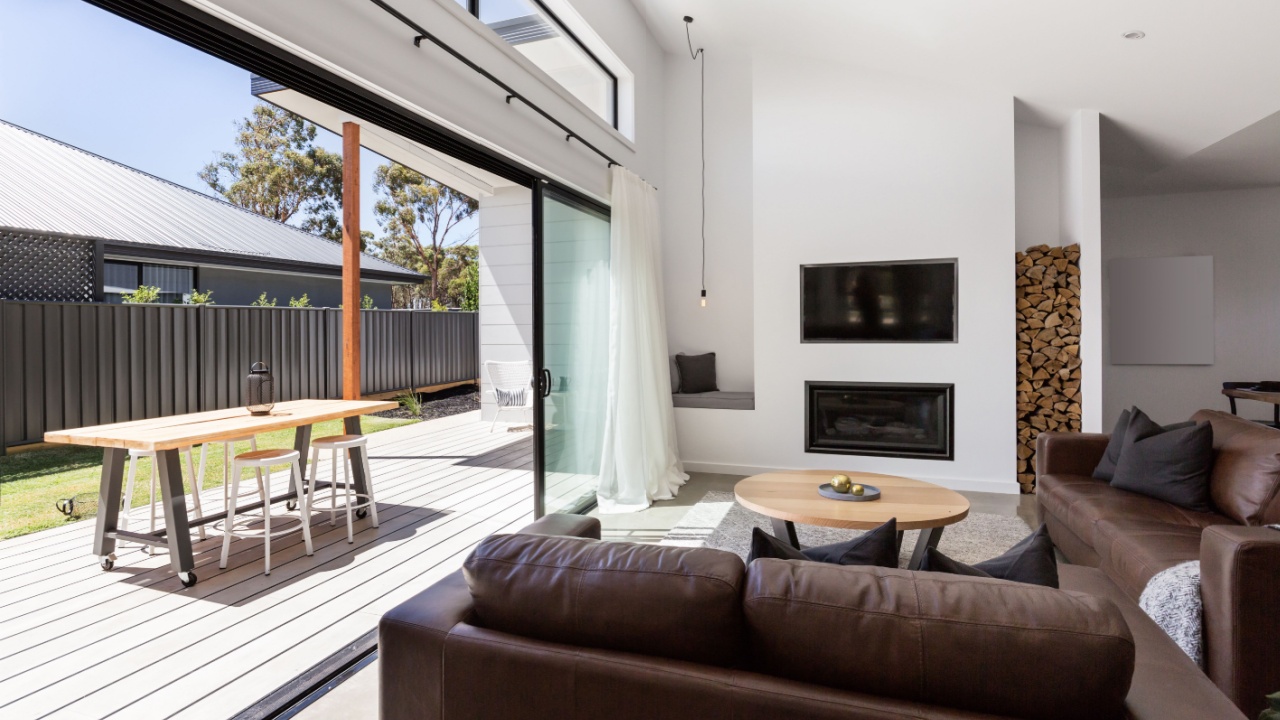
Sliding glass doors are a favorite feature for garden lovers because they offer a beautiful view of the backyard. Unfortunately, they are also a common target for burglars because their factory latches are often flimsy and easy to defeat. Similarly, windows, especially those on the ground floor or hidden from street view, are frequent entry points.
Many people lock their doors but forget to check all the windows before leaving the house or going to bed. An unlocked window is a welcome sign for an intruder.
Actionable Advice:
- Use a security bar: For sliding doors, place a strong security bar or even a simple wooden dowel in the track. This physically prevents the door from being opened.
- Install secondary locks: Add secondary locks to your windows. There are many simple and inexpensive DIY window locks you can install for added peace of mind.
- Check locks regularly: Make it a habit to walk through your home and check that all windows and doors are securely locked before you leave or go to sleep.
10. Ignoring Daytime Security

Most people associate break-ins with the cover of darkness, but statistics show that most residential burglaries happen during the day. Thieves know that homes are most likely to be empty between mid-morning and mid-afternoon when occupants are at work or school.
Thinking that your home is only at risk at night is a dangerous mistake. Your security measures should be active whenever you are not home, regardless of the time of day.
Actionable Advice:
- Use your alarm system: If you have a security system, arm it every single time you leave the house, even if it’s just for a quick trip to the store.
- Make the house look occupied: Leave a radio or television on to create sound. Use smart plugs to schedule lights to turn on and off at various times.
- Be a good neighbor: Get to know your neighbors and watch out for each other’s properties. A tight-knit community is a powerful deterrent.
11. Leaving Packaging from Big Purchases by the Curb

Did you just buy a new 75-inch TV, a high-end computer, or a fancy new grill? Leaving the empty boxes by the curb for recycling day is like putting up a billboard advertising the expensive new items inside your home. It tells opportunistic thieves exactly what they can find if they break in.
This is an easy mistake to make in the excitement of a new purchase, but it can make your home a very attractive target.
Actionable Advice:
- Break down boxes: Use a utility knife to cut large boxes into smaller pieces.
- Conceal the packaging: Place the flattened pieces inside a black trash bag or mix them with other recyclables in your bin so the branding isn’t visible.
- Take it to the dump: For very large boxes, consider taking them directly to a recycling center yourself.
12. Having a Highly Visible Alarm System Keypad

An alarm system is an excellent deterrent, but only if a potential intruder believes it’s armed. If your alarm system’s control keypad is installed where it can be easily seen from a front door window or sidelight, a thief can peer in to see if the system is active. If the “armed” light is off, your expensive system offers no protection.
The yard sign from the security company might make them think twice, but if they can confirm the system is off, that hesitation disappears.
Actionable Advice:
- Choose a discreet location: When installing a security system, ensure the main keypad is not visible from any exterior doors or windows.
- Use secondary keypads or apps: Many modern systems can be armed and disarmed via a smartphone app or a small keychain remote, making the main keypad less necessary for daily use.
- Block the view: If your keypad is already in a visible spot, use a decorative item or a window film to obscure the line of sight from the outside.
13. Creating Too Much Privacy with Fencing
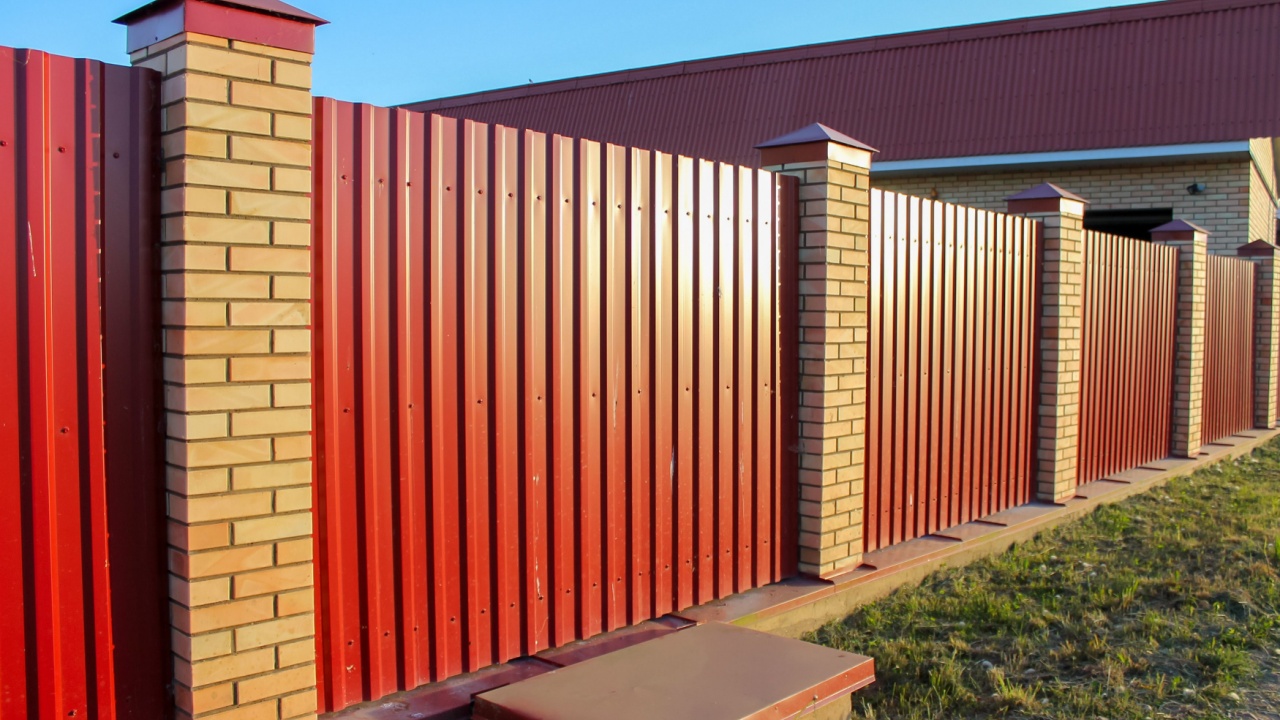
While a privacy fence is great for keeping prying eyes out of your backyard, a fortress-like fence can work against you. A tall, solid fence that completely blocks the view from the street gives an intruder a private, shielded space to work. Once they are over the fence, they are hidden from neighbors and passersby, giving them ample time to break into your home without fear of being seen.
The key is to find a balance between privacy and security. You want a fence that discourages entry but doesn’t provide a haven for criminals.
Actionable Advice:
- Choose a semi-private design: Consider a fence that allows for some visibility, such as one with spaced pickets, latticework on top, or horizontal slats with gaps.
- Keep it at a reasonable height: A six-foot fence is generally tall enough to deter casual climbing without creating a complete visual barrier.
- Focus on the front yard: Keep front yard fencing low and open to maintain visibility from the street, while using a taller fence for the backyard.
Your Next Steps for a Safer Home and Garden

Protecting your home is an ongoing process, not a one-time task. Start by walking your property with this list in mind. Look at your home from the perspective of a potential intruder. Where are the weak spots? What simple changes can you make today?
You can start small. This weekend, commit to trimming the bushes under your windows and installing a security bar in your sliding glass door. Next, make it a family rule to arm the security system every time you leave. By layering these small, consistent actions, you build a powerful and effective home security strategy that protects the home and garden you love so much.
Read more:
7 Reasons the Garage is the Weakest Link in Home Security
12 Ways to Maximize Your Home Security Setup